La Buena Fe
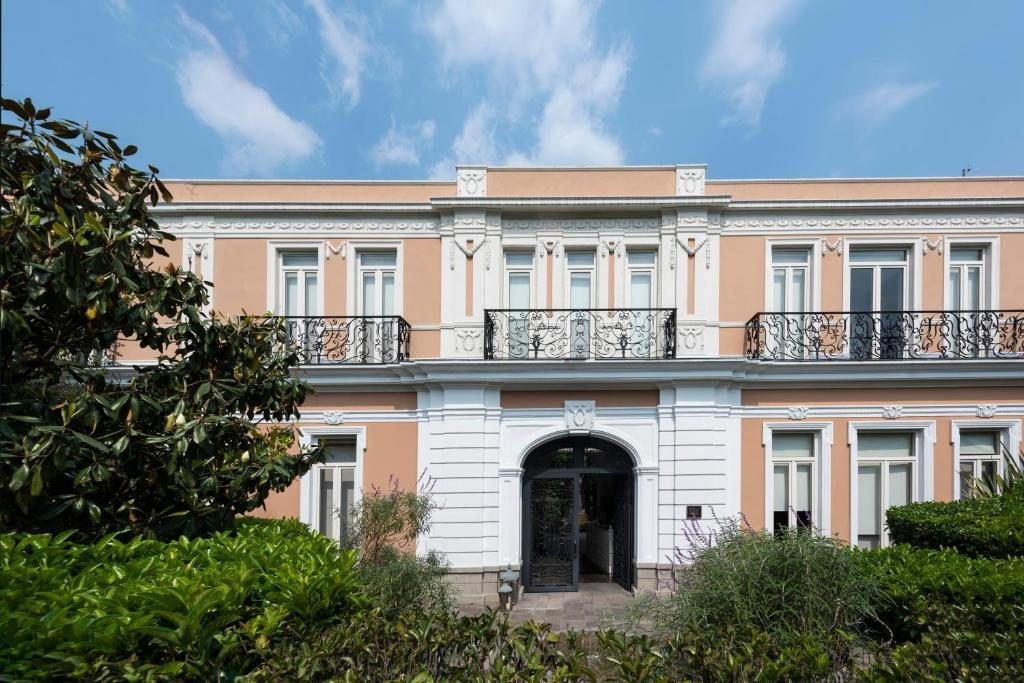
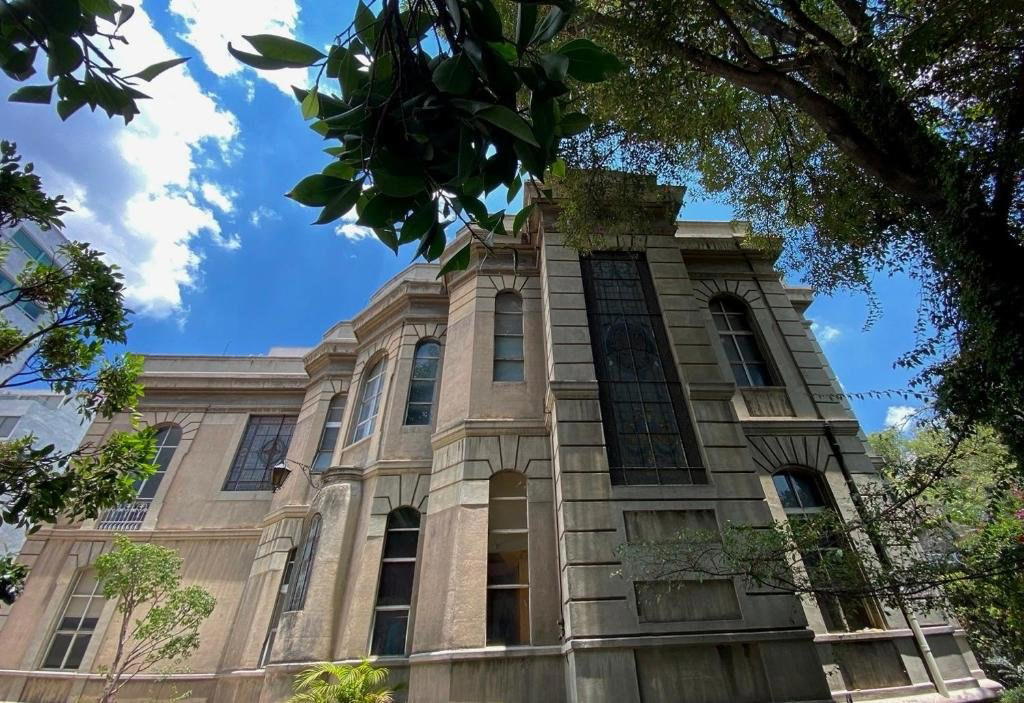
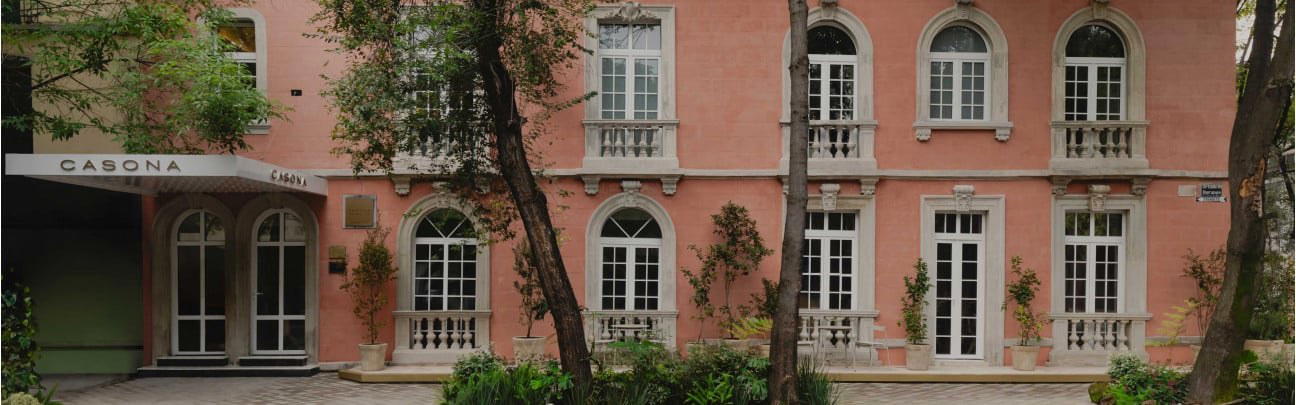
La Buena Fe sits on Avenida Altavista in San Ángel, one of Mexico City's most considered dining neighbourhoods, where colonial-era streets and a long-established restaurant culture set a particular standard.
Pearl is the En Primeur Club membership app — saves, bookings, and concierge access live there. Same editors, same standards.
- Address
- Av. Altavista 43, San Ángel, Álvaro Obregón, 01060 Ciudad de México, CDMX, Mexico
- Phone
- +525530954508
- Website
- opentable.com
- Directions
- Get directions
 Saves & bookings on Pearl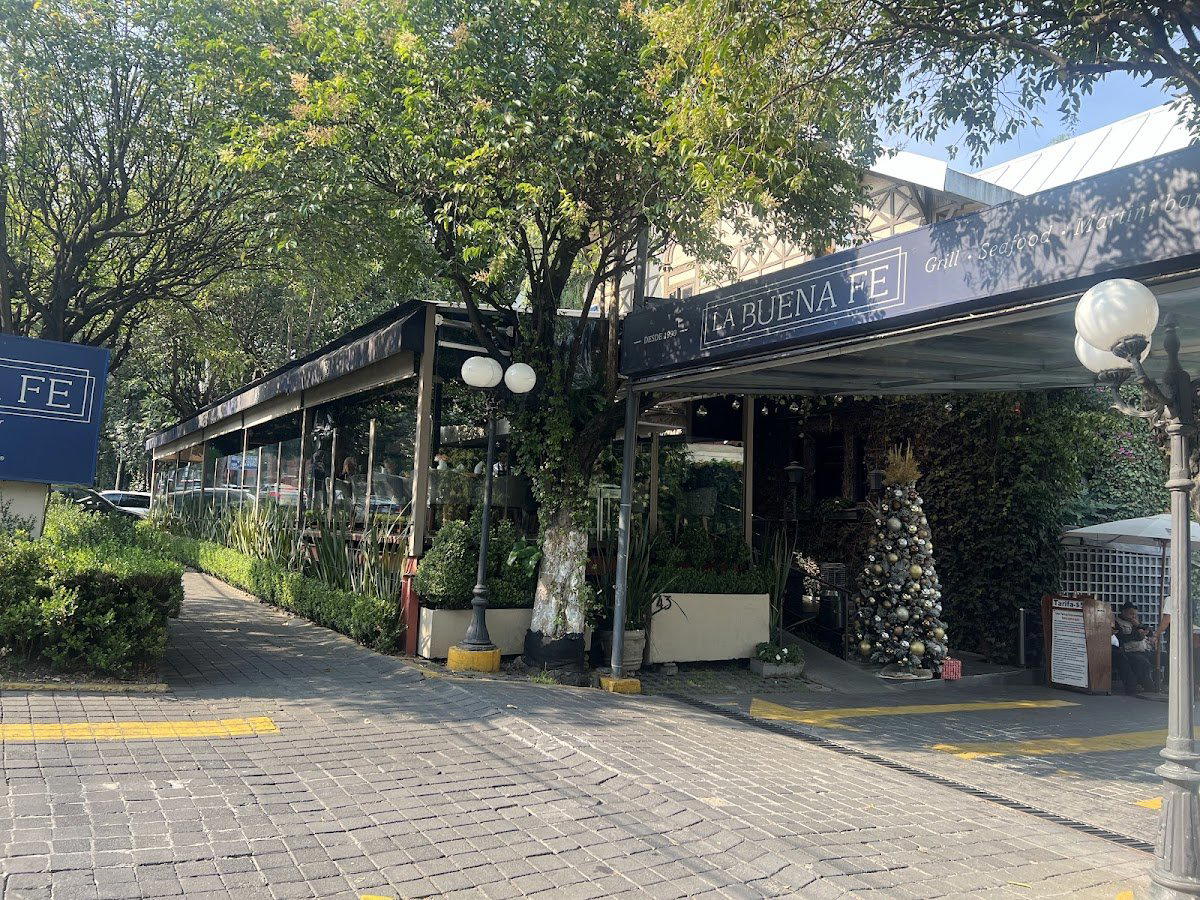
San Ángel and the Neighbourhoods That Shape Mexico City Dining
Mexico City's restaurant geography is not random. The colonias that attract serious kitchens tend to share a set of conditions: pedestrian-scale streets, a resident population with disposable income, and enough critical mass of good operators that a single mediocre lunch feels like an aberration rather than a baseline. San Ángel, in the southwest of the city, has held that status for decades. Avenida Altavista, where La Buena Fe sits at number 43, is one of the neighbourhood's principal dining corridors, flanked by art galleries, design shops, and the kind of Saturday market that draws the sort of Chilango who reads menus carefully. That context matters. A restaurant opening here is not staking a claim in an emerging district. It is entering a neighbourhood with an established opinion of itself.
San Ángel sits at a remove from the Condesa-Roma axis that dominates most international coverage of Mexico City eating. That distance is meaningful. While Pujol and Quintonil operate in Polanco under sustained global scrutiny, and Rosetta commands Roma Norte with a specific creative-Italian proposition, San Ángel operates on a slightly different frequency: more neighbourhood institution, less destination-dining performance. A restaurant on Altavista is more likely to be feeding the same table twice a month than fielding reservations from international visitors checking a list.
How the Menu Speaks Before You Order
The editorial angle that matters most when reading any Mexico City restaurant is the same one that applies to reading a menu: what is the kitchen deciding to say, and what is it choosing not to say? Mexico's cooking traditions are wide enough that a chef's selection of reference points is itself a position. A menu that draws on central Mexican home cooking makes a different argument than one that reaches toward Oaxacan complexity or Yucatecan spice logic. At the mid-market level in a neighbourhood like San Ángel, the menu architecture typically reflects a balance between accessibility and ambition, between the dishes that pay the rent and the ones that communicate what the kitchen actually believes.
Because specific menu details for La Buena Fe are not available in verified form, it would be misleading to describe individual dishes. What the address and neighbourhood standing suggest is a kitchen oriented toward the kind of cooking that sustains a loyal local clientele over years rather than cycles through seasonal concept pivots. That is a particular kind of discipline. The restaurants in Mexico City that have survived and earned neighbourhood trust longest, from Sud 777 in the southwest to Em in Juárez, tend to be those with a clear point of view that does not require constant reinvention to remain relevant.
Across Mexico, the restaurants that have built the most durable reputations share a structural logic: a menu tight enough to execute well consistently, with a hospitality approach that makes regular guests feel the room is partly theirs. That model is well-represented in San Ángel, where the leading neighbourhood operators are less interested in the prestige signals that drive Polanco bookings and more focused on the kind of repeat loyalty that fills a room on a Tuesday.
Mexico City's Broader Restaurant Ecosystem
Understanding where any single restaurant sits in Mexico City requires some mapping of the broader scene. The city now runs a full spectrum from the internationally decorated and allocation-driven at the leading end, through a dense mid-market of serious neighbourhood restaurants, down to taquerías and fondas that remain among the most technically confident cooking anywhere in Latin America. The competition at every price point is acute. A neighbourhood restaurant in San Ángel is not competing with Pujol for the same guest. It is competing with every other Altavista option and, more broadly, with the city's deep bench of operators who have been refining their approach across decades.
That competitive density is one reason Mexico City has attracted attention from the same international food press that covers destinations like New York. The comparison is instructive: just as Le Bernardin or Atomix in New York represent the upper tier of a city where serious dining is distributed across dozens of neighbourhoods and price points, Mexico City's leading operators are embedded in a larger ecosystem of capable, committed kitchens. San Ángel is part of that ecosystem, not separate from it.
Beyond the capital, Mexico's restaurant conversation has expanded significantly. Restaurants like Animalón in Valle de Guadalupe, Alcalde in Guadalajara, KOLI Cocina de Origen in Monterrey, Levadura de Olla in Oaxaca, HA' in Playa del Carmen, Le Chique in Puerto Morelos, Olivea in Ensenada, Lunario in El Porvenir, Pangea in San Pedro Garza García, and Huniik in Mérida have shifted the critical conversation away from a Mexico City monopoly. That shift has, paradoxically, reinforced the capital's neighbourhood restaurants as anchors of a local dining culture that doesn't need international validation to know its own value. For our full overview of where to eat across the city, see our Mexico City restaurants guide.
Approaching the Visit
San Ángel rewards the visitor who treats it as a half-day rather than a single-destination stop. The neighbourhood's Saturday Bazar del Sábado, its galleries, and the pedestrian character of its central streets create a context in which lunch or dinner at a restaurant like La Buena Fe functions as part of a longer afternoon rather than a set-piece occasion. That is precisely the kind of dining the neighbourhood was built for.
Know Before You Go
- Address: Av. Altavista 43, San Ángel, Álvaro Obregón, 01060 Ciudad de México, CDMX, Mexico
- Neighbourhood: San Ángel, southwest Mexico City
- Phone / Website / Hours: Not publicly listed at time of publication — confirm directly before visiting
- Price range: Not confirmed — check on arrival or contact directly
- Booking: Booking method not confirmed; for popular neighbourhood restaurants in San Ángel, arriving early or calling ahead is advisable
- Getting there: San Ángel is leading reached by taxi or rideshare from central colonias; the neighbourhood is not directly served by Metro but is accessible via Metrobús on Insurgentes Sur
Continue exploring
More in Mexico City
Restaurants in Mexico City
Browse all →
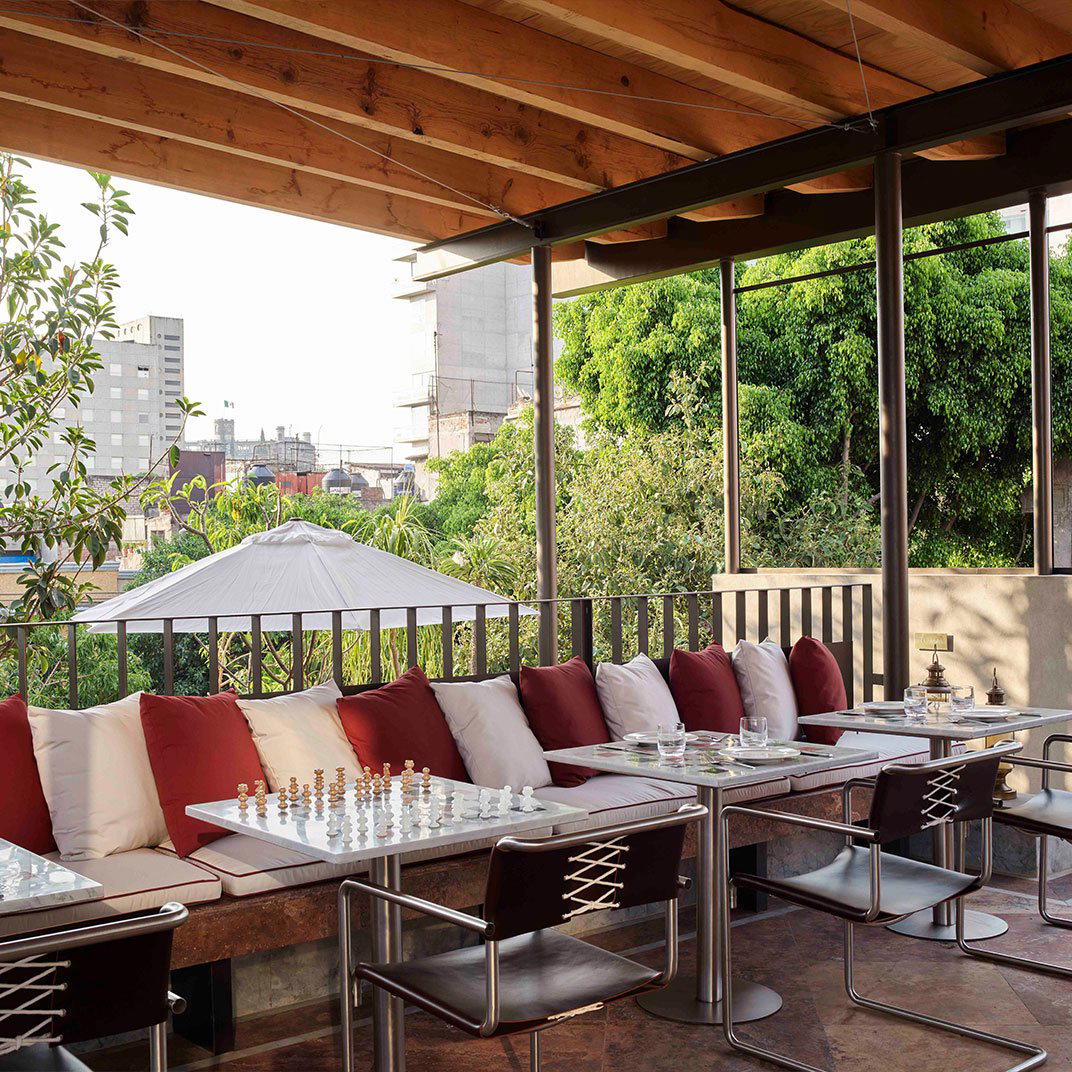
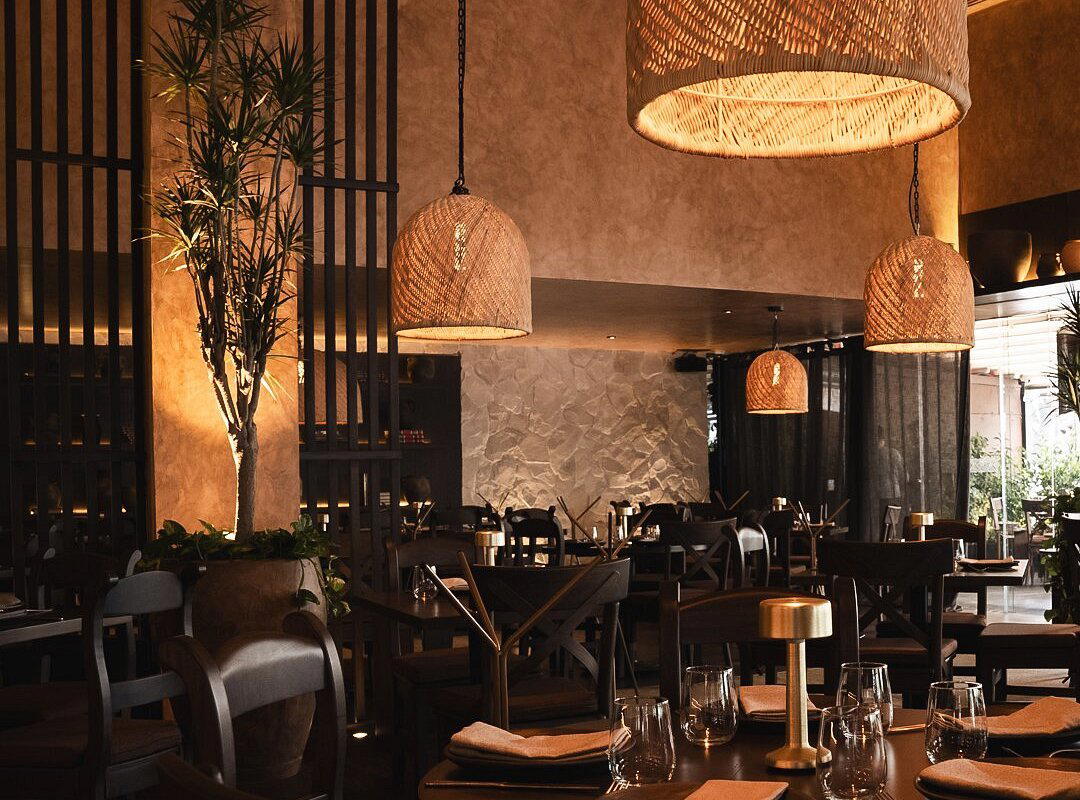
Bars in Mexico City
Browse all →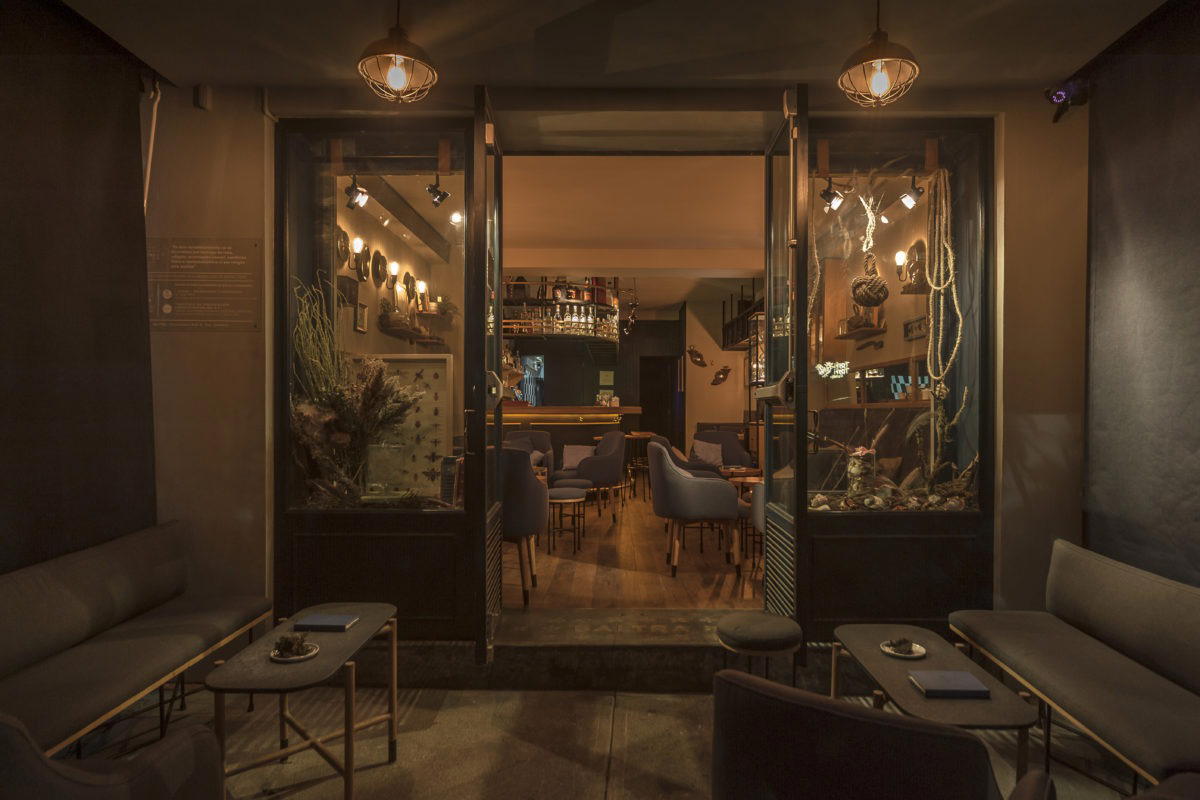
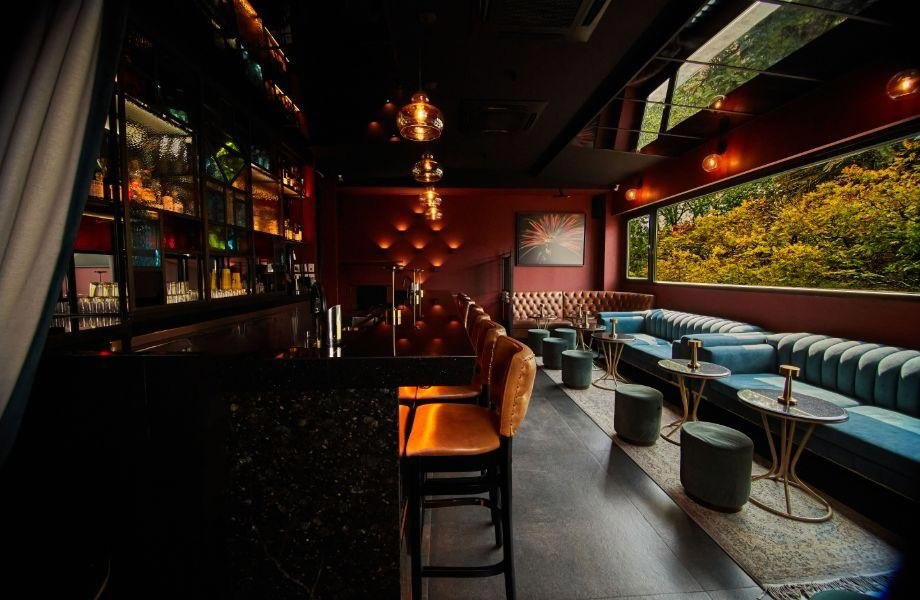

At a Glance
- Lively
- Casual
- Business Dinner
- Casual Hangout
- Group Dining
- Terrace
Current opening hours
- Monday
- 7:30 AM–2 AM
- Tuesday
- 7:30 AM–2 AM
- Wednesday
- 7:30 AM–2 AM
- Thursday
- 7:30 AM–2 AM
- Friday
- 7:30 AM–2 AM
- Saturday
- 8 AM–1 AM
- Sunday
- 8 AM–8 PM
Hours can change for holidays and private events. Last verified .
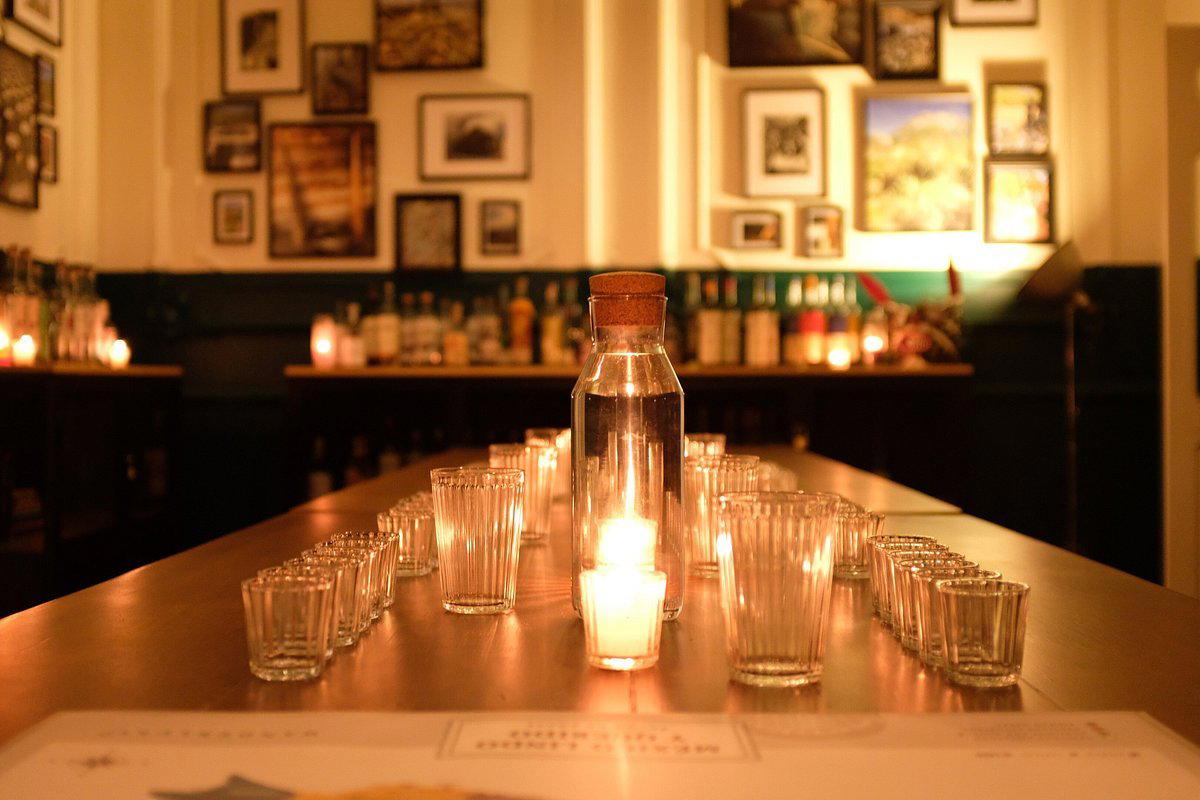
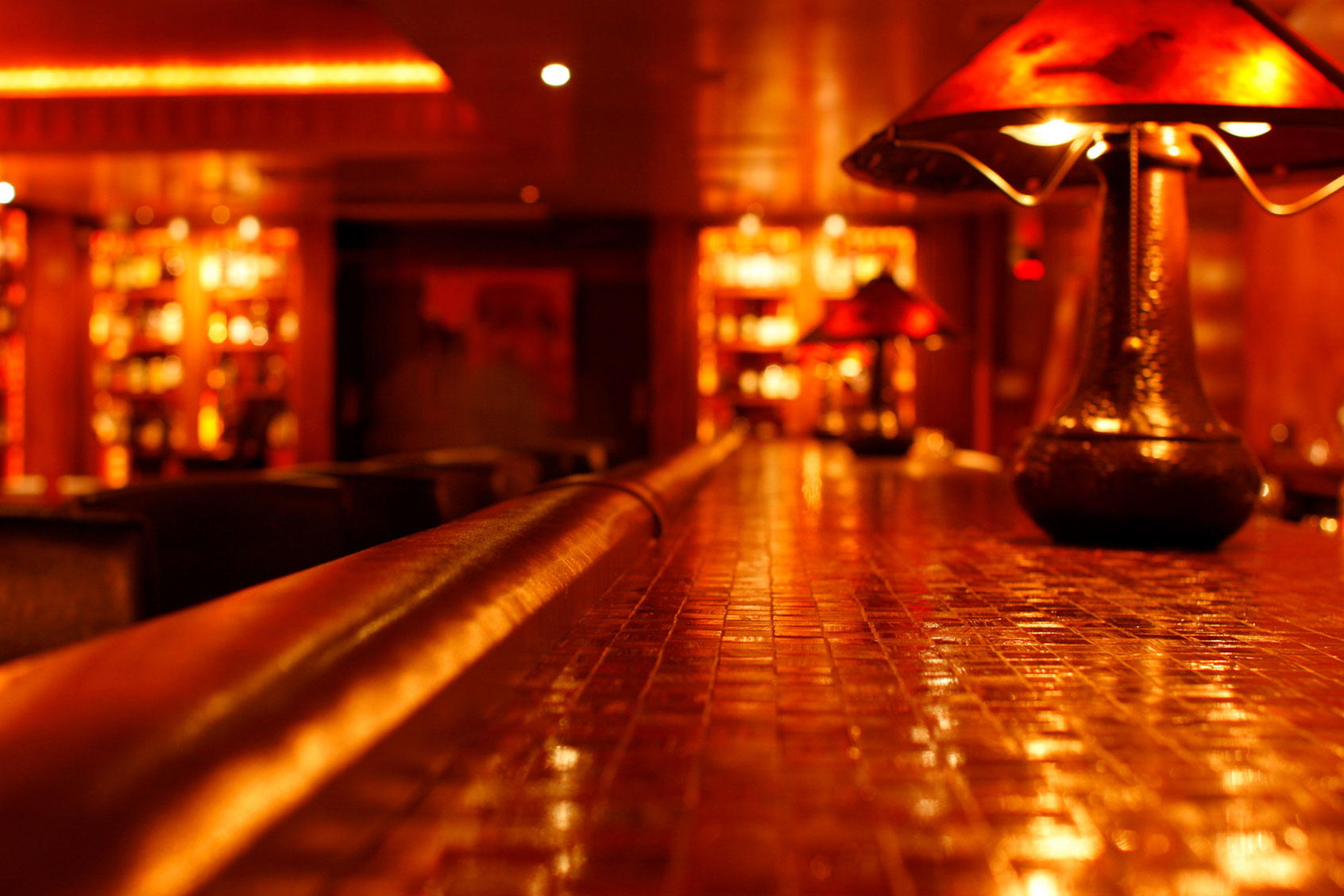
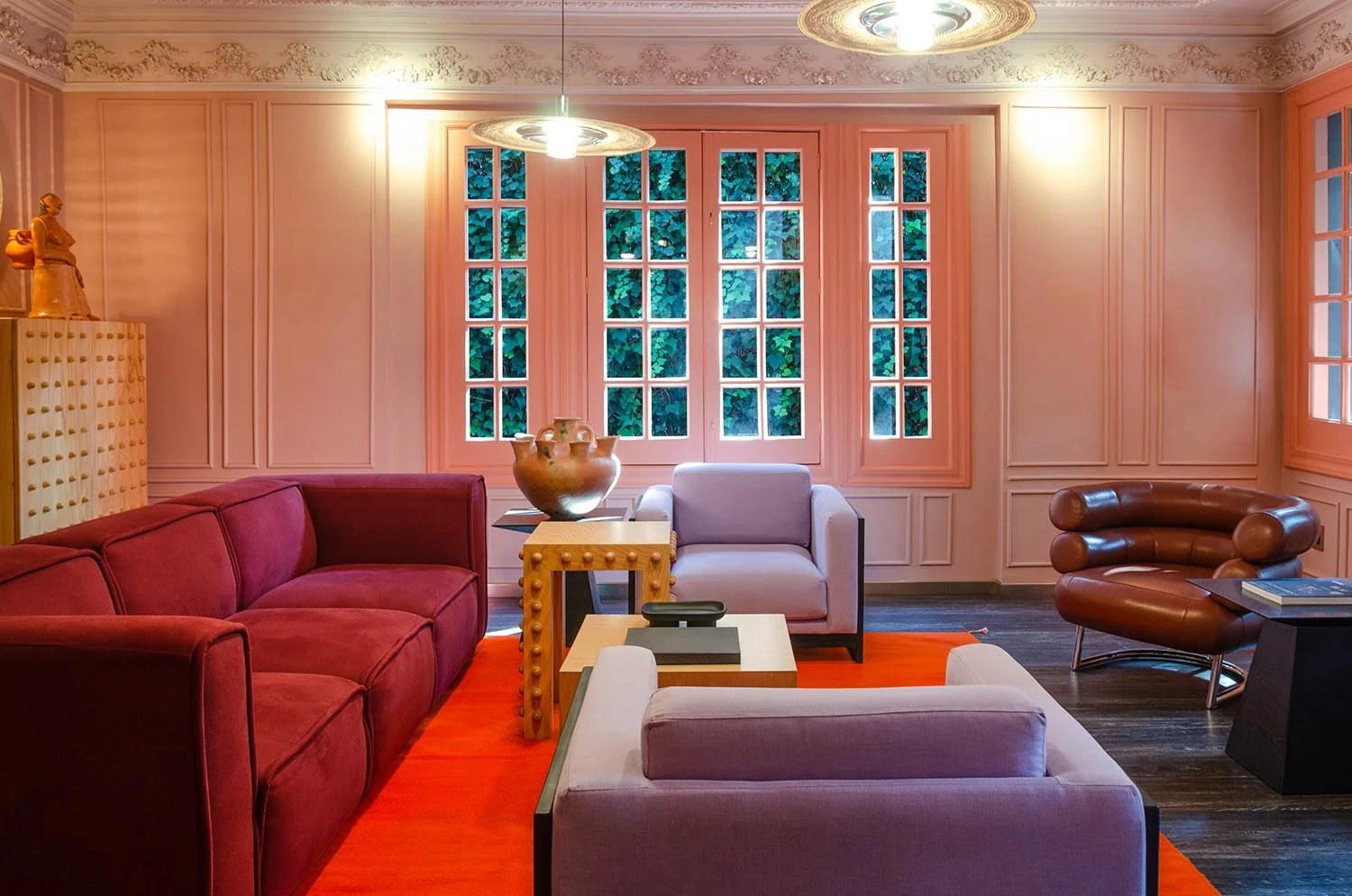
Informal atmosphere with sports screens and high volume music, good for casual dining but not classy.
Know Before You Go
- Getting there
- Av. Altavista 43, San Ángel, Álvaro Obregón, 01060 Ciudad de México, CDMX, Mexico