On Avenue Kléber in the 16th arrondissement, La Brasserie Italienne occupies a neighbourhood where the gap between French formality and Italian casualness has long produced interesting results. The kitchen draws on Italian sourcing traditions in a city that takes ingredient provenance seriously, placing it in a distinct niche among Paris's many Italian-leaning addresses.
Pearl is the En Primeur Club membership app — saves, bookings, and concierge access live there. Same editors, same standards.
- Address
- 73 Av. Kléber, 75116 Paris, France
- Phone
- +33147550083
- Website
- labrasserieitalienne.com
- Directions
- Get directions
 Saves & bookings on Pearl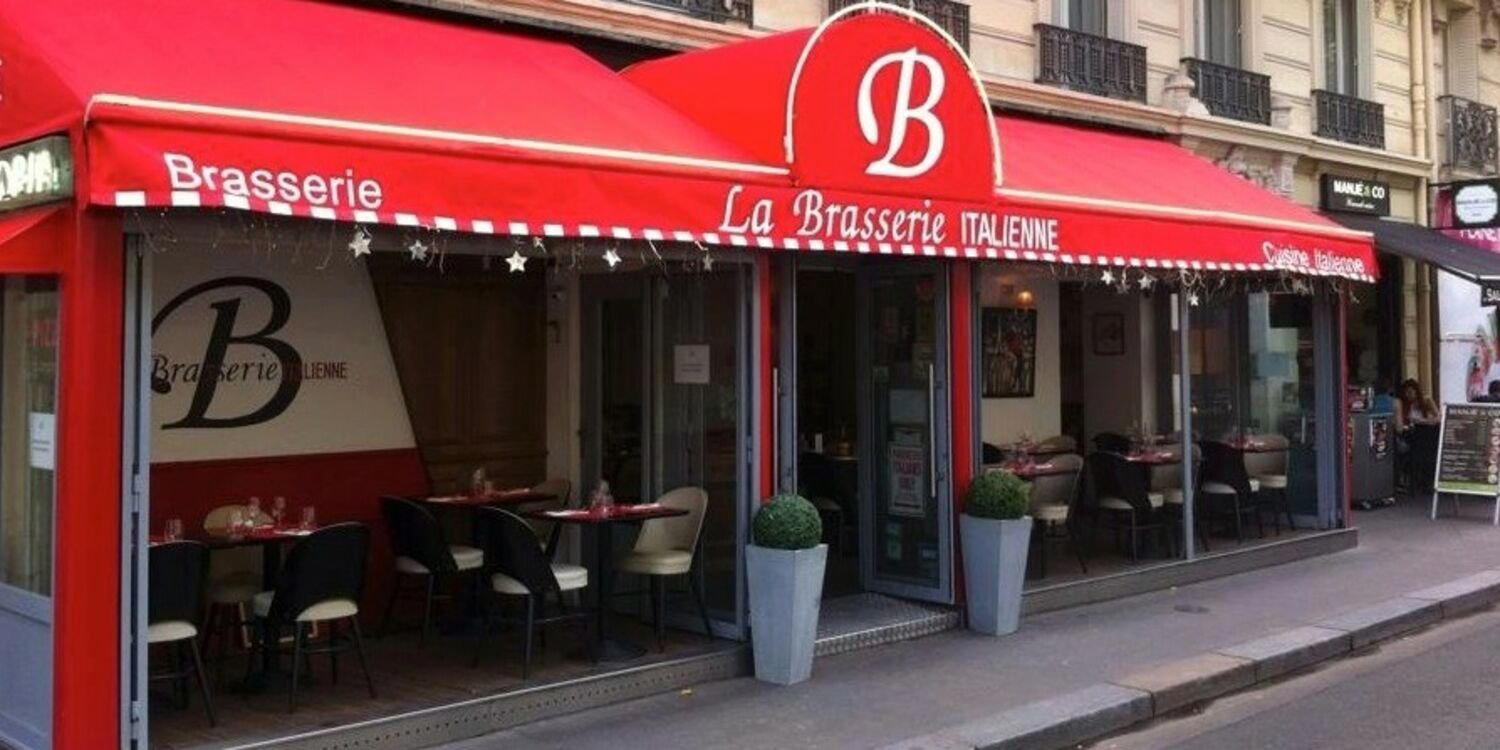
Italian Sourcing in a French Context
La Brasserie Italienne is a Traditional Neapolitan Italian restaurant at 73 Av. Kléber in Paris's 16th arrondissement. Paris has always maintained a complicated relationship with Italian cooking. The city's fine dining establishment treats Italian cuisine as either a reference point or a rival, rarely as a neutral category. Within the 16th arrondissement, where Avenue Kléber runs from the Arc de Triomphe toward the Trocadéro, that tension plays out in a neighbourhood whose restaurant scene has historically skewed toward formal French houses. The Italian brasserie format occupies a different position in that hierarchy: less ceremony-driven than the classic Parisian gastronomic template, but no less serious about where ingredients come from.
Across the better Italian-inflected tables in Paris, the sourcing argument has become the central editorial claim. The logic is simple: Italian regional cooking is, at its core, a product-first tradition. Unlike French haute cuisine, which codified technique as its primary identity marker, Italian cooking derives authority from the quality and origin of raw materials. Pasta begins with the grain and the producer. A salumi plate tells you which region, which breed, which cure. This is a fundamentally different approach to restaurant credibility, and it distinguishes serious Italian-focused kitchens from those that simply list Italian dish names on a French-format menu.
La Brasserie Italienne, at 73 Avenue Kléber, sits within this broader conversation about what Italian sourcing actually means in a Paris context. The address alone places it in proximity to some of the city's most demanding dining rooms: Le Cinq at the Four Seasons Hôtel George V operates nearby, setting a reference point for what the 8th and 16th arrondissements expect from a serious table. The question for any Italian-leaning kitchen in this postcode is how clearly it articulates its own sourcing logic.
What the Brasserie Format Signals
The term brasserie carries specific weight in French restaurant culture. It signals a middle register: more consistent and less occasion-dependent than a gastronomic restaurant, but more anchored in culinary identity than a café or bistro. When applied to Italian cooking in Paris, the brasserie format suggests a kitchen that takes its raw materials and technique seriously without demanding the full ceremony of a tasting menu format. That positioning has become increasingly coherent in the city as diners push back against the rigidity of multi-course obligation.
This shift is visible across Paris's better-regarded non-French tables. Kei, which holds Michelin recognition for its Franco-Japanese approach, demonstrates that a kitchen can build genuine authority in Paris by fusing a non-French culinary tradition with French technical rigour and sourcing discipline. The Italian brasserie model attempts something analogous: French attentiveness to product and service applied to Italian regional logic. When it works, the result is a kitchen that neither compromises Italian identity for French approval nor ignores the expectations that Parisian diners bring to any serious table.
The 16th Arrondissement as a Dining Context
The 16th is not where Paris's most experimental cooking happens. That energy concentrates in the 11th, the 10th, and pockets of the Left Bank. What the 16th offers instead is a clientele that expects precision and consistency, and a neighbourhood rhythm that rewards restaurants capable of serving both a Tuesday lunch and a Saturday dinner with equal focus. For an Italian-focused kitchen, that environment creates a useful discipline: the sourcing argument has to hold up across multiple visits, not just on set-piece occasions.
France's broader regional restaurant tradition provides useful comparison points. Houses like Auberge de l'Ill in Illhaeusern and Bras in Laguiole have built multi-generational reputations on a single, unwavering argument about where their food comes from and why that geography matters. The Italian sourcing tradition carries the same underlying logic: terroir is not a metaphor but a supply chain decision. A kitchen that sources Sicilian capers instead of generic alternatives, or uses Gragnano pasta rather than an industrial substitute, is making a claim about value hierarchy that a regular diner will notice over time.
Paris-based restaurants working across international culinary traditions have increasingly found that the sourcing argument travels. Arpège, Alain Passard's vegetable-focused house on the Left Bank, built its post-millennium reputation almost entirely on a sourcing pivot: the decision to farm directly and let produce drive the menu. Alléno Paris au Pavillon Ledoyen has taken a different path, using extraction and concentration techniques to intensify French terroir flavours. Both approaches foreground origin as the primary credential. For an Italian brasserie operating in the same city, the expectation is that Italian regional products carry equivalent weight as a sourcing argument.
Placing La Brasserie Italienne in Its comparable set
Within the 16th arrondissement's restaurant mix, an Italian brasserie occupies a distinct tier from the formal French gastronomic rooms. It does not compete directly with L'Ambroisie on the Île Saint-Louis, which operates in the upper stratum of classic French haute cuisine, nor with the creative ambition of Alléno Paris. Its competitive set is the wider category of serious Italian-focused dining in Paris: a field that has grown more credible over the past decade as sourcing discipline and Italian regional specificity have become more legible to French diners.
Internationally, the comparison extends further. Le Bernardin in New York demonstrates how a French-origin kitchen can sustain decades of credibility in a non-French city by maintaining absolute focus on product quality. Atomix, also in New York, shows that a non-Western culinary tradition can command the highest level of critical recognition in a market shaped by French and American dining norms. The lesson in both cases is that culinary authority travels when the sourcing argument is coherent and consistent.
Comparable Venues
Comparable venues nearby, for context on price, style, and recognition.
| Venue | Cuisine | Price | Notes |
|---|---|---|---|
| La Brasserie ItalienneThis venue — the venue you are viewing | Traditional Neapolitan Italian | $$$ | Not listed |
| Limone | Modern Italian | $$$ | 16th arrondissement |
| La Famiglia | Traditional Campania Italian | $$$ | Ternes |
| ROMI DE LUCA | Traditional Italian Trattoria | $$$ | 17th arrondissement |
| Pane e Olio Taverna | Authentic Sicilian Taverna | $$ | 16th Arrondissement |
| Gioia e Gusto | Authentic Neapolitan Pizza | $$ | Haussmann Saint-Lazare |
Continue exploring
More in Paris
Restaurants in Paris
Browse all →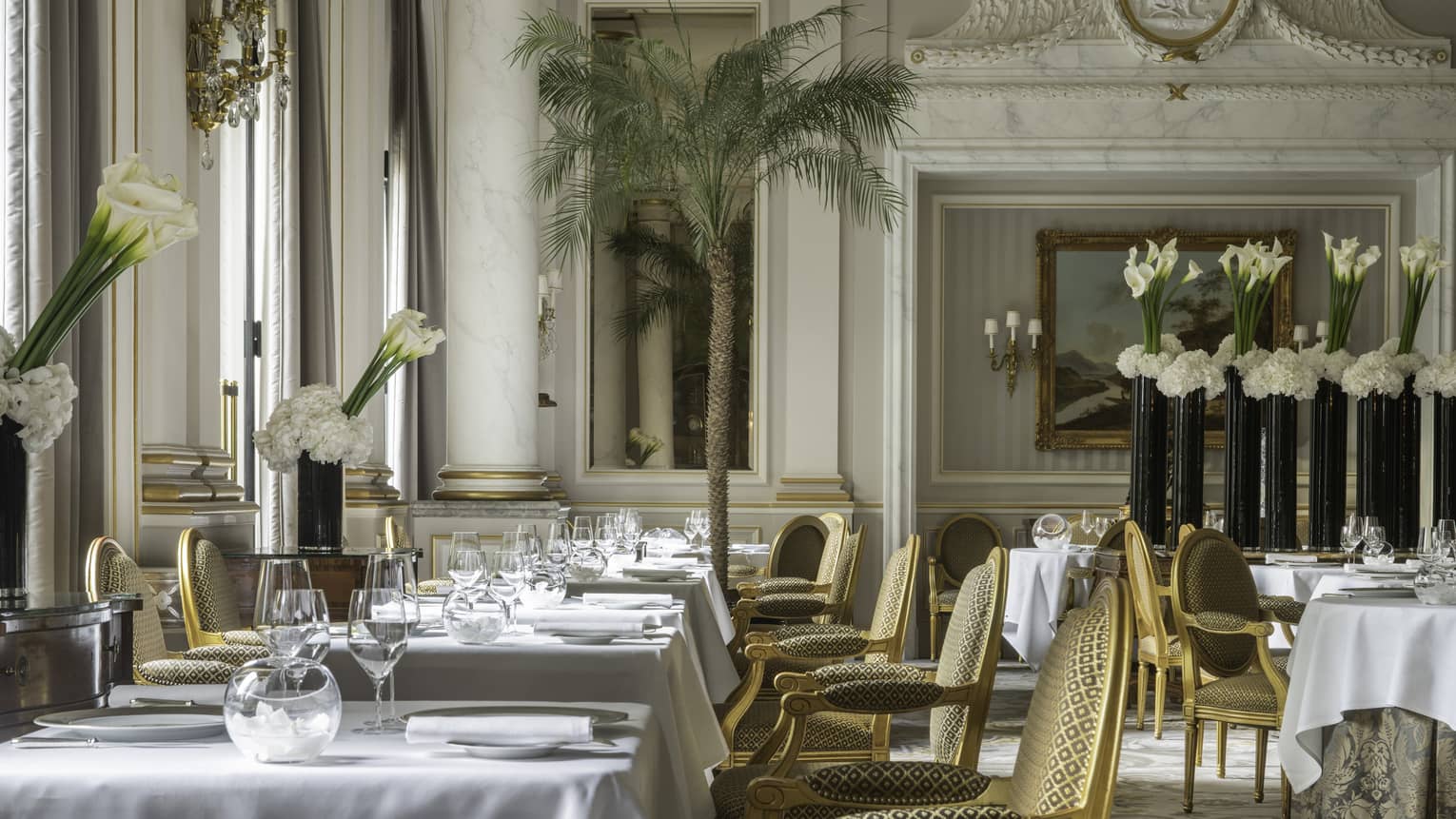

Bars in Paris
Browse all →
Hotels in Paris
Browse all →
Wineries in Paris
Browse all →
At a Glance
- Romantic
- Elegant
- Cozy
- Intimate
- Modern
- Date Night
- Group Dining
- Celebration
- Special Occasion
- Terrace
- Open Kitchen
- Private Dining
- Extensive Wine List
- Craft Cocktails
- Local Sourcing
- Organic
Current opening hours
- Monday
- 12 PM–12 AM
- Tuesday
- 12 PM–12 AM
- Wednesday
- 12 PM–12 AM
- Thursday
- 12 PM–12 AM
- Friday
- 12 PM–12 AM
- Saturday
- 12 PM–12 AM
- Sunday
- 12 PM–12 AM
Hours can change for holidays and private events. Last verified .
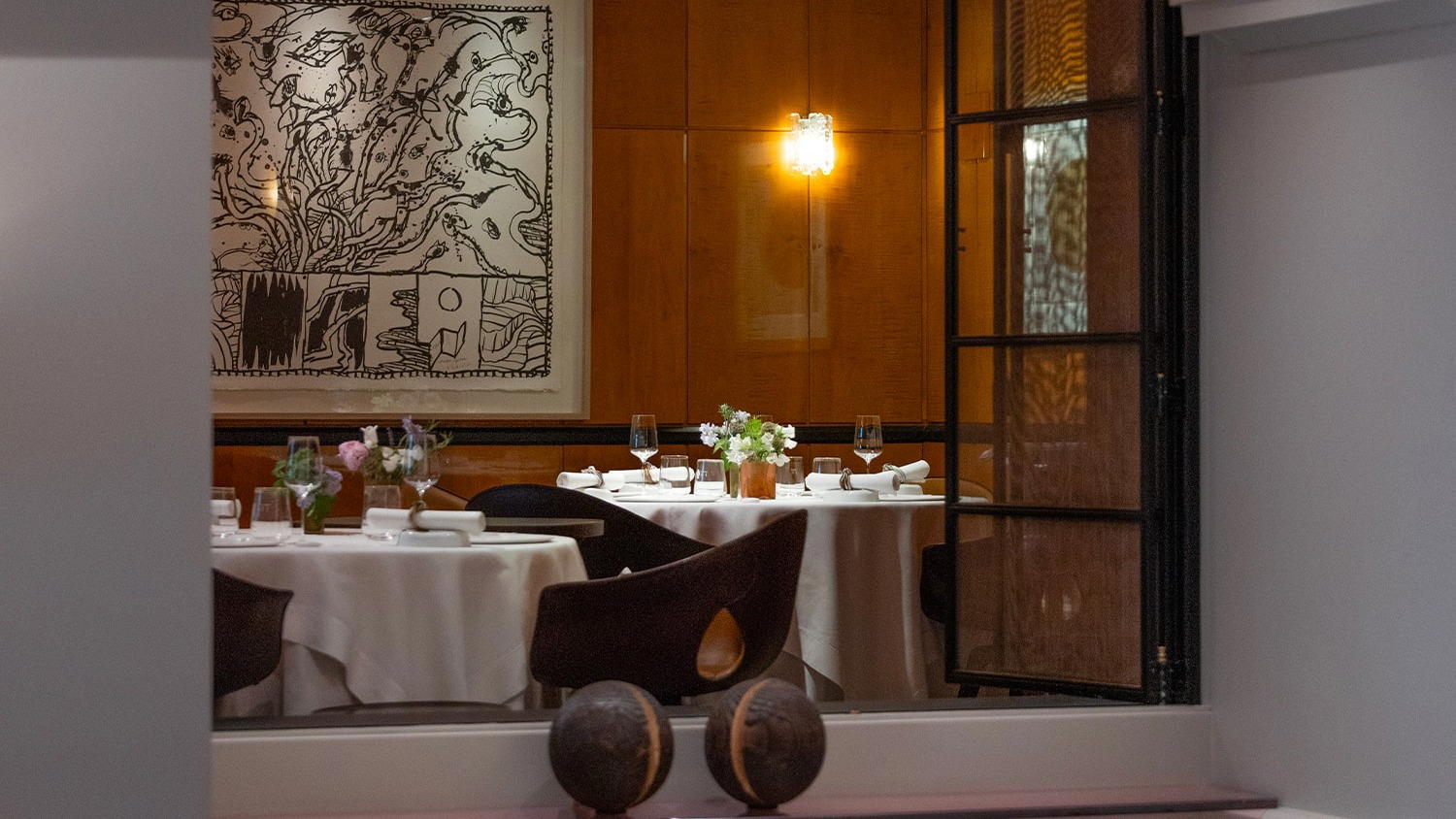
Intimate and cozy atmosphere with soft candlelight, dimmed lighting, and contemporary elegant décor creating a warm, feutré (hushed) ambiance.