On a quiet stretch of Rue Lauriston in Paris's 16th arrondissement, Limone occupies a corner of the city where Italian-inflected cooking meets the formal expectations of a neighbourhood that has always taken its restaurants seriously. The address places it in an interesting competitive bracket, close to some of Paris's most decorated dining rooms while operating with a distinctly different register.
Pearl is the En Primeur Club membership app — saves, bookings, and concierge access live there. Same editors, same standards.
- Address
- 80 Rue Lauriston, 75116 Paris, France
- Phone
- +33145622917
- Website
- limoneparis.fr
- Directions
- Get directions
 Saves & bookings on Pearl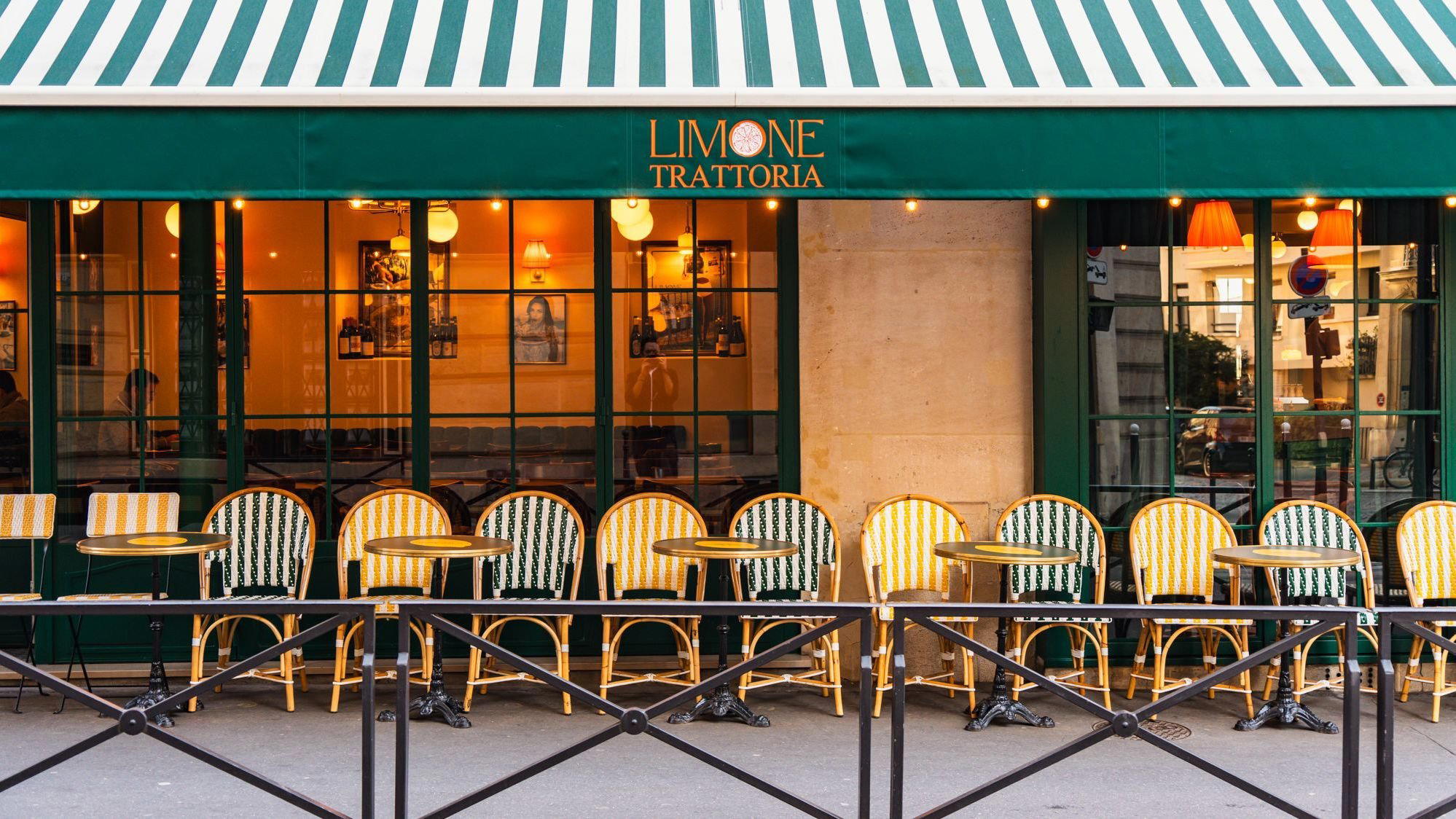
Rue Lauriston and the 16th's Dining Register
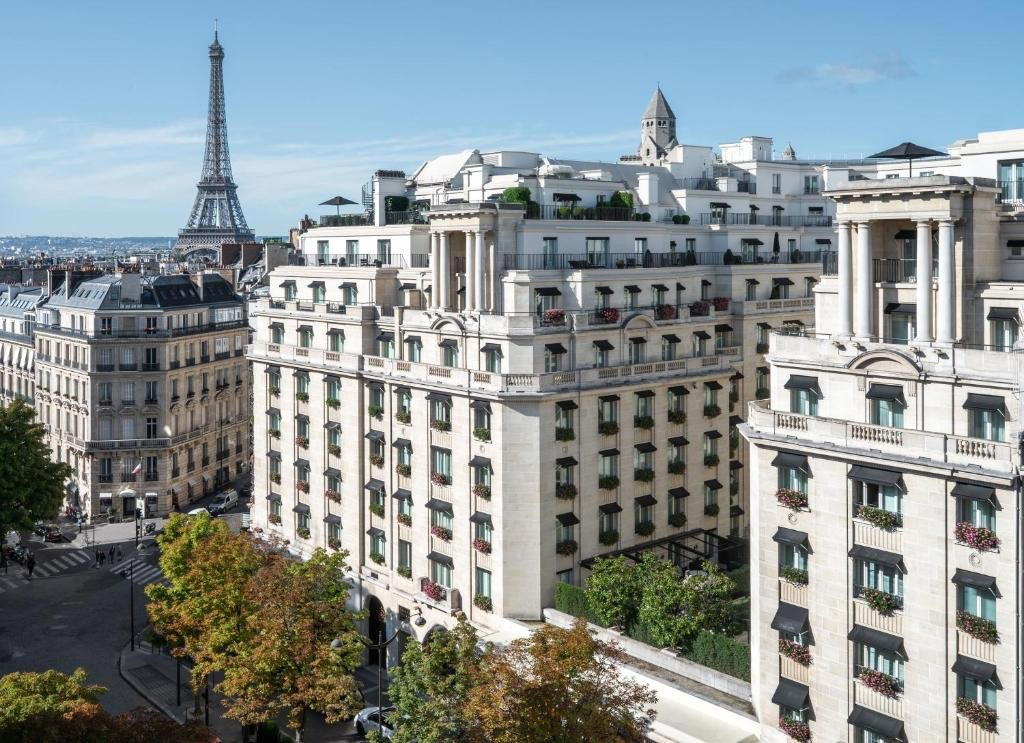
The 16th arrondissement has a particular relationship with restaurants. It is not especially fashionable address in Paris — that conversation happens in the 11th, the 9th, and increasingly the 13th — but it has a settled seriousness that suits a certain kind of cooking. The neighbourhood dines consistently, books ahead, and expects the room to match the plate. Rue Lauriston, specifically, sits within a few minutes of the Avenue Kléber axis, placing it in the orbit of Le Cinq at the Four Seasons Hôtel George V, one of Paris's most formally structured dining rooms. That proximity shapes expectations without dictating them.
Limone, at number 80 on that street, operates in a space where the culinary competition is concentrated. The 16th's fine dining tier includes rooms where classical French technique is the default, where wine lists run deep, and where the service tempo is deliberate. A restaurant that introduces Italian influence into this context is making a statement about what the neighbourhood's appetite can accommodate, and the menu architecture is where that statement becomes legible.
How the Menu Reads the Room
Menu structure is one of the clearest signals a restaurant sends about its own ambitions and self-understanding. At the higher end of Parisian dining, menus tend to resolve into one of several formats: the long tasting menu with little choice, the shorter seasonal carte with three or four options per course, or a hybrid that offers both a discovery format and a more abbreviated à la carte. Each of these formats implies a different relationship with the diner, one asks for trust, another offers sovereignty, and the hybrid tries to negotiate between them.
The Italian register, when it appears in Paris at the higher end, tends to assert itself through product logic rather than technique display. The argument is not how complex the preparation is, but how well-sourced and properly handled the ingredient is. This is a different kind of menu confidence, one that appears in simpler presentations where the cooking's skill lies in restraint. It positions a restaurant like Limone in a niche that French-trained kitchens sometimes struggle to occupy, because classical French training valorizes transformation. Italian-inflected menus valorize recognition.
Across the wider French fine dining context, this distinction matters. Rooms like Arpège and Alléno Paris au Pavillon Ledoyen represent the French avant-garde's ongoing argument with ingredient and transformation. L'Ambroisie on the Place des Vosges represents the classical tradition held intact. Kei, in the 1st, shows what happens when a non-French culinary grammar is introduced through the structure of French technique. Limone's position in that broader map is defined by which of these vectors it aligns with most closely.
The Italian Strand in French Fine Dining
Paris has never had a shortage of Italian restaurants, but the upper tier of Italian-influenced cooking in the city has historically been thin. The institutional weight of French gastronomy made it difficult for Italian kitchens to compete on formal terms, partly because the criteria, Michelin stars, wine list depth, tasting menu format, were built around French assumptions. That dynamic has shifted in the past decade as dining culture in Paris has become more pluralist. The success of Japanese-influenced cooking, illustrated by addresses like Kei, opened the door for other culinary grammars to operate at the same level without being required to translate themselves into French.
Italian cooking at the fine dining register in Paris now occupies an interesting position. It can draw on a product tradition, truffles, aged parmesan, hand-made pasta, premium olive oil, that the city's well-travelled diners already respect. It can also offer a different pacing to a meal: fewer sauces, cleaner finishes, and a relationship with pasta that French menus rarely accommodate as a serious mid-meal course rather than a concession. The menu architecture at a restaurant like Limone would logically reflect these possibilities, using pasta as a structural course rather than a supporting element, and building around sourcing signals that speak to Italian regionality.
For context on what regional French cooking looks like at equivalent seriousness, the comparison points are spread across the country: Mirazur in Menton, which sits precisely on the French-Italian border and reflects both traditions, Flocons de Sel in Megève, and the long-established Alsatian rooms like Auberge de l'Ill in Illhaeusern and Au Crocodile in Strasbourg. Each of these addresses illustrates how regional identity shapes a menu's architecture. Limone, by bringing an Italian identity to a Parisian address, is making a comparable argument: that the 16th can sustain a kitchen whose reference points lie south of the Alps.
Placing Limone in the 16th's Competitive Set
The 16th arrondissement's restaurant population is not homogeneous. It includes hotel dining rooms operating at the summit of the formal scale, independent bistros feeding a local residential clientele, and a middle tier of serious neighbourhood restaurants that hold regular followings without attracting much attention from food press concentrated in other arrondissements. Limone on Rue Lauriston sits within walking distance of the Trocadéro, which means it draws from a mix of locals and visitors who are already in the area and seeking something more considered than brasserie fare.
The competitive pressure from nearby addresses is real. The 16th contains some of Paris's most durably decorated rooms, and the diners who live in the neighbourhood have access to them regularly. For a restaurant in this context to hold its position, it needs a clearly defined offer, not just good cooking, but a menu identity that gives a reason to return that differs from what the other rooms provide. An Italian-inflected menu is one such differentiator, and it is most effective when the menu architecture reinforces it consistently: in the sourcing, the pasta program, the wine list's regional Italian presence, and the way the kitchen handles produce that travels from Italy to Paris at its leading.
Broader French fine dining tradition, from Troisgros to Bras to Paul Bocuse, has always been built around the idea that a restaurant's identity should be legible from its menu. Limone's identity, read through that lens, is most coherent when the menu signals are unambiguous: Italian in ingredient logic, Parisian in format and finish.
Know Before You Go
- Address: 80 Rue Lauriston, 75116 Paris, France
- Neighbourhood: 16th arrondissement, near Trocadéro
- Nearby reference: Within the orbit of Le Cinq and the Avenue Kléber dining axis
- Cuisine register: Italian-inflected, Paris fine dining context
- Further reading: Our full Paris restaurants guide
How Limone Paris compares with similar nearby venues.
| Venue | Cuisine | Price |
|---|---|---|
| Restaurant F | Modern Cuisine | €€€ |
Continue exploring
More in Paris
Restaurants in Paris
Browse all →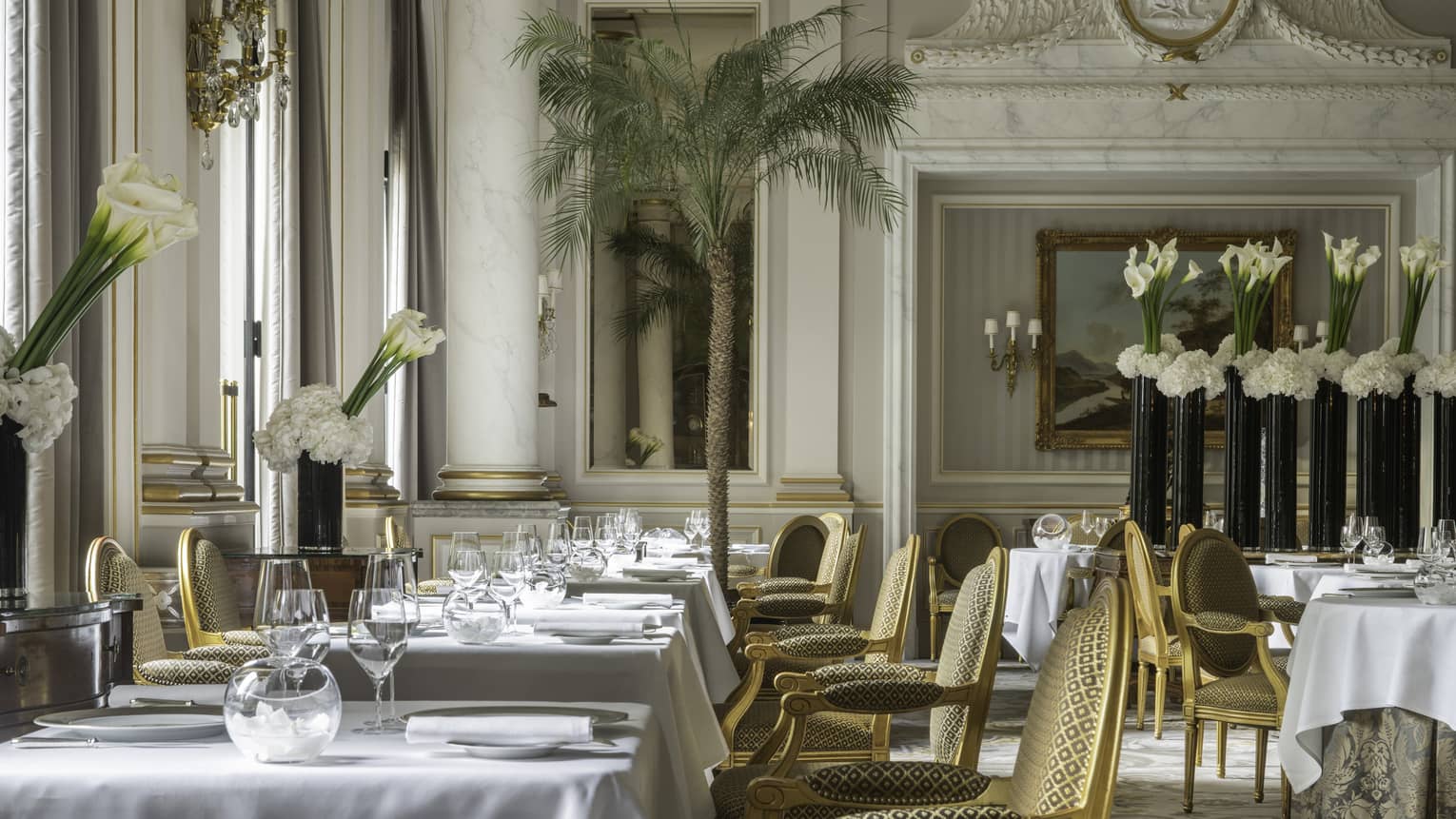

Bars in Paris
Browse all →
Hotels in Paris
Browse all →



At a Glance
- Elegant
- Modern
- Cozy
- Date Night
- Business Dinner
- Open Kitchen
- Extensive Wine List
Current opening hours
- Monday
- 12–2:30 PM, 6:30–10:30 PM
- Tuesday
- 12–2:30 PM, 6:30–10:30 PM
- Wednesday
- 12–2:30 PM, 6:30–10:30 PM
- Thursday
- 12–2:30 PM, 6:30–10:30 PM
- Friday
- 12–2:30 PM, 6:30–10:30 PM
- Saturday
- 12–2:30 PM, 6:30–10:30 PM
- Sunday
- Closed
Hours can change for holidays and private events. Last verified .
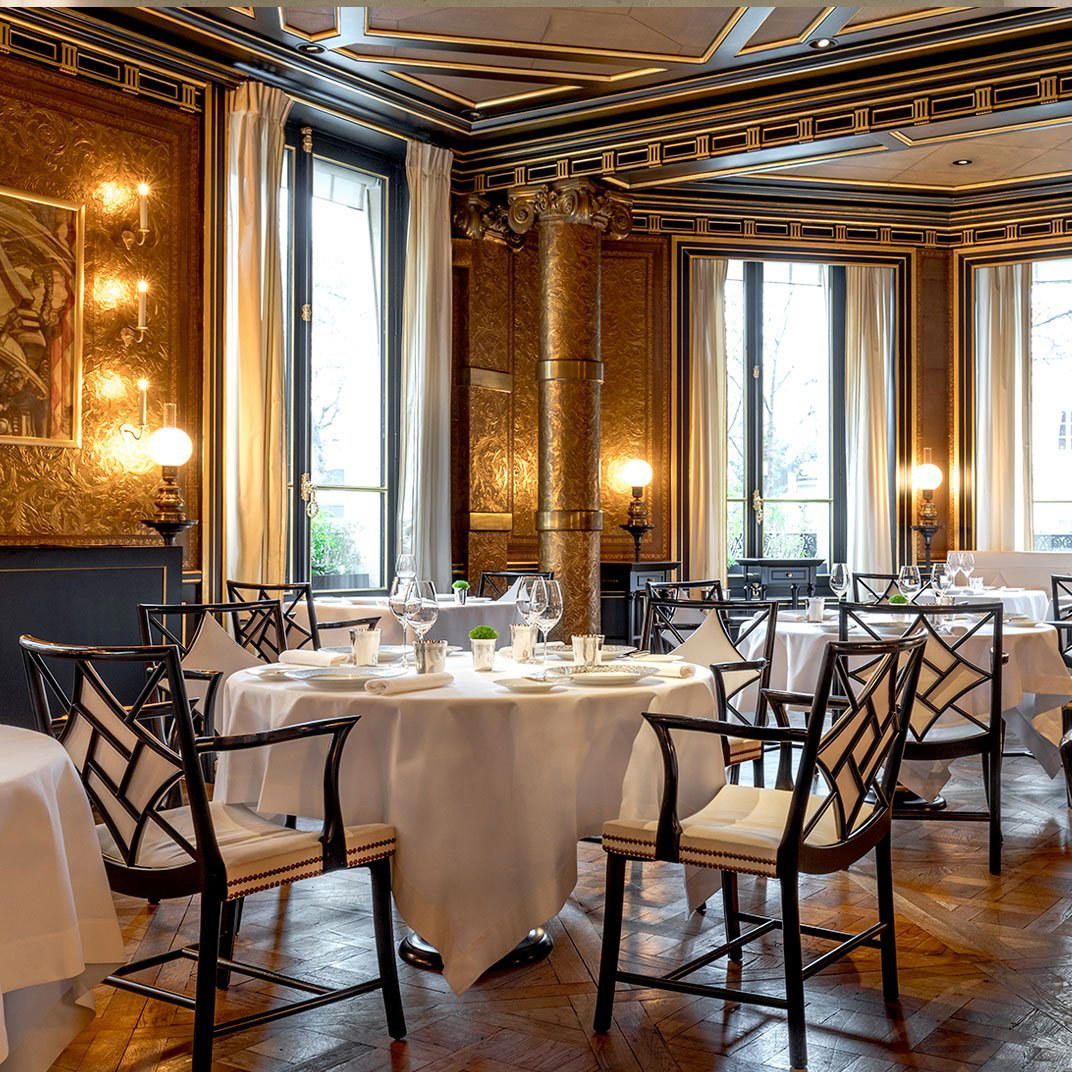
Comfortable surroundings with a quiet and just right atmosphere.