
La Bonta gives Funabashi a serious Italian address with a fish-led kitchen, Tabelog Italian EAST 100 selection in 2025, and a small-room scale that suits diners looking beyond central Tokyo. The appeal is not spectacle; it is Chiba-area ingredient sensitivity, wine-friendly cooking, and a tighter format than the city’s casual everyday dining circuit.
Pearl is the En Primeur Club membership app — saves, bookings, and concierge access live there. Same editors, same standards.
- Address
- Japan, 〒273-0005 Chiba, Funabashi, Honcho, 1 Chome−23−20 立山ビル 1階
- Phone
- +81 47-433-5777
- Website
- labonta-kaiho.jp
 Saves & bookings on Pearl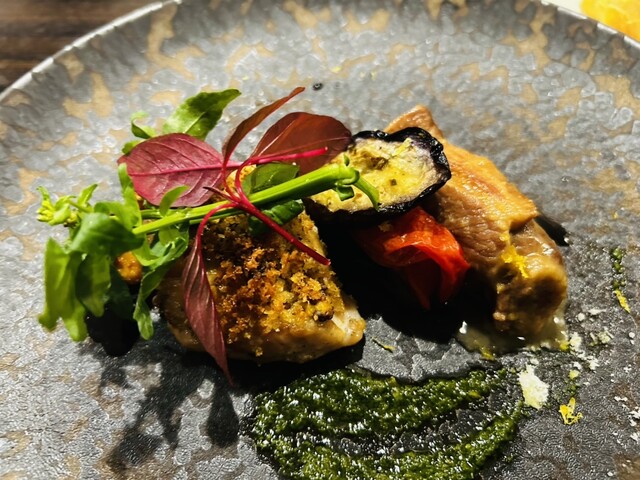
The approach to Italian dining in Funabashi is quieter than Tokyo’s grand-room version. Around Honcho, the rhythm is station-adjacent, local, and practical: restaurants work for repeat diners, not destination theatre. In that setting, La Bonta occupies a more deliberate lane, a compact Italian room where fish, wine and controlled pacing matter more than the performative luxury signals associated with central-city tasting menus.
Funabashi’s food culture has a natural advantage that too many visitors overlook: Chiba is not only a commuter belt east of Tokyo, it is a coastal prefecture with strong seafood access and a long habit of eating seasonally without turning every meal into ceremony. That context explains why a fish-conscious Italian kitchen can make sense here. The cooking belongs to the broader Japanese-Italian tradition, where pasta, seafood, acidity and wine service often meet local sourcing more comfortably than imported fine-dining grammar.
Fish-led Italian cooking in a city built for regulars
The key editorial point is sourcing, not ornament. Japanese Italian restaurants outside the capital’s luxury districts often succeed when they stop imitating Italy literally and start using local market logic: fish handled with restraint, vegetables used in season, and sauces kept in proportion. La Bonta’s listed emphasis on fish places it in that school, a style that rewards diners who care about product clarity over menu pyrotechnics.
The Tabelog Italian EAST 100 selection in 2025 gives the restaurant an external signal in a crowded category. That matters in Japan because Italian dining ranges from everyday pasta counters to serious wine-led rooms, and rankings can help separate local popularity from broader regional recognition. The same listing also notes a Tabelog score of 3.67, a useful marker in a platform where scores tend to move conservatively and restaurants above the mid-threes are not casual afterthoughts.
Within Funabashi, the comparison is instructive. The city has inexpensive, everyday choices across genres, from Akasaka Ajiichi and Ayutthaya to BHOYE CHHEN, where the spend sits in a much lower bracket. La Bonta belongs to a different decision: not a quick station meal, not a Tokyo splurge, but a local Italian dinner with enough recognition and structure to justify planning around it.
A small room changes the meal's tempo
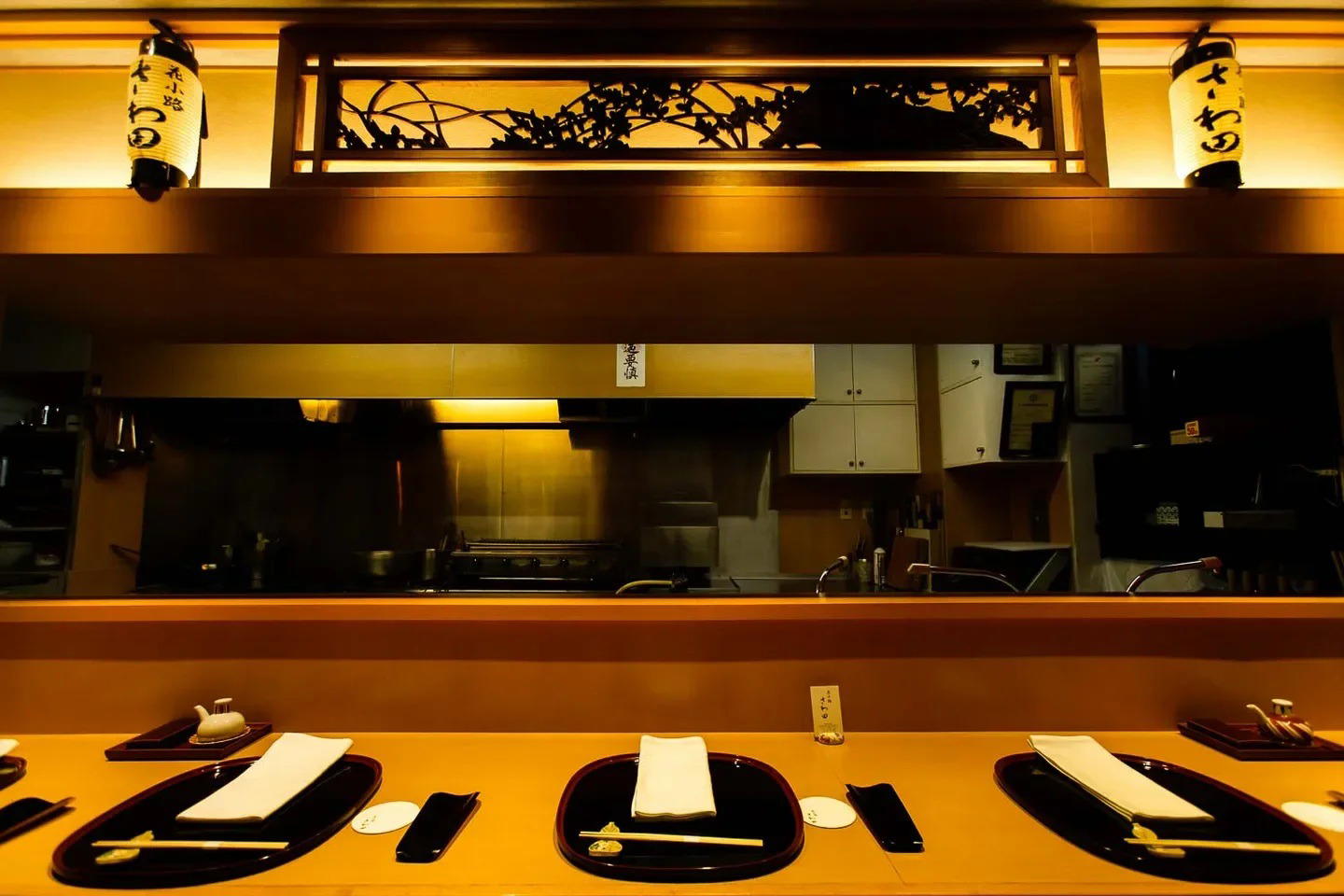
Scale is part of the experience. Sixteen seats create a different contract between kitchen and dining room than a large trattoria. Food can move at a measured pace, wine can function as part of the meal rather than an accessory, and the room suits dates or meals with friends rather than large, noisy groups. Private rooms are not part of the format, which reinforces the sense of a shared dining room rather than a compartmentalized occasion restaurant.
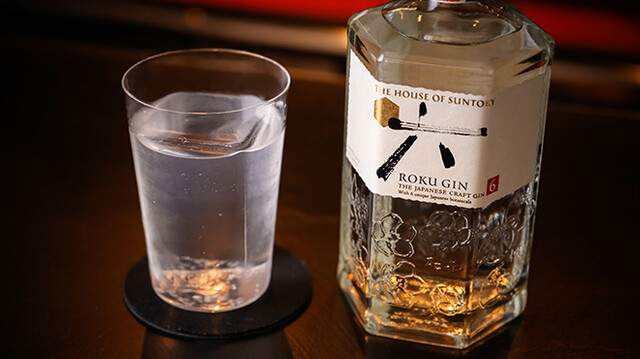
The drinks detail is also telling. Wine and cocktails are both listed, but the food’s fish orientation points naturally toward a wine-led meal: acidity, texture and temperature become more relevant than heavy sauces or oversized portions. This is where Japanese Italian cooking often distinguishes itself from red-sauce nostalgia. It treats seafood as the anchor and lets the plate remain relatively light, an approach that fits Chiba’s geography and Funabashi’s local dining habits.
For a broader read on the city’s dining spread, use Our full Funabashi restaurants guide. Visitors building a wider stay can also map the area through Our full Funabashi hotels guide, Our full Funabashi bars guide, Our full Funabashi wineries guide and Our full Funabashi experiences guide. The useful move is to treat Funabashi as its own dining district, not simply a place passed through between Tokyo and Chiba.
Where it fits in a Japan itinerary
The restaurant makes the strongest case for travelers already spending time east of Tokyo or diners who like regional proof points more than brand-name dining trophies. It is not trying to compete with Ginza formality. Its value lies in a smaller, ingredient-aware Italian format with a local audience, a recognized regional listing, and a fish-forward identity that reflects its prefecture better than a generic luxury script would.
That distinction matters when comparing it with other Japan dining choices. A traveler chasing breadth might pair Funabashi’s local Italian scene with bakery culture at Boulangerie Queue or seafood-driven local dining at Funakko. Farther afield, the country’s range stretches from -Grilled beef Sukiyaki- KAMAKURA TANUKIAN 鎌倉 たぬき庵 in Kamakura to. 鮪と炭火焼き うお炭 秋葉原店 in Tokyo.cafe in Osaka.know in Kumamoto, (Shoku) Vietnam in Kawasaki and [Curry Senmon Ten] Maruyama Kyoju. in Sapporo. For a cross-Pacific contrast in Japanese-influenced drinking and casual food culture, Jōdo Saké Bar in Los Angeles and Onigiri Time in Pasadena show how differently the same reference points travel.
The practical reading is simple: this is a small, non-smoking Italian restaurant with recognized regional standing, a fish-conscious kitchen and a format better suited to planned meals than spontaneous large-party dining. In Funabashi, that combination is more interesting than another interchangeable station restaurant. It gives the city a dining address with local logic and enough outside validation to merit attention from travelers who already understand that Japan’s serious meals are not confined to Tokyo’s central wards.
At-a-Glance Comparison
Comparable venues by cuisine and price in the same metro.
| Venue | Cuisine | Price | Notes |
|---|---|---|---|
| La BontaThis venue — the venue you are viewing | Italian Trattoria | $$ | Not listed |
| Funakko | Sardine-focused Japanese Izakaya | $$ | Higashifunabashi |
| Thai Restaurant Kinmedai | Authentic Thai Street‑Food & Curry | $$ | Nishi-Funabashi |
| Ayutthaya | Thai Restaurant | $$ | Keisei Funabashi |
| Gandhi | Indian Curry House | $$ | Funabashi |
| Sakuma Ice Cream Kobo | Ice Cream & Gelato | $ | Takifudo |
Recognition history
Dated appearances from independent guides and award organizations, with the underlying list record or original source where available.
Tabelog 100 #22 · No. 22
Tabelog · Tabelog 100 - Italian - EAST - 2025
Continue exploring
More in Funabashi
Restaurants in Funabashi
Browse all →



Bars in Funabashi
Browse all →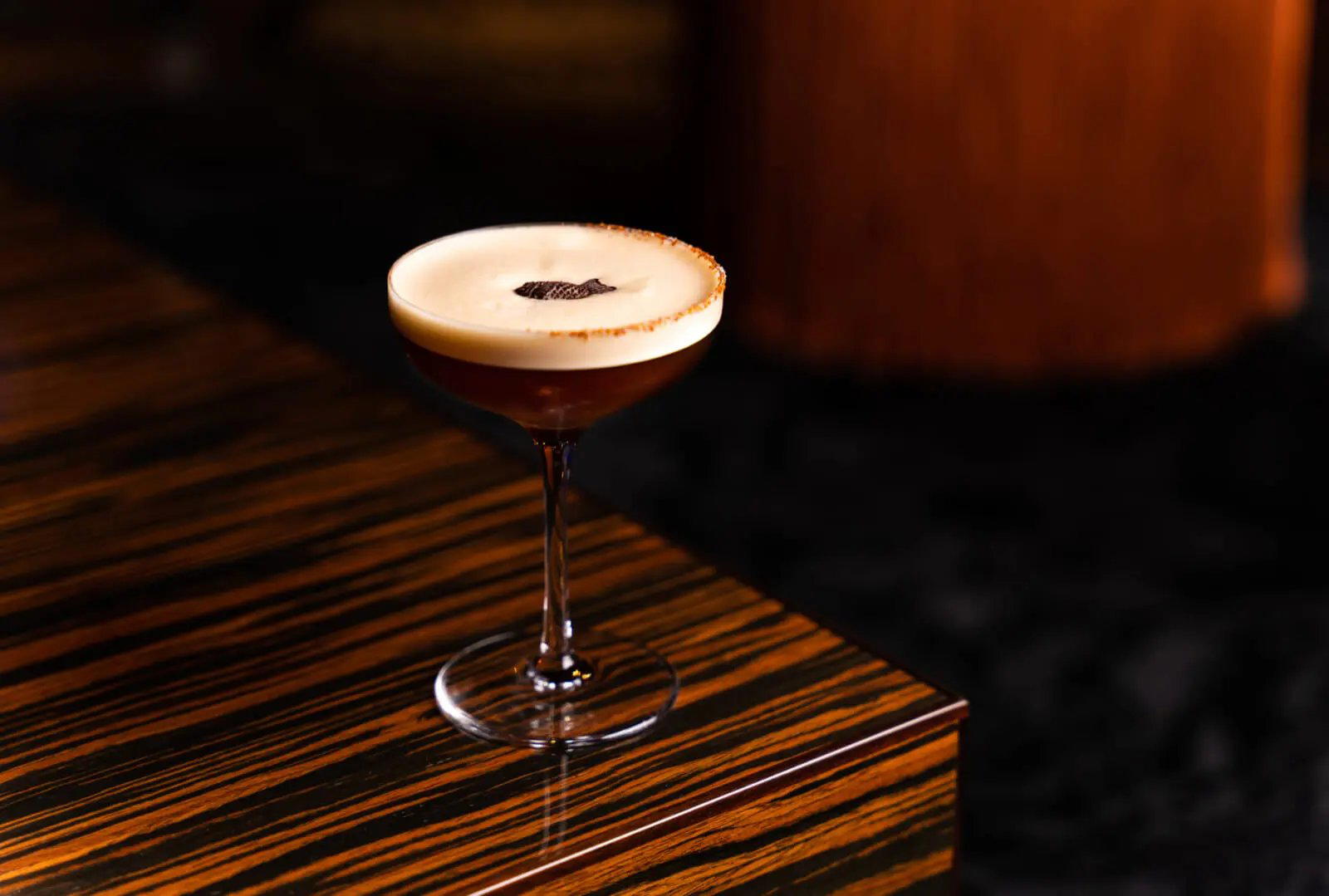




At a Glance
- Cozy
- Quiet
- Rustic
- Romantic
- Classic
- Casual Hangout
- Date Night
- Celebration
- Group Dining
- Private Event
- Private Dining
- Standalone
- Beer Program
- Local Sourcing
Current opening hours
- Monday
- Closed
- Tuesday
- 11:45 AM–1:30 PM, 5:30–9 PM
- Wednesday
- 11:45 AM–1:30 PM, 5:30–9 PM
- Thursday
- 11:45 AM–1:30 PM, 5:30–9 PM
- Friday
- 11:45 AM–1:30 PM, 5:30–9 PM
- Saturday
- 11:45 AM–1:30 PM, 5:30–9 PM
- Sunday
- Closed
Hours can change for holidays and private events. Last verified .
A calm, warm interior with wood-toned design that suits relaxed everyday meals as well as birthdays, anniversaries, and private parties.