On a quiet stretch of Rue de Verneuil in the 7th arrondissement, La Bonne Excuse occupies the kind of address that rewards those who already know where they're going. The menu structure here does the talking: a format that signals restraint, locality, and deliberate proportion rather than showmanship. For Paris's left-bank bistro tier, that positioning carries its own weight.
Pearl is the En Primeur Club membership app — saves, bookings, and concierge access live there. Same editors, same standards.
- Address
- 48 Rue de Verneuil, 75007 Paris, France
- Phone
- +33142615021
- Website
- instagram.com
- Directions
- Get directions
 Saves & bookings on Pearl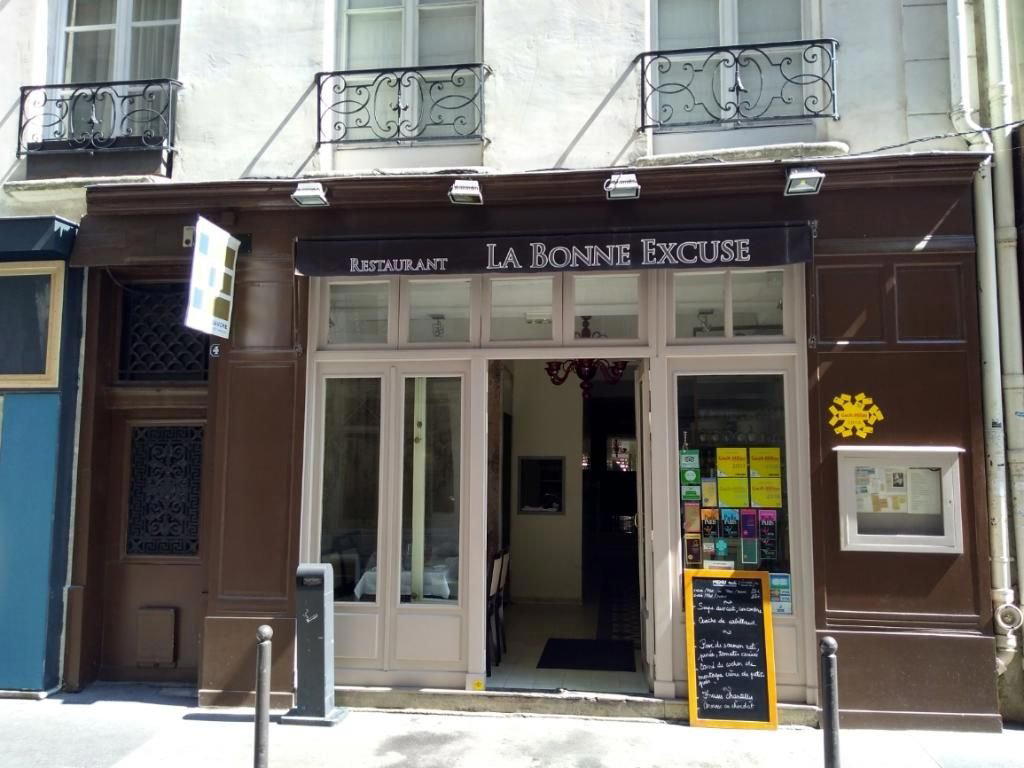
Rue de Verneuil and the 7th's Quieter Dining Register
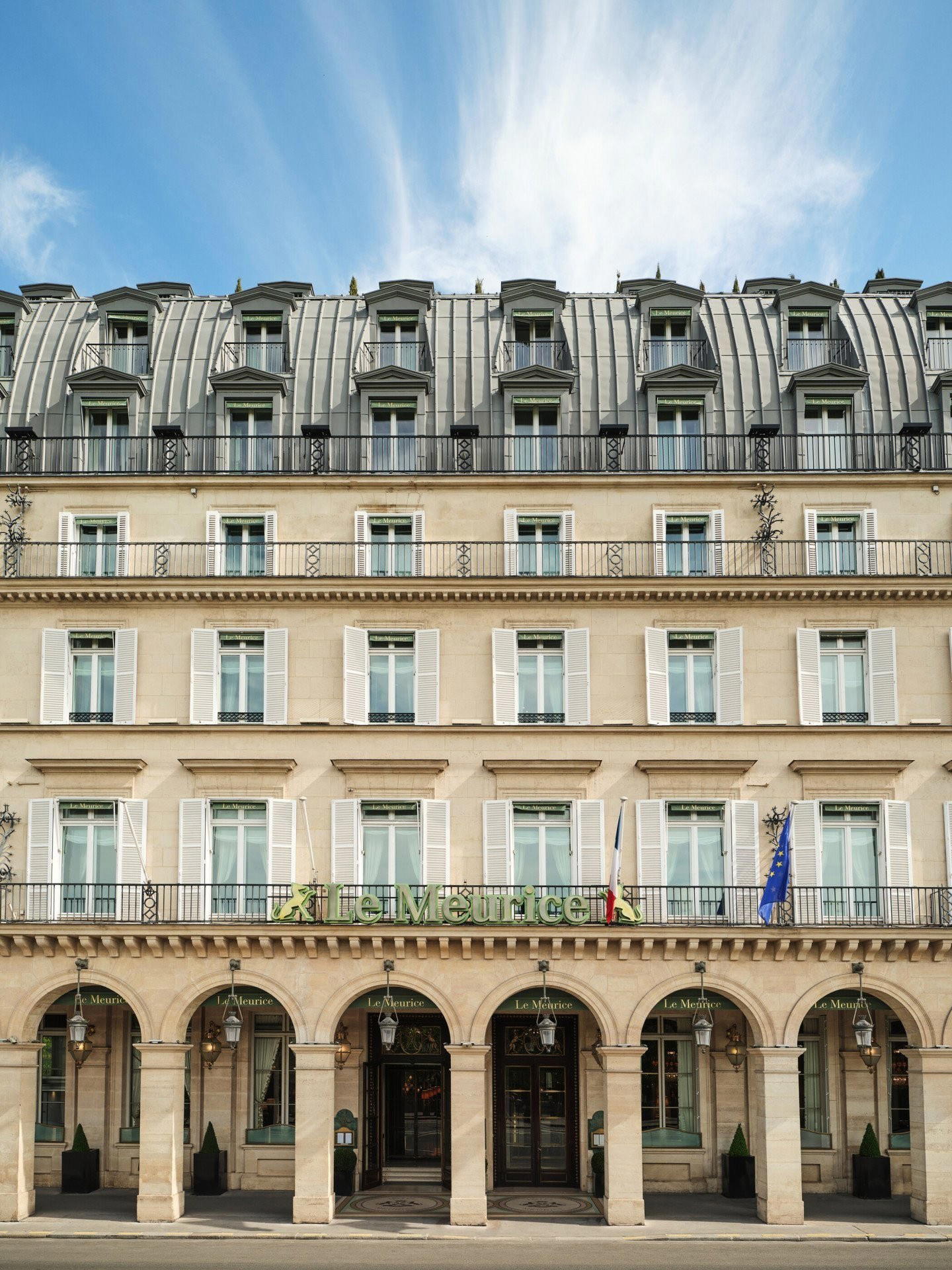
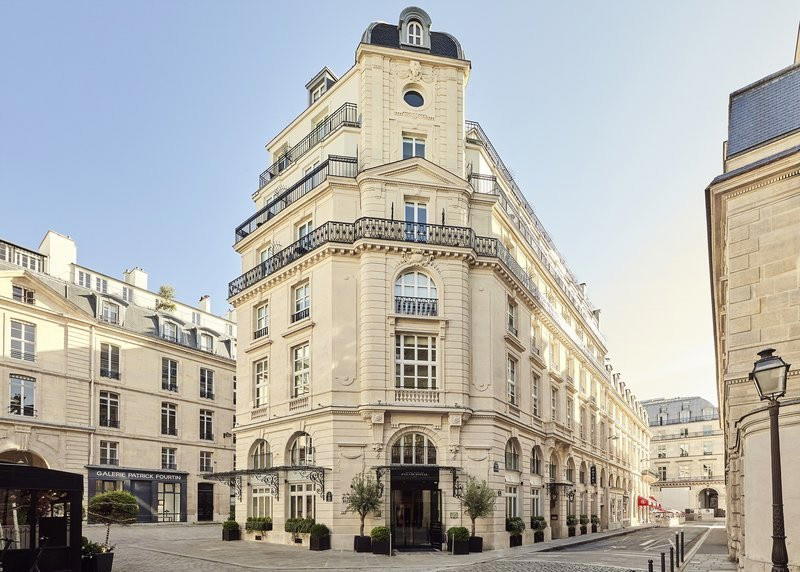
La Bonne Excuse is a restaurant in Paris's 7th arrondissement, serving Seasonal French Bistro cooking at 48 Rue de Verneuil, 75007 Paris, France. There is the grand institutional tier, where rooms like Arpège and L'Ambroisie operate at price points and formality levels that function almost as civic monuments. And then there is the quieter residential register: streets where the cooking is serious but the room does not announce itself, where the address on the door is a postcode rather than a stage. Rue de Verneuil, running parallel to the Seine just south of the Musée d'Orsay, belongs firmly to the second category. La Bonne Excuse at number 48 sits on a block where antique dealers and publishing offices have coexisted for decades. The physical approach is understated: a narrow façade, the kind that does not compete for attention on the street.
This matters because the 7th's quieter streets have historically produced a particular style of Parisian restaurant. Not the grand-occasion table that Parisians book months in advance for anniversaries, and not the casual zinc-bar lunch stop either. The middle register here has always been defined by the assumption that the guest already knows what they want and does not need the room to perform for them. La Bonne Excuse inherits that tradition.
Menu Architecture as Editorial Statement
In Paris's current restaurant moment, the structure of a menu communicates almost as much as the cooking itself. The choice between a fixed tasting format and a carte blanche, between four courses and seven, between a printed wine list and a sommelier-led conversation, each signals where a kitchen places itself in relation to the diner. At the higher end of the Paris spectrum, places like Alléno Paris au Pavillon Ledoyen and Le Cinq at the Four Seasons George V use grand multi-course architecture as an extension of their institutional ambition. Kei, operating across the river in the 1st, compresses Franco-Japanese technique into a format that is disciplined and sequential. Each choice frames the meal before a dish arrives.
La Bonne Excuse takes a different position. The name itself is part of the editorial: a bonne excuse is a good reason, an acceptable pretext. It frames the visit as something low-stakes, something that does not require justification. That framing is a deliberate structural move. Restaurants in this register tend to favour formats that allow return visits rather than singular occasions, menus that are composed around a handful of well-sourced products rather than a progression designed to be photographed and catalogued. The architecture, in other words, is designed for eating rather than for narrating.
This approach places the restaurant in a comparable set that is quite different from the grand Parisian tables. The comparison points are the serious neighbourhood bistros of the left bank, restaurants where the cooking carries genuine ambition but the format does not impose ceremony. France has produced this model across regions: the discipline visible at Bras in Laguiole or the precision of Flocons de Sel in Megève emerges from entirely different contexts and scales, but both share the principle that the menu should have a discernible point of view rather than a maximalist scope.
The 7th in Context: Where This Address Sits
Within Paris's dining geography, the 7th arrondissement occupies a peculiar position. It has the density of starred and recognised cooking of any arrondissement in the city, yet it resists the tourist-facing energy of the Marais or the self-conscious cool of the 11th. Residents here tend to eat close to home, and the restaurants that last in this neighbourhood earn a local constituency rather than a transient one. That dynamic shapes what kitchens choose to cook and how they price it.
The street address at Rue de Verneuil connects the restaurant to a part of the 7th that has retained a genuine working character alongside its residential polish. The proximity to the quai and the antique trade along Rue de Bac means the lunchtime crowd is mixed in a way that some of the more uniformly expensive streets of the 8th are not. Restaurants in this pocket of the left bank tend to be better at lunch than their equivalents closer to the Eiffel Tower, partly because the clientele demands it and partly because the economics of the neighbourhood support a proper midday service.
France's broader dining tradition supports this format. Across the country, from Auberge de l'Ill in Illhaeusern to Assiette Champenoise in Reims and the long-running seriousness of Paul Bocuse's Auberge du Pont de Collonges, the French restaurant has always accommodated registers between the grand and the casual. Auberge du Vieux Puits in Fontjoncouse demonstrates that institutional seriousness does not require a metropolitan address. The restaurant draws on the same tradition at street level in the 7th.
The international comparison sharpens the point. Restaurants operating in a similar register in other cities, including Le Bernardin in New York, tend to carry their seriousness in the quality of sourcing and execution rather than in the visual grammar of the room. Even the technically ambitious Atomix in New York uses a card-based format to communicate without a grand dining room as scaffold. Format discipline, in other words, is not a compromise. It is an editorial choice.
Planning Your Visit
The restaurant is located at 48 Rue de Verneuil, 75007 Paris. The nearest Metro stations are Rue du Bac (line 12) and Solférino (line 12), both within a short walk along the left bank. Reservations: Booking ahead is advisable for dinner; the 7th's serious neighbourhood tables fill earlier in the week than their equivalents in busier arrondissements. Timing: Lunch service is worth considering for a first visit, as the midday format at this address tends to reflect the kitchen's priorities more directly than a longer evening progression. Dress: The 7th's residential character sets the tone; smart-casual sits comfortably in this room. For those exploring France beyond the capital, the cooking traditions visible at Troisgros in Ouches, AM par Alexandre Mazzia in Marseille, and Au Crocodile in Strasbourg offer useful triangulation points for understanding where this format sits in the wider French register. Mirazur in Menton represents the other end of the spectrum entirely, where the garden-to-table architecture is the headline rather than the backdrop.
At-a-Glance Comparison
Comparable venues nearby, for context on price, style, and recognition.
| Venue | Cuisine | Price | Notes |
|---|---|---|---|
| La Bonne ExcuseThis venue — the venue you are viewing | Seasonal French Bistro | $$$ | Not listed |
| Bistrot Vivienne | Classic French Bistro | $$$ | 2nd arrondissement |
| Café Sud | Modern French Bistro | $$$ | 8th arrondissement (Madeleine) |
| La Grivoiserie | French Farm-to-Table Bistro | $$$ | Notre-Dame-des-Champs |
| Arboré | Contemporary French Bistronomy | $$$ | Madeleine |
| Cloche Paris | Modern French Brasserie with Wagyu Focus | $$$ | Les Halles (1st arrondissement) |
Continue exploring
More in Paris
Restaurants in Paris
Browse all →
Bars in Paris
Browse all →
Hotels in Paris
Browse all →
At a Glance
- Intimate
- Cozy
- Elegant
- Classic
- Date Night
- Special Occasion
- Standalone
- Extensive Wine List
- Organic
- Local Sourcing
Current opening hours
- Monday
- 12–2 PM, 7–10 PM
- Tuesday
- 12–2 PM, 7–10 PM
- Wednesday
- 12–2 PM, 7–10 PM
- Thursday
- 12–2 PM, 7–10 PM
- Friday
- 12–2 PM, 7–10 PM
- Saturday
- Closed
- Sunday
- Closed
Hours can change for holidays and private events. Last verified .
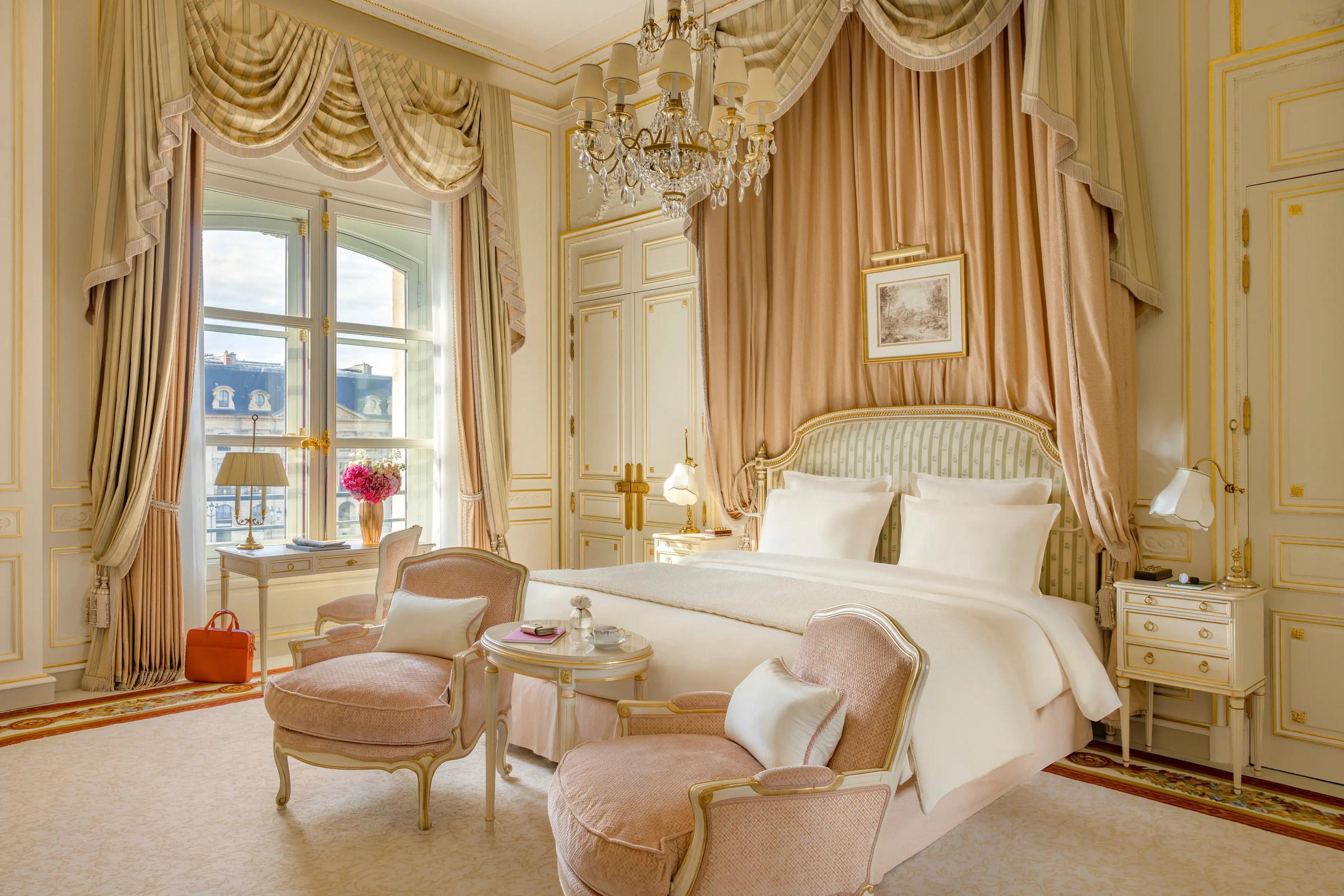
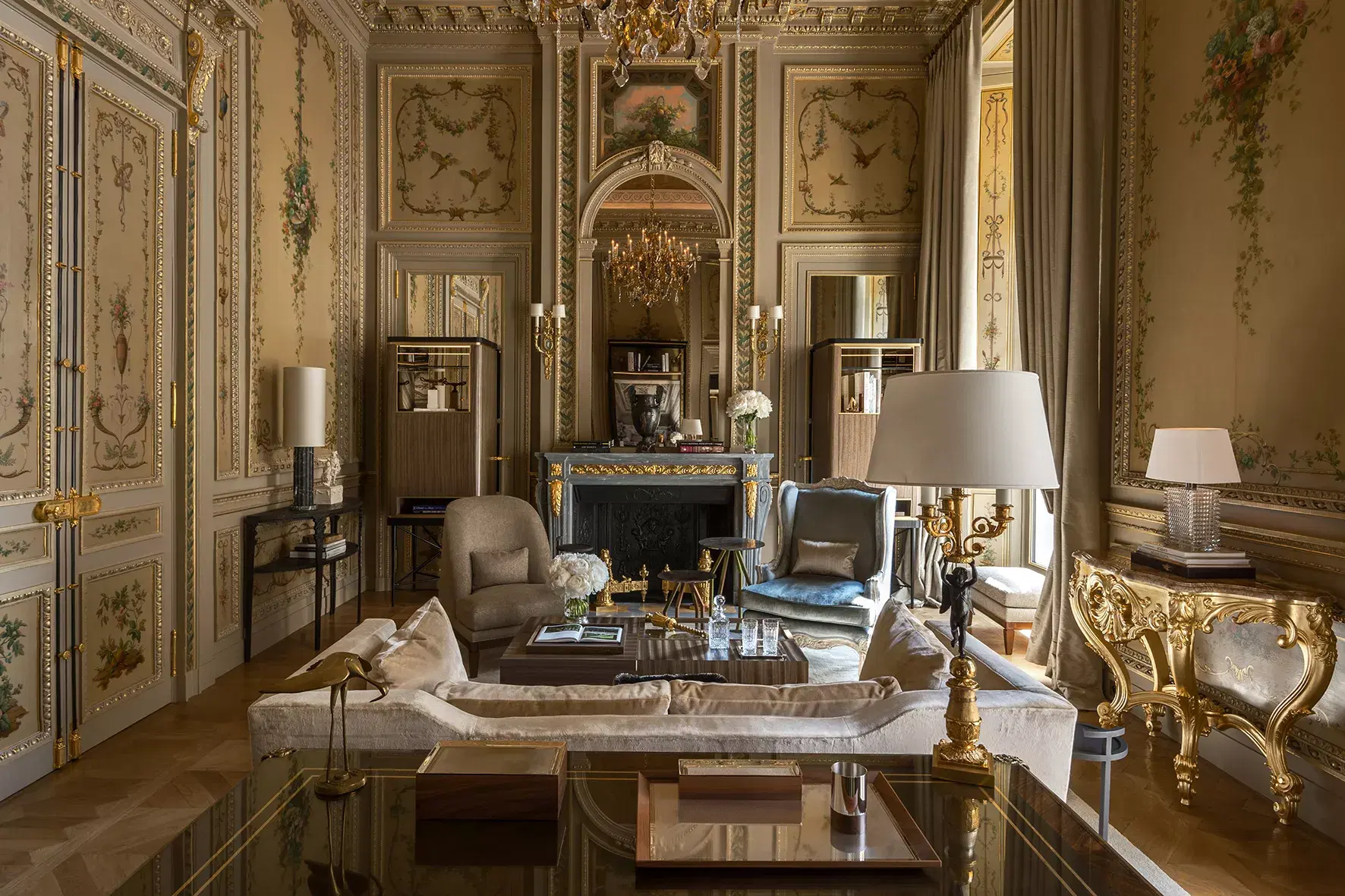
Warm, welcoming home-like atmosphere with friendly service in a small, cozy setting.