La Bergerie
Our verdict
La Bergerie sits within the Château de Lastours estate in the Corbières, one of the Languedoc’s more historically grounded wine zones. The restaurant’s identity is shaped by its agricultural surroundings: vineyards, garrigue scrub, and the sheep-and-goat farming country of the Aude. It is a regional estate-dining address for visitors working through southern France with an interest in terroir-rooted cooking and Corbières wine.

Pearl is the En Primeur Club membership app, where members save venues, book tables and use the concierge.
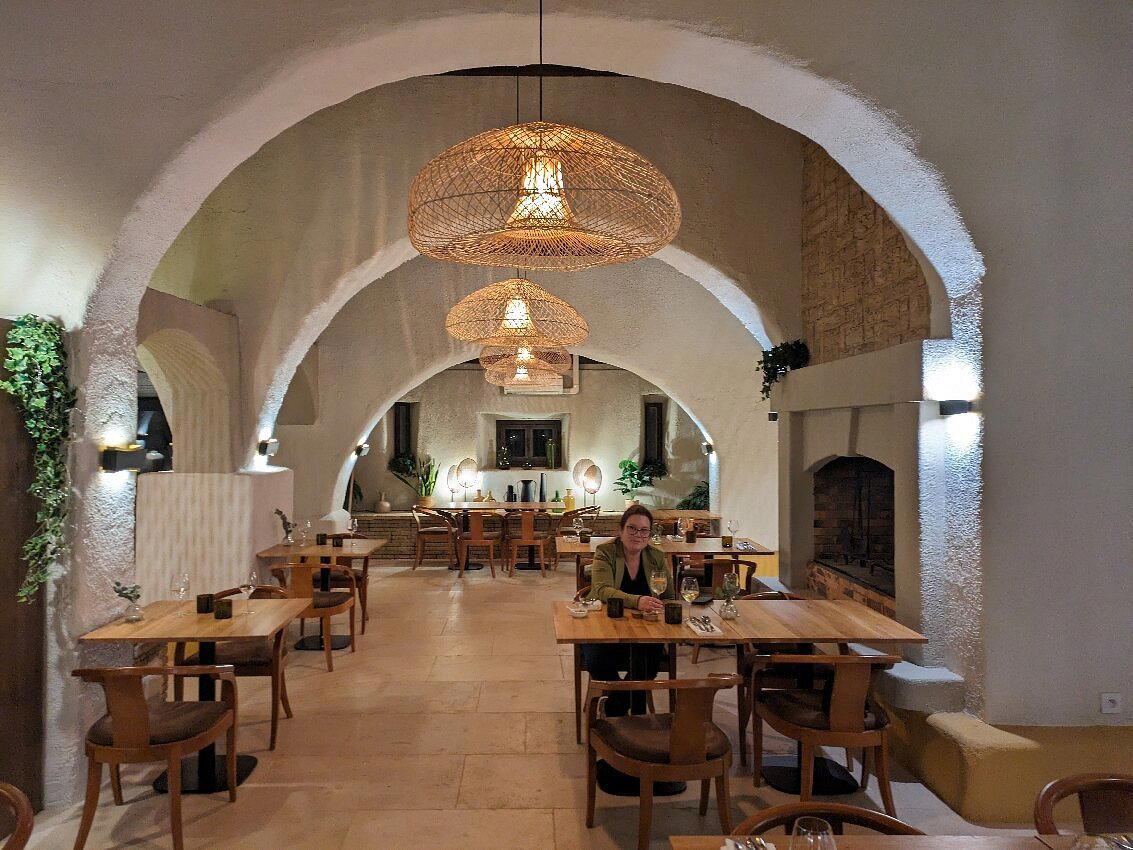
Stone, Garrigue, and the Weight of Terroir
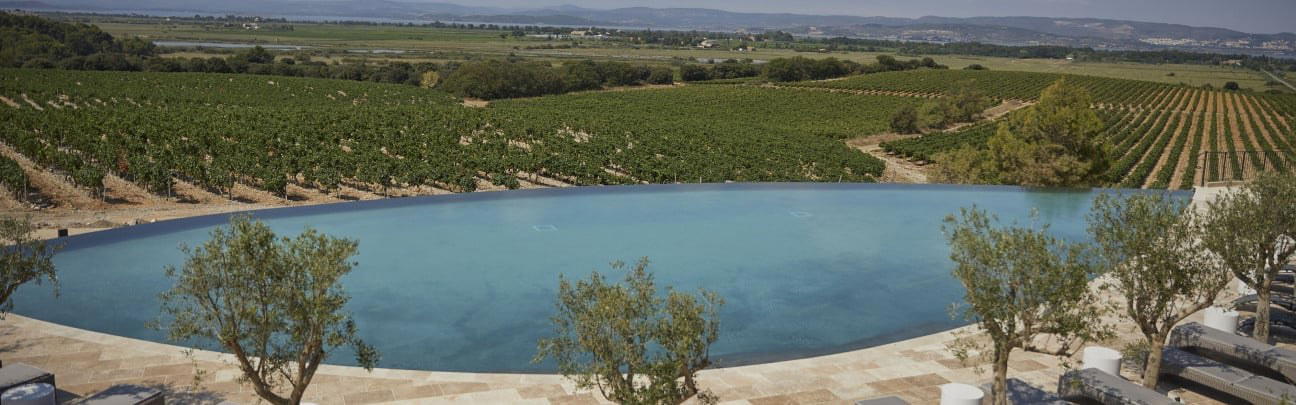
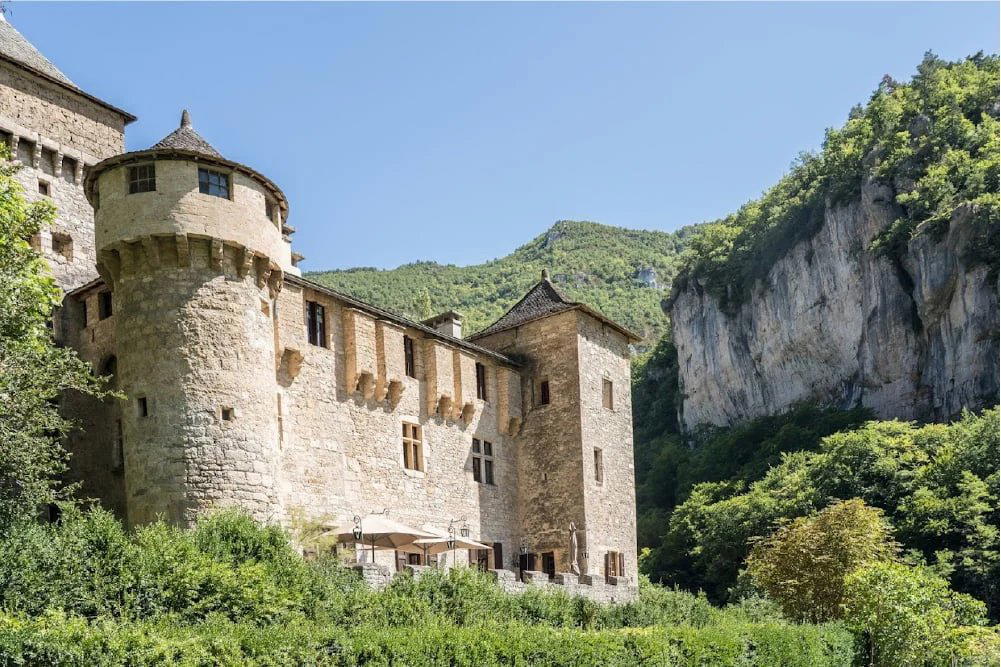
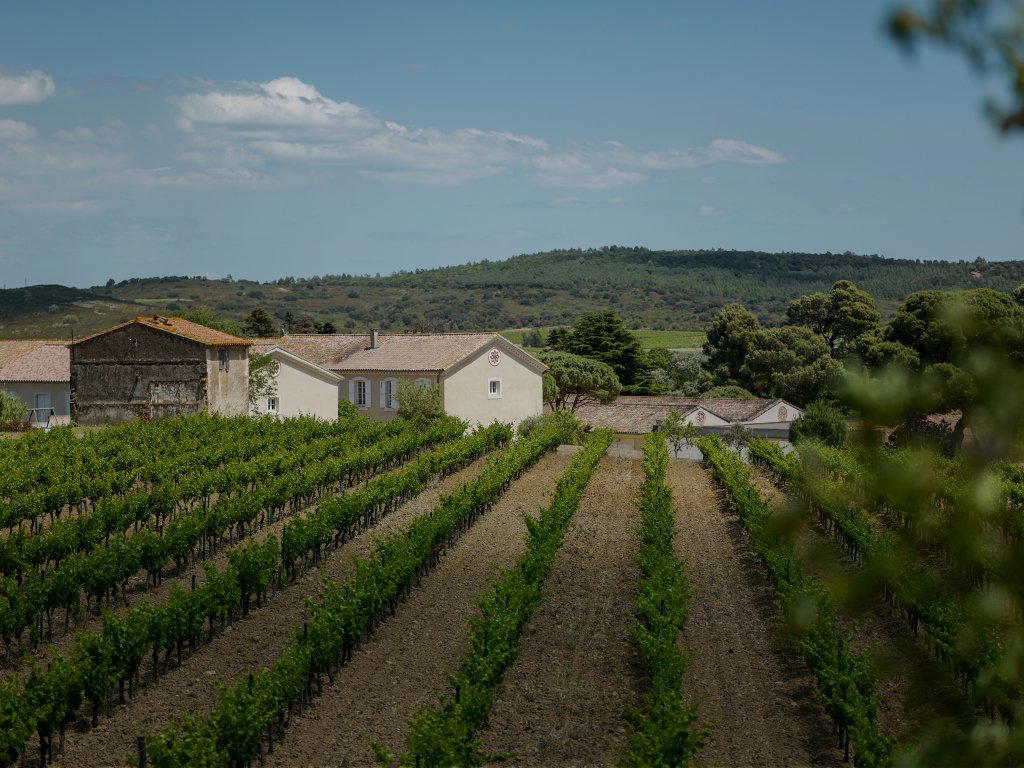
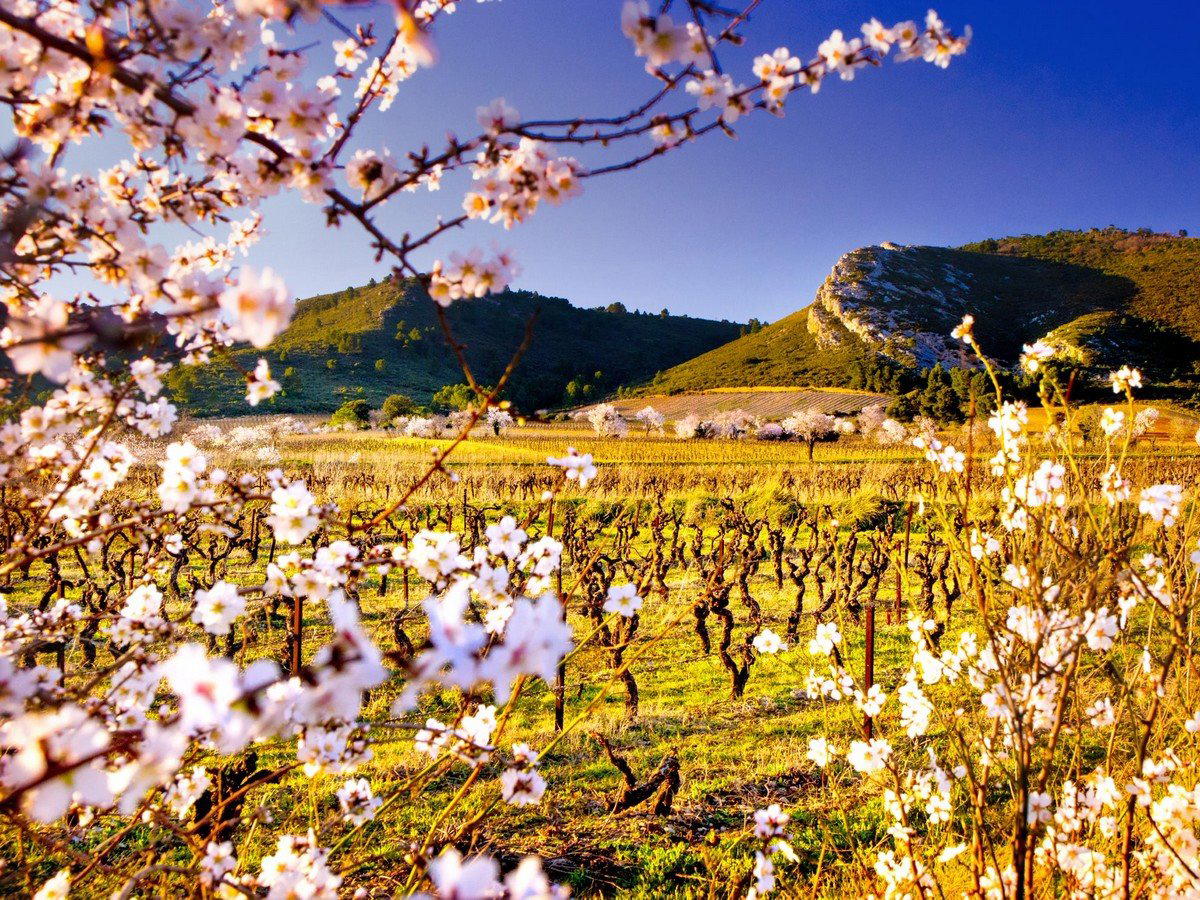
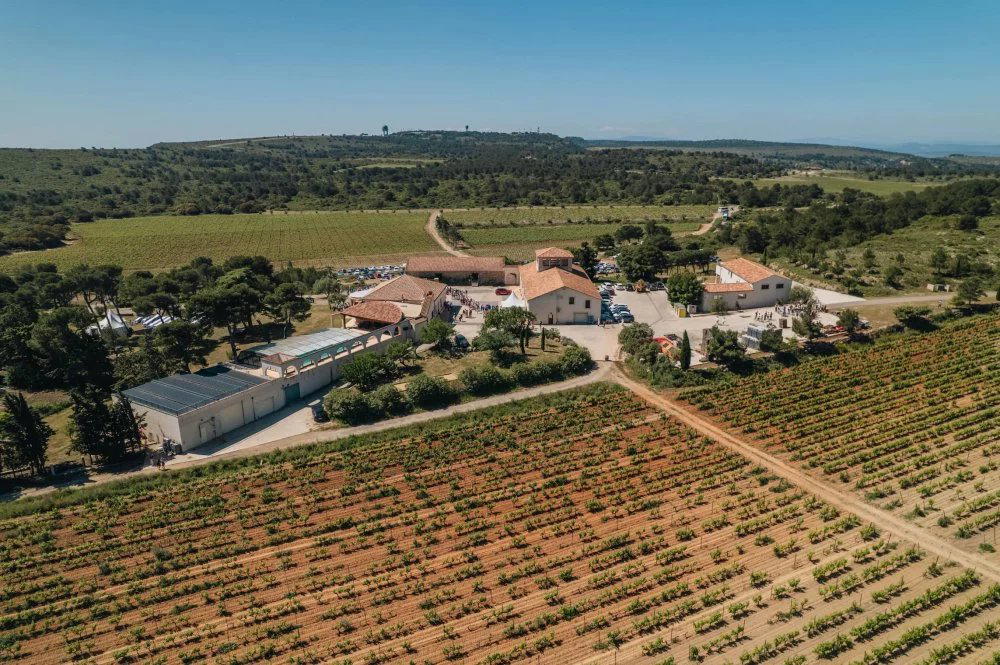
The approach to Château de Lastours already sets the register. Vineyards press close to the road, the scrub of garrigue scents the air, and the limestone ridges of the Corbières rise behind the estate with the matter-of-fact authority of a landscape that has been shaping what people eat and drink here for centuries. La Bergerie sits within this context, a restaurant attached to one of the Languedoc’s most historically layered wine estates, where the sourcing logic begins before any plate arrives: what grows around the building tends to end up on the table.
This is the southern French model at its most direct. The Corbières appellation, which runs between Narbonne and the foothills of the Pyrénées, is not a region that has historically attracted the kind of destination-dining attention directed at, say, the Provençal belt around Les Baux (see L’Oustau de Baumanire in Les Baux) or the Riviera addresses near Menton, where Mirazur has turned ingredient sourcing into an internationally recognised methodology. The Corbières is rougher, more agricultural, less curated for outside visitors. La Bergerie belongs to that character rather than working against it.
What the Land Produces
Estate-connected restaurants in wine country occupy a particular position in the French dining ecosystem. At their leading, they function as an argument for a specific patch of ground: the wine in your glass comes from the slope visible through the window, the lamb on the plate grazed on the same garrigue that flavours the Syrah and Grenache in the cellar. Château de Lastours has a long record as a serious Corbières producer, which gives La Bergerie a sourcing foundation that most stand-alone village restaurants cannot replicate. The ingredient story is baked into the property’s identity, not grafted on as a marketing afterthought.
The Corbières is sheep and goat country as much as vine country. Charcuterie, aged cheeses, and lamb preparations appear across regional tables with the kind of regularity that reflects genuine agricultural supply rather than menu convention. A restaurant embedded in this ecology, as La Bergerie is, draws on producers and traditions that have been operating on the same terms for generations. That is a different kind of sourcing credential from the curated small-farm partnerships that have become standard language in metropolitan dining, from the conceptual ingredient work at AM par Alexandre Mazzia in Marseille to the kitchen-garden philosophy that defines places like Bras in Laguiole, a few hours north in the Aveyron.
Where This Fits in Southern French Dining
France’s regional dining spread is wide and uneven. The restaurants that capture international attention, such as Allléno Paris au Pavillon Ledoyen, Flocons de Sel in Megève, and Auberge de l’Ill in Illhaeusern, operate at a level of investment, staffing, and technical ambition that places them in a separate competitive tier from an estate restaurant in rural Aude. That distinction is not a criticism. It reflects how French dining actually works: a large proportion of serious, worthwhile eating happens in places that have no Michelin notation and no international press profile, in rooms attached to wine estates, farmhouses, and village auberges, where the sourcing is reliable precisely because it is local and the cooking reflects what the kitchen can actually get rather than what a trend requires.
The Corbières sits in the same broad southern arc that stretches from the Rhône delta to the Spanish border. Fontjoncouse, a short drive away, is home to Auberge du Vieux Puits, which holds three Michelin stars and demonstrates that this corner of Languedoc can produce cooking of the highest documented standard. La Bergerie does not compete in that category, but the proximity matters: the same raw materials available to Fontjoncouse’s kitchen, the same regional supply chains, circulate through the same territory.
Planning a Visit to Portel-des-Corbères
Portel-des-Corbières is a small commune in the Aude department, roughly between Narbonne to the northwest and the Fitou wine zone to the southeast. Arriving by car is the practical default; the estate address on the Château de Lastours property places La Bergerie outside easy reach of public transport. Narbonne, which has rail connections to Montpellier and Perpignan, serves as the nearest city gateway. The Corbières can be approached as a day trip from Narbonne or as part of a slower circuit through the Aude, combining wine visits with stops at the medieval city of Carcassonne to the north. Given the estate setting, timing a visit around the late-afternoon light over the vineyards adds to the experience without requiring any additional planning. Contact details and booking information are best confirmed directly with Château de Lastours, as specific arrangements for La Bergerie may vary by season. For a broader view of what the area offers, see our full Portel Des Corbieres restaurants guide.
Readers building a longer southern France itinerary might also consider Troisgros in Ouches, Paul Bocuse in Collonges-au-Mont-d’Or, Assiette Champenoise in Reims, Au Crocodile in Strasbourg, Christopher Coutanceau in La Rochelle, Georges Blanc in Vonnas, and La Marine in Noirmoutier-en-l’île as reference points for the range of what French regional cooking currently offers. For international comparison on sourcing-driven tasting formats, Le Bernardin in New York City and Atomix in New York City offer useful contrast in how different dining cultures handle ingredient-led menus.
Frequently asked questions
Would La Bergerie be comfortable with kids?
La Bergerie sits within the grounds of Château de Lastours in Portel-des-Corbières, an agricultural estate with open vineyard surroundings that give families room to move.
What kind of setting is La Bergerie?
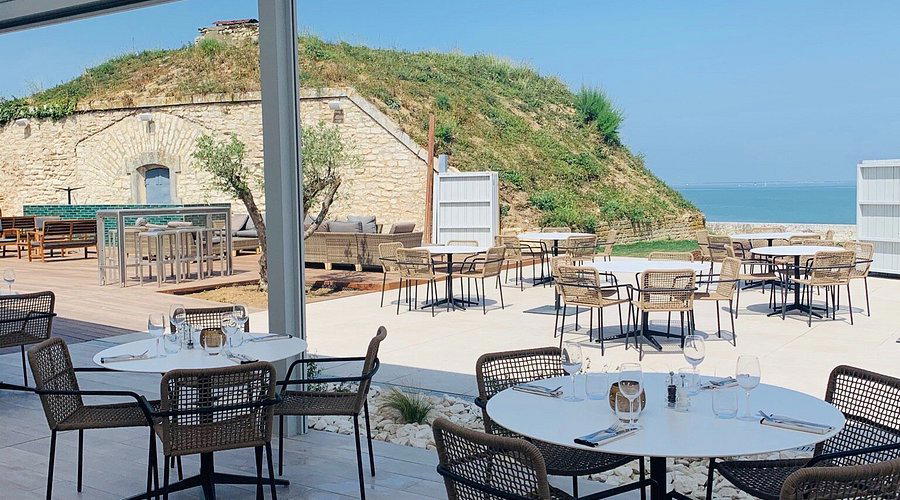
La Bergerie occupies the Château de Lastours estate in Portel-des-Corbières, a commune in the Aude department between Narbonne and the Fitou wine zone. The context is agricultural and deeply southern French: vineyards, limestone terrain, and the scrub vegetation of the garrigue define the surroundings. It is an estate-connected restaurant, which in the French tradition means the land is part of the proposition, not just the backdrop.
What dish is La Bergerie famous for?
Given the estate's wine production context in the Corbières appellation, the kitchen's output is likely shaped by seasonal regional produce from the Aude, but confirmed menu details require checking directly with the restaurant at its Portel-des-Corbières address.
Where do I go for La Bergerie?
La Bergerie is located at La Bergerie Restaurant la Bergerie, Château de Lastours, 11490 Portel-des-Corbières, France, Portel Des Corbieres.
Do they take walk-ins at La Bergerie?
Estate restaurants in the Corbières wine zone frequently operate on reduced sittings tied to harvest calendars and seasonal hours, which makes advance contact advisable before visiting the Aude location.
What is La Bergerie known for?
La Bergerie is the restaurant within Château de Lastours, one of the established wine estates in the Corbières appellation of the Aude department. Its identity is tied to the land: the address at Portel-des-Corbières places it in a zone where viticulture, limestone soils, and garrigue vegetation have shaped regional food culture for generations. Estate provenance, rather than a single dish or chef name, is the primary credential on record.
How It Stacks Up
Comparable venues nearby, for context on price, style, and recognition.
| Venue | Cuisine | Price | Awards | Notes |
|---|---|---|---|---|
| La BergerieThis venue (the venue you are viewing) | Mediterranean French Bistro | $30–50 | Not listed | Not listed |
| Comptoir De Vie | Modern French Tasting Counter-Bar | $100–150 | Not listed | 2nd Arrondissement |
| La Table De Stephane | Refined French Gastronomic with Seafood Focus | $50–100 | Not listed | PAE des 7 fonts |
| L'Amarette | Traditional French Seafood | $50–100 | Michelin Plate | Port-Camargue |
| M by Mo BACHIR | Modern French Fusion with Spices | $50–100 | Not listed | Capitole / Arnaud Bernard / Carmes |
| Coté vin | French Wine Bar with Tapas | Not listed | Not listed | Capitole / Arnaud Bernard / Carmes |
Continue exploring
More in Portel Des Corbieres
Restaurants in Portel Des Corbieres
All restaurants in Portel Des Corbieres →
Details
- Rustic
- Elegant
- Cozy
- Scenic
- Special Occasion
- Date Night
- Group Dining
- Historic Building
- Open Kitchen
- Terrace
- Extensive Wine List
- Local Sourcing
- Vineyard
- A La Carte
- Wine
Current opening hours
- Monday
- 7–9:30 PM
- Tuesday
- 7–9:30 PM
- Wednesday
- 7–9:30 PM
- Thursday
- 7–9:30 PM
- Friday
- 7–9:30 PM
- Saturday
- 7–9:30 PM
- Sunday
- 7–9:30 PM
Hours can change for holidays and private events. Hours as of .
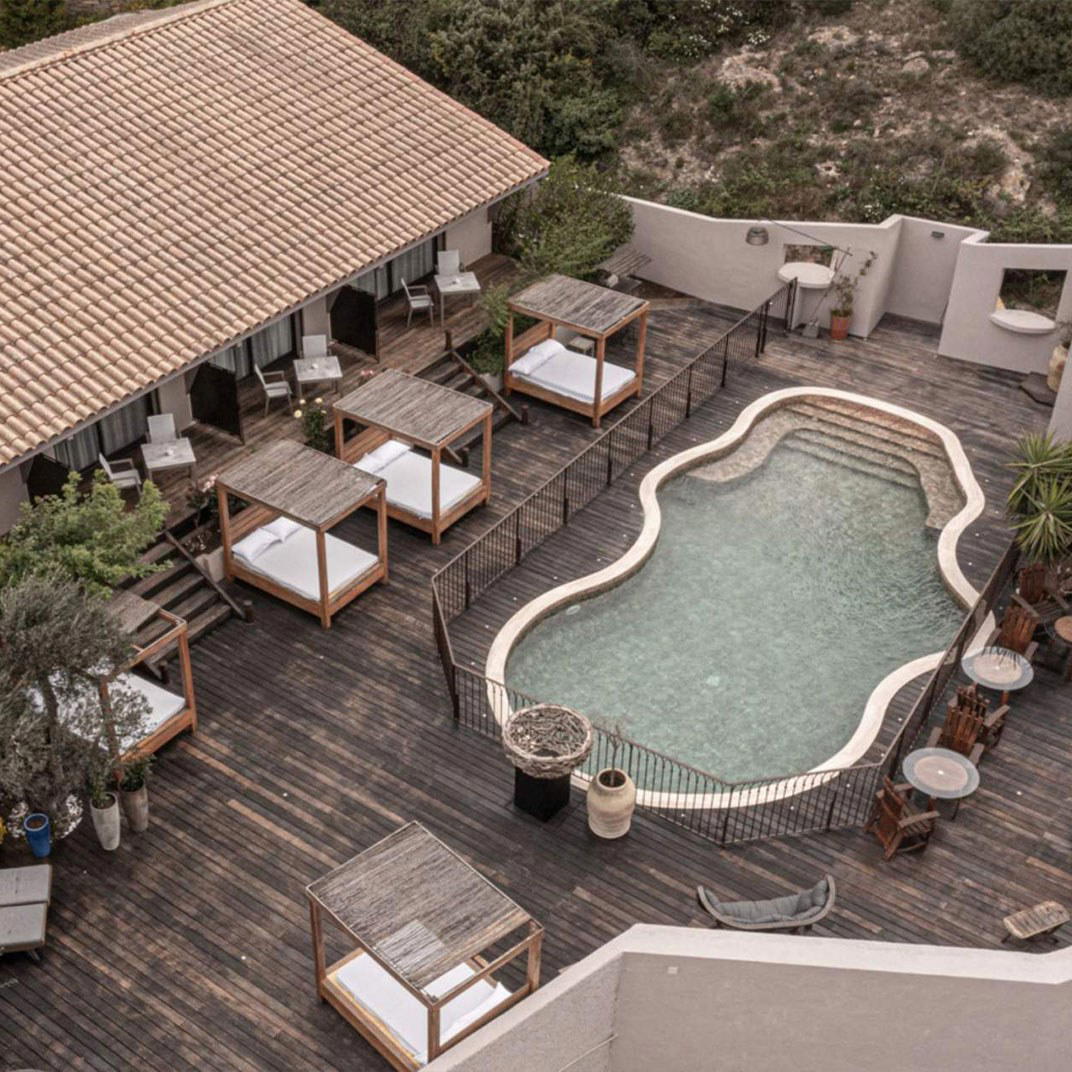
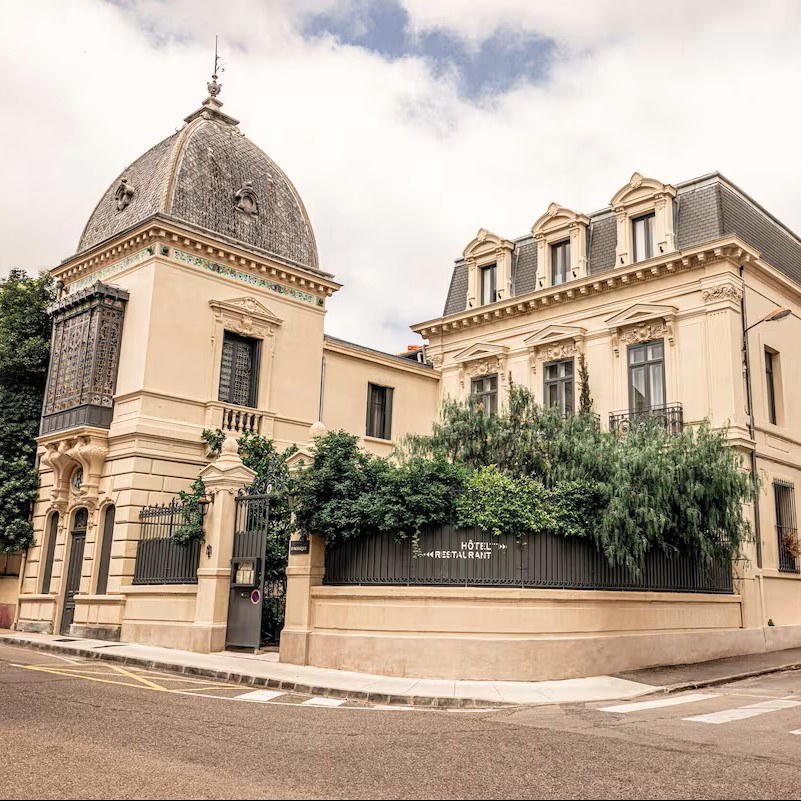
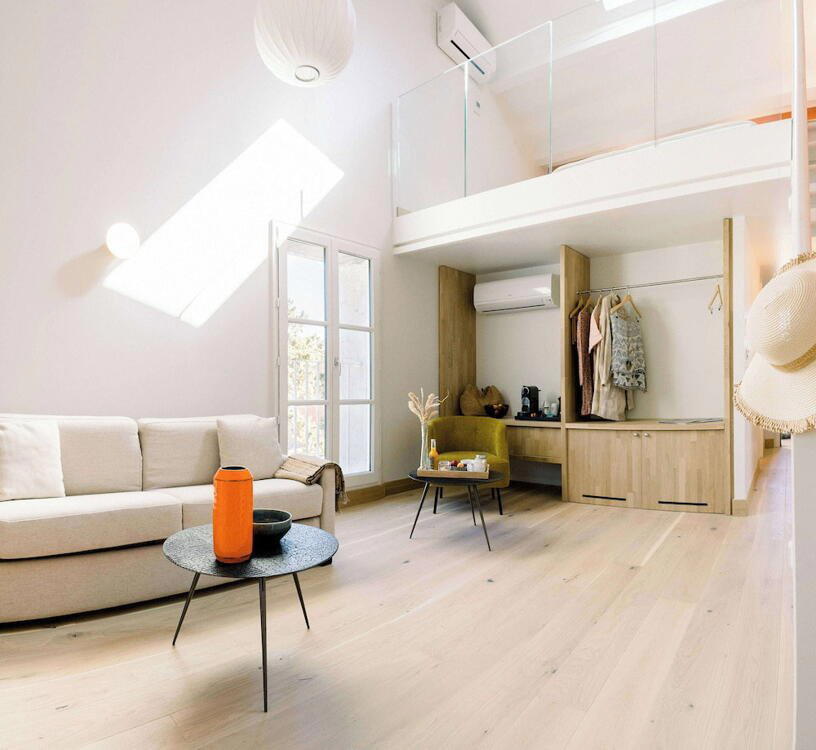
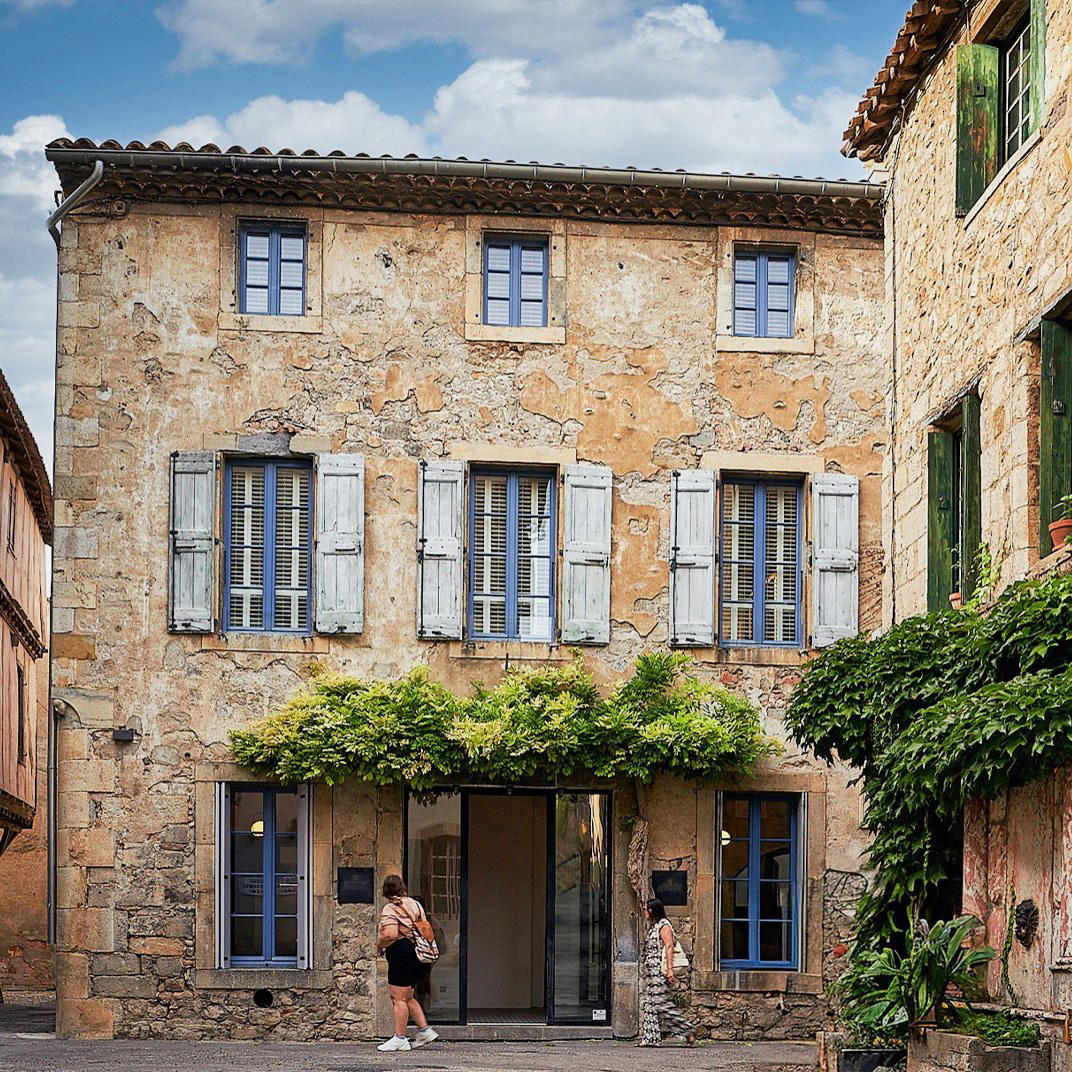
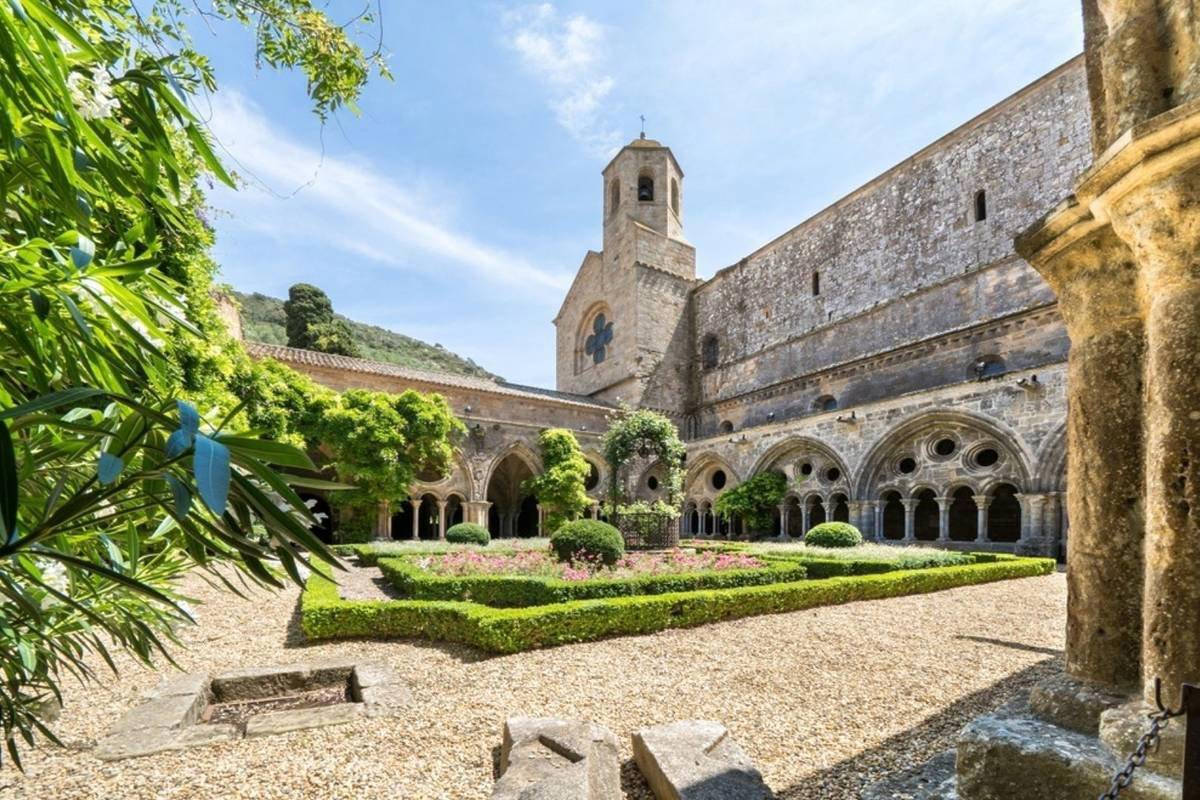
Soft and intimate atmosphere in a restored historic bergerie with white vaults, trendy decor, and open kitchen.