

2 Michelin Stars · Falstaff Restaurant - 95 Falstaff Points
Our verdict
La Table Lionel Giraud sits in a part of Narbonne where Roman, medieval, canal-side and market-town habits overlap. The room’s bare stone and arcades point to an older civic life, while the cooking is better read through Occitan sourcing: Mediterranean fish, Languedoc produce, and the agricultural belt between the coast and the Corbières.

Pearl is the En Primeur Club membership app, where members save venues, book tables and use the concierge.
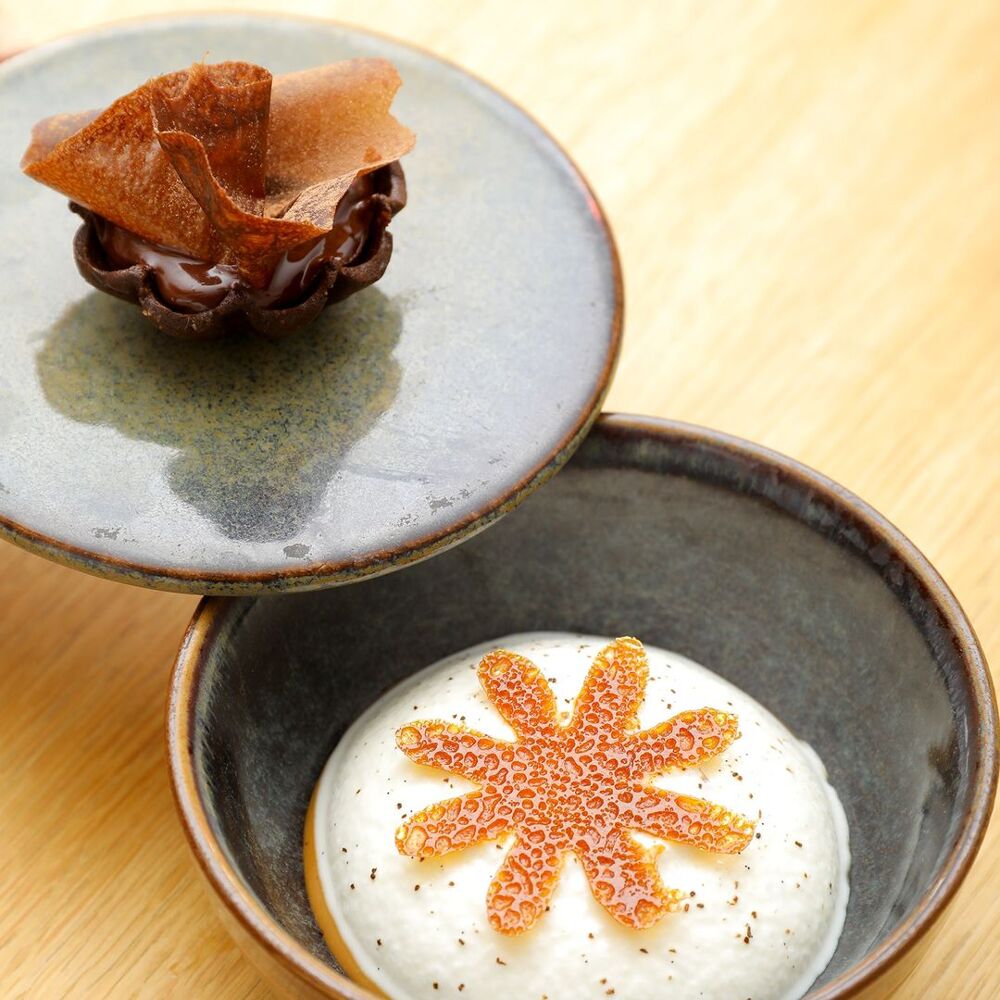
The menu
What to order
- Mediterranean red tuna preparations
- Civet of octopus
- Fagottini of lamb with Pyrenean garlic
- Pois chiches de Biograneta, frais et fermentés
Narbonne shifts the mood before the first plate arrives. In a city where older streets, market habits and civic history remain visible, a composed dining room can carry more than decoration. The setting feels connected to a place where hospitality has long been tied to routes, provisions and conversation rather than spectacle.
La Table Lionel Giraud belongs to that Narbonne, not to a generic fine-dining circuit. The clearest way to understand it is through place. Occitanie gives restaurants a rare spread: southern produce, Mediterranean proximity and wines from the surrounding region. A serious table here must decide whether it presents itself through the city, the coast, wine country, or a negotiated version of all three.
Occitan sourcing, not Riviera shorthand
Southern French dining is often flattened into sun, seafood and terrace clichés. Narbonne resists that: inland enough to feel agricultural, close enough to the coast for maritime ingredients to shape expectation. That tension gives the dining scene its interest. A restaurant at this level is judged less by decorative luxury than by how clearly it reads the geography: freshness without cliché, produce handled with purpose, and a meal structured enough for the region’s wines.
The restaurant’s published MICHELIN recognition, including Two MICHELIN Stars, gives readers a clear signal that this is one of Narbonne’s serious addresses. Historic-feeling rooms in France can slip into costume drama; the better ones use atmosphere as discipline. Here, the pace frames the meal as part of Narbonne’s civic fabric, a different proposition from the city’s larger-format draws, where scale or informality often drives the choice.
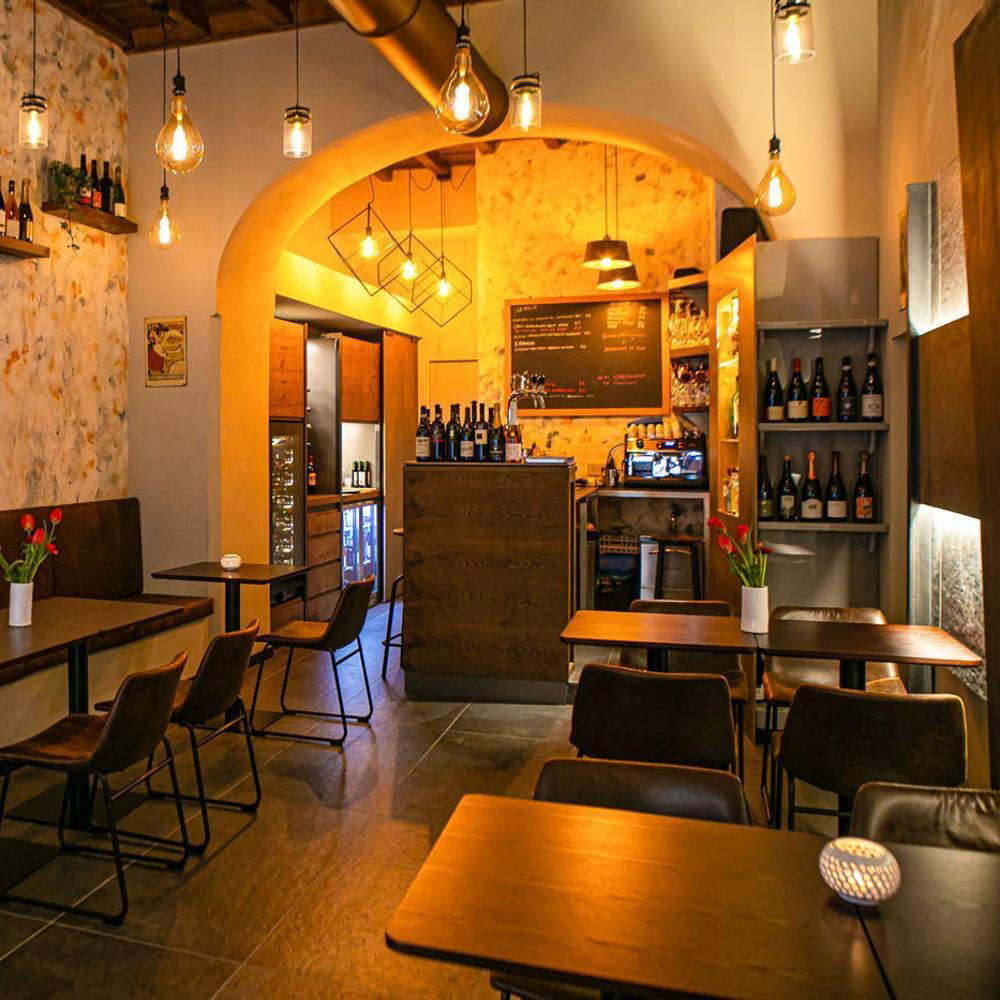
Within Narbonne, comparison clarifies the decision. Cave à Vin & à Manger - Maison Saint-Crescent points toward a wine-and-food format, useful for readers wanting a more direct cellar-led meal. Chez Marius sits closer to the city’s everyday restaurant rhythm. Les Grands Buffets has made Narbonne famous for abundance and theatrical volume. La Table Lionel Giraud occupies a quieter lane: regional focus, composed setting and pacing suited to conversation rather than throughput.
A Narbonne meal shaped by markets, coast and old stone
Ingredient sourcing is the central test. Narbonne’s market culture makes freshness a civic expectation, not a luxury claim. Local food habits remain a reference point for how residents buy, eat and talk about the table. Restaurants above the casual tier cannot rely on provenance language alone; they must show why proximity matters. Here, that can mean the difference between ingredients treated generically and ingredients understood as part of the surrounding region, or between produce used for colour and produce allowed to carry the plate.
The wider Languedoc context matters too. For decades, the region was often discussed through volume wine and rustic cooking; that shorthand is incomplete. Aude and surrounding areas now support a more varied table culture, with ambitious restaurants drawing from local producers, coastal access and a wine scene far beyond bulk identity. Narbonne is well placed for that shift because it is neither a resort town nor a grand gastronomic capital. Its better dining rooms have to earn attention through specificity.
That specificity separates a serious Narbonne dinner from a pleasant one. The city offers several valid routes: casual cooking, brasserie structure, coastal ease, or a more direct local table at Chez Marius. La Table Lionel Giraud does not replace those choices. It gives the city a more contemplative register, where room, sourcing radius and wine-country surroundings carry equal weight.
For travellers building a longer French itinerary, the comparison extends beyond Narbonne in general rather than through any single template. Formal rooms in major cities work from a different urban grammar: capital-city service codes, broader luxury audiences and a different pace. Regional dining elsewhere in France changes again when climate, clientele and local supply shift. Narbonne’s version is less about grandeur than about the meeting point between inland Occitan produce and Mediterranean access.
How to place it in a Narbonne itinerary
This is a table to schedule when Narbonne is more than a motorway stop. The city rewards a slower day: time for its historic centre, its food culture and its southern rhythm, then dinner in a room that connects with that register. The address places it outside the fantasy of a remote country inn; the appeal is urban Occitan, not pastoral escape.
Readers weighing where to spend limited meals in town should separate occasion from appetite. For scale, variety and spectacle, Narbonne has other answers. For a meal that interprets the region through a more composed lens, La Table Lionel Giraud is the sharper fit. Its interest lies in restraint: a serious room, market-minded habits, and a region whose ingredients are better served by clarity than excess.
For wider planning, use our full Narbonne restaurants guide alongside our full Narbonne hotels guide, our full Narbonne bars guide, our full Narbonne wineries guide and our full Narbonne experiences guide. For contrast outside France, the editorial distance is instructive: other international dining formats show a different relationship between format and ingredient culture, where the French regional table is no longer the organizing idea.
Frequently asked questions
Would La Table Lionel Giraud be comfortable with kids?
La Table Lionel Giraud sits in Narbonne, and its composed setting points to a quieter dining room than a casual brasserie. Older children are likely to fit the room better than very young ones.
What's the overall feel of La Table Lionel Giraud?
The mood is measured and composed. In Narbonne, that gives La Table Lionel Giraud a serious feel rather than a flashy one.
Has La Table Lionel Giraud won any awards?
Yes. La Table Lionel Giraud has Two MICHELIN Stars.
What part of town is La Table Lionel Giraud in?
Narbonne.
Can I walk in to La Table Lionel Giraud?
A walk-in is more plausible at quieter times than at peak service, but this is a serious dining room in Narbonne, not a casual counter. Planning ahead is the safer approach.
In Context: Similar Options
Comparable venues by cuisine and price in the same metro.
| Venue | Cuisine | Price | Awards | Notes |
|---|---|---|---|---|
| La Table Lionel GiraudThis venue (the venue you are viewing) | Modern creative French fine dining in a medieval oratory | $150–200 | 2 Michelin Stars · Falstaff Restaurant - 95 Falstaff Points | Not listed |
| Cave à Vin & à Manger - Maison Saint-Crescent | Traditional French Bistro | $30–50 | Michelin Bib Gourmand · La Liste Top Restaurants | Traditional Cuisine |
| La Table Saint-Crescent | Modern French Fine Dining | $100–150 | We're Smart World 2 Radishes | Not listed |
| Les Grands Buffets | Classical French Escoffier Buffet | $50–100 | Not listed | Not listed |
| L'Aladin | Moroccan | $20–30 | Not listed | Not listed |
| Chez Marius | French Bistroquet with Tapas | $20–30 | Not listed | Not listed |
Recognition history
Dated appearances from independent guides and award organizations, with the underlying list record or original source where available.
Michelin 2 Stars
Michelin
Falstaff Restaurant - 95 Falstaff Points
Falstaff
Continue exploring
More in Narbonne
Restaurants in Narbonne
All restaurants in Narbonne →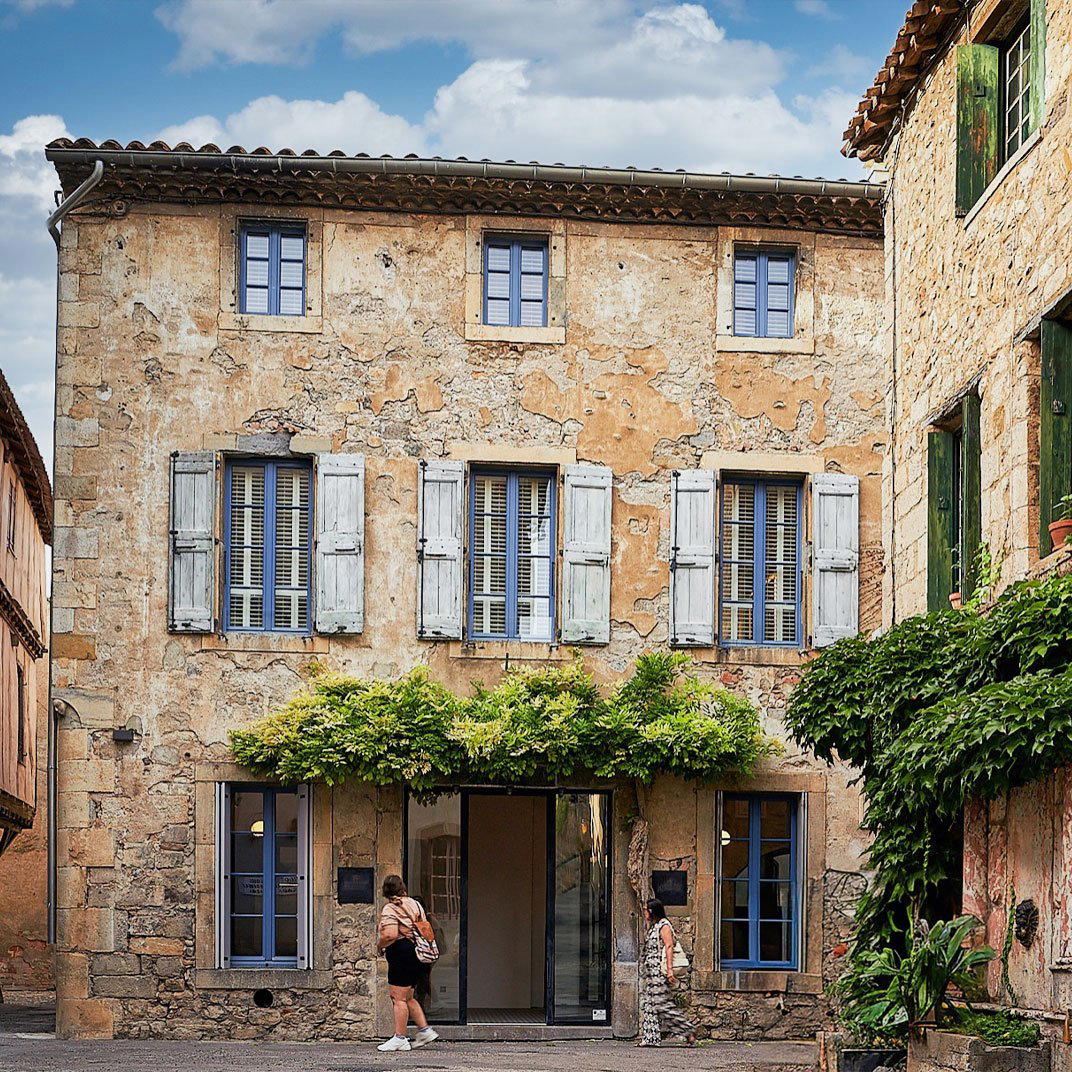

Hotels in Narbonne
All hotels in Narbonne →
La Table Lionel Giraud
The wine
- Wine program
- Deep wine list
- Extensive wine list
- Sommelier-led
Details
- Elegant
- Romantic
- Sophisticated
- Modern
- Intimate
- Special Occasion
- Date Night
- Business Dinner
- Celebration
- Group Dining
- Wine Cellar
- Private Dining
- Historic Building
- Design Destination
- Standalone
- Extensive Wine List
- Sommelier Led
- Farm To Table
- Local Sourcing
- Sustainable Seafood
- Tasting Menu
- A La Carte
- Wine
- Champagne
- Vegetarian Friendly
- Vegan Options
- Gluten Free Options
Current opening hours
- Monday
- Closed
- Tuesday
- 12–12:45 PM, 7:30–8:30 PM
- Wednesday
- 12–12:45 PM, 7:30–8:30 PM
- Thursday
- 12–12:45 PM, 7:30–8:30 PM
- Friday
- 12–12:45 PM, 7:30–8:30 PM
- Saturday
- 12–12:30 PM, 7:30–8:30 PM
- Sunday
- Closed
Hours can change for holidays and private events. Hours as of .
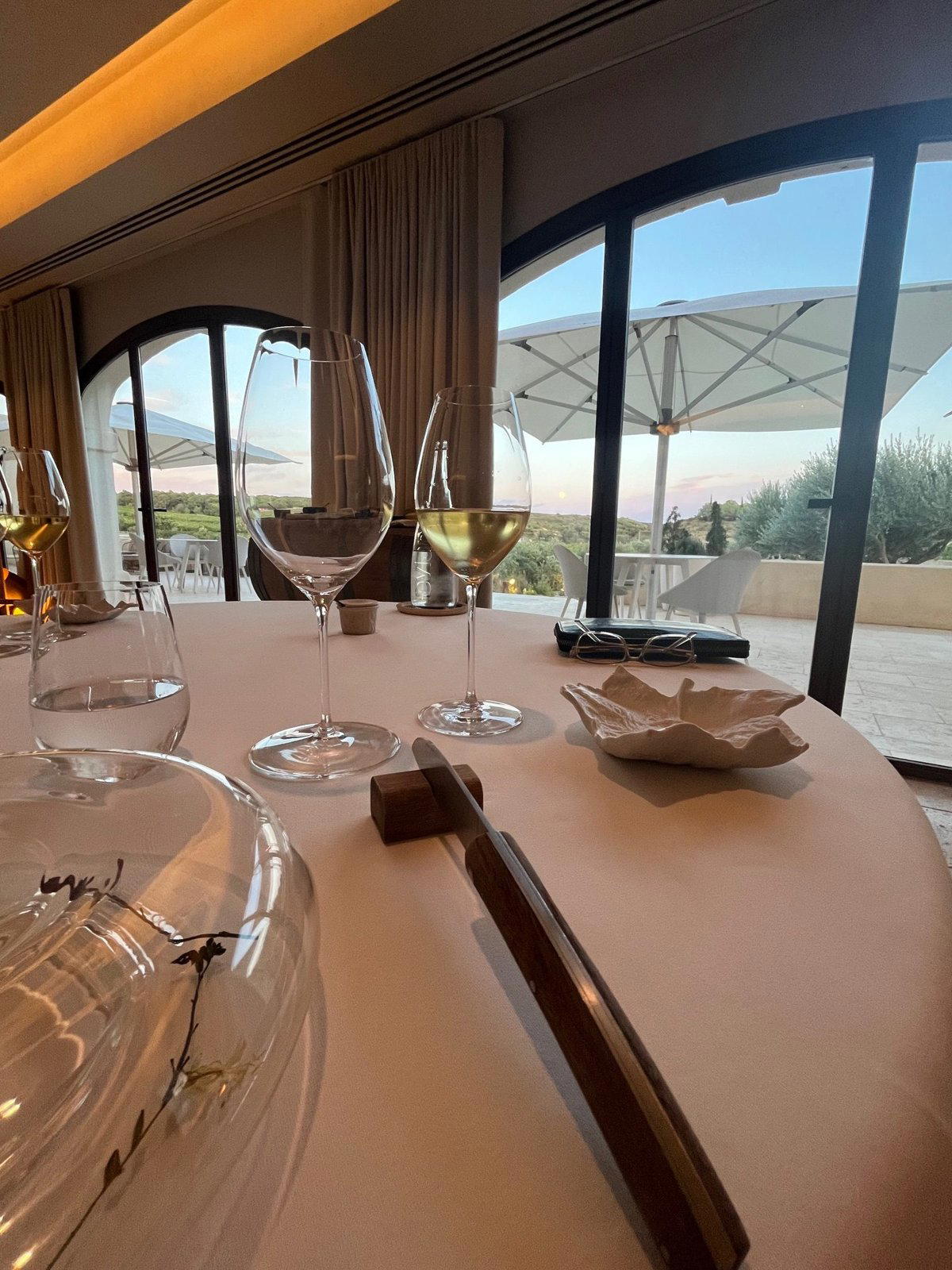
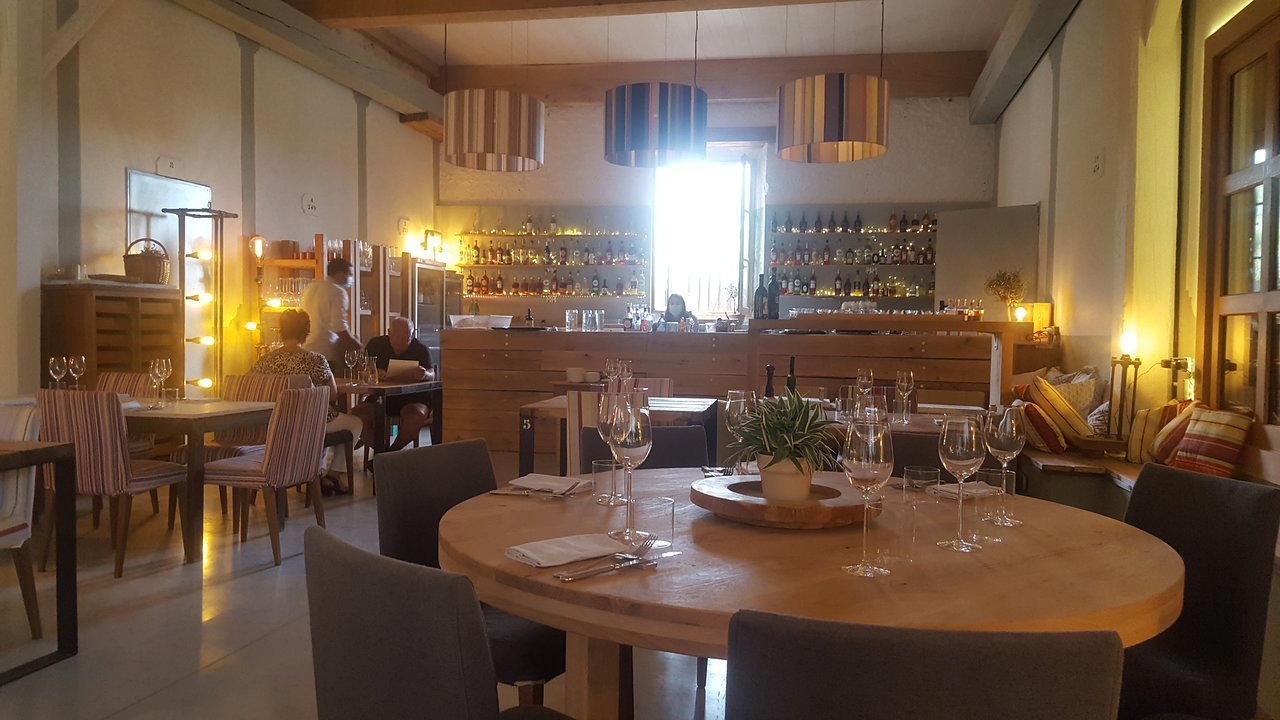
Elegant and warm fine-dining room in the historic Maison Saint-Crescent oratory, combining contemporary design and refined table settings with soft lighting and relaxed, attentive service that keeps the experience intimate rather than formal or stiff.