Our verdict
La Bamba Cafe sits on Boychuk Drive in Saskatoon's east side, operating in a city where the conversation around local sourcing and Prairie-rooted cooking has grown considerably louder over the past decade. Without a published cuisine category or formal awards profile, it occupies the kind of neighbourhood-cafe tier that quietly anchors daily dining life in mid-sized Canadian cities, worth understanding in the context of Saskatoon's broader food scene.

Pearl is the En Primeur Club membership app, where members save venues, book tables and use the concierge.
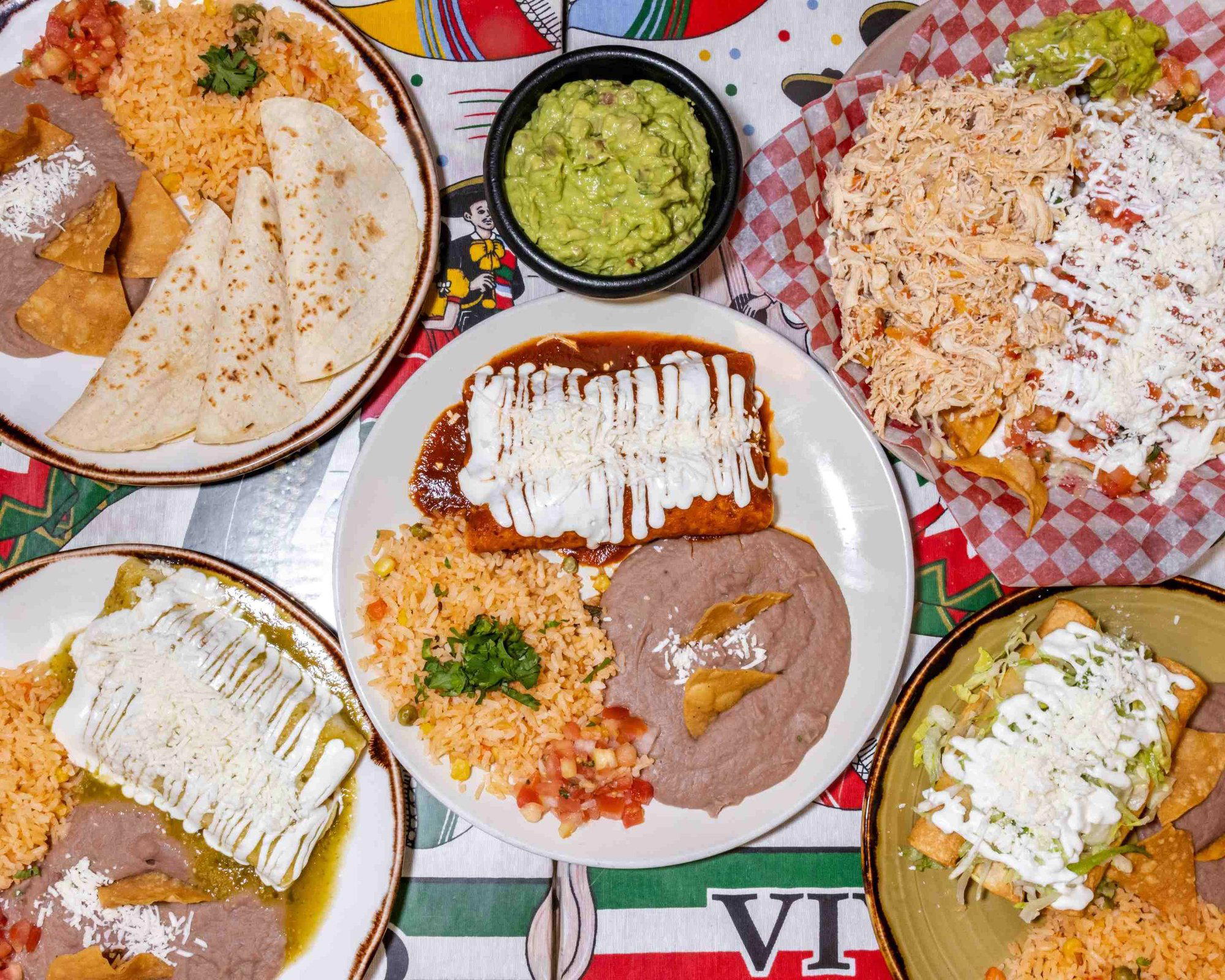
The menu
What to order
- Enchiladas Verdes
- Chipotle Enchiladas
- Chicken Mole
Where Saskatoon's Neighbourhood Dining Quietly Does Its Work
Boychuk Drive sits on Saskatoon's east side, a stretch defined less by destination dining than by the routines of the people who live and work nearby. Cafes and casual spots in this part of the city tend to operate at a different register than the restaurants drawing visitors downtown, they serve a community rather than a concept, and their staying power comes from repeat trade rather than press attention. La Bamba Cafe occupies exactly that kind of position: a neighbourhood address on the city's residential fringe, operating in a tier of Canadian dining that rarely makes editorial lists but forms the backbone of how most people actually eat in a city like Saskatoon.
For context on Saskatoon's wider dining scene, including restaurants with published menus, verified awards, and reservation systems, see our full Saskatoon restaurants guide. The city's food culture has shifted meaningfully in the past decade, with venues like Hearth Restaurant and Primal establishing a more defined identity around Prairie ingredients and local sourcing.
The Sourcing Question in Prairie Café Culture
In Canadian cities of Saskatoon's scale, the ingredient sourcing conversation plays out differently than it does at celebrated urban restaurants. Places like Tanière³ in Quebec City or AnnaLena in Vancouver have built explicit sourcing frameworks into their identities, naming farms and producers on menus and building seasonal rotations around what's available locally. That level of editorial sourcing rigour is a feature of destination-tier dining. Neighbourhood cafes in Saskatchewan sit in a different conversation entirely, one shaped by proximity to the agricultural base of the province itself.
Saskatchewan produces a significant share of Canada's pulse crops, wheat, canola, and specialty grains. That agricultural context gives even casual eating establishments in Saskatoon access to a supply chain that restaurants in Toronto or Vancouver have to actively seek out and pay a premium for. Whether a neighbourhood cafe like La Bamba actively builds its sourcing around that agricultural identity is something only a visit and a conversation with staff can confirm, the venue's public record doesn't carry enough data to make that claim. But the structural advantage is real: the Prairie supply chain runs through the city's back doors before it reaches restaurant loading docks on either coast.
This is the broader pattern that makes mid-sized Prairie cities worth watching for anyone tracking how Canadian food culture is actually developing, as opposed to how it's being narrated from Montreal or Toronto. Restaurants like Eigensinn Farm in Singhampton and Restaurant Pearl Morissette in Lincoln have made farm-direct sourcing central to their identities at significant price points and with significant press coverage. The quieter version of that same principle shows up in Prairie neighbourhood dining without the fanfare.
Saskatoon's Dining Tiers and Where La Bamba Sits
Understanding La Bamba Cafe requires placing it inside Saskatoon's current dining structure. The city's food scene has developed a clearer upper tier over the past several years, with a small number of restaurants positioning themselves against national peers. That tier is worth acknowledging: Canada's most recognised contemporary restaurants, Alo in Toronto, Jérôme Ferrer's Europea in Montreal, and others operating at the $$$$ price band, represent one end of a long spectrum. Neighbourhood cafes in mid-sized cities represent the other end, and neither end is less essential to how a city's food culture functions.
La Bamba Cafe at 1025 Boychuk Drive falls into the latter category. The address, the east-side location, and the absence of a publicised awards history or media profile all point toward a venue that serves its immediate community rather than drawing visitors from across the city. That's not a limitation; it's a description of a specific and necessary tier of urban dining. Canadian cities of Saskatoon's size (roughly 270,000 people by recent census counts) depend on these neighbourhood anchors in ways that larger cities, with their higher density of options, do not.
For comparison, consider how venues like Barra Fion in Burlington or Biagio's Kitchen in Ottawa occupy similar community-anchored positions in their respective cities, recognised locally, operating without national press attention, and valued for consistency over spectacle. La Bamba appears to sit in that same bracket.
Planning a Visit: What the Public Record Confirms
La Bamba Cafe is located at 1025 Boychuk Drive, Saskatoon, SK S7H 4W9. That absence of data doesn't imply the venue is closed or underperforming, it more often reflects the operating reality of small neighbourhood cafes that rely on foot traffic and word of mouth rather than online infrastructure.
The practical recommendation here is direct: if you're in the Boychuk Drive area and curious, visit in person during standard cafe hours and assess the situation on the ground. For visitors to Saskatoon who want a confirmed reservation and a known price point, the venues profiled in our full Saskatoon restaurants guide offer more logistical certainty. For those exploring broader Canadian dining at the recognised end of the spectrum, Le Bernardin in New York City and Atomix represent an entirely different category of documented dining with verified credentials, staff, and booking systems. Venues like Narval in Rimouski and Aux Anciens Canadiens in Quebec similarly operate with more transparent public profiles for planning purposes.
For those travelling specifically in Calgary or further afield, Bearspaw Golf Club and Bonimi in Etobicoke round out the picture of how neighbourhood and community dining takes different shapes across Canadian cities.
Frequently asked questions
Is La Bamba Cafe child-friendly?
La Bamba Cafe sits on Boychuk Drive in Saskatoon's east side, a residential and commercial corridor built around everyday community use. Cafés at this location type across Canadian prairie cities typically serve families alongside solo diners and working regulars. check the venue's official channels to confirm seating arrangements or any specific accommodations for children.
What is the atmosphere like at La Bamba Cafe?
La Bamba Cafe is located at 1025 Boychuk Drive, a stretch of Saskatoon's east side shaped more by neighbourhood routine than destination traffic. That address profile points toward a casual, community-oriented setting rather than a formal dining room. For specifics on décor or service style, reaching out to the café before visiting is the most reliable route.
Side-by-Side Snapshot
Comparable venues nearby, for context on price, style, and recognition.
| Venue | Cuisine | Price | Awards | Notes |
|---|---|---|---|---|
| La Bamba CafeThis venue (the venue you are viewing) | Authentic Mexican | $20–30 | Not listed | Not listed |
| Hearth Restaurant | Thoughtful Prairie Canadian | $30–50 | Canada's 100 Best Restaurants #81 | Saskatoon |
| Primal | Italian Pasta with Prairie Ingredients | $50–100 | Not listed | Riversdale |
| La Cantina - Urban Taco Bar | Authentic Mexican Taqueria | $20–30 | Not listed | Whistler Village |
Continue exploring
More in Saskatoon
Restaurants in Saskatoon
All restaurants in Saskatoon →
Bars in Saskatoon
All bars in Saskatoon →

Details
- Cozy
- Family
- Casual Hangout
- Open Kitchen
- Craft Cocktails
- Local Sourcing
- A La Carte
- Margaritas
- Vegetarian Friendly
- Vegan Options
- Gluten Free Options
Current opening hours
- Monday
- Closed
- Tuesday
- Closed
- Wednesday
- 4–8 PM
- Thursday
- 4–8 PM
- Friday
- 4–8 PM
- Saturday
- 4–8 PM
- Sunday
- 4–8 PM
Hours can change for holidays and private events. Hours as of .
Homey, relaxed family-friendly atmosphere with pleasant decor featuring Mexican artifacts; small space that can get lively and busy.