
Canada's 100 Best Restaurants #81
Our verdict
On the eastern bank of the South Saskatchewan River, Hearth Restaurant occupies a prominent Saskatoon address that signals its ambitions clearly. The name points toward a cooking philosophy rooted in fire and local sourcing, placing it among the prairie city's more considered dining options. For visitors tracking Canada's ingredient-led restaurant movement beyond the major centres, it belongs on the itinerary.

Pearl is the En Primeur Club membership app, where members save venues, book tables and use the concierge.
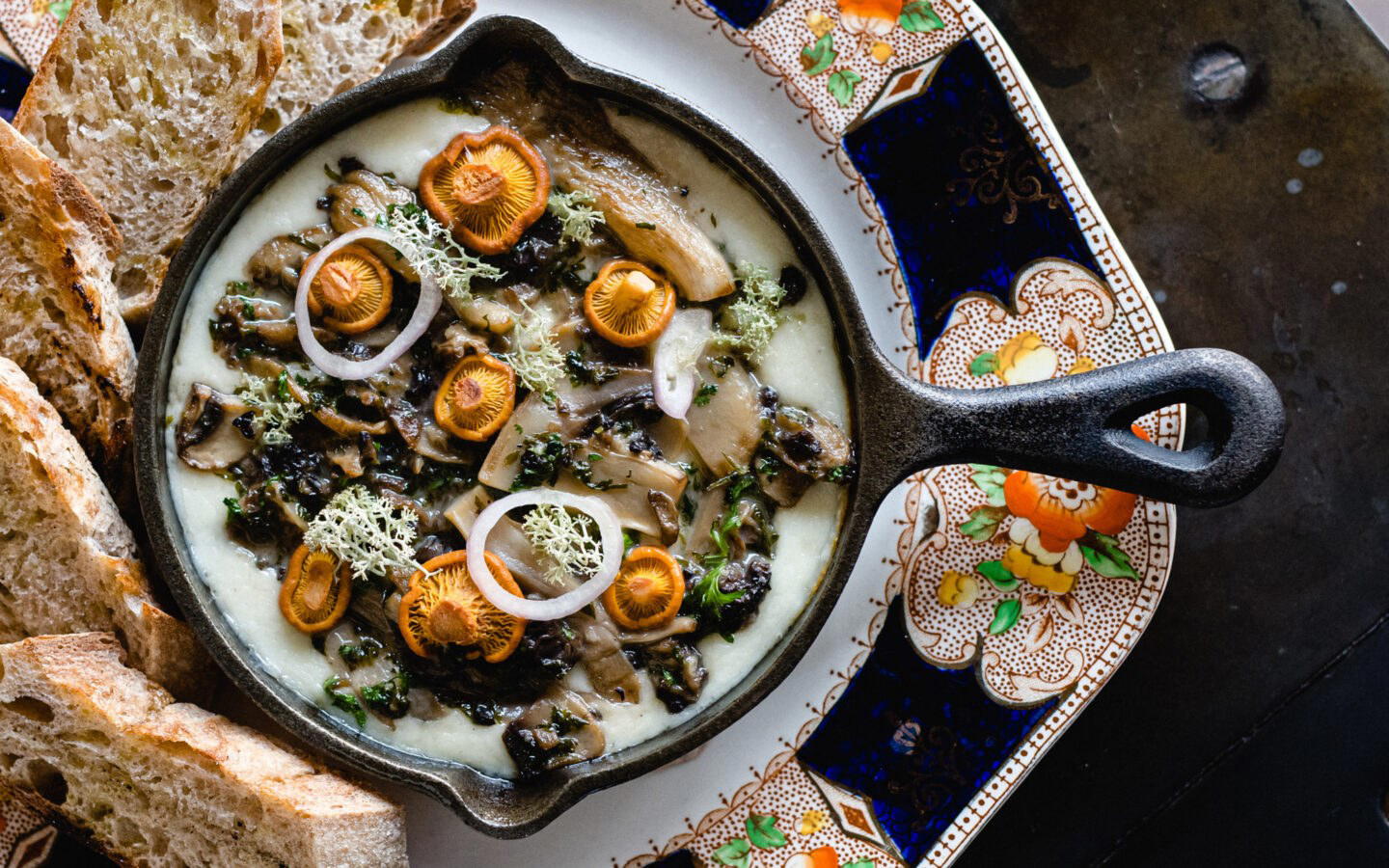
Fire, Prairie, and the Question of Where the Food Comes From
Spadina Crescent East follows the curve of the South Saskatchewan River through Saskatoon's downtown core, and the approach to Hearth Restaurant along that boulevard frames the meal before you reach the door. The riverside setting is not incidental. Saskatchewan's agricultural identity runs deep enough that a restaurant named for a hearth, in this city, carries a specific weight of implication: the food should come from here, and the cooking should be honest about it.
That framing matters because Saskatoon's dining scene has shifted noticeably in the past decade. The city once sat in a long shadow cast by Calgary and Vancouver when Canadian food media discussed prairie cooking. That gap has narrowed. A cohort of restaurants along the South Saskatchewan corridor and through the Broadway and riversdale districts now takes ingredient provenance seriously in a way that connects Saskatoon to a broader national conversation about regional identity on the plate. Hearth is part of that cohort.
The Prairie Sourcing Argument, Made in a Kitchen
Across Canada's ingredient-led dining movement, the most compelling cases are made not through menu copy but through the actual proximity of kitchen to farm. The argument is not new: Eigensinn Farm in Singhampton pushed farm-to-table to its logical extreme by eliminating the distance entirely. Restaurant Pearl Morissette in Lincoln built a hospitality operation around a working winery and surrounding land. Fogo Island Inn Dining Room in Joe Batt's Arm made geography the entire point of the meal.
Saskatchewan has its own version of this logic, and it is particularly legible here. The province produces wheat, pulses, bison, elk, and some of the most minerally interesting freshwater fish in the country through its lake systems. A restaurant grounded in hearth cooking, in this geography, has access to a larder that few Canadian kitchens can match for raw agricultural depth. The editorial question worth asking of any Saskatoon kitchen is whether it is using that access or merely gesturing at it.
The name Hearth signals fire-based cooking, which in a prairie context connects to traditions of preservation, smoking, and direct-heat methods that predate the modern restaurant. That is the lineage worth tracking. Wood fire as a cooking medium has had a complicated trajectory in fine dining: first a rustic signifier, then a technical statement as kitchens at places like Lazy Bear in San Francisco and Narval in Rimouski demonstrated how precisely it could be controlled. In Saskatoon, fire cooking reads as both historically grounded and technically current.
Saskatoon's Position in Canadian Regional Dining
To understand where Hearth sits, it helps to map where Saskatoon sits within the national dining picture. Canada's most decorated restaurants cluster predictably: Alo in Toronto operates in the French-contemporary tradition with a tasting menu format that prices against international competition. Tanière³ in Quebec City works deep into Quebec's culinary history and indigenous ingredient vocabulary. AnnaLena in Vancouver built a reputation through neighbourhood accessibility without sacrificing technical ambition. Jérôme Ferrer - Europea in Montreal anchors a different end of the market entirely.
What these restaurants share is a legible identity, a clear answer to the question of why this food, here, now. For prairie cities, that answer increasingly runs through agricultural specificity. Saskatoon's most interesting dining options are those that articulate a Saskatchewan food identity rather than approximating a major-city template. Primal, another Saskatoon address worth noting in this context, has built its reputation around a similar commitment to local animal sourcing. La Bamba Cafe represents a different neighbourhood register. Hearth occupies a more formal position on that local map.
For readers who have tracked the regional sourcing argument through places like Cafe Brio in Victoria, The Pine in Creemore, or Busters Barbeque in Kenora, Hearth represents a prairie iteration of a national pattern: regional kitchens articulating a specific geography through a specific set of cooking methods.
Planning a Visit
Hearth Restaurant is located at 102 Spadina Crescent East, in the riverside section of downtown Saskatoon that sits between the Bessborough Hotel district and the University Bridge approach. The address is walkable from Saskatoon's central accommodation cluster and accessible by the city's transit network along Spadina. For a broader survey of the city's dining options across price points, our full Saskatoon restaurants guide maps the scene with current detail.
Frequently asked questions
Is Hearth Restaurant okay with children?
Saskatoon's riverside dining corridor, where Hearth sits on Spadina Crescent East, tends toward a quieter, more composed atmosphere than high-volume urban rooms. Weeknight visits generally present fewer complications for families with younger children. Weekend evenings draw a fuller dining crowd, so parents who prefer a calmer setting are better served by an earlier seating.
What kind of setting is Hearth Restaurant?
The address on Spadina Crescent East places Hearth within Saskatoon's most formally composed riverside stretch, running between the Bessborough Hotel district and the downtown core. The name signals a room built around the warmth and visual anchor of an open fire or hearth feature, which in prairie dining contexts typically means a space that reads as considered and grounded rather than spare or minimalist.
Does Hearth Restaurant in Saskatoon focus on Saskatchewan ingredients?
The combination of the name, the riverside Saskatoon address, and the broader direction of Canadian regional cooking all point toward a kitchen that takes Saskatchewan's agricultural identity seriously rather than treating it as decorative menu copy. Saskatchewan's position as one of Canada's primary grain and pulse producers gives kitchens here direct access to an ingredient supply that restaurants in larger cities work considerably harder to source. Whether that commitment extends to named local farms is a question worth raising with the team directly.
What should I order at Hearth Restaurant?
Specific dish recommendations require confirmed current menu data, which is not available here. The restaurant's name and riverside Saskatoon address point toward a kitchen working with fire as a primary technique and Saskatchewan's agricultural supply as its ingredient base. Ask the service team what's running from local producers that week, that question tends to surface the most kitchen-forward items on any given night.
Where do I go for Hearth Restaurant?
Hearth Restaurant is located at 102 Spadina Crescent E, Saskatoon, SK S7K 0L3, Canada, Saskatoon.
How hard is it to get a table at Hearth Restaurant?
Saskatoon's population scale means that even well-regarded restaurants rarely impose the multi-week advance booking windows that Toronto or Vancouver diners expect. A few days' notice is typically sufficient outside peak weekend evenings. For Friday or Saturday dinner, booking a week ahead removes any uncertainty.
Side-by-Side Snapshot
| Venue | Cuisine | Price | Awards | Notes |
|---|---|---|---|---|
| Hearth RestaurantThis venue (the venue you are viewing) | Thoughtful Prairie Canadian | $30–50 | Canada's 100 Best Restaurants #81 | Not listed |
| Alo | Modern French Fine Dining with Asian Influences | $200–300 | 1 Michelin Star · La Liste Top Restaurants | Contemporary |
| Sushi Masaki Saito | Edomae-Style Omakase | $500+ | 1 Michelin Star · La Liste Top Restaurants | Sushi, Japanese |
| The Pine | Contemporary Chinese Fine Dining | $150–200 | 1 Michelin Star · World's 50 Best #48 | Chinese |
| Aburi Hana | Modern Japanese Kyō-Kaiseki | $300–500 | 1 Michelin Star · The Best Chef One Knife | Kaiseki, Japanese |
| AnnaLena | Modern Canadian Tasting Menu | $100–150 | 1 Michelin Star · World's 50 Best #35 | Contemporary |
Recognition history
Dated appearances from independent guides and award organizations, with the underlying list record or original source where available.
Canada's 100 Best Restaurants #81
Canada's 100 Best
Continue exploring
More in Saskatoon
Restaurants in Saskatoon
All restaurants in Saskatoon →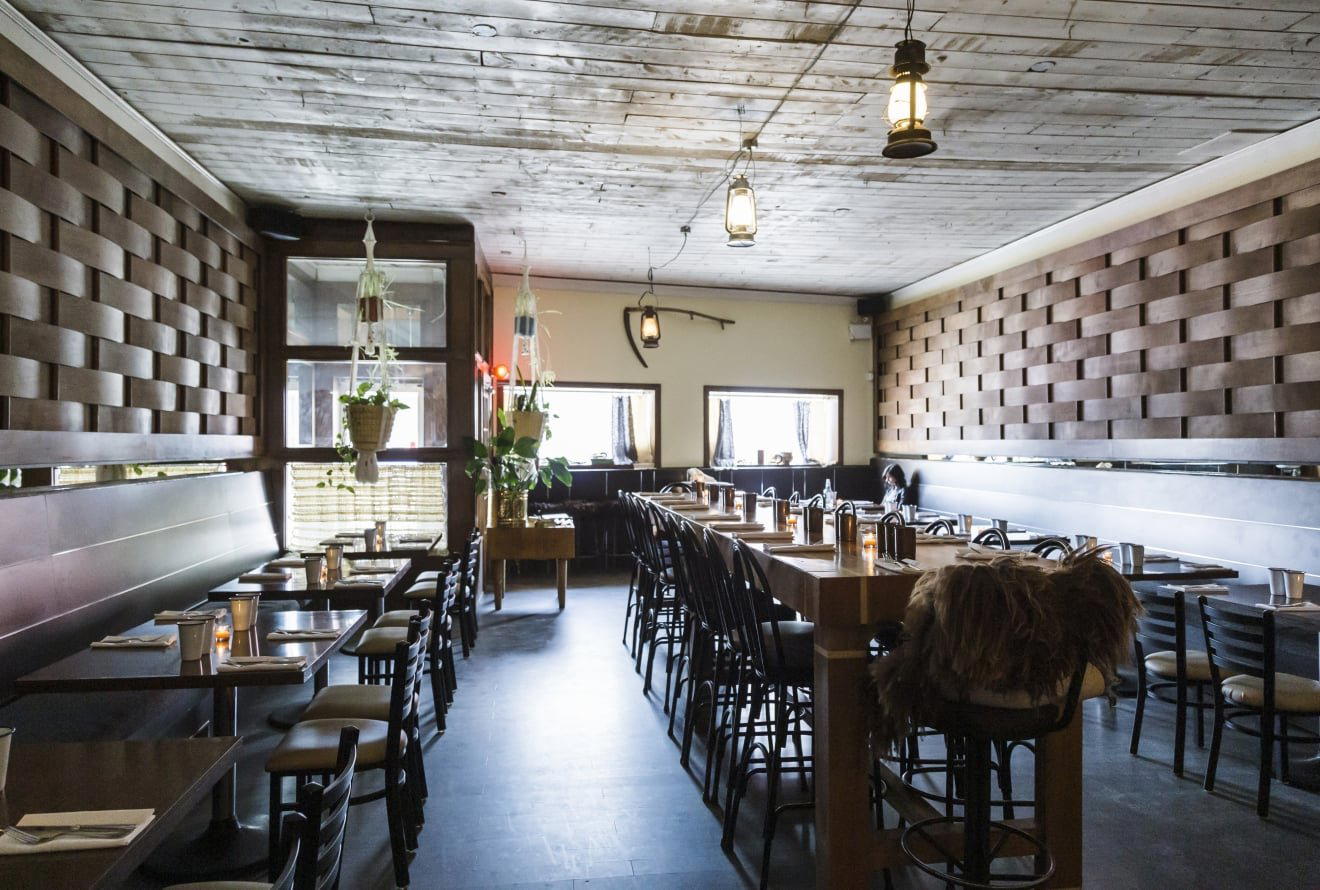

Bars in Saskatoon
All bars in Saskatoon →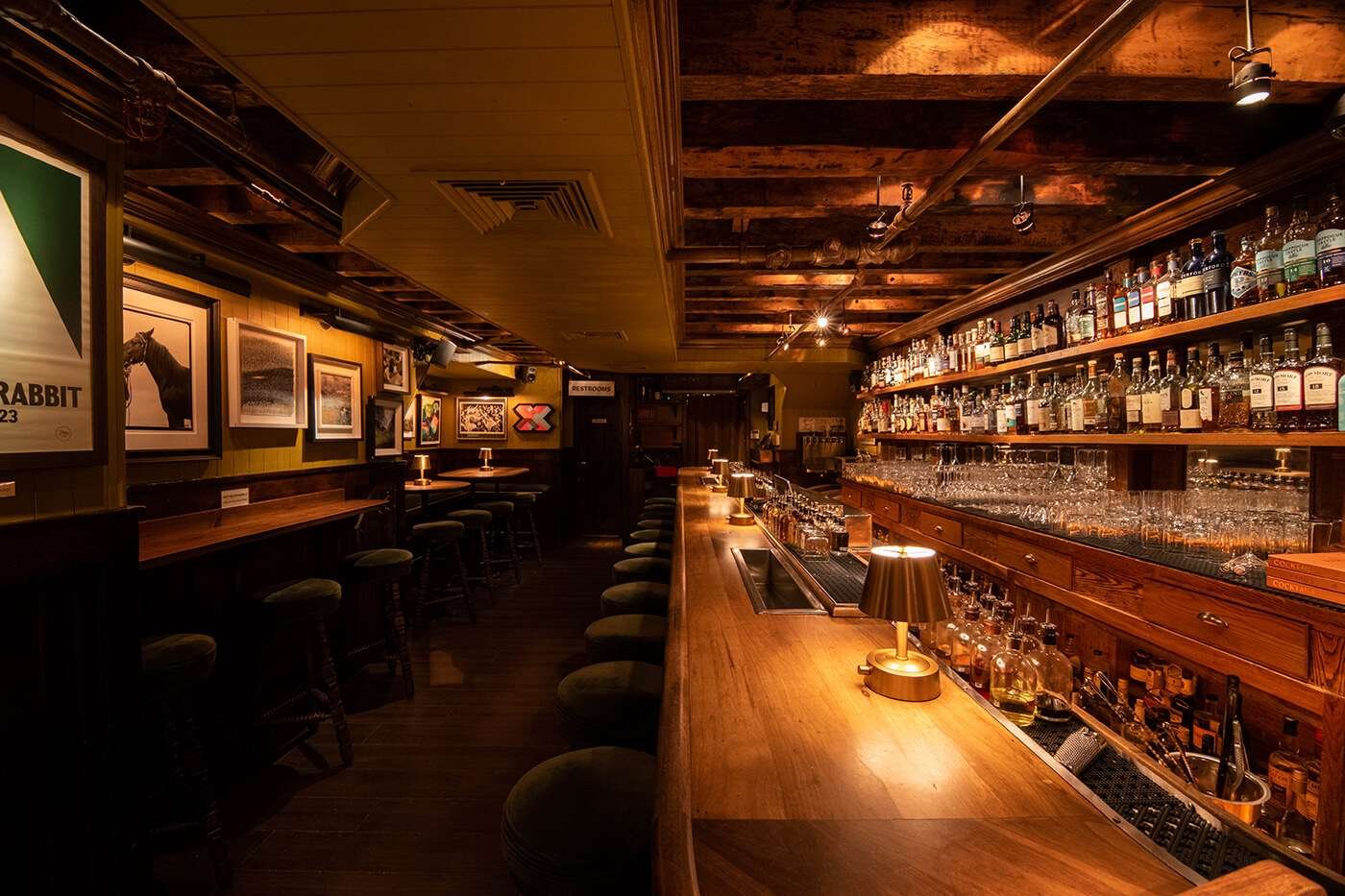

Details
- Cozy
- Modern
- Sophisticated
- Scenic
- Date Night
- Special Occasion
- Celebration
- Group Dining
- Family
- Waterfront
- Terrace
- Private Dining
- Craft Cocktails
- Local Sourcing
- Waterfront
- A La Carte
- Tasting Menu
- Cocktails
- Vegetarian Friendly
Current opening hours
- Monday
- Closed
- Tuesday
- Closed
- Wednesday
- 11 AM–10 PM
- Thursday
- 11 AM–10 PM
- Friday
- 11 AM–10 PM
- Saturday
- 11 AM–10 PM
- Sunday
- 11 AM–10 PM
Hours can change for holidays and private events. Hours as of .
Inviting and comfortable, with playful nostalgic touches described by the restaurant as reminiscent of grandma’s house; guest commentary suggests a beautiful room with decent table spacing and a tolerable but slightly loud buzz.