Our verdict
L. Mulligan Grocer in Stoneybatter has built a loyal following on the back of serious whiskey selection, ingredient-led pub food, and the kind of unhurried atmosphere that Dublin's more polished dining rooms rarely allow. It occupies a particular niche in the city's drinking and eating culture: a neighbourhood pub that regulars treat as a destination, returning not for spectacle but for consistency and craft.

Pearl is the En Primeur Club membership app — saves, bookings, and concierge access live there. Same editors, same standards.
- Address
- 18 Stoneybatter, Dublin 7, D07 KN77, Ireland
- Phone
- +353 1 670 9889
- Hours
- Mon–Tue ClosedWed–Thu 5–11:30 PMFri–Sat 5 PM–12:30 AMSun 1:30–11 PM
- Website
- lmulligangrocer.com
- Directions
- Get directions
- Booking
- Book on ResDiary
The menu
What to order
- Sunday Roast
- Scotch Egg
- Venison Burger
What Draws People Back to Stoneybatter
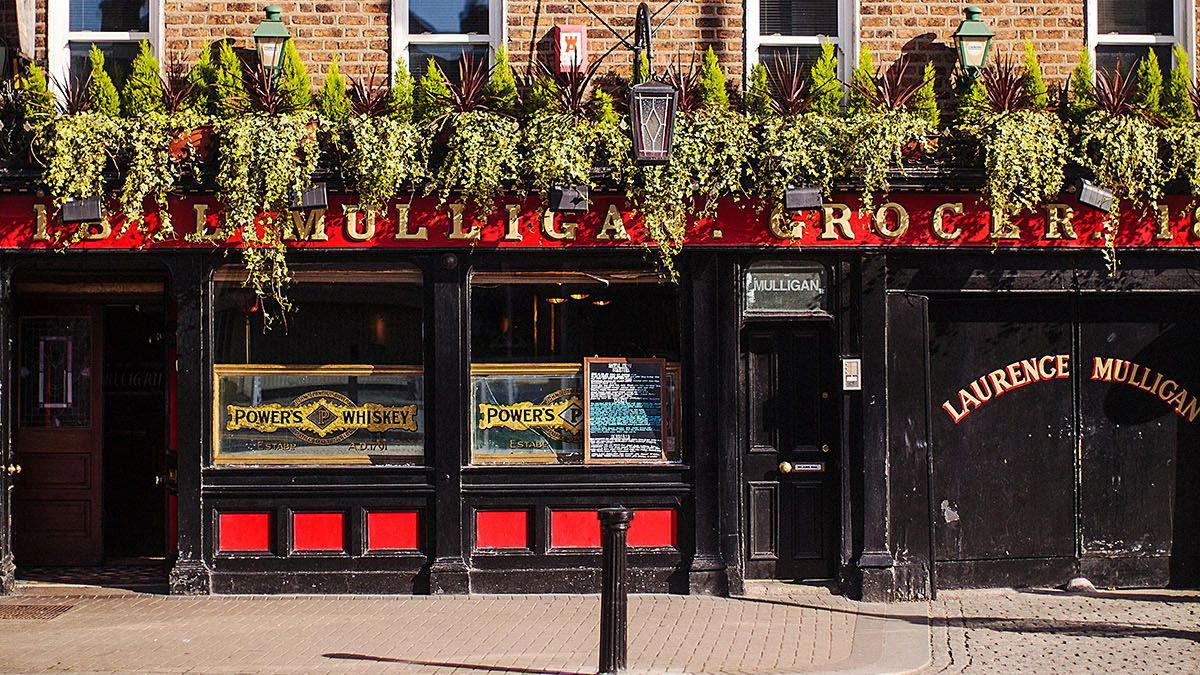
Stoneybatter sits just northwest of the Liffey, far enough from Temple Bar tourism to retain a working-class residential character that most of Dublin's food-focused venues have long since traded away for footfall. The streets here are narrow and terraced, the pubs older than the republic, and the local instinct toward unpretentiousness runs deep. L. Mulligan Grocer occupies a Victorian corner premises on Stoneybatter's main strip, and its exterior reads as exactly the kind of pub you'd pass without stopping if you didn't already know. That threshold — between anonymous neighbourhood local and deliberate destination — is where the venue has planted its flag, and where its regulars find the most value.
The pub format in Ireland carries a specific social weight that table-service restaurants in the same city don't replicate. Serious drinking and serious eating have historically occupied different rooms, different hours, and different registers. What made L. Mulligan Grocer notable in Dublin's food conversation was its insistence that both could coexist at the same counter, in the same atmosphere, without either diminishing the other. For regulars, the draw is precisely that refusal to separate the two: a well-chosen whiskey alongside food that takes its sourcing seriously, in a room that doesn't ask you to dress for it.
The Whiskey Program as a Loyalty Engine
Irish whiskey has undergone a significant structural shift over the past fifteen years. What was once a category dominated by a handful of distilleries and blends has expanded into a more fragmented, producer-diverse market, with independent bottlings, small distilleries, and single cask releases creating a collector tier that didn't meaningfully exist in Ireland a decade ago. Pubs that tracked this shift early built whiskey lists with genuine depth; those that didn't are still rotating the same four bottles above the bar.
L. Mulligan Grocer positioned itself in the first group. Its whiskey selection is the kind that rewards return visits, because the list isn't static and the depth invites exploration across multiple sessions rather than exhaustion in one. For regulars, this functions less like a wine list and more like a reference point: they know what they've worked through, what they're curious about, and what they'd recommend to someone arriving for the first time. That knowledge transfer between regulars and newcomers is one of the informal mechanisms by which a neighbourhood pub builds reputation beyond its immediate postcode. The venue also sits within a broader Irish context that now includes serious whiskey-focused destinations from Aniar in Galway to Bastion in Kinsale, but the Stoneybatter address gives L. Mulligan Grocer a urban-local identity that its rural counterparts can't replicate.
Food That Earns Its Place on the Table
The food program at L. Mulligan Grocer operates in a different register from Dublin's tasting-menu circuit. While venues like Chapter One by Mickael Viljanen, Patrick Guilbaud, and Glovers Alley represent the formal upper tier of the city's dining, L. Mulligan Grocer sits in a different bracket entirely, one where the measure of quality is sourcing discipline and execution rather than ceremony. That's not a consolation position. Some of the most consistent cooking in any city happens at this price-to-ambition ratio, where the kitchen isn't performing for critics but feeding people who'll be back next week.
The sourcing orientation places the venue within a broader Irish movement toward supplier-named, provenance-tracked ingredients that has defined ambitious pub kitchens and mid-tier restaurants alike since roughly 2010. Bastible on Leonard's Corner operates in a comparable register in terms of ingredient seriousness, though its format is more explicitly restaurant-focused. Homestead Cottage in Doolin and Chestnut in Ballydehob illustrate how this sourcing ethic extends well beyond Dublin into rural Ireland, but the city version, with its access to a larger, more competitive supplier base, can deliver variety and consistency that smaller operations struggle to maintain year-round.
For regulars, the food menu is less of a discovery and more of a trusted rotation. They know what works, what changes with the season, and what to point a first-timer toward. That accumulated local knowledge is something no amount of editorial coverage fully replicates, and it's one of the reasons the venue's reputation has spread laterally through word of mouth rather than vertically through press coverage alone.
The Atmosphere and the Unwritten Rules
Neighbourhood pubs that successfully cross into destination territory usually do so by preserving the atmosphere that made them worth seeking out in the first place. The risk of recognition is homogenization: the menus get photographed more, the reservations fill further ahead, and the regulars gradually find themselves seated next to a different kind of crowd. L. Mulligan Grocer has maintained a balance partly by staying in Stoneybatter rather than migrating to a higher-footfall address, and partly by keeping the format honest, no tasting menus, no wine-pairing theater, no dress expectations.
The venue connects to a wider pattern visible across Irish hospitality: a preference for environments where the host-guest dynamic is relaxed but not lazy, where the staff know the product deeply without making the knowledge feel like a performance. You see this in different forms at dede in Baltimore, at Terre in Castlemartyr, and at Liath in Blackrock, a consistent thread of seriousness without formality that runs through the better end of the Irish dining and drinking scene. Internationally, the closest tonal comparisons might be found at venues like Lazy Bear in San Francisco, where hospitality warmth and technical ambition coexist without one undermining the other, though L. Mulligan Grocer operates in a far less theatrical register.
For visitors approaching from Dublin's more central dining orbit, the Georgian hotel bars, the canal-side restaurants, the Merrion Square tasting rooms, Stoneybatter requires a short bus or taxi ride north. That minor friction is part of the point: the regulars chose this place partly because the effort filters the crowd. See the full Dublin restaurants guide for how the venue sits within the broader city eating map, alongside formal options like D'Olier Street and the Michelin circuit anchored by The Oak Room in Adare and Campagne in Kilkenny further afield.
Arrive with enough time to settle in rather than graze. The room rewards patience, and the whiskey list is better approached as an evening's project than a single pour.
Frequently asked questions
Where exactly is L. Mulligan Grocer?
L. Mulligan Grocer is located at 18 Stoneybatter, Dublin 7, D07 KN77, Ireland, Dublin.
Is L. Mulligan Grocer a good destination for Irish whiskey exploration in Dublin?
For anyone working through the current generation of Irish whiskey, the Stoneybatter address in Dublin 7 gives L. Mulligan Grocer a specific advantage: it operates as a working neighbourhood pub rather than a tourist-facing whiskey experience, which shapes both the selection and the atmosphere. The program focuses on a category that has expanded significantly since 2010, with single-pot-still and independent-bottling releases now appearing alongside the mainstream names that once defined Irish whiskey. It is one of the more focused points of entry into that conversation in Dublin.
What should I order at L. Mulligan Grocer?
The whiskey list is the starting point. L. Mulligan Grocer on Stoneybatter has built its drinks program around Irish whiskey, so working through a flight of lesser-known independent bottlings or single-pot-still expressions is the logical move. The food is designed to sit alongside drinking rather than compete with it, so expect pub-register plates rather than tasting-menu ambition.
Do they take walk-ins at L. Mulligan Grocer?
As a neighbourhood pub on Stoneybatter in Dublin 7, L. Mulligan Grocer operates in a format where walk-ins are a natural part of how the room works. That said, the bar's reputation beyond the immediate area means weekend evenings can fill quickly, and checking ahead before travelling specifically for a table is worth doing.
What has L. Mulligan Grocer built its reputation on?
L. Mulligan Grocer's reputation rests on two things: a whiskey program that engages seriously with Irish whiskey's recent structural revival, and a commitment to keeping a genuine Stoneybatter neighbourhood-pub character rather than pivoting toward Dublin's tasting-menu or cocktail-bar circuits. The address in Dublin 7, far enough from Temple Bar to filter out the tourist trade, has helped preserve that identity.
Category Peers
| Venue | Cuisine | Price | Awards | Notes |
|---|---|---|---|---|
| L. Mulligan GrocerThis venue — the venue you are viewing | Modern Irish Gastropub | $30–50 | Not listed | Not listed |
| Patrick Guilbaud | Modern French Fine Dining | $150–200 | 2 Michelin Stars · La Liste Top Restaurants | Irish - French, Modern French |
| Bastible | Modern Irish | $100–150 | 1 Michelin Star · The Sunday Times Ireland’s 100 Best Restaurants | Modern Cuisine |
| Host | Modern Italian | $50–100 | Michelin Plate | Nordic, Modern Cuisine |
| mae | Modern Irish Fine Dining | $50–100 | Michelin Plate · The Sunday Times Ireland’s 100 Best Restaurants | Southern, Modern Cuisine |
| Matsukawa | Authentic Edomae Omakase | $100–150 | Michelin Plate · La Liste Top Restaurants | Kaiseki, Japanese |
Continue exploring
More in Dublin
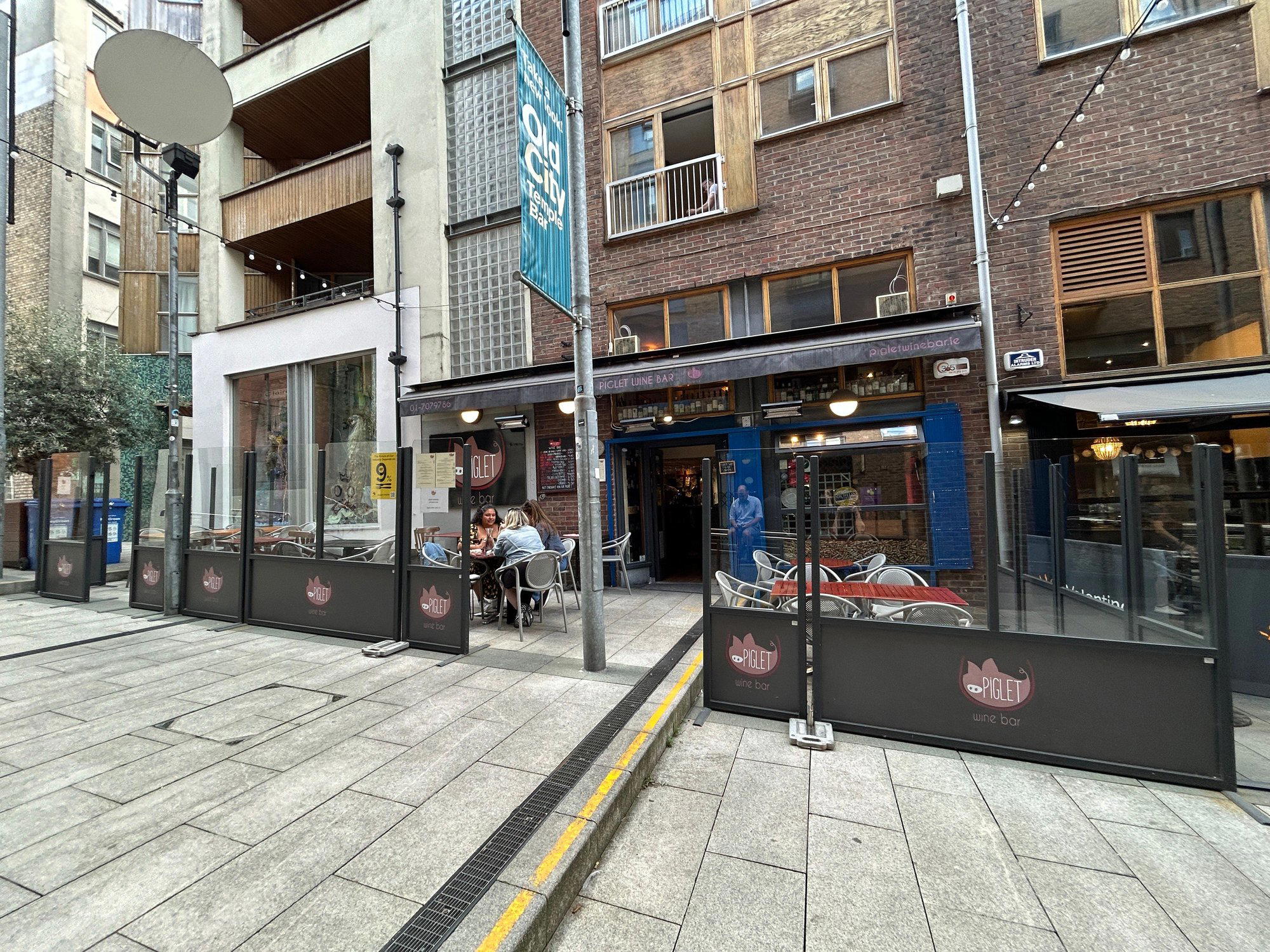
Restaurants in Dublin
Browse all →
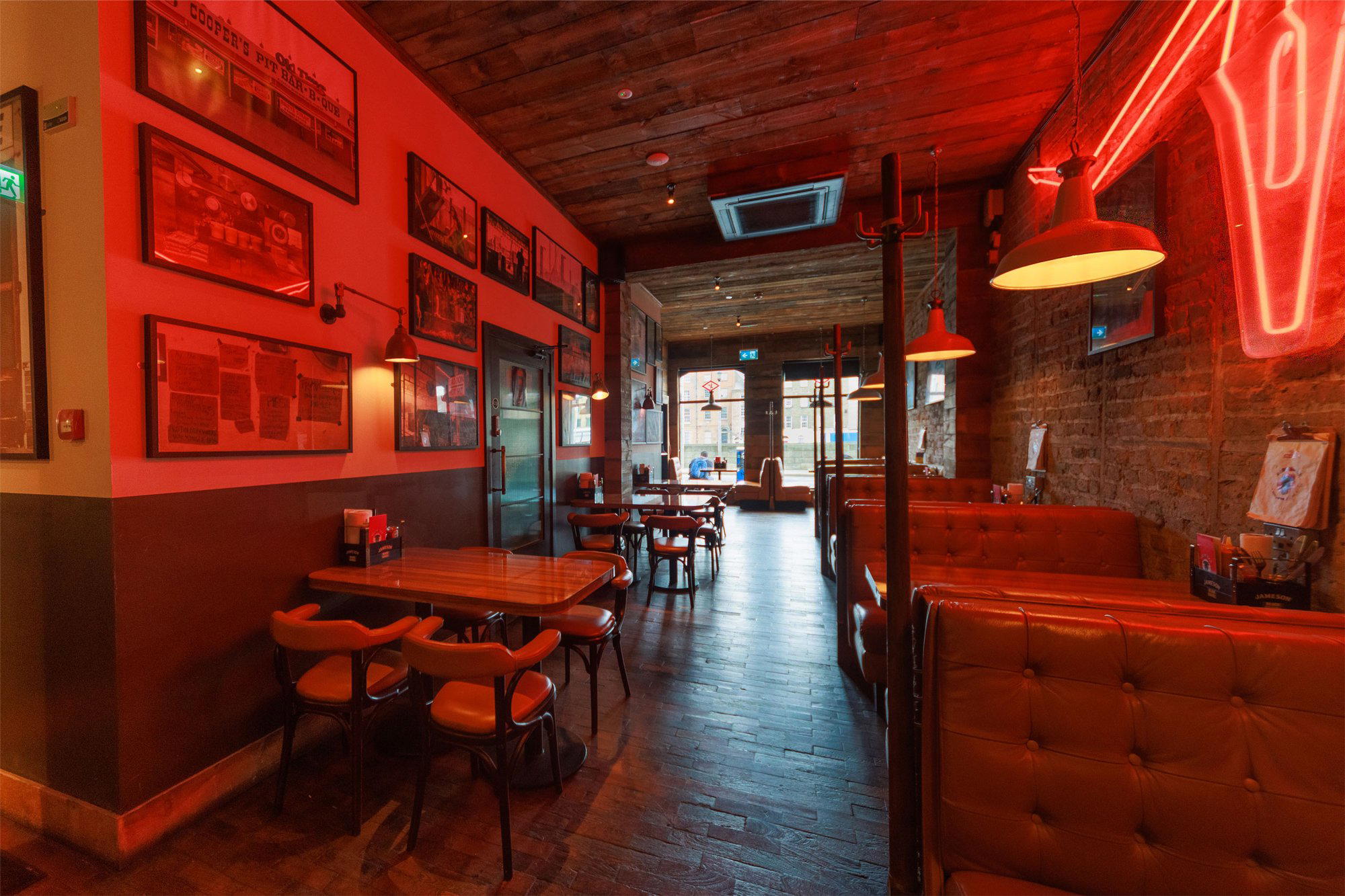
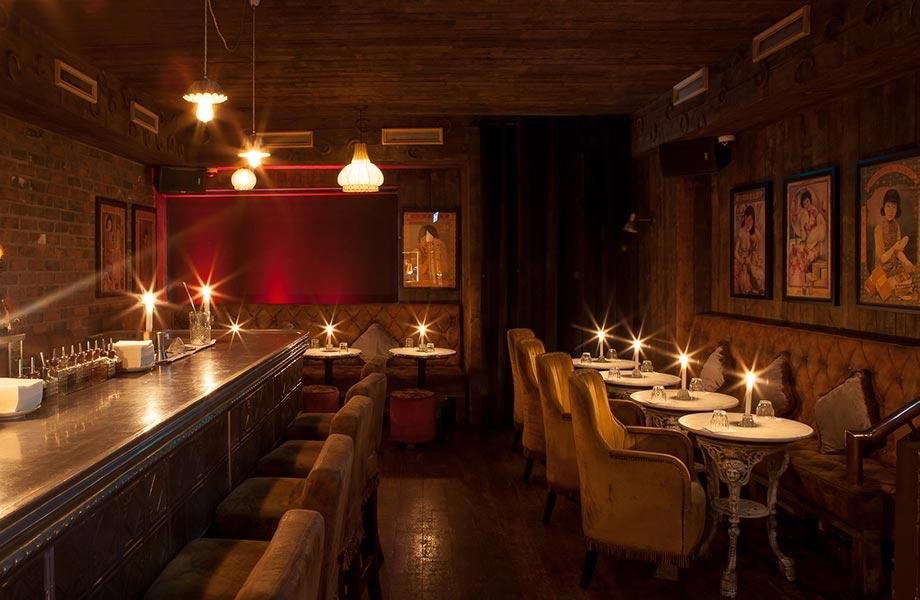
Bars in Dublin
Browse all →
Hotels in Dublin
Browse all →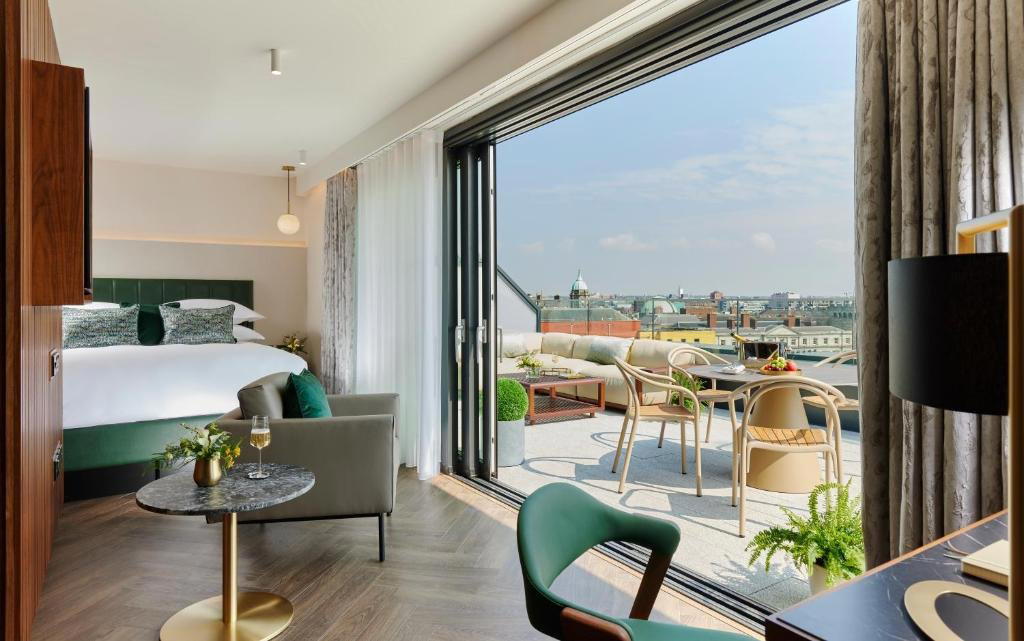
Wineries in Dublin
Browse all →
Details
- Cozy
- Rustic
- Classic
- Casual Hangout
- Group Dining
- Historic Building
- Live Music
- Beer Program
- Craft Cocktails
- Local Sourcing
- Farm To Table
- A La Carte
- Small Plates
- Beer Program
- Vegetarian Friendly
- Vegan Options
- Gluten Free Options
Current opening hours
- Monday
- Closed
- Tuesday
- Closed
- Wednesday
- 5–11:30 PM
- Thursday
- 5–11:30 PM
- Friday
- 5 PM–12:30 AM
- Saturday
- 5 PM–12:30 AM
- Sunday
- 1:30–11 PM
Hours can change for holidays and private events. Last verified .
Cozy old-school pub atmosphere with solid wood shared tables, period wooden floors, old concrete tiles, and a welcoming vibe.