Our verdict
Courtyard sits within Hotel 7 on Gardiner Row in Dublin 1, occupying a corner of the city where Georgian architecture and the Rotunda's civic weight set the mood before you've crossed the threshold. The venue draws a loyal local following in a neighbourhood better known for transit than destination dining, making it a reference point for understanding how Dublin's mid-city restaurant scene operates beneath the headline addresses.

Pearl is the En Primeur Club membership app — saves, bookings, and concierge access live there. Same editors, same standards.
- Address
- Hotel 7, 7 Gardiner Row, Rotunda, Dublin 1, D01 XN53, Ireland
- Phone
- +35318737700
- Website
- hotel7dublin.com
- Directions
- Get directions
- Booking
- Book on OpenTable
The menu
What to order
- Irish Lamb Shank
- Seafood Chowder
- Beef and Guinness Pie
Gardiner Row and the Question of Loyalty
Dublin's dining conversation gravitates south of the Liffey, toward Merrion Street and the well-worn Michelin trail that runs from Patrick Guilbaud through to Glovers Alley. The northside, and specifically the stretch around Gardiner Row and the Rotunda, operates on different terms. Here, the Georgian terraces are more likely to house hotels and professional offices than destination restaurants, and the dining rooms that do establish themselves in this corridor tend to earn their clientele through repetition rather than press cycles. Courtyard, inside Hotel 7 at number 7 Gardiner Row, belongs to that pattern.
Hotel restaurants in this price corridor across European cities face a structural problem: the guest who eats there once and leaves versus the local who returns because the room has earned it. The venues that solve this problem stop feeling like hotel dining rooms and start functioning as neighbourhood anchors. Whether Courtyard has achieved that distinction is what regulars, rather than passing visitors, are leading placed to judge.
The Room as Starting Point
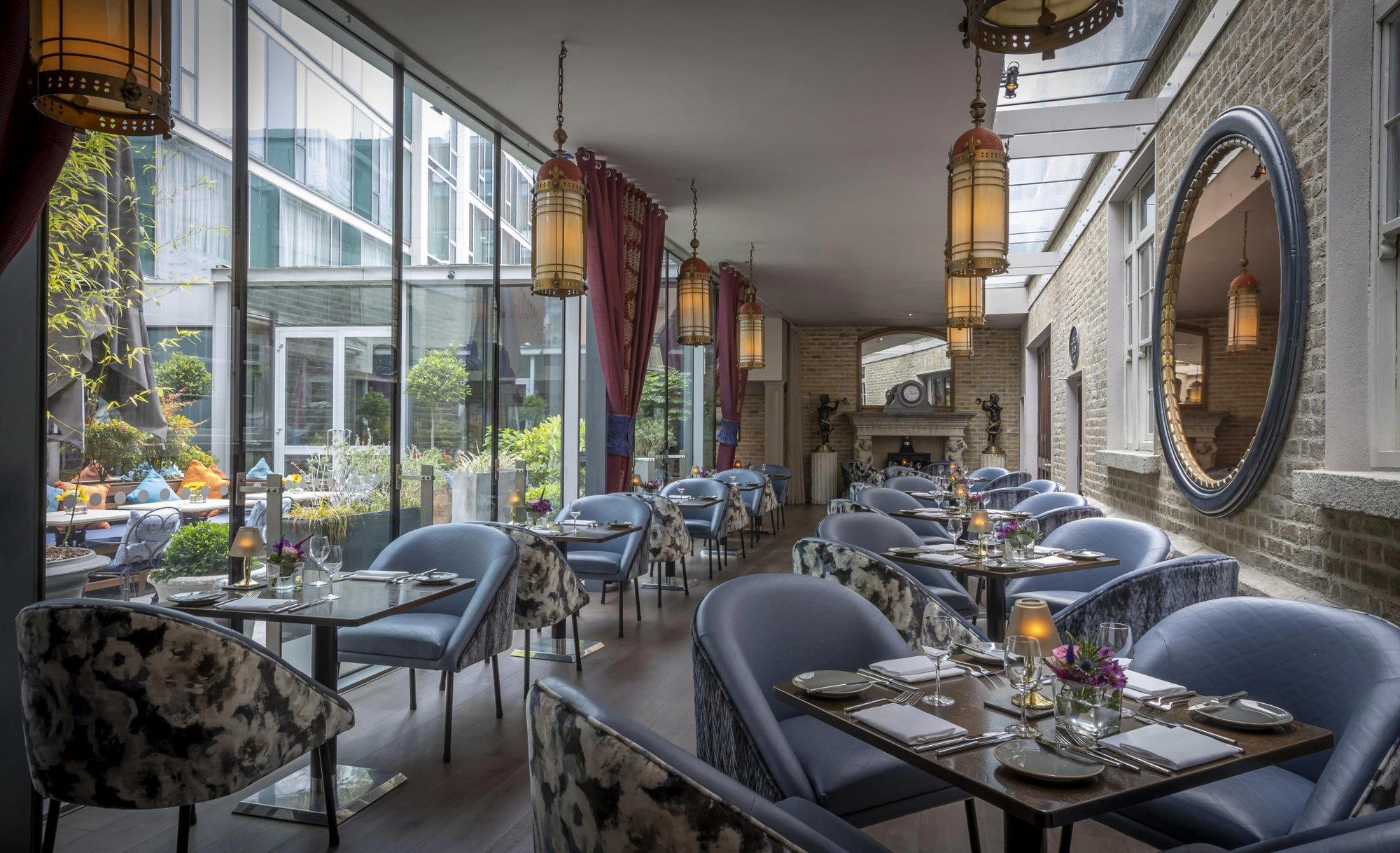
The physical address matters here. Gardiner Row sits at the northern edge of Dublin 1, close enough to the Rotunda Hospital and the Garden of Remembrance that the area carries genuine civic weight. Hotel 7 occupies a Georgian building in that row, and the Courtyard name implies an interior space oriented inward, away from the street, which in Georgian Dublin typically means a calmer room than the main thoroughfare would suggest. That spatial logic, a sheltered interior within a period building, shapes how a room like this is used: it draws people looking to step out of the movement of the city rather than to be seen within it.
That kind of room, across comparable hotel dining formats in cities like Edinburgh, Bruges, or the quieter quarters of Prague, tends to develop a specific social grammar. The same faces appear at the same corner tables. The staff recognise orders before they are placed. The menu, whatever its current iteration, has an internal logic that rewards familiarity rather than one-visit novelty. This is the regulars' model, and it is a legitimate and underappreciated category in any city's dining map.
Where Courtyard Sits in Dublin's Current Scene
Dublin's restaurant scene in 2024 and into 2025 has continued to stratify. At the leading end, the Michelin-starred tier consolidates around addresses like Chapter One by Mickael Viljanen and D'Olier Street, where tasting-menu formats and significant price points set the terms of engagement. Below that, venues like Bastible on Leonard's Corner have built serious reputations through consistent modern Irish cooking without the formal trappings of the starred tier.
Hotel dining in Dublin occupies its own sub-category, one that the city's food press tends to treat as secondary unless a named chef has taken the kitchen. The more interesting question, and one that Courtyard's location raises, is what role the mid-city hotel restaurant plays for the people who actually use it: hotel guests navigating a first night, local professionals on a midweek dinner, families visiting the Rotunda or the Gate Theatre a short walk away. These are not the readers of restaurant columns, but they represent the actual economic base of rooms like this.
For broader context on how Irish cooking is developing outside the capital, Liath in Blackrock, Bastion in Kinsale, and Aniar in Galway each represent distinct regional approaches to the same broader movement toward grounded, locally sourced menus. Campagne in Kilkenny, Chestnut in Ballydehob, and dede in Baltimore extend that map further into the southwest. The full Dublin restaurants guide gives the capital's current scene in full.
The Regulars' Logic
The regulars' perspective on a room like Courtyard is rarely about the food in isolation. It is about the full calculation: proximity to home or office, consistency of execution, the ease of a booking that does not require a three-month wait, and the low friction of a room where you are already known. In Dublin's northside, where destination dining options are fewer than south of the river, that calculation favours the reliable over the ambitious.
Comparable dynamics appear in hotel restaurant formats elsewhere. The Morrison Room in Maynooth operates in a similar register, drawing a loyal local and institutional clientele that would not define itself by fine-dining aspiration but returns for the consistency a polished hotel room can deliver when it is running well. Terre in Castlemartyr and The Oak Room in Adare occupy the higher end of this hotel-dining spectrum, where the estate setting and menu ambition attract destination visitors rather than regulars. Courtyard, in urban Dublin 1, operates closer to the neighbourhood-anchor model.
International comparisons are worth drawing. The community-driven, format-led model of Lazy Bear in San Francisco and the technical precision of Le Bernardin in New York City represent the far ends of the ambition scale. Courtyard, and the category it represents, sits in neither of those positions. Its value is practical, local, and relational rather than aspirational. That is not a lesser position — it is a different and necessary one in any functioning city dining ecosystem.
Venues in this tier across Ireland, including Homestead Cottage in Doolin, succeed not by competing with the starred tier but by serving a specific need with enough consistency that the same people come back. The unwritten menu in rooms like this is familiarity itself.
Know Before You Go
| Address | Hotel 7, 7 Gardiner Row, Rotunda, Dublin 1, D01 XN53, Ireland |
|---|---|
| Area | Dublin 1, northside, close to the Rotunda and Garden of Remembrance |
| Booking | Contact Hotel 7 directly; hotel guest priority likely applies |
| Getting There | Gardiner Row is walkable from O'Connell Street; Parnell Square is the nearest major landmark |
| Context | Hotel dining room format; suited to hotel guests and local regulars rather than destination-dining visits |
Frequently asked questions
What is the atmosphere like at Courtyard?
Courtyard sits inside Hotel 7 on Gardiner Row, a Georgian street in Dublin 1 that carries the quieter civic character of the northside rather than the busier pulse of the south city centre. The setting reflects the neighbourhood: measured, residential in scale, and removed from the tourist-heavy districts around Temple Bar or Grafton Street. That positioning tends to attract a local and hotel-guest mix rather than destination diners crossing the Liffey.
What part of town is Courtyard in?
Courtyard is located at Hotel 7, 7 Gardiner Row, Rotunda, Dublin 1, D01 XN53, Ireland, Dublin.
Is Courtyard at Hotel 7 a good dining option for guests staying in Dublin 1?
For guests based on Gardiner Row or nearby in Dublin 1, Courtyard offers the practical advantage of being on-site within Hotel 7, which places it within walking distance of the Garden of Remembrance, the Rotunda, and the northern edge of the city centre. No price range or awards data is currently documented for the venue, so it is worth confirming the menu scope directly before booking if you have specific dining expectations.
What's the signature dish at Courtyard?
Attributing a signature dish under those conditions would mean speculating rather than reporting. Contacting Hotel 7 directly at the Gardiner Row address will give you the most accurate picture of the current menu.
Peers Worth Knowing
| Venue | Cuisine | Price | Awards | Notes |
|---|---|---|---|---|
| CourtyardThis venue — the venue you are viewing | Modern Irish | $20–30 | Not listed | Not listed |
| Patrick Guilbaud | Modern French Fine Dining | $150–200 | 2 Michelin Stars · La Liste Top Restaurants | Irish - French, Modern French |
| Bastible | Modern Irish | $100–150 | 1 Michelin Star · The Sunday Times Ireland’s 100 Best Restaurants | Modern Cuisine |
| Host | Modern Italian | $50–100 | Michelin Plate | Nordic, Modern Cuisine |
| mae | Modern Irish Fine Dining | $50–100 | Michelin Plate · The Sunday Times Ireland’s 100 Best Restaurants | Southern, Modern Cuisine |
| Matsukawa | Authentic Edomae Omakase | $100–150 | Michelin Plate · La Liste Top Restaurants | Kaiseki, Japanese |
Continue exploring
More in Dublin
Restaurants in Dublin
Browse all →
Bars in Dublin
Browse all →
Hotels in Dublin
Browse all →
Wineries in Dublin
Browse all →

Details
- Cozy
- Modern
- Family
- Casual Hangout
- Business Dinner
- Courtyard
- Hotel Restaurant
- Extensive Wine List
- Local Sourcing
- A La Carte
- Vegetarian Friendly
- Gluten Free Options
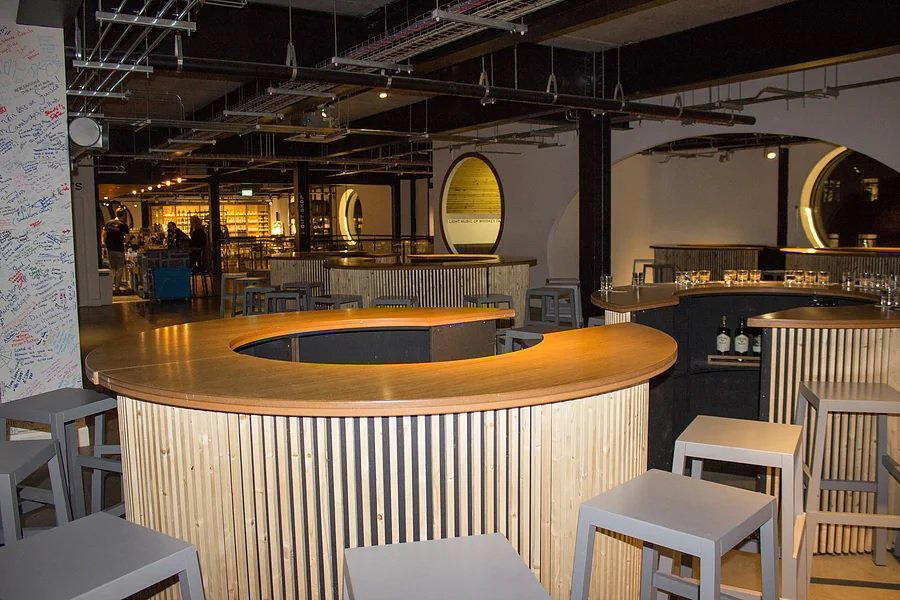
Spacious, light-filled indoor restaurant with a cosy heated courtyard garden offering a welcoming retreat from the city bustle.