
Tabelog 100 #42
Our verdict
KYuNii places contemporary Italian cooking inside Fukuoka’s increasingly confident small-restaurant culture, with pasta, meat dishes, and wine carrying the weight rather than ceremony. Its 2025 Tabelog 100 Italian WEST selection gives it a clear signal in a city where serious dining often moves through compact rooms and sharply edited menus.

Pearl is the En Primeur Club membership app, where members save venues, book tables and use the concierge.
The menu
What to order
- Creative seasonal Italian courses
- A la carte antipasti and pasta
- Natural wine pairings
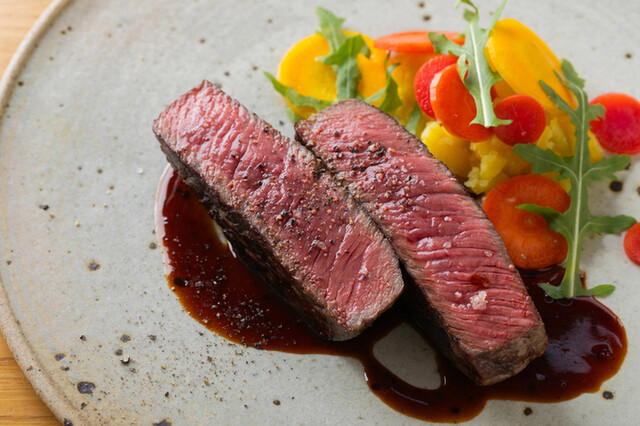
Approach Fukuoka after dark and the dining rhythm changes from retail glare to restaurants built for close attention rather than volume. KYuNii belongs to that Fukuoka register: focused, clearly categorized, and centered on Italian cooking that reads through pasta and meat rather than an undefined tasting-menu spectacle. The format matters because this genre depends on pacing. In a less focused setting, pasta can become one course among many; in a restaurant defined around Italian, pasta, and meat dishes, it becomes part of the architecture of the evening.
Fukuoka’s serious dining culture is often discussed through sushi, yakitori, and seafood, but its Italian restaurants have their own place in the city’s dining map. The stronger examples do not need to imitate metropolitan luxury dining. They work with the city’s appetite for produce, seafood, and meat, then place those ingredients inside Italian structure: antipasti logic, pasta as a central act, and a measured progression across the meal. KYuNii’s recognition in Tabelog Hyakumeiten for 2025 puts it in that conversation, not as a decorative Western option, but as part of Japan’s competitive Italian category.
Italian structure, Fukuoka scale
The menu signal is direct: Italian, pasta, and meat dishes. That combination says more than a long list of plates would. It points to a meal built around progression rather than abundance, with pasta carrying the middle of the table and meat giving the evening its weight. In Fukuoka, that is a meaningful distinction. The city rewards restaurants that are edited tightly; diners move between counters, casual rooms, and specialist dining, so a JPY 10,000 - JPY 14,999 dinner has to justify its focus quickly.
Against nearby comparison points, the positioning is best read by category rather than by unsupported fine distinctions. LAS VEGAS, Soba Ozaki, Yorgo, Yakitori Mako, and Daidokoro each point toward different ways to eat in Fukuoka, from specialist stops to Japanese dining traditions. That puts KYuNii in a narrower lane: a Fukuoka Italian choice in the JPY 10,000 - JPY 14,999 dinner range, built around pasta and meat rather than charcoal skewers or a Japanese counter format.
The Tabelog Hyakumeiten 2025 selection is the hard trust signal here. Tabelog’s Hyakumeiten lists are not Michelin stars, and they should not be read as the same kind of judgment. They are useful in another way: they show where Japanese diners and platform evaluation have concentrated attention within a defined cuisine and region. For a traveler comparing Italian dinners across Japan, that filter matters.
Why the menu format matters more than a signature plate
There is no need to reduce the restaurant to a single named dish when the stronger editorial read is structural. Pasta-led Italian dining in Japan often lives or dies by sequencing: how much room the kitchen gives to ingredients, how tightly the sauces are judged, and whether the meat course feels like a conclusion rather than an add-on. KYuNii’s listed categories suggest that the meal is designed around those pillars, with the progression doing practical work between them.
That matters in Fukuoka because the city is not short of seafood counters, noodle culture, or casual dining. A restaurant in this tier has to offer a different tempo: slower than a quick bowl, less broadly formal than grand dining, and more composed than a casual room with snacks. The appeal is in that middle ground, where Italian technique gives the meal shape without losing the social feeling that defines much of Fukuoka dining.
The focused category also changes how to think about occasion. This is not a restaurant to choose only because it is broadly convenient or because it fits every possible mood. It is better suited to diners who want a considered Italian dinner and a menu direction that is easy to read. The point is not excess; the appeal is attention to pasta, meat dishes, and the sequence that connects them.
How to place it in a Fukuoka itinerary
Fukuoka works well for travelers who want to eat beyond the most obvious headline stops while staying within the city’s dining orbit. The restaurant culture can feel local, compact, and more specific than purely transit-led dining. For a broader read on the city’s tables, use Our full Fukuoka restaurants guide, then compare different moods through other Fukuoka dining rooms, casual specialists, and more formal counters across the city.
Planning around the meal should stay simple: choose the restaurant for a focused Italian dinner, not for sightseeing convenience alone. Build the rest of the evening from there with Our full Fukuoka bars guide, or match the stay through Our full Fukuoka hotels guide. Travelers extending the trip can scan Our full Fukuoka experiences guide and Our full Fukuoka wineries guide. For a wider Japan dining map, the contrast is useful: unnamed restaurants in other cities show how sharply category and city context change the meal. Overseas Japanese-adjacent references sit at a different end of the spectrum and are better treated as a separate comparison.
The editorial case for KYuNii is not spectacle. It is a Fukuoka Italian restaurant with a clear menu spine and a Tabelog Hyakumeiten 2025 recognition signal that helps separate it from casual pasta bars. Choose it when the night calls for Italian structure filtered through Fukuoka’s dining culture.
Frequently asked questions
Is KYuNii a family-friendly restaurant?
KYuNii reads more naturally as a focused Italian dining choice than as a broad family restaurant. For families, the safest approach is to check directly with the restaurant before booking.
Is KYuNii formal or casual?
It sits in the middle: the JPY 10,000 - JPY 14,999 dinner range suggests a considered meal, while the Fukuoka setting keeps the mood approachable rather than stiff. The format is Italian, pasta, and meat dishes.
What's the pricing like at KYuNii?
Pricing at KYuNii is listed as JPY 10,000 - JPY 14,999.
What days is KYuNii closed?
Specific closing days are not provided in the available ground truth. Check directly with KYuNii before planning a visit.
What's KYuNii's location?
Fukuoka.
What's the signature at KYuNii?
No single named dish is listed, so the clearest signal is the kitchen’s Italian focus on pasta and meat dishes. That is the point of the restaurant, and it is part of why KYuNii appears in Tabelog Hyakumeiten 2025.
Comparable Options
Comparable venues for orientation by cuisine and category.
| Venue | Cuisine | Price | Awards | Notes |
|---|---|---|---|---|
| KYuNiiThis venue (the venue you are viewing) | Creative Italian with Japanese influences & natural wine | $50–100 | Tabelog 100 #42 | Not listed |
| LAS VEGAS | Japanese Izakaya | Not listed | Tabelog 100 #63 | JPY 2,000 - JPY 2,999 |
| Yorgo | Seasonal Japanese‑French natural‑wine bistro | $50–100 | Tabelog 100 #27 | JPY 6,000 - JPY 7,999 |
| Soba Ozaki | Traditional Soba Noodle Shop | $20–30 | Tabelog 100 #48 | JPY 3,000 - JPY 3,999 - JPY 999 |
| Yakitori Mako | Yakitori & Kushiyaki | $50–100 | Tabelog 100 #32 | JPY 10,000 - JPY 14,999 |
| Daidokoro | Seasonal Japanese Izakaya & Seafood | $50–100 | Tabelog 100 #97 | JPY 10,000 - JPY 14,999 |
Recognition history
Dated appearances from independent guides and award organizations, with the underlying list record or original source where available.
Tabelog 100 #42 · No. 42
Tabelog · Tabelog 100 - Italian - WEST - 2025
Continue exploring
More in Fukuoka
Restaurants in Fukuoka
All restaurants in Fukuoka →



KYuNii
The wine
- Wine program
- Deep wine list
- Extensive wine list
- Natural wine
Details
- Elegant
- Cozy
- Romantic
- Intimate
- Modern
- Date Night
- Celebration
- Special Occasion
- After Work
- Solo
- Business Dinner
- Standalone
- Design Destination
- Private Dining
- Chefs Counter
- Extensive Wine List
- Natural Wine
- Natural Wine
- Street Scene
- A La Carte
- Tasting Menu
- Counter Dining
- Set Menu
- Wine
- Natural Wine
Current opening hours
- Monday
- Closed
- Tuesday
- 6–11 PM
- Wednesday
- 6–11 PM
- Thursday
- 6–11 PM
- Friday
- 6–11 PM
- Saturday
- 3–11 PM
- Sunday
- 3–11 PM
Hours can change for holidays and private events. Hours as of .
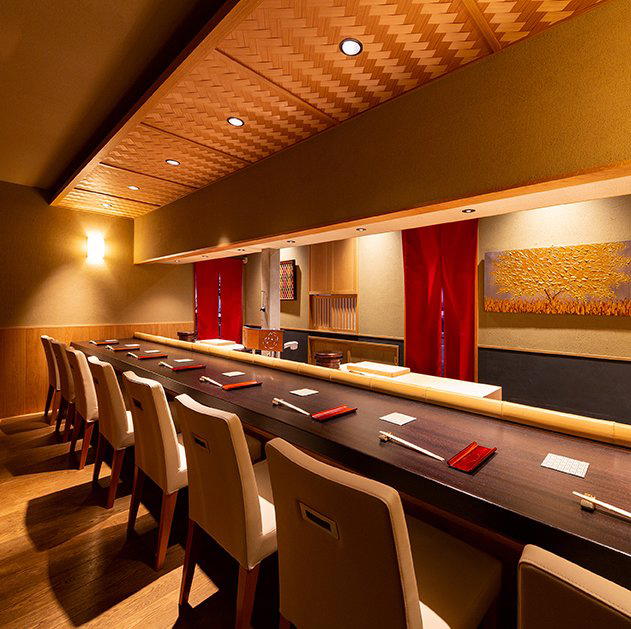
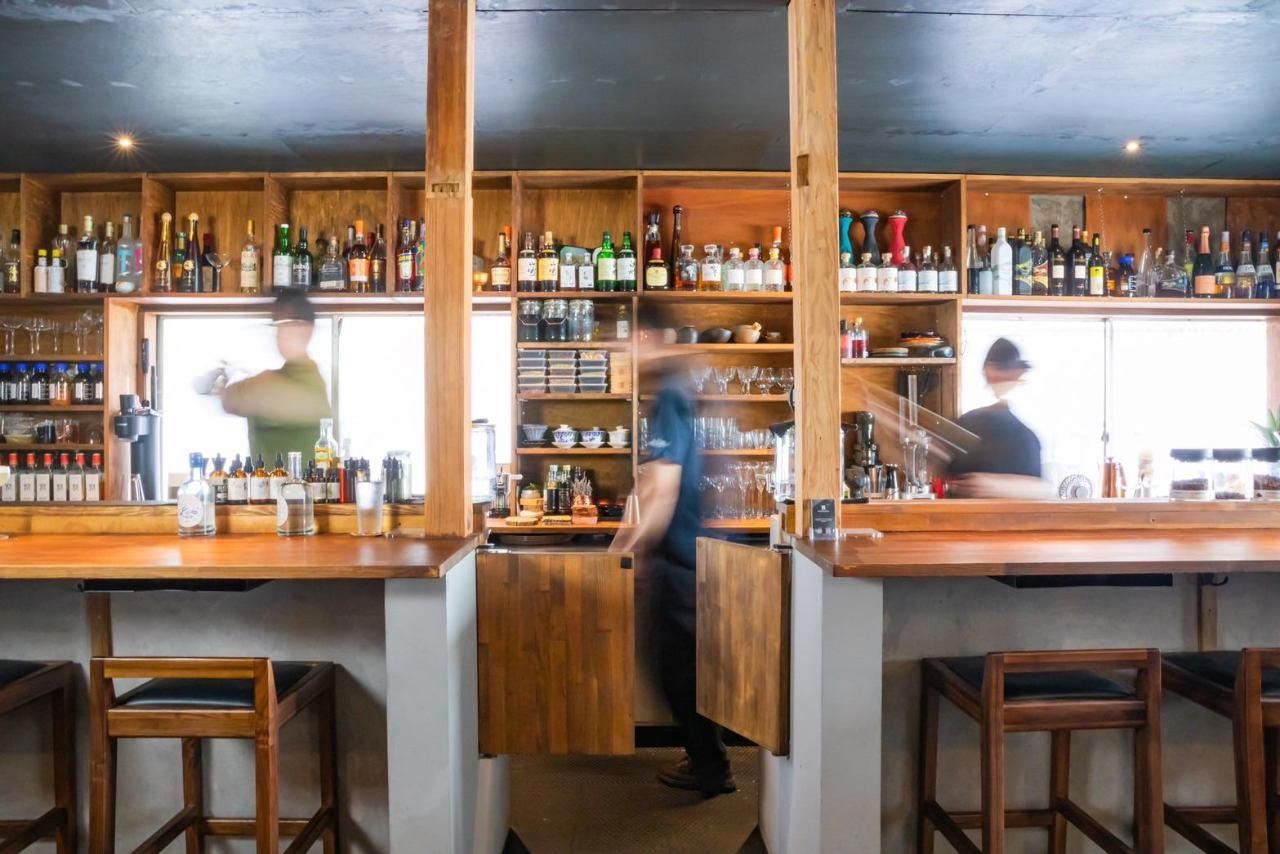
Bright and open with sunlight and a relaxed feel by day, shifting to a calm, grown-up atmosphere at night with counter-focused seating and a cozy table for small groups.