
Tabelog 100 #97
Our verdict
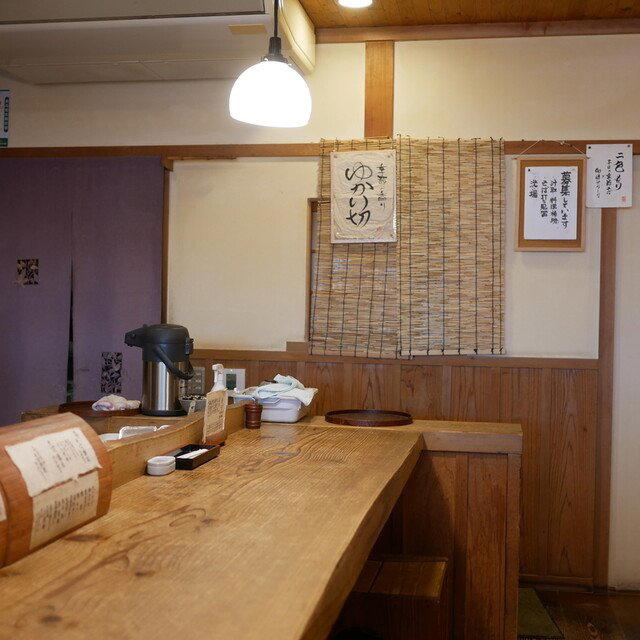
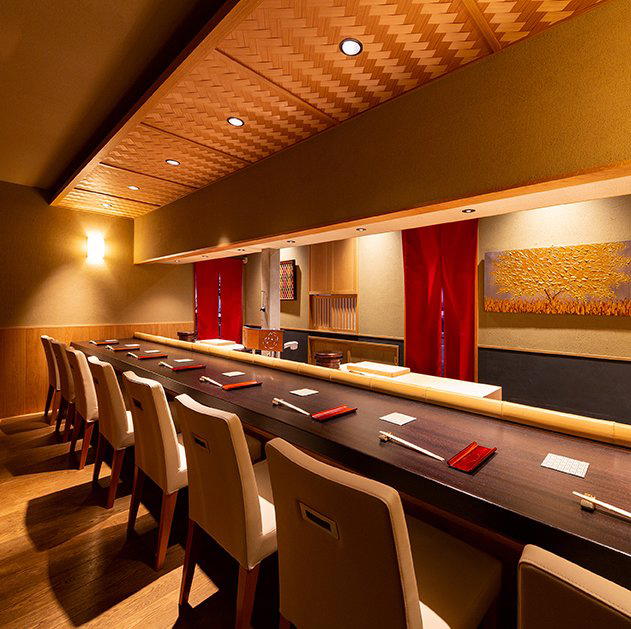
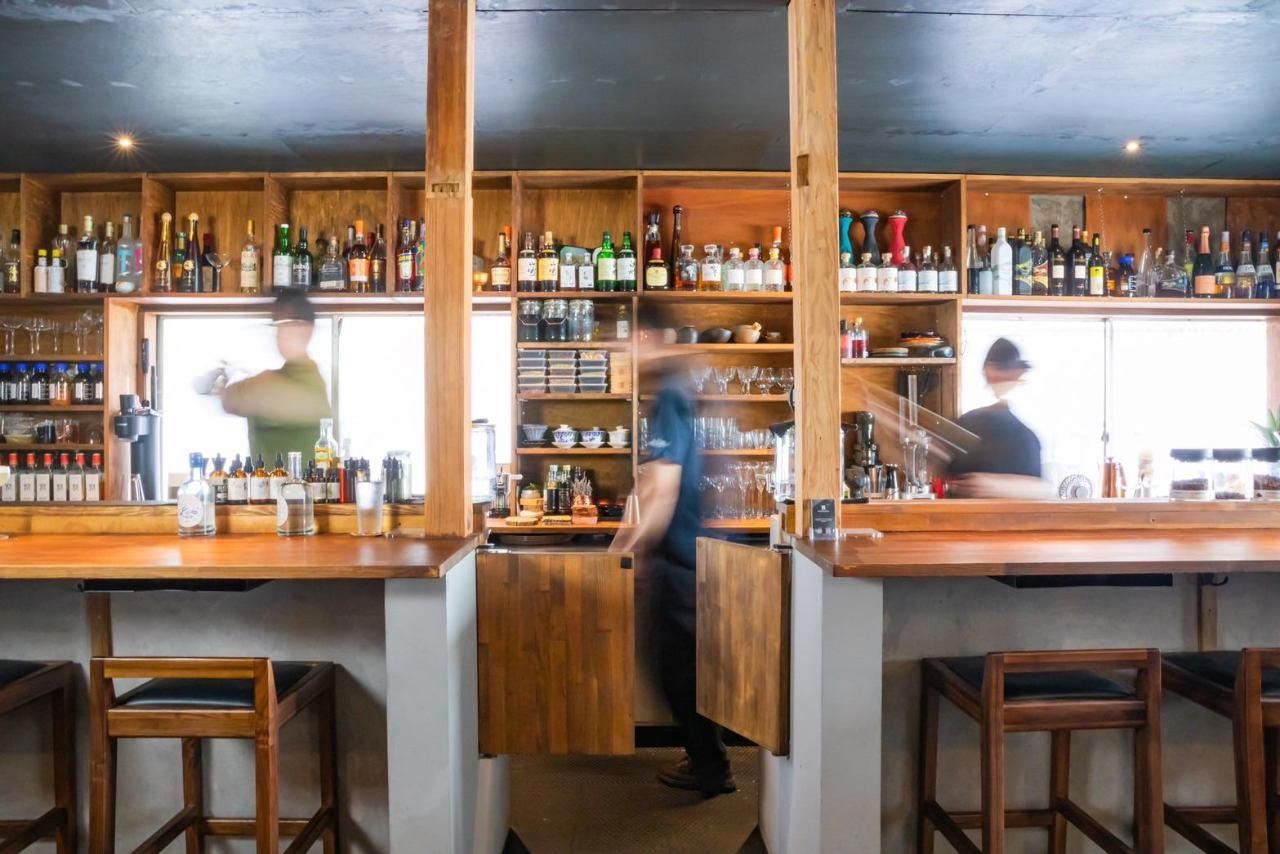
Daidokoro sits in Fukuoka’s serious izakaya lane: seafood-led Japanese cooking, sake and shochu as part of the meal rather than an afterthought, and a compact room split between counter seats and tables. Its Tabelog Award Bronze history and repeated Tabelog 100 selections place it above the casual tavern tier, closer to a planned evening than a drop-in stop.

Pearl is the En Primeur Club membership app — saves, bookings, and concierge access live there. Same editors, same standards.
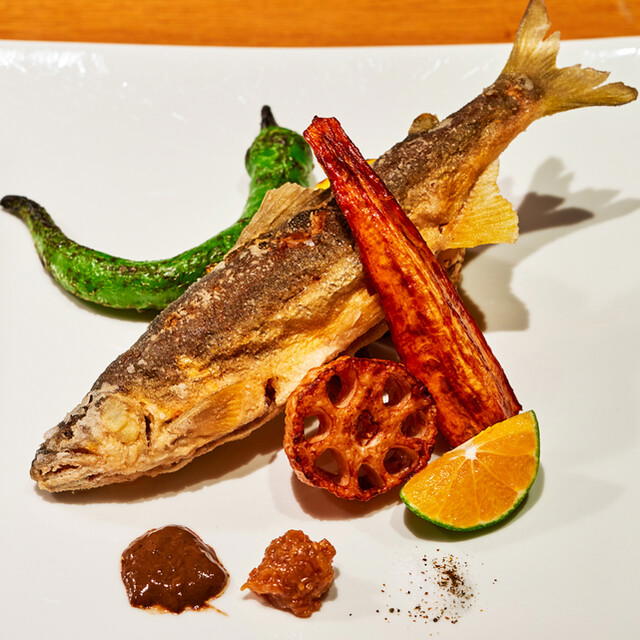
The menu
What to order
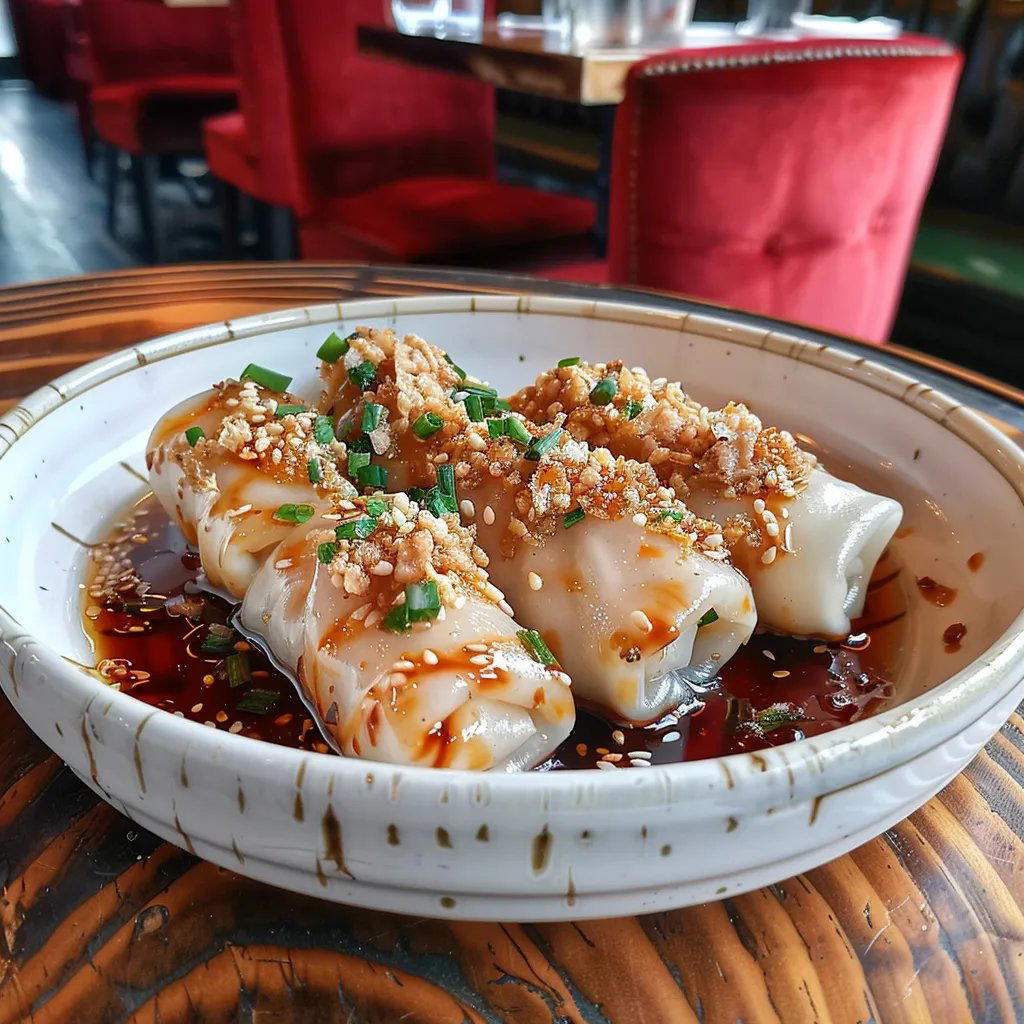
- Seasonal Kyushu coastal seafood dishes
- Assorted sashimi
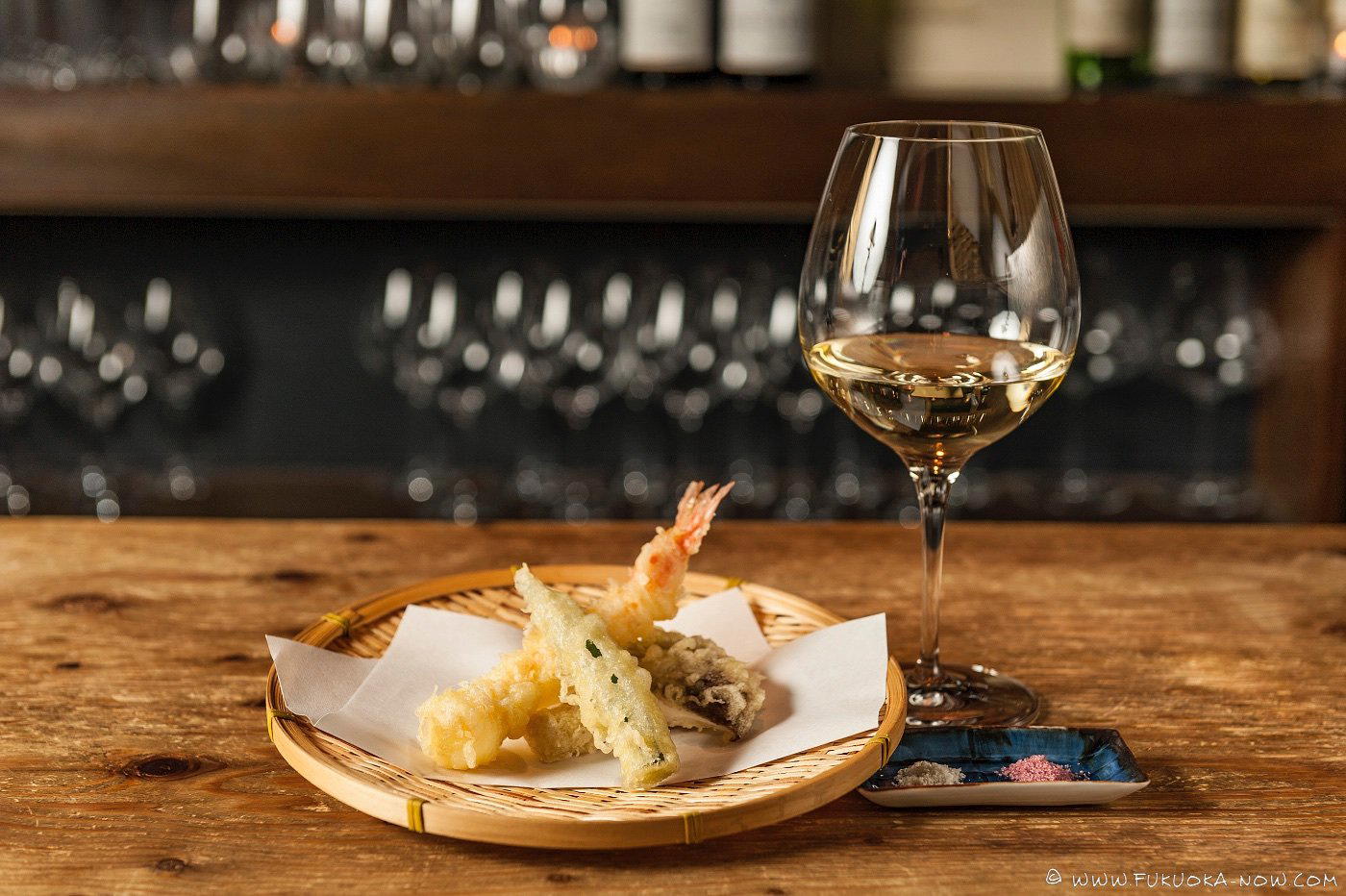
- Grilled or fried seasonal fish
- Chef’s seasonal course menu
Fukuoka moves at a different tempo from the neon-heavy city many travellers expect. Away from the easiest first stops, streets narrow into smaller buildings, second-floor signs, quiet entrances and dining rooms that reward planning over wandering. Here, a serious izakaya is not a fallback after ramen or yatai, but a full dinner format built around seafood, Japanese cooking and the social rhythm of a table settled in for the night.
Daidokoro fits that category. Read it as part of Fukuoka’s higher-spend drinking-and-dining culture: seafood first, a meal chosen with intent, and a setting for friends who want izakaya informality with structure.
Fukuoka's izakaya format, tightened around seafood
Fukuoka has a built-in seafood advantage. The city treats fish and other seafood as everyday material rather than luxury theatre. In an izakaya, that matters because the format needs range: raw preparations, grilled or simmered dishes, small plates, rice or closing dishes, and a rhythm that can carry different textures across the evening. A seafood-led Fukuoka izakaya can feel less like a bar with food than a relaxed Japanese meal that keeps its social looseness.
The category listing is telling: izakaya, seafood and Japanese cuisine. That places Daidokoro between casual drinking den and formal Japanese restaurant. Tabelog supports the reading. Daidokoro is listed with Tabelog Hyakumeiten recognition for 2025, a score of 3.70, and a dinner budget of JPY 10,000 - JPY 14,999. That is a useful signal for travellers trying to separate a casual stop from a planned Fukuoka dinner.
For travellers, the distinction matters. Fukuoka is full of good-value, low-commitment eating, from seafood counters to curry rooms and other specialist kitchens. A night here sits apart from quick-hit meals at other Fukuoka dining rooms. Nor is it necessarily in the same lane as Fukuoka sushi counters such as Sushi to Amakusa Daio Amane, where format can push the evening toward sushi-led ceremony. Daidokoro’s appeal is the in-between tier: recognised Japanese cooking, seafood focus and enough purpose for the meal to shape the night.
The room size changes the way the evening works
Japanese restaurants with a planned-dinner feel create a practical discipline visitors often underestimate. The format may not suit casual indecision, large groups or rolling late arrivals in the way a bigger, more flexible dining room can. The dinner asks for a clearer plan than the word “izakaya” might suggest.
Daidokoro suits a night when the meal is the plan, not a prelude. Its listed categories point to Japanese izakaya dining with a seafood emphasis, rather than a broad all-purpose restaurant. That makes it a better fit for diners who want the informality of an izakaya but the focus of a more deliberate Japanese dinner.
Within Fukuoka, Chinese Sai KHAOS reads as a different destination meal; Soba Ozaki is narrower and noodle-led; Bomber Kitchen Yakuin honten sits on the everyday-value side. Daidokoro is more deliberate: not a luxury counter, quick supper or broad-menu chain-style room. It suits travellers who have done the obvious Fukuoka staples and want to see how the city uses izakaya formats for serious evenings.
Fukuoka helps. The city has enough central gravity to make dinner planning easy, while still supporting independent restaurants, bars and small dining rooms. Travellers building a broader itinerary can use Our full Fukuoka restaurants guide for dinner planning, cross-check after-hours through Our full Fukuoka bars guide, use Our full Fukuoka hotels guide for overnight logistics, and turn to Our full Fukuoka experiences guide and Our full Fukuoka wineries guide for the city beyond dinner.
Who should prioritise this over Fukuoka's easier tables
The right audience is not chasing spectacle. Fukuoka has louder formats: yatai for street-side atmosphere, ramen shops for speed, and straightforward seafood counters for directness. Daidokoro is better for diners wanting Japanese cooking, seafood and a structured meal for a full evening. It also works for a pair seeking focus without formal stiffness.
The recognition brings a caution. Tabelog Hyakumeiten selections can move a restaurant from local favourite onto visitor radar. That does not make the experience showy; it narrows the margin for casual planning. In Fukuoka, where many meals are easy to improvise, this belongs on the planned side of the itinerary.
Readers comparing Japanese dining across cities should see it as a regional answer to a national pattern: restaurants translating local ingredients through familiar formats. Other cities may frame that through sushi, kappo or specialised counters, while Fukuoka often keeps the izakaya spirit intact. For broader Japan planning, the contrast with unnamed dining rooms elsewhere is less about hierarchy than format choice. In other international cities, Japanese drinking and casual food culture can take still another form.
Within Fukuoka, the better question is how many serious dinners the trip can hold. Pairing Daidokoro with a contrasting local choice gives a clearer read on the city than repeating the same format twice. The point is not to collect names, but to understand Fukuoka as a dining city where modest formats can carry serious intent, and where the line between izakaya and Japanese restaurant is often where the interesting decisions happen.
Frequently asked questions
Is Daidokoro more mid-range or high-end?
Pricing at Daidokoro is listed as JPY 10,000 - JPY 14,999.
When can I go to Daidokoro?
Confirm current opening times directly with Daidokoro before you go.
How do I find Daidokoro?
Daidokoro is located in Fukuoka.
What's the defining dish or idea at Daidokoro?
The clearest idea here is seafood-led izakaya cooking in Fukuoka, backed by Tabelog Hyakumeiten 2025 recognition. Expect a dinner spend of JPY 10,000 - JPY 14,999.
Cuisine Context
Comparable venues to calibrate price, style, and recognition.
| Venue | Cuisine | Price | Awards | Notes |
|---|---|---|---|---|
| DaidokoroThis venue (the venue you are viewing) | Seasonal Japanese Izakaya & Seafood | $50–100 | Tabelog 100 #97 | Not listed |
| 井本 | Modern Kyoto Kaiseki | $200–300 | Tabelog Bronze #133 | Chūō |
| Tokishirazu | Creative Japanese Izakaya-style Dining | $30–50 | Tabelog 100 #30 | Chūō |
| Shin-shin Nishinakasu shop | Traditional Japanese Izakaya | $100–150 | Tabelog 100 #6 | Chūō |
| Sushi Ryori Ichitaka | Kyushu Edomae Omakase | $50–100 | Not listed | Chūō |
| Teppanyaki Hiyori | Kyushu-focused Japanese Teppanyaki | $50–100 | Tabelog 100 #87 | Sawara |
Recognition history
Dated appearances from independent guides and award organizations, with the underlying list record or original source where available.
Tabelog 100 #97 · No. 97
Tabelog · Tabelog 100 - Izakaya - WEST - 2025
Continue exploring
More in Fukuoka
Restaurants in Fukuoka
All restaurants in Fukuoka →
Details
- Date Night
- After Work
- Group Dining
- Casual Hangout
- Celebration
- Standalone
- Sake Program
- Beer Program
- Local Sourcing
- Sustainable Seafood
- A La Carte
- Tasting Menu
- Set Menu
- Sake
- Beer
Current opening hours
- Monday
- 6–11 PM
- Tuesday
- 6–11 PM
- Wednesday
- 6–11 PM
- Thursday
- 6–11 PM
- Friday
- 6–11 PM
- Saturday
- 6–11 PM
- Sunday
- Closed
Hours can change for holidays and private events. Last verified .
Described as a low-profile address for adults in the backstreets of Imaizumi, the restaurant presents as an intimate Japanese izakaya with a calm, grown-up atmosphere focused on enjoying carefully prepared seasonal dishes and seafood.