
Tabelog 100 #48
Our verdict
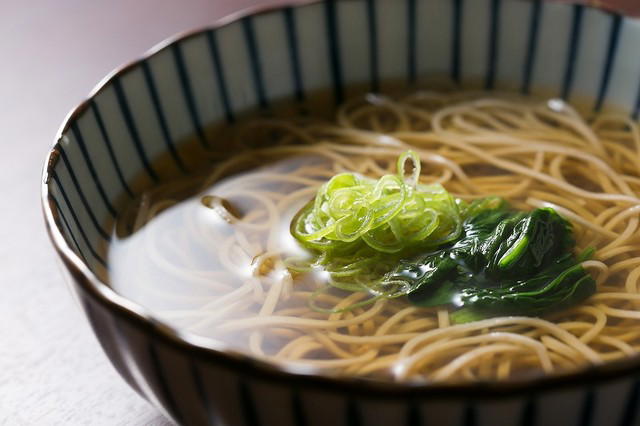
Soba Ozaki puts Fukuoka’s quieter noodle craft into focus: handmade buckwheat noodles, tempura, and a drinks list that includes sake, shochu, wine, and cocktails. Its 2025 selection for Tabelog 100 Soba WEST places it in a serious regional soba conversation rather than the city’s better-known ramen lane.

Pearl is the En Primeur Club membership app, where members save venues, book tables and use the concierge.
The menu
What to order
- Homemade buckwheat soba
- Black soba made from whole buckwheat with husk
- Tempura with soba
Fukuoka’s restaurant rhythm is broader than the neon shorthand many visitors attach to the city. Across Fukuoka, the dining scene shifts into smaller rooms, local regulars, and places where the meal is built around one craft rather than a parade of courses. Soba Ozaki belongs to that register: a soba and tempura address where the point is not spectacle, but the discipline of buckwheat noodles handled with enough care to earn Tabelog Hyakumeiten recognition in 2025.
That matters in Fukuoka because soba is not the city’s default calling card. Ramen, casual street-level eating, hotpot, and seafood taverns tend to dominate the travel narrative. A serious soba room asks for a different pace. The meal is cleaner in structure, and more dependent on noodle texture, balance, and timing than on abundance. Soba Ozaki’s recognition signals that it operates inside the wider Japan soba conversation, not merely as a convenient lunch stop in Fukuoka.
Soba in a city better known for ramen
Fukuoka dining rewards specialization. The city has room for narrow formats because local eating is not confined to one prestige model: a diner can move between focused casual rooms, specialist kitchens, and noodle restaurants that treat a single craft as the main event. That range is the point. The city’s strength is not just tonkotsu broth; it is the density of focused, mid-scale restaurants that know exactly what they are built to do.
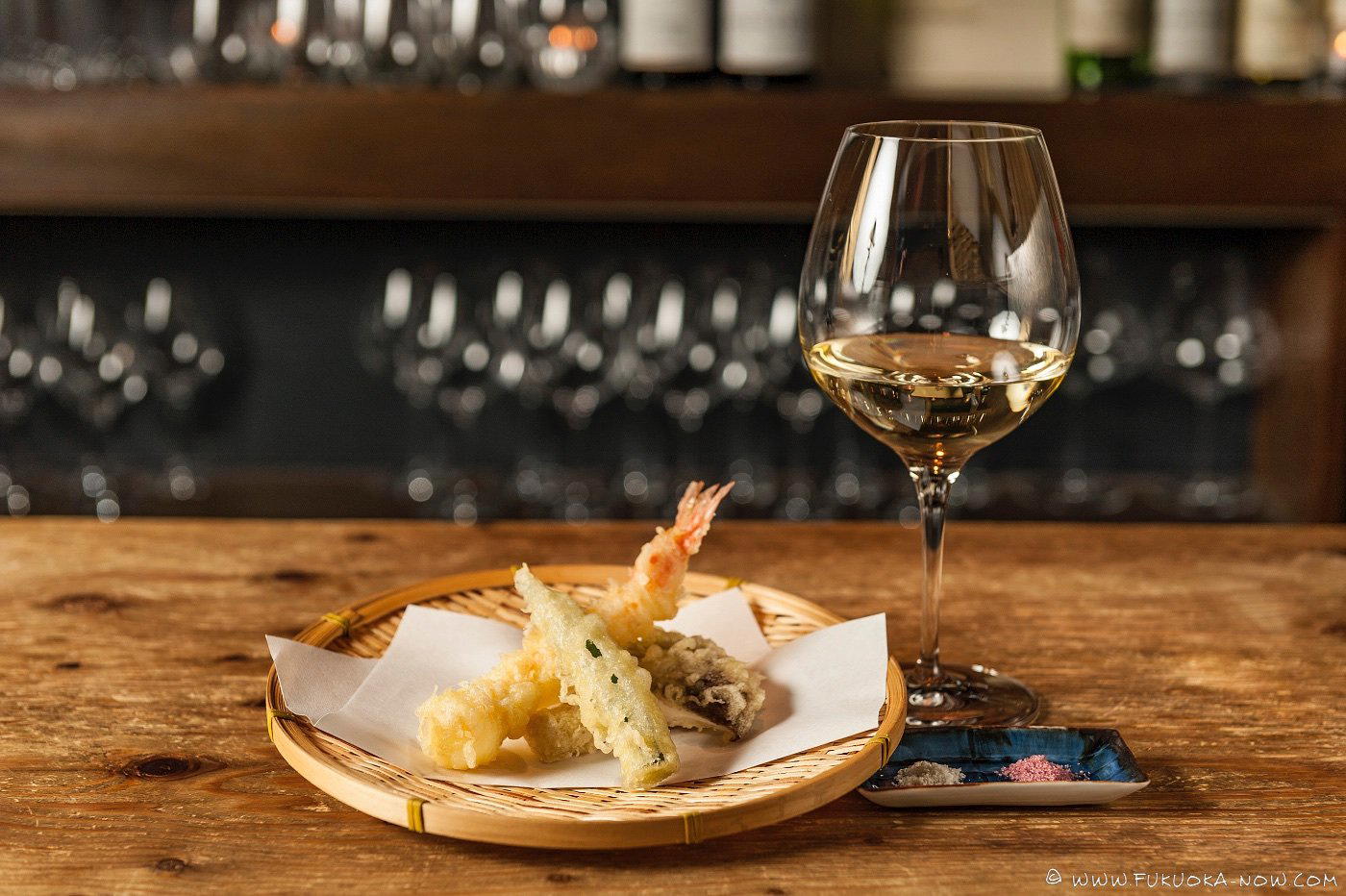
Soba Ozaki’s category is listed as soba and tempura, a pairing with a long Japanese logic. Buckwheat noodles bring restraint; tempura brings heat, oil, and contrast. That makes the restaurant more flexible than a quick bowl-and-go address while keeping the experience centered on soba.
The Tabelog score of 3.66 is also worth reading correctly. In Japan, scores in this range can indicate a restaurant with significant local credibility, especially in specialist categories where diners are comparing fine differences in texture, sourcing, and execution. The 2025 Tabelog Hyakumeiten recognition is the clearer trust signal: it places the restaurant among selected soba houses for that year’s list.
The value sits in craft, not ceremony
Fukuoka’s higher-spend dining tier can climb quickly, and formats diverge sharply across the city. Yakitori Mako, Daidokoro, Tempura Tenko, and Sushi to Amakusa Daio Amane all belong to the broader local conversation, but Soba Ozaki occupies a different lane. It is not trying to replicate the pacing of sushi omakase or the theatre of high-end tempura. Its appeal lies in precision at a more compact scale.
That distinction is useful for travelers planning meals across Fukuoka. A soba lunch or dinner can anchor a day without exhausting the evening, especially when paired with the city’s bar or hotel scene later. For a wider dining map, Our full Fukuoka restaurants guide gives the broader field, while Our full Fukuoka bars guide, Our full Fukuoka hotels guide, Our full Fukuoka experiences guide, and Our full Fukuoka wineries guide help place it inside a full itinerary.
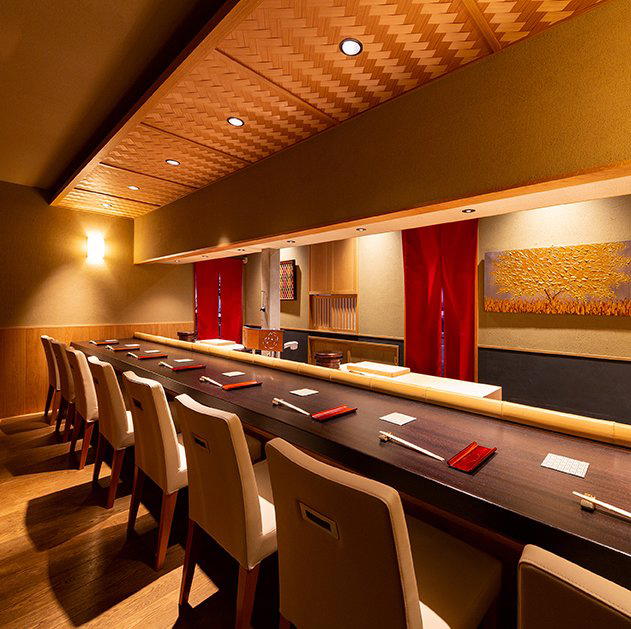
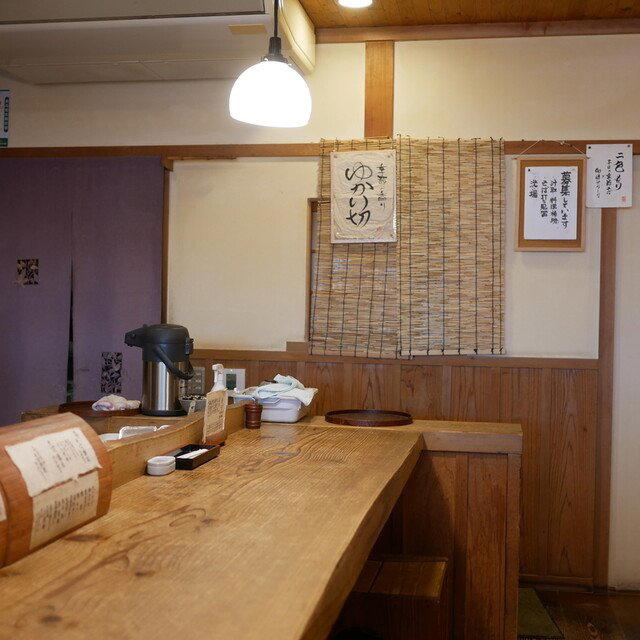
The room’s practical character also shapes the experience. Rather than dressing the meal in excessive ceremony, Soba Ozaki reads as a specialist stop where the main question is how well the soba and tempura are handled. That detail changes the planning calculus more than any adjective could: this is a place to choose when the day calls for craft, clarity, and a meal that does not need to prove itself through size or spectacle.
How to fit it into a Fukuoka food itinerary
The strongest use case is a focused soba meal in Fukuoka rather than a blowout dinner. Travelers often overload Fukuoka itineraries with ramen, seafood, and late-night drinking; inserting a soba specialist adds balance and gives the city’s quieter craft traditions some space. Nearby eating can be mapped by mood through other Fukuoka dining rooms and local-casual formats, while soba occupies the cleaner, more measured end of the day.
For readers building a Japan-wide food file, Soba Ozaki also sits neatly beside specialist addresses outside Fukuoka in a broader, unnamed sense: meat-focused restaurants, charcoal cooking, café culture, and contemporary dining all show how narrow formats can carry serious appeal. The same specialist logic extends beyond Japan through focused casual formats that succeed by doing one thing clearly rather than trying to cover every occasion.
The editorial case is simple: this is Fukuoka dining with the volume turned down. The city’s better-known pleasures are louder, richer, and often later. Soba asks for attention to a narrower set of signals: noodle handling, balance, tempura, and whether the room lets those details register. Soba Ozaki earns its place because it gives that tradition a serious address in a city where travelers too often stop at ramen and call the noodle story complete.
Frequently asked questions
Where is Soba Ozaki located?
Fukuoka.
What are the operating hours at Soba Ozaki?
Operating hours are not specified here; check current details before visiting Soba Ozaki.
Is Soba Ozaki expensive?
Pricing at Soba Ozaki is listed as Dinner: JPY 3,000 - JPY 3,999; Lunch: - JPY 999.
What's the defining dish or idea at Soba Ozaki?
The draw is soba, backed by the restaurant’s 2025 Tabelog Hyakumeiten recognition. The format is compact and focused, so the attention stays on buckwheat noodles and tempura rather than ceremony.
Category Peers
Comparable venues in the metro at similar price points.
| Venue | Cuisine | Price | Awards | Notes |
|---|---|---|---|---|
| Soba OzakiThis venue (the venue you are viewing) | Traditional Soba Noodle Shop | $20–30 | Tabelog 100 #48 | Not listed |
| Daikoro Youha / Tonkatsu Youha | Tonkatsu & Japanese Izakaya | $30–50 | Tabelog 100 #82 | Chūō |
| Shokuji to Sake Dokoro Makoto | Casual Japanese izakaya and set meals | $10–20 | Tabelog 100 #41 | Chūō |
| Mengekijo Genei (麺劇場 玄瑛) | Hakata Tonkotsu Ramen | $10–20 | Not listed | Yakuin |
| Jidori Shokudo Magaribuchi ten | Japanese Jidori Chicken BBQ | $20–30 | Tabelog 100 #99 | Sawara |
| 安春計 | Japanese Izakaya | Not listed | Tabelog 100 #90 | Chūō |
Recognition history
Dated appearances from independent guides and award organizations, with the underlying list record or original source where available.
Tabelog 100 #48 · No. 48
Tabelog · Tabelog 100 - Soba - WEST - 2025
Continue exploring
More in Fukuoka
Restaurants in Fukuoka
All restaurants in Fukuoka →
Details
- Cozy
- Classic
- Solo
- Casual Hangout
- After Work
- Standalone
- A La Carte
- Counter Dining
- Sake
- Beer
Current opening hours
- Monday
- 11:30 AM–7 PM
- Tuesday
- Closed
- Wednesday
- Closed
- Thursday
- 11:30 AM–7 PM
- Friday
- 11:30 AM–7 PM
- Saturday
- 11:30 AM–7 PM
- Sunday
- 11:30 AM–7 PM
Hours can change for holidays and private events. Hours as of .