Kutir


The Good Food Guide GFG Good
Our verdict
A Chelsea townhouse operating behind a doorbell-entry format, Kutir translates Indian wildlife lodge aesthetics into a tasting-menu restaurant ranked among Europe's top 600 by Opinionated About Dining in both 2024 and 2025. Chef Rohit Ghai applies modern technique to traditional Indian foundations, producing 'expedition' menus where tandoor cookery, spiced seafood, and inventive desserts share equal billing with an Indian-inspired cocktail list.

Pearl is the En Primeur Club membership app, where members save venues, book tables and use the concierge.

The menu
What to order
- 24-hour lamb rogan josh
- Quail naan with truffle
- Sea bass
- Lamb chops
- Venison curry
- Lobster pollichattu
Critical Standing and the Chelsea Context
London's premium Indian dining tier has grown considerably more sophisticated over the past decade. Where the mid-2000s conversation centred on whether Indian restaurants could hold Michelin stars at all, the current debate is about which approach carries the most critical weight: the refined coastal formats of places like Trishna, the bold Mayfair register of Benares or Amaya, or the tasting-menu model that Kutir has occupied from the Chelsea townhouse at 10 Lincoln Street since opening in that neighbourhood's quieter residential pocket near Sloane Square.
Kutir's ranking by Opinionated About Dining tells part of the story: placed at #491 in their European rankings for 2024, the restaurant moved to #595 in 2025, a shift that reflects the growing density of competition in the upper tier rather than any diminishment of quality. OAD rankings are assembled from the dining records of food professionals and frequent critics, making a sustained presence inside the European top 600 a meaningful signal about how the restaurant is regarded by the peer audience most likely to be tracking it. For context, few Indian restaurants in any European city maintain that level of sustained critical recognition. Among the UK's restaurants that hold comparable critical scores, the company is broadly that of destination-format properties like The Fat Duck in Bray, L'Enclume in Cartmel, and Moor Hall in Aughton, though Kutir operates within London's competitive urban market rather than as a rural destination.
The Format and Its Architecture
The tasting-menu format is the operative frame here. London's premium dining market split years ago between à la carte operations and counter or set-menu structures, and the latter has become the dominant vehicle for ambitious cooking across cuisines. Kutir's 'expedition' menus position the restaurant squarely in that territory, using progressive courses to move through regional Indian culinary traditions in ways that a carte would struggle to sustain coherently. The optional wine pairings extend that logic into the drinks, though the Indian-inspired cocktail list offers a more distinctive alternative for those less focused on wine.
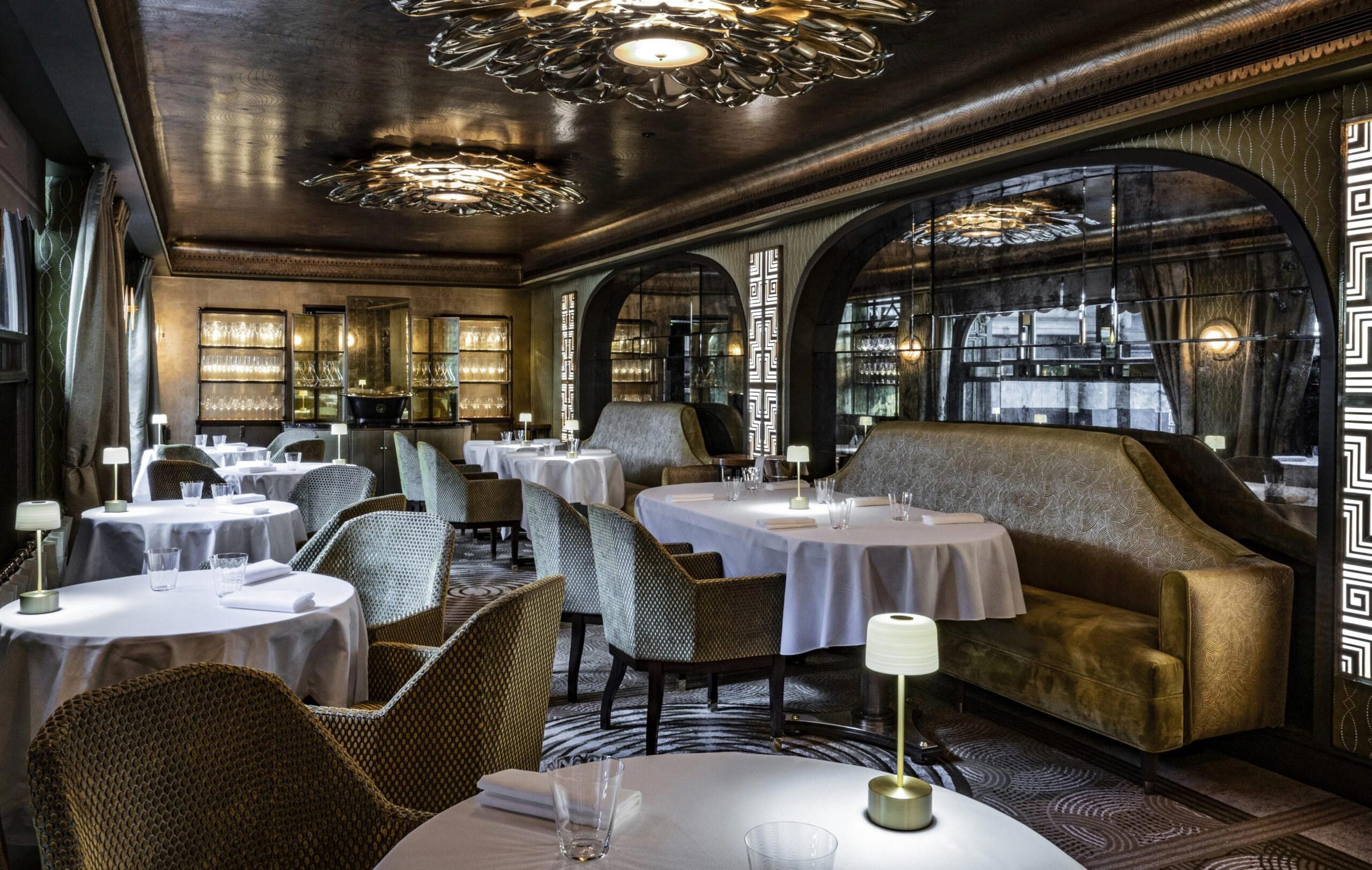
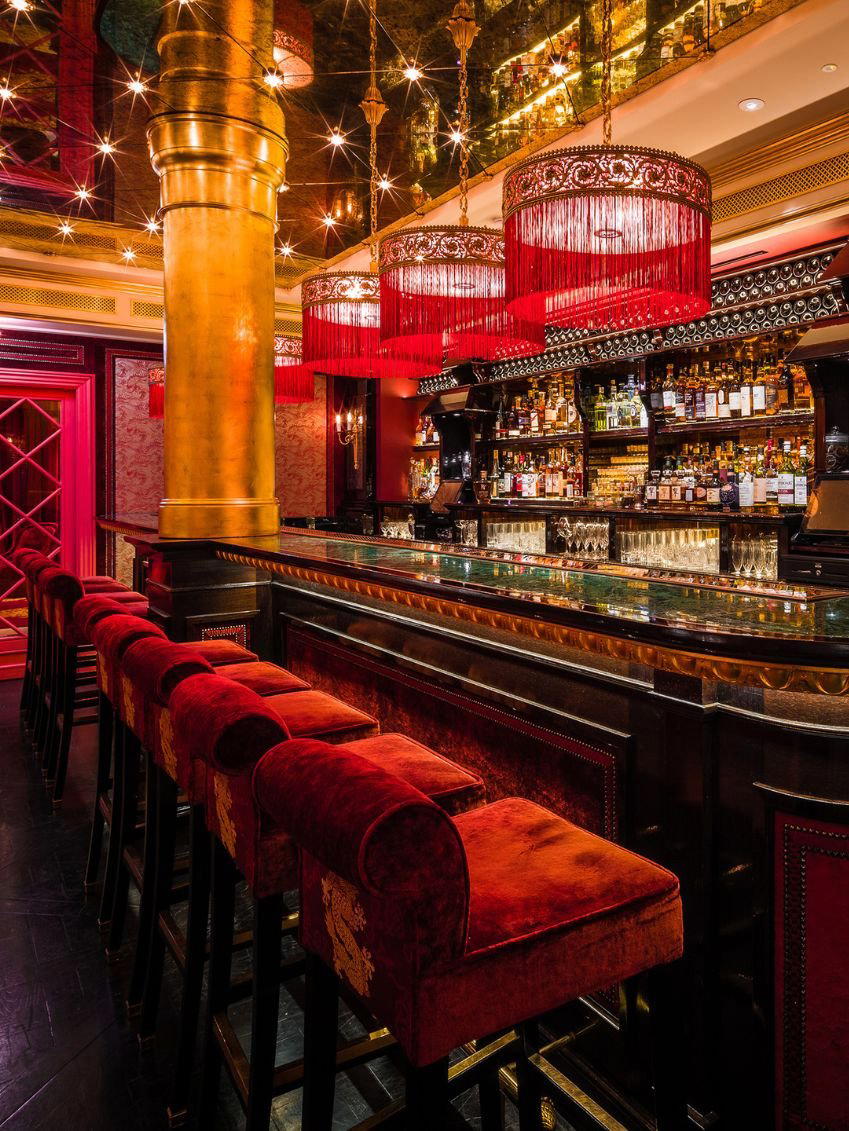
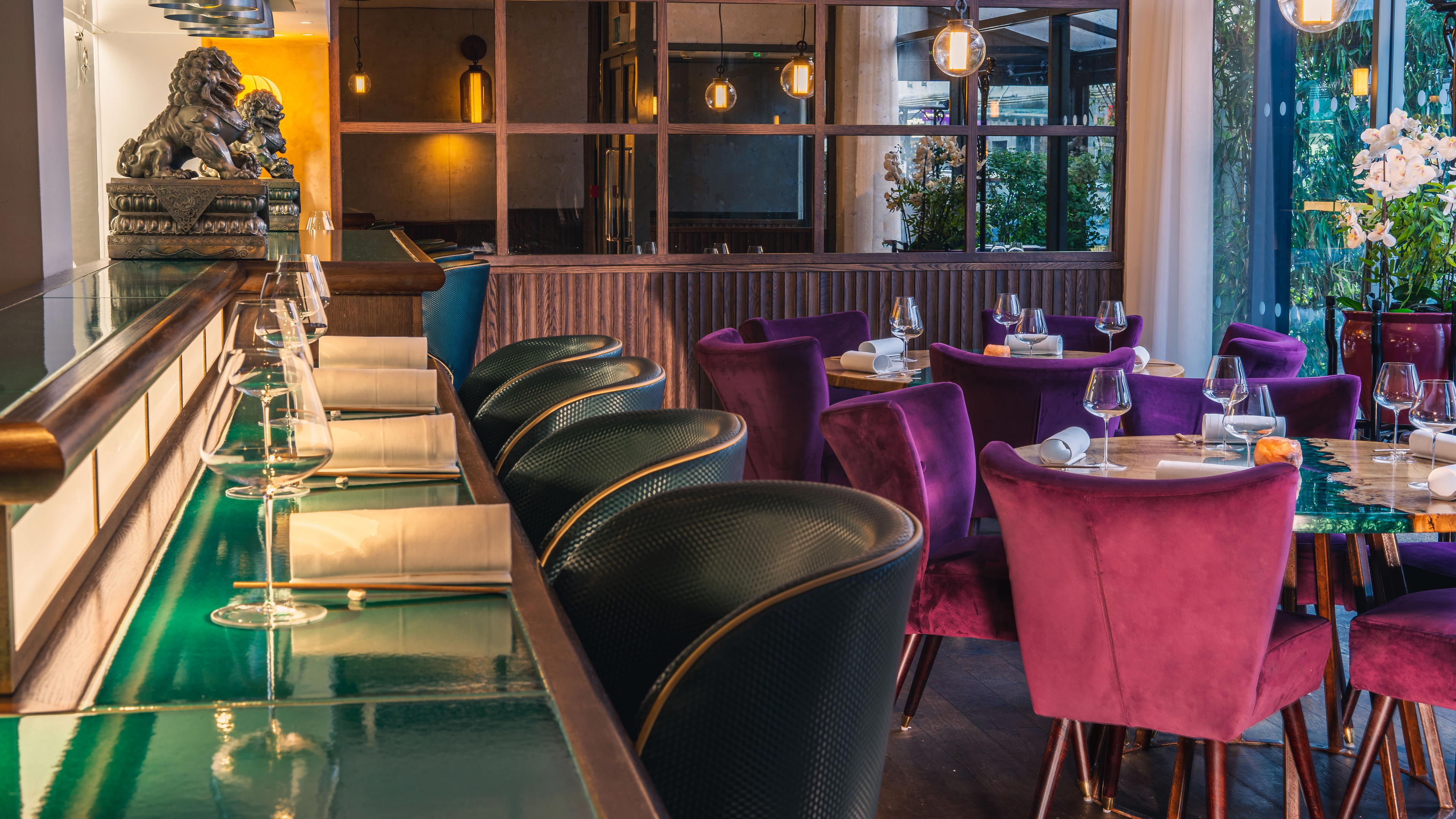
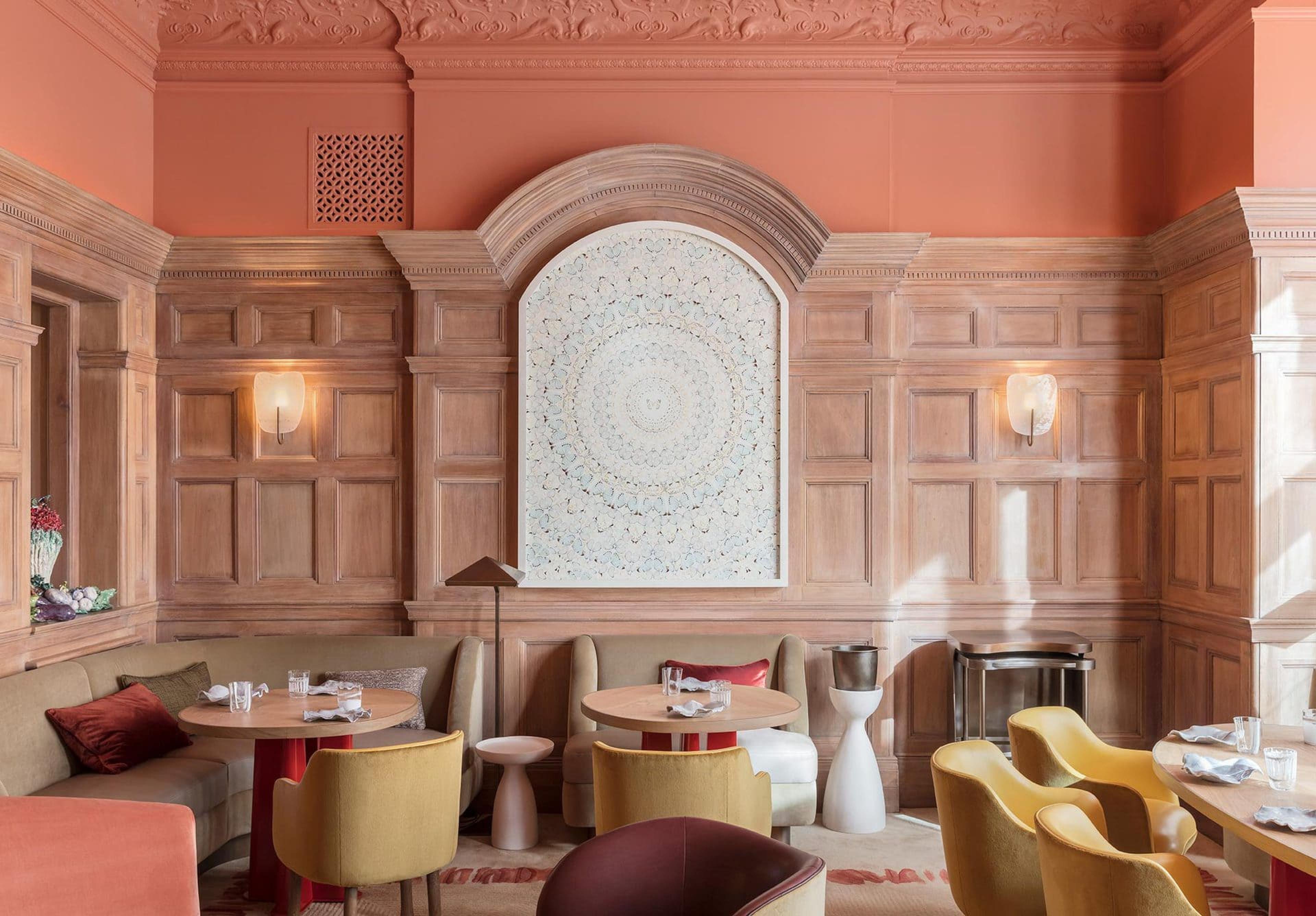
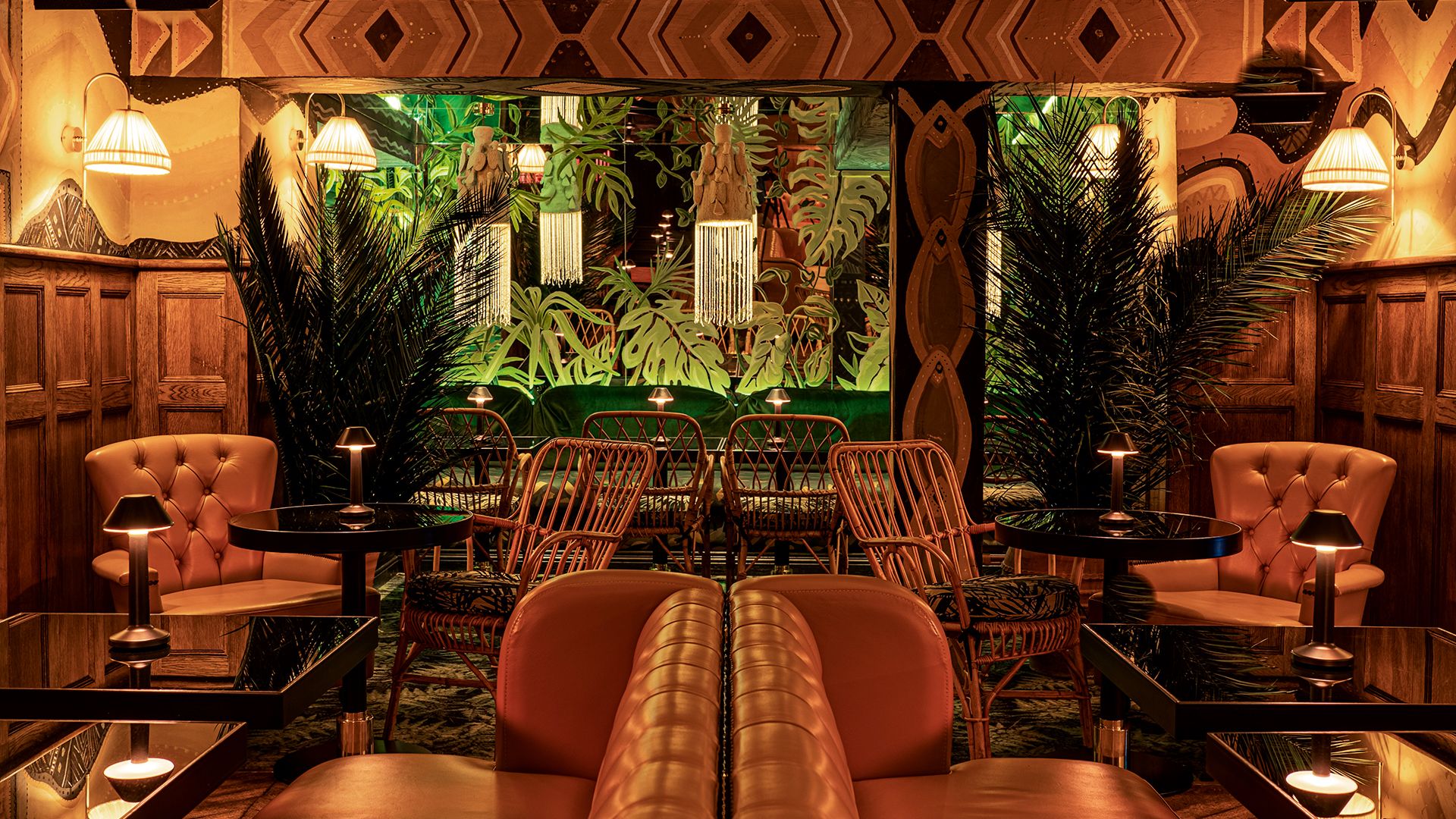
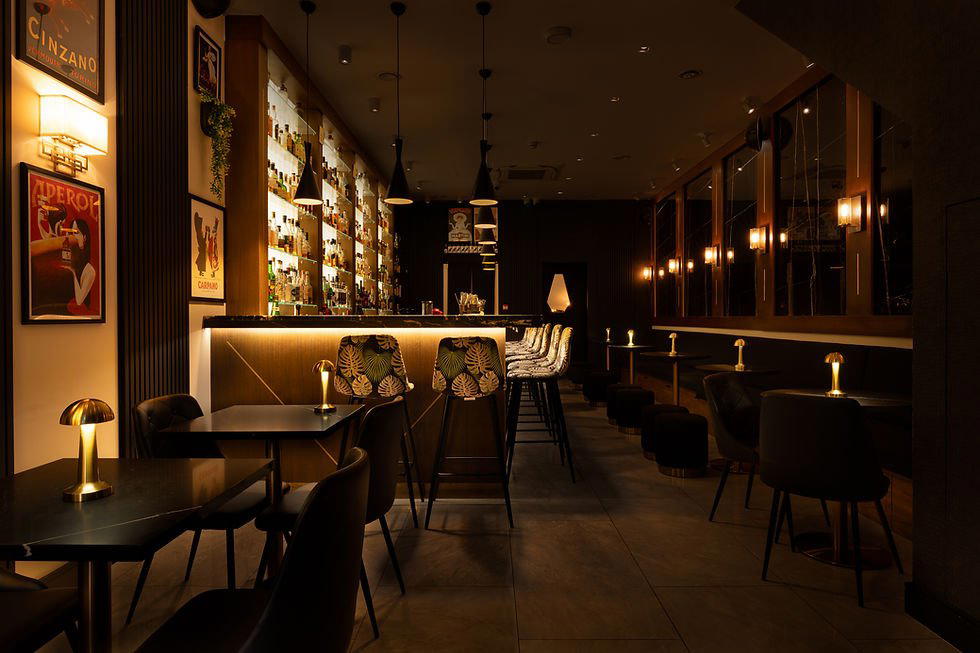
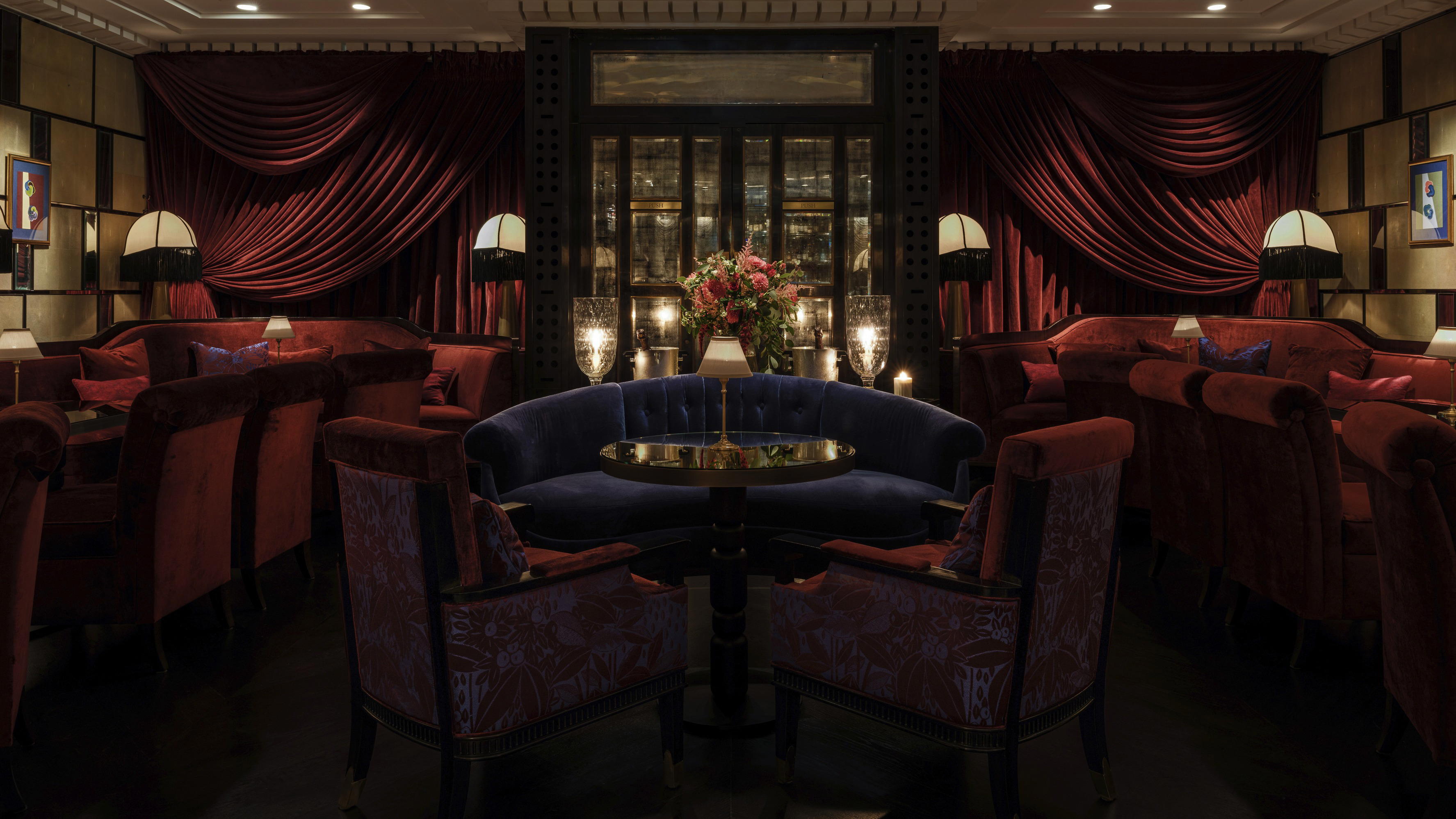
The physical space reinforces the format's ambitions. Inspired by India's wildlife lodges rather than the colonial dining rooms that shaped an earlier generation of London Indian restaurants, the interior references natural materials and environment in ways that feel deliberate rather than decorative. The entry mechanism, pressing a doorbell to gain admission, is a format signal as much as a security measure: it frames the experience as a private event rather than a walk-in service, which aligns with how the kitchen has designed the menu. A terrace operates for summer dining, which adds a practical option for the warmer months between May and September when outdoor London tables fill quickly. Tuesday through Sunday service runs from 1pm to 10pm, with Mondays closed.
What the Cooking Does
Menu's structure preserves Indian culinary identity at the level of technique and flavour reference while applying European tasting-menu discipline to sequencing and portion architecture. That dual commitment is harder to sustain than it sounds, and the records from critics suggest Ghai manages it with consistency. The tandoor, which in many London Indian restaurants operates as little more than a token nod to tradition, here produces dishes of genuine specificity: paneer tikka balanced against sorrel and lime murabba, quail naan layered with truffle, masala scrambled egg and mince. These are not fusion gestures; they are technically grounded Indian preparations with modern compositional logic applied at the garnish and sauce level.
Duck with cranberry, kumquat, pickle and chutney illustrates the broader approach: a protein with deep roots in Indian restaurant cooking handled through a fruit-forward acidity that reads as considered rather than casual. Seafood courses demonstrate similar command, with wild jumbo prawns in coconut and curry leaf or sea bass with jaggery and yoghurt rice. A guinea fowl biryani in the mains register shows that the kitchen is willing to treat a technically demanding classical preparation as a main course rather than a shared side. At dessert, a reworked crème brûlée involving heritage carrots, reduced milk and orange indicates how far the kitchen is prepared to push familiar Western formats through Indian flavour logic rather than simply offering kheer or gulab jamun as a closing concession to tradition.
The wine list skews expensive, with limited options below £40, though the by-the-glass and carafe selections provide reasonable access points. The Indian lager and IPA options offer a more direct complement to the spice-led cooking if the wine list feels steep. Elsewhere on the drinks menu, the Indian-inspired cocktails have drawn specific attention as one of the more coherent non-wine drink programmes in the premium Indian dining category. For comparable approaches to Indian cooking at the tasting-menu level, Trèsind Studio in Dubai and Opheem in Birmingham represent the broader international and national conversation around this format.
Where It Sits in London's Dining Ecology
Chelsea's restaurant scene skews toward neighbourhood affluence rather than destination dining, which gives Kutir an unusual position: a tasting-menu operation drawing a mixed audience of local regulars and food-focused visitors who would otherwise travel to Mayfair or the City for Indian cooking at this register. The proximity to Sloane Square and the residential quality of Lincoln Street means the atmosphere differs materially from the Mayfair Indian corridor that includes Ambassadors Clubhouse, producing something closer to the private-dining feel than the high-turnover restaurant rhythm.
South London's longer-standing Indian restaurant culture, represented by operators like Babur, shows what sustained neighbourhood commitment to Indian cooking looks like outside the central dining postcode. Kutir operates at a different price and format point, but both approaches demonstrate that London's premium Indian dining is not confined to a single district or register. For those planning a wider London trip, the full London restaurants guide, the London hotels guide, the London bars guide, the London wineries guide, and the London experiences guide cover the wider planning context. Destination restaurant trips elsewhere in the UK are mapped across properties including Gidleigh Park in Chagford, Hand and Flowers in Marlow, and Le Manoir aux Quat' Saisons in Great Milton.
Planning a Visit
Kutir operates Tuesday through Sunday, 1pm to 10pm, from the townhouse at 10 Lincoln Street, SW3 2TS. The doorbell-entry format means walk-in arrivals are not the norm; booking in advance is the expected approach, particularly for weekend lunch and dinner slots, which fill earliest given the special-occasion profile the restaurant carries. The terrace is available for summer dining.
Frequently asked questions
What distinctions does Kutir have?
Kutir has received recognition including: The Sanskrit word ‘kutir’ means ‘a small cottage in the middle of nowhere’; in fact, Kutir (the restaurant) occupies a luxe Chelsea townhouse not a million miles from Buckingham Palace – although inspiration comes from India's wildlife lodg….
What days is Kutir closed?
Hours at Kutir: Hours: Monday Closed Tuesday 1–10 pm Wednesday 1–10 pm Thursday 1–10 pm Friday 1–10 pm Saturday 1–10 pm Sunday 1–10 pm.
What should I eat at Kutir?
The expedition tasting menu is the most coherent way to experience Rohit Ghai's cooking, which moves from starters like duck with cranberry, kumquat and chutney through tandoor-led courses such as paneer tikka with sorrel and lime murabba. Seafood main courses, wild jumbo prawns with coconut and curry leaf, pan-seared sea bass with jaggery and yoghurt rice, have drawn particular notice. Desserts push the format further, with a crème brûlée reworked around heritage carrots, reduced milk and orange. Optional wine pairings are available, though the Indian-inspired cocktail list is worth considering alongside.
How would you describe the cuisine at Kutir?
What's the address for Kutir?
Kutir is located at 10 Lincoln St, London SW3 2TS, United Kingdom, London.
Who runs the kitchen at Kutir?
The chef associated with Kutir is Rohit Ghai.
What has Kutir built its reputation on?
Kutir's reputation rests on Rohit Ghai's tasting-menu approach to Indian cuisine, which preserves traditional technique while applying a European fine-dining structure, earning consecutive Opinionated About Dining rankings of #491 (2024) and #595 (2025) among Europe's top restaurants. The Chelsea townhouse setting on Lincoln Street, entered by doorbell, reinforces a deliberate sense of occasion that separates it from the neighbourhood dining rooms surrounding it. The concept draws on India's wildlife lodge culture, and that framing carries through to both the decor and the menu's 'expedition' nomenclature.
A Pricing-First Comparison
| Venue | Cuisine | Price | Awards | Notes |
|---|---|---|---|---|
| KutirThis venue (the venue you are viewing) | Modern Indian Fine Dining | $50–100 | The Good Food Guide GFG Good | Not listed |
| The Ledbury | Modern British Fine Dining | $300–500 | 3 Michelin Stars · World's 50 Best #42 | Modern European, Modern Cuisine |
| Sketch, The Lecture Room and Library | Modern French Fine Dining | $200–300 | 3 Michelin Stars · World's 50 Best #18 | Modern French |
| CORE by Clare Smyth | Modern British Fine Dining | $150–200 | 3 Michelin Stars · World's 50 Best #97 | Modern British |
| Restaurant Gordon Ramsay | French Fine Dining | $200–300 | 3 Michelin Stars · World's 50 Best #13 | Contemporary European, French |
| Dinner by Heston Blumenthal | Historic British Fine Dining | $200–300 | 2 Michelin Stars · World's 50 Best #45 | Modern British, Traditional British |
Recognition history
Dated appearances from independent guides and award organizations, with the underlying list record or original source where available.
Opinionated About Dining Top Restaurants in Europe Recommended
Opinionated About Dining
The Good Food Guide GFG Good
The Good Food Guide
Full recognition history (4 entries)
Opinionated About Dining Top Restaurants in Europe Ranked #595
Opinionated About Dining
Opinionated About Dining Top Restaurants in Europe Ranked #491
Opinionated About Dining