Fuku Yoshi

Tabelog 100 #93
Our verdict
Fuku Yoshi brings Tatebayashi into Japan’s serious tonkatsu conversation without the ceremony of a tasting-counter restaurant. Its Tabelog Tonkatsu 100 selections in 2022, 2024, and 2026 point to a regional pork-cutlet address with repeat recognition, broad seating, and a family-friendly format rather than a narrow destination-dining script.

Pearl is the En Primeur Club membership app, where members save venues, book tables and use the concierge.
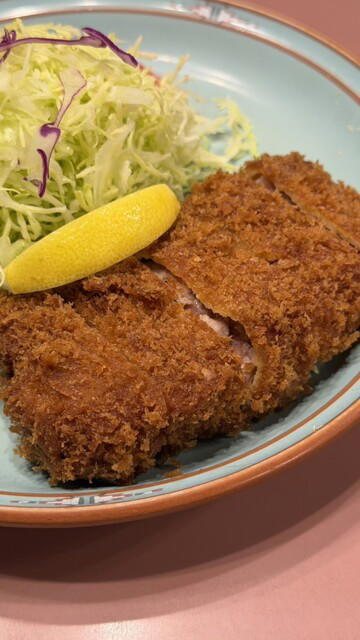
Regional Japanese tonkatsu is often less theatrical than the metropolitan version: fewer hushed counters, more broad dining rooms, and a tighter link between everyday appetite and specialist cooking. Fuku Yoshi fits that Tatebayashi register. The appeal is practical rather than ceremonial, closer to a local meat-focused restaurant than the compact, reservation-driven format associated with sushi or kappo. That scale matters because tonkatsu depends on rhythm: pork, coating, fryer management, rice, cabbage, sauce, and pacing must hold steady through service, not only in showcase plates.
Gunma’s inland food culture gives pork a natural place at the table. The prefecture is often read through hearty set-meal dining, and tonkatsu is one of the clearest ways regional appetite becomes restaurant culture. Here, the ingredient question is not only breed or provenance but consistency. The cutlet needs enough fat to stay generous after frying, enough structure to slice cleanly, and enough balance to avoid heaviness before the last bite. The 2026 Tabelog Tonkatsu 100 selection places the restaurant inside a national category where small differences in pork handling and frying discipline are the argument.
Regional tonkatsu, judged by consistency rather than ceremony
Japan’s tonkatsu hierarchy has split into two useful types. One side prizes compact counters, limited portions, and specialist pork lineages; the other keeps the dish close to its set-meal roots, where range and accessibility matter. Fuku Yoshi belongs to the second camp, which makes its recognition more interesting. A Tatebayashi tonkatsu restaurant selected for Tabelog’s category list must perform the dish as everyday dining, not only as a specialist showcase.
The menu stretches beyond pork cutlet to steak and hamburger steak, a familiar pattern in Japanese yoshoku-adjacent dining. That range signals a restaurant built for mixed groups: diners who want fried pork without making dinner formal, and companions who may be looking for another meat-focused plate. It also changes the sourcing lens. Tonkatsu here is not isolated as a rarefied luxury product; it sits within a broader meat-focused kitchen where prep and throughput serve different cuts and textures.
For Tatebayashi, the restaurant is a useful counterpoint to the city’s more intimate dining addresses. Sushi Megumi occupies a different spend bracket, while Sushi Obana (Sushi) represents another Japanese discipline. Kuruma adds another local reference point. Together, these places show a small city with more range than a quick stopover suggests: sushi for precision, tonkatsu for comfort and repeatability, and local restaurants serving residents as much as visitors.
The case for pork cutlet outside the big-city circuit
Tonkatsu’s appeal can look simple, but the dish is unforgiving. The pork must be juicy without tasting under-rendered; the crust must protect rather than dominate; the meal has to stay balanced through rice, cabbage, pickles, soup, and condiments. In Tokyo, the genre is often discussed through scarcity and queues. In Tatebayashi, the more revealing question is how a regional restaurant keeps the same bargain intact for a broad audience.
That is where Fuku Yoshi earns editorial interest. The recognition is not decorative; it puts a Gunma restaurant in the same national conversation as more tightly framed tonkatsu specialists. The listed budget, JPY 1,000 - JPY 1,999 for both lunch and dinner, also keeps the experience closer to daily eating than trophy dining, a meaningful distinction in Japan. An accessible cutlet meal with category recognition tells a different story from premium pork tasting formats: craft surviving inside an ordinary-looking service model.
For travellers, the value is not treating Tatebayashi as a detour for one plate. Better to read the restaurant within a broader local food map. Start with Our full Tatebayashi restaurants guide for the dining picture, then use Our full Tatebayashi hotels guide, Our full Tatebayashi bars guide, Our full Tatebayashi wineries guide, and Our full Tatebayashi experiences guide to decide whether the city becomes a meal stop, an overnight base, or part of a wider Gunma route.
How to place it in a Japan itinerary
The restaurant suits diners who want a recognized tonkatsu address without making the meal feel overly formal. Timing still matters, as regional favorites can draw steady local demand, but the larger point is the format: this is a practical Tatebayashi dining room rather than a hushed counter built around ceremony. That makes it easier to place in an itinerary as a lunch or dinner anchor, especially for travellers who want a local meal with clear category recognition.
The basic facts are straightforward: Fuku Yoshi is in Tatebayashi, its listed categories are tonkatsu, steak, and hamburger steak, and its Tabelog score is 3.67. The restaurant’s listed phone number is +81-276-74-5876. None of that is glamorous on its own, but it is the logistical clarity that separates a good regional meal from a frustrating one.
For broader comparison across Tatebayashi’s dining spectrum, the same trip-planning logic applies within the city. Meat-focused readers can contrast Fuku Yoshi with other local dining rooms, while Japanese-food specialists might look toward Sushi Megumi or Sushi Obana (Sushi). Kuruma, Menya Yosuke, and Miyabi Tei help round out a local map without forcing every meal into the same category.
The concise verdict: this is not a temple of luxury tonkatsu, and that is the point. Fuku Yoshi is compelling because it keeps pork cutlet in everyday regional eating while carrying enough national recognition to justify attention from travellers who care where the food comes from, how it is cooked with consistency, and why a local room can say more about Japanese dining than another polished counter.
Frequently asked questions
Can I bring kids to Fuku Yoshi?
Fuku Yoshi is a practical Tatebayashi restaurant rather than a tight luxury counter, but specific child policies are not confirmed here. Travellers bringing children should check directly with the restaurant before visiting.
What's the vibe at Fuku Yoshi?
The feel is practical rather than formal, with a Tabelog Tonkatsu 100 2026 selection and listed categories of tonkatsu, steak, and hamburger steak. Its JPY 1,000 - JPY 1,999 lunch and dinner budget keeps it firmly in everyday territory.
Is Fuku Yoshi more mid-range or high-end?
Pricing at Fuku Yoshi is listed as JPY 1,000 - JPY 1,999 JPY 1,000 - JPY 1,999.
What are the operating hours at Fuku Yoshi?
Check directly with Fuku Yoshi before planning a visit.
Where exactly is Fuku Yoshi?
Tatebayashi.
Comparison Snapshot
Comparable venues by cuisine and price in the same metro.
| Venue | Cuisine | Price | Awards | Notes |
|---|---|---|---|---|
| Fuku YoshiThis venue (the venue you are viewing) | Tonkatsu / Japanese Comfort Food | $10–20 | Tabelog 100 #93 | Not listed |
| Sushi Obana | Premium Edomae Omakase | $300–500 | Not listed | Tatebayashi |
| Kuruma | Modern Japanese Tempura | $150–200 | Tabelog Bronze #214 | Nobecho |
| Sushi Megumi | High-End Sushi Omakase | $100–150 | Tabelog 100 #22 | Tatebayashi |
| Nonokura (手打式超多加水麺 ののくら) | Handmade Ultra-High Hydration Ramen | Not listed | Not listed | Kameari |
| RED HOUSE (レッドハウス) | Japanese Slope-Side Casual | Not listed | Not listed | 安比高原 |
Recognition history
Dated appearances from independent guides and award organizations, with the underlying list record or original source where available.
Tabelog 100 #93 · No. 93
Tabelog · Tabelog 100 - Tonkatsu - 2026
Continue exploring
More in Tatebayashi
Restaurants in Tatebayashi
All restaurants in Tatebayashi →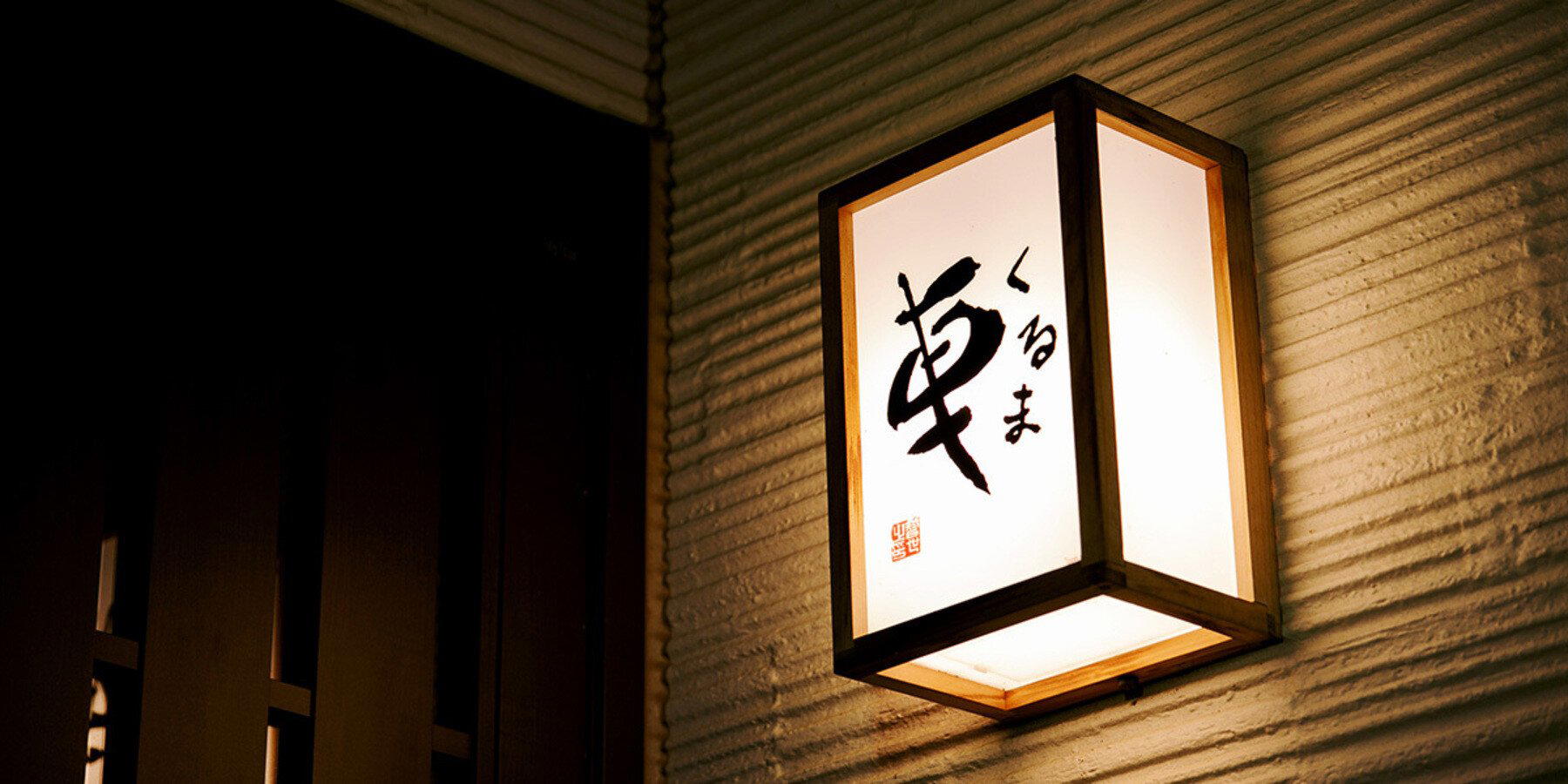
Wineries in Tatebayashi
Browse all →
Details
- Classic
- Cozy
- Family
- Casual Hangout
- Group Dining
- Standalone
- Beer Program
- Local Sourcing
- A La Carte
- Set Menu
- Beer
Current opening hours
- Monday
- 11:30 AM–9 PM
- Tuesday
- 11:30 AM–9 PM
- Wednesday
- Closed
- Thursday
- 11:30 AM–9 PM
- Friday
- 11:30 AM–9 PM
- Saturday
- 11:30 AM–9 PM
- Sunday
- 11:30 AM–9 PM
Hours can change for holidays and private events. Hours as of .
A traditional, casual Japanese restaurant atmosphere that feels approachable and neighborhood-oriented rather than formal.