Kurta Étterem sits on Csokonai Mihály utca in Kiskőrös, a small Bács-Kiskun county town better known as the birthplace of poet Sándor Petőfi than as a dining destination. What the restaurant offers is a window into provincial Hungarian cooking at its most grounded: food shaped by the agricultural flatlands of the Southern Great Plain, where the sourcing logic is geographic rather than fashionable.
Pearl is the En Primeur Club membership app — saves, bookings, and concierge access live there. Same editors, same standards.
- Address
- Kiskőrös, Csokonai Mihály u. 51, 6200 Hungary
- Phone
- +3678414821
- Website
- kurtaetterem.hu
- Directions
- Get directions
 Saves & bookings on Pearl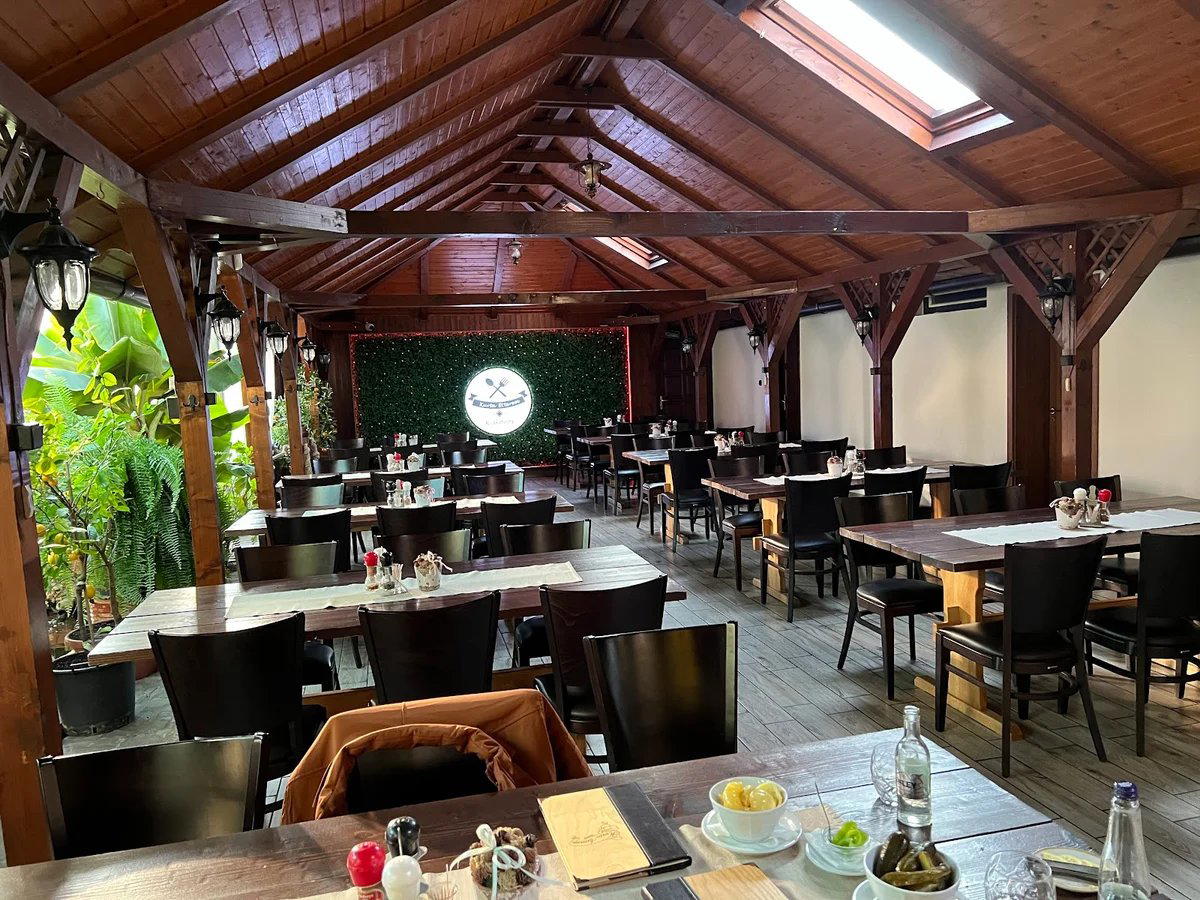
Cooking From the Plain
Provincial Hungarian dining has its own internal logic, one that rarely makes sense through the lens of Budapest's modern restaurant scene. In towns like Kiskőrös, a market centre in Bács-Kiskun county roughly 120 kilometres south of the capital, the kitchen's relationship to the surrounding land is more direct and less mediated by trend. The Southern Great Plain, the Alföld, is one of Central Europe's most productive agricultural zones: paprika cultivation around Kalocsa lies within easy reach, pig farming and freshwater fish from the Danube tributaries shape what appears on local menus, and seasonal produce follows field calendars rather than restaurant marketing cycles. Kurta Étterem, on Csokonai Mihály utca 51, sits inside that geography. The address places it in the civic fabric of a small town, not in a destination-dining corridor, and that positioning tells you something meaningful about what kind of meal to expect.
For context on how Hungarian provincial cooking compares to the Budapest tier, the gap is considerable. Restaurants like Stand in Budapest and Platán Gourmet in Tata represent a culinary ambition calibrated to national and international critical attention. Provincial kitchens like those in Kiskőrös operate in a different register entirely: the competitive set is the town itself, the sourcing radius is measured in tens of kilometres rather than curated supply chains, and the dining room is filled by locals rather than travelling critics.
The Agricultural Logic of Bács-Kiskun
Understanding what ends up on a plate in this part of Hungary requires understanding the county's food production character. Bács-Kiskun is Hungary's largest county by area and one of its most agricultural. The flatlands between the Danube and the Tisza rivers produce paprika, onions, stone fruits, and significant quantities of pork. Kalocsa, the paprika capital, sits approximately 40 kilometres southwest, and its spice tradition permeates cooking across the region. Fish soups built on carp and catfish from the river system are a regional signature. Goose and duck appear with frequency that reflects the area's poultry farming density.
This is not the sourcing language of farm-to-table branding; it is simply the way food has worked in the Hungarian countryside for generations. The logic is proximity and seasonality by necessity rather than philosophy. What this means in practice for a restaurant like Kurta Étterem is that the kitchen operates inside an ingredient vocabulary that is genuinely local, even if that locality is rarely articulated as a selling point. Compare this to destination-driven rural restaurants elsewhere in Hungary, such as Pajta in Őriszentpéter or Kővirág in Köveskál, where the sourcing narrative is foregrounded as part of the dining proposition. In the Alföld tradition, the same ingredient relationships exist but are simply assumed rather than communicated.
Reading the Room: What Kiskőrös Tells You
Kiskőrös itself is a town of roughly 15,000 people, best known nationally as the birthplace of Hungary's most celebrated poet, Sándor Petőfi. The town's economy is agricultural and light industrial. It is not a tourist destination in the conventional sense, though it sits within reach of the Danube cycling routes that draw visitors through Bács-Kiskun in summer. A restaurant on Csokonai Mihály utca is serving a community, not a passing audience, and the implications for kitchen style are significant: menus in this context tend toward the familiar, portions toward the generous, pricing toward the accessible. This structural pressure toward value and recognisability is what separates provincial Hungarian cooking from its Budapest counterparts and should calibrate expectations accordingly.
The comparison that makes most sense here is not to Michelin-starred kitchens but to other well-regarded provincial Hungarian tables. Fiume Étterem in the Békéscsaba district operates in a broadly comparable context: a larger Alföld town, a similar community-service dining function, and a kitchen grounded in the same regional ingredient tradition. BoriMami in Gyöngyös and Forst-Ház Étterem és Kávézó in Eger represent the northern Hungarian provincial equivalent, where wine culture plays a larger structuring role. In the south, food rather than wine tends to anchor the meal.
Planning Your Visit
Kiskőrös is accessible by rail from Budapest Keleti, with services running through Kecskemét and Kiskunhalas; journey times vary but the route is manageable for a day trip from the capital or as a stop on a longer Bács-Kiskun itinerary that might also take in Kalocsa and the Danube bend. The town centre, where Kurta Étterem is located, is walkable from the railway station.
Provincial Hungarian dining at this tier does not require advance planning comparable to restaurants like Aranysárkány Vendéglő in Szentendre or Apicius Étterem és Kávéház in Herend, where visitor demand and reputation create booking pressure. A walk-in approach is consistent with how most community-facing restaurants in Hungarian market towns operate, though midday on weekdays is typically when provincial kitchens are most active. Further afield comparisons for readers interested in how Central European provincial cooking fits into international dining patterns can be found in EP Club's coverage of Le Bernardin in New York City and Atomix in New York City, where a different set of sourcing and tradition questions are being asked at the other end of the ambition scale.
Other Hungarian provincial tables worth considering alongside a Kiskőrös itinerary include Classic Grill Serbian Restaurant Underground in Szeged, which reflects the cross-border culinary influence along the southern Pannonian edge, and Halasi Pince Panzió in Villány, where Bács-Kiskun transitions toward the wine country of Baranya county.
Side-by-Side Snapshot
Comparable venues nearby, for context on price, style, and recognition.
| Venue | Cuisine | Price | Notes |
|---|---|---|---|
| Kurta ÉtteremThis venue — the venue you are viewing | Hungarian Grill | $$ | Not listed |
| Thai Spicy Nine | Authentic Thai & Sushi | $$ | Petőfi sétány |
| Két Szerecsen | Modern Hungarian Bistro | $$ | Terézváros |
| Haveli | Authentic North and South Indian | $$ | Terézváros |
| Spoon The Boat | Dining | Not listed | Varhegy |
| Fortuna | Contemporary Hungarian Bistro | $$ | Varhegy |
Continue exploring
More in Kiskoros
Restaurants in Kiskoros
Browse all →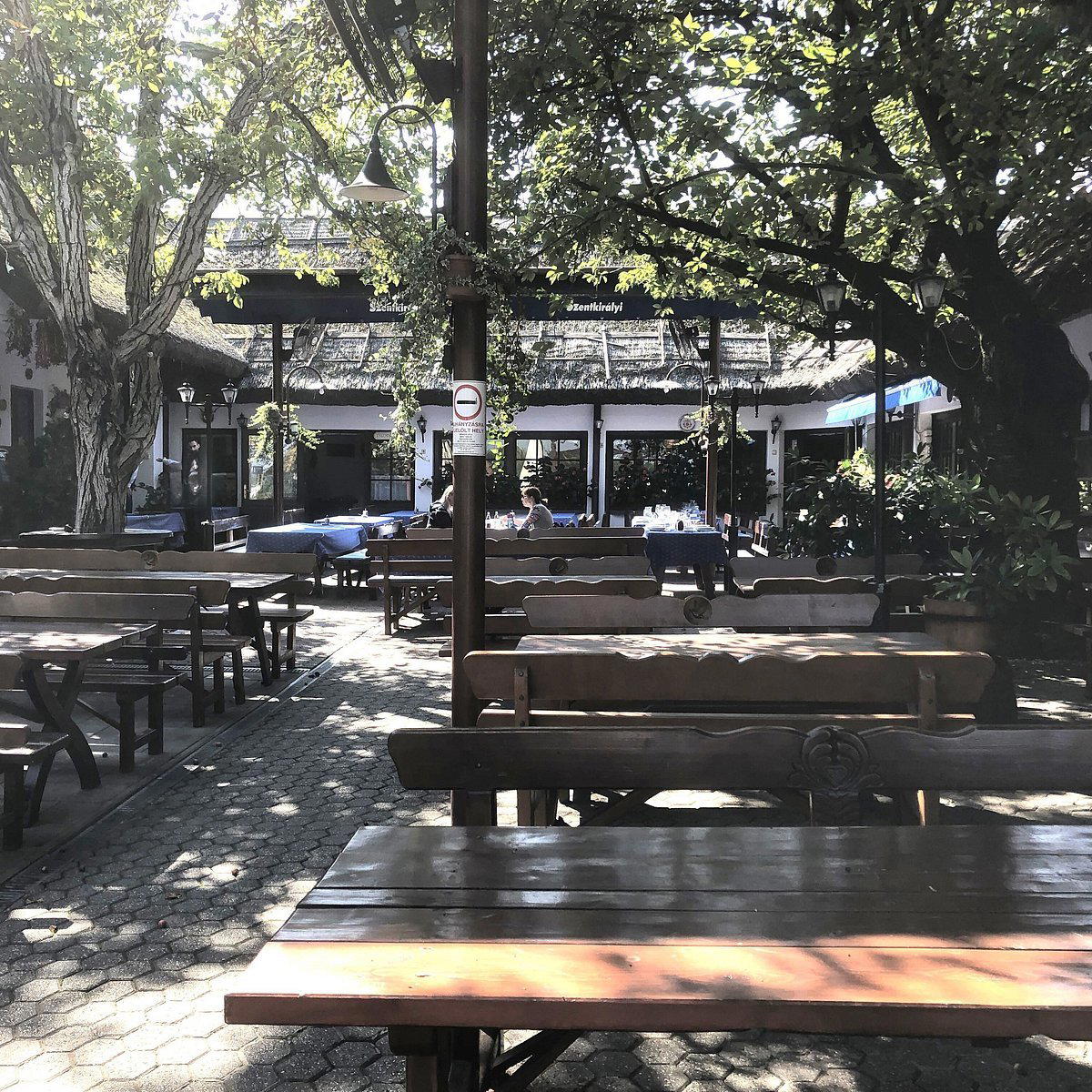
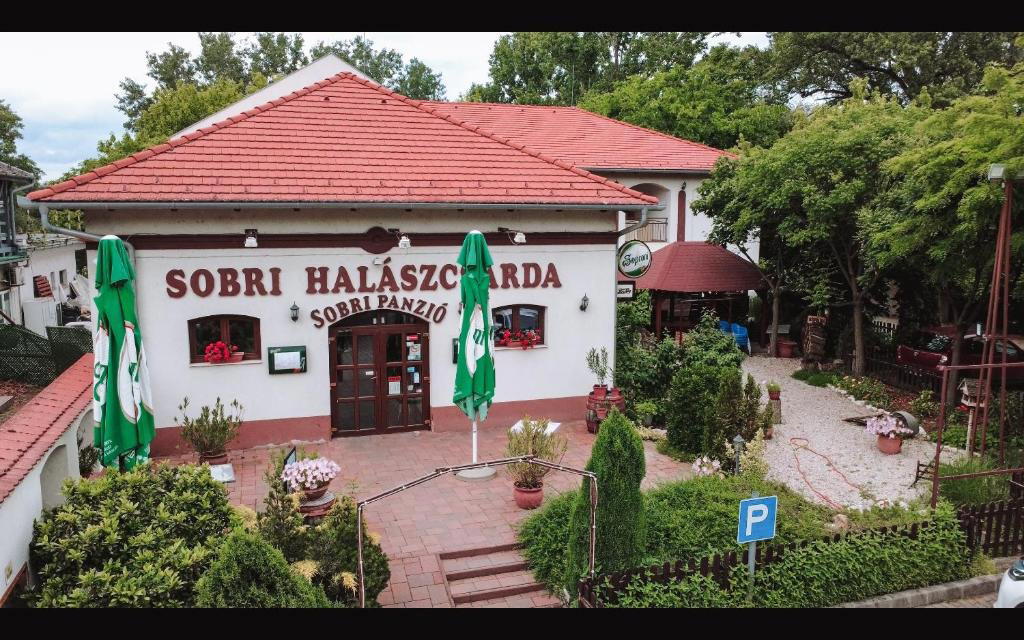
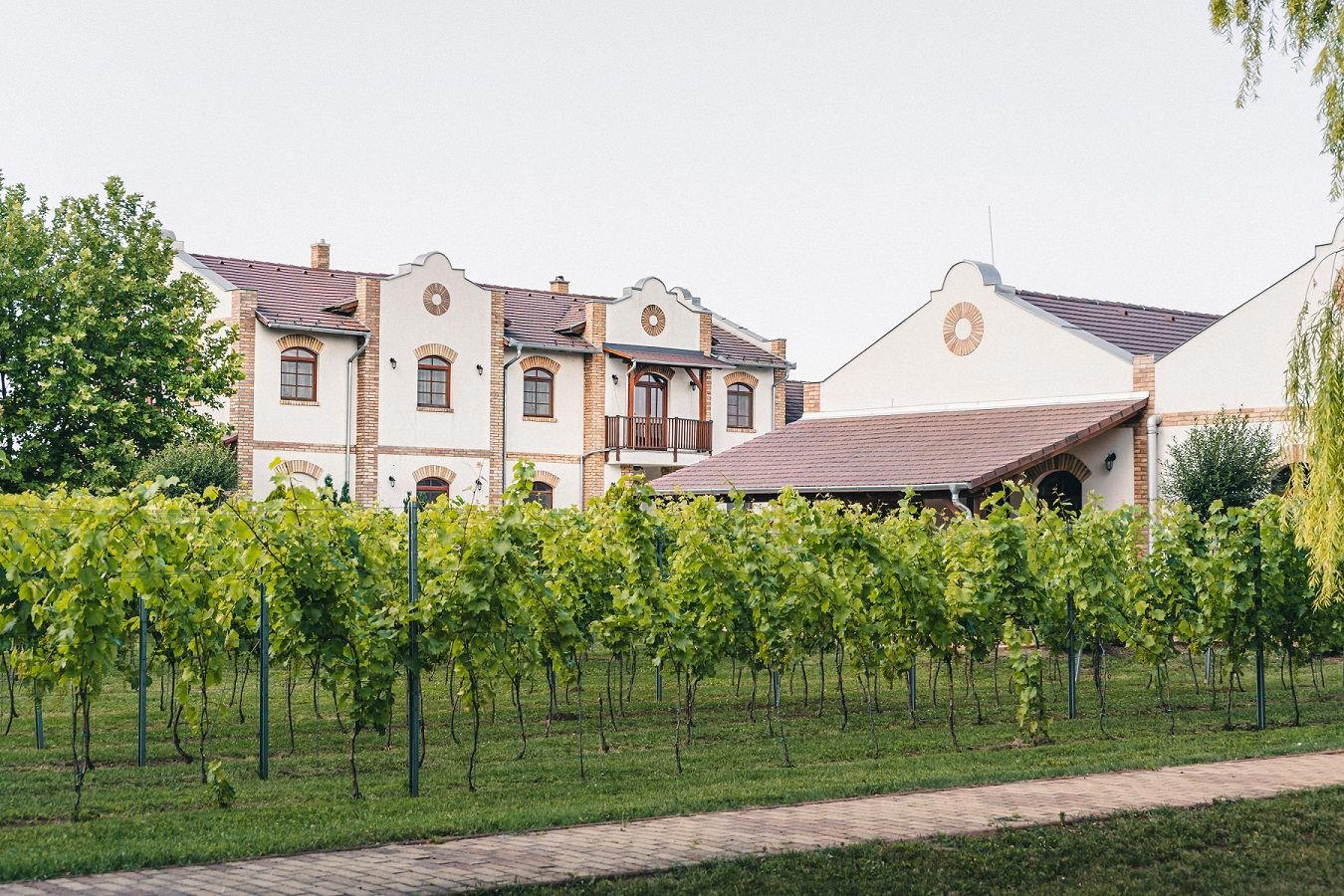
Wineries in Kiskoros
Browse all →
At a Glance
- Cozy
- Classic
- Rustic
- Family
- Business Dinner
- Casual Hangout
- Terrace
Current opening hours
- Monday
- 8 AM–9 PM
- Tuesday
- 8 AM–9 PM
- Wednesday
- 8 AM–9 PM
- Thursday
- 8 AM–9 PM
- Friday
- 8 AM–10 PM
- Saturday
- 8 AM–10 PM
- Sunday
- 9 AM–8 PM
Hours can change for holidays and private events. Last verified .
Welcoming and calm atmosphere with nice lighting near orange shrubs and goldfish pond, offering a traditional Hungarian 'csarda' feeling in large air-conditioned rooms.