
Kuriya Kurogi gives Tokyo’s wagashi-cafe category a serious, award-recognised point of reference in Ueno. Its Tabelog 100 selection for Japanese traditional sweets and sweets cafes places it in a competitive field where technique, accessibility, and value matter as much as ceremony.
Pearl is the En Primeur Club membership app — saves, bookings, and concierge access live there. Same editors, same standards.
- Address
- Japan, 〒110-0005 Tokyo, Taito City, Ueno, 3 Chome−24−6 パルコヤ上野 1F
- Phone
- +81 3-6284-2796
- Website
- instagram.com
 Saves & bookings on Pearl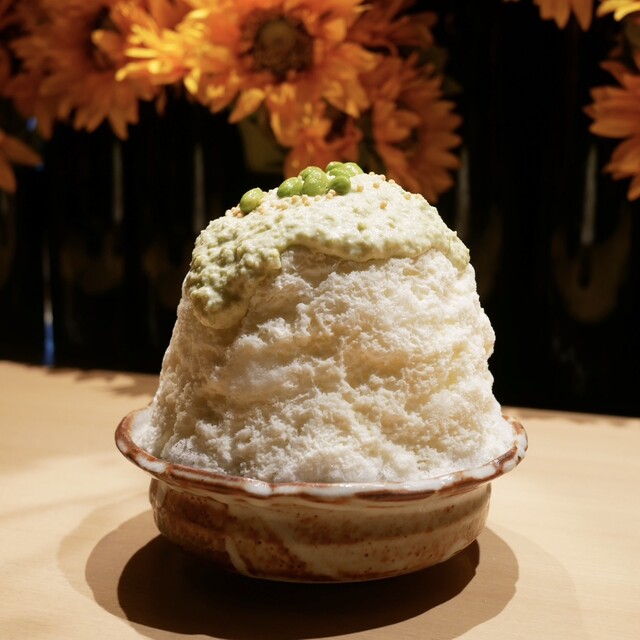
PARCO_ya Ueno puts a particular kind of Tokyo eating in plain sight: department-store polish, station-area convenience, and a sweets culture that can move from casual afternoon pause to destination stop without changing register. In that setting, Kuriya Kurogi belongs to a useful middle tier of the city’s dessert scene, more serious than a generic cafe, less formal than a kaiseki counter, and priced for repeat visits rather than ceremony.
Tokyo treats wagashi and kakigori with a seriousness outsiders often reserve for sushi or tempura. The format rewards precision, seasonality, and texture, but it also has to function as everyday urban hospitality: short dwell times, mixed-age groups, and a steady flow of shoppers, office workers, and train passengers. Kuriya Kurogi’s selection for the Tabelog 100 Japanese traditional sweets and sweets cafe list in Tokyo in 2023 matters because that category is crowded with specialists, old sweet shops, tea-adjacent cafes, and dessert counters that trade on a narrow margin of detail.
A Tokyo sweets cafe where value comes from focus, not ceremony
The useful way to read this address is through value. In Ueno-Hirokoji, the surrounding restaurant field stretches from everyday yoshoku to higher-ticket sukiyaki and yakitori, so a sweets-focused cafe occupies a different role in the day. Ponta Honke and Gensen Yoshoku Sakurai sit in the cooked-meal tradition, while Ningyocho Imahan Ueno hirokoji ten and Torie Ueno hirokoji ten operate in a more expensive dining bracket. Usagiya CAFE is the closer comparison by rhythm and scale: sweets, tea-time pacing, and a lower-commitment stop in the neighbourhood.
That context is important because Tokyo visitors often over-plan dinner and under-plan the hours between lunch and evening reservations. A serious wagashi or kakigori stop solves a different problem: it gives structure to an afternoon in a city where premium eating is not confined to tasting menus. The appeal is not excess. It is a category with discipline, where a cafe can gain recognition through a concise identity rather than a long menu or theatrical service model.
Kuriya Kurogi also reflects a broader Tokyo pattern: high-quality food formats inserted into commercial buildings without losing credibility. For travellers used to equating mall dining with compromise, Japan often reverses the assumption. Station buildings, department stores, and mixed-use complexes can host specialists with serious followings because foot traffic and quality are not treated as opposing forces. The Ueno location makes sense in that system, especially for visitors combining museums, Ameyoko, Okachimachi, and the older shopping corridors around the Yamanote Line.
Ueno-Hirokoji is the point: democratic, central, and quietly technical
Ueno’s dining character is less polished than Ginza and less image-driven than Aoyama, which is part of its usefulness. The area absorbs different appetites at different budgets: quick sweets, classic yoshoku, department-store dining, and higher-priced Japanese restaurants all operate within a compact radius. That mix gives a cafe like this room to be both practical and destination-worthy. It can serve as a planned stop for someone following Tokyo’s sweets circuit, or as the intelligent pause between shopping and a later dinner elsewhere.
The Tabelog 100 recognition gives the venue its clearest trust signal. Tabelog’s Hyakumeiten lists are not Michelin-style star systems; they are category-specific selections that reward strength within a defined genre. In this case, the category is Japanese traditional sweets and Japanese sweets cafes in Tokyo, which makes the signal narrower and more useful than a general popularity badge. It tells the reader to judge the place against wagashi and kakigori specialists, not against full-service restaurants.
That distinction keeps expectations calibrated. This is not a chef-biography venue, and the available public identity is stronger around category and format than personality. For EP Club readers, that is not a weakness. Tokyo has many places where the smarter choice is not the grandest booking but the address that fills a precise slot in the day with more care than the category usually receives.
How to fit it into a sharper Tokyo itinerary
Use the restaurant as an afternoon anchor rather than as a substitute for lunch or dinner. The surrounding neighbourhood makes it easy to pair with a broader food day: yoshoku for a meal, sweets afterward, then a train hop into central Tokyo for drinks or dinner. Readers building a wider plan should cross-check Our full Tokyo restaurants guide, then separate the evening by category through Our full Tokyo bars guide, Our full Tokyo hotels guide, Our full Tokyo wineries guide, and Our full Tokyo experiences guide.
Nearby and adjacent planning can take several directions. For a Tokyo restaurant crawl with sharper contrasts, consider. 鮪と炭火焼き うお炭 秋葉原店, 12/10 Shinjuku ten, 124. KAGURAZAKA (Yakitori), 2D Cafe, and 3 Chome no Curry Ya San. For readers extending the same sweets-and-casual-specialist logic beyond Tokyo, useful contrasts include.cafe in Osaka.know in Kumamoto, (Shoku) Vietnam in Kawasaki, [Curry Senmon Ten] Maruyama Kyoju. in Sapporo, and [ki:] in Kyoto. Outside Japan, Jōdo Saké Bar in Los Angeles and Onigiri Time in Pasadena show how Japanese formats translate differently when the city changes around them. For a different regional detour, -Grilled beef Sukiyaki- KAMAKURA TANUKIAN 鎌倉 たぬき庵 in Kamakura sits on the other side of the meal spectrum.
The editorial case is simple: Tokyo rewards travellers who treat sweets as part of the city’s serious food culture, not as an afterthought. The restaurant earns attention because it sits at that intersection of accessibility, category recognition, and neighbourhood practicality. For the money, the draw is not luxury signalling; it is a precise Tokyo pleasure with enough third-party recognition to justify planning around it.
Comparable Spots, Quickly
Comparable venues by price and recognition.
| Venue | Cuisine | Price | Notes |
|---|---|---|---|
| Kuriya KurogiThis venue — the venue you are viewing | Japanese sweets & kakigori cafe | $$ | Not listed |
| Menya Hanabi (麺屋はなび 新宿店) | Taiwan Mazesoba | $$ | Minami Shinjuku |
| Sake to Misonikomi Misonikomin | Japanese Udon / Miso Nikomi | $$ | Bunkyō |
| Sumatra Curry Kyoei Do | Historic Sumatra-style Japanese curry | $$ | Chiyoda |
| Nihonbashi | Traditional Japanese | $$ | Chūō |
| Shimbashi Ippashi | Seafood-focused Japanese Izakaya | $$ | Minato |
Recognition history
Dated appearances from independent guides and award organizations, with the underlying list record or original source where available.
Tabelog 100 #81 · No. 81
Tabelog · Tabelog 100 - Japanese traditional sweets / Japanese sweets cafe - TOKYO - 2023







At a Glance
- Modern
- Trendy
- Cozy
- Casual Hangout
- Solo
- Family
- Late Night
- Standalone
- Design Destination
Current opening hours
- Monday
- 10 AM–8 PM
- Tuesday
- 10 AM–8 PM
- Wednesday
- 10 AM–8 PM
- Thursday
- 10 AM–8 PM
- Friday
- 10 AM–8 PM
- Saturday
- 10 AM–8 PM
- Sunday
- 10 AM–8 PM
Hours can change for holidays and private events. Last verified .
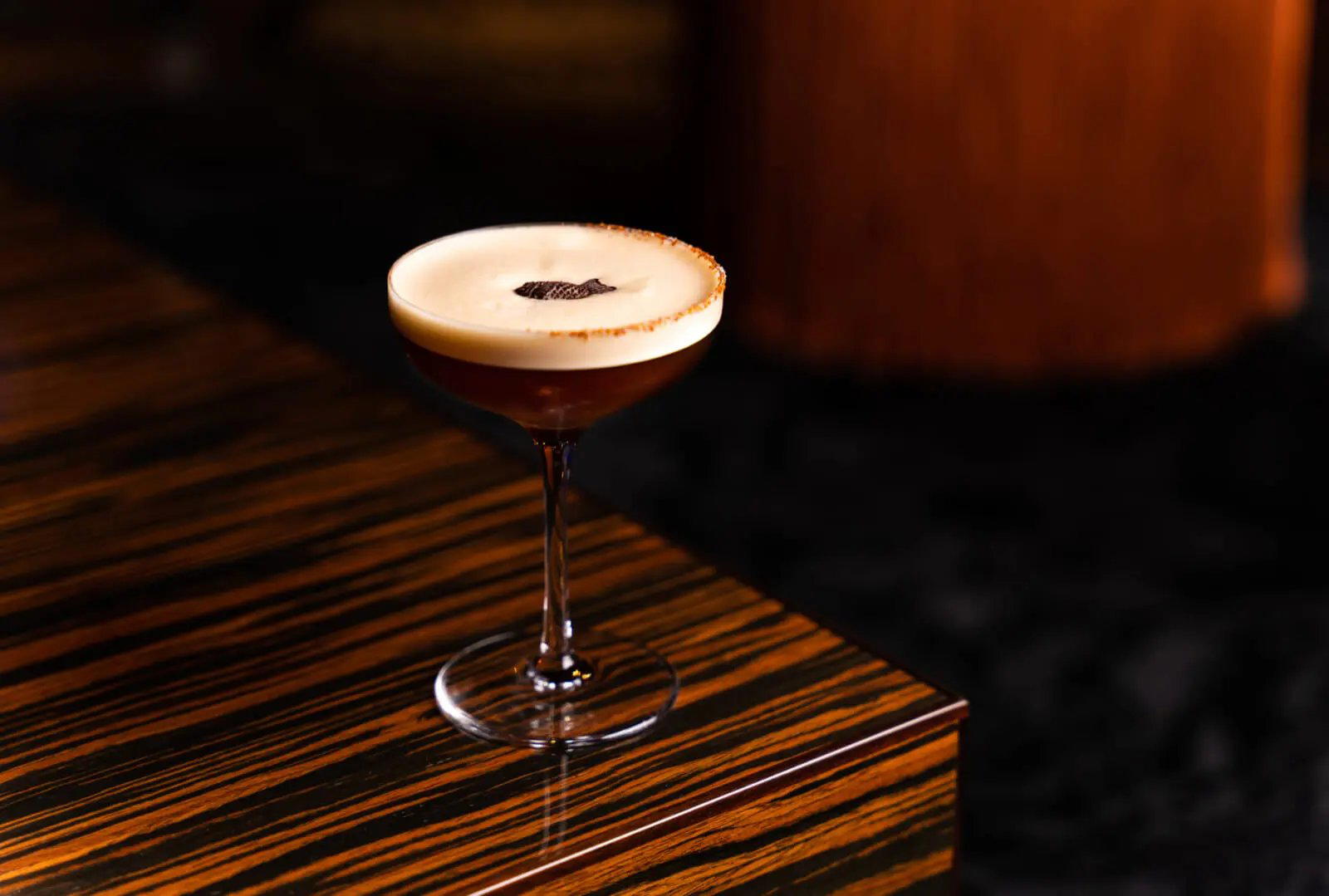
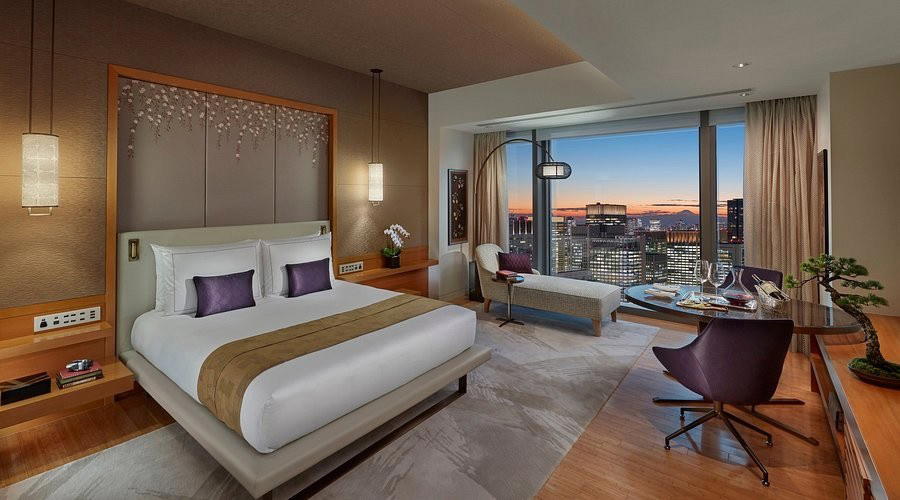
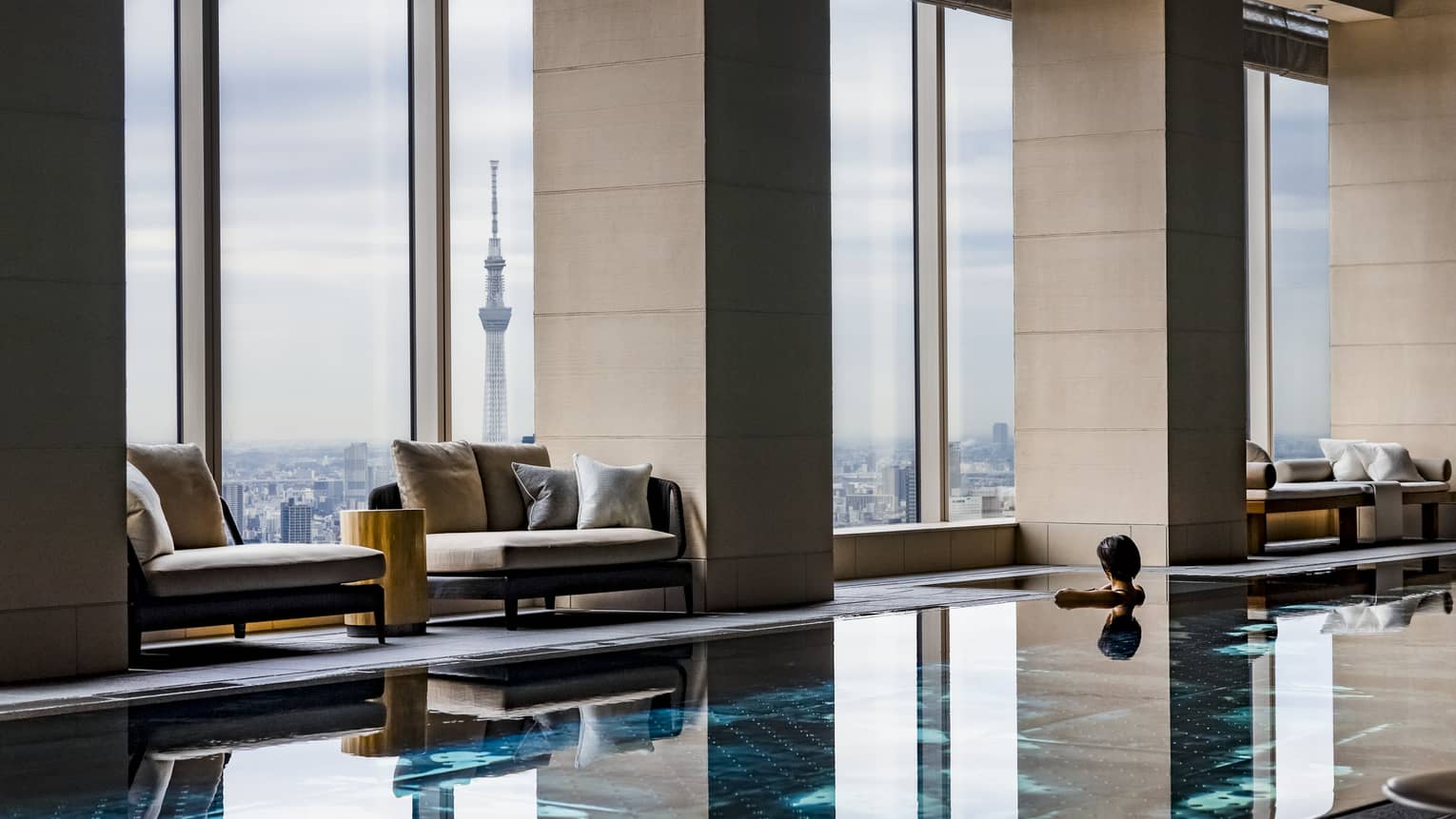
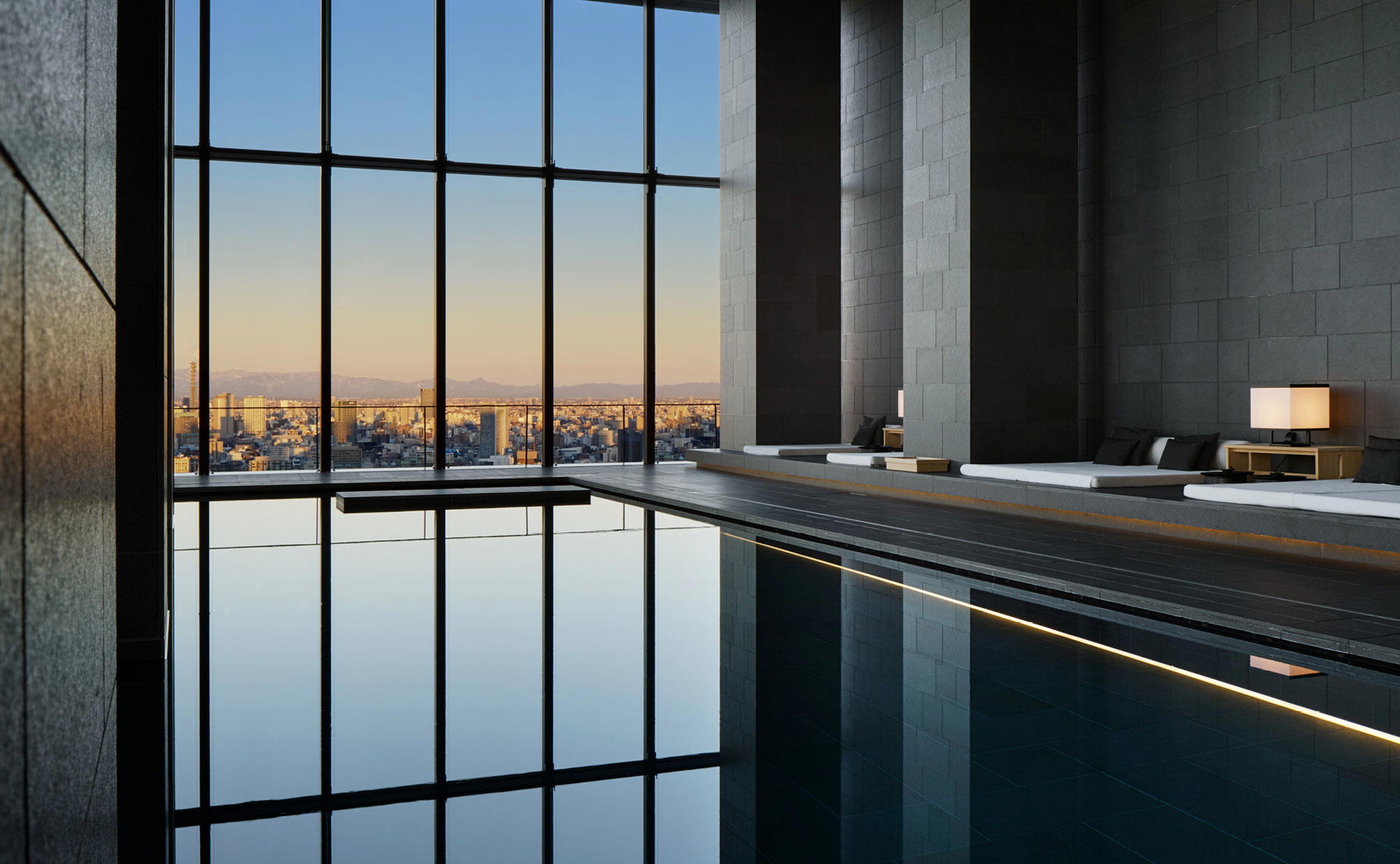
Bright, contemporary cafe space inside PARCO_ya Ueno with a relaxed atmosphere, counter and table seating, and an emphasis on beautifully plated Japanese sweets and towering seasonal kakigori rather than formal dining.