Hermannshof

Hermannshof brings Mediterranean cooking to Bad Sobernheim's quiet Nahe Valley wine country, earning consecutive Michelin Plate recognition in 2024 and 2025 at the mid-range price tier. The kitchen leans on the olive oil-forward traditions of southern European cooking, offering a distinct counterpoint to the region's German-rustic default.
Pearl is the En Primeur Club membership app — saves, bookings, and concierge access live there. Same editors, same standards.
- Address
- Hüttenfelder Str. 4, 69502 Hemsbach, Germany
- Phone
- +49 6201 9590322
- Website
- hermannshof-hemsbach.de
- Directions
- Get directions
 Saves & bookings on Pearl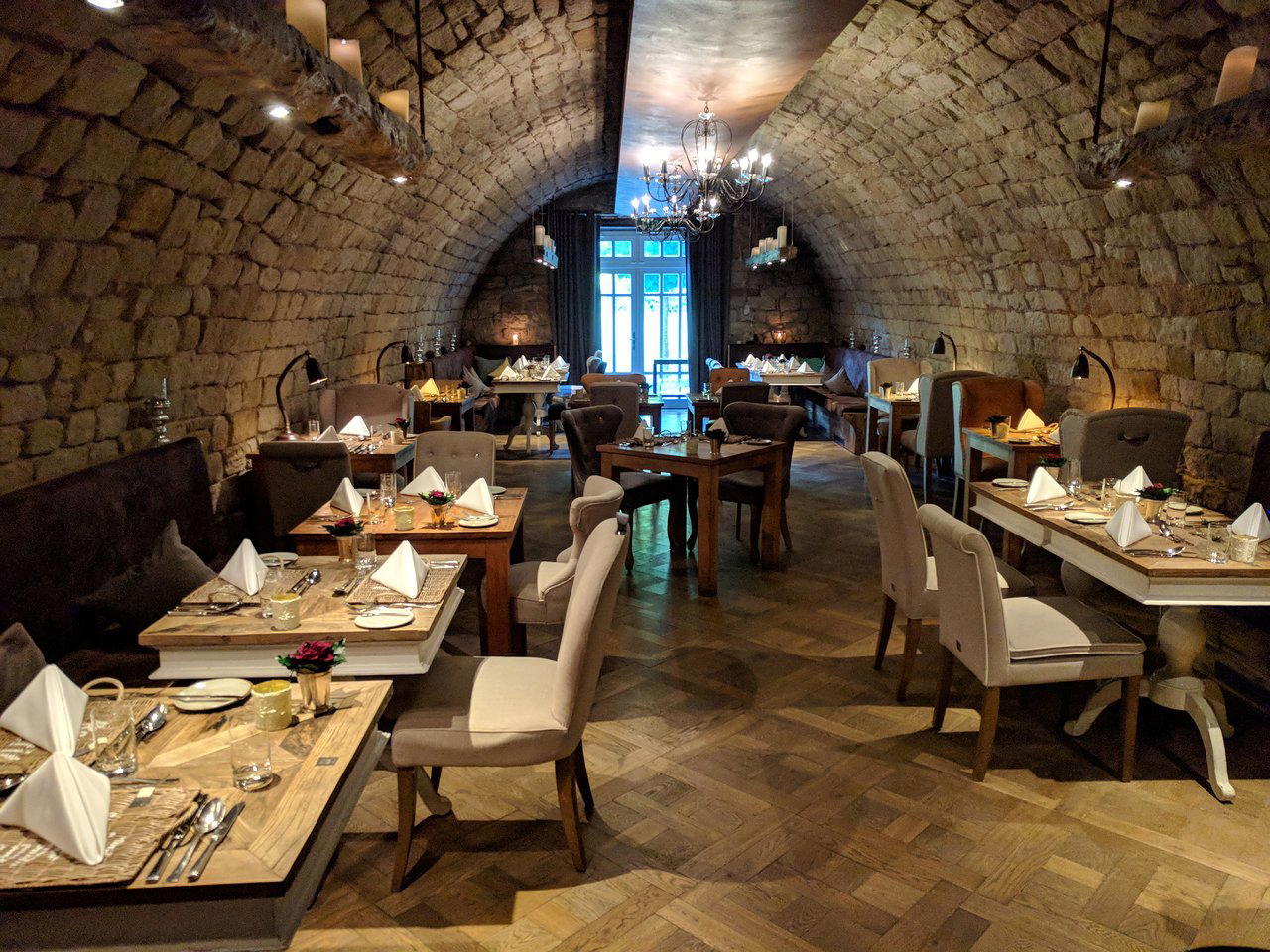
Mediterranean Cooking in German Wine Country
Hermannshof is a restaurant in Hemsbach, Germany, serving Mediterranean Fine Dining at a price point of about $70 per person. The dominant culinary register here is German-regional: roasted meats, potato-based sides, dishes built around the kind of fat and salt that pair well with the valley's mineral whites. Against that backdrop, a kitchen running a Mediterranean program occupies an unusual position. Hermannshof does exactly that, and the consecutive Michelin Plate recognitions it received in 2024 and 2025 confirm that the kitchen is doing so with enough consistency to register at the guide's threshold of quality acknowledgment.
The Olive Oil Argument in a Riesling Region
Mediterranean cuisine is, at its structural core, an olive oil cuisine. Where Central European cooking defaults to butter, lard, or cream as its foundational fat, the southern European tradition builds from olive oil outward: the base of a soffritto, the finish on a grilled fish, the dressing that ties a plate together. That distinction matters because it shapes every flavor decision in the kitchen. Acidity reads differently against olive oil than against cream. Vegetables carry more weight when they absorb oil rather than butter. Herbs that thrive in dry, warm climates, rosemary, thyme, oregano, read as primary rather than supporting when the fat carrying them is oil rather than dairy.
In a wine region defined by high-acid Rieslings and the occasional Pinot Noir, a kitchen working in this register has natural pairing territory. The valley's whites, lean, mineral, built on acidity, track well with olive oil-dressed plates, grilled seafood, and the kind of vegetable-forward cooking that defines Mediterranean traditions at their less-meat-heavy end. This is not an accident of geography so much as an alignment that any kitchen in the region can choose to work with or ignore. Hermannshof chooses to work with it.
For Mediterranean dining in comparable contexts elsewhere in Europe, La Brezza in Ascona operates in Swiss Alpine wine country with a similar south-facing culinary orientation, while Arnaud Donckele and Maxime Frédéric at Louis Vuitton in Saint-Tropez represents the haute end of the same tradition on the French Riviera.
What the Michelin Plate Signals
The Michelin Plate marks restaurants that the guide's inspectors consider to serve food of good quality, a step below the Bib Gourmand and starred recognition. It is not a participation award. Inspectors eat anonymously at their own expense, and a restaurant that holds the Plate in consecutive years, as Hermannshof does with 2024 and 2025 designations, has demonstrated kitchen consistency across separate visits by separate inspectors.
At the €€ price tier, that consistency is harder to maintain than it looks. The kitchens that anchor Germany's fine dining circuit operate at €€€€: Aqua in Wolfsburg, Schwarzwaldstube in Baiersbronn, and Vendôme in Bergisch Gladbach all carry three or two Michelin stars with price brackets that reflect the margin required to support extensive brigade structures and premium sourcing. A mid-range kitchen earning Michelin recognition works with tighter margins and, typically, a smaller team. The discipline required to produce quality food in that economic band is different from, not lesser than, what fine dining requires. Elsewhere on the German dining map, restaurants including JAN in Munich, Schanz in Piesport, and Waldhotel Sonnora in Dreis fill different tiers of the broader fine dining spectrum.
At that volume, a score in the low 4s indicates broad satisfaction without the ceiling effect that low review counts can produce. It also suggests the kitchen performs reliably for a general dining public, not only for the inspector demographic.
The Nahe Valley as a Dining Destination
Bad Sobernheim's identity as a destination has been shaped more by its designation as a Kneipp spa town and its position along the Nahe cycling route than by its restaurant density. Visitors who arrive for the thermal facilities, the valley hiking, or the wine estates in the surrounding area represent the natural audience for a mid-market restaurant doing something other than German classics. The Nahe wine country draws a curious, food-adjacent traveler, the kind of person who is already thinking about what they are eating and drinking in regional terms. A Mediterranean kitchen in this context can function as both a contrast to and a complement of the local wine culture.
Germany's broader Michelin-tracked dining scene extends well beyond the Nahe. For reference points in different directions, CODA Dessert Dining in Berlin, Restaurant Haerlin in Hamburg, Victor's Fine Dining by Christian Bau in Perl, ES:SENZ in Grassau, and Bagatelle in Trier each represent distinct regional expressions of the country's dining culture.
Planning a Visit
Hermannshof is located at Hüttenfelder Str. 4 in Hemsbach, Germany. The €€ price bracket positions the restaurant comfortably for a relaxed dinner without the commitment that a full tasting menu at a starred restaurant requires. Reservations are recommended.
Comparable Spots, Quickly
Comparable venues nearby, for context on price, style, and recognition.
| Venue | Cuisine | Price | Awards | Notes |
|---|---|---|---|---|
| HermannshofThis venue — the venue you are viewing | Mediterranean Fine Dining | $$$ | Michelin Plate | Not listed |
| BollAnts Spa im Park | Mediterranean with Regional Influences | $$$ | Not listed | Bad Sobernheim |
| Kupferkanne | Traditional German | $$ | Not listed | Bad Sobernheim |
| Jungborn | Dining | Not listed | Michelin 1 Star | Bad Sobernheim |
| martino KITCHEN | Mediterranean Fine Dining | $$$ | Michelin Plate | Marktplatz (town centre) |
| Landgang | French-Mediterranean with regional influences | $$$ | Michelin Plate | An der Fähre |
Recognition history
Dated appearances from independent guides and award organizations, with the underlying list record or original source where available.
Michelin Plate
Michelin
Michelin Plate
Michelin
Continue exploring
More in Bad Sobernheim
Restaurants in Bad Sobernheim
Browse all →
Bars in Bad Sobernheim
Browse all →
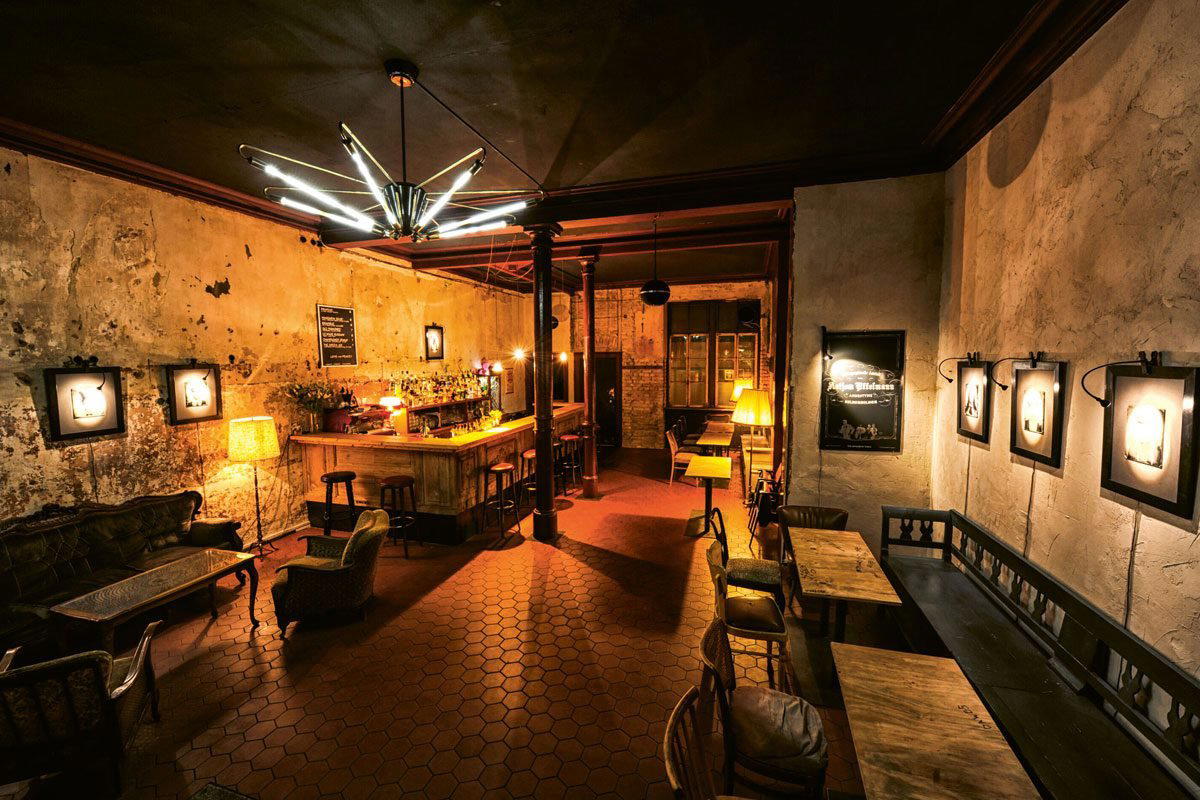
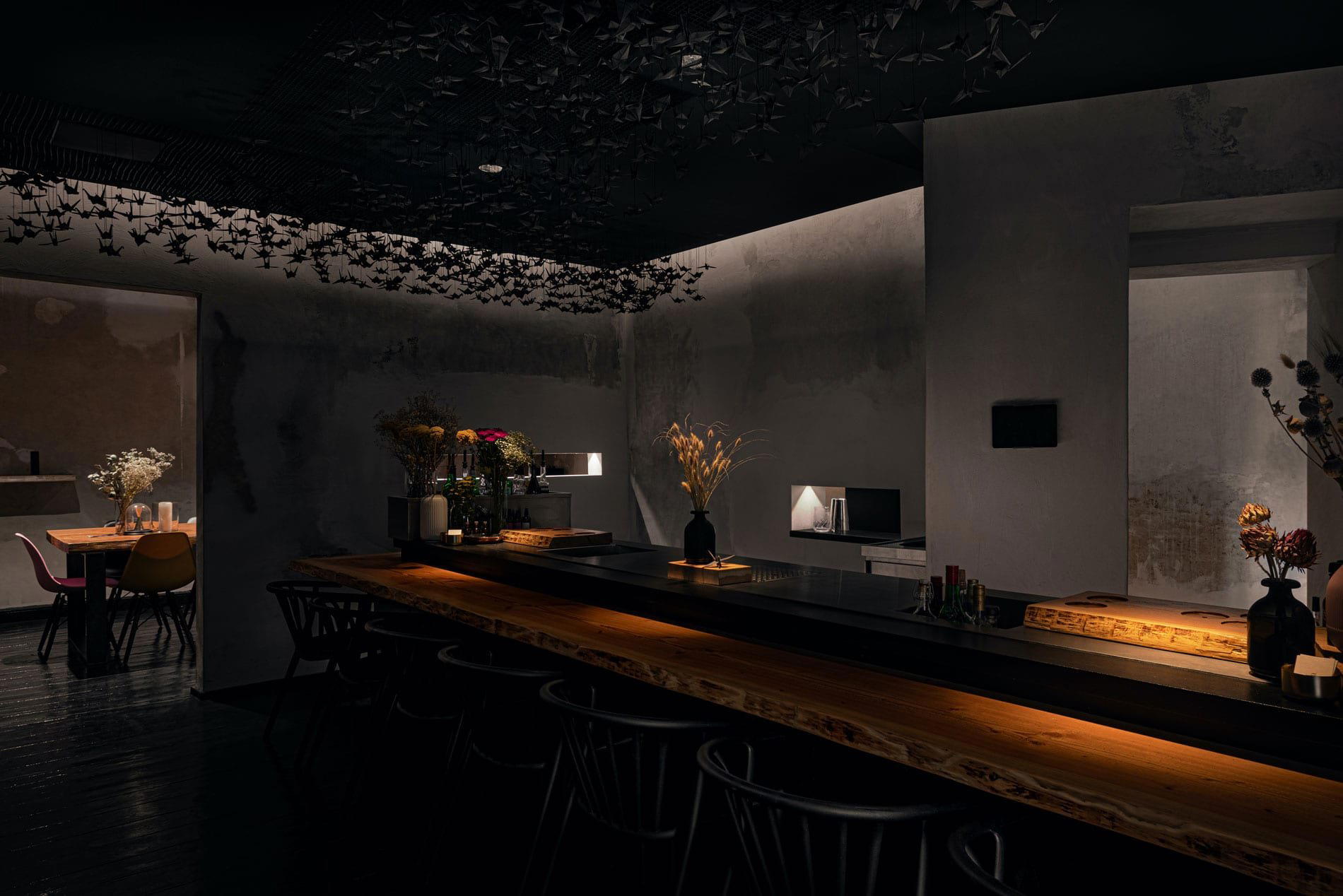
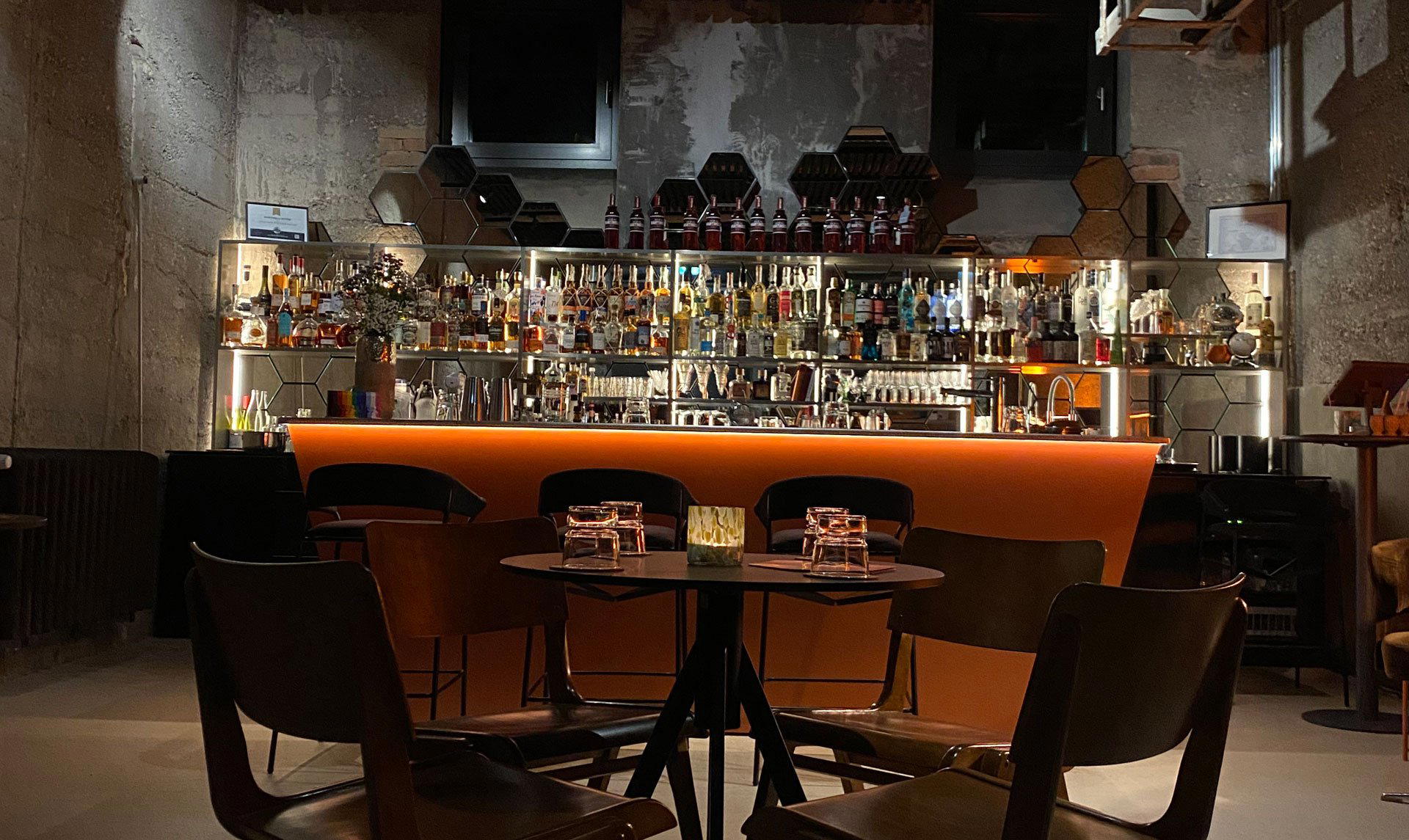
Hotels in Bad Sobernheim
Browse all →
At a Glance
- Cozy
- Elegant
- Romantic
- Intimate
- Date Night
- Special Occasion
- Courtyard
- Historic Building
- Hotel Restaurant
- Extensive Wine List
- Local Sourcing
- Garden
Current opening hours
- Monday
- Closed
- Tuesday
- 5–10 PM
- Wednesday
- 5–10 PM
- Thursday
- 5–10 PM
- Friday
- 5–10 PM
- Saturday
- 5–10 PM
- Sunday
- 11:30 AM–2 PM, 5–10 PM
Hours can change for holidays and private events. Last verified .
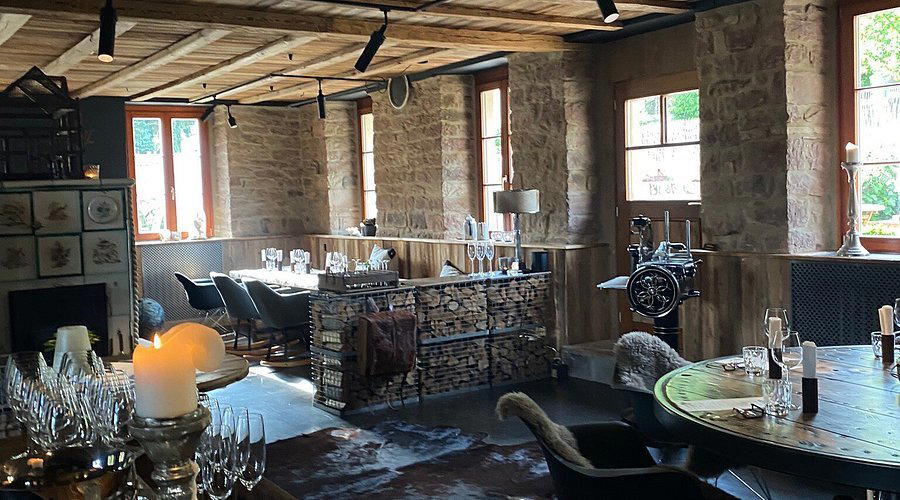
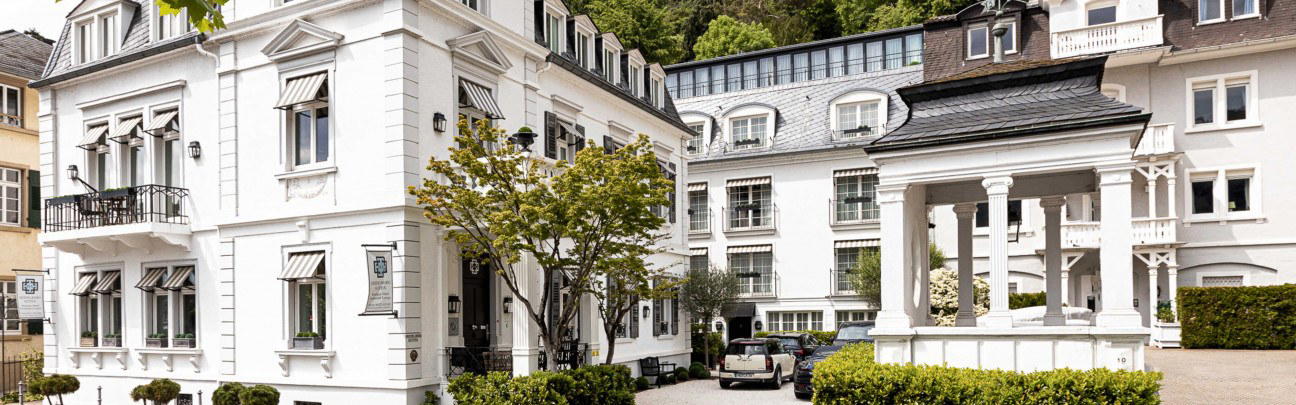
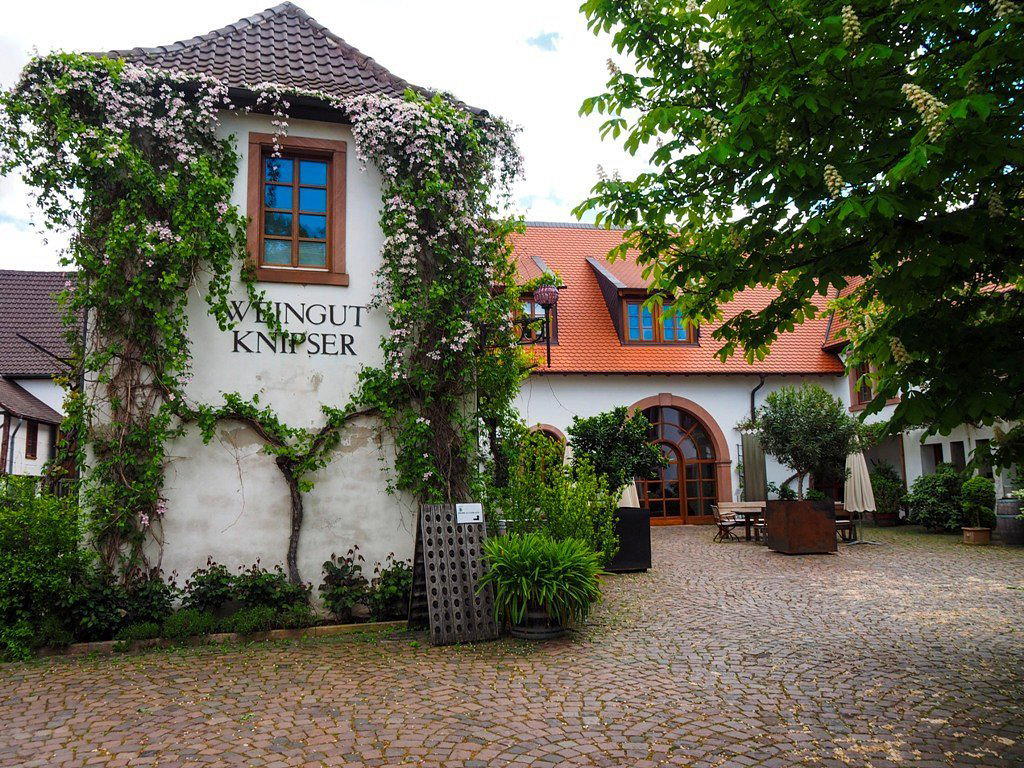
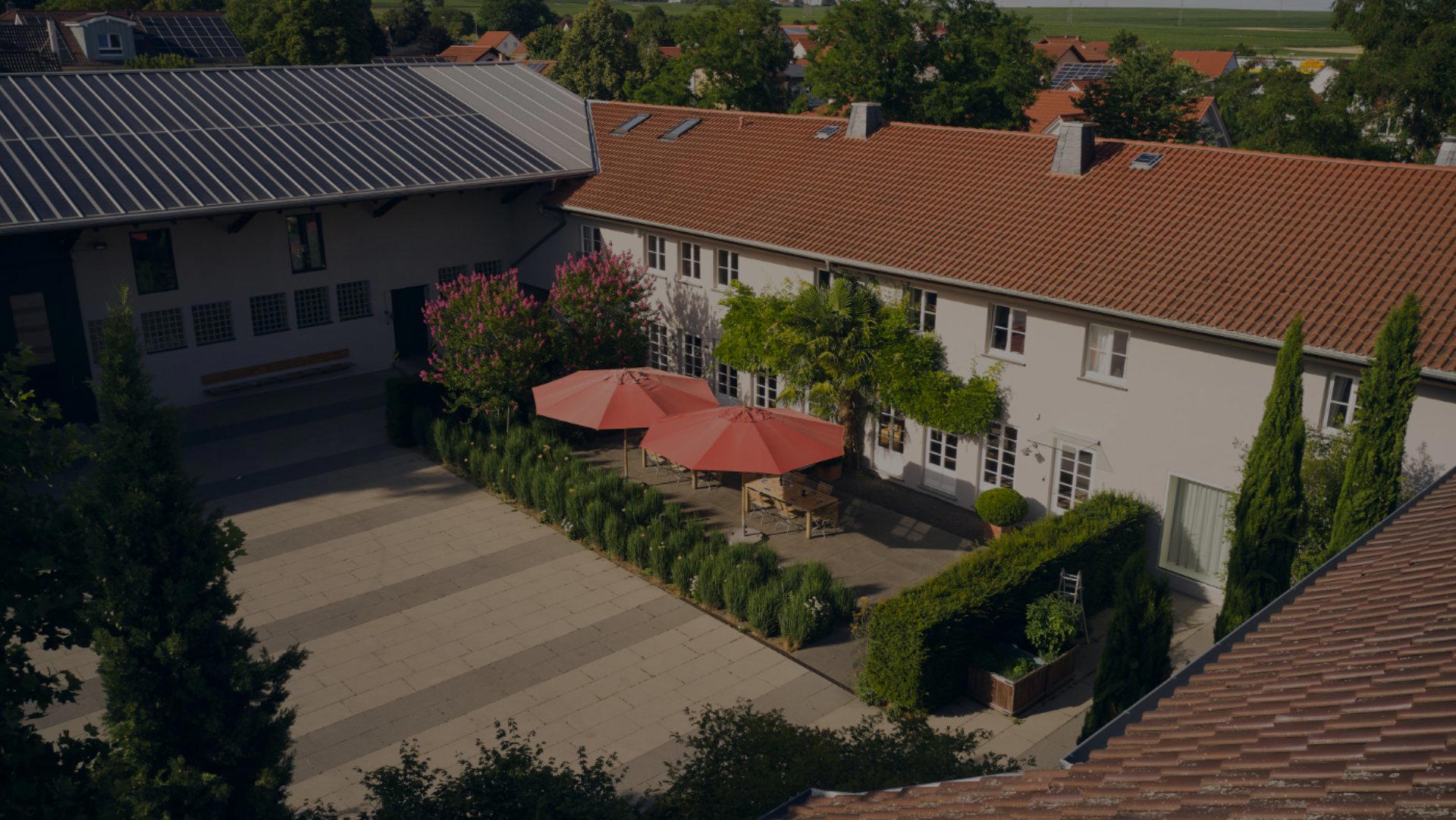
Warm burnished lighting under vaulted ceilings with vintage aesthetic, cozy and relaxed atmosphere extending to an inviting courtyard terrace.