Kuni Restaurant and Catering
Waipahu's Catering Culture and the Role of Community-Rooted Kitchens Leokane Street in Waipahu sits inside a part of Oahu that most visitors move through rather than stop in. The town carries the residue of Hawaii's plantation era, warehouses...
 Discover on Pearl
Pearl is the En Primeur Club membership app — saves, bookings, and concierge access live there. Same editors, same standards.
- Address
- 94-210 Leokane St, Waipahu, HI 96797
- Phone
- +18086711100
- Website
- restaurantkuni.com
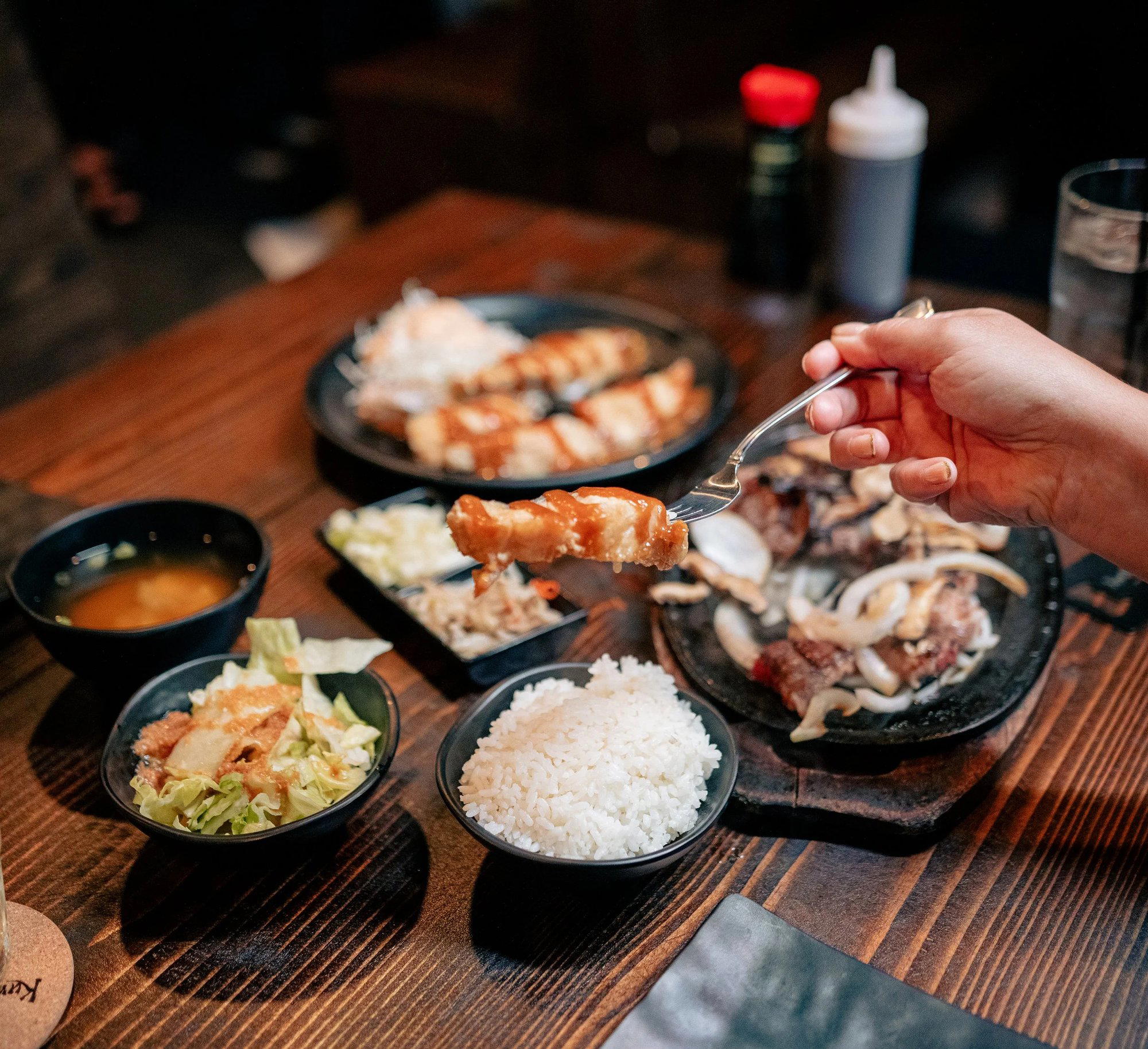
Waipahu's Catering Culture and the Role of Community-Rooted Kitchens
Leokane Street in Waipahu sits inside a part of Oahu that most visitors move through rather than stop in. The town carries the residue of Hawaii's plantation era, warehouses converted to small businesses, family-run operations that have served the same neighborhoods for decades, and a dining culture that skews local in the most literal sense. It is within this context that Kuni Restaurant and Catering operates, at 94-210 Leokane St, occupying a space shaped more by community function than destination appeal. The address alone signals something: this is a place that serves neighborhoods.
Ingredient Culture in Hawaii's Working-Class Dining Belt
Hawaii's broader food conversation tends to cluster around farm-to-table programs in Honolulu, the poke counters of Chinatown, and the agricultural estates of the North Shore. But Waipahu represents a different register of ingredient culture, one built on the plantation-era synthesis of Japanese, Filipino, Korean, and Hawaiian provisioning traditions. The communities that settled Oahu's central plain brought specific food knowledge: pickling techniques, fermentation methods, rice preparation customs, and protein preparations that were practical, efficient, and deeply tied to available local ingredients.
Restaurants rooted in this tradition often source through community-level relationships rather than formal farm partnerships. Fish arrives from the same suppliers that have serviced local families for generations. Produce sourcing tends to favor what is seasonally available in central Oahu's agricultural corridor, which connects westward toward Ewa and the island's interior. In that framework, ingredient provenance is less a marketing claim and more an operational default, the food reflects the region because the kitchen reflects the region's people. Venues like Poke Stop and Tanioka's illustrate this same pattern in Waipahu: establishments where the sourcing story is embedded in decades of community relationship rather than branded supply chains.
The Catering Dimension: What It Reveals About a Kitchen
A restaurant that carries "catering" in its name is making a declaration about its operational model. Catering-integrated kitchens in Hawaii's working communities function as civic infrastructure, they supply graduation parties, funeral receptions, wedding luaus, and church fundraisers. The food must travel, hold, and satisfy large groups without losing integrity. These are demanding conditions that filter for kitchens with real technical control over their output.
This is a different pressure than the one faced by, say, a tasting-menu counter like Lazy Bear in San Francisco or Alinea in Chicago, where every plate is a controlled single-service event. The catering-restaurant hybrid must produce food that maintains quality across temperature variations, transport time, and serving conditions outside the kitchen's control. In Hawaii, where multicourse catering spreads for large families are a cultural norm at life events, this represents a genuine culinary discipline. Establishments that have sustained this kind of operation in Waipahu's tight-margin market have typically done so through consistency and community trust accumulated over years.
Contrast this with destination-focused ingredient programs at venues like Single Thread Farm in Healdsburg or Blue Hill at Stone Barns in Tarrytown, where sourcing is the explicit editorial frame. In community catering kitchens, sourcing is quieter but no less considered, it simply serves a different social contract.
Waipahu in the Broader Oahu Dining Map
Oahu's dining conversation has historically centered on Honolulu's Chinatown corridor, Kapahulu Avenue, and the Kakaako district, where the density of recognized restaurants is highest. Waipahu, by contrast, sits roughly 17 miles west of downtown Honolulu, functioning as one of the island's largest residential communities but receiving comparatively little editorial attention from food media. This creates a dynamic common to working-class dining districts globally: the food quality may be high, but the critical infrastructure, reviews, awards, press coverage, is sparse.
That sparseness does not indicate absence of quality. It indicates a different relationship between kitchen and audience. In communities like Waipahu, reputation travels through word of mouth, repeat patronage, and catering contracts rather than through platforms designed for visitors. Mountain Magic Shave Ice represents another Waipahu institution operating within this local-reputation model. For the full picture of what the area offers,
The contrast with more globally visible U.S. dining institutions is instructive. Venues like The French Laundry in Napa, Le Bernardin in New York City, Providence in Los Angeles, Atomix in New York City, or Addison in San Diego operate within a well-documented awards ecosystem. Waipahu's community kitchens sit entirely outside that ecosystem, which says more about how the awards system is structured than about the food being produced.
What the Address Tells You
Arriving on Leokane Street puts you in a commercial stretch shaped by functional architecture, the buildings here were designed for operation, not presentation. This is consistent with a category of Hawaii dining that values accessibility over atmosphere, and longevity over novelty. Restaurants that have persisted in these blocks have done so because they deliver food that local households return to across years and decades. That kind of durability is its own credential, distinct from the kind awarded by Michelin or tracked by platforms like Bacchanalia in Atlanta's comparable set.
The practical experience of visiting Kuni is shaped by the neighborhood's character: limited foot traffic, proximity to residential streets, and an environment calibrated for regulars rather than first-timers. Contact details and current hours are best confirmed directly before visiting. This is also a consideration for catering inquiries. Venues like Emeril's in New Orleans or The Inn at Little Washington operate with formalized reservation infrastructure; Kuni's model means preparation matters more than it would for a destination dining room.
How to Approach a Visit
For visitors to Oahu who are spending time on the island's west side or traveling through Waipahu as part of a broader itinerary, Kuni represents the category of local institution that rewards some research before arrival. Call ahead and be specific about whether you are visiting for a sit-down meal or inquiring about catering capacity. Waipahu's restaurant cluster along this corridor is best approached on weekdays when community demand is steadier and kitchen capacity more predictable. For those oriented toward the kind of place-rooted, community-scaled dining that sits at the opposite end of the spectrum from globally profiled venues like Brutø in Denver or 8 1/2 Otto e Mezzo Bombana in Hong Kong, this part of Oahu offers a genuine counterpoint.
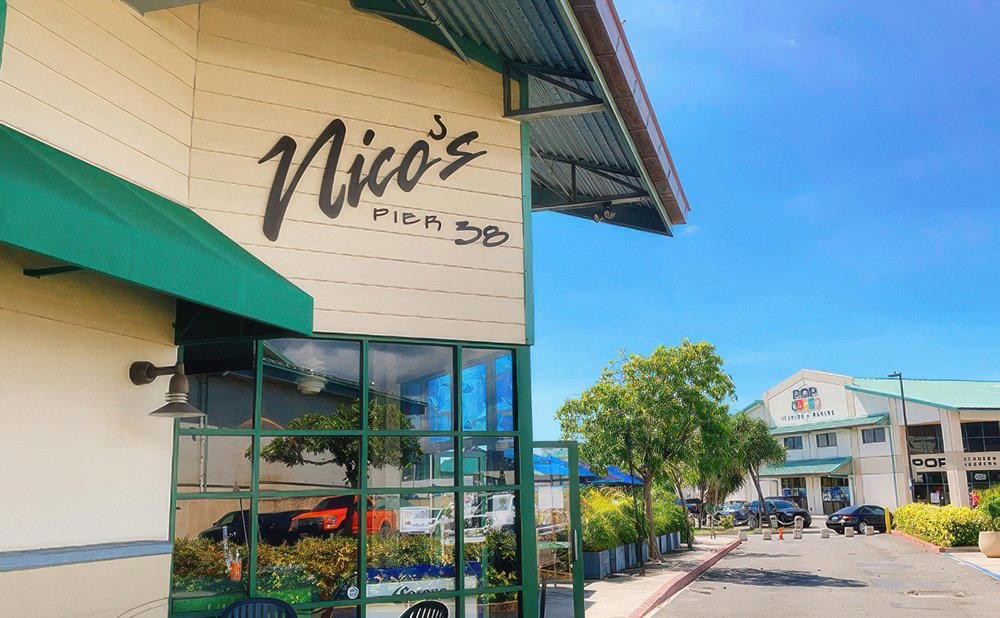
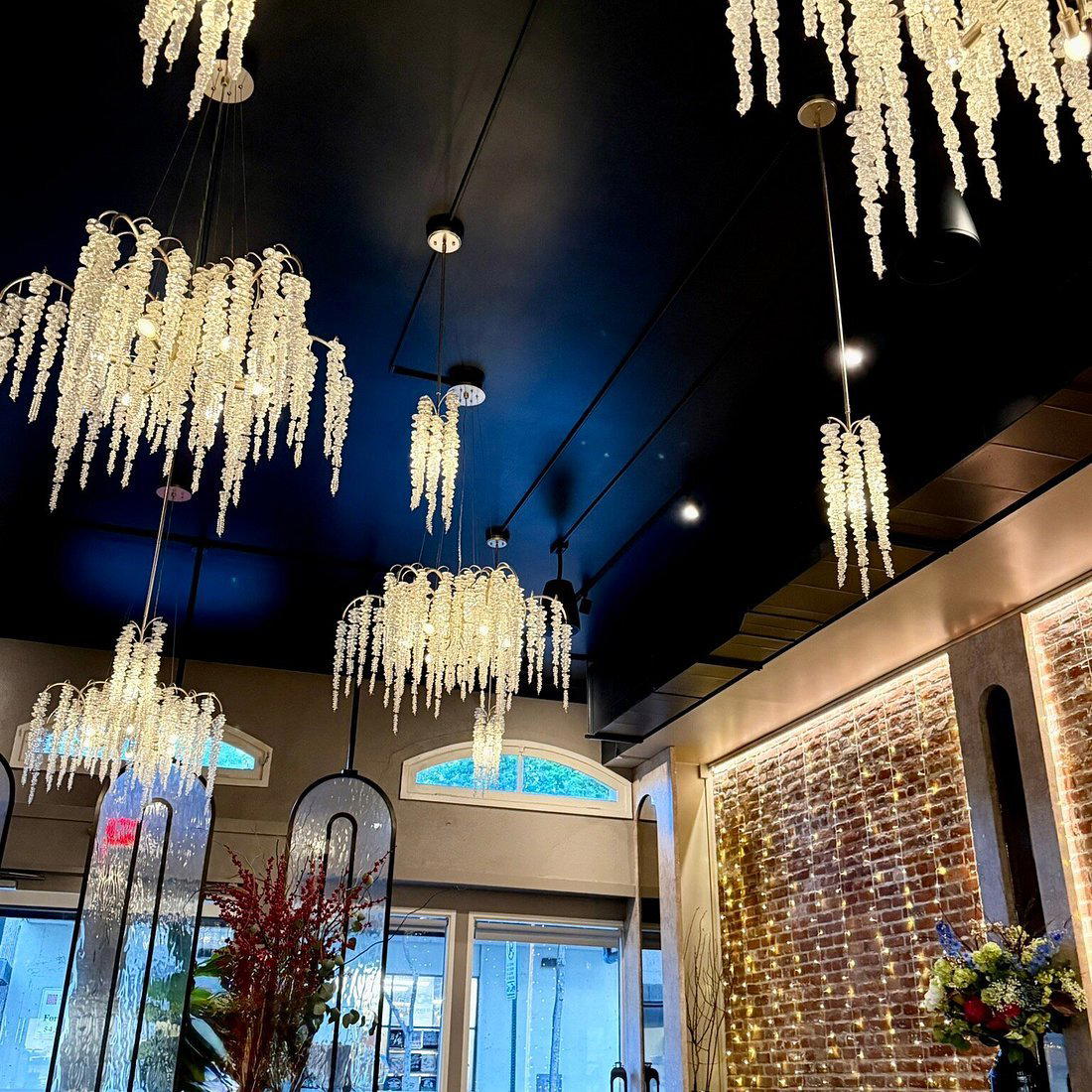
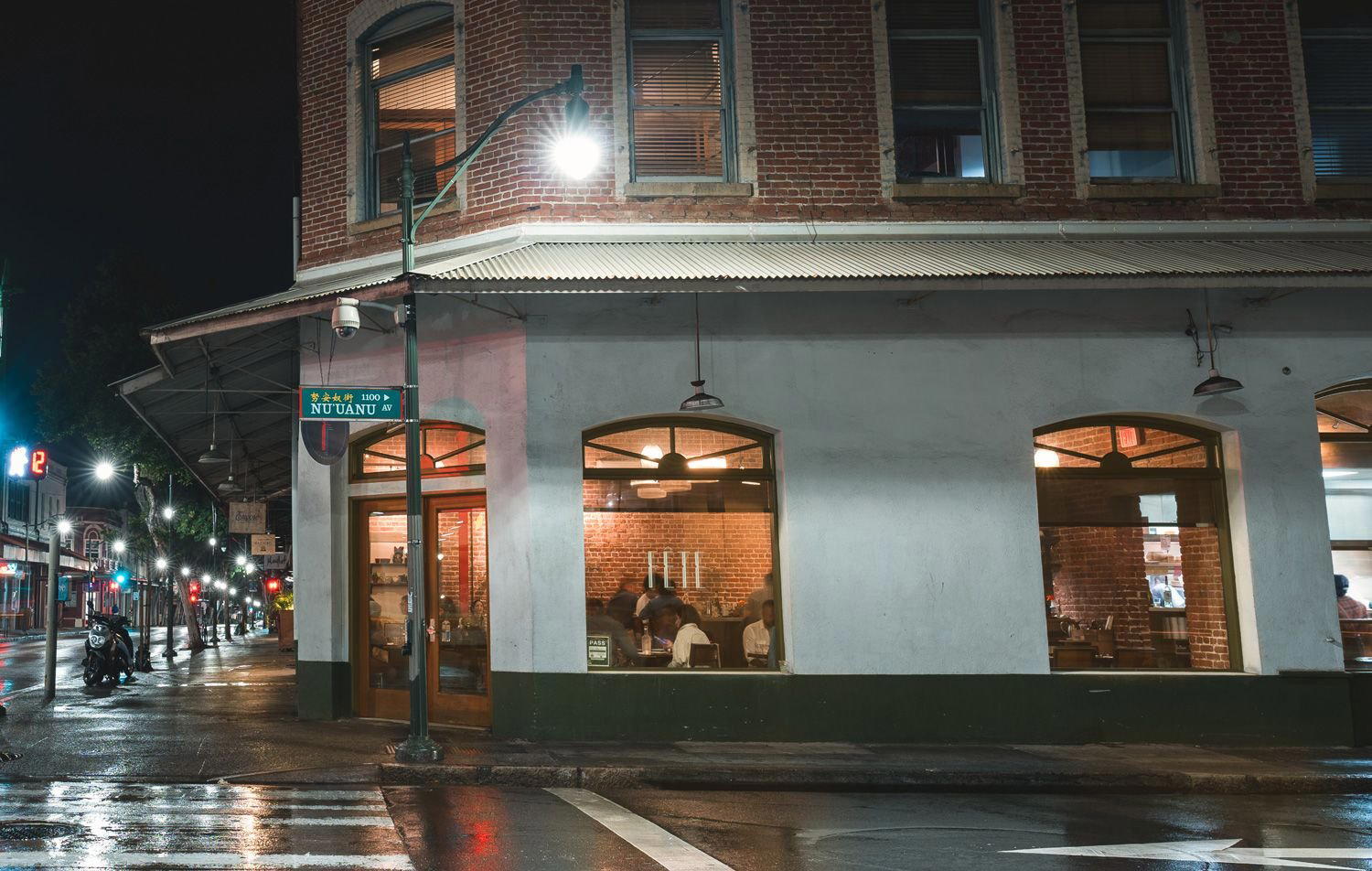
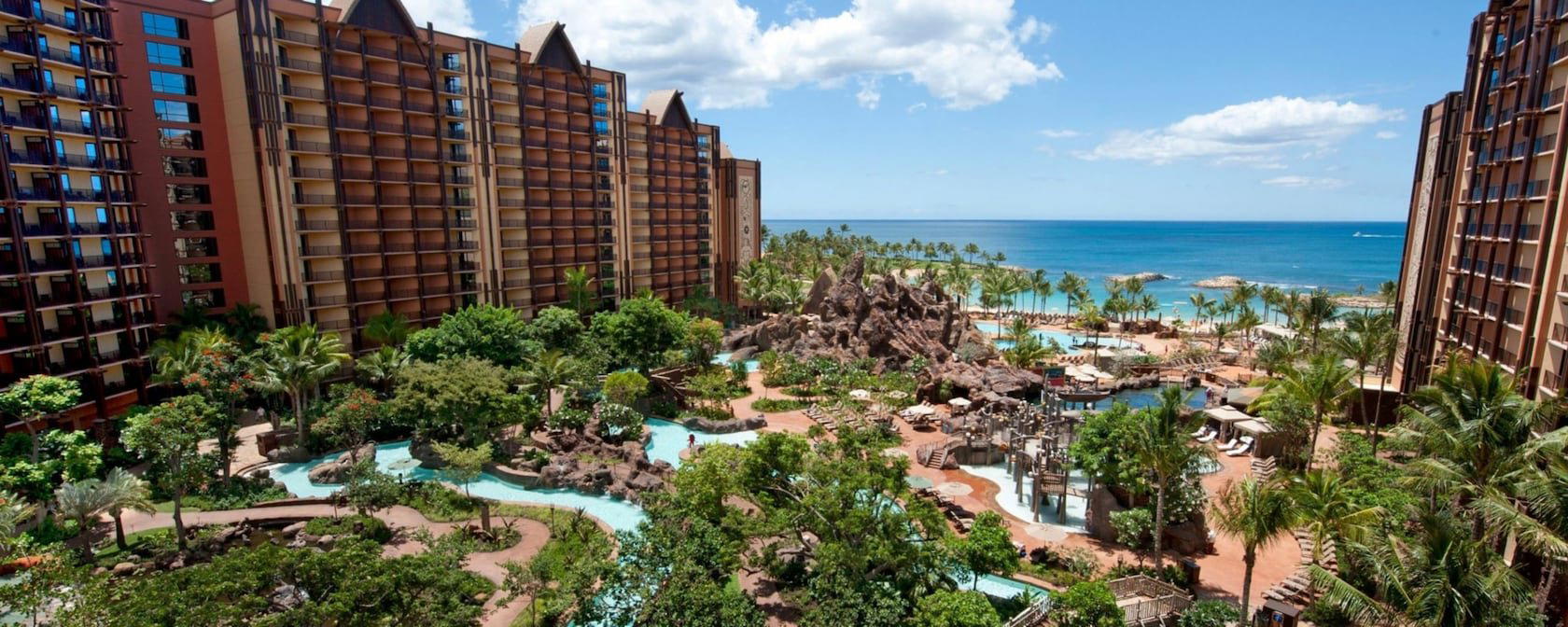
At a Glance
- Classic
- Cozy
- Family
- Casual Hangout
- Standalone
- Beer Program
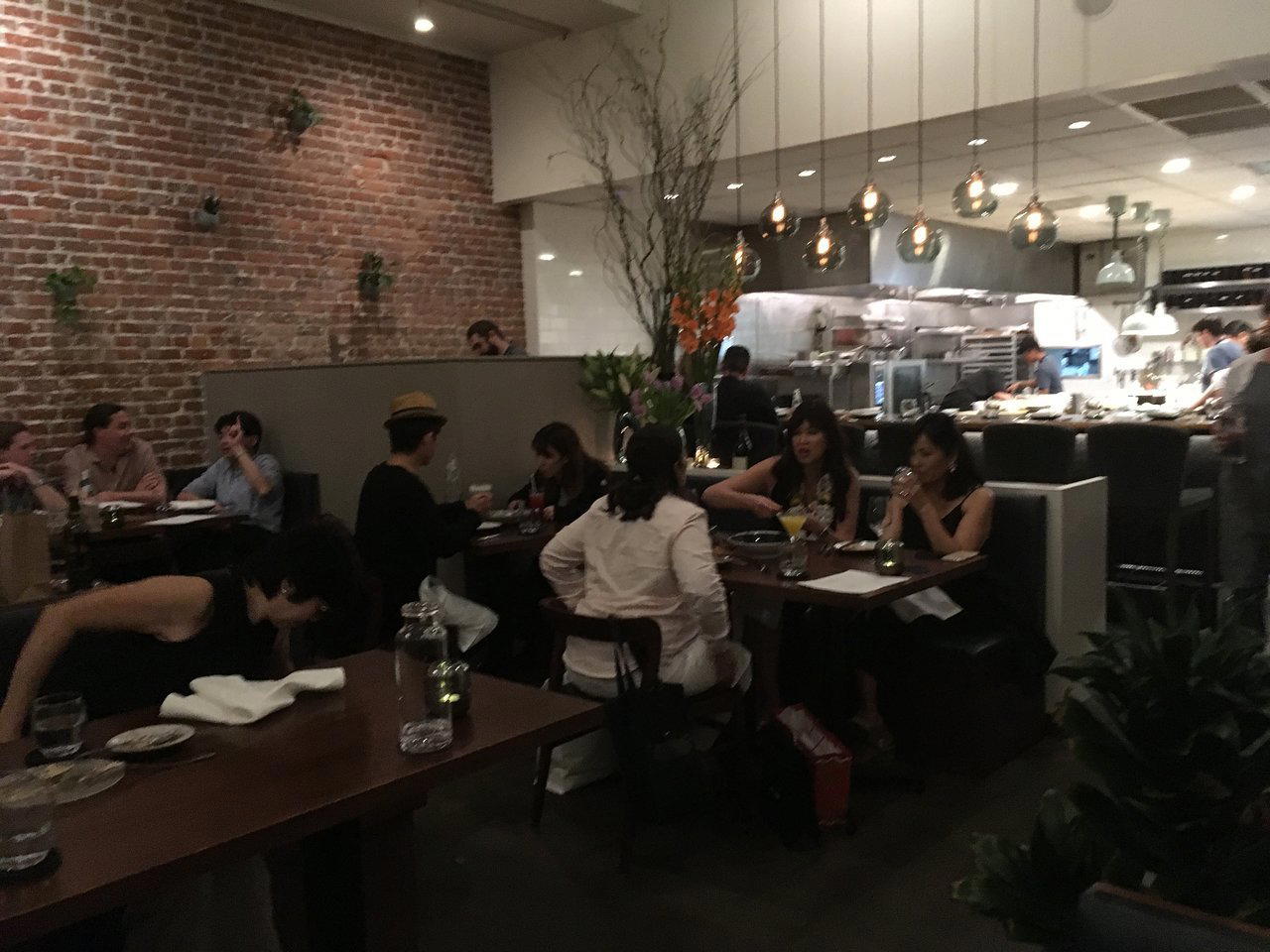
Laid-back with vinyl booth seating and home-style ohana atmosphere.