Poke Stop
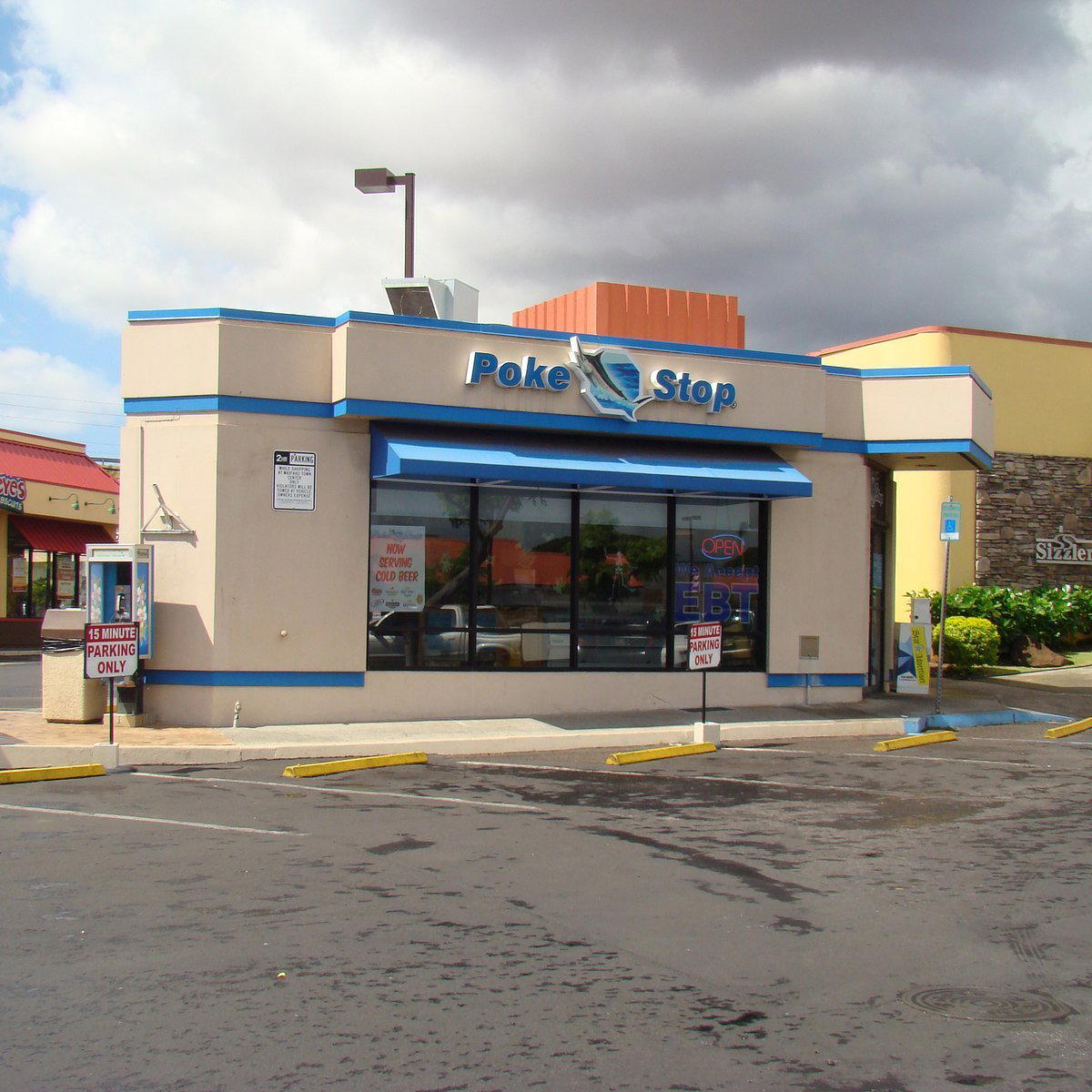
Poke Stop on Farrington Highway sits inside Waipahu's working-class food corridor, where Hawaii's raw-fish bowl tradition is practised without ceremony. The format is counter-service and fast, but the ritual of choosing your base, protein, and toppings carries the same deliberate logic that defines poke culture across the islands. It belongs to a local eating circuit that also includes Tanioka's and Kuni Restaurant and Catering.
 Discover on Pearl
Pearl is the En Primeur Club membership app — saves, bookings, and concierge access live there. Same editors, same standards.
- Address
- 94-050 Farrington Hwy E4, Waipahu, HI 96797
- Phone
- +18086768100
- Website
- poke-stop.com
The Bowl as Ritual: Poke Culture in Waipahu
Poke Stop is a Hawaiian seafood poke restaurant in Waipahu, Hawaii, at 94-050 Farrington Hwy E4. On the stretch of Farrington Highway that threads through Waipahu's commercial strip, the dining rhythm is set by working locals eating well and eating quickly. Strip-mall storefronts with hand-lettered signage and parking-lot picnic culture define this corridor as firmly as any white-tablecloth address defines its own neighbourhood. Poke Stop, at 94-050 Farrington Hwy E4, sits inside that register, and understanding it requires understanding what poke actually is in Hawaii versus what it has become on the mainland.
On the continent, the poke bowl has been reconstructed as a customisable fast-casual format, marketed alongside grain bowls and pressed juices. In Hawaii, particularly in working communities like Waipahu, the dish predates that rebranding by decades. The original form is simpler and more disciplined: cubed raw fish, typically ahi tuna, dressed with soy, sesame oil, and limu (seaweed), eaten without much ceremony but with considerable expectation about freshness and seasoning. The ritual is in the selection, not the performance.
How Locals Approach the Counter
The dining etiquette at a Waipahu poke stop follows a logic that has more in common with a Japanese fishmonger counter than a fast-food queue. You arrive with some sense of what you want. You assess what is in the case. You make decisions about fish variety, marinade weight, and accompaniment without extended deliberation. Regulars move through this sequence efficiently; first-timers slow the line. That social pressure toward decisiveness is itself a signal of how embedded the format is in daily life here.
Across Hawaii's poke counter culture, the order of operations matters: base first (rice, typically, though some counters offer greens), protein second, sauce third, toppings last. The toppings conversation, specifically whether to add furikake, tobiko, or crunchy onion, is where personal preference becomes visible. This is a meal that rewards knowing what you like rather than experimenting publicly. The format self-selects for diners who have done this before or who defer to the person behind the counter.
This stands in deliberate contrast to the tasting-menu format that defines much of America's premium dining conversation. At The French Laundry in Napa or Alinea in Chicago, pacing is imposed by the kitchen. At a Waipahu poke counter, pacing is imposed by the queue and by your own preparation. Both formats have internal discipline; they simply place that discipline in different hands.
Waipahu's Food Corridor and Where Poke Stop Sits
Waipahu's eating culture is not organised around destination dining. It is organised around density and value: a concentration of plate lunch spots, seafood counters, and local specialists that serve a community where cooking Hawaiian food at a high standard is ordinary rather than exceptional. Poke Stop occupies the same food-culture tier as Tanioka's, the long-established seafood and poke institution on Farrington Highway that draws lines from across Oahu. Tanioka's has the deeper reputation and the broader product range, including prepared seafood sold by weight. Poke Stop operates in the same format category, serving a local clientele that measures quality by freshness and seasoning rather than by any external validation system.
For context on what this neighbourhood-level loyalty means: Kuni Restaurant and Catering operates nearby and represents the sit-down end of the local dining spectrum. The corridor is walkable from several residential clusters, and lunch-hour traffic is the primary commercial event. Poke Stop's address in an E4 unit of a strip mall is standard for the format; the physical container is irrelevant to the eating proposition.
The broader Waipahu eating circuit, including Mountain Magic Shave Ice for post-meal palate resets, maps onto a specifically local tourism logic that has little overlap with resort-area dining on the island. Visitors who make the drive from Honolulu do so because they want to eat in a context that has not been adjusted for them.
Poke in National Context
Hawaii's raw-fish traditions developed from a convergence of Native Hawaiian fishing culture and Japanese immigrant culinary influence, particularly from the plantation-era communities of the late 19th and early 20th centuries. The soy-sesame dressing that now reads as definitionally Hawaiian poke arrived through that Japanese influence and fused with indigenous preparation methods into something neither fully one nor the other. What emerged was a dish with a clear identity that resisted fine-dining reformatting for most of its modern existence.
The mainland fast-casual poke boom of the mid-2010s changed the frame. Chains from California built an assembly-line model that shares structural DNA with the Hawaiian counter but removed the context that gives it meaning. The result accelerated awareness while diluting specificity. Premium American dining meanwhile moved in a different direction entirely: commitment to place, provenance, and extended format, visible at restaurants like Blue Hill at Stone Barns in Tarrytown, Single Thread Farm in Healdsburg, and Providence in Los Angeles. Waipahu's poke counters sit outside both of those trajectories. They were never trying to become either thing.
Venues in other premium tiers, such as Le Bernardin in New York City, Lazy Bear in San Francisco, or Atomix in New York City, share one thing with a well-run poke counter: the quality of the fish is non-negotiable. Everything else differs. The counter format simply removes the mediation and puts the fish in your hands faster.
Planning Your Visit
Poke Stop is located at 94-050 Farrington Hwy E4 in Waipahu, accessible by car from central Honolulu in roughly 20 to 25 minutes depending on traffic on H-1. The lunch window is the primary service period for most Waipahu poke counters, and arriving early in that window improves selection, particularly for less common fish varieties that move quickly. No reservation is required; this is a walk-in, counter-order format. The E4 unit is within a strip-mall complex with parking available on site. Pricing at Hawaiian poke counters of this type is typically measured by weight or by bowl size, making it one of the more direct value propositions in the state's food scene.
Frequently Asked Questions
- What dish is Poke Stop famous for?
- Poke Stop is grounded in Hawaii's raw-fish tradition, and the central offering is poke served over rice or greens.
- Should I book Poke Stop in advance?
- Poke Stop operates as a walk-in counter, consistent with the broader counter-service model across Waipahu's food strip.
- What has Poke Stop built its reputation on?
- Poke Stop's standing in the Waipahu food corridor rests on the same currency that governs all local poke counters: fish freshness, seasoning consistency, and pricing that reflects the community it serves rather than a tourist premium. Poke Stop's standing in the Waipahu food corridor rests on the same currency that governs all local poke counters: fish freshness, seasoning consistency, and pricing that reflects the community it serves rather than a tourist premium.
- How does eating poke at a Waipahu counter differ from mainland poke chains?
- Waipahu's poke counters operate within a continuous local tradition that predates the mainland fast-casual format by decades, and the difference is felt in the sourcing logic and the social context as much as in the bowl itself. At a counter like Poke Stop, the fish selection reflects what is moving through local supply chains rather than what fits a standardised national menu. The clientele is predominantly local rather than tourist-facing, which shapes everything from portion calibration to the speed of service expected from the person in front of you in line.
At a Glance
- Casual Hangout
- Family
- Local Sourcing
Casual, no-frills local eatery with focus on fresh seafood preparation.