Aulani, A Disney Resort & Spa
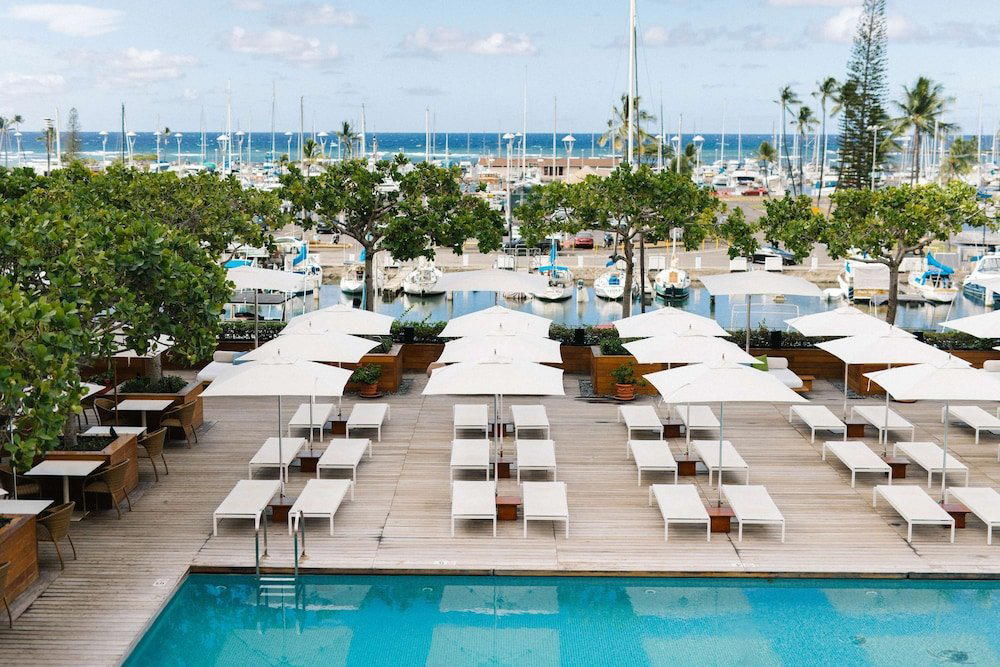
Aulani sits on Ko Olina's western Oahu shoreline, where Disney's design team built a resort rooted in Hawaiian cultural narrative rather than generic tropicalia. The property addresses families with young children as its primary audience, but the scale of its water features, spa, and beach access places it in serious competition with non-branded luxury resorts on the island.

Pearl is the En Primeur Club membership app, where members save venues, book tables and use the concierge.
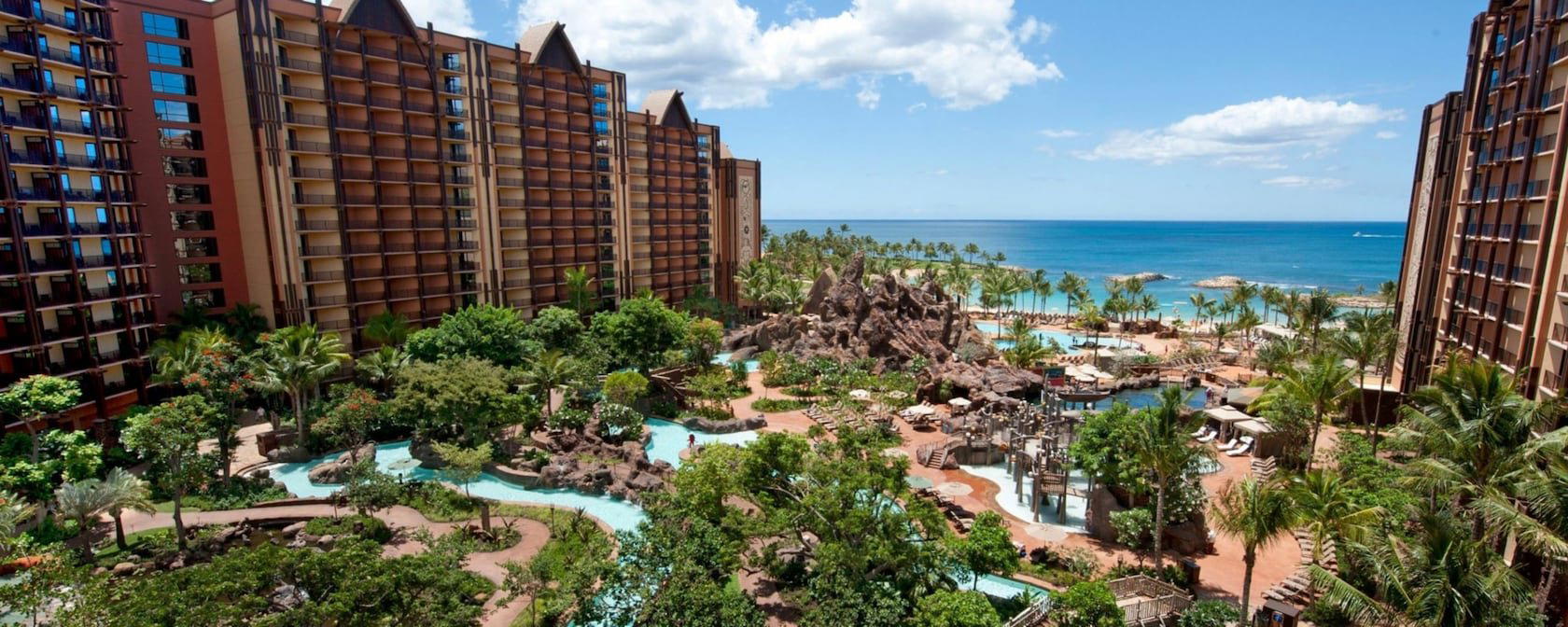
Ko Olina was developed as a planned resort corridor on Oahu's leeward coast specifically to offer calmer water than Waikiki's exposed beach breaks. The four lagoons carved into the coastline here were engineered, not natural, which tells you something about the philosophy behind this stretch of Hawaii: it is resort infrastructure built to specification. Aulani, which opened in 2011 at 92-1185 Aliinui Dr, Kapolei, fits that context while pushing against the generic conventions of the planned resort format in ways that are worth examining closely. See our full Ko Olina restaurants guide for dining context beyond the resort's own outlets.
A Design Brief Rooted in Place
The architecture at Aulani was shaped by a deliberate research process involving Hawaiian cultural consultants, artists, and community advisors over several years before construction. The result is a campus where petroglyphs, native plant species, and hand-carved wooden panels are not decorative afterthoughts but structural elements of the spatial narrative. Lava rock water features reference the island's volcanic geology. Interior murals draw on traditional Hawaiian storytelling conventions. This is not the synthetic Polynesian pastiche that dominated mid-century Hawaiian resort design, nor the sanitized tropicalia common to international chain properties across the Pacific. The design sits closer to what properties like Kona Village, A Rosewood Resort in Kailua Kona pursue: a physical environment that earns its Hawaiian identity through material specificity rather than thematic gesture.
The scale is considerable. The property contains multiple pool areas, a lazy river, a private snorkeling lagoon, and an integrated children's waterplay area alongside more than 350 rooms and villas. For comparison, design-led small-footprint properties like Amangiri in Canyon Point or Post Ranch Inn in Big Sur operate in an entirely different register, where scarcity and silence are the product. Aulani's product is animated abundance, and the architecture is calibrated to contain that without collapsing into chaos. Sightlines are managed. Noise zones are separated by landscaping. The beach lagoon access feels less congested than the internal pool areas at peak periods, which is useful to know when planning how to structure a day.
Hawaii's resort market has stratified considerably over the past decade. At the upper end, properties like Kona Village, A Rosewood Resort compete on exclusivity and adult-oriented design. Aulani occupies a different position: a family-primary resort with genuine luxury infrastructure that is priced above the mid-market Waikiki strip but below the most expensive private-villa operations on Maui or the Big Island. The Disney brand does specific work here, providing a recognizable guarantee of operational consistency that matters to families traveling with young children across a long-haul flight from the mainland. That guarantee has a cost, both financial and in terms of the resort's atmosphere, which skews young and active rather than quiet and restorative.
For adults traveling without children, the calculus shifts. The spa facility, branded as Laniwai, is one of the larger spa operations in Hawaii and operates with a hydrotherapy component that places it above standard hotel spa formats. Adults-only pool areas exist, though they are proportionally smaller than the family water infrastructure. Guests seeking a more adult-oriented Hawaii experience at a comparable or higher price point might weigh properties such as Auberge du Soleil's model or, within the wellness-focused resort category, something closer to Canyon Ranch Tucson in its structural approach to programming. The comparison is not direct but illustrates how Aulani's design priorities declare their audience clearly.
The Cultural Program as Architecture
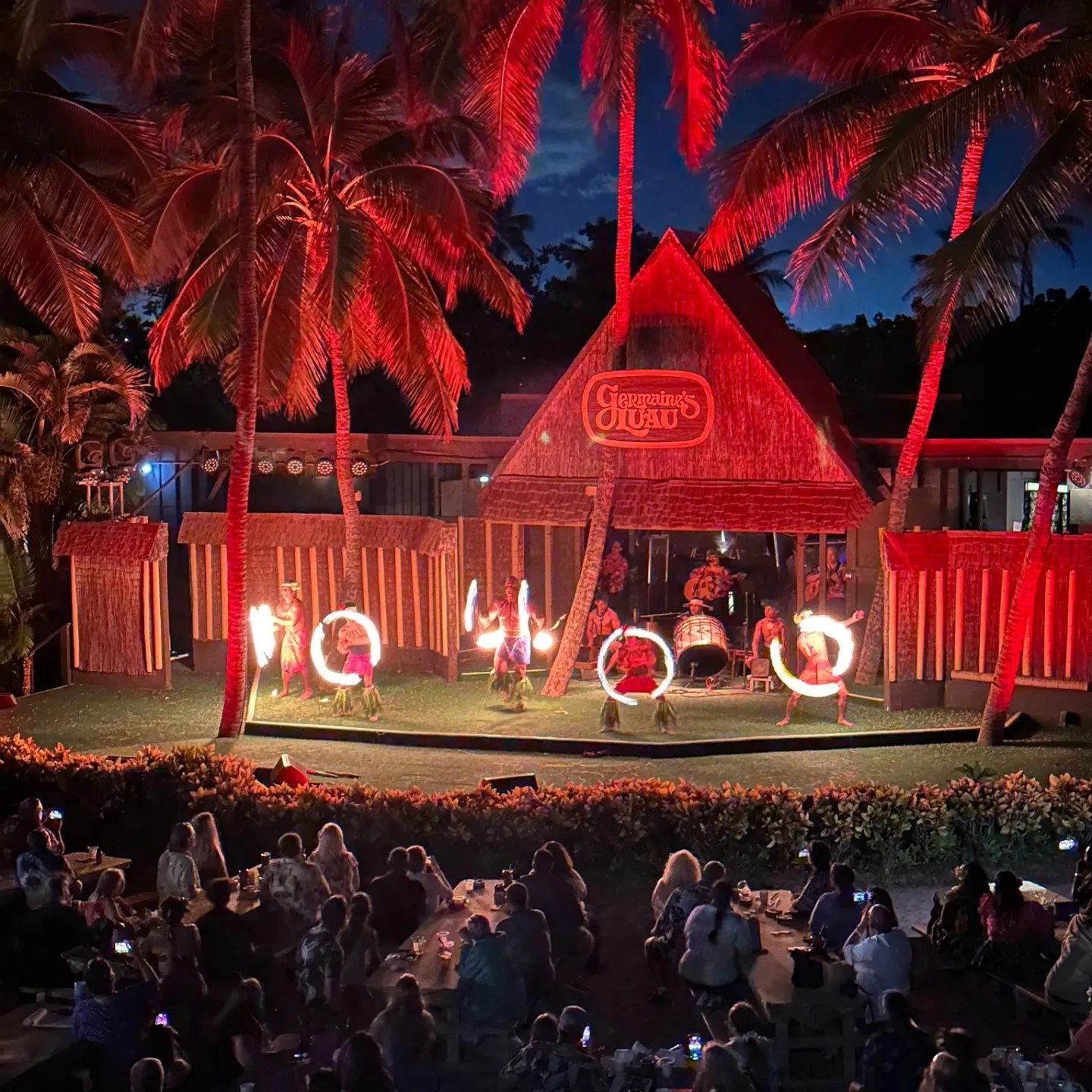
One of the more substantive things Aulani does differently from other large-footprint Disney properties globally is treat cultural programming as a physical design element rather than a scheduled entertainment add-on. The storytelling spaces, the 'Awa'awa garden walks, and the character interaction areas are integrated into the resort's circulation paths rather than concentrated in a dedicated entertainment zone. The effect is that Hawaiian cultural content is present throughout the guest's movement through the property, not cordened off. Whether this integration achieves genuine cultural depth or remains an accessible surface-level representation is a question worth holding, but as a design decision it reflects a more sophisticated approach than conventional theme resort planning would suggest. For guests interested in contemporary properties that use physical environment to carry a cultural argument, comparisons to places like Ambiente, A Landscape Hotel in Sedona or Blackberry Farm in Walland, both of which embed regional identity into their spatial DNA, are instructive even across very different markets.
Planning a Stay
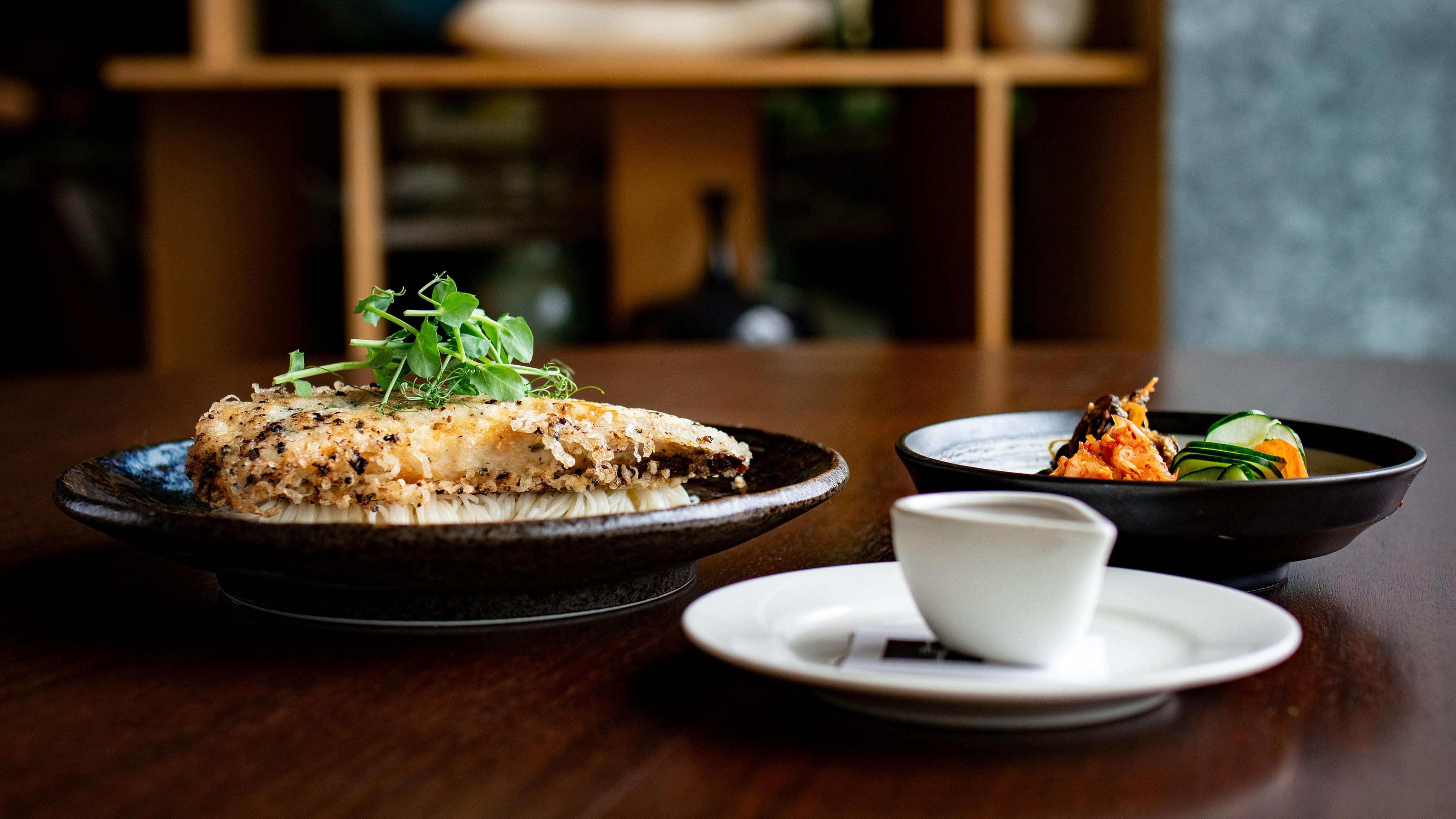
Ko Olina sits approximately 27 miles west of Honolulu International Airport, making it one of the more direct resort transfers on Oahu. The resort's scale means advance booking is the operative logic for peak periods, particularly summer and holiday windows when mainland family travel concentrates. Villa-category accommodations, which offer kitchenette or full kitchen configurations, suit longer stays and groups where self-catering on some meals affects the overall cost equation. Properties at this scale generally operate dining across multiple outlets, ranging from casual poolside service to sit-down restaurants, and Aulani follows that format. For guests who want to move beyond the resort perimeter for dining, Ko Olina's development is still relatively contained, and Kapolei offers local options that contrast with the resort's managed environment. The broader Oahu dining scene, covered in our Ko Olina guide, includes the full range from local plate lunch operations to hotel fine dining.
Other large-footprint resort properties in the US that operate with comparable design ambition and family orientation include Four Seasons at The Surf Club in Surfside and, in a different register, The Fifth Avenue Hotel in New York City for urban luxury comparison. For guests cross-referencing against other Hawaii options, Kona Village, A Rosewood Resort on the Big Island represents the adult-primary counterpoint at a similar price tier.
At-a-Glance Comparison
| Venue | Price | Awards |
|---|---|---|
| Aulani, A Disney Resort & SpaThis venue (the venue you are viewing) | $500–750 | Not listed |
| Aman New York | Not listed | 3 Michelin Keys · World's 50 Best #87 |
| Amangiri | $1,000–1,500 | 3 Michelin Keys · World's 50 Best #45 |
| Hotel Bel-Air | $750–1,000 | 3 Michelin Keys · World's 50 Best #57 |
| The Beverly Hills Hotel | Not listed | 3 Michelin Keys · World's 50 Best #65 |
| The Carlyle, A Rosewood Hotel | $1,500–2,500 | 2 Michelin Keys · World's 50 Best #64 |

Continue exploring
More in Kapolei
Hotels in Kapolei
Browse all →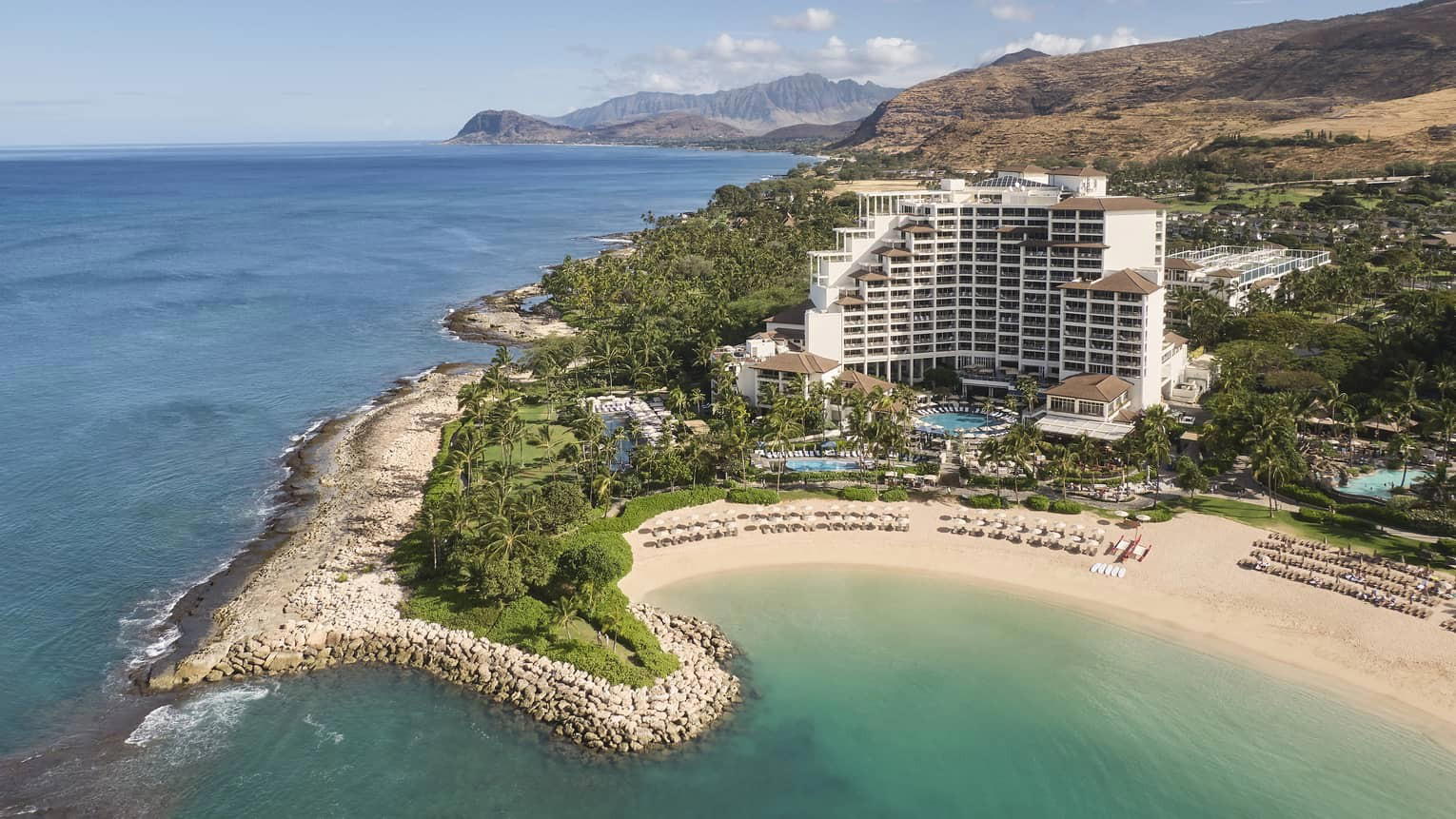

Details
- Whimsical
- Scenic
- Family Vacation
- Weekend Escape
- Beachfront
- Infinity Pool
- Destination Spa
- Pool
- Spa
- Kids Club
- Beach Access
- Room Service
- Concierge
- Waterfront
- Garden
- Wheelchair Accessible
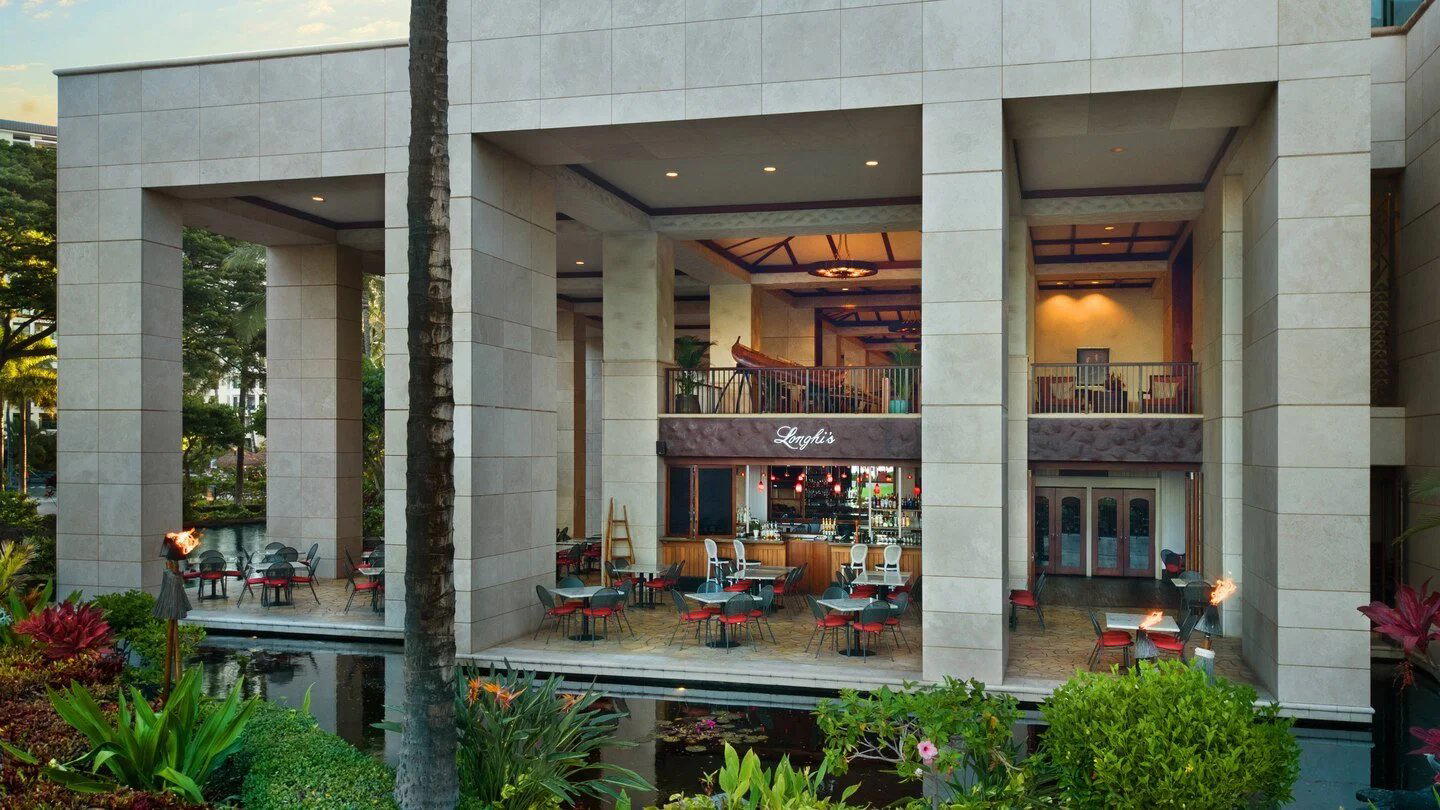
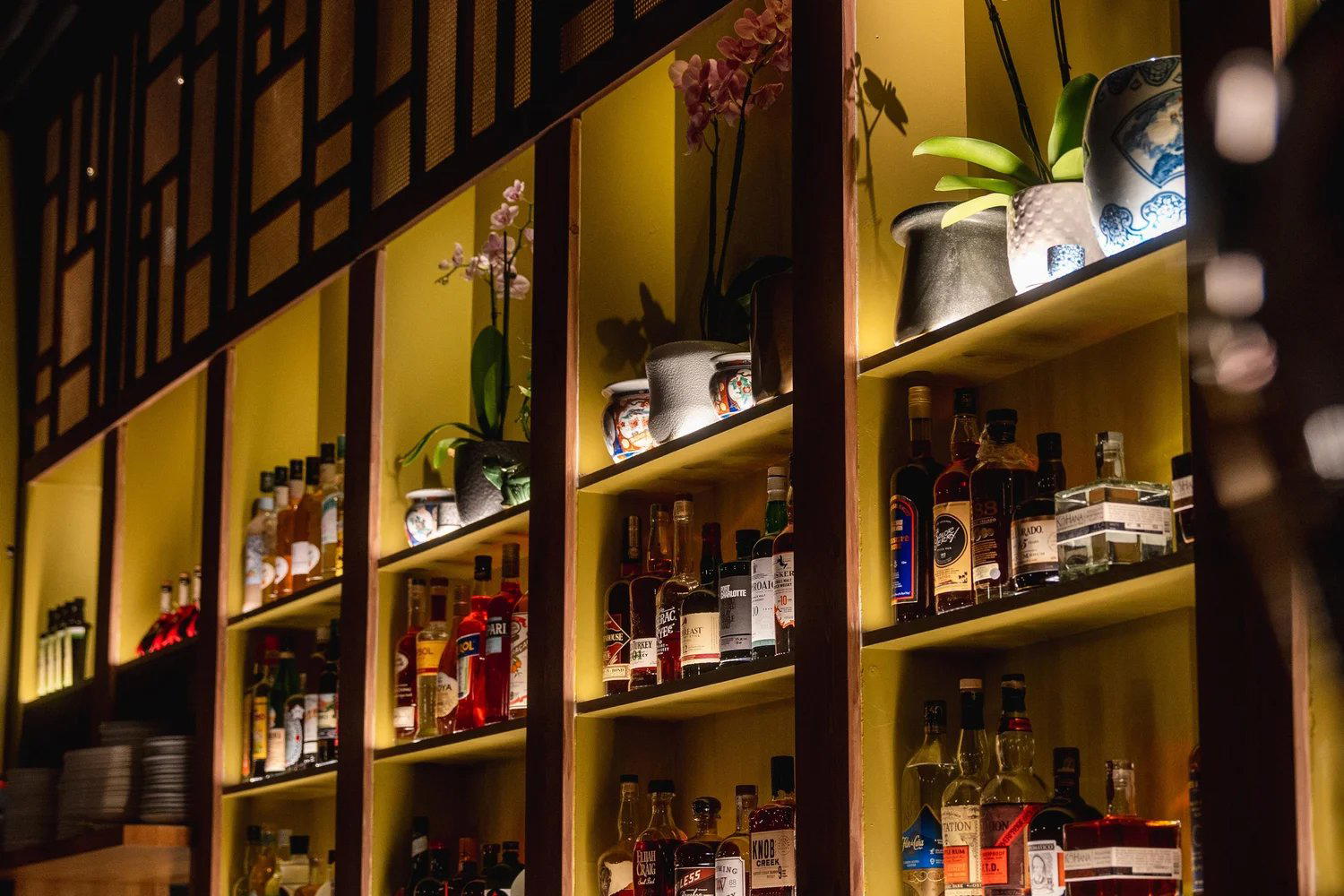
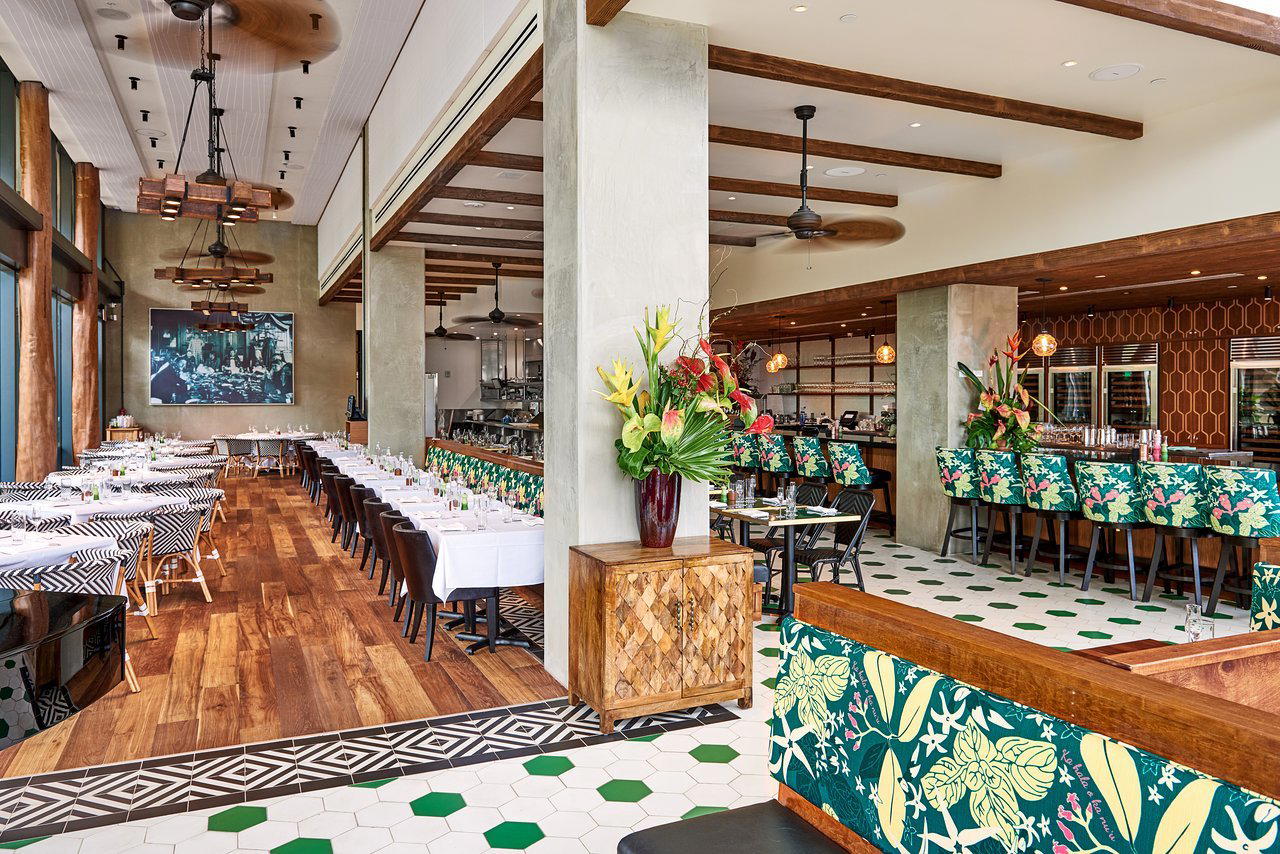
Relaxed Hawaiian atmosphere with natural lighting, traditional design elements, and a family-friendly energy featuring subtle Disney touches.