Sushi in Istanbul sits at an interesting crossroads: imported Japanese technique meeting a city built on centuries of fishing culture along the Bosphorus and Aegean. Kumiko Sushi & More occupies the Gümüşsuyu stretch of İnönü Caddesi in Beyoğlu, a neighbourhood where international dining formats have taken root alongside traditional Turkish tables. For visitors tracking where Japanese culinary formats are landing in Turkey's most cosmopolitan city, this address is worth noting.
Pearl is the En Primeur Club membership app — saves, bookings, and concierge access live there. Same editors, same standards.
- Address
- Gümüşsuyu, İnönü Cd. No
- Phone
- +902123778899
- Website
- kumikosushi.com.tr
- Directions
- Get directions
 Saves & bookings on Pearl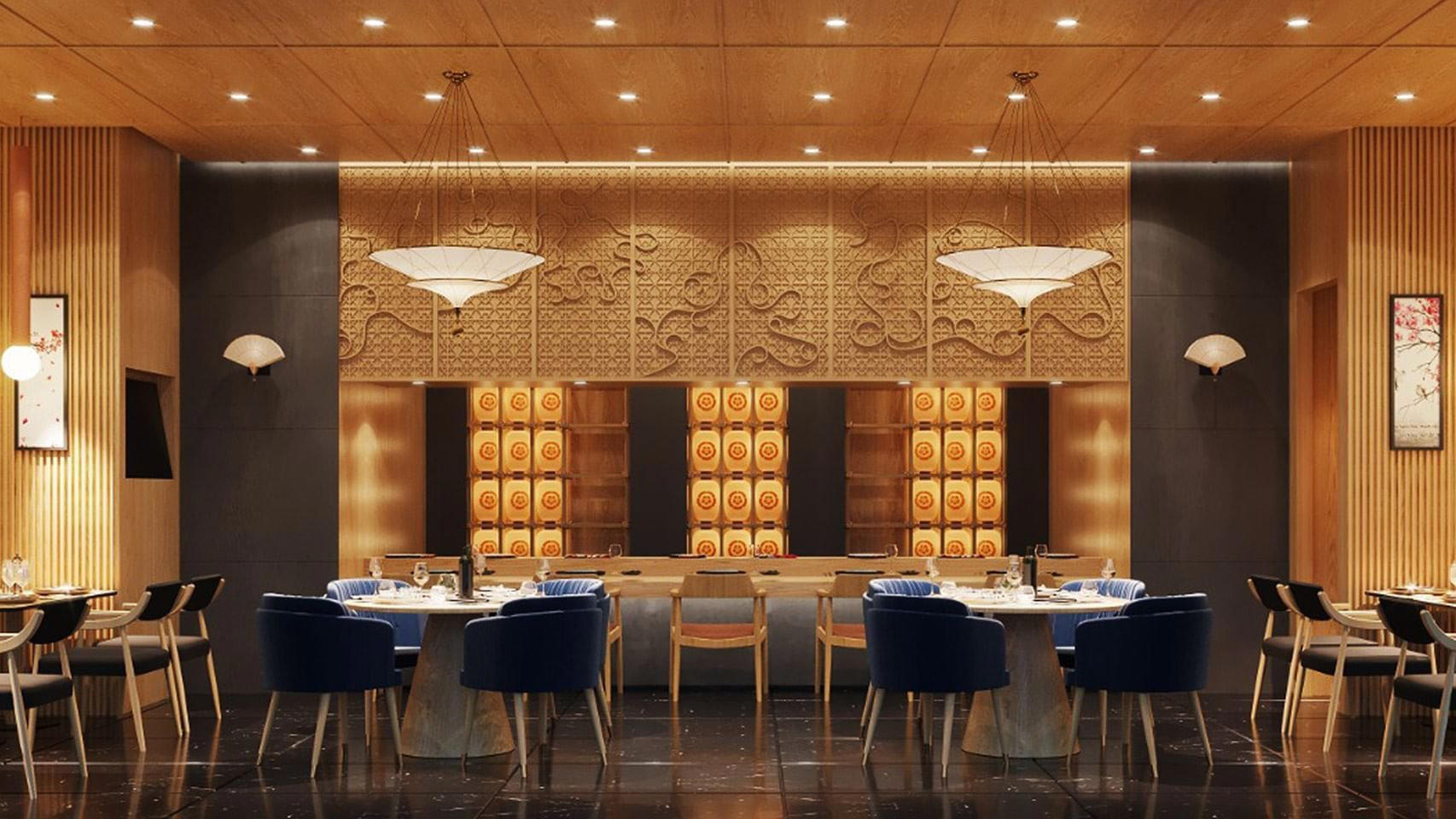
Where Japanese Technique Meets a City Built on Seafood
Beyoğlu has long been Istanbul's most internationally porous neighbourhood. The grand European-era facades along İstiklal, the consulate buildings, the layers of Greek, Armenian, and Levantine culinary history folded into the same streets: this is a district that has absorbed outside influences for well over a century. That context matters when a Japanese-format restaurant appears on İnönü Caddesi in Gümüşsuyu. Sushi, in this part of the world, is not dropping into a culinary vacuum. It is arriving in a city with one of the most serious indigenous seafood cultures in the eastern Mediterranean, where fresh fish has been central to the table for generations. The question worth asking about any Japanese seafood format operating in this city is not simply whether it executes the technique, but where it stands in relation to the ingredient story already running beneath its feet.
Istanbul's fish markets remain among the most active in the region. The Bosphorus corridor and the surrounding Aegean and Black Sea waters produce a seasonal rotation of species that serious Istanbul kitchens have tracked for decades. Lüfer in autumn, palamut through winter, barbunya in spring: local chefs and fishmongers operate on a rhythm tied to water temperature and migration patterns. A sushi format in this city has access to that same supply chain, which separates Istanbul from landlocked European capitals where Japanese restaurants work entirely with air-freighted product. For venues like Kumiko Sushi & More, the proximity to that supply chain is the most significant ingredient credential on offer, regardless of the format on the menu.
The Gümüşsuyu Setting
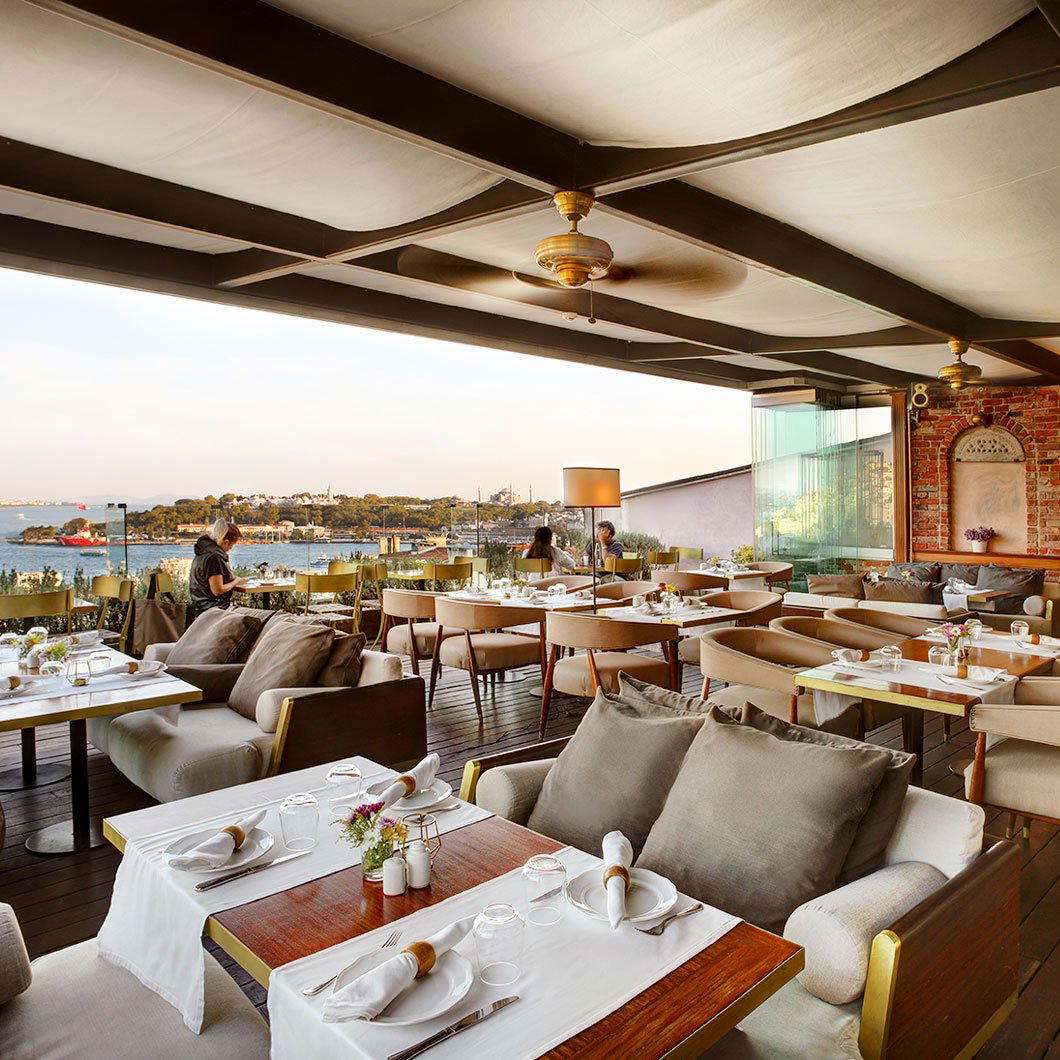
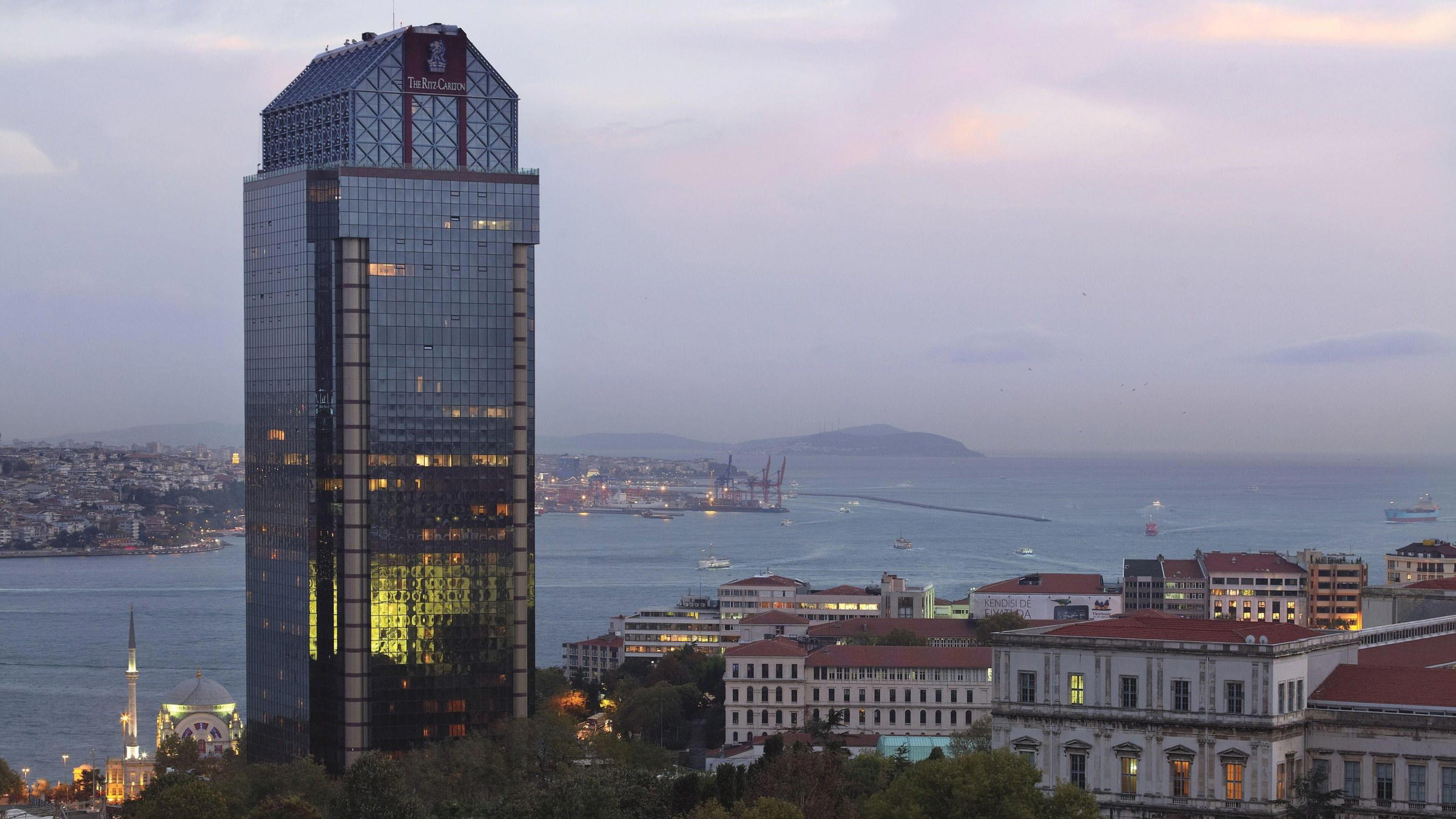
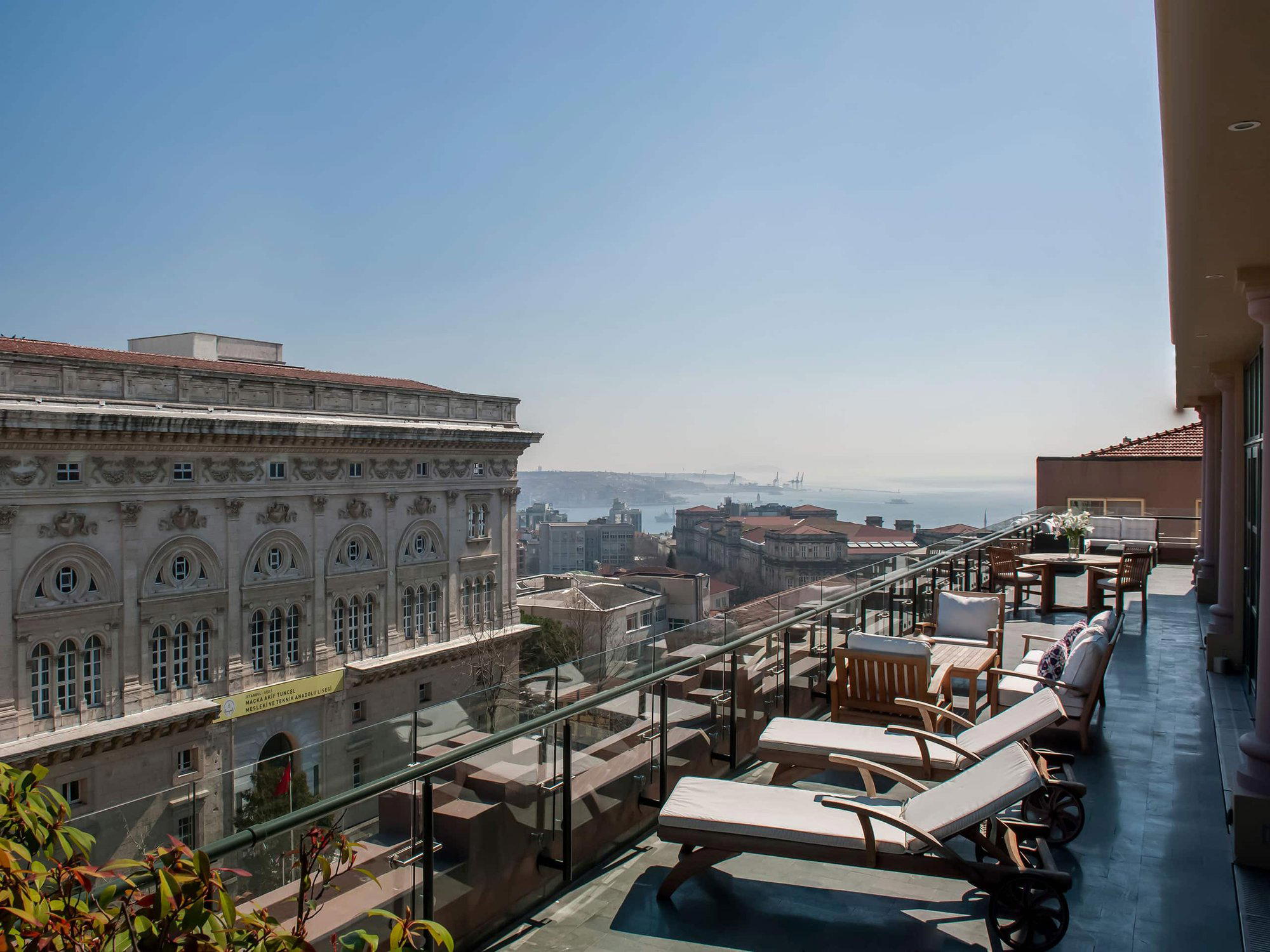
İnönü Caddesi runs down from Taksim toward the Bosphorus, and the Gümüşsuyu section carries a quieter register than the upper end of Beyoğlu's main arteries. It sits between the tourist density of İstiklal and the more residential feel of the neighbourhoods dropping toward Kabataş and the waterfront. Restaurants in this stretch tend to serve a mixed clientele: local professionals, hotel guests from the nearby properties, visitors who have moved beyond the immediate Taksim circuit. That combination tends to produce dining rooms with a different pressure profile than venues positioned purely for tourist volume. The physical approach along İnönü Caddesi rewards the walk: the Bosphorus appears in sightlines as you descend, and the European and Asian shores frame the horizon. The neighbourhood itself functions as a credential for any venue looking to position beyond the obvious.
For those planning a visit, Beyoğlu is well connected by metro from the main Istanbul hubs, and Gümüşsuyu is walkable from Taksim Square in around ten minutes downhill. The neighbourhood's character has shifted over the past decade as several design-conscious restaurants and bars have consolidated there, making it a reasonable anchor point for an evening that moves between venues. Our full Beyoğlu restaurants guide maps the broader dining picture across the district.
Japanese Format in a Turkish Seafood City: The Sourcing Question
The ingredient sourcing angle is the most editorially interesting lens through which to read a sushi venue in Istanbul. Japanese technique at its most considered level is fundamentally about the quality and provenance of raw material: the fat content of the fish, the temperature at which it is handled, the days between catch and counter. Tokyo's leading omakase counters, including the tier occupied by venues that Atomix in New York City references in its own cross-cultural approach to Japanese-adjacent formats, are priced around the scarcity and pedigree of their sourcing as much as the craft of the chef. In Istanbul, the calculus shifts. Local sourcing from the Bosphorus and surrounding waters can be genuinely competitive with imported product, not as a compromise but as a distinct proposition. A lüfer or a sea bass from local waters, handled with Japanese preparation discipline, is a different argument from imported Atlantic salmon treated as a default protein. Whether Kumiko Sushi & More is making that argument explicitly is a question that a visit would answer more precisely than any external assessment.
The broader pattern of international seafood formats in Turkish cities is worth understanding. Istanbul sits in a different competitive bracket from, say, Maçakızı in Bodrum, which has built its reputation on Aegean seafood within a luxury resort register, or Narımor in Izmir, which works closer to local ingredient traditions. In Beyoğlu specifically, the competitive set for a sushi venue includes not just other Japanese-format restaurants but the city's established seafood meyhanes and the upper-tier fish restaurants along the Bosphorus. 360 Istanbul and Cecconi's Istanbul represent the international-format end of Beyoğlu dining, while Beyoğlu Winehouse and Agatha Restaurant anchor different parts of the neighbourhood's dining spectrum. A sushi venue in this context is asking diners to choose Japanese technique over deeply embedded local seafood traditions, which is a meaningful ask in a city where those traditions run as deep as anywhere in the region.
Istanbul's Wider Fine Dining Moment
City's premium dining tier has been consolidating around a set of serious operators over the past several years. Turk Fatih Tutak in Istanbul has brought international attention to the upper end of the local scene. Asitane in Fatih has maintained a long-running argument for Ottoman culinary archaeology as a serious dining framework. These venues, along with a growing number of ingredient-focused restaurants across the city, have raised the baseline expectation for what a serious Istanbul table should deliver in terms of sourcing rigour and kitchen discipline. Any format arriving into this environment, Japanese or otherwise, is being measured against a scene that has sharpened considerably. For comparison, Le Bernardin in New York City has spent decades building the argument that classical European seafood technique can be the foundation of a world-benchmark restaurant; Istanbul's Japanese-format venues are, in their own register, making a version of the same case for a different tradition in a different seafood city.
Beyond the immediate Beyoğlu circuit, Turkey's dining scene offers useful contrast points. Casa Lavanda in Şile works from a localist, coastal-ingredient position northeast of Istanbul. Ciğerci Mahmut in Adana and Adil Müftüoğlu in Balcova represent the depth of regional Turkish culinary traditions that sit in a completely different register from the international-format restaurants of İstanbul. BUZHANE RESTAURANT VE KONUK EVİ in Eyyubiye, Ceres in Bakırköy, and Anarkali Restaurant in Muratpaşa further illustrate how broad and geographically dispersed Turkey's current dining conversation has become, with international formats appearing well beyond the Istanbul centre. Arada Endülüs in Beyoğlu itself shows how non-Turkish culinary traditions have found a durable footing in the neighbourhood.
Planning a Visit
Kumiko Sushi & More sits on İnönü Caddesi in the Gümüşsuyu section of Beyoğlu. Current contact details, hours, and booking method are best confirmed directly on arrival or through local listings, as the venue's operational specifics are not publicly consolidated at the time of writing. The neighbourhood is most easily reached on foot from Taksim, or via the Kabataş funicular and a short uphill walk. An evening visit aligns well with the Bosphorus sightlines available from the İnönü Caddesi descent. For visitors building a Beyoğlu dining itinerary across multiple sittings, the stretch between Taksim and Kabataş rewards walking rather than transport.
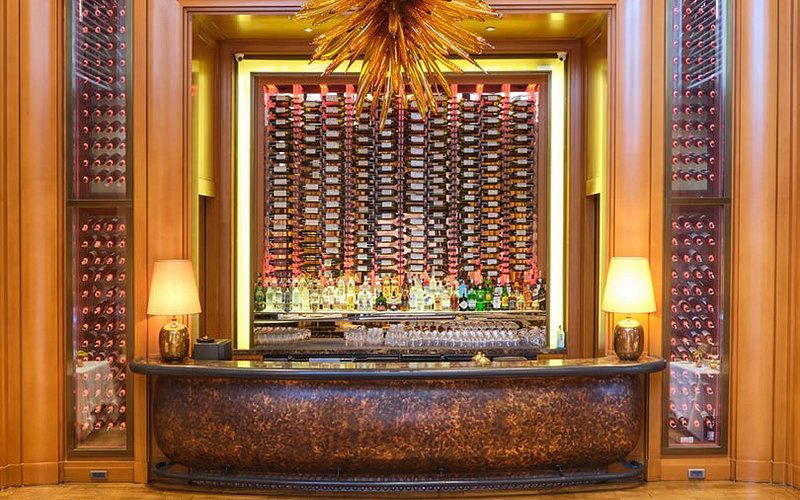
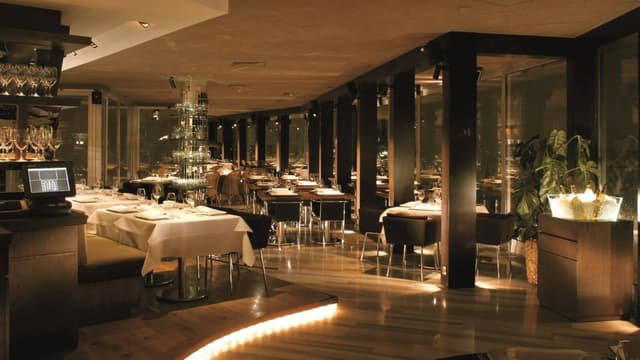
At a Glance
- Modern
- Elegant
- Sophisticated
- Date Night
- Hotel Restaurant
- Sake Program
Current opening hours
- Monday
- 12–11 PM
- Tuesday
- 12–11 PM
- Wednesday
- 12–11 PM
- Thursday
- 12–11 PM
- Friday
- 12–11 PM
- Saturday
- 12–11 PM
- Sunday
- 12–11 PM
Hours can change for holidays and private events. Last verified .
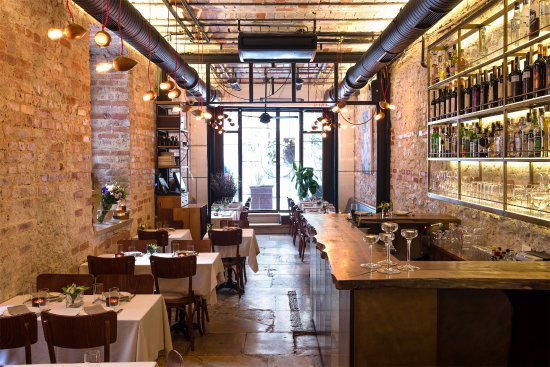
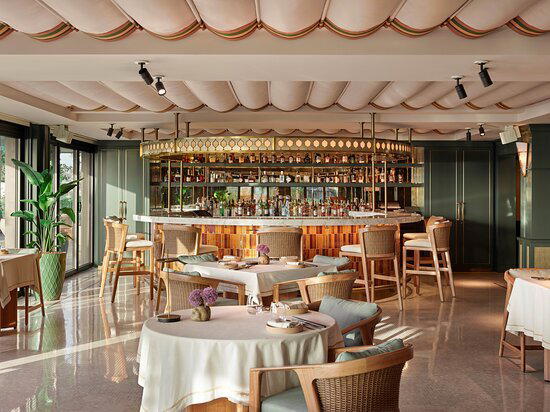
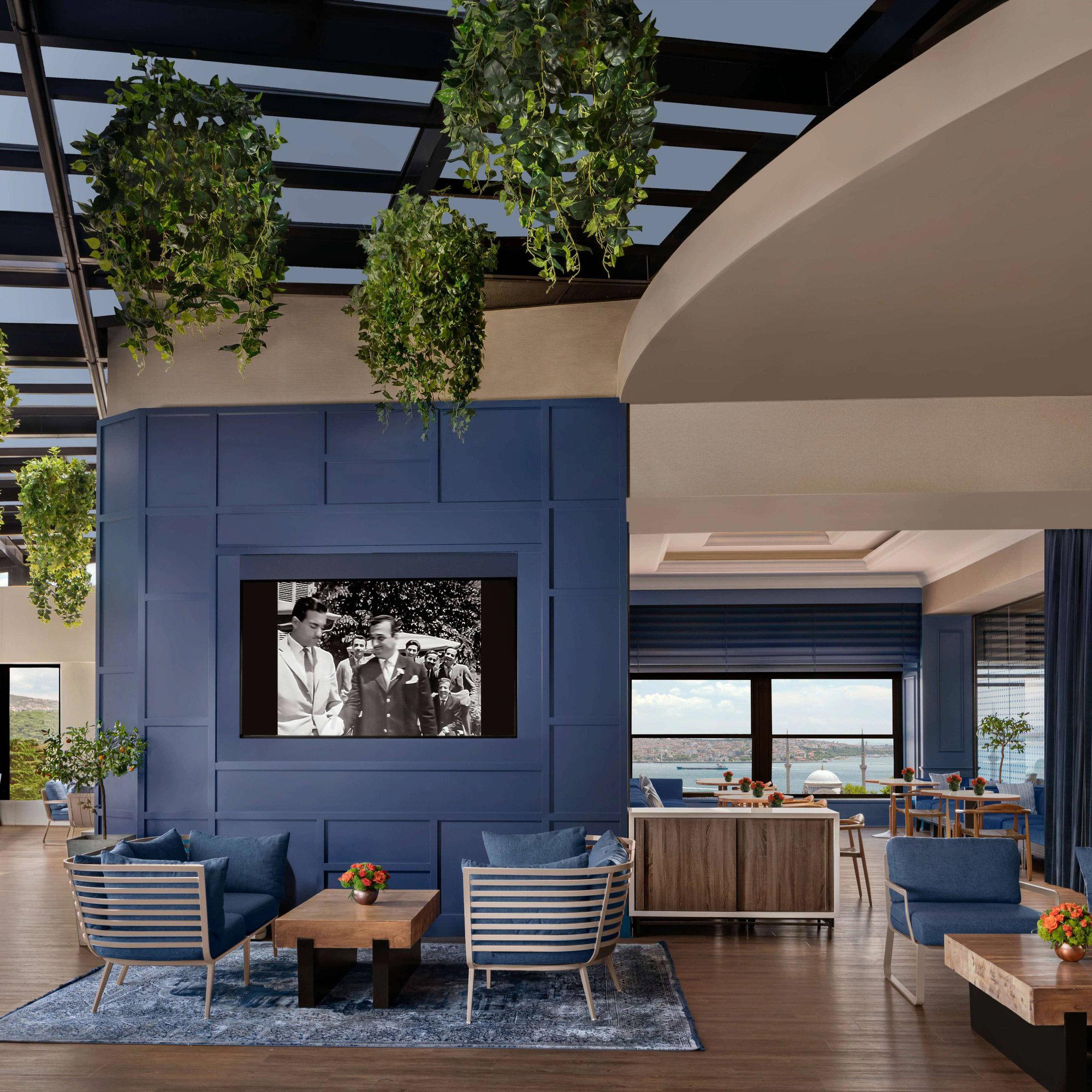
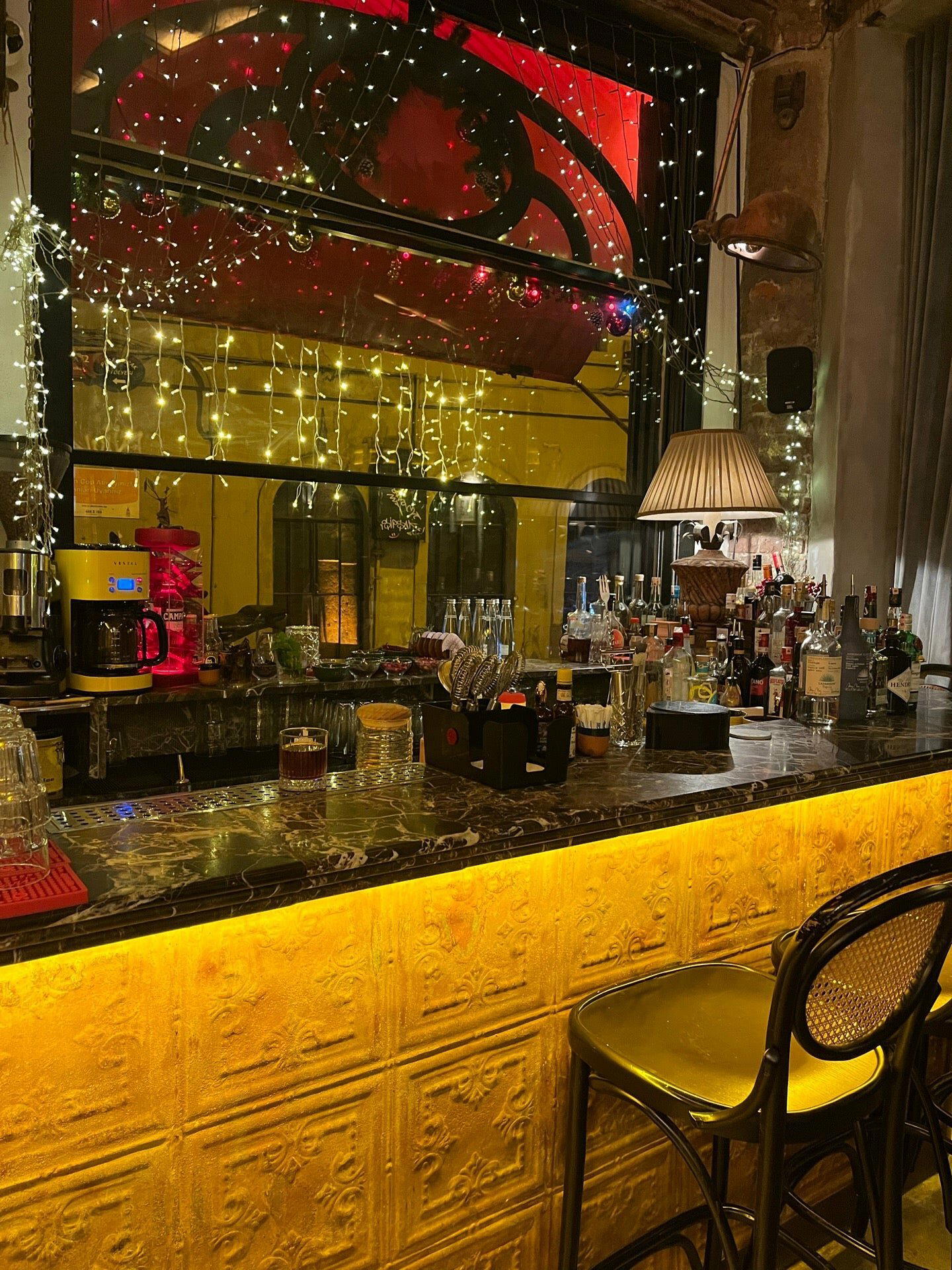
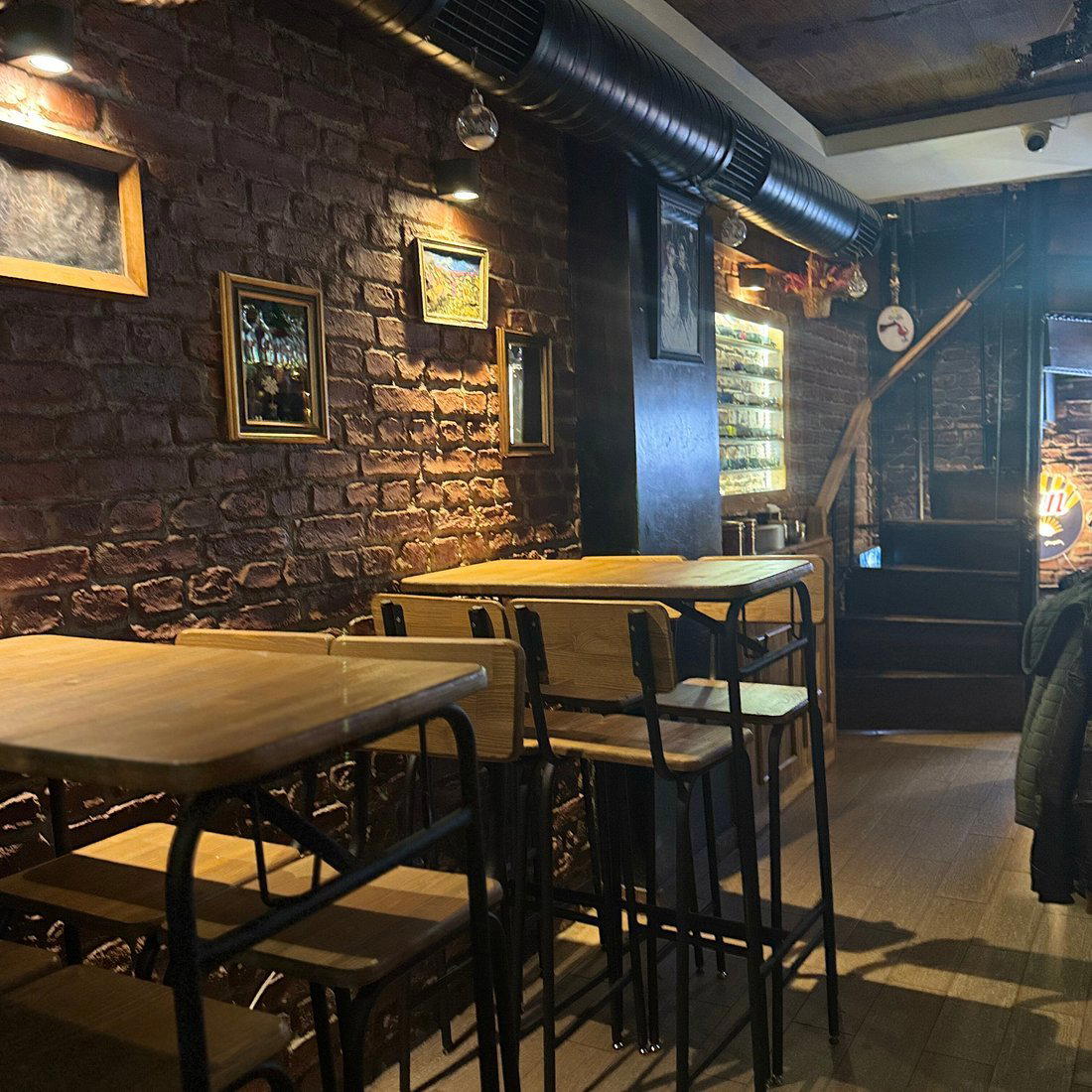
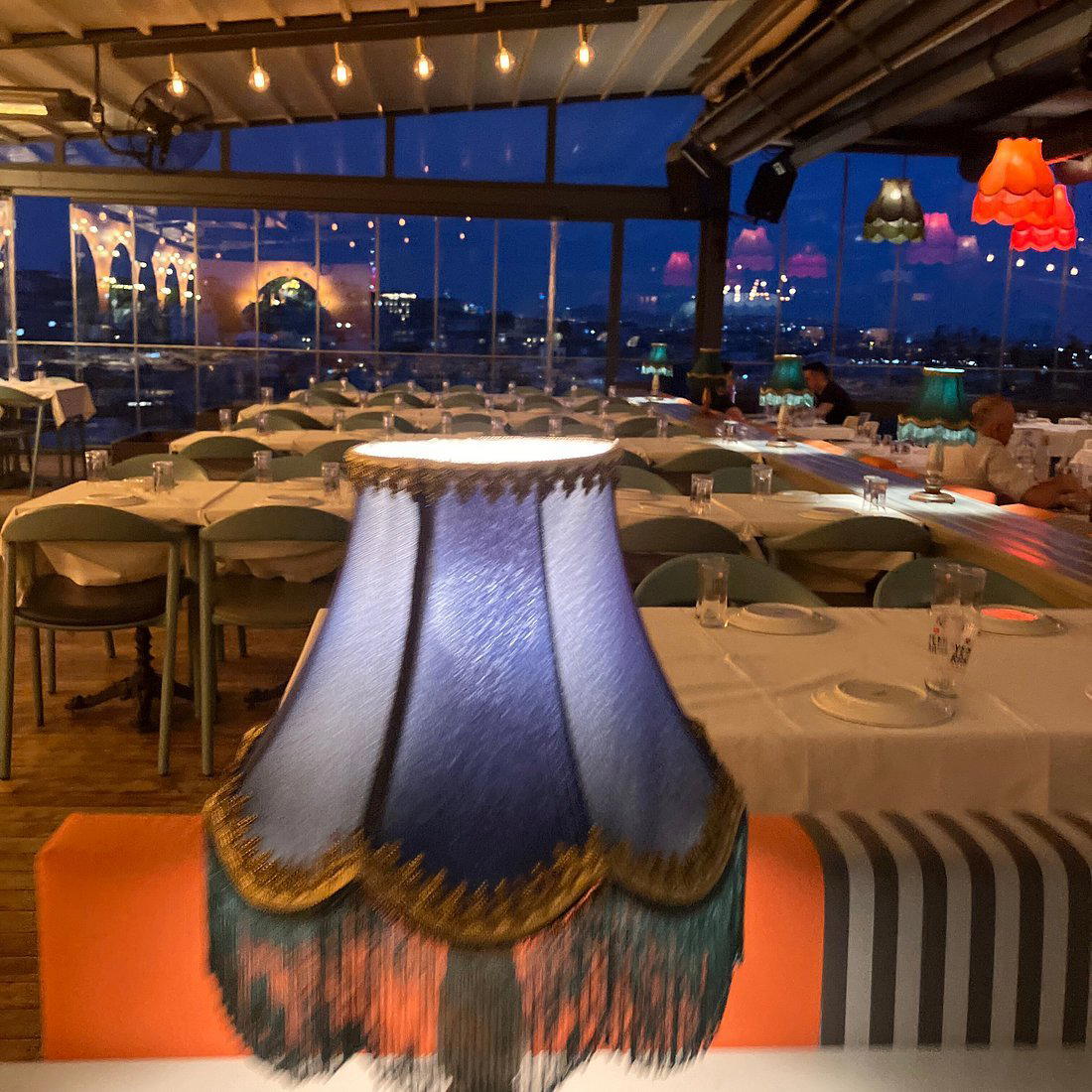
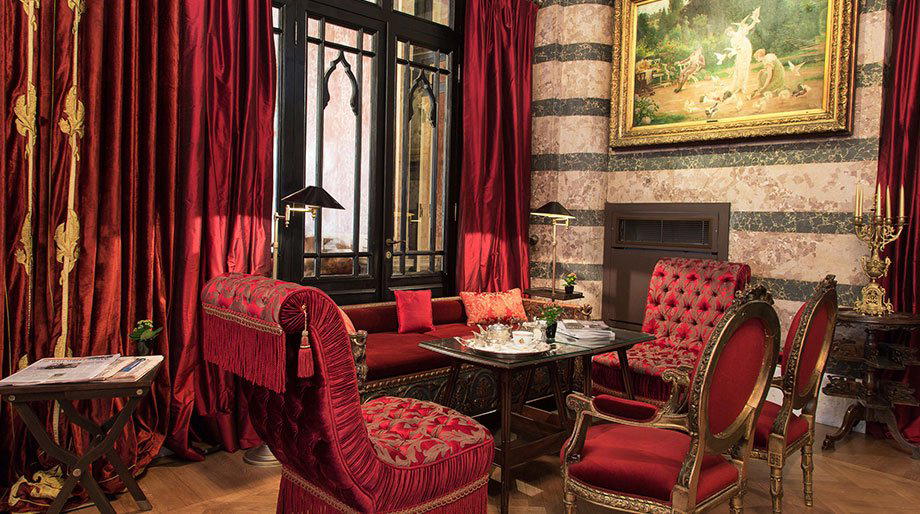
Sophisticated atmosphere with table service suitable for lunch and dinner.
Know Before You Go
- Getting there
- Gümüşsuyu, İnönü Cd. No