Refik is a long-standing meyhane on Sofyalı Sokak in Asmalı Mescit, the narrow lane that has anchored Beyoğlu's rakı-and-meze tradition for generations. The menu follows the seasonal, communal logic of Ottoman tavern culture: cold mezes arrive first, hot dishes follow, and the evening unfolds at its own pace. For visitors wanting to understand how Istanbul actually eats, rather than how it performs for tourists, Refik remains a reference point.
Pearl is the En Primeur Club membership app — saves, bookings, and concierge access live there. Same editors, same standards.
- Address
- Asmalı Mescit, Sofyalı Sk. No
- Phone
- +902122432834
- Website
- refikrestaurant.com
- Directions
- Get directions
 Saves & bookings on Pearl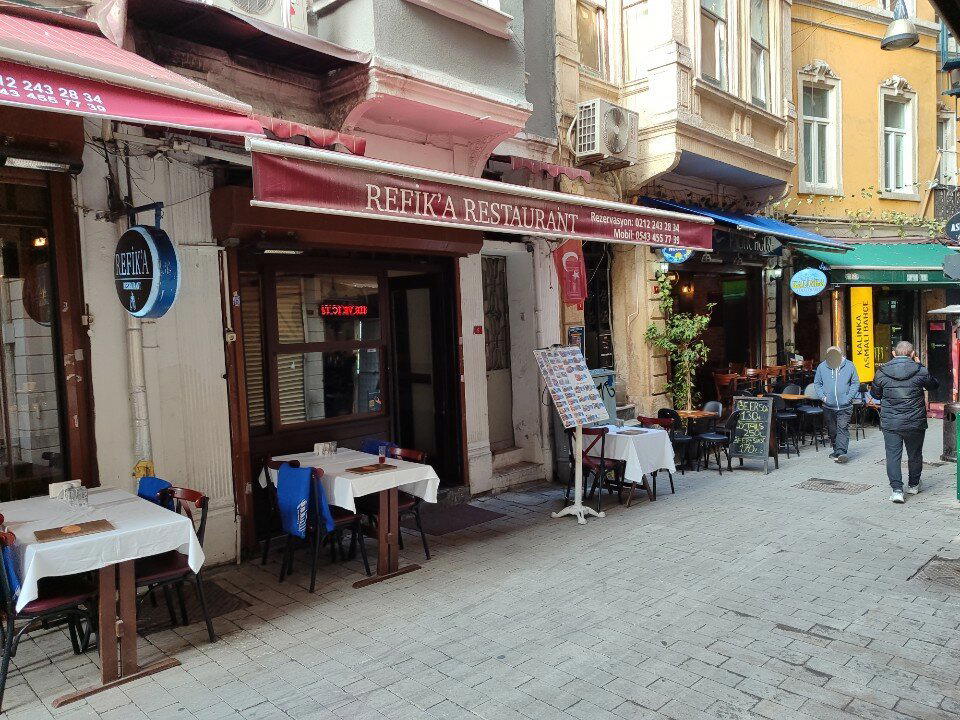
A Street That Defines a Tradition
Sofyalı Sokak, the cobbled lane running through the Asmalı Mescit quarter of Beyoğlu, is one of the more instructive addresses in Istanbul dining. It is not a restaurant row in the modern sense, with competitive signage and tasting menus. It is a meyhane street, and its logic is older and more durable: communal tables, shared cold plates, a bottle of rakı, and an evening that resists being scheduled. Refik sits on this street as a working example of that format, not as a preservation exercise but as a place that has simply continued doing what the neighbourhood has always done.
The meyhane tradition that defines Sofyalı Sokak belongs to a broader Istanbul pattern that predates the Republic. These taverns absorbed the Ottoman practice of long, wine-and-meze evenings, filtered it through the city's Greek, Armenian, Jewish, and Anatolian communities, and arrived at something that functions as much as social institution as meal. The format is specifically resistant to the conventions of fine dining: there is no tasting menu, no prescribed progression, no single chef's vision imposed from a pass. Instead, the table negotiates, plates accumulate, and the evening finds its own shape. Understanding Refik means understanding this format first.
How the Menu Is Built
The menu architecture at a meyhane like Refik follows a grammar that is consistent across the tradition and worth mapping before you arrive. Cold mezes come first and function as the core of the meal, not as an appetiser tier to be moved through quickly. Expect a wide selection: marinated vegetables, herb-heavy preparations, dairy-based spreads, and seafood dishes that vary with the season and the catch. These are ordered in rounds rather than planned as a fixed list, and the table's appetite governs how many arrive.
Hot dishes form a secondary layer, typically ordered mid-evening as the cold mezes thin out. Grilled fish, pan-cooked offal, and meat preparations sit in this tier, again shaped by what is available rather than by a permanent printed menu. The distinction between cold and hot courses is not decorative; it reflects the timing of the rakı service and the way alcohol and food are paced together across a long table session. Ordering one large hot dish and treating the cold mezes as peripheral would be to misread the structure entirely.
The drink programme follows the same logic. Rakı, the anise-based spirit that defines the meyhane table, is served with water and ice on the side, cut at the table to preference. It is not background to the food; it is part of the architecture, calibrated to move alongside the meze progression. Venues in this tradition, including Refik, are not wine-list operations in the contemporary sense. The drink and the format are inseparable.
This menu structure places Refik in a specific competitive set. It is not in conversation with Istanbul's tasting-menu addresses, such as Turk Fatih Tutak, which operates at the opposite pole of the city's dining spectrum with a highly authored seasonal format. It is also distinct from the Ottoman-revival research model practised by Asitane in Fatih, which reconstructs historical recipes from archival sources. Refik's frame of reference is the living meyhane tradition, not its documentation or reinvention.
The Asmalı Mescit Context
Asmalı Mescit as a quarter sits between the tourist-heavy axis of İstiklal Caddesi and the more local-facing streets of Cihangir, and it draws from both without fully belonging to either. The concentration of meyhanes along Sofyalı Sokak means that the street functions as a corridor of comparison: tables spill out in warmer months, the sound of different conversations overlaps, and the visitor can read the relative character of each address by watching who is sitting where and for how long.
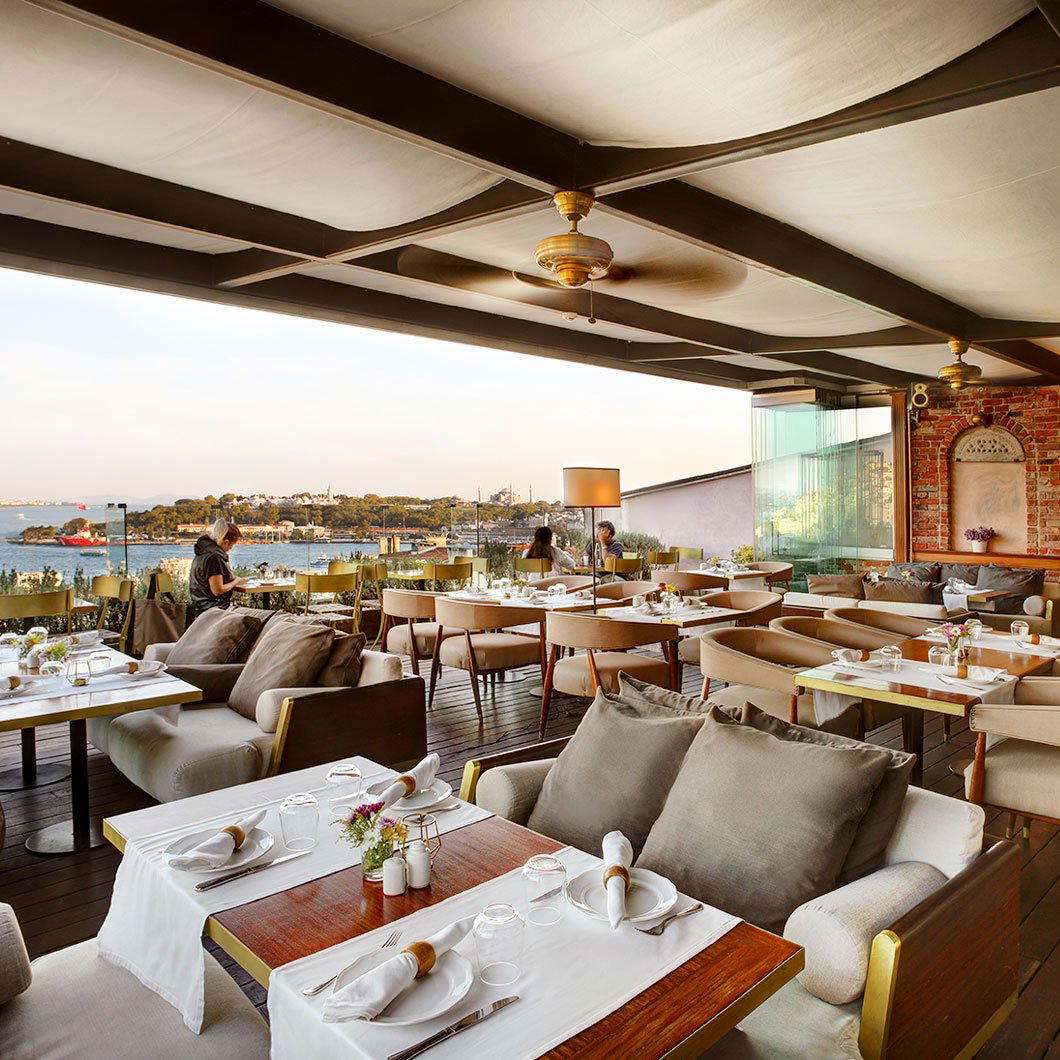
Beyoğlu's restaurant geography at the higher end has diversified considerably. 360 Istanbul operates in the rooftop-view register, while Cecconi's Istanbul brings an international Italian format to the neighbourhood's upper tier. Agatha Restaurant and Arada Endülüs serve different registers of the local dining mix. Against this range, the meyhane format that Refik represents is the one with the longest unbroken lineage, and Sofyalı Sokak is where that lineage is most concentrated in Beyoğlu. Wine-focused visitors may find the Beyoglu Winehouse a complementary stop in the same quarter.
For readers building a broader picture of Turkish dining across cities and formats, the meyhane sits at one end of a long spectrum. Regional specificity elsewhere runs from the lahmacun focus of Kısmet Etliekmek ve Lahmacun Salonu in Karaman to the coastal fish-and-produce approach of Narımor in Izmir and the Aegean producer-led model of Hiç Lokanta in Urla. The meyhane format is specifically urban, specifically Istanbul, and specifically social in a way those formats are not. For a broader map of Beyoğlu eating and drinking, the full Beyoğlu restaurants guide covers the range in detail.
Planning the Visit
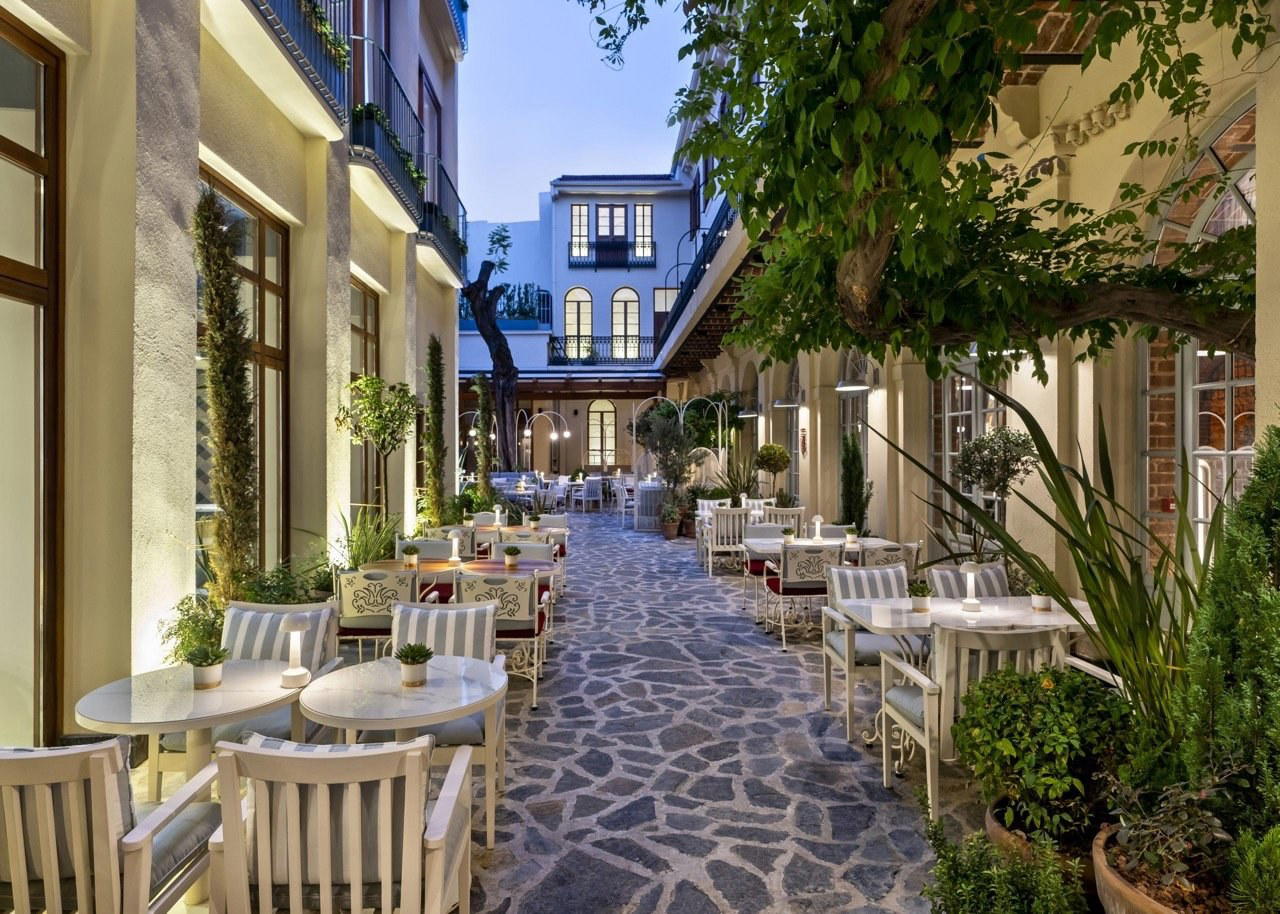
Meyhane evenings at established Sofyalı Sokak addresses tend to fill early on weekends, particularly in the spring and autumn months when outdoor seating becomes viable. Arriving without a reservation on a Friday or Saturday is a reasonable gamble for early evening but becomes less reliable as the night advances. The format rewards staying longer rather than turning tables: a session of two hours or less will miss the pacing that makes the meze-and-rakı structure function. Budget for the evening rather than the meal, and treat the cold meze selection as the main event rather than a prologue.
Sofyalı Sokak is walkable from the main İstiklal Caddesi axis in a few minutes, and the quarter is compact enough that the street itself is easy to find on foot from Tünel or Galatasaray. The address given in public records places Refik on Sofyalı Sokak within the Asmalı Mescit neighbourhood of Beyoğlu.
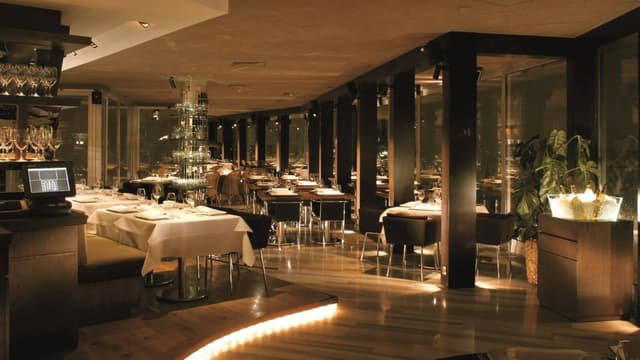
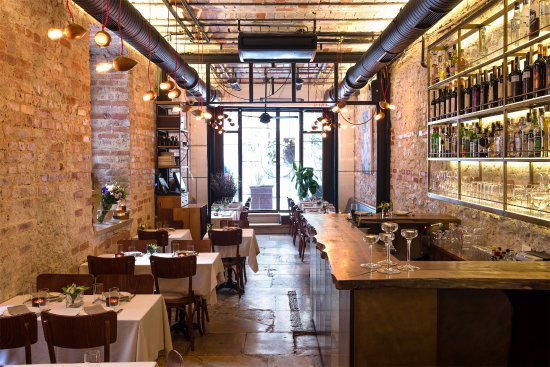
How Refik Beyoglu compares with similar nearby venues.
| Venue | Cuisine | Price |
|---|---|---|
| Mikla | Modern Turkish, Mediterranean Cuisine | ₺₺₺₺ |
| Asmali Cavit | Turkish | Not listed |
At a Glance
- Classic
- Cozy
- Casual Hangout
- Date Night
Current opening hours
- Monday
- 11 AM–2 AM
- Tuesday
- 11 AM–2 AM
- Wednesday
- 11 AM–2 AM
- Thursday
- 11 AM–2 AM
- Friday
- 11 AM–2 AM
- Saturday
- 11 AM–2 AM
- Sunday
- 11 AM–2 AM
Hours can change for holidays and private events. Last verified .
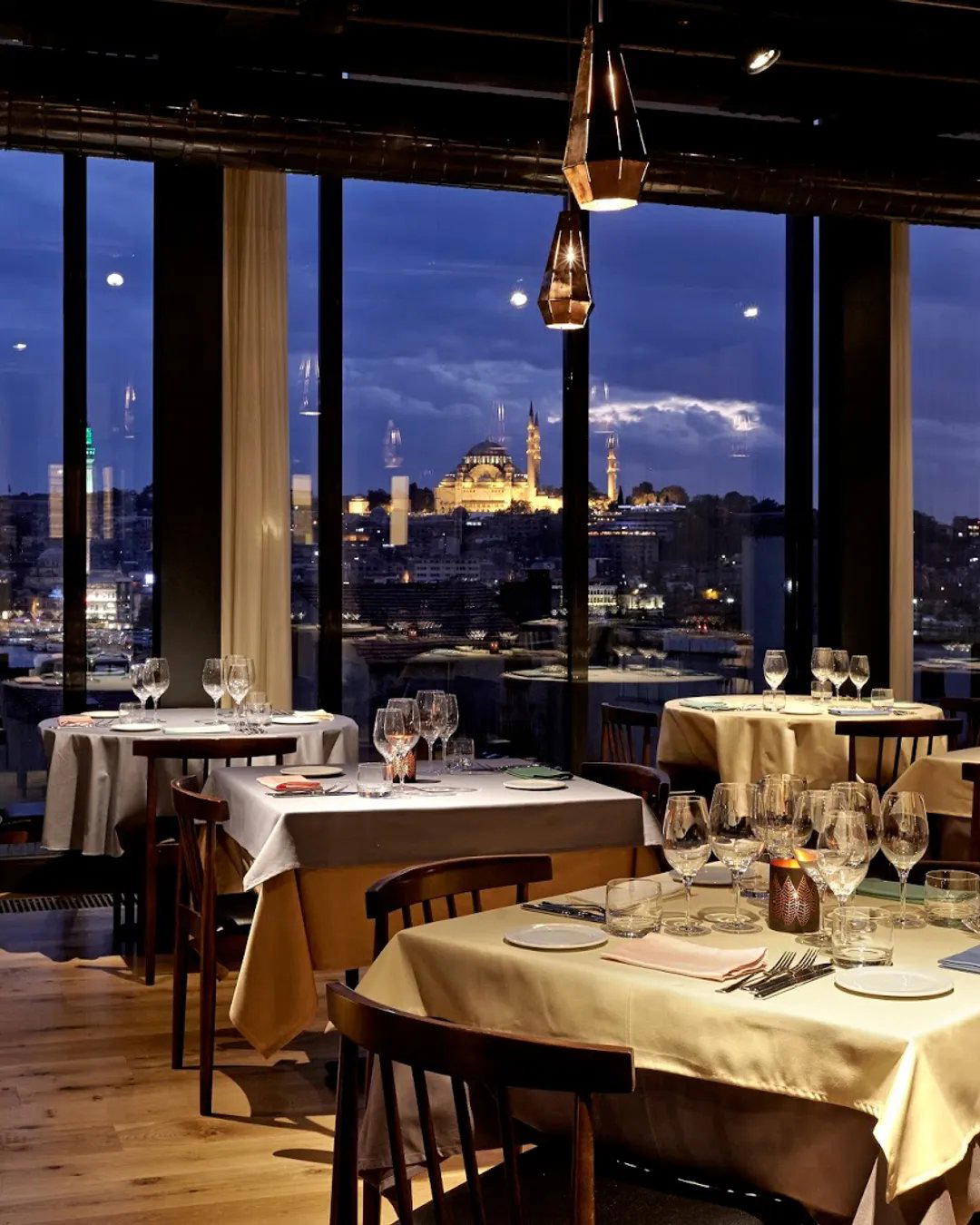
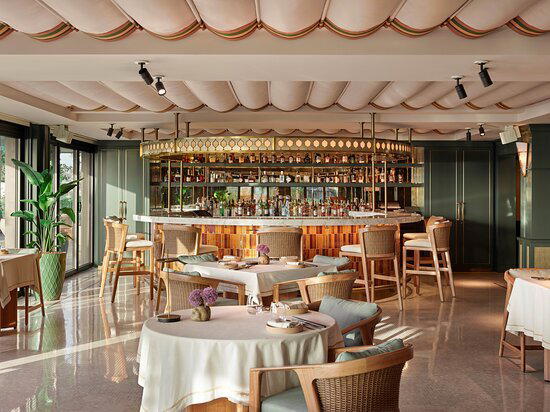
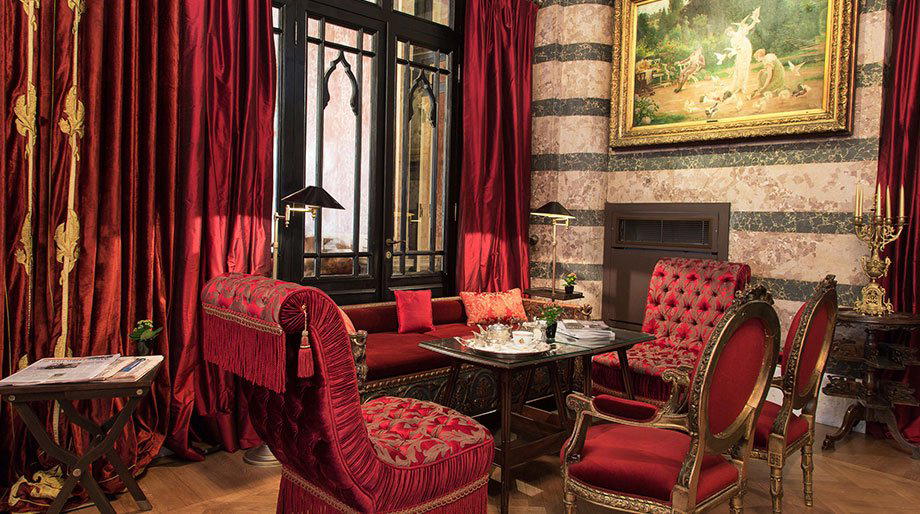
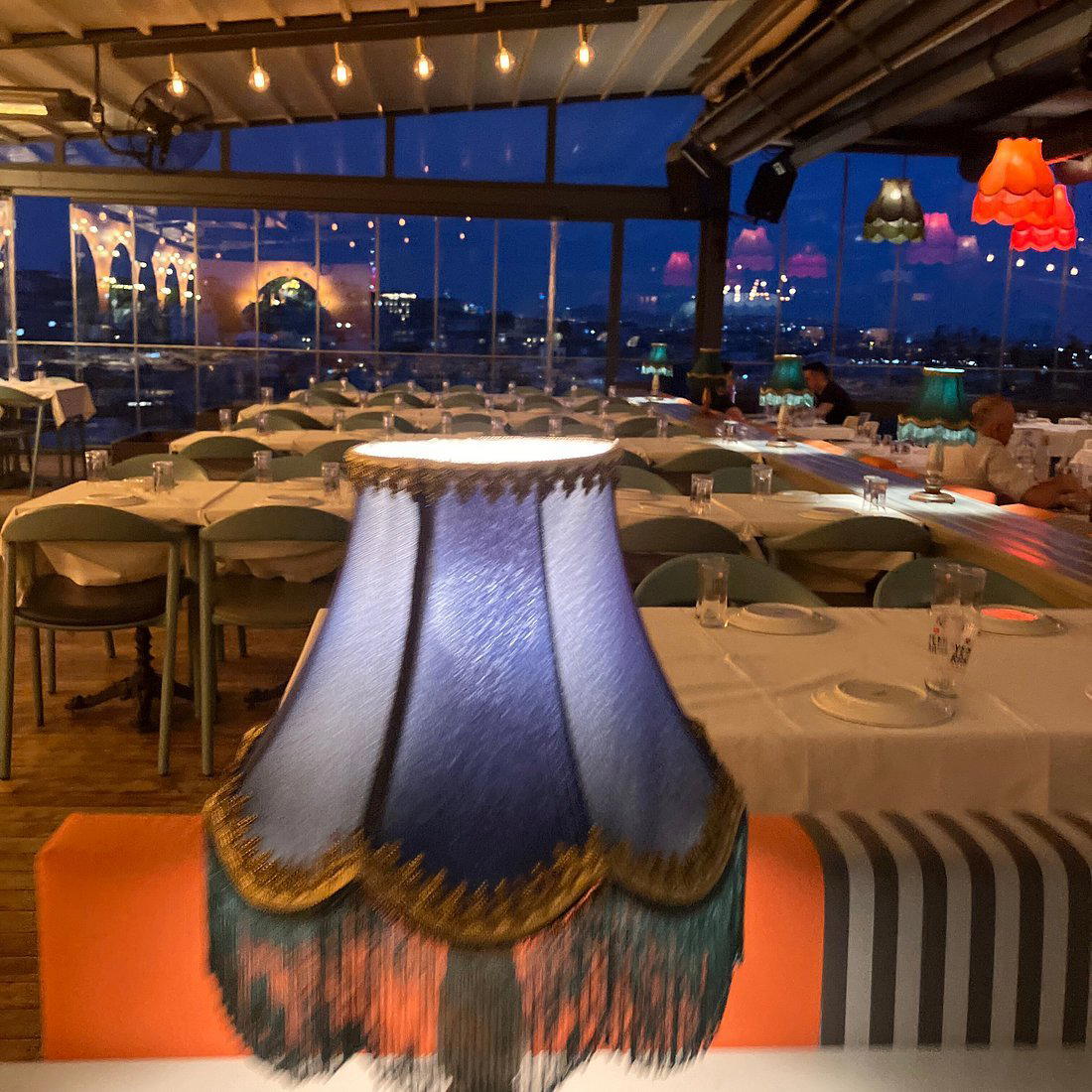
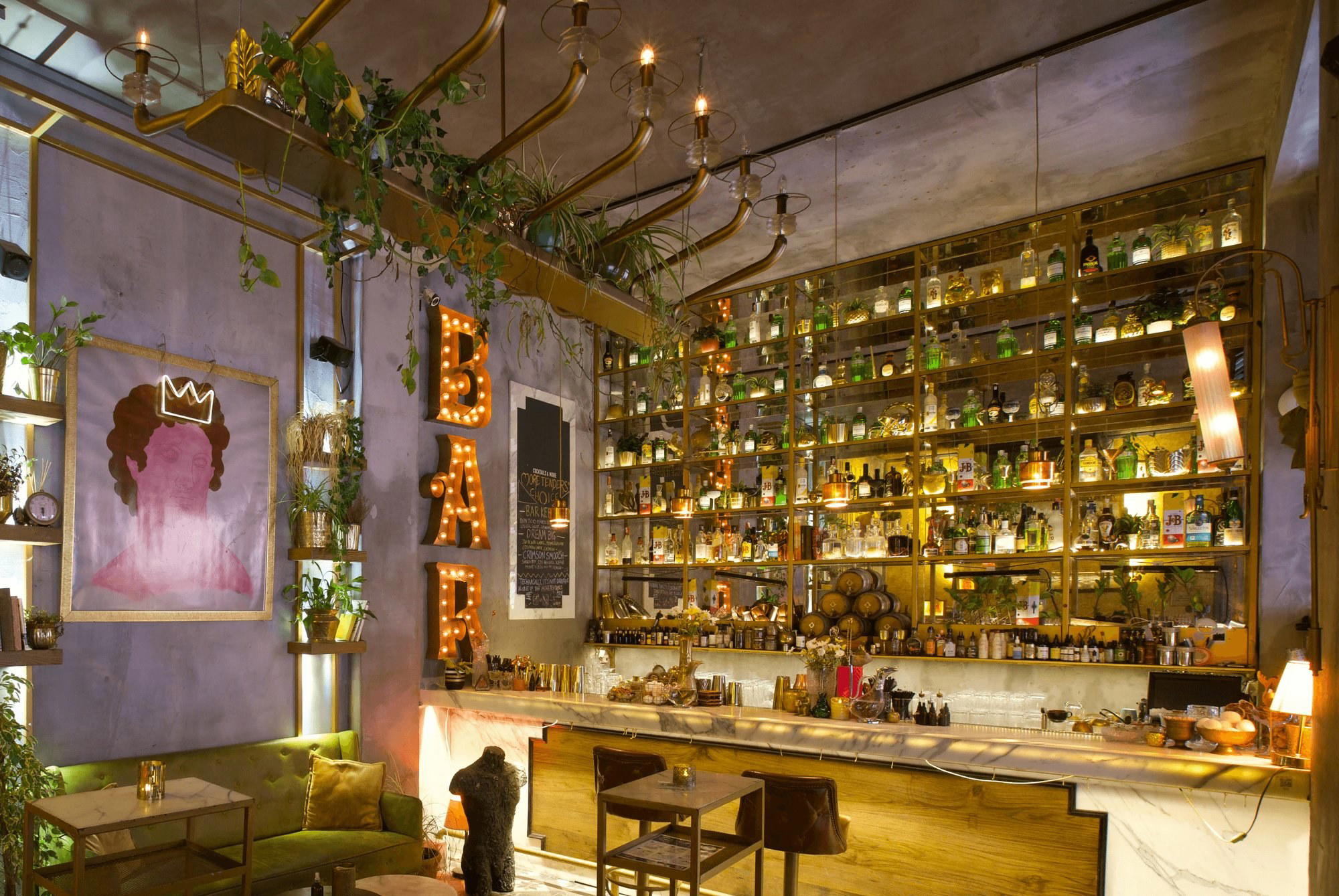
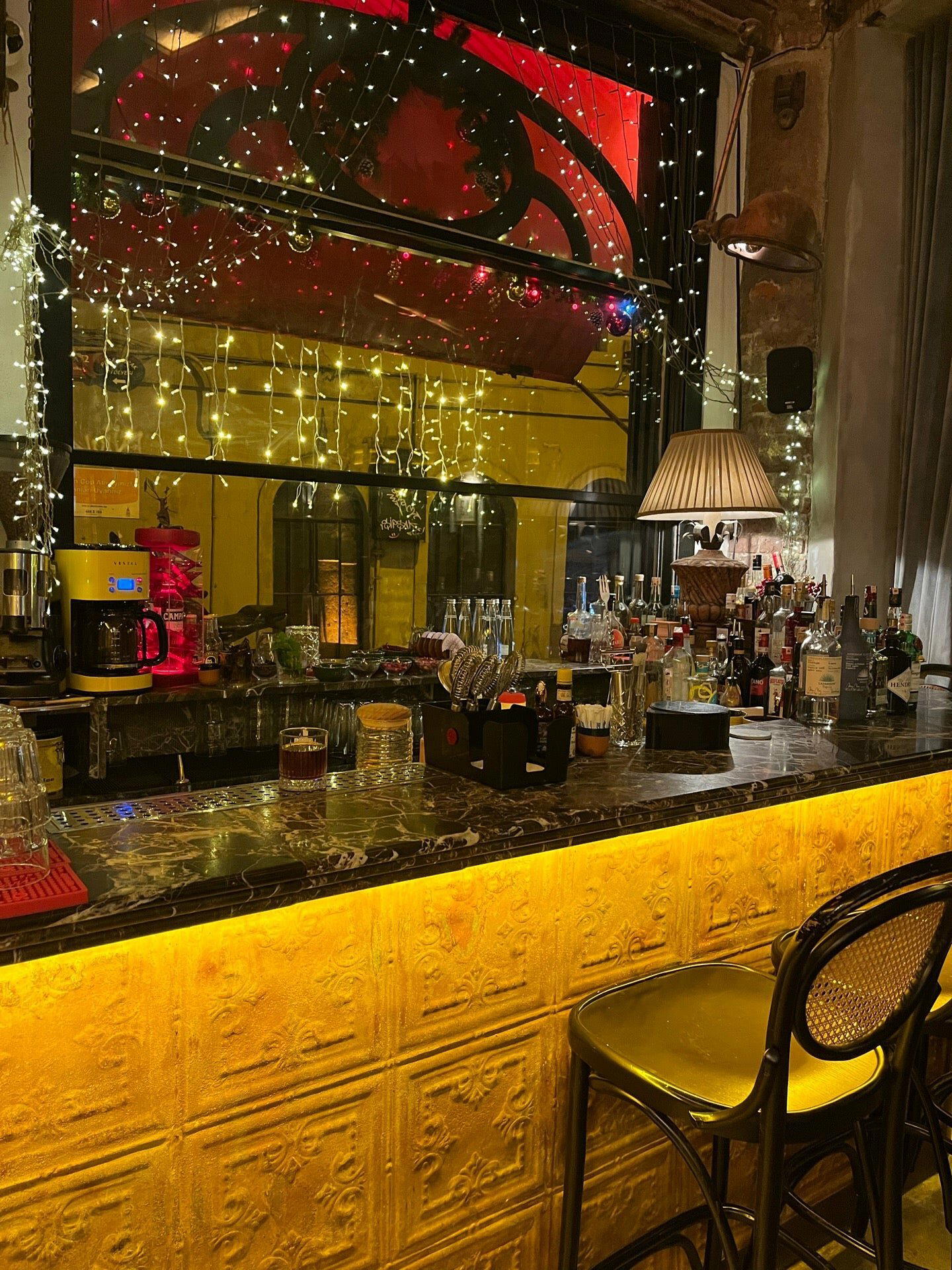
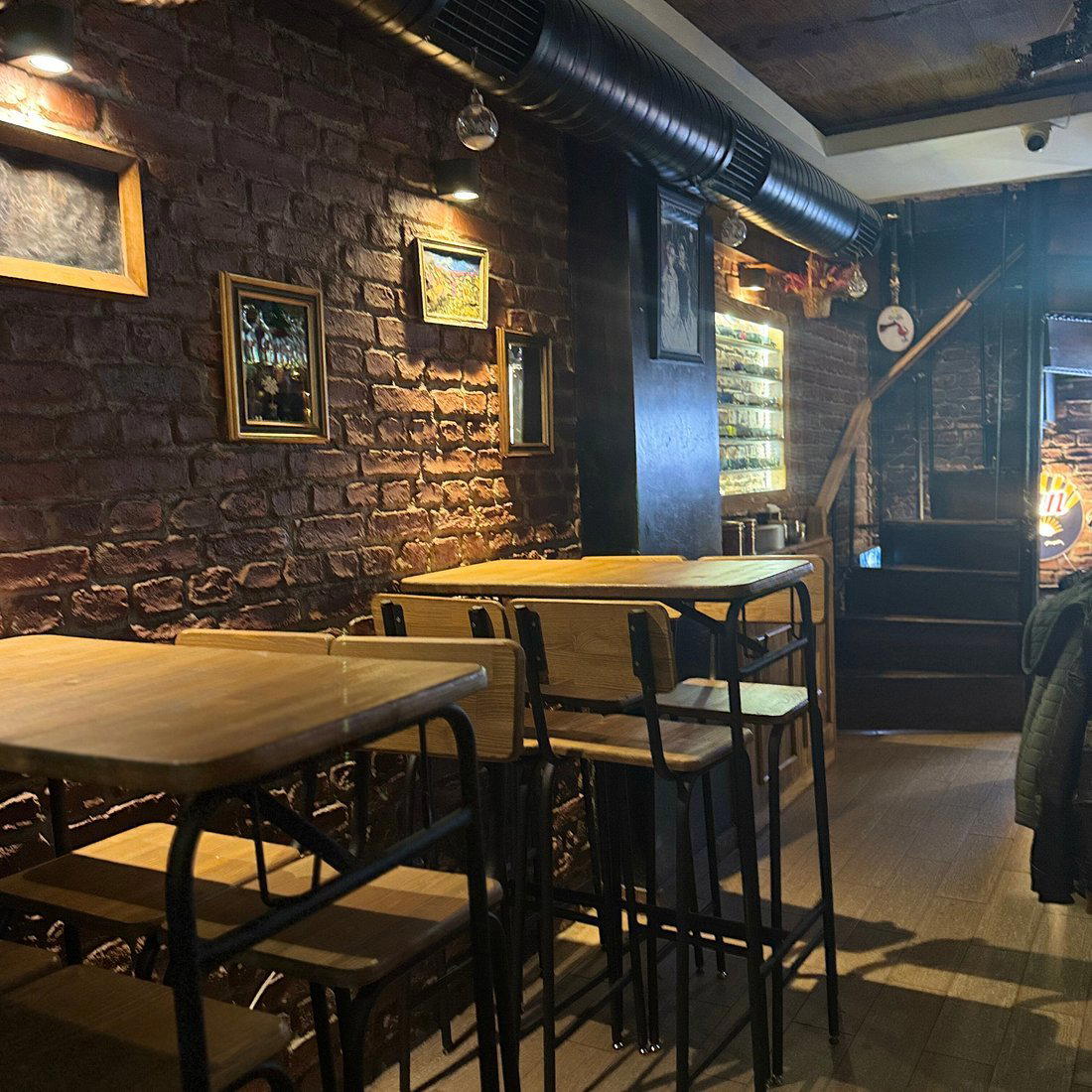
Cozy traditional setting with outdoor seating for warm evenings.
Know Before You Go
- Getting there
- Asmalı Mescit, Sofyalı Sk. No