On Meşrutiyet Caddesi in Beyoğlu, Agatha Restaurant sits within one of Istanbul's most historically layered dining corridors, where late-Ottoman architecture and a post-Pera cosmopolitan energy set the terms for how food is received. The kitchen draws on Anatolian sourcing traditions that run deeper than most addresses in the neighbourhood, making it a reference point for ingredient-led cooking in a district that has lately shifted toward concept-heavy formats.
Pearl is the En Primeur Club membership app — saves, bookings, and concierge access live there. Same editors, same standards.
- Address
- Meşrutiyet Caddesi No
- Phone
- +902123774000
- Website
- perapalace.com
- Directions
- Get directions
 Saves & bookings on Pearl
Meşrutiyet Caddesi and the Sourcing Question
Beyoğlu's dining identity has always been contested. The district that once housed the European embassies, the Grande Rue de Péra, and some of the city's earliest hotel dining rooms now functions as a layered argument between international formats and something more specifically Turkish. On one side sit the high-design destinations, 360 Istanbul with its rooftop positioning, Cecconi's Istanbul bringing a recognisable European brand framework to the neighbourhood. On the other side, a smaller cohort of kitchens that treat Anatolian sourcing not as a theme but as a structural commitment. Agatha Restaurant is a French, Italian, and Turkish fine dining restaurant in Beyoğlu, Istanbul, on Meşrutiyet Caddesi. Agatha Restaurant, on Meşrutiyet Caddesi, belongs to the latter group.
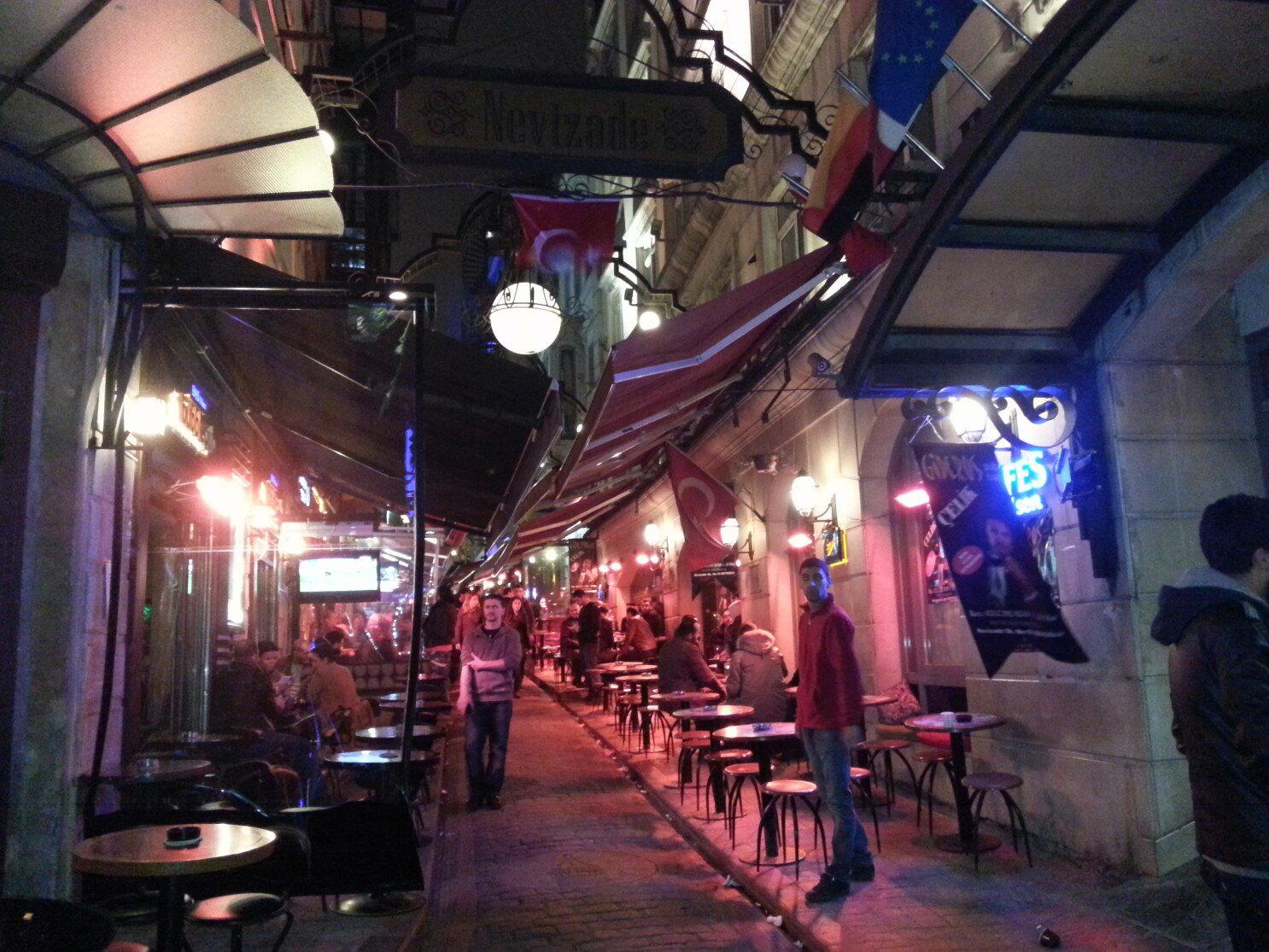
Meşrutiyet Caddesi itself runs parallel to İstiklal, carrying less foot traffic but a denser concentration of addresses with genuine culinary intent. The street's architecture, late-Ottoman apartment blocks with iron balconies, the occasional Art Nouveau facade, gives arrivals a sense of entering a district that formed before the tourism infrastructure caught up with it. That context matters for a restaurant whose logic depends on the guest arriving with some patience for what the kitchen is actually doing.
What Ingredient-Led Cooking Means in This City
Istanbul's position as a sourcing city is rarely fully articulated in the restaurants that benefit from it. The Bosphorus fishing tradition, the Aegean produce network, the Anatolian grain and legume belts, the Black Sea dairy corridor, these are supply chains that predate the contemporary farm-to-table framing by centuries. The restaurants that take full advantage of this geography tend to work in a specific way: they let the sourcing calendar drive the menu rather than the reverse, and they resist the temptation to impose a European fine-dining grammar onto ingredients that have their own preparation logic.
Agatha's address on Meşrutiyet Caddesi places it in a neighbourhood where that tension is visible in real time. Compare it to Arada Endülüs, which takes a different route by leaning into Andalusian reference points, or Dubb Indian and Chinese Restaurant, which imports its sourcing logic wholesale. The addresses that hold their ground longest in Beyoğlu tend to be those with a clear position on where the food comes from, and an ability to communicate that position without over-explaining it.
The Anatolian Supply Chain as Editorial Position
Turkey's restaurant scene has been working through a recalibration that mirrors what happened in Copenhagen in the early 2010s and in Mexico City somewhat later: a generation of kitchens deciding that the imported fine-dining template was less interesting than the ingredient reality immediately available. Turk Fatih Tutak in Istanbul is the highest-profile version of this shift, holding Michelin recognition while working explicitly with Anatolian sourcing frameworks. But the argument plays out across a wider range of formats and price points.
Outside Istanbul, the same logic appears in different registers. Maçakızı in Bodrum grounds its kitchen in Aegean coastal produce. Narımor in Izmir works within Aegean herb and vegetable traditions. Nahita Cappadocia in Nevsehir and Aravan Evi in Ürgüp draw on Central Anatolian grain and fermentation cultures that rarely appear in Istanbul's restaurants at all. Mezegi in Fethiye and Agora Pansiyon in Milas represent the southwestern Aegean end of the same continuum.
What this national picture establishes is that ingredient-sourcing in Turkish restaurants is not a single approach but a set of regional commitments, each with its own seasonal logic. A Beyoğlu restaurant that takes sourcing seriously is implicitly choosing which part of that national network to privilege, and that choice shapes everything about the cooking.
Beyoğlu's Drinking Culture as Context
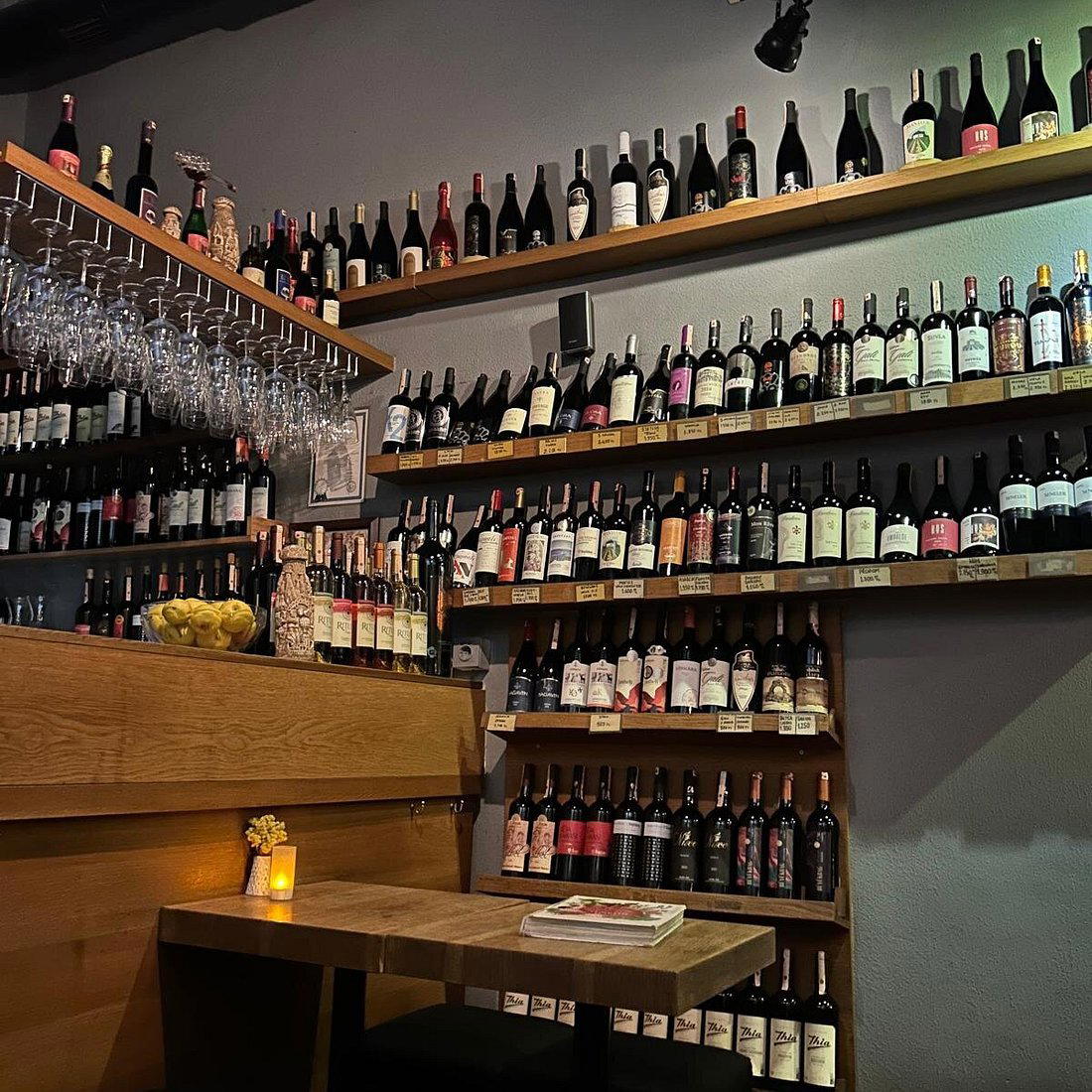
Agatha's position on Meşrutiyet Caddesi also situates it within Beyoğlu's wine and spirits culture, which has matured considerably over the past decade. Beyoğlu Winehouse is the neighbourhood's most explicit expression of this, a format built around Turkish wine as the primary editorial proposition. The broader context is that Anatolian varieties, Öküzgözü and Boğazkere from the east, Emir from Cappadocia, increasingly appear on lists in Beyoğlu that once defaulted to French and Italian labels. A kitchen oriented toward local sourcing has natural alignment with this shift, since the provenance logic applies equally to what arrives in the glass.
This pairing culture has international analogues. The discipline of matching regional wine to regional food is what separates a menu with a wine list from a menu with a wine program. It is the difference, roughly, between what Le Bernardin in New York City does at the formal end of the spectrum and what Lazy Bear in San Francisco does in a more convivial format, both treat the beverage side as an extension of the kitchen's sourcing argument, not an afterthought.
Street-Level Particulars
The practicalities of visiting Agatha on Meşrutiyet Caddesi follow the general logic of Beyoğlu dining. Booking ahead is advisable, particularly for weekend evenings. Dietary requirements are worth communicating at the time of booking rather than on arrival.
A Quick Peer Check
Comparable venues nearby, for context on price, style, and recognition.
| Venue | Cuisine | Price | Notes |
|---|---|---|---|
| Agatha RestaurantThis venue — the venue you are viewing | French, Italian, and Turkish Fine Dining | $$$ | Not listed |
| 360 Istanbul | Modern Turkish Fusion | $$$ | Beyoglu |
| F&B Culture | Turkish Grill & Kebab | $$$ | Beyoğlu |
| Mitte | Alternative Asian Fusion | $$ | Karakoy |
| Refik | Traditional Turkish Mezes | $$$ | Beyoglu |
| Le Fumoir | Classic French Rooftop Bistro | $$$ | Beyoglu |
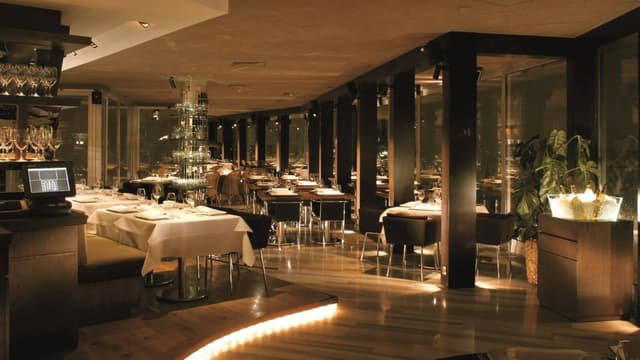
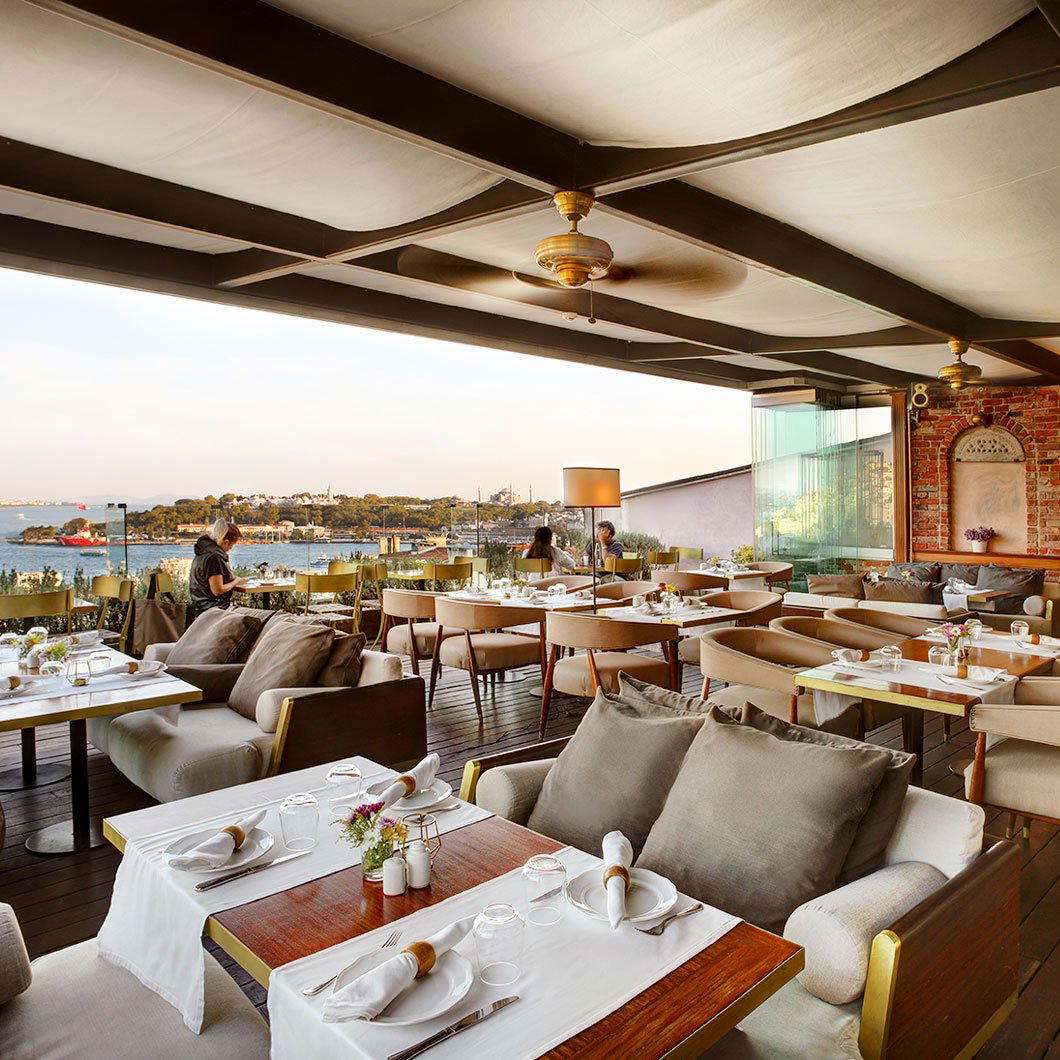
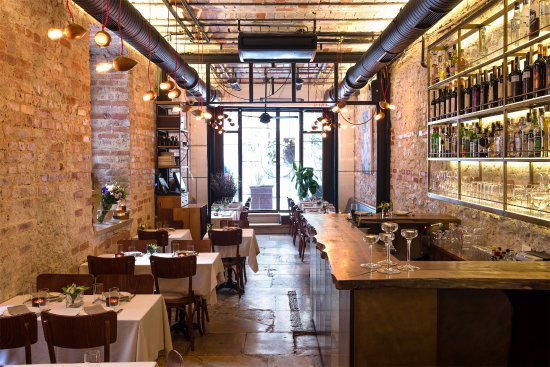
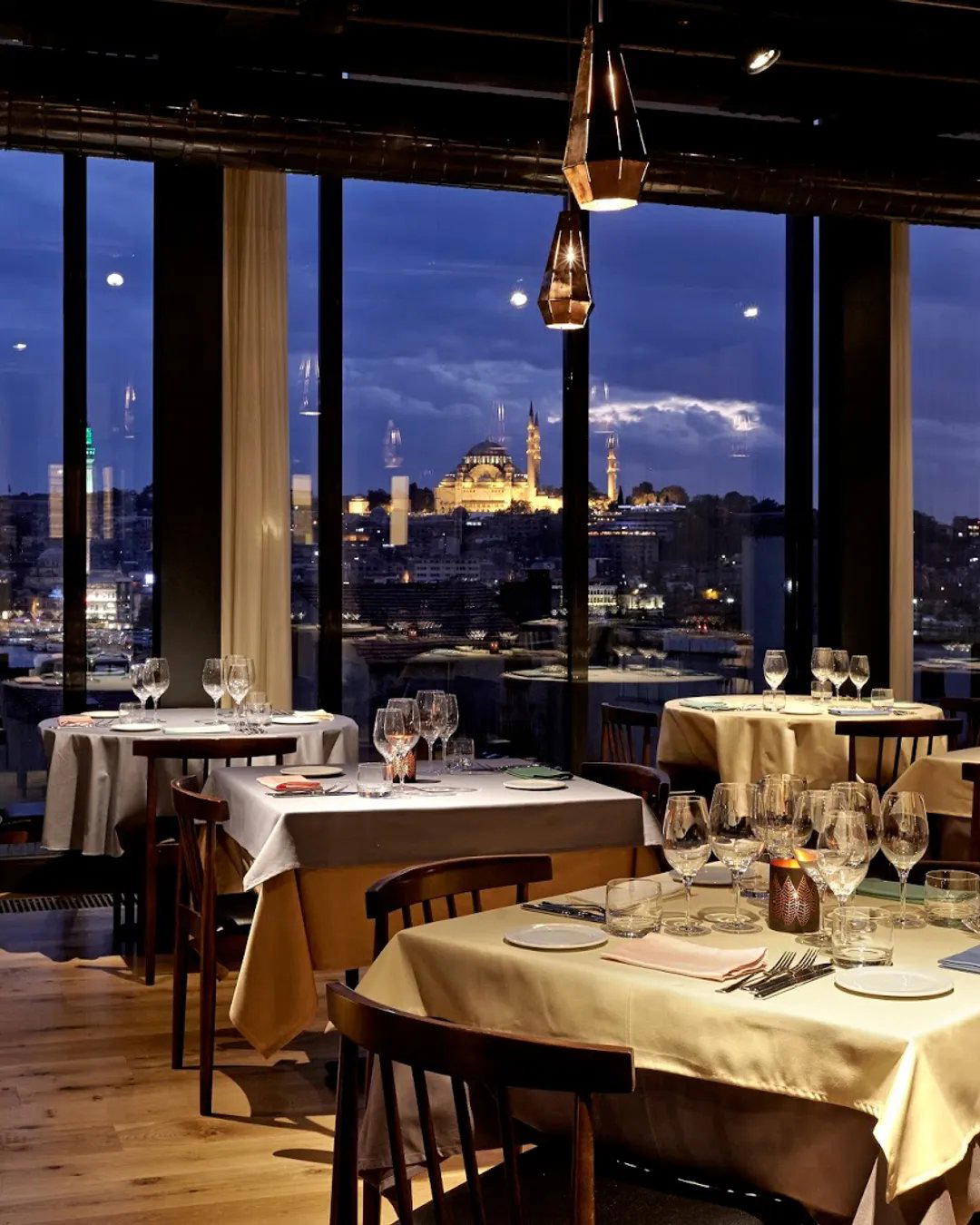
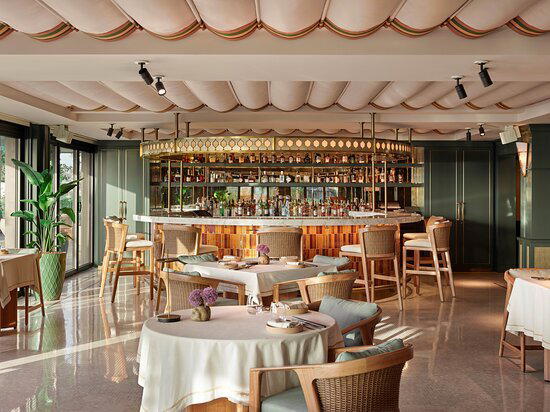
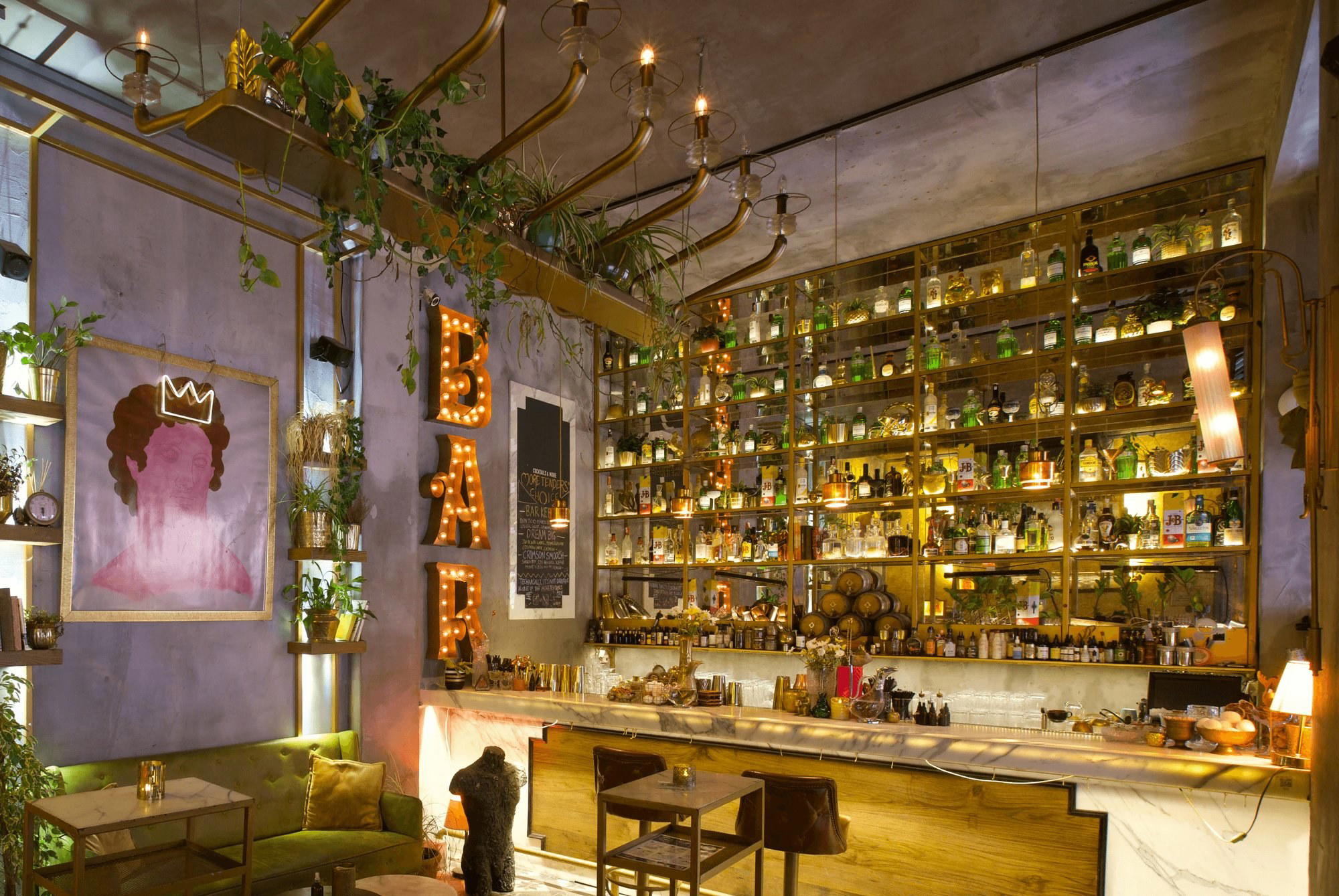
At a Glance
- Elegant
- Classic
- Sophisticated
- Historic
- Special Occasion
- Date Night
- Historic Building
- Hotel Restaurant
Current opening hours
- Monday
- 7–11 PM
- Tuesday
- 7–11 PM
- Wednesday
- 7–11 PM
- Thursday
- 7–11 PM
- Friday
- 7–11 PM
- Saturday
- 7–11 PM
- Sunday
- 7–11 PM
Hours can change for holidays and private events. Last verified .
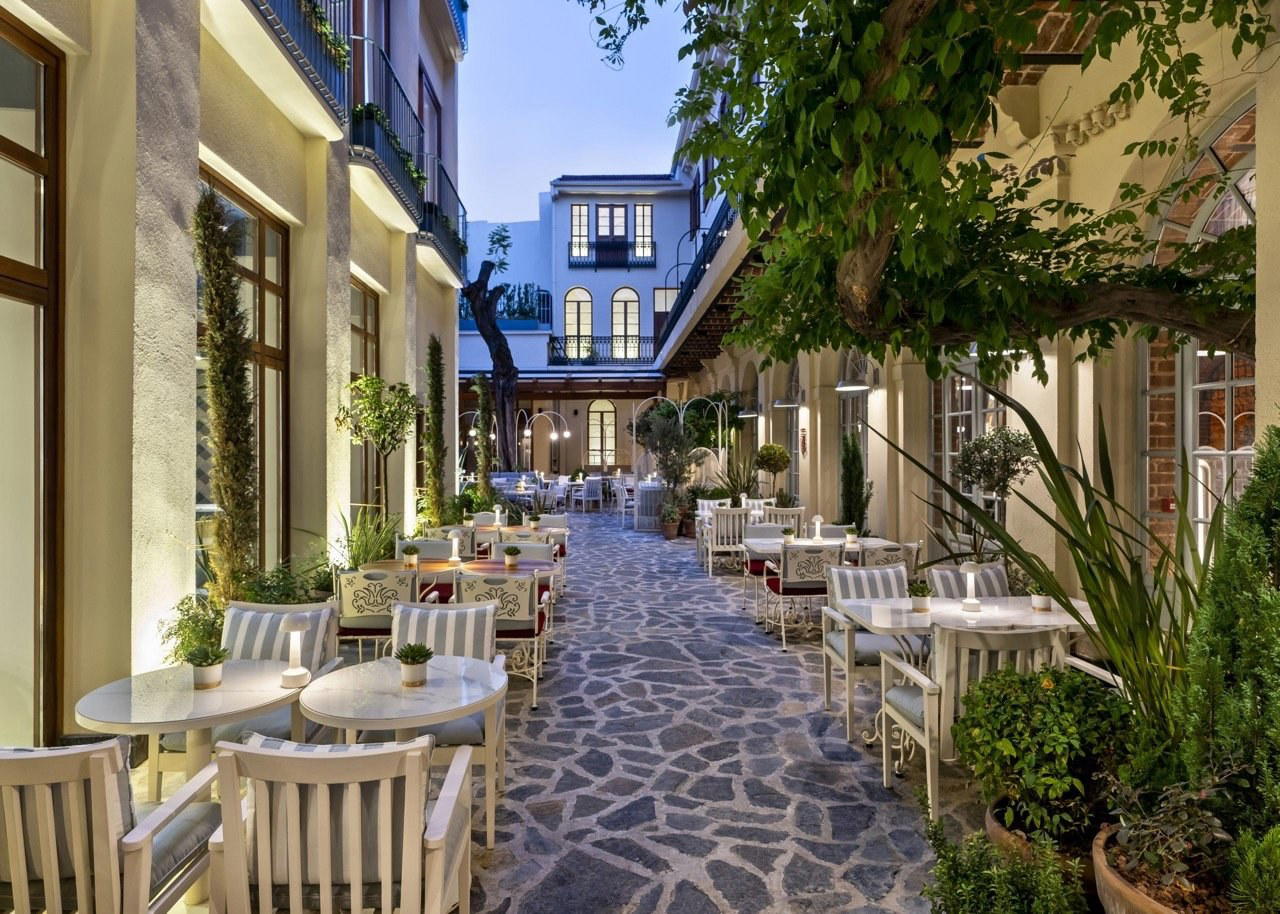
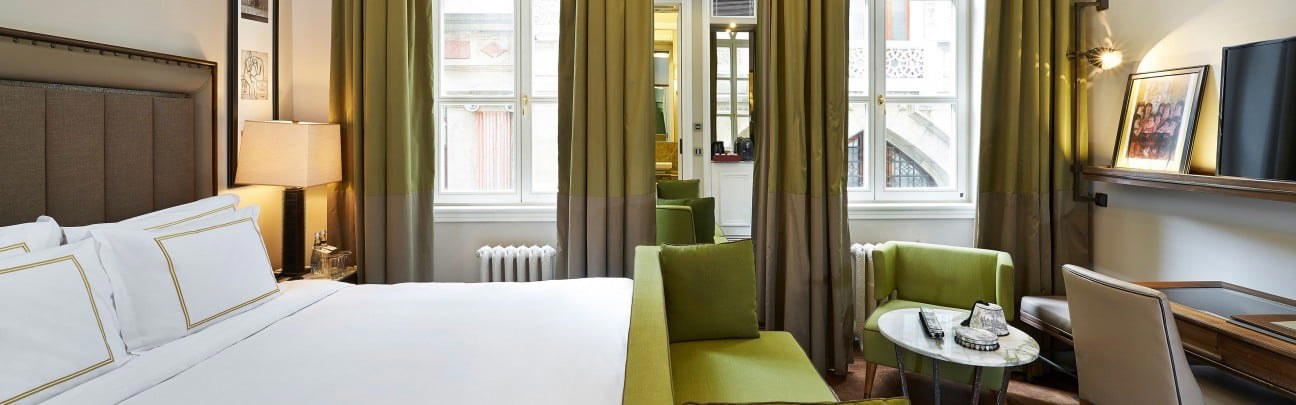
Charming historical ambiance evoking the past with magnificence and luxury, featuring preserved glory and sophisticated surroundings.