Kulturküche Karlsruhe occupies a central address on Kaiserstraße, placing it squarely within the city's mid-range dining corridor where casual ambition and accessible pricing intersect. The name itself signals intent: a kitchen oriented around culture as much as cooking. For visitors mapping Karlsruhe's restaurant scene, it offers a counterpoint to the city's more formal fine-dining tier.
Pearl is the En Primeur Club membership app — saves, bookings, and concierge access live there. Same editors, same standards.
- Address
- Kaiserstraße 47, 76131 Karlsruhe, Germany
- Phone
- +4972196311487
- Website
- kulturkueche-karlsruhe.de
- Directions
- Get directions
 Saves & bookings on Pearl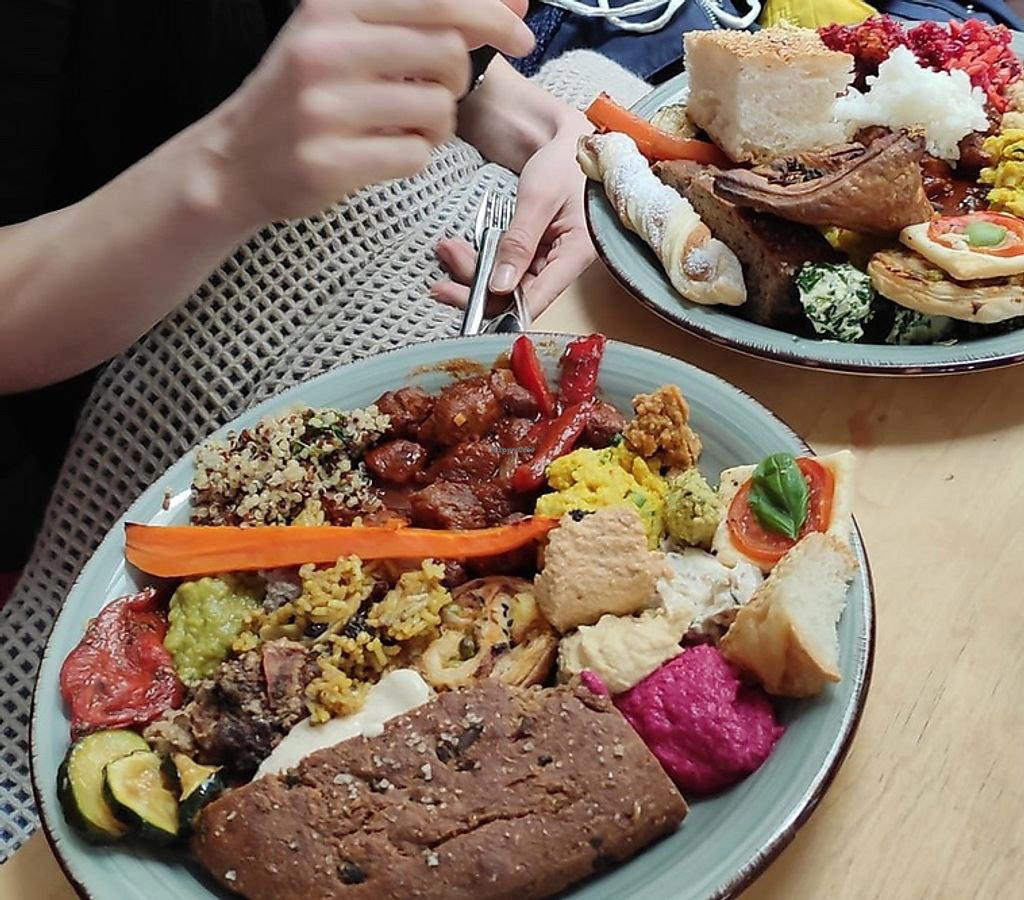
A Kitchen That Signals Its Priorities in Its Name
Kaiserstraße is Karlsruhe's commercial spine, and a restaurant address here is a statement about accessibility as much as location. The street carries heavy foot traffic from the Marktplatz westward, and venues along it tend to operate at a different register than the quieter neighbourhood spots that characterise the city's more residential quarters. Kulturküche Karlsruhe, at number 47, positions itself within that busier corridor.
Karlsruhe's dining scene has historically sat in the shadow of its neighbour Baden-Baden and the Black Forest region immediately to its south, where institutions like Schwarzwaldstube in Baiersbronn anchor the regional fine-dining conversation. The city's own upper tier, represented by venues like sein at the €€€€ price point, operates with the formal structure common to German destination restaurants. Kulturküche occupies different ground, closer in spirit to the city's mid-range restaurants where the agenda is feeding people well rather than constructing a tasting narrative.
How the Menu Frames the Offer
The name Kulturküche, translating loosely as "culture kitchen," is an editorial choice as much as a brand one. In German restaurant culture, this framing often signals a deliberate breadth of reference: a kitchen that draws from multiple culinary traditions rather than committing to a single regional or national identity. It places the venue in a recognisable category of European urban restaurants that use cultural plurality as an organising principle, where the menu's architecture reflects the city it inhabits more than any single chef's national training.
This structural approach differs markedly from what you encounter at the summit of the Karlsruhe market. At venues like Adria Taverne or Aubrac Restaurant and Terrasse, the menu identity is anchored to a specific regional or product tradition. The menu architecture at a Kulturküche-style restaurant instead operates more like a city's own population: layered, referential, and deliberately non-exclusive. Its expression depends on execution rather than concept.
Karlsruhe's student and technology-sector population creates demand for exactly this kind of culturally fluid, price-accessible eating. Restaurants in this mode often build menus that can serve a lunchtime tech worker as readily as a Thursday-evening table of students, without compromising on the cooking's ambition. The menu architecture, in practice, tends toward flexibility: options that work across different appetite sizes, price points within the same sitting, and dietary orientations.
Where It Sits in the City's Restaurant Ecosystem
Mapping Karlsruhe's restaurants by price and format reveals a reasonably stratified scene. The €€€€ tier, led by sein with its modern cuisine approach, sits at one end. The €€ bracket, represented by neighbourhood-level spots like Bistro Margarete with its regional cooking, anchors the other. Kulturküche, falls into a conceptual middle ground based on its Kaiserstraße address and naming conventions. Mid-Kaiserstraße rent structures don't support deeply discounted dining, but the street's competitive density keeps operators honest on value.
For travellers building a Karlsruhe itinerary, this positioning matters. You don't come to a Kulturküche-framed restaurant for the kind of structured progression that defines Anders auf dem Turmberg with its refined setting, or for the format discipline of Germany's Michelin-registered venues like Aqua in Wolfsburg or JAN in Munich. The value proposition is different: a kitchen oriented toward cultural range and daily accessibility rather than occasion-driven formality.
That said, Karlsruhe's overall dining ambition has been moving upward. The presence of internationally trained chefs and award-tracked venues signals that the city is no longer content to operate purely as a corridor between Stuttgart and the Rhine. Our full Karlsruhe restaurants guide maps how this evolution is distributing across the city's neighbourhoods, including the Kaiserstraße corridor where Kulturküche operates.
The Broader Context: Cultural Kitchen Formats in German Cities
The Kulturküche model, a restaurant that positions culture rather than technique or terroir as its central organising idea, appears with some regularity in German mid-size cities. It reflects a broader European trend in which urban restaurants, particularly those in cities with diverse university populations, have moved away from strict national cuisine identities toward menus that treat cooking as a kind of cultural dialogue. This is not the same as fusion, which implies a deliberate hybridisation of two named traditions. It's closer to a studied pluralism, where the reference points are allowed to coexist without being forced into a single synthesis.
At the premium end of this thinking, you see venues like Atomix in New York City or the structured multi-course formats of CODA Dessert Dining in Berlin using cultural reference as a high-concept lens. At the accessible mid-market, the same impulse produces restaurants that are simply more broadly referenced in their sourcing and cooking vocabulary. Kulturküche sits in that latter register, where the concept serves the diner's range of appetites rather than the kitchen's intellectual agenda.
Planning a Visit
Kaiserstraße 47 is reachable by Karlsruhe's tram network, with multiple stops along the street making it one of the city's more straightforwardly accessible dining addresses. The street itself is pedestrianised along significant stretches, which shapes the approach to dinner: you arrive on foot from a tram stop, walk a block or two, and find the restaurant as part of a continuous urban fabric rather than as a destination requiring a deliberate detour. Hours are Mon: Closed; Tue: Closed; Wed: Closed; Thu: 11 AM-8 PM; Fri: 11 AM-3 PM; Sat: Closed; Sun: Closed. Reservations are recommended.
Credentials Lens
Comparable venues nearby, for context on price, style, and recognition.
| Venue | Cuisine | Price | Awards | Notes |
|---|---|---|---|---|
| Kulturküche KarlsruheThis venue — the venue you are viewing | Vegetarian/Vegan Seasonal Lunch | $ | Not listed | Not listed |
| Adria Taverne | Croatian-Mediterranean Seafood | $$ | Not listed | Durlach |
| Kesselhaus3 | Modern German Fine Dining | $$$ | Not listed | Grünwinkel |
| Jaipur Golden | Authentic Indian Tandoori and Curry | $$ | Not listed | Innenstadt |
| Nagels Kranz | Refined Seasonal German-European Fine Dining | $$$ | Michelin Plate | Neureut |
| Aubrac Restaurant & Terrasse | Baden Regional German | $$ | Not listed | Stupferich |
Continue exploring
More in Karlsruhe
Restaurants in Karlsruhe
Browse all →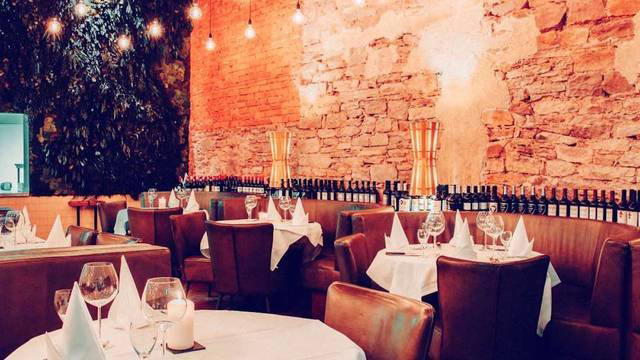
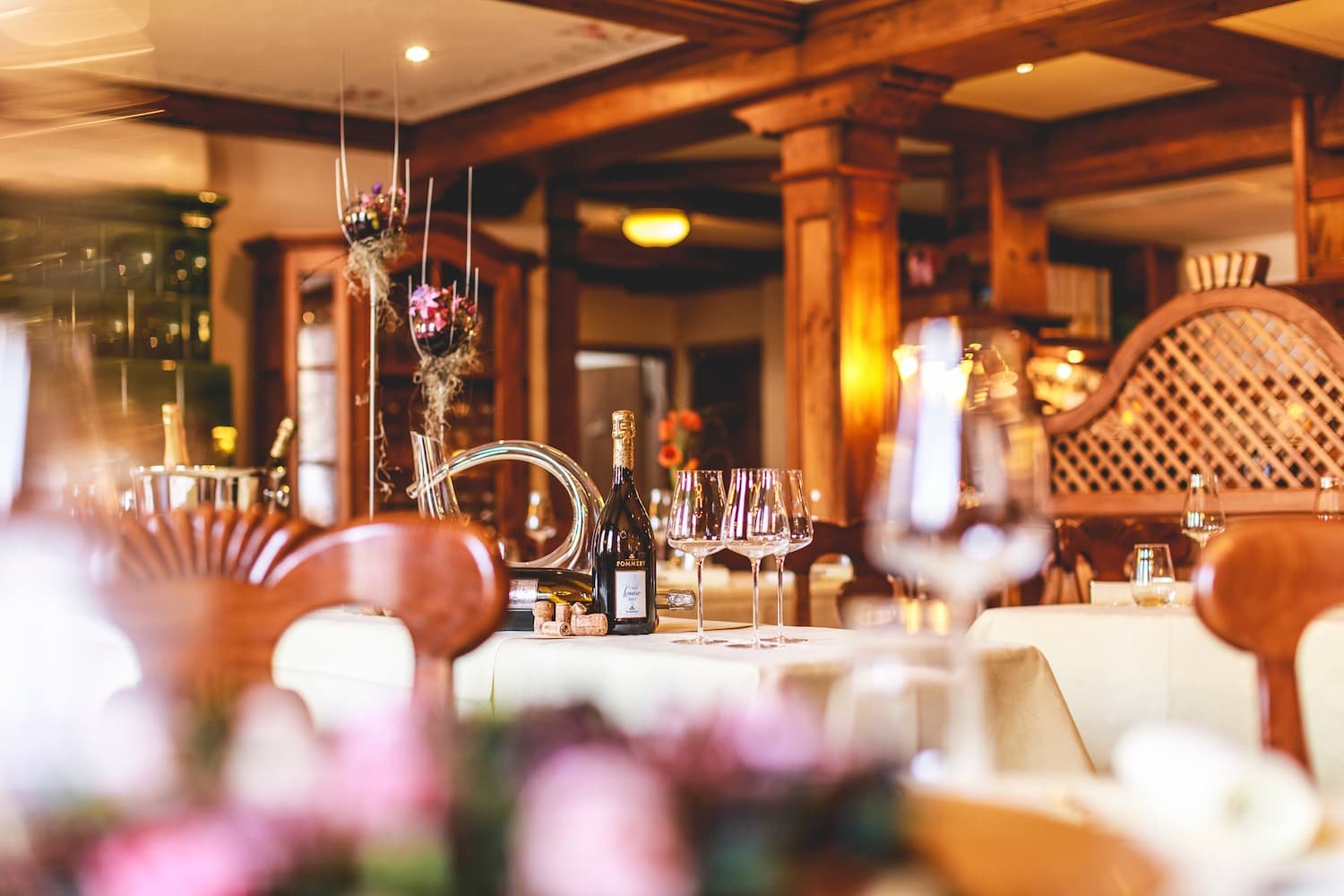
Bars in Karlsruhe
Browse all →
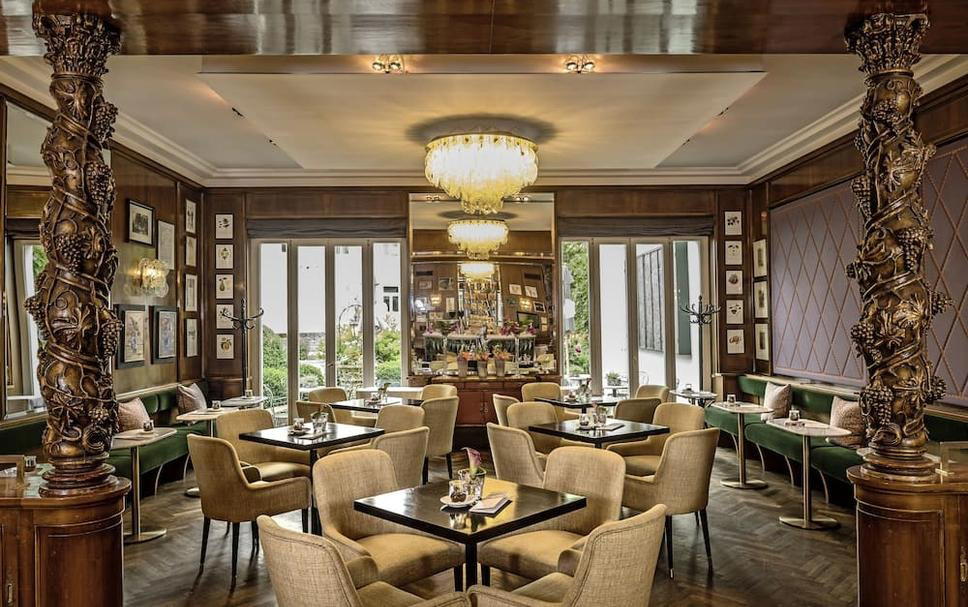
Hotels in Karlsruhe
Browse all →

At a Glance
- Cozy
- Rustic
- Casual Hangout
- Garden
- Local Sourcing
- Organic
- Garden
Current opening hours
- Monday
- Closed
- Tuesday
- Closed
- Wednesday
- Closed
- Thursday
- 11 AM–8 PM
- Friday
- 11 AM–3 PM
- Saturday
- Closed
- Sunday
- Closed
Hours can change for holidays and private events. Last verified .
Cozy, informal atmosphere in gemütliche historic rooms with a malerischer inner courtyard garden.