
Am Kring - Büschker's Stuben holds back-to-back Michelin Bib Gourmand recognition in 2024 and 2025, placing it among the small group of German traditional-cuisine addresses where quality and price remain genuinely aligned. Located on Kring 6 in Vreden, the restaurant delivers regional cooking at the €€ price point, making it one of the more accessible Michelin-endorsed tables in the Westmünsterland.
Pearl is the En Primeur Club membership app — saves, bookings, and concierge access live there. Same editors, same standards.
- Address
- Kring 6, 48691 Vreden, Germany
- Phone
- +49 2564 93080
- Website
- amkring.de
- Directions
- Get directions
 Saves & bookings on Pearl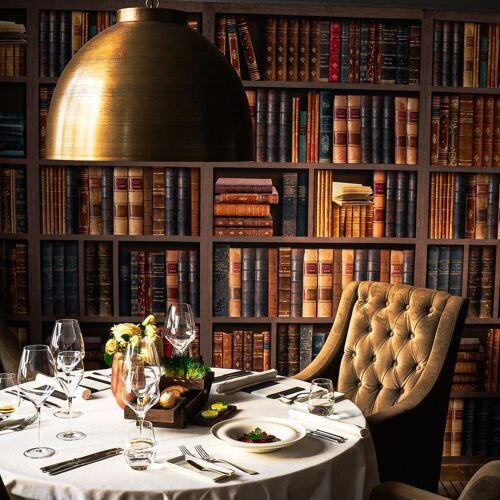
Where Westmünsterland Cooking Earns Its Credentials
The Westmünsterland sits in the far west of North Rhine-Westphalia, a stretch of farmland and market towns that rarely competes for culinary attention with Düsseldorf or Cologne. Vreden itself is a small border town of roughly 22,000 people, close to the Dutch frontier and shaped by an agricultural economy that has kept its food culture rooted rather than cosmopolitan. In that context, a Michelin-endorsed table at the €€ price point is not a curiosity: it is exactly the kind of restaurant that defines how well a region actually eats when the audience is local rather than destination-driven.
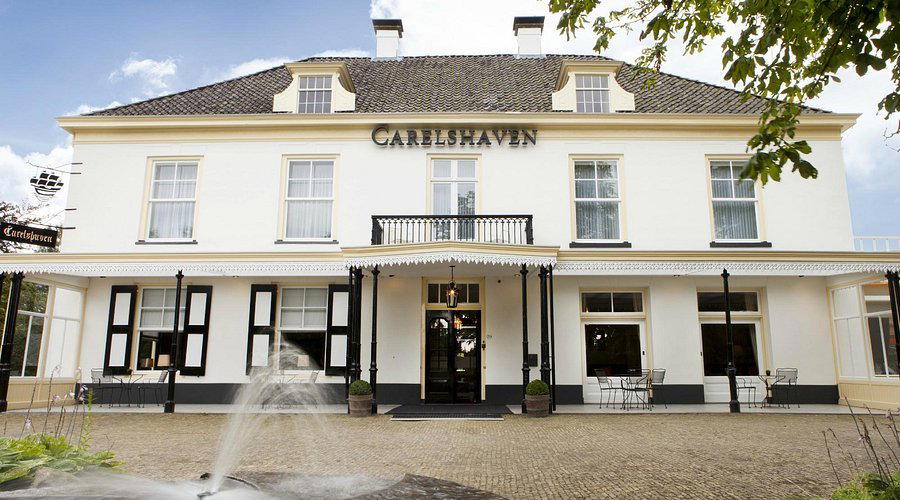
Am Kring - Büschker's Stuben, addressed at Kring 6, sits at the centre of that story. The surroundings are unhurried, the kind of quiet town square setting where the building speaks of long habitation rather than recent renovation. Approaching the address, there is none of the theatrical signalling that marks destination restaurants in major German cities. What signals quality here is more subtle: consistent custom, a neighbourhood that returns, and two consecutive Michelin Bib Gourmand awards in 2024 and 2025 that confirm the kitchen's output is not accidental.
The Bib Gourmand Tier and What It Means in Practice
The Michelin Bib Gourmand is a category that resists both false modesty and inflation. It does not represent a stepping-stone toward star status, nor is it a consolation prize for kitchens that missed the cut. In Germany's current Michelin guide, the Bib Gourmand identifies restaurants where inspectors found cooking of genuine quality at a price point accessible to a broad audience, historically defined as a two-course meal with a glass of wine or dessert at a price the guide considers reasonable for its market. At the €€ range, Büschker's Stuben fits that definition squarely.
For context, the restaurants that occupy Germany's leading Michelin tier operate at a completely different price point. Tables like Aqua in Wolfsburg and Schwarzwaldstube in Baiersbronn, both three-star addresses, require menus that price several times above what a Bib Gourmand restaurant charges per head. Two-star addresses including Vendôme in Bergisch Gladbach and CODA Dessert Dining in Berlin sit in the same upper-budget category. Büschker's Stuben is not in competition with those rooms; it operates in a different register entirely, where the value proposition is as much a part of the quality assessment as the cooking itself.
Back-to-back Bib Gourmand recognition across 2024 and 2025 indicates consistency rather than a single strong year. That matters when choosing between one-off destination meals and restaurants worth returning to across seasons.
Traditional Cuisine and the Case for Regional Sourcing
Germany's traditional-cuisine category covers a broad range of approaches, from reconstructed farmhouse cooking to modern interpretations of regional recipes. In the Westmünsterland, traditional cuisine has a specific agricultural character. The region is one of Germany's more productive livestock areas, with cattle farming and pork production both historically significant. For kitchens working in this tradition, proximity to those sources is a structural advantage rather than a marketing position: shorter supply chains produce ingredients that arrive fresher and in better condition, and regional producers tend to work at a scale that prioritises quality over volume.
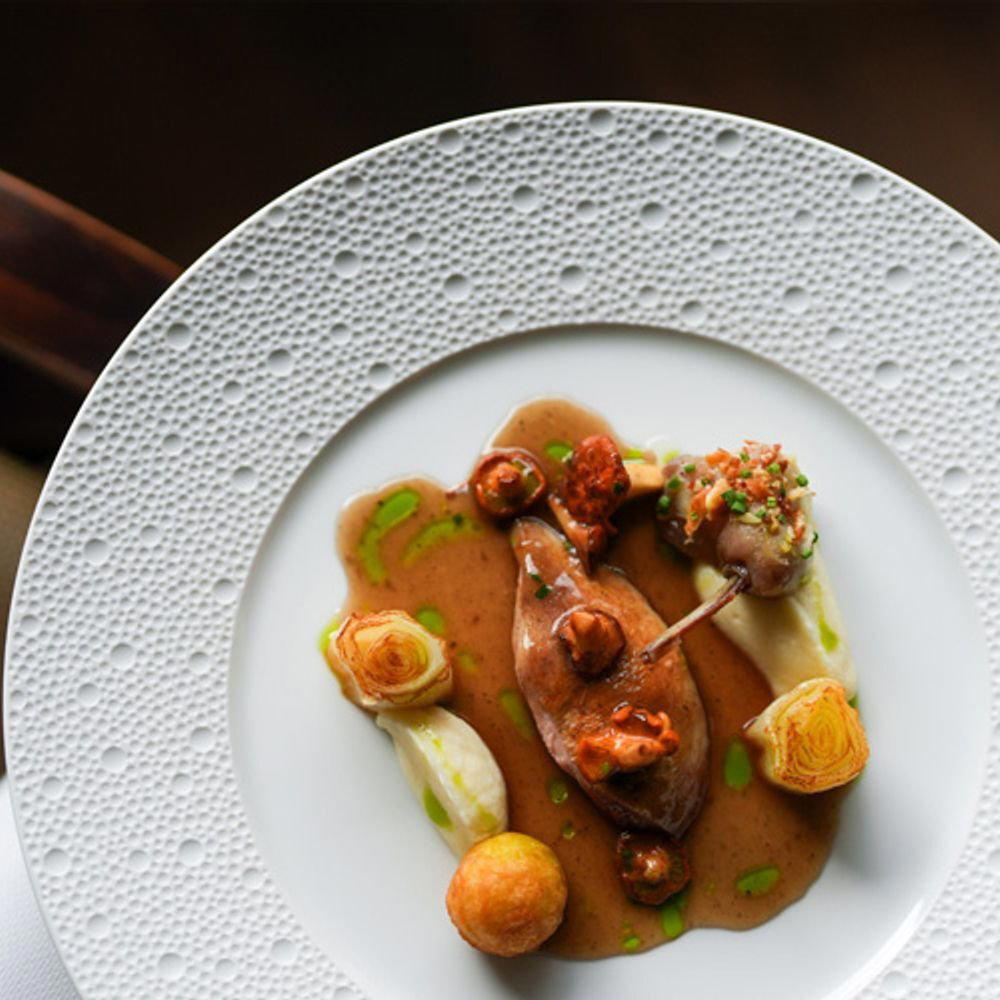
The relevance to Am Kring - Büschker's Stuben is direct. A traditional-cuisine kitchen in this part of Westphalia has access to a regional larder that urban restaurants typically cannot replicate. Westphalian ham, freshwater fish from the Ems river system, game from the surrounding countryside in season, and dairy products from the area's farms form the background of this food culture. These are not exotic ingredients requiring international sourcing; they are local staples whose quality depends entirely on how close the kitchen sits to its producers. A restaurant on Kring 6 in Vreden is, geographically, in a strong position.
This framing matters because it explains what distinguishes traditional German cuisine at its leading from the kind of generic European cooking that occupies the middle tier of restaurant guides. The specificity of place in the ingredients is inseparable from the specificity of flavour. Restaurants that do this well do not need to source globally or construct elaborate technical frameworks to achieve distinction; they need reliable relationships with producers and a kitchen that respects what it receives. Among Germany's small pool of Michelin-recognised traditional-cuisine restaurants, that combination is what earns continued recognition.
For comparison, Auberge Grand'Maison in Mûr-de-Bretagne and Auga in Gijón represent how the traditional-cuisine category performs in other European regional contexts, both holding Michelin recognition while anchoring their cooking firmly in local ingredient traditions. The pattern is consistent across markets: regional sourcing and culinary specificity of place tend to correlate with sustained critical recognition at accessible price points.
Planning a Visit to Vreden
Vreden sits approximately 80 kilometres west of Münster and around 50 kilometres from the Dutch border city of Enschede, making it reachable as a day trip from either direction. The town is accessible by road via the A31 motorway, and while it sits outside the major rail corridors, regional connections from Münster exist. Given that Büschker's Stuben is a neighbourhood restaurant in a small market town, arriving with a reservation is strongly advisable; the dining room is not large, and Bib Gourmand recognition tends to increase demand at this price tier.
How It Stacks Up
Comparable venues nearby, for context on price, style, and recognition.
| Venue | Cuisine | Price | Awards | Notes |
|---|---|---|---|---|
| Am Kring - Büschker's StubenThis venue — the venue you are viewing | Traditional Münsterländische Gutbürgerliche Küche | $$$ | Bib Gourmand | Not listed |
| Mussumer Krug | Modern German Bistro | $$$ | Bib Gourmand | Mussum |
| Kurlbaum | Classic German Fine Dining | $$$ | Michelin Plate | Moers |
| Fachwerk | Modern German Seasonal Fine Dining | $$$ | Michelin Plate | Altstadt |
| Regional Friesoythe | Regional German Seasonal | $$$ | Bib Gourmand | town centre |
| Knippschild | Rustic Westphalian Gourmet | $$$ | Bib Gourmand | Kallenhardt |
Recognition history
Dated appearances from independent guides and award organizations, with the underlying list record or original source where available.
Michelin Bib Gourmand
Michelin
Michelin Bib Gourmand
Michelin
Michelin Bib Gourmand
Michelin
Continue exploring
More in Vreden
Restaurants in Vreden
Browse all →
At a Glance
- Cozy
- Rustic
- Classic
- Intimate
- Date Night
- Special Occasion
- Historic Building
- Extensive Wine List
- Local Sourcing
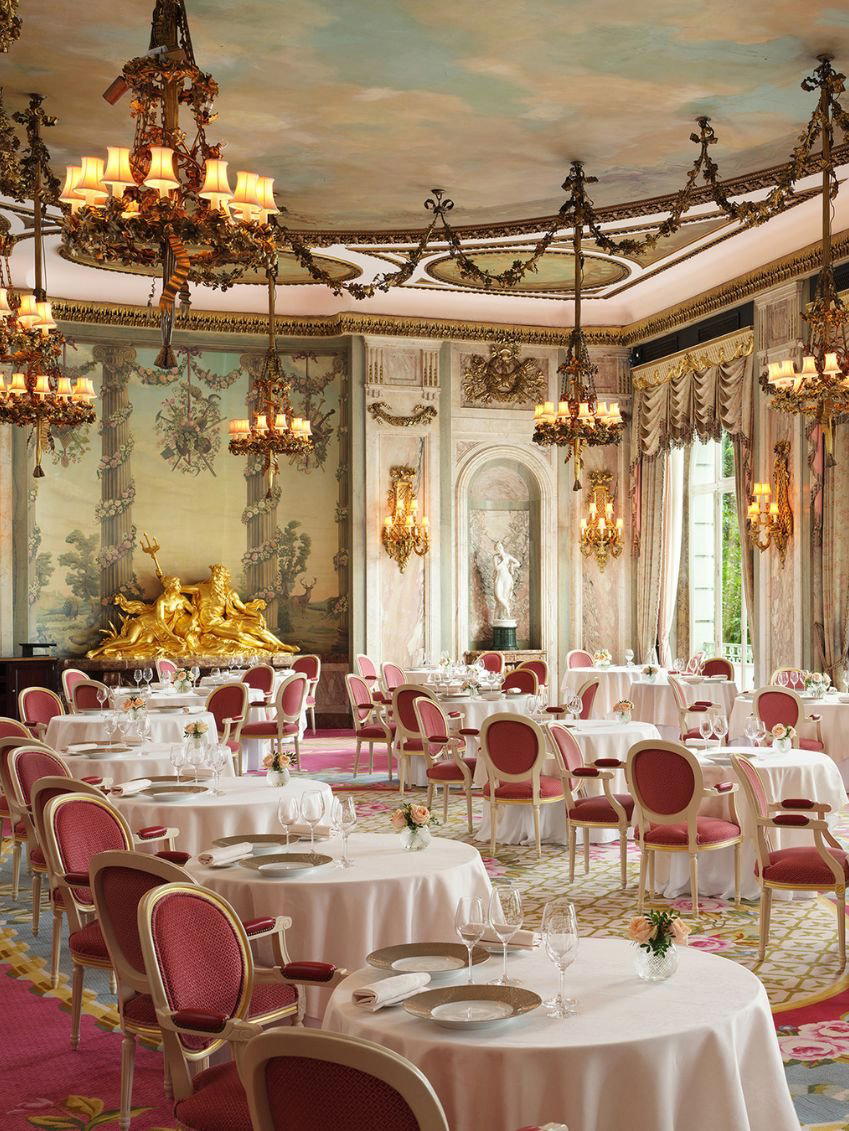
Warm and inviting Münsterländer Stube atmosphere with fireplace and regional charm.