
Tabelog 100 #38
Our verdict
Setagaya’s sushi culture rewards small counters that trade Ginza polish for neighbourhood discipline. Kozasa Sushi fits that quieter Tokyo register: 13 seats, counter format, sake, take-out, and recognition in Tabelog Sushi TOKYO 100 for 2025, with dinner spending listed at JPY 15,000–19,999.

Pearl is the En Primeur Club membership app, where members save venues, book tables and use the concierge.
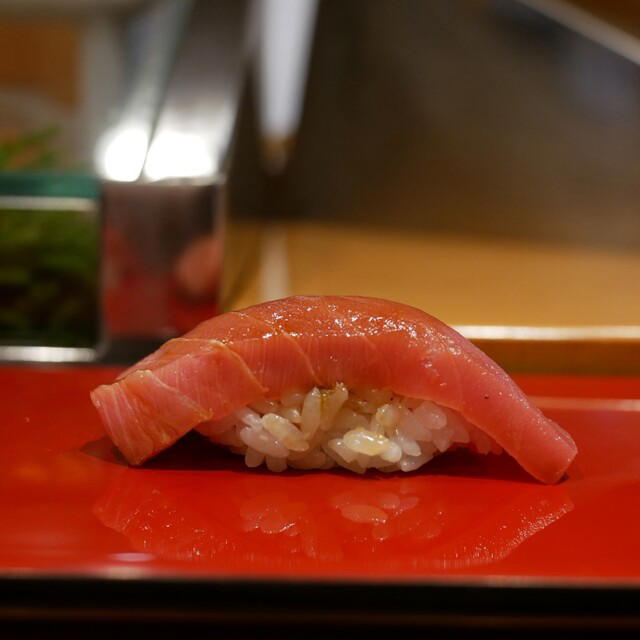
Kozasa Sushi is not the Tokyo sushi fantasy sold through hotel concierges. The approach is quieter, more local in feeling, and closer to the city’s lived-in dining rhythm than to choreographed luxury. That setting matters. In Tokyo, sushi venues often read less as destination theatre than as institutions shaped by strict economies of space, habit, and repeat custom.
Kozasa Sushi belongs to that tradition. Its identity is clear from the essentials: a focused sushi venue in Tokyo with domestic recognition rather than international spectacle as the main signal. Tokyo has increasingly split into two sushi markets. One is the international trophy circuit, priced and booked like a scarce asset. The other is a tighter local tier where craft, regularity, and recognition inside Japanese dining platforms carry more weight than global display. Kozasa Sushi sits in the latter camp, helped by selection for Tabelog Hyakumeiten in 2025 and a Tabelog score of 3.98.
Tokyo sushi, after the luxury inflation cycle
The evolution of Tokyo sushi over the past decade has not been only about rising prices. It has also been about how diners read the city. Serious sushi venues have been noticed beyond the most obvious luxury circuits as diners became more willing to seek out smaller-feeling, lower-key rooms. Tokyo gives sushi multiple frames: some ceremonial, some more embedded, and many defined by the relationship between the room and its regular audience.
That distinction sharpens when compared with nearby casual dining patterns. In the same broad Tokyo ecosystem, places such as Dashin Soan, KAISO, Kyu Yamu Tei Shimokita sou, Café Trois Chambres, and サーモンアンドトラウト signal how the city can move between soba, bakeries, curry, coffee, and contemporary small restaurants without behaving like a single luxury dining district. A sushi venue here has to make sense beside daily life, not apart from it.
The price band also tells a clear story. Dinner at Kozasa Sushi is listed at JPY 15,000–19,999, which puts it above casual neighbourhood meals but below the rarified tier where international demand can overwhelm a room’s original audience. That middle-high bracket is one of Tokyo’s more interesting categories: expensive enough to demand precision, restrained enough to keep the meal from becoming a status performance.
A focused sushi room built around concentration, not spectacle
The format is traditional in the ways that matter. A focused sushi room places the meal in close relation to the work, and the concentrated nature of the category limits the social noise that can dilute sushi’s rhythm. No chef biography is needed to understand the editorial point: in Tokyo, the sushi format is the operating system. It determines pacing, interaction, and how closely each piece is tied to the moment it is served.
Listed category is sushi, and that simplicity is part of the appeal. The best way to read Kozasa Sushi is not as a multi-purpose restaurant but as a venue whose meaning comes from focus, repetition, and attention to the sushi format. In Tokyo, that can be enough: the restraint of the category often says more than a long list of ancillary services.
Recognition from Tabelog’s Hyakumeiten program gives the venue a useful kind of Japanese credibility. Tabelog’s sushi lists are not the same as Michelin stars, and they should not be read as a global luxury ranking. They are more revealing as a measure of domestic attention, especially for restaurants outside the hotel-dining corridor. For travellers who already know Tokyo’s famous sushi names, that makes this selection meaningful: it points toward a sushi venue with local traction rather than imported hype.
The comparison is instructive beyond sushi. Tokyo visitors often plan around central dining clusters, then miss how much of the city’s eating intelligence sits outside the most obvious luxury routes. The same planning instinct applies across categories, from casual Japanese rooms to bars and hotels. For broader mapping, see Our full Tokyo restaurants guide, Our full Tokyo hotels guide, Our full Tokyo bars guide, Our full Tokyo wineries guide, and Our full Tokyo experiences guide.
How to read the room before committing an evening
This is a focused choice, not a catch-all recommendation. The venue suits diners who want a concentrated sushi experience in Tokyo, who are comfortable with a more specialised meal, and who do not need multilingual theatre around every decision. It is less suited to travellers trying to stage a broad, all-purpose restaurant night, because the appeal is the specificity of the sushi format rather than flexibility across every dining need.
The practical signals are unusually important here. With a Tokyo sushi venue in this price band, planning should be treated as part of the meal rather than an afterthought. Confirm current booking rules, payment preferences, and any service details directly before going. A focused Tokyo sushi venue can be excellent and still require old-fashioned discipline: arrive prepared, treat timing seriously, and do not build the evening around loose group logistics.
For travellers building a wider Tokyo food itinerary, contrast this with casual or specialist stops across the city rather than assuming every meal needs to belong to the same luxury circuit. Beyond Tokyo, the same editorial lens helps with other regional dining plans: read the format, the local audience, and the platform recognition before turning any restaurant into a trophy booking.
The appeal is the restraint of the category. Kozasa Sushi is not trying to turn Tokyo sushi into hotel theatre. Its current relevance comes from a citywide shift that rewards focused venues with domestic recognition, clear format discipline, and prices that signal seriousness without leaving the local register behind.
Frequently asked questions
What should I budget for a meal at Kozasa Sushi?
Dinner at Kozasa Sushi is listed at JPY 15,000 - JPY 19,999; lunch pricing is not listed.
When is Kozasa Sushi open?
Current opening hours for Kozasa Sushi should be confirmed directly before visiting.
Where do I go for Kozasa Sushi?
Tokyo.
What's the signature at Kozasa Sushi?
The defining draw is its focused sushi format in Tokyo, paired with selection for Tabelog Hyakumeiten 2025 and a Tabelog score of 3.98. The format points to a concentrated sushi venue rather than a broad, all-purpose dining room.
Is Kozasa Sushi good for vegetarians?
Kozasa Sushi is a sushi venue in Tokyo, so vegetarian diners should confirm suitability directly rather than assume a dedicated plant-based program, especially at the JPY 15,000–JPY 19,999 dinner level.
Would Kozasa Sushi be comfortable with kids?
Kozasa Sushi is a focused sushi venue in Tokyo, so families should confirm current policy and comfort level directly before booking or visiting.
In Context: Similar Options
Comparable venues at similar price and category levels.
| Venue | Cuisine | Price | Awards | Notes |
|---|---|---|---|---|
| Kozasa SushiThis venue (the venue you are viewing) | Traditional Sushi Counter | $100–150 | Tabelog 100 #38 | Not listed |
| Akaoni | Sake Specialist Izakaya | $50–100 | Not listed | Setagaya |
| Daikanyama Yakiniku Kaneko | Yakiniku (Japanese BBQ) | $50–100 | Tabelog 100 #69 | Shibuya |
| Teppanyaki Takami | Teppanyaki | Not listed | Tabelog 100 #94 | Shibuya |
| Toriyaki Sasaya | Traditional Yakitori Course Menu | $50–100 | Tabelog 100 #16 | Meguro |
| Shinjuku Takano Fruits Parlor | Japanese Fruit Parlor | $30–50 | Not listed | Shinjuku |
Recognition history
Dated appearances from independent guides and award organizations, with the underlying list record or original source where available.
Tabelog 100 #38 · No. 38
Tabelog · Tabelog 100 - Sushi - TOKYO - 2025
Continue exploring
More in Tokyo
Restaurants in Tokyo
All restaurants in Tokyo →
Bars in Tokyo
All bars in Tokyo →
Details
- Classic
- Cozy
- Intimate
- Solo
- Family
- Casual Hangout
- Chefs Counter
- Standalone
- Sake Program
- A La Carte
- Counter Dining
- Sake Program
- Pescatarian Friendly
Current opening hours
- Monday
- 5–9 PM
- Tuesday
- 5–9 PM
- Wednesday
- Closed
- Thursday
- 5–9 PM
- Friday
- 5–9 PM
- Saturday
- 5–9 PM
- Sunday
- Closed
Hours can change for holidays and private events. Hours as of .
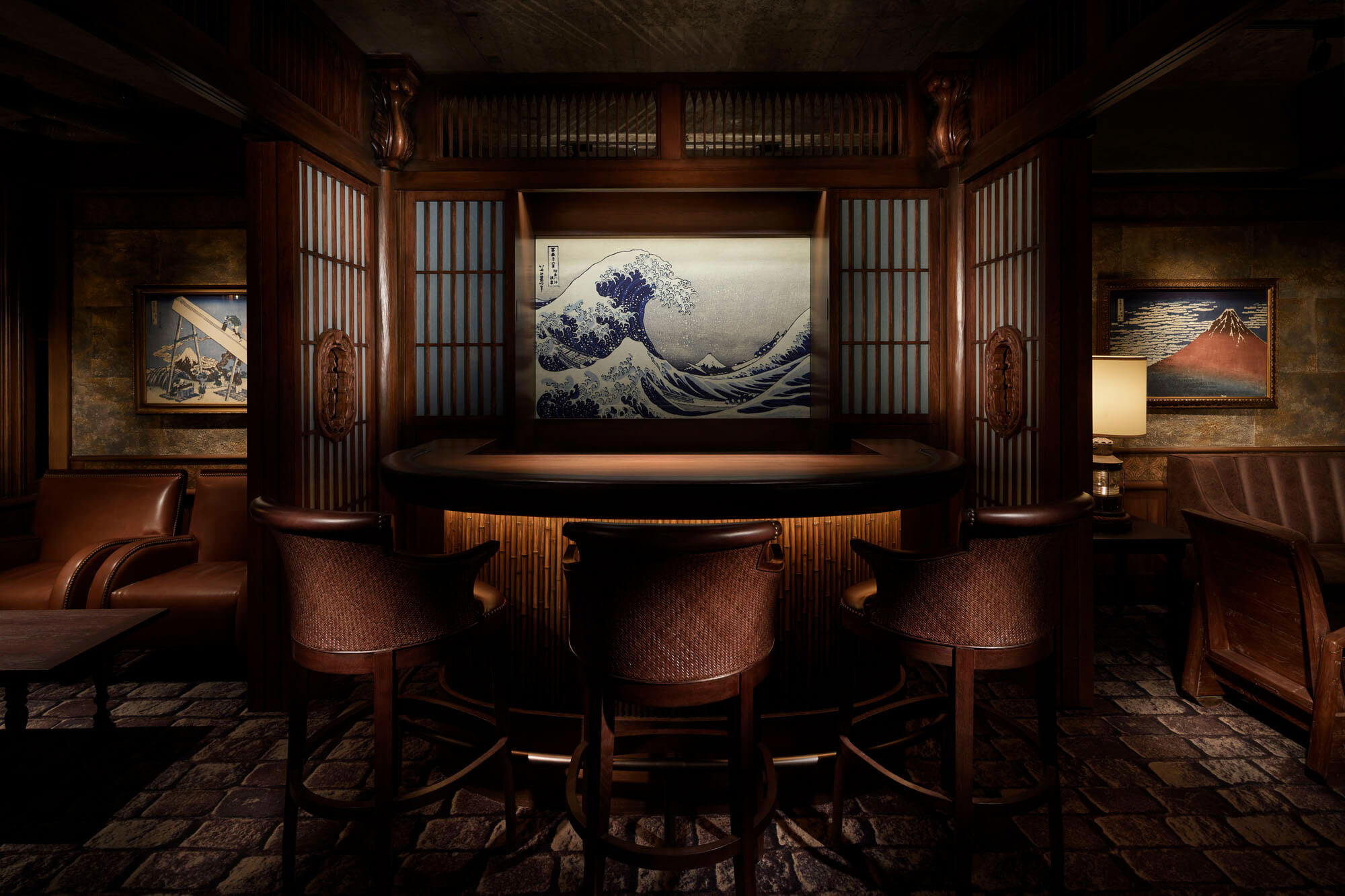
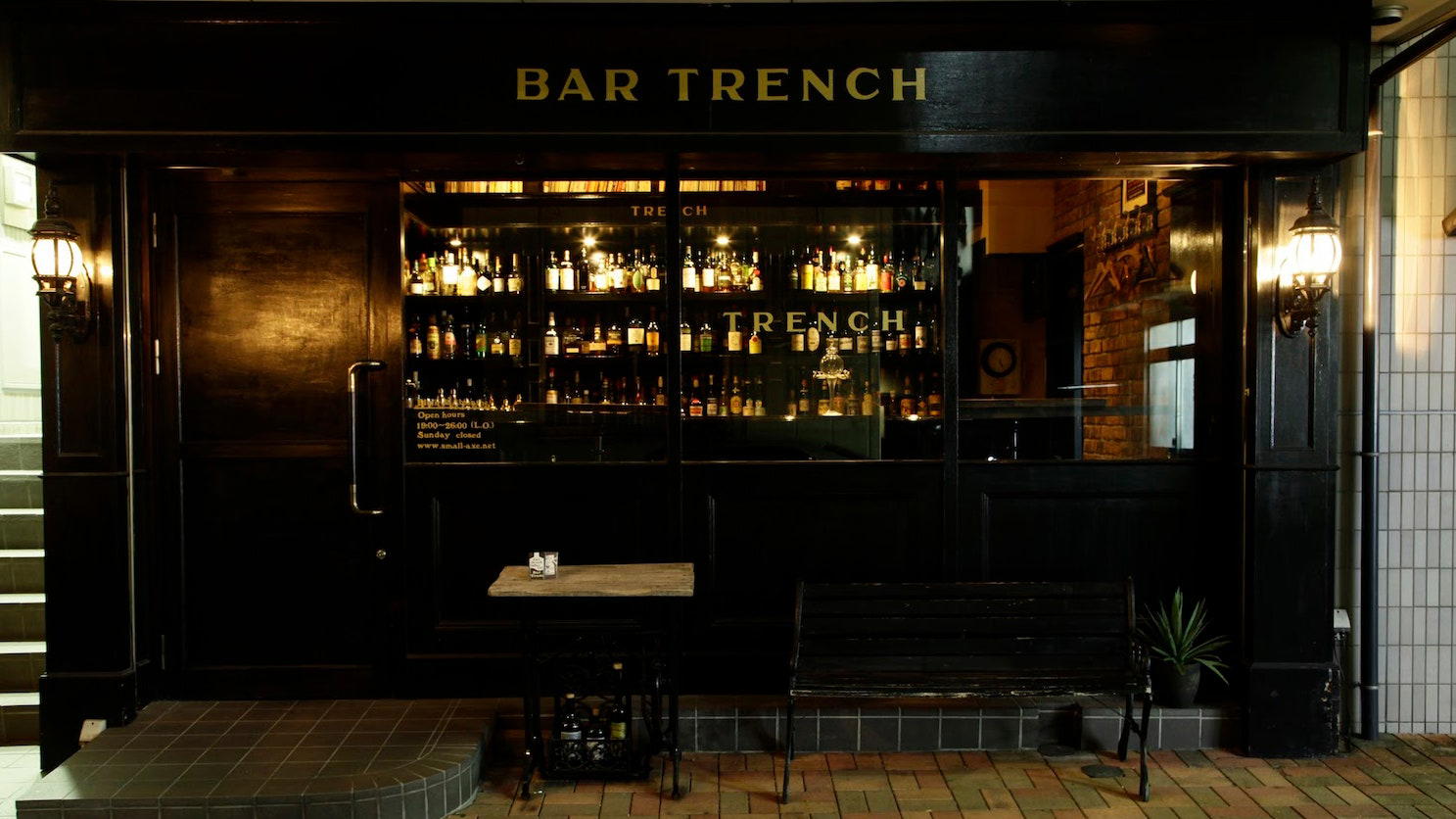
A small, old-school sushi counter with only 13 seats, non-smoking and tucked into a quiet residential street near Shimokitazawa, creating a calm, intimate atmosphere that feels like a local low-profile address rather than a formal high-end omakase temple.