
Koyo Ken is a compact counter-only ramen address in Nagoya’s Showa Ward, selected for Tabelog 100 - Ramen - AICHI - 2025. Its reputation rests less on spectacle than on the disciplined grammar of a long-running local ramen shop: narrow format, everyday pricing, no reservations, and a following strong enough to place it inside Aichi’s ramen conversation.
Pearl is the En Primeur Club membership app — saves, bookings, and concierge access live there. Same editors, same standards.
- Address
- 2 Chome-21-3 Hiromicho, Showa Ward, Nagoya, Aichi 466-0046, Japan
- Phone
- +81 52-882-9780
- Website
- tabelog.com
 Saves & bookings on Pearl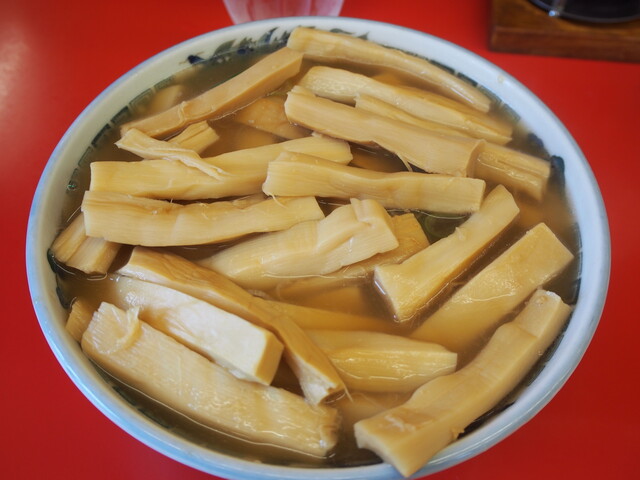
Approaching a small house-style ramen shop in Showa Ward is unlike entering a station-mall noodle counter. The rhythm is quieter and sharper: short service, counter seating, and a room built around bowls rather than lingered courses. In Nagoya, where dining ranges from luxury sushi rooms such as 1022 to everyday curry and pork cutlet counters, ramen occupies a useful middle ground: quick, inexpensive by serious-restaurant standards, and closely judged by repeat locals.
Koyo Ken belongs to Nagoya ramen’s old-school side. Its 1976 opening matters because ramen reputations in Japan rarely survive on novelty; decades-long shops endure through consistency, legibility, and a format regulars can fold into daily life. Selection for Tabelog 100 - Ramen - AICHI - 2025 gives the address current recognition without turning it into a luxury proposition. The point is not ceremony, but the narrow pleasure of a counter restaurant that has kept its category intact.
A Nagoya ramen counter judged by repetition, not theatre
Nagoya’s food identity leans toward miso katsu, hitsumabushi, kishimen, and tebasaki, yet ramen has its own seriousness. The city rewards shops that define a lane and repeat it cleanly. Unlike premium dining, where comparison runs through chef lineage, tasting-menu structure, and wine pairing depth, a ramen counter is curated through restraint: short operating model, focused category, and a kitchen that does not need breadth to make its argument.
That is Koyo Ken’s appeal. Its Tabelog score of 3.68 and inclusion in the 2025 Aichi ramen list place it among addresses locals and travelling noodle obsessives treat as part of the prefecture’s serious ramen map. The recognition matters because ramen discovery in Japan can be noisy, flattening neighborhood shops, chains, and hyped counters into one category. A prefecture-level selection separates a durable local specialist from a convenient casual stop.
The counter-only format shapes the meal. Eleven seats create a different pace from a large ramen hall or tourist-facing shop built for rapid turnover. Small capacity exposes everything: ordering, serving, eating, and leaving happen in close view. That pressure suits ramen, stripping away higher-ticket dining’s decorative language and centering the bowl, timing, and regular-customer rhythm.
For Nagoya itineraries, that contrast matters. A city can support high-spend sushi precision at 451 or Alan., and the daily-life discipline of a ramen counter. They do not compete. One asks how far refinement can be pushed; the other asks how much identity a focused bowl and small room can carry.
What the format says about value in Showa Ward
Showa Ward lets Koyo Ken function as a local address rather than a visitor-engineered destination. Sakurayama is not Nagoya Station or Sakae, where traffic and visibility shape behavior. A neighborhood ramen shop here depends on repeat trade, practical access, and reputation moving through lists, maps, and word of mouth. Its no-reservations model fits: arrive, wait if necessary, eat with focus, and move on.
Compared with Nagoya peers in the casual bracket, the value signal is clear. Patsu Curry and Tomu sit in a similar everyday price band, while Buta Inagaki moves slightly higher. Hama Gen belongs to another spend category, with sushi pricing that makes the meal a planned event. Ramen at this level works because it needs no occasion. The better question is whether a visitor wants one carefully chosen local lunch instead of another department-store meal between sights.
There is a useful parallel with beverage curation, even without a formal wine program. Serious wine lists are judged by coherence, pricing logic, and confidence in omission, not only size. Ramen shops can show the same discipline. A narrow format becomes authorship when room, service rhythm, and category point the same way. Koyo Ken’s reputation rests on that coherence: ramen as core proposition, counter seating as frame, and local recognition as validation.
That makes it sharper for travelers who understand Japan’s high-low dining logic. A Nagoya day might place a specialist ramen counter alongside coffee, bars, or a hotel stay rather than treat every meal as a formal reservation. For broader planning, Our full Nagoya restaurants guide is the useful city map, while Our full Nagoya hotels guide, Our full Nagoya bars guide, Our full Nagoya wineries guide, and Our full Nagoya experiences guide place the meal inside a wider itinerary.
How to place it within Japan's specialist dining map
Japan’s small-format restaurants often reward specificity over breadth. That applies from beef-focused addresses such as -Grilled beef Sukiyaki- KAMAKURA TANUKIAN 鎌倉 たぬき庵 in Kamakura to casual international cooking at (Shoku) Vietnam in Kawasaki, curry specialists such as [Curry Senmon Ten] Maruyama Kyoju. in Sapporo, and compact cafés like.cafe in Osaka. The through-line is not cuisine type, but clarity of purpose.
That clarity explains why ramen can be worth scheduling on a short Nagoya trip. The meal is not a substitute for a long dinner; it is another register of Japanese dining literacy. Visitors who only book high-spend counters miss the everyday systems that keep Japanese food culture exacting: cash-forward habits, short service, small rooms, and menus built around repetition. The restaurant offers that lesson accessibly, with enough external recognition to justify the detour beyond the central hotel-and-shopping circuit.
For city comparisons, the address shows how local Japanese dining resists a single hierarchy. Tokyo may dominate international attention, but regional ramen lists are often more useful than national fame. Aichi’s ramen field has its own standards, and a Showa Ward counter selected in 2025 belongs to that conversation. Pair it mentally with places outside Nagoya, from. 鮪と炭火焼き うお炭 秋葉原店 in Tokyo to.know in Kumamoto, to see how varied Japan’s specialist restaurant culture becomes when focus shifts beyond internationally famous rooms.
The editorial verdict is simple: this is a ramen address for diners who value format discipline over performance. It suits a solo lunch, a low-friction meal with friends, or a family stop without formal booking. It is less suited to travelers seeking a long, wine-led evening or chef-driven tasting format. For that, Nagoya has other rooms, and international comparisons can stretch to Aaron, All Day Dining Montmartre, Jōdo Saké Bar in Los Angeles, or Onigiri Time in Pasadena. The restaurant’s lane is narrower, which is why it matters.
Cuisine and Awards Snapshot
Comparable venues at similar price and category levels.
| Venue | Cuisine | Price | Notes |
|---|---|---|---|
| Koyo Ken | Traditional Japanese Ramen | $$ | Shōwa |
| 眞善美 | japanese | Not listed | Higashi |
| Don Hyara | Traditional Japanese Izakaya & Tempura | $$ | Nishi |
| Izakaya Ooedo | Creative Japanese Izakaya & Kushi-age | $$ | Naka |
| Obanzai Anko | Traditional Japanese Obanzai Izakaya | $$ | Nakamura |
| Suzunami Esuka ten | Traditional Japanese set-meal diner | $$ | Nakamura |
Recognition history
Dated appearances from independent guides and award organizations, with the underlying list record or original source where available.
Tabelog 100 #84 · No. 84
Tabelog · Tabelog 100 - Ramen - AICHI - 2025
Continue exploring
More in Nagoya
Restaurants in Nagoya
Browse all →

At a Glance
- Classic
- Cozy
- Solo
- Family
- Casual Hangout
- Standalone
Current opening hours
- Monday
- 11 AM–2 PM
- Tuesday
- 11 AM–2 PM
- Wednesday
- 11 AM–2 PM
- Thursday
- Closed
- Friday
- 11 AM–2 PM
- Saturday
- 11 AM–2 PM
- Sunday
- 11 AM–2 PM
Hours can change for holidays and private events. Last verified .
An old-fashioned, house-style ramen shop with a simple, cozy, counter-only setup focused on a traditional, no-frills dining experience.