
Koubai Honrou puts Osaka’s Fukushima district into the conversation around small-format Chinese dining, with a 12-seat room, fish-led cooking, and a wine emphasis rather than banquet-house scale. Its 2026 Tabelog 100 selection for Chinese cuisine in WEST gives the restaurant a clear credential, while the fixed-course format places it in a higher-commitment tier than the neighbourhood’s casual counters and bistros.
Pearl is the En Primeur Club membership app — saves, bookings, and concierge access live there. Same editors, same standards.
- Address
- 4 Chome-2-65 Fukushima, Fukushima Ward, Osaka, 553-0003, Japan
- Phone
- +81 6-6131-9974
- Website
- koubai-honrou.com
- Directions
- Get directions
 Saves & bookings on Pearl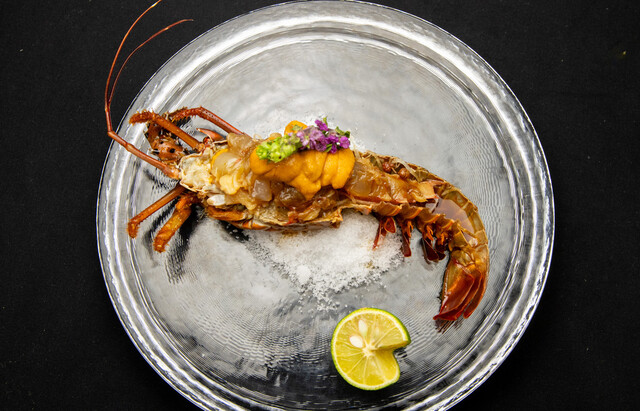
Fukushima’s dining streets reward attention: low-rise buildings, narrow frontages, and rooms that reveal little until the door opens. Koubai Honrou feels less like a grand Chinese dining room than Osaka’s compact answer to the modern counter restaurant. Its 12-seat room, eight counter seats and one table, turns Chinese cooking into a study of pacing, temperature, and course sequence rather than banquet cues.
That reflects Osaka’s wider Chinese scene, no longer split neatly between hotel Cantonese rooms and casual gyoza-and-noodle addresses. A smaller tier now centers on reservation-only formats, fixed start times, wine lists, and Japanese sourcing instincts. Koubai Honrou belongs there, and its selection for Tabelog 100 - Chinese cuisine - WEST - 2026 places it among the region’s closely watched Chinese restaurants. The recognition is not trophy dining; it confirms a competitive bracket where precision and ingredient judgment matter more than spectacle.
Fish-led Chinese cooking in a city that usually frames luxury around beef and sushi
Osaka has many luxury ingredients, but its premium shorthand usually starts with sushi, kappo, wagyu, or tempura. A Chinese restaurant defined by fish occupies a specific lane. Fish changes the meal’s grammar: sauces need restraint, heat control becomes visible, and the kitchen has less room to hide behind richness. In Japanese-Chinese dining, that often creates a cleaner, more seasonal register than the banquet model of large-format Cantonese or Sichuan rooms.
Koubai Honrou’s signal is clear: the restaurant is noted for fish, and the drinks program for wine. That pairing explains the style without inventing a menu. Wine-led Chinese dining requires different calibration from beer or Shaoxing-heavy service. Salt, acidity, oil, and aromatics must be managed across the course sequence so the meal sits comfortably beside bottles rather than fighting them. For diners used to Osaka’s sharper split between izakaya drinking and formal wine service, this is one of Fukushima’s more interesting crossovers.
Fukushima makes the format logical. The neighbourhood suits diners seeking serious meals without Umeda’s hotel-district stiffness or Namba’s tourist pressure. The range is broad: Dal Brigante works at a lower Italian price tier, Wagyu Ryori Isseki Sanchou sits in a higher beef-focused bracket, and Modern Thai CIEL Oosaka honten shows how non-Japanese cuisines can hold their own without relying on size. Against that field, the restaurant takes a narrower position: Chinese cuisine, small room, fish emphasis, wine compatibility, and a course structure that asks diners to surrender the evening rather than order casually.
That commitment separates it from Fukushima’s everyday rhythm. The district does quick meals well, from ramen counters to coffee stops, but a reservation-only Chinese course lasting two to three hours demands planning. Readers comparing citywide options can use Our full Fukushima restaurants guide for the wider field, then treat this address as the smaller-format Chinese pick when ingredient sourcing and wine service matter more than a broad à la carte spread.
The room makes the course format feel closer to kappo than banquet dining
Small Chinese restaurants in Japan often borrow kappo’s social logic: visibility, timing, and a tight kitchen-guest relationship. The restaurant’s counter seating reinforces that. No private rooms and limited capacity push the experience toward shared pacing, not private entertaining. This is not for a roaming group dinner where dishes arrive in waves across multiple tables; it is a controlled meal whose kitchen sequence matters.
That helps travellers allocate a limited Osaka itinerary. A table here differs from a casual Fukushima dinner at KANNOSUKE or Ramen Kozou, and from destination dining built around one luxury category such as beef. The private-use terms and maximum seated capacity show a room built for small groups, but the experience is defined by the course, not party scale. It suits diners who care about meal structure, accept fixed timing, and understand that modern Chinese cooking in Japan can be as ingredient-sensitive as more familiar counter traditions.
The 2017 opening date matters. This is not a new concept chasing intimate-counter fashion. By 2026, the restaurant has settled into Fukushima’s dining map while earning recognition from a national restaurant-award platform. Maturity plus a current Tabelog 100 selection is stronger than either signal alone.
For broader planning, Fukushima sits in a useful Osaka eating-and-drinking corridor rather than a single-purpose dining stop. Travellers building a night around the area can cross-reference Our full Fukushima bars guide, while those staying nearby can scan Our full Fukushima hotels guide. The district is less obvious for wine tourism or formal experiences, but the larger EP Club map is available through Our full Fukushima wineries guide and Our full Fukushima experiences guide.
How to read the restaurant's place in Fukushima's wider dining map
The useful comparison is not whether the restaurant is generically “Chinese,” but what kind of Chinese restaurant it is inside Osaka. Its price tier places it above Fukushima’s casual and mid-range addresses and closer to special-occasion dining. The 12-seat capacity makes access more constrained than at larger restaurants, and the fixed-course duration makes the meal less flexible than an à la carte dinner. These define the audience.
In Fukushima, nearby editorial entries include age, Agu Buta Shabushabu Senmon Ten Toriou Bettei, Asia Shokudo Chouku, Bistro Mikasa, and CAFE BAHNHOF. Further afield, EP Club’s Japan and Japanese-dining coverage ranges from -Grilled beef Sukiyaki- KAMAKURA TANUKIAN 鎌倉 たぬき庵 in Kamakura to. 鮪と炭火焼き うお炭 秋葉原店 in Tokyo.cafe in Osaka.know in Kumamoto, (Shoku) Vietnam in Kawasaki, and [Curry Senmon Ten] Maruyama Kyoju. in Sapporo. For readers tracking Japanese food culture abroad, Jōdo Saké Bar in Los Angeles and Onigiri Time in Pasadena show how different formats travel outside Japan.
The editorial case for the restaurant is precise: choose it for Chinese cooking filtered through Osaka’s small-room discipline, with fish and wine setting the tone. It is not a general-purpose restaurant for every Fukushima itinerary, but a compact, reservation-led address for diners who want to see Chinese technique, Japanese ingredient sensitivity, and counter-style pacing meet without turning the meal into theatre.
Side-by-Side Snapshot
Nearby venues at a similar price tier for orientation.
| Venue | Cuisine | Price | Notes |
|---|---|---|---|
| Koubai HonrouThis venue — the venue you are viewing | Chinese Omakase | $$$ | Not listed |
| Oshima | Fire-Driven Italian Fusion | $$$ | Shin-Fukushima |
| Chinese Sai Oil | Sichuan-style Chinese | $$ | Fukushima |
| Asia Shokudo Chouku | Pan-Asian set-menu restaurant and Asian tapas in Osaka | $$ | Fukushima |
| Sushi Hijiri | Edomae Sushi Omakase | $$$ | Fukushima |
| Sumiyaki Kobou Gen | Dining | Not listed | Fukushima |
Recognition history
Dated appearances from independent guides and award organizations, with the underlying list record or original source where available.
Tabelog 100 #12 · No. 12
Tabelog · Tabelog 100 - Chinese cuisine - WEST - 2026
Continue exploring
More in Fukushima
Restaurants in Fukushima
Browse all →


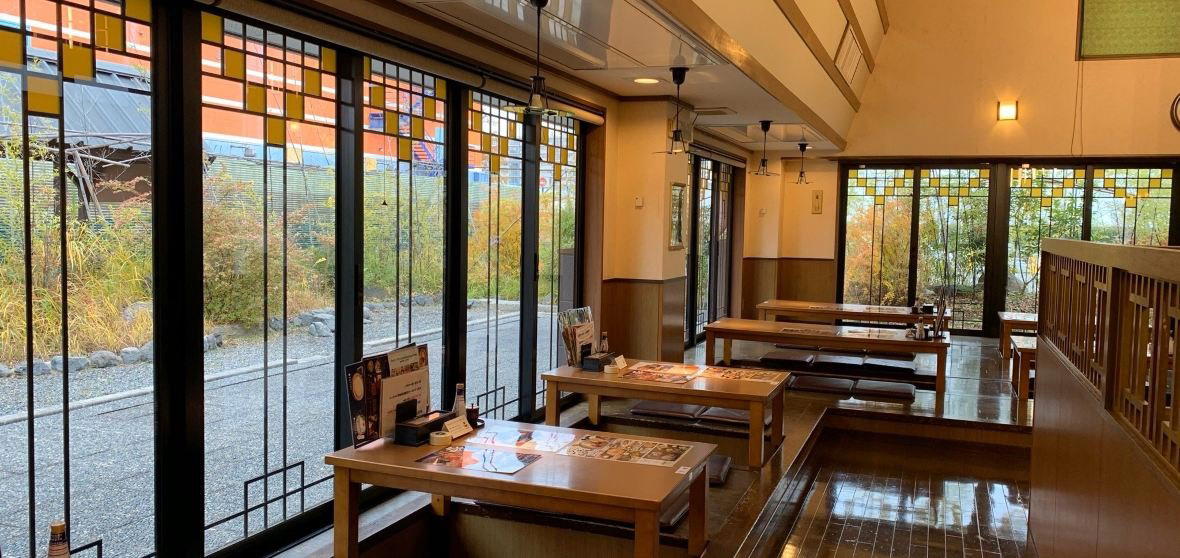

Bars in Fukushima
Browse all →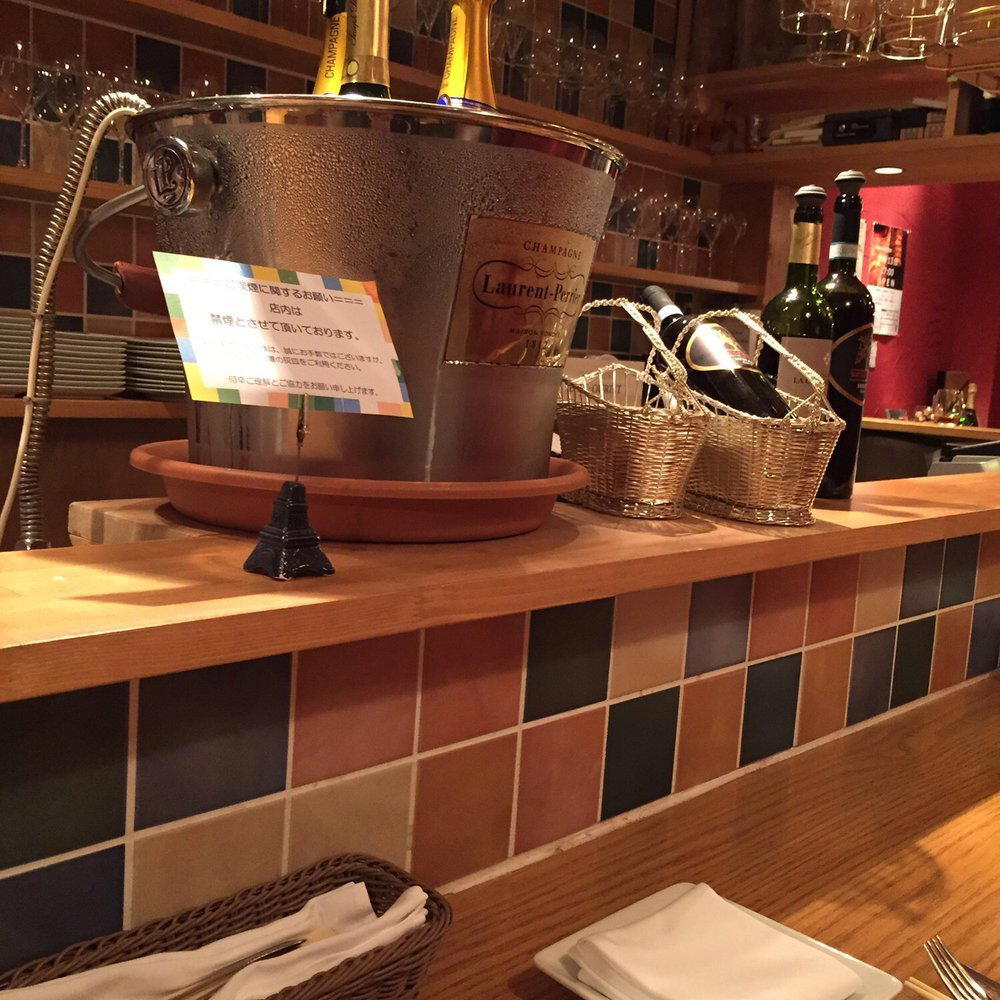



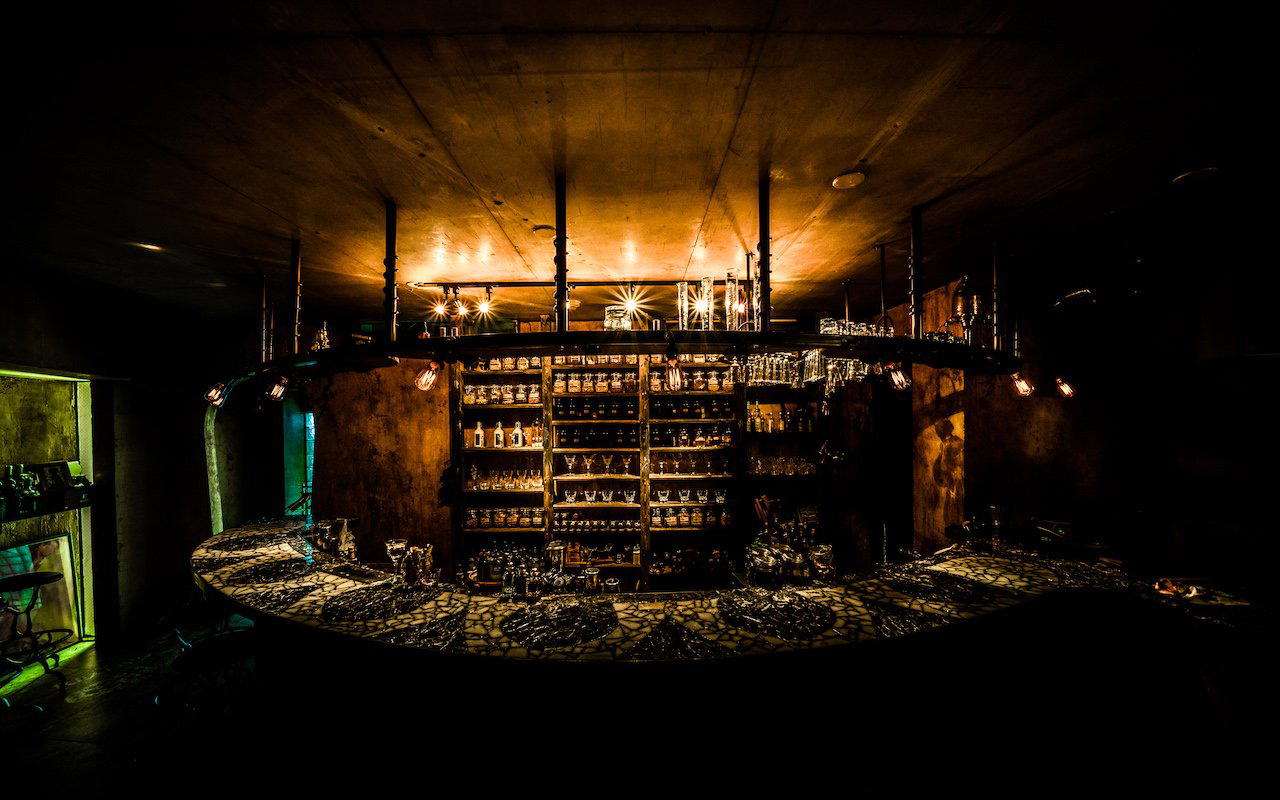
Hotels in Fukushima
Browse all →



Wineries in Fukushima
Browse all →
At a Glance
- Sophisticated
- Elegant
- Intimate
- Modern
- Classic
- Date Night
- Special Occasion
- Business Dinner
- Celebration
- Private Event
- Chefs Counter
- Open Kitchen
- Design Destination
- Standalone
- Extensive Wine List
- Sake Program
- Sommelier Led
- Local Sourcing
Current opening hours
- Monday
- 6–10 PM
- Tuesday
- 6–10 PM
- Wednesday
- 6–10 PM
- Thursday
- 6–10 PM
- Friday
- 6–10 PM
- Saturday
- 12–3 PM, 6–9 PM
- Sunday
- Closed
Hours can change for holidays and private events. Last verified .
Open-kitchen counter seating creates a lively, theatrical dining room with an intimate, immersive feel.