Google: 4.8 · 989 reviews
Korea House BBQ & Grill Marysville
Korean barbecue in Marysville occupies a specific niche in the wider Puget Sound dining scene, and Korea House BBQ & Grill on 36th Avenue NE sits squarely in that tradition. The format centers on tableside grilling, a communal approach to protein and banchan that rewards groups willing to slow down and eat in sequence. For Snohomish County, it fills a gap that the Seattle core does not always make accessible.
 Discover on Pearl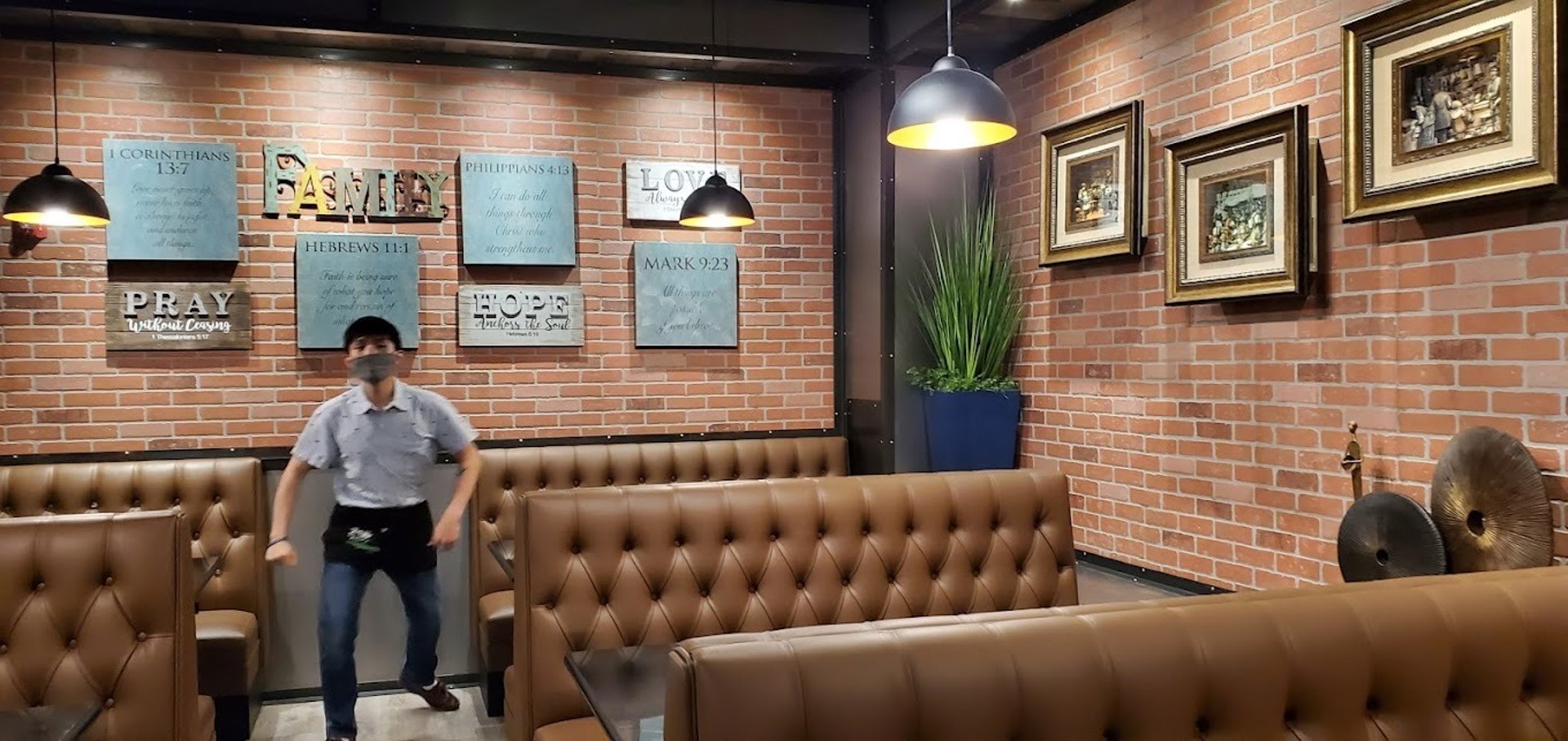
Korean Barbecue North of Seattle: What the Format Demands
The suburban stretch of Marysville, Washington sits roughly thirty miles north of Seattle along Interstate 5, in a corridor that has grown steadily without accumulating much dining depth. Korean barbecue, as a format, asks something specific of a neighborhood: ventilation infrastructure, reliable meat sourcing, and a kitchen that understands the role banchan plays not as garnish but as structural counterpoint to grilled protein. Korea House BBQ & Grill, located at 8630 36th Ave NE, operates in that tradition. The address places it in a commercial zone that serves a dispersed Snohomish County population, many of whom would otherwise drive south into Seattle's Koreatown corridor or into Lynnwood to find this style of cooking.
The tableside grill format that defines Korean barbecue is one of the more demanding in casual dining. It requires active participation from the diner, precise heat management from the kitchen, and a supply chain that can deliver consistent marbled cuts. Galbi and bulgogi, the two proteins most associated with the format in American Korean restaurants, depend on marinade depth and meat quality in roughly equal measure. Soy, sesame, pear or apple, garlic, and ginger form the base of most bulgogi preparations, but the quality of the beef underneath determines whether the result is memorable or merely functional.
Sourcing and the Snohomish County Supply Chain
Korean barbecue's ingredient logic is worth understanding on its own terms. The cuisine developed in a context where no part of the animal went unused, where fermented accompaniments like kimchi and doenjang were preserved for months rather than made fresh daily, and where the grill itself was a domestic object as much as a restaurant one. That history shapes what good Korean barbecue should taste like: the fermented notes in the banchan should contrast with the Maillard sweetness of the grilled meat, and the rice should be plain enough to reset the palate between bites.
In Washington State, Korean restaurant operators have access to a regional beef supply that includes Snohomish and Skagit County producers as well as the broader Pacific Northwest cattle industry. Whether Korea House BBQ & Grill sources locally or through a broader distributor is not confirmed in available data, but the regional context matters. The Pacific Northwest's proximity to Asian import networks, particularly through the Port of Seattle, also means that imported Korean pantry staples, including gochugaru, doenjang, and ganjang, are more accessible here than in many other American regional markets. That logistical advantage translates, in theory, to more authentic fermentation profiles than restaurants in less well-supplied corridors can achieve.
For comparison, the farm-to-table integration that defines places like Single Thread Farm in Healdsburg or Blue Hill at Stone Barns in Tarrytown represents one end of the sourcing spectrum. Korean barbecue operates on a different axis, where fermentation tradition and marinade craft matter as much as any single ingredient's provenance. The format's rigor is different, not lesser. Fine-dining programs at Atomix in New York City, which applies kaiseki-level precision to Korean ingredients, demonstrate how high the ceiling for the cuisine can be when technique and sourcing align. Marysville operates well below that register, but the foundational ingredient logic connects.
The Communal Table and Who It Suits
Korean barbecue is structurally a group format. The grill sits at the center of the table, the banchan plates fan out around it, and the meal proceeds in rounds rather than courses. That architecture suits families and groups of four or more considerably better than it suits solo diners or couples seeking a quiet dinner. The noise level at a functioning Korean barbecue table tends to run high, not because the room is poorly designed but because the format generates conversation and activity. This is not a venue for the kind of hushed, focused dining that characterizes a tasting menu at Alinea in Chicago or a counter experience at Lazy Bear in San Francisco. The comparison is not pejorative; it simply clarifies what Korean barbecue is designed to do.
For Marysville specifically, the format has particular relevance. The city's population includes a significant proportion of families, and Korean barbecue's combination of interactive cooking and shared plates maps well onto that demographic. The price point at most suburban Korean barbecue operations in Washington sits below Seattle's Koreatown restaurants on a per-person basis, though the absence of confirmed pricing data for Korea House BBQ & Grill means any specific figure would be speculative.
Planning a Visit: What the Format Requires of You
Korean barbecue rewards some preparation. Arriving hungry and with a group of at least three makes the economics and the experience work better. The banchan selection at most Korean restaurants comes as a given, not a menu choice, so the kitchen's judgment on fermentation and seasoning balance matters more than individual dish selection. Grilled meats arrive raw and are cooked at the table, which means timing between the kitchen and the diner is a shared responsibility.
For those driving north from Seattle, the restaurant's location on 36th Avenue NE in Marysville is accessible from Highway 529 off Interstate 5. Parking in the surrounding commercial area is generally surface-lot based, which simplifies arrival. Given the limited confirmed data on hours and booking policy, calling ahead before visiting is advisable, particularly for larger groups who will need grill-equipped tables reserved. Similar advice applies to most Korean barbecue restaurants in the region: weekend evenings fill faster than weekday slots, and groups larger than six often benefit from advance notice.
The broader Marysville dining context, covered in our full Marysville restaurants guide, reflects a dining scene still in development. Korean barbecue sits at its more established end, drawing on a cuisine tradition with clear formatting rules and an ingredient discipline that many suburban American restaurants lack. For those who have eaten at Korean-inflected fine dining programs like Causa in Washington, D.C. or tracked the technique-forward direction of places like ITAMAE in Miami, the register at Korea House BBQ & Grill is straightforwardly different. But the underlying respect for fermentation, ingredient sequence, and communal format connects to the same culinary tradition that those higher-tier programs draw from.
Other points of regional and national reference that contextualize the American dining spectrum: Le Bernardin in New York City, The French Laundry in Napa, Providence in Los Angeles, Addison in San Diego, Bacchanalia in Atlanta, Brutø in Denver, Frasca Food & Wine in Boulder, The Inn at Little Washington, Emeril's in New Orleans, and 8 1/2 Otto e Mezzo Bombana in Hong Kong all occupy different positions on the global dining map, but each reflects the same underlying principle: format integrity and ingredient sourcing determine whether a restaurant delivers on its category's promise.
Comparison Snapshot
These are the closest comparables we have in our database for quick context.
| Venue | Cuisine | Price | Awards | Notes |
|---|---|---|---|---|
| Korea House BBQ & Grill Marysville | This venue | |||
| Le Bernardin | French, Seafood | $$$$ | Michelin 3 Star | French, Seafood, $$$$ |
| Atomix | Modern Korean, Korean | $$$$ | Michelin 2 Star | Modern Korean, Korean, $$$$ |
| Lazy Bear | Progressive American, Contemporary | $$$$ | Michelin 2 Star | Progressive American, Contemporary, $$$$ |
| Alinea | Progressive American, Creative | $$$$ | Michelin 3 Star | Progressive American, Creative, $$$$ |
| Atelier Crenn | Modern French, Contemporary | $$$$ | Michelin 3 Star | Modern French, Contemporary, $$$$ |
Continue exploring
More in Marysville
Restaurants in Marysville
Browse all →
Bars in Marysville
Browse all →
Hotels in Marysville
Browse all →

At a Glance
- Lively
- Energetic
- Group Dining
- Casual Hangout
- Open Kitchen
- Sake Program
Lively atmosphere centered around interactive table-top grilling with a casual, energetic vibe.