Our verdict
Konoba Kraljevski Vinogradi sits in Petrčane, a quiet coastal settlement north of Zadar on the Dalmatian coast, where the konoba format, Croatia's version of the rustic tavern, grounds the dining experience in local land and sea produce. The address at Punta Skala places it within reach of the northern Dalmatian culinary circuit that runs from Zadar toward the Šibenik hinterland.

Pearl is the En Primeur Club membership app, where members save venues, book tables and use the concierge.
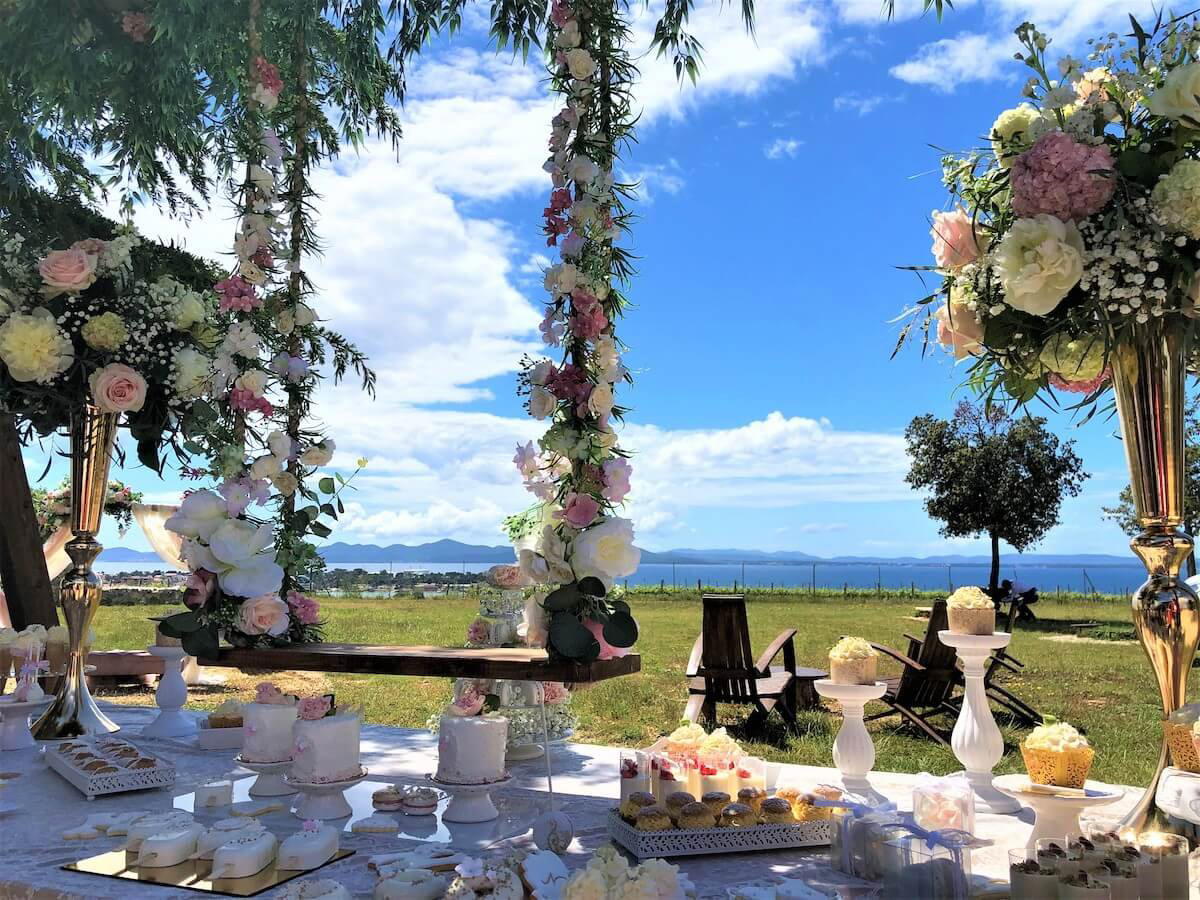
The menu
What to order
- Dalmatian Peka
- Grilled sea bass
- Hand-rolled pasta with scampi and truffle
- Octopus carpaccio
- Beefsteak with truffle sauce
The Konoba Tradition and Where Petrčane Fits In
Along the northern Dalmatian coast, the konoba remains the most honest expression of how this region eats. Not a restaurant in the international sense, not a hotel dining room chasing awards, the konoba format is built around a logic of proximity: what grows nearby, what was caught that morning, what the cellar holds. Petrčane, a small settlement perched above a sheltered bay roughly ten kilometres north of Zadar, sits in terrain that has shaped this cooking tradition for centuries. The Ravni Kotari plateau inland delivers lamb, olive oil, and vegetable produce; the Adriatic in front provides fish and shellfish; and the Dalmatian wine belt threads through the whole picture with Plavac Mali, Maraština, and Debit from nearby vineyards.
Konoba Kraljevski Vinogradi occupies this context. The name itself, which translates roughly as Royal Vineyards, signals a grounding in vine culture and land-connected hospitality rather than coastal spectacle. That positioning matters when you consider where Dalmatian dining has been moving: toward the polished tasting-menu formats visible at Pelegrini in Sibenik or Restaurant 360 in Dubrovnik, where price and technical ambition converge. The konoba format is a deliberate counterpoint, one where the editorial interest lies not in innovation but in fidelity to a specific place.
Approaching the Setting at Punta Skala
Punta Skala is a peninsula development north of the main Petrčane village, a stretch of coast where the water shifts between deep teal and pale turquoise depending on the hour and the angle of the afternoon sun. The physical approach to a konoba in this kind of setting typically involves stone, shade, and the sound of water at some remove. The Dalmatian konoba aesthetic draws on centuries of practical architecture: thick walls that hold the cool, open terraces that face the prevailing breezes, and an interior logic that prioritises communal eating over formal dining room hierarchy.
For visitors arriving from Zadar, the obvious base, Petrčane is a short drive north along the coastal road or a manageable taxi ride. Those staying at resort properties on the Punta Skala peninsula will find the konoba within easy reach on foot. The settlement is small enough that logistics rarely complicate an evening here. Booking directly by telephone, or in person on arrival, remains the standard approach for konoba dining in northern Dalmatia; the format does not typically run through international reservation platforms.
What the Northern Dalmatian Table Looks Like
The cooking tradition that defines this part of Croatia draws a clear line between the coast and the interior. Coastal konobas along the Zadar riviera lead with fish, whole-roasted varieties like sea bream and sea bass cooked under the peka, the iron bell-lid buried in embers that is arguably the signature cooking method of Dalmatia, alongside shellfish, octopus salad, and cured fish preparations. Inland flavours arrive through lamb dishes, sheep's milk cheeses from the Pag Island producers just across the water, and slow-cooked meat preparations that take their time in a way that rushed resort kitchens rarely allow.
Maraština, the white grape variety native to this northern Dalmatian zone, is the natural pour alongside fish courses here. It is a grape that produces wines of firm acidity and mineral edge rather than fruit-forward approachability, which suits the salt-inflected cooking of the coast. Plavac Mali, the Dalmatian red, follows for heavier plates. This is not a wine list curated for international variety; it is a regional list built around what the immediate geography produces, which is precisely the point.
For comparison, the coastal dining circuit in Croatia spans a wide range of registers. Agli Amici Rovinj in Rovinj operates at the Italian-contemporary end of Istrian dining, while Alfred Keller in Mali Lošinj represents the island-luxury tier further south. The konoba format at Kraljevski Vinogradi sits in a different register entirely: closer to the ground, less formal in its ambitions, and more directly tied to the agricultural and fishing supply chains of its immediate neighbourhood. Nearby, Konoba Momento operates in the same Petrčane setting and provides a useful local comparison point for how the format plays out across the village.
The Dalmatian Konoba in a Broader Croatian Context
Croatia's dining scene has developed along two tracks over the past decade. The first is the technical-modern track, where chefs with international training or Michelin exposure are constructing tasting menus that reference local produce while operating within a global fine-dining grammar. Nebo by Deni Srdoč in Rijeka, Boskinac in Novalja, and Dubravkin Put in Zagreb each represent different expressions of this direction. The second track is the one the konoba format occupies: a preservation of cooking logic that predates the modern restaurant economy, where the measure of quality is not innovation but accuracy to tradition and season.
Petrčane sits squarely on the second track. The summer season, which runs roughly from June through September, concentrates most of the island and coastal trade; visitors arriving outside that window will find quieter conditions and, in some cases, reduced or suspended operations at smaller konobas. Timing a visit for late June or early September typically means full menus without the peak-August crowds that compress service across the Dalmatian coast.
For those building a wider Croatian itinerary around serious eating, the northern Dalmatian circuit pairs naturally with stops at Krug in Split, LD Restaurant in Korčula, and Bodulo in Pag. Further afield, BioMania Bistro Bol in Bol adds a southern island perspective, while the continental table is well covered by Korak in Jastrebarsko, Cantilly Garden Restaurant in Samobor, and Burin in Crikvenica on the Kvarner coast. The full picture of Croatian regional cooking becomes considerably clearer when the konoba format is held against these more formal expressions; they are not competing for the same thing.
Our full Petrčane restaurants guide maps the local options across price tiers and formats for visitors planning time in this part of the coast.
Planning a Visit
Petrčane is leading accessed from Zadar, either by car along the D8 coastal road or by taxi, with journey times typically under twenty minutes depending on summer traffic. The Punta Skala address suggests proximity to the resort peninsula rather than the old village core, so arriving by car remains the most practical approach for visitors without a base within walking distance. As with most Dalmatian konobas, reservations are advisable during July and August, when table pressure across the entire coast increases. Contact methods for Konoba Kraljevski Vinogradi are not listed through international booking platforms; a direct approach on arrival, or through accommodation staff in Petrčane, is the standard local practice. Dress is relaxed by convention; the konoba format has never carried formal dress expectations.
Frequently asked questions
Where do I go for Konoba Kraljevski Vinogradi?
Konoba Kraljevski Vinogradi is located at Punta Skala bb, 23231, Petrčane, Croatia, Petrčane.
Is Konoba Kraljevski Vinogradi a good option for a lunch stop when visiting Punta Skala from Zadar?
Petrčane and the Punta Skala peninsula are accessible from Zadar in under twenty minutes by car along the D8 coastal road, making the venue a realistic midday stop rather than a dedicated evening destination. The konoba format in this part of Croatia is built around long, unhurried meals, so a lunch visit fits the pacing of the place better than a quick stop.
What's the signature dish at Konoba Kraljevski Vinogradi?
No specific menu items are documented. What defines the konoba tradition along the Zadar riviera, and by extension Petrčane, is coastal produce driven by season: fish caught locally, grilled or prepared under a peka, alongside olive oil from the Dalmatian interior. Expect the menu to reflect what the northern Dalmatian coast has available rather than a fixed signature.
How far ahead should I plan for Konoba Kraljevski Vinogradi?
No booking lead-time data is published. Konobas on the Punta Skala peninsula, a developed stretch of coast north of Petrčane village, tend to fill during peak summer months when the Zadar riviera draws the bulk of its visitors. Contacting the venue directly ahead of a July or August visit is advisable.
What do critics highlight about Konoba Kraljevski Vinogradi?
The venue sits within the konoba category, which in northern Dalmatia is evaluated less on technical ambition and more on the integrity of local sourcing and the directness of the cooking. That context shapes how this kind of establishment is typically assessed.
Can Konoba Kraljevski Vinogradi handle vegetarian requests?
The broader Dalmatian konoba tradition does include vegetable-based preparations, cheese, bread, and olive oil-dressed salads alongside its fish and meat courses, so some flexibility is typical of the format.
Does Konoba Kraljevski Vinogradi justify its prices?
Konobas along the Zadar riviera generally sit below the cost of comparable seafood restaurants in Dubrovnik or Split, reflecting the northern Dalmatian coast's positioning as a less commercially pressured stretch of coastline. The value proposition in this category is tied to local sourcing and setting rather than formal service.
Price Lens
Comparable venues nearby, for context on price, style, and recognition.
| Venue | Cuisine | Price | Notes |
|---|---|---|---|
| Konoba Kraljevski VinogradiThis venue (the venue you are viewing) | Traditional Dalmatian Seafood & Grilled Meats | $30–50 | Not listed |
| Konoba Momento | Modern Dalmatian Seafood | $30–50 | Petrcane, Modern Dalmatian Seafood |
| Skoblar | Traditional Dalmatian Seafood | $30–50 | Old Town, Traditional Dalmatian Seafood |
| Hotel & Restoran Degenija | Traditional Croatian Regional Grill | $20–30 | Selište Drežničko, Rakovica, Traditional Croatian Regional Grill |
| Nada | Traditional Mediterranean Seafood | $20–30 | Vrbnik old town, Traditional Mediterranean Seafood |
| Karaka | Croatian Mediterranean Seafood | $20–30 | Krk, Croatian Mediterranean Seafood |
Continue exploring
More in Petrčane
Restaurants in Petrčane
All restaurants in Petrčane →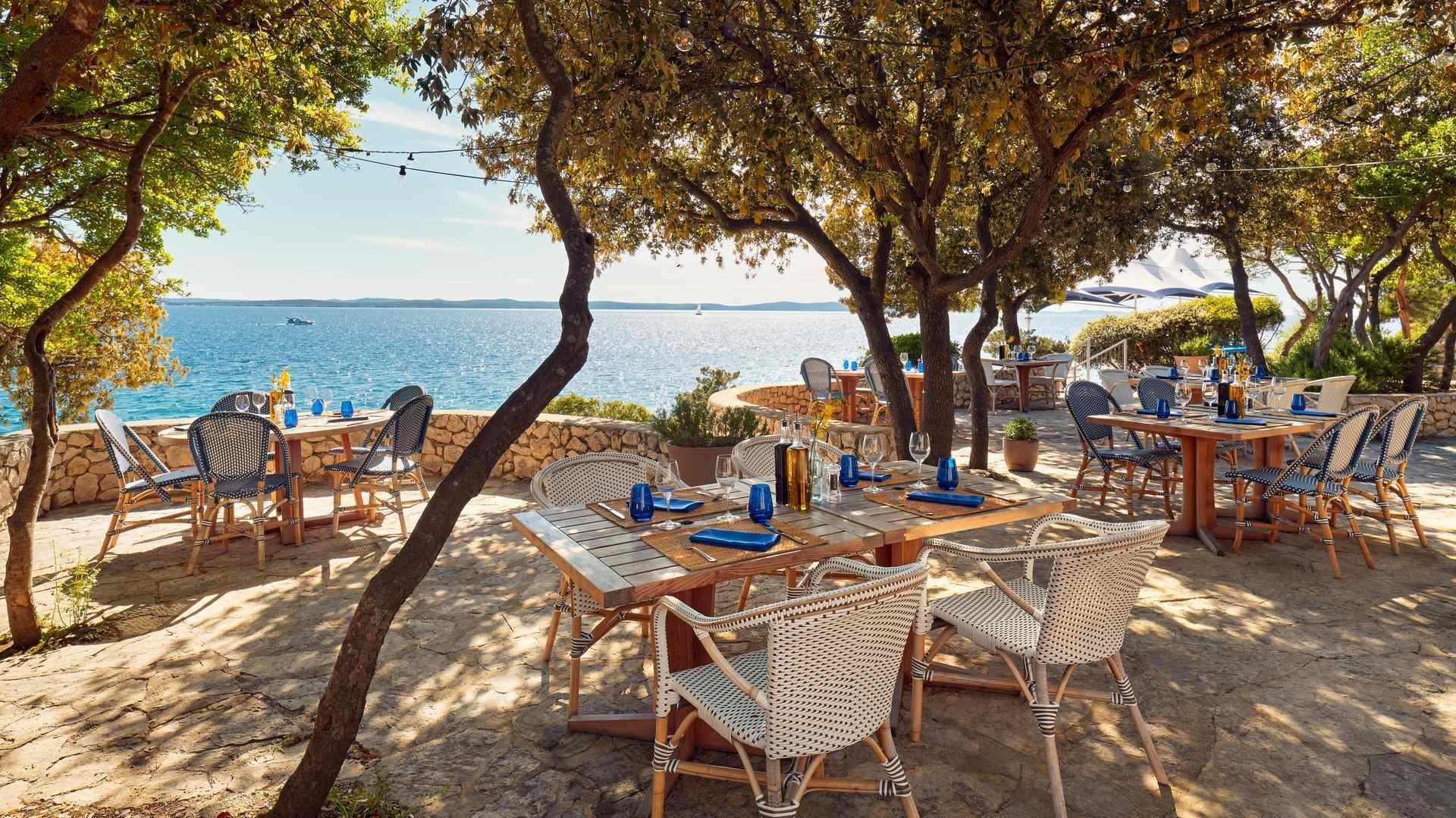
Bars in Petrčane
All bars in Petrčane →
Hotels in Petrčane
All hotels in Petrčane →
Wineries in Petrčane
Browse all →
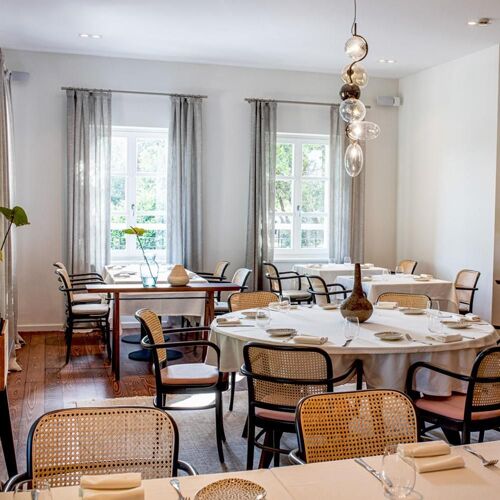
Konoba Kraljevski Vinogradi
The wine
- Wine program
- Deep wine list
- Extensive wine list
- Sommelier-led
Details
- Rustic
- Romantic
- Scenic
- Cozy
- Intimate
- Date Night
- Family
- Group Dining
- Celebration
- Special Occasion
- Terrace
- Panoramic View
- Wine Cellar
- Waterfront
- Extensive Wine List
- Sommelier Led
- Local Sourcing
- Farm To Table
- Waterfront
- Vineyard
- Mountain
- A La Carte
- Family Style
- Pošip
- Crljenak
- Plavac Mali
- Gladiator Red Wine
- Vegetarian Friendly
- Pescatarian Friendly
Current opening hours
- Monday
- Closed
- Tuesday
- 1–8 PM
- Wednesday
- 1–8 PM
- Thursday
- 1–8 PM
- Friday
- 1–8 PM
- Saturday
- 1–8 PM
- Sunday
- 1–8 PM
Hours can change for holidays and private events. Hours as of .
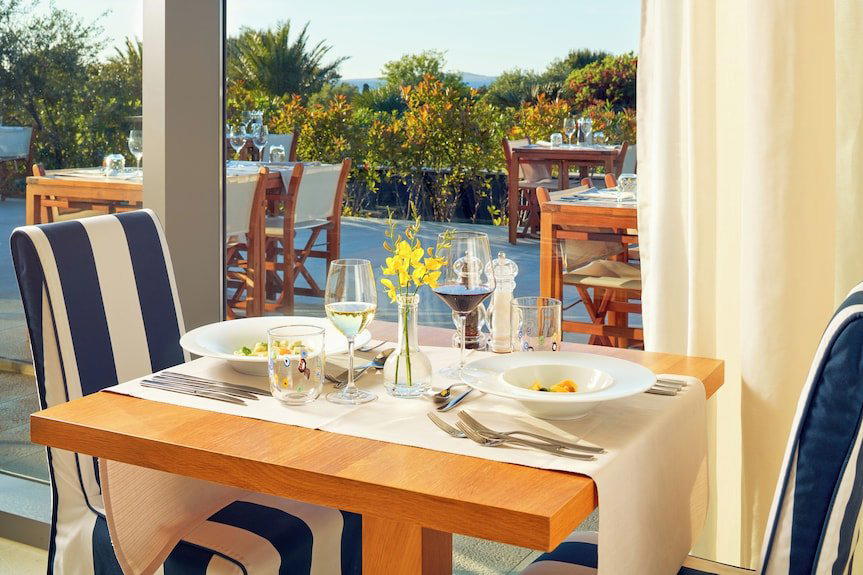
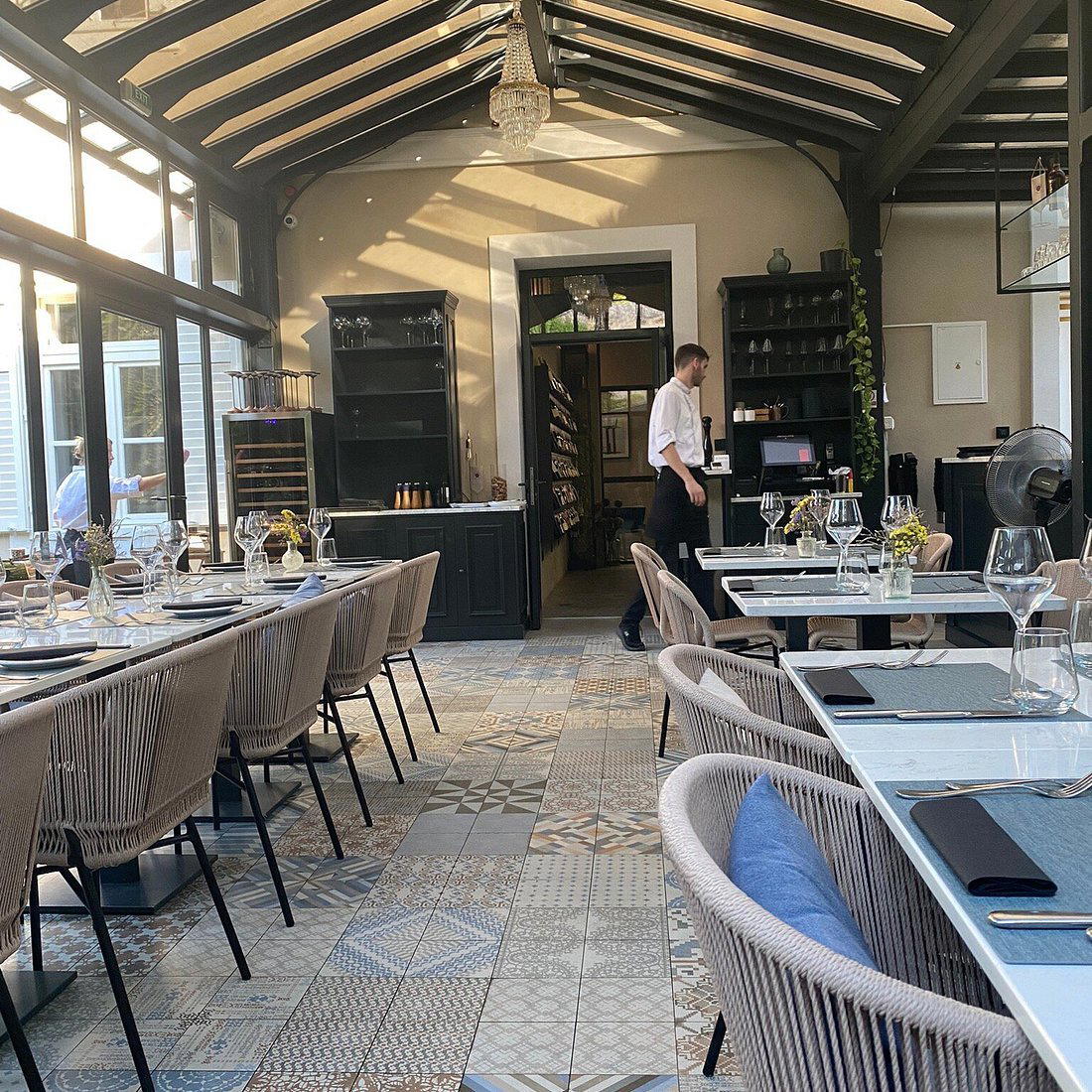
Warm, rustic, and relaxed atmosphere with natural lighting from expansive outdoor terraces shaded by vineyard canopies; intimate indoor spaces with traditional Dalmatian character; golden hour sunsets over the bay create a magical evening ambiance.