Our verdict
Konoba Momento serves Modern Dalmatian Seafood on a waterfront terrace in Petrčane, with local sourcing and dishes like Pag cheese prawn risotto and grilled calamari.

Pearl is the En Primeur Club membership app, where members save venues, book tables and use the concierge.
The menu
What to order
- Pag cheese prawn risotto
- Grilled calamari
- Dagnje na buzaru
Where the Dalmatian Coast Eats Without an Audience
Petrčane sits roughly twelve kilometres north of Zadar along the Adriatic littoral, a small settlement that has so far avoided the full commercial pressure that reshaped larger coastal towns during Croatia's tourism boom. The village's dining scene operates on a different register from the polished, Instagram-calibrated restaurants clustered along Zadar's old city walls. Here the physical environment announces itself first: low stone architecture, the smell of the sea arriving before you see it, and a pace that makes it clear the kitchen is not in a hurry. Konoba Momento, addressed at V ulica 36, sits within this context, and understanding Petrčane's character is the prerequisite for understanding what the venue is doing.
The Konoba Tradition and Why It Still Matters on the Dalmatian Coast
The word konoba carries specific weight in Croatian dining culture. It denotes a category somewhere between tavern and family dining room, historically tied to the agricultural and fishing households of Dalmatia and the Adriatic islands. A konoba was, in its original form, a ground-floor storage space that doubled as an informal eating area, cool in summer, insulated from the coastal wind in autumn. The format survives not as a nostalgic affectation but because the underlying logic still holds: seasonal produce eaten close to where it was grown or caught, prepared without much mediation, in a room where the hosts and guests occupy the same physical world.
That tradition has fractured in recent decades. Along the southern Dalmatian coast, venues like Restaurant 360 in Dubrovnik and Pelegrini in Sibenik have moved the region's culinary ambition upward into fine-dining territory, with tasting menus and Michelin recognition as the reference points. Further north, Agli Amici Rovinj in Rovinj and Nebo by Deni Srdoč in Rijeka represent a similar upward pull. The konoba format, by contrast, resists that trajectory by design. Its value proposition is proximity to source, not distance from it.
Ingredient Sourcing as the Central Argument
Across northern Dalmatia, the sourcing geography is relatively compact. The Zadar hinterland produces lamb grazed on aromatic scrubland, the same botanical environment that gives pag lamb its protected designation further down the coast. The nearby sea yields bream, sea bass, cuttlefish, and the small blue-fleshed fish, sardines and anchovies, that have fed this coastline through every economic era. Olive oil from the Zadar region carries enough character to function as a condiment in its own right. The argument for eating in a small coastal konoba rather than a hotel restaurant or a highway-adjacent tourist trap rests almost entirely on the tightness of that supply chain.
In this context, a venue at a specific village address in Petrčane is positioned to draw from that local network in a way that a larger, destination-oriented restaurant cannot replicate. The konoba model depends on relationships, with fishermen who land the catch that morning, with local growers whose production volumes suit a small kitchen, with suppliers who do not need to meet the quantity thresholds of hotel catering. Venues operating at this scale across the Croatian Adriatic, from Bodulo in Pag to BioMania Bistro Bol in Bol, derive their credibility from precisely these logistical conditions. The ingredient proximity is not a marketing claim, it is a structural feature of cooking at this scale in this geography.
How Konoba Momento Sits in the Petrčane Scene
Petrčane's restaurant options are limited by design. The village has not developed the density of dining that Zadar's old town offers, which means each venue carries more weight within the local ecosystem. Konoba Kraljevski Vinogradi represents the other named konoba option in the immediate area, and together the two venues define the village's sit-down dining character. That limited competition is worth noting not as a criticism of the village but as a structural fact: when a small settlement sustains more than one traditional dining room, it usually indicates that both are drawing on genuine local demand rather than tourist throughput alone.
For the broader regional picture, our full Petrčane restaurants guide maps how the village fits within the Zadar Riviera's dining geography, including the ferry connections and road access that make Petrčane workable as a day stop or a base for exploring the nearby Kornati islands.
The Wider Croatian Dining Context
Croatia's restaurant scene has developed unevenly along its coastline. The investment in fine dining is concentrated in Dubrovnik, Split, and the northern Istrian peninsula, with LD Restaurant in Korčula, Krug in Split, Boskinac in Novalja, and Alfred Keller in Mali Lošinj each representing distinct expressions of what contemporary Croatian cooking can do when it has the resources and ambition to move beyond tradition. Inland, Dubravkin Put in Zagreb, Korak in Jastrebarsko, and Cantilly Garden Restaurant in Samobor show that the country's culinary depth extends well beyond the coast. Burin in Crikvenica occupies a mid-coast position analogous to Petrčane's in certain respects. Against all of that, the village konoba sits at a different point on the ambition spectrum, one where the measure of success is ingredient quality and consistency rather than tasting-menu innovation. For reference points on what ingredient-led restraint looks like at the absolute best of the price bracket, Le Bernardin in New York City and Atomix in New York City both demonstrate, in very different ways, that sourcing discipline is not the exclusive territory of casual dining.
Planning Your Visit
Frequently asked questions
Is Konoba Momento good for families?
The konoba format is historically rooted in family dining, the word itself describes a category between tavern and family dining room in Croatian culture. Petrčane's village setting reinforces that informal dynamic, making Konoba Momento a reasonable choice for families looking for a relaxed meal away from Zadar's busier tourist corridor. Booking ahead is advisable given the limited restaurant options in the village.
What is the atmosphere like at Konoba Momento?
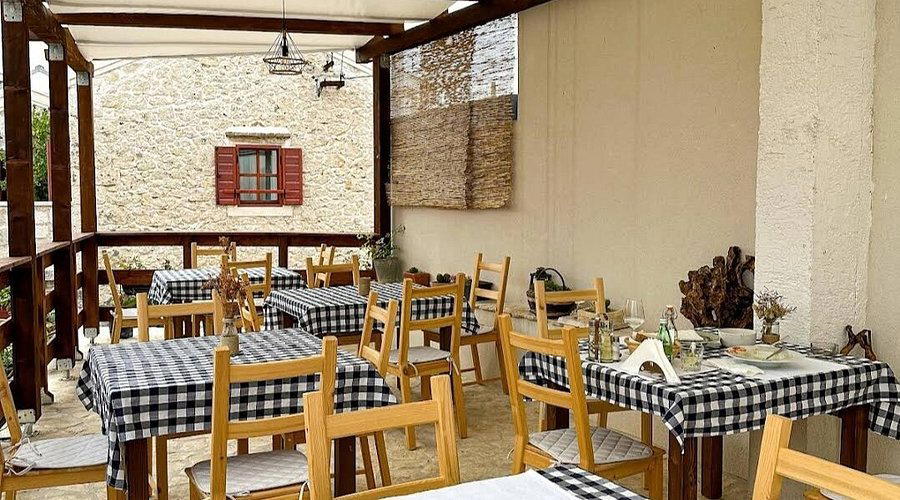
Konoba Momento sits in Petrčane, a small Adriatic settlement that has avoided the commercial density of larger coastal towns. The konoba category implies a relaxed, domestic register, stone walls, unhurried service, and a dining room that functions more like a household than a hospitality operation. Expect a low-key setting rather than a formal restaurant environment.
Is Konoba Momento worth visiting from Zadar for dinner?
Petrčane is under twenty minutes from Zadar by car, placing Konoba Momento within easy reach as a dinner destination for visitors based in the city. That lower-competition context is precisely why it registers for travellers seeking Dalmatian cooking outside the tourist centre.
What dish is Konoba Momento famous for?
Northern Dalmatia's sourcing geography is compact, which typically means ingredients travel short distances from sea or scrubland to plate.
Where is Konoba Momento located?
Konoba Momento is located at V ulica 36, 23231, Petrčane, Croatia, Petrčane.
A Quick Peer Check
| Venue | Cuisine | Price | Awards | Notes |
|---|---|---|---|---|
| Konoba MomentoThis venue (the venue you are viewing) | Modern Dalmatian Seafood | $30–50 | Not listed | Not listed |
| Pelegrini | Modern Dalmatian Fine Dining | $100–150 | 1 Michelin Star · La Liste Top Restaurants | Mediterranean, Modern Cuisine |
| Restaurant 360 | Modern Mediterranean with Asian and French Influences | $200–300 | 1 Michelin Star · La Liste Top Restaurants | International, Modern Cuisine |
| Foša | Modern Seafood | $50–100 | Michelin Plate | Croatian, Classic Cuisine |
| Nautika | Traditional Mediterranean Seafood | $100–150 | Michelin Plate · Star Wine List | Modern European, Classic Cuisine |
| Agli Amici Rovinj | Modern Mediterranean Fine Dining | $200–300 | 2 Michelin Stars · La Liste Top Restaurants | Italian Contemporary |
Continue exploring
More in Petrčane
Restaurants in Petrčane
All restaurants in Petrčane →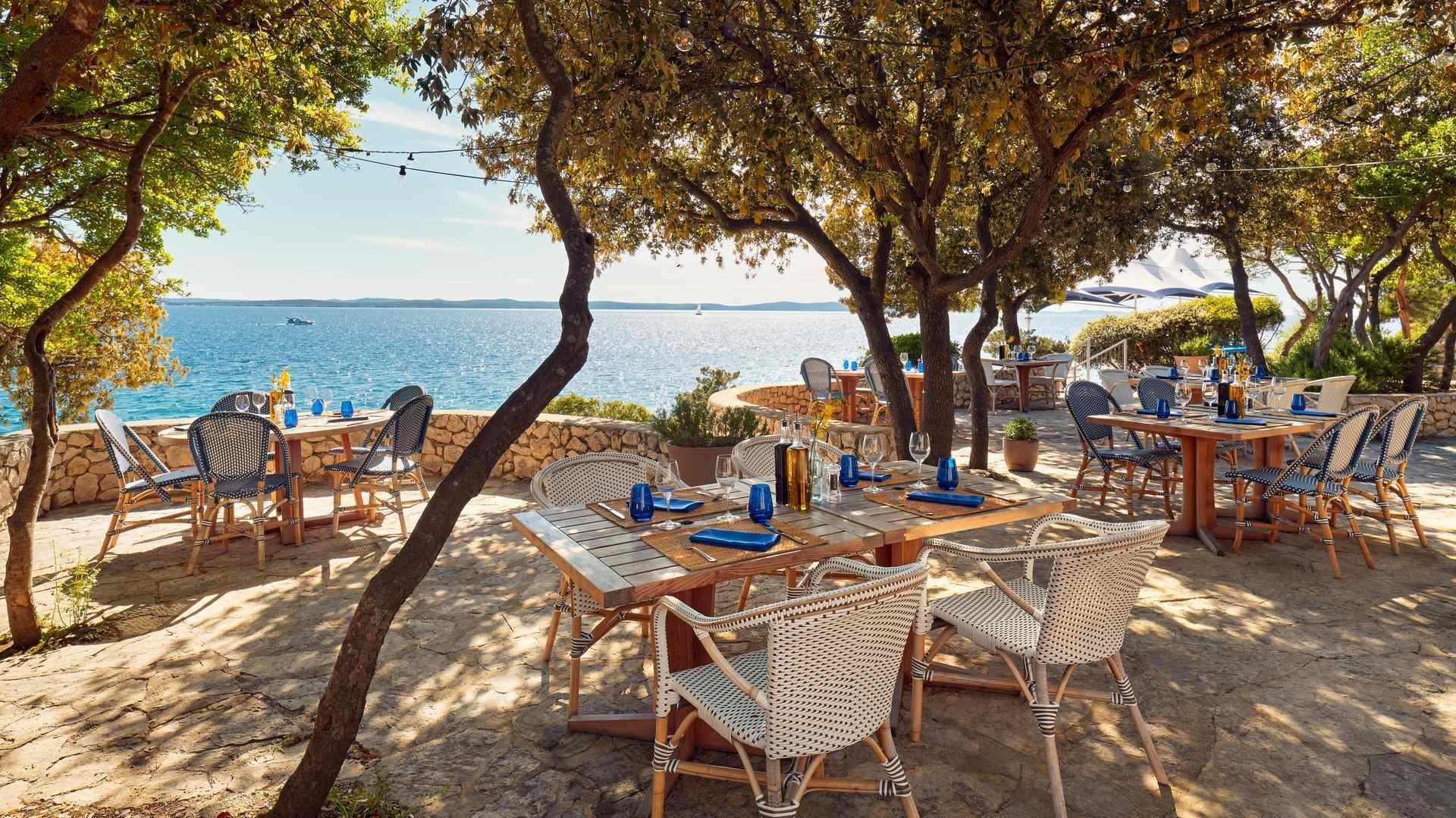
Bars in Petrčane
All bars in Petrčane →
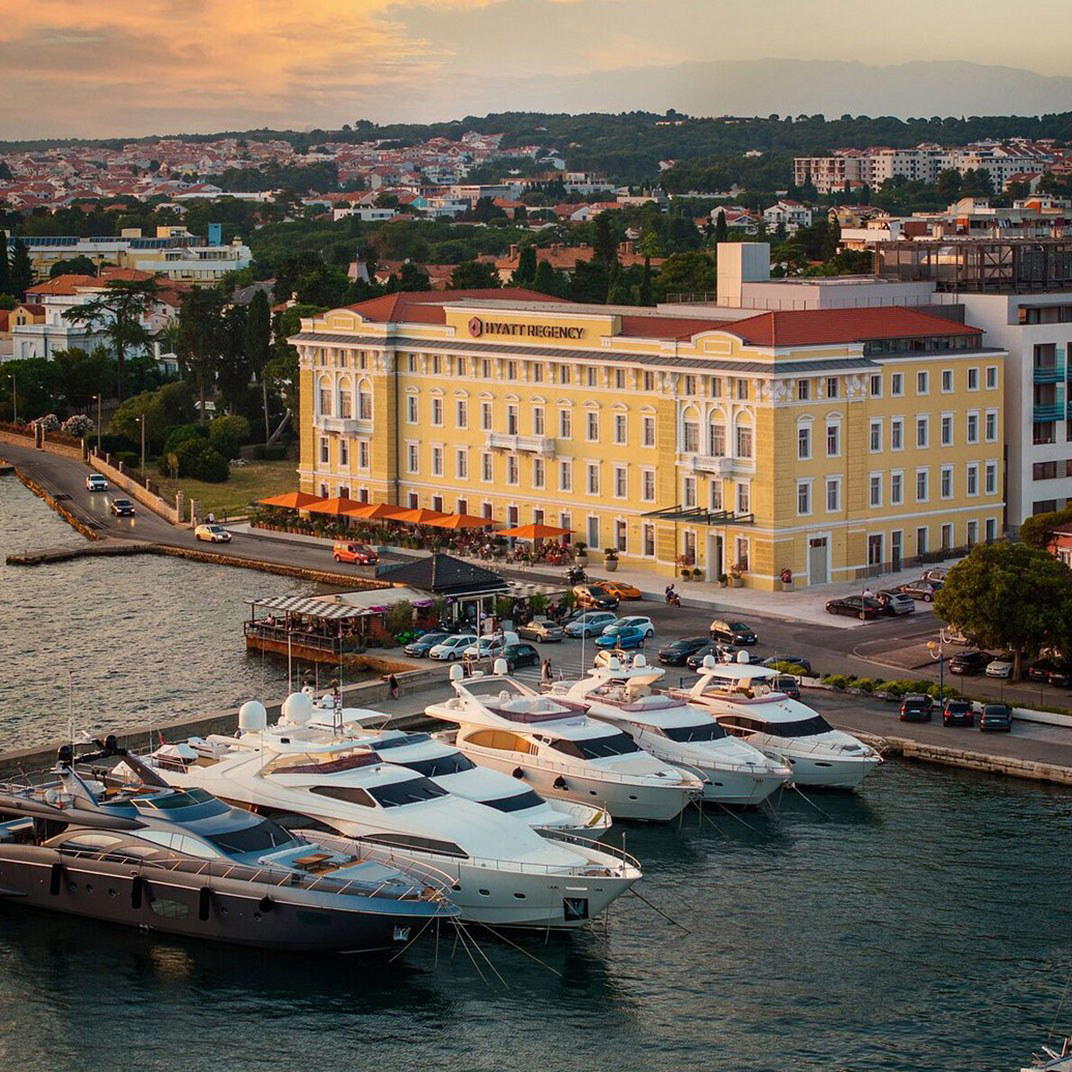
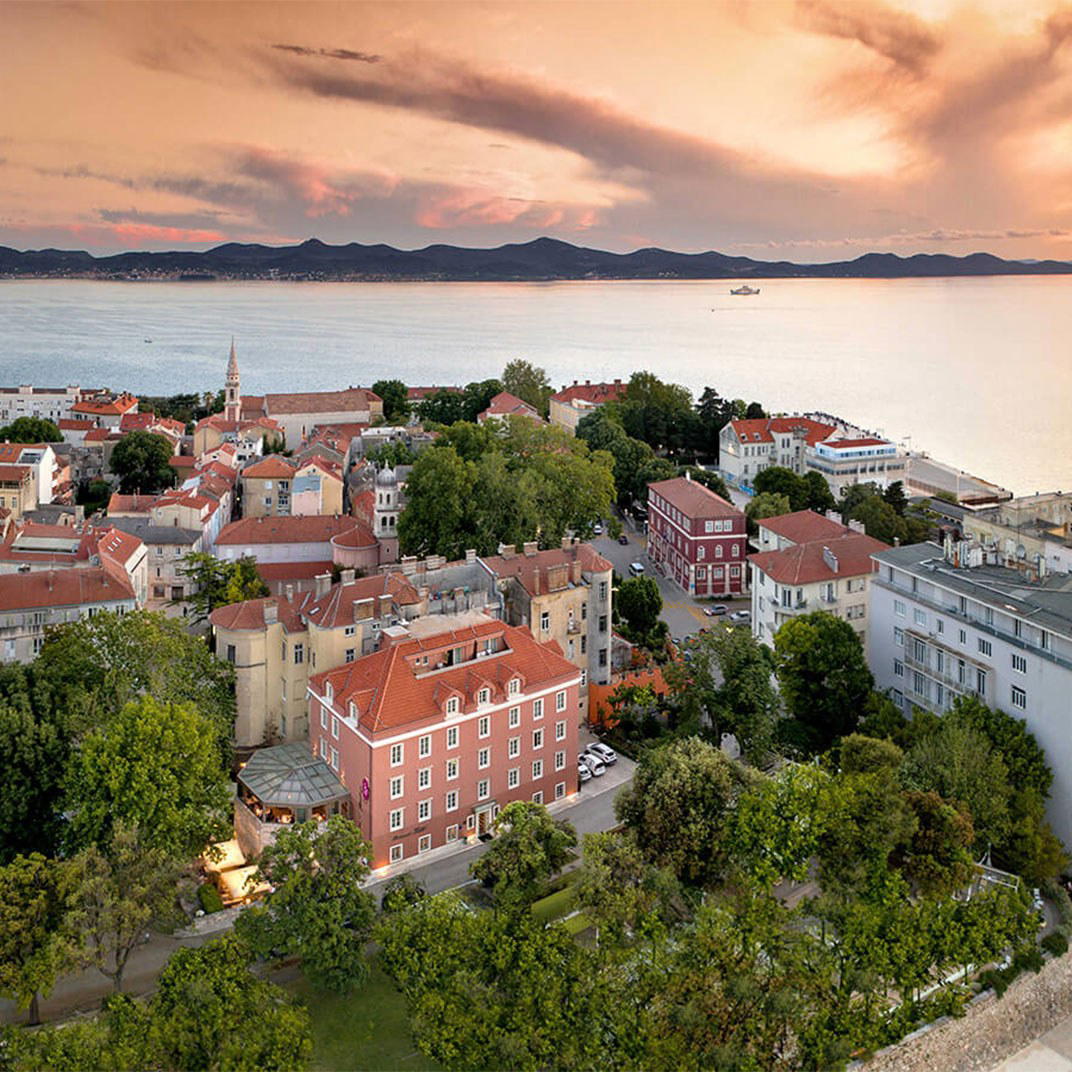
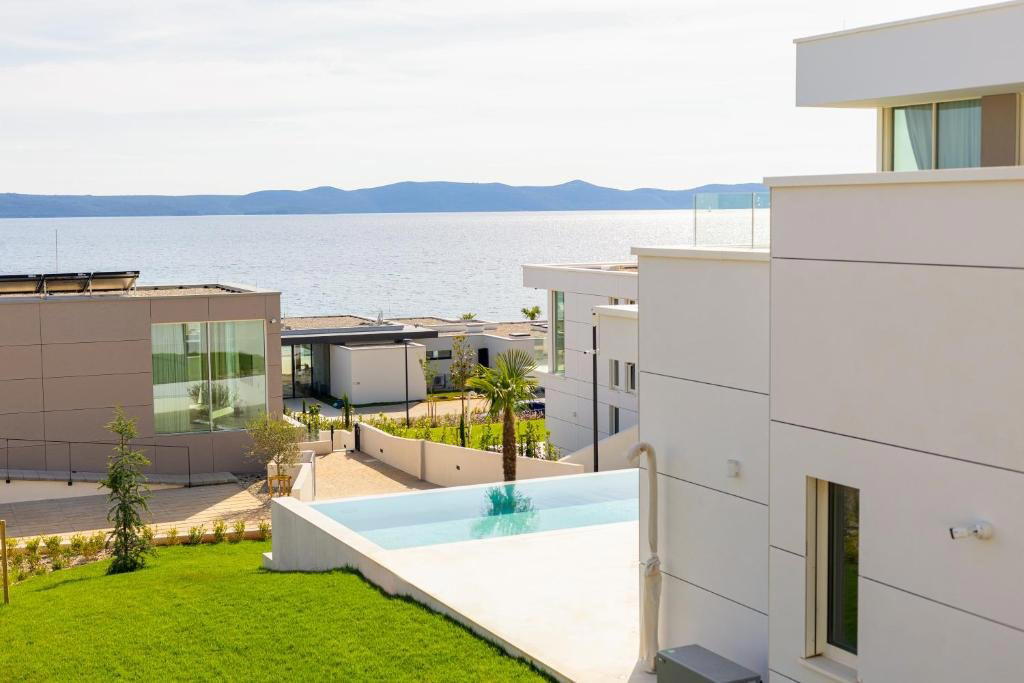
Hotels in Petrčane
All hotels in Petrčane →
Wineries in Petrčane
Browse all →
Details
- Rustic
- Scenic
- Romantic
- Cozy
- Date Night
- Special Occasion
- Family
- Waterfront
- Terrace
- Local Sourcing
- Waterfront
- A La Carte
- Vegetarian Friendly
- Vegan Options
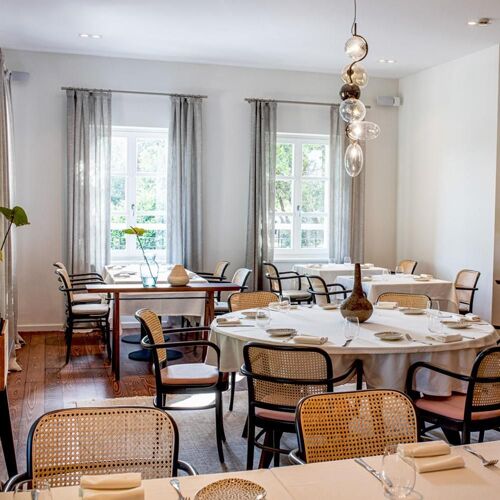
Relaxed coastal atmosphere on a covered terrace with stone arcades, overlooking the sea and sunsets, blending rustic charm with contemporary elegance.