
Tabelog 100 #63
Our verdict
Kongst brings Tokyo’s compact counter-dining discipline to Spanish cooking in Nihonbashikoamicho, with fish, wine, and a 14-seat format defining the experience. Its selection for Tabelog 100 Spanish Cuisine in 2026 places it in a small, closely watched category where neighbourhood scale matters as much as technique.

Pearl is the En Primeur Club membership app, where members save venues, book tables and use the concierge.
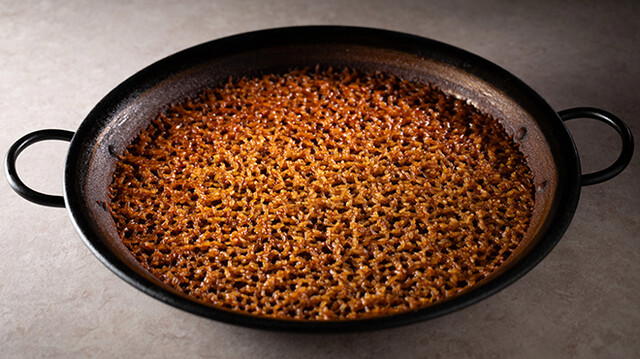
Approaching Kongst in Tokyo, the mood shifts from big-city breadth to a more focused dining choice: reservations, category clarity, and restaurants built less on spectacle than on a defined point of view. Kongst fits that Tokyo pattern. The restaurant is listed for Spanish cooking rather than the sushi, tempura, or yakitori grammar that often dominates the city’s intimate-restaurant conversation.
That matters because Spanish dining in Tokyo occupies a particular position. It can sit outside the most obvious tourist script while still offering a serious alternative to the city’s better-known Japanese formats. The stronger appeal is straightforward: a European culinary framework encountered through Tokyo’s service culture and dining expectations. Kongst’s 2026 selection in Tabelog’s Spanish category places it in that narrower bracket, not as a broad dining-room statement, but as part of Tokyo’s appetite for specialist restaurants with a clear cuisine identity.
Tokyo gives Spanish cooking a quieter frame
Tokyo is a useful city for this kind of restaurant. Its dining culture can be glossy, nightlife-driven, deeply traditional, or quietly local depending on the room. Specialist restaurants often feel especially integrated into the city’s food life when they keep a narrow culinary brief. In that context, Spanish cooking reads less as imported theatre and more as a focused dining choice with a European spine.
The category signal is precise. Tabelog’s 2026 Spanish recognition is not a general popularity badge; it identifies a specific dining lane in Japan, where Spanish restaurants are measured against Spanish specialists rather than French dégustation rooms, sushi counters, or Italian trattorie. Kongst’s listed score of 3.70 and dinner budget of JPY 10,000 to JPY 14,999 give useful public markers for diners comparing it with other Tokyo options.
Tokyo diners often understand focused formats instinctively. A restaurant does not need to be Japanese in order to feel shaped by the city’s preference for clarity, pacing, and attentive service. For Spanish food, that context can work especially well when the meal is approached as a considered dinner rather than a quick stop. The result is a Tokyo setting for Spanish dining: category-specific, reservation-minded, and suited to diners comfortable letting the restaurant’s rhythm set the evening.
A focused format changes the way the meal reads
Kongst belongs closer to Tokyo’s specialist-restaurant economy than to large, all-purpose dining rooms. That positioning shapes expectations. The point is not breadth for every occasion, but a defined Spanish restaurant within a city known for highly particular dining choices. Food, drink, and service are likely to be judged through that narrower lens.
The cuisine is listed as Spanish, which positions the restaurant clearly. It should not be approached as a generic Tokyo dining room or as a substitute for the city’s Japanese restaurant traditions. It belongs to Tokyo’s Spanish dining category, where structure, pacing, and beverage logic may matter as much as the simple fact of choosing a European meal in Japan.
Price clarifies the tier. The posted dinner range of JPY 10,000 to JPY 14,999 sits below Tokyo’s highest-priced European tasting rooms but above many casual everyday options. For travellers mapping one serious non-Japanese meal into a Tokyo itinerary, that middle-premium band buys focus without pushing into the city’s most expensive bracket.
The best expectation is not a broad, all-purpose restaurant but a defined Spanish address in Tokyo. That makes it better suited to diners who want a European meal shaped by Tokyo’s preference for precision and restraint, rather than another omakase-style evening. The category, price band, and public recognition all point to a planned dinner choice rather than a spontaneous plate-and-glass stop.
Where it sits in a Tokyo itinerary
Kongst is strongest as a focused dinner for travellers already building a Tokyo food itinerary with room for one European specialist. It differs from other Tokyo dining rooms built around Japanese genres, casual formats, or larger social energy. The choice is clear: a Spanish restaurant in Tokyo, not a broad survey of the city’s dining categories.
Within Tokyo’s wider map, it also sits apart from dessert cafes, curry counters, hotel restaurants, and casual bars. Travellers building a broader food route should use Our full Tokyo restaurants guide for dining, then cross-check the city through Our full Tokyo hotels guide, Our full Tokyo bars guide, Our full Tokyo wineries guide, and Our full Tokyo experiences guide. Kongst does not replace those categories; it gives a compact European option in a city that can otherwise steer visitors toward Japanese formats at every serious meal.
For a wider Japan and overseas comparison set, the contrast is instructive. Many dining rooms are defined by a single format, cuisine, or service rhythm, whether in Tokyo, elsewhere in Japan, or abroad. Kongst works in the opposite direction from Japanese restaurants exported overseas: Spanish cuisine filtered through Tokyo’s preference for disciplined, carefully framed meals.
The editorial read is clear. Choose it when the night’s point is not another famous Japanese category, but a specialist Spanish meal shaped by Tokyo’s quieter scale. Its 2026 Tabelog recognition, Spanish category listing, 3.70 score, and JPY 10,000 to JPY 14,999 dinner pricing make it a precise entry in Tokyo’s European dining scene, especially for travellers who understand that the city’s more focused rooms often carry the sharper argument.
Similar Picks
Comparable venues for orientation by cuisine and category.
| Venue | Cuisine | Price | Awards | Notes |
|---|---|---|---|---|
| KongstThis venue (the venue you are viewing) | Spanish Counter Dining | $50–100 | Tabelog 100 #63 | Not listed |
| Chinese Sai ARATA | Modern Sichuan Chinese with Japanese wine pairings | $100–150 | Tabelog 100 #88 | JPY 15,000 - JPY 19,999 JPY 4,000 - JPY 4,999 |
| Sucre-rie | Western-style pastry & cake shop | $1–10 | Tabelog 100 #84 | JPY 999 - JPY 999 |
| Uokyu Eat-in Ajimise Honten | Traditional Japanese Kasuzuke | $10–20 | Tabelog 100 #95 | JPY 2,000 - JPY 2,999 View spending breakdown |
| Isoda | Kyoto-style Kaiseki Omakase | $300–500 | Tabelog Silver #45 | Not listed |
Recognition history
Dated appearances from independent guides and award organizations, with the underlying list record or original source where available.
Tabelog 100 #63 · No. 63
Tabelog · Tabelog 100 - Spanish cuisine - 2026
Continue exploring
More in Tokyo
Restaurants in Tokyo
All restaurants in Tokyo →



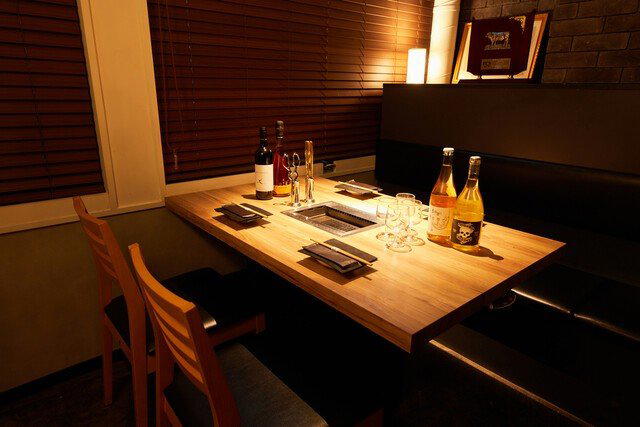
Bars in Tokyo
All bars in Tokyo →



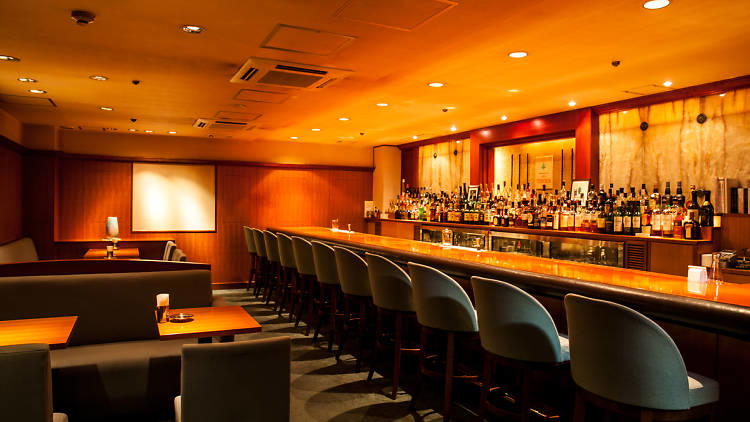




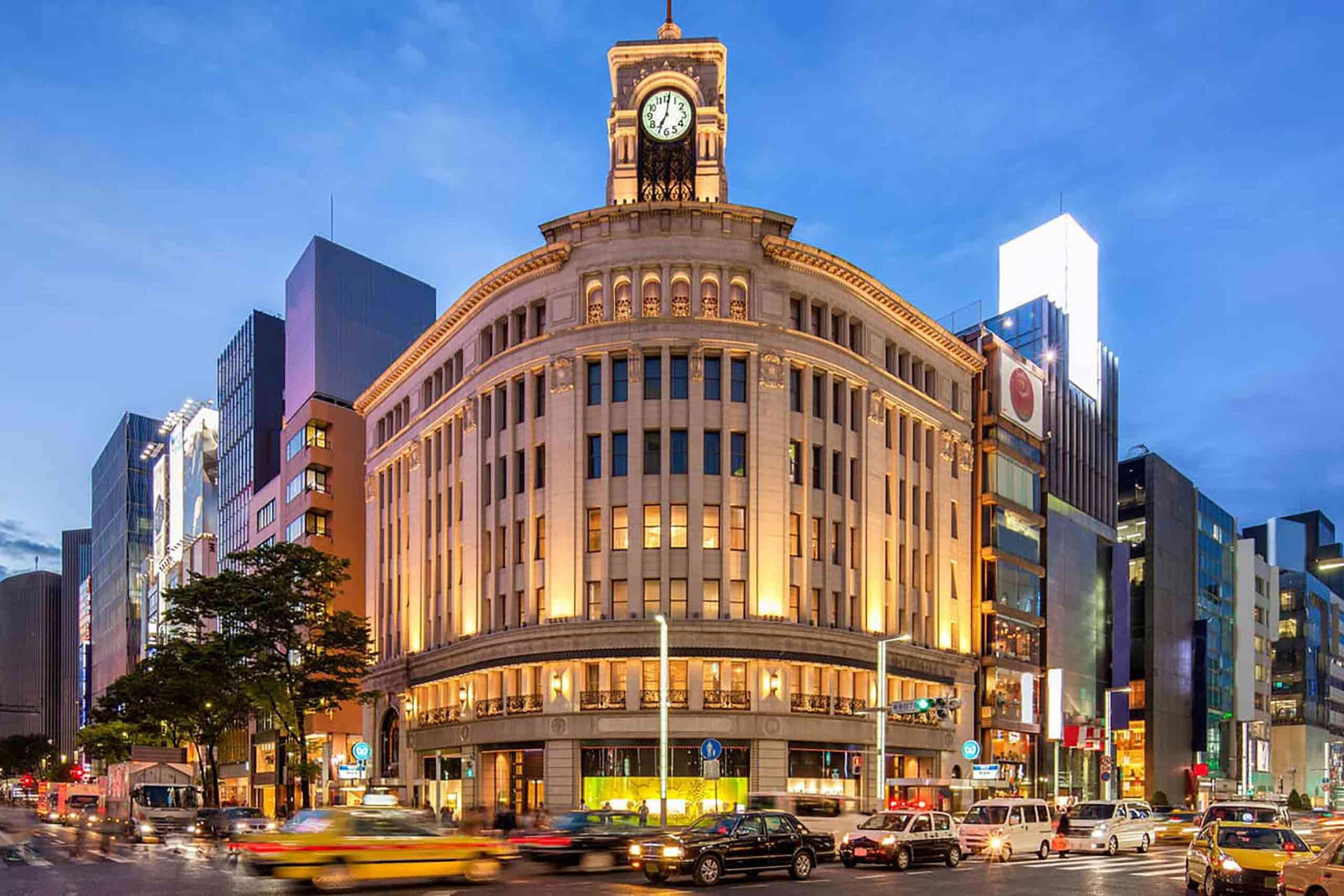
Details
- Intimate
- Sophisticated
- Cozy
- Modern
- Date Night
- Solo
- Family
- Special Occasion
- Chefs Counter
- Open Kitchen
- Standalone
- Sommelier Led
- Local Sourcing
- Set Menu
- Counter Dining
- Wine
- Pescatarian Friendly
A stylish, warm, and hidden-gem atmosphere with spacious counter seating and an open kitchen.