
Tabelog 100 #84
Our verdict
Sucre-rie belongs to Tokyo’s tightly edited sweets culture, where a small pastry counter can carry the same planning weight as a formal meal. Its Tabelog Sweets TOKYO “Tabelog 100” selections in 2020, 2022, and 2023 place it among the city’s noted cake and sweets specialists, with a takeout format that rewards timing rather than lingering.

Pearl is the En Primeur Club membership app, where members save venues, book tables and use the concierge.
The menu
What to order
- Cream puffs
- Vanilla choux pastries
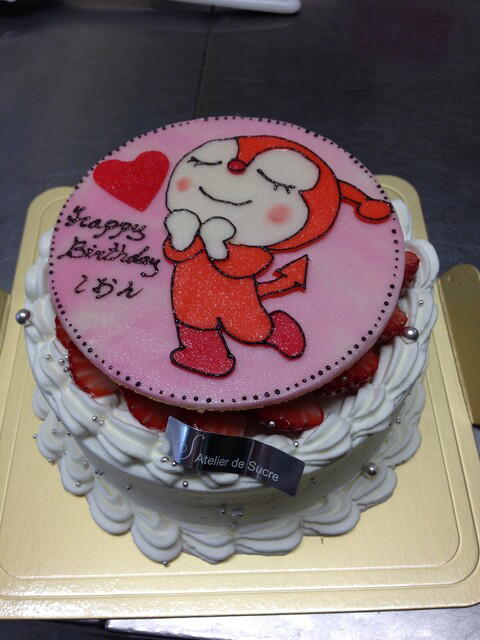
- Cakes
- Baked sweets
Tokyo moves at the tempo of a city where office workers, families on errands, and small food shops share the same daily rhythm. Here, sweets culture feels less like dessert after dinner than daily retail discipline. A serious sweets shop is a precision operation: production, counter service, packaging, and timing must align because customers often carry the work across the city, to a meeting, home visit, or family table.
Sucre-rie sits inside that tradition. The category is cake and sweets, and the recognition is concrete: selection in the 2023 Tabelog Hyakumeiten, with a Tabelog score of 3.78. In Tokyo, sweets recognition is not a soft appendix to restaurant culture. It maps a parallel economy of patisseries, sweets counters, department-store food halls, and neighborhood specialists where repeatability is judged at retail speed.
Tokyo pastry culture, viewed through the sweets counter
High-end Tokyo dining often sells access: a seat, a course sequence, a chef’s hand in front of the guest. The sweets counter sells another kind of control. The visit may be brief, but the labor is exacting: production, display, stock allocation, and handoff. The team dynamic is less visible than at a formal counter restaurant, but no less central. A sweets kitchen loses rhythm if the counter cannot pace demand; a counter loses trust if production is inconsistent.
The comparison is not only with other Tokyo dining rooms, where the dining room shapes the experience. It is also with Tokyo’s habit of treating small-format specialists as destinations. A casual counter, a focused restaurant, and a sweets shop answer different cravings, but share one expectation: narrow focus, clear output, and little tolerance for slack execution.
Sucre-rie is instructive because its relevance comes from how Tokyo rewards compact, disciplined formats. A 2023 Tabelog Hyakumeiten selection places it in a peer group where recognition depends on public restaurant culture rather than ceremony. That differs from formal tasting-menu dining and explains why a small Tokyo sweets address can carry weight for travelers who understand the city’s hierarchy of food errands.
Why Tokyo suits this kind of sweets shop
Tokyo suits this format because the city needs no spectacle to feel food-literate. Its appeal is cumulative: practical lunch traffic, confectionery traditions around gift-giving, and a scale favoring repeat customers over destination theatrics. In Tokyo, cake and sweets sit close to social obligation. They do not only get eaten immediately; they travel. Packaging, durability, and timing become part of the craft.
That makes counter staff part of the experience in a practical, almost editorial sense. They translate production into decisions: what is ready, what suits transport, what works for a family occasion, and what best fits the moment. These details point to a shop managed around demand and consistency rather than casual browsing alone. For visitors, this is best approached as a planned sweets stop, not a closing-time afterthought.
The comparison venues clarify Tokyo’s price-and-format range. Uokyu Eat-in Ajimise Honten and Katsu Yoshi operate in more meal-oriented brackets, while Kongst sits in a higher-spend restaurant category. Sucre-rie belongs to another lane: low-ticket, high-frequency, recognition-led sweets. That lane is easy to underestimate because the transaction is brief. It should not be. Tokyo’s sweets specialists can reveal as much about the city’s standards as formal dining rooms do, with fewer gestures.
How to place Sucre-rie in a Tokyo food day
The strongest use case is a Tokyo sweets stop built into a broader city itinerary. It pairs with the city’s practical rhythm rather than a late-night dining plan, and the format means deciding before the day gets crowded. The experience is intentionally concise. In Tokyo, that is often the point.
For travelers building a broader food map, this address balances heavier restaurant bookings. A day can move from a small sweets counter to a casual meal, then a structured dinner without turning every stop into a production. EP Club’s Tokyo coverage gives that range room: start with Our full Tokyo restaurants guide, then cross-check drinking and overnight plans through Our full Tokyo bars guide and Our full Tokyo hotels guide. For wider itinerary building, Our full Tokyo experiences guide and Our full Tokyo wineries guide sit outside the restaurant lane but help define the trip’s pacing.
Within Tokyo, the contrast is useful. Other dining in the city may point toward seafood, charcoal, restaurant density, or visual café culture. Sucre-rie’s appeal is quieter: a cake and sweets specialist with local recognition, useful when the day calls for something precise, portable, and rooted in everyday practice.
Outside Tokyo, the same planning logic applies across Japan and beyond. A sweets or casual specialist can anchor a route as effectively as a formal table, whether the itinerary includes other regional stops, casual counters, or focused Japanese-format addresses abroad. The principle travels well: small formats can carry serious editorial value when the operation is tight.
The verdict is practical rather than sentimental. Sucre-rie is for travelers who treat Tokyo sweets as part of the city’s food grammar, not a decorative add-on. Its 2023 Tabelog Hyakumeiten recognition supplies the trust signal, Tokyo the context, and the sweets-counter discipline the format. Plan around timing, expect a brief transaction, and let the shop do what Tokyo’s strongest small specialists often do: compress craft into a short exchange.
Frequently asked questions
Where is Sucre-rie located?
Tokyo.
Is Sucre-rie expensive?
Pricing at Sucre-rie is listed as - JPY 999 - JPY 999.
Is Sucre-rie open every day?
Check current opening details directly before visiting Sucre-rie.
What is Sucre-rie known for?
Sucre-rie is known for cake and sweets in Tokyo, with 2023 Tabelog Hyakumeiten recognition and a Tabelog score of 3.78.
At a Glance
Comparable venues at the same tier for side-by-side context.
| Venue | Cuisine | Price | Awards | Notes |
|---|---|---|---|---|
| Sucre-rieThis venue (the venue you are viewing) | Western-style pastry & cake shop | $1–10 | Tabelog 100 #84 | Not listed |
| Isoda | Kyoto-style Kaiseki Omakase | $300–500 | Tabelog Silver #45 | Not listed |
| Uokyu Eat-in Ajimise Honten | Traditional Japanese Kasuzuke | $10–20 | Tabelog 100 #95 | JPY 2,000 - JPY 2,999 View spending breakdown |
| Katsu Yoshi | Not listed | Not listed | Not listed | JPY 3,000 - JPY 3,999 JPY 2,000 - JPY 2,999 View spending breakdown |
| Kongst | Spanish Counter Dining | $50–100 | Tabelog 100 #63 | JPY 10,000 - JPY 14,999 |
| 川田 | Sushi Omakase | Not listed | Not listed | Not listed |
Recognition history
Dated appearances from independent guides and award organizations, with the underlying list record or original source where available.
Tabelog 100 #84 · No. 84
Tabelog · Tabelog 100 - Sweets - TOKYO - 2023
Continue exploring
More in Tokyo
Restaurants in Tokyo
All restaurants in Tokyo →





Details
- Cozy
- Classic
- Solo
- Casual Hangout
- After Work
- Standalone
- A La Carte
Current opening hours
- Monday
- 9:30 AM–6 PM
- Tuesday
- 9:30 AM–6 PM
- Wednesday
- 9:30 AM–6 PM
- Thursday
- 9:30 AM–6 PM
- Friday
- 9:30 AM–6 PM
- Saturday
- 9:30 AM–6 PM
- Sunday
- Closed
Hours can change for holidays and private events. Hours as of .
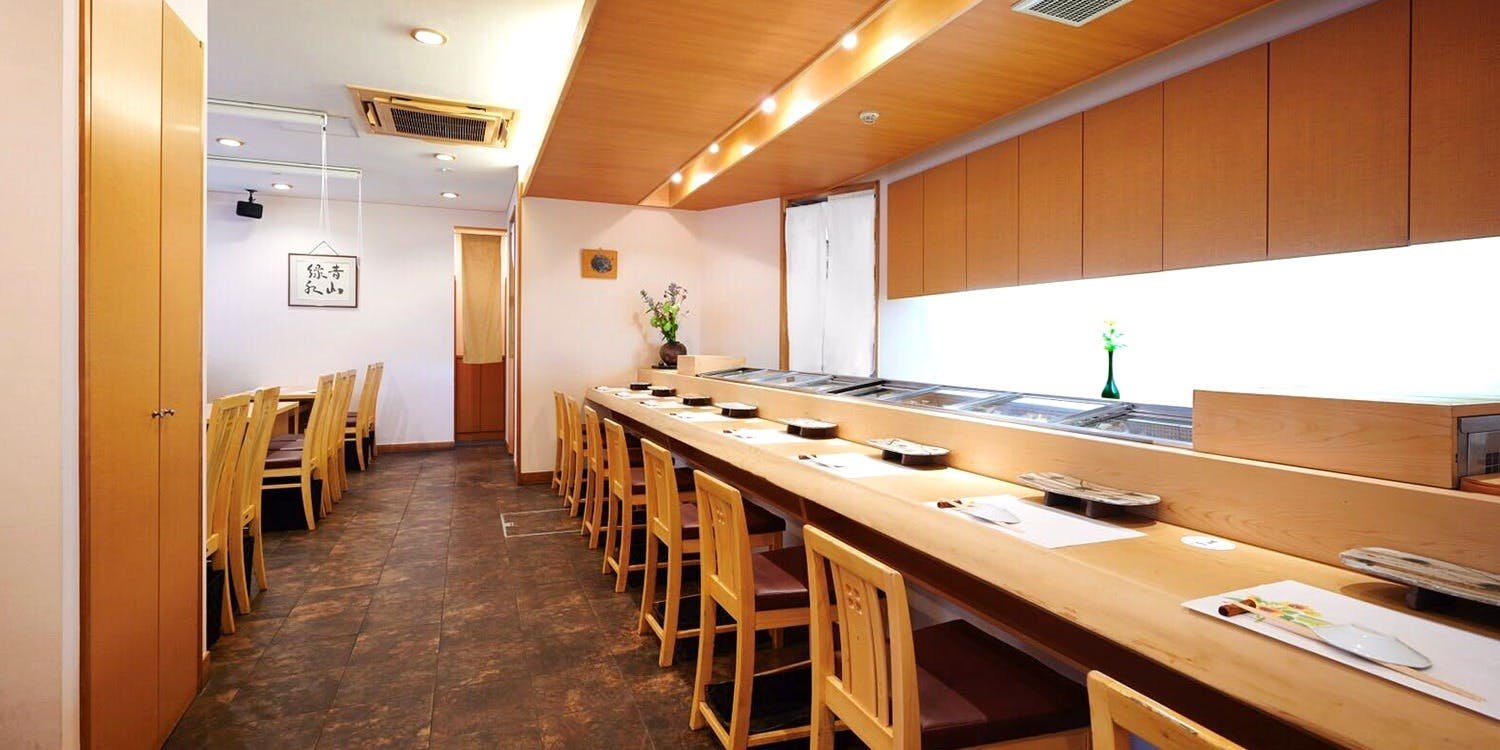
A compact, street-side Western-style cake shop with a simple, classic pastry-counter layout; guests typically queue outside and take their pastries to go, giving it a cozy, everyday-local feel rather than a sit-down café atmosphere.