Komé
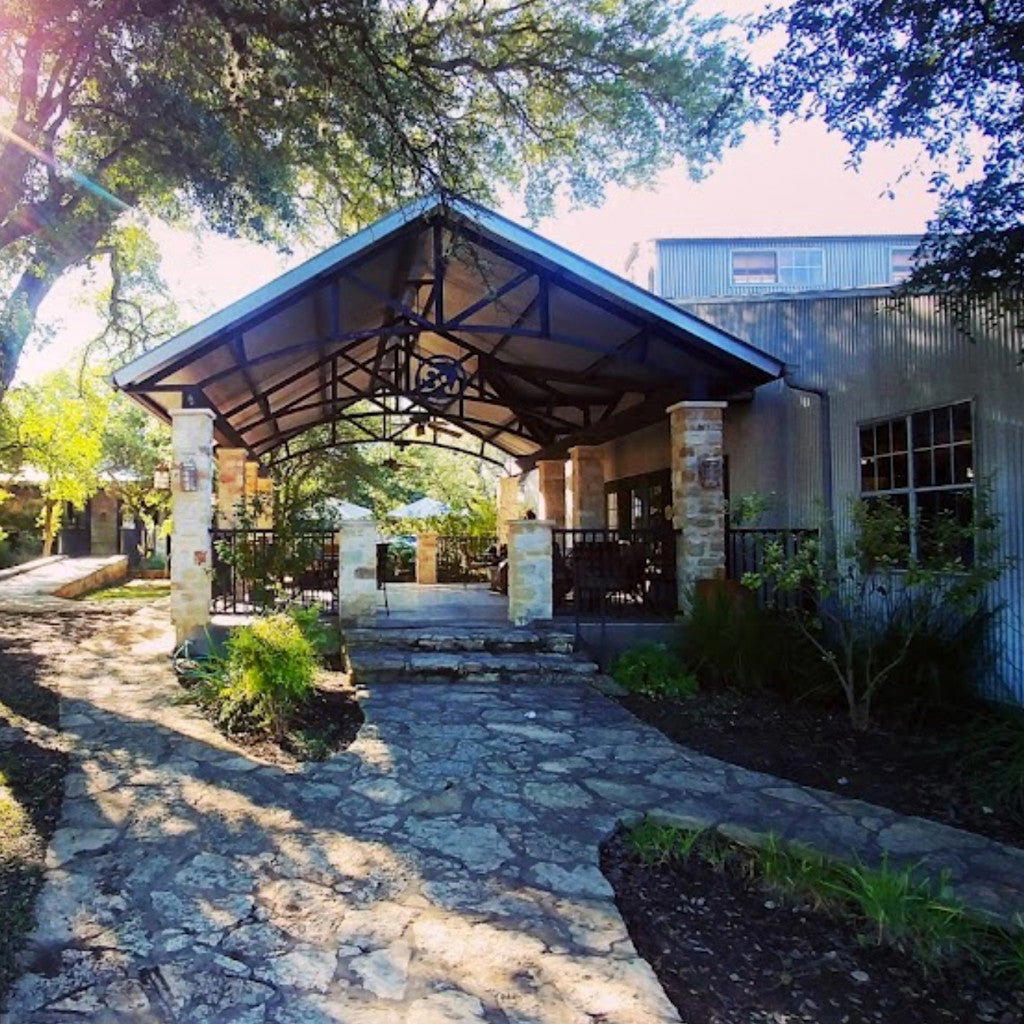
Komé operates on Airport Boulevard at the less-trafficked northern edge of Austin's dining corridor, where Japanese rice-focused cooking sits at a price point well below the city's omakase counters. The lunch and dinner services run on distinctly different rhythms, making the choice of visit time a genuine decision rather than a formality. For a city increasingly serious about Japanese cuisine, Komé represents the accessible middle ground between casual conveyor-belt formats and reservation-only counter dining.
Pearl is the En Primeur Club membership app — saves, bookings, and concierge access live there. Same editors, same standards.
- Address
- 5301 Airport Blvd #100, Austin, TX 78751
- Phone
- +15127125700
- Website
- kome-austin.com
- Directions
- Get directions
 Saves & bookings on Pearl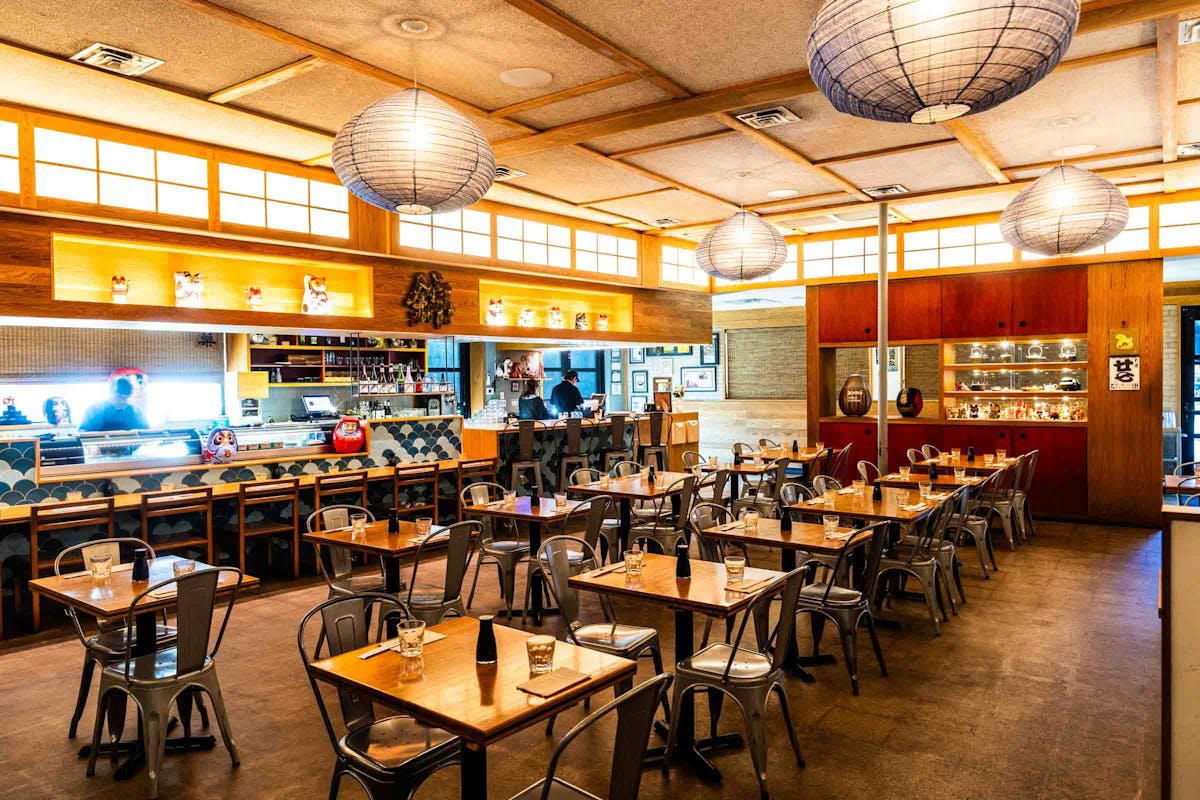
Airport Boulevard and the Japanese Dining Middle Ground
Austin's Japanese restaurant scene has developed along two distinct tracks. At one end sit destination counters like Craft Omakase, where the experience is tightly controlled, seat counts are low, and the price per head reflects that scarcity. At the other end, casual formats serve the lunch crowd on speed and volume. Komé, at 5301 Airport Boulevard, occupies the space between those poles — a Japanese kitchen with enough seriousness to reward repeat visits, but operating at a price point and pace that places it closer to the neighborhood-restaurant category than to the destination-dining tier where Austin's Hestia or Barley Swine sit.
Airport Boulevard is not a dining destination in the way that South Congress or East Sixth Street are framed. That geographic remove has kept Komé operating somewhat outside the social-media rotation that accelerates reservation pressure at more centrally located spots. The tradeoff is that the dining room runs at a register closer to a neighborhood anchor than a scene, which suits the format well.
How Lunch and Dinner Split the Experience
The lunch-versus-dinner divide at Japanese restaurants of this type is rarely cosmetic. In cities like Tokyo, where the tradition is most articulated, the same kitchen will run abbreviated lunch sets at roughly half the evening price, using the same sourcing and technique but compressing the experience into a format suited to a midday schedule. Austin's better Japanese kitchens have adopted versions of that logic, and Komé fits that pattern.
Daytime service at this category of restaurant typically draws a different composition of diner: office workers from the surrounding Airport Boulevard corridor, regulars who have learned that lunch offers better value-per-dish than the evening menu, and visitors to the city who prioritize a proper meal over a tourist-tier experience. The mood is lower in energy than dinner, tables turn faster, and the kitchen operates with less of the deliberation that defines evening omakase-adjacent formats. For the price-conscious diner, lunch at a kitchen of Komé's standing often returns more value than dinner at a lower-tier operation.
Dinner shifts the dynamic. Later service at this category of Japanese restaurant in mid-tier American cities tends to lengthen the experience, add depth to the menu, and draw a diner more willing to work through a wider range of dishes. The energy in the room changes, the pacing loosens, and the kitchen has more latitude. Whether that latitude translates into a meaningfully different menu depends on the individual operation, but the structural logic holds across comparable venues from Austin to comparable neighborhoods in cities like San Francisco, where places like Lazy Bear have made the dinner-as-event model central to their identity.
Where Komé Fits Austin's Broader Japanese Picture
Austin's appetite for Japanese food has moved well past the sushi-bar phase. The city now supports credible izakaya formats — Kemuri Tatsu-ya being the frequently cited benchmark in that sub-category, as well as omakase counters and casual Japanese-adjacent operations. Komé's position in that spread is as a rice-focused kitchen that can function as a primary neighborhood restaurant rather than an occasion-driven destination. That role is arguably harder to sustain than the omakase model, which relies on scarcity and price to manage expectations. A restaurant serving the neighborhood lunch crowd Monday through Friday is subject to more sustained scrutiny across more varied conditions.
The comparison set for Komé within Austin is instructive. Against the city's barbecue anchors like la Barbecue or InterStellar BBQ, it operates in a completely different register of cuisine and expectation. Against the Japanese counter formats in the city, it sits at a more accessible price tier.
The Rice-Focused Kitchen in American Context
Rice as an organizational principle for a Japanese restaurant is a different proposition than sushi, ramen, or omakase formats that have each developed recognizable American versions. The rice-focused kitchen, donburi, rice sets, Japanese rice bowls built around seasonal toppings and properly cooked short-grain bases, remains less legible to American audiences than those better-established formats. That legibility gap has kept this sub-category somewhat underdeveloped outside of cities with large Japanese-American populations.
Austin does not have the demographic density of Los Angeles or the Bay Area to generate organic demand for niche Japanese formats. The restaurants that have built durable Japanese programs here have generally done so by making the format approachable enough to draw beyond the existing Japanese-food-literate audience. That is the kind of positioning that requires sustained consistency across services rather than the occasional exceptional meal that might appear in a higher-concept kitchen like Alinea in Chicago or The French Laundry in Napa.
For a broader read on where Japanese dining sits within Austin's overall restaurant picture, our full Austin restaurants guide maps the city's key dining corridors and price tiers in more detail.
Planning Your Visit
Know Before You Go
- Address: 5301 Airport Blvd #100, Austin, TX 78751
- Lunch vs. Dinner: Lunch service typically offers better per-dish value and a faster pace; dinner allows more time and often a wider menu spread
- Location context: Airport Boulevard sits north of the central dining corridors, less foot traffic, easier parking, and a more local clientele than South Congress or East Sixth
- Booking: Contact the restaurant directly or check current availability through third-party reservation platforms; no online booking details confirmed at time of publication
- Price tier: Positioned below the city's omakase counters and broadly in line with Austin's mid-range Japanese and casual-dining bracket
How Komé Austin compares with similar nearby venues.
| Venue | Cuisine |
|---|---|
| Rocco’s Neighborhood Joint | Italian |
| Foreign & Domestic | New American |
| P Thai’s Khao Man Gai & Noodles | Thai Chinese |
Continue exploring
More in Austin
Restaurants in Austin
Browse all →
Bars in Austin
Browse all →
Hotels in Austin
Browse all →
At a Glance
- Cozy
- Casual
- Trendy
- Date Night
- Casual Hangout
- Open Kitchen
- Sake Program
Current opening hours
- Monday
- 11 AM–2 PM, 5–10 PM
- Tuesday
- 11 AM–2 PM, 5–10 PM
- Wednesday
- 11 AM–2 PM, 5–10 PM
- Thursday
- 11 AM–2 PM, 5–10 PM
- Friday
- 11 AM–10 PM
- Saturday
- 11 AM–10 PM
- Sunday
- 11 AM–10 PM
Hours can change for holidays and private events. Last verified .
Cozy, casual family-style atmosphere with heartfelt hospitality.
Know Before You Go
- Getting there
- 5301 Airport Blvd #100, Austin, TX 78751