Konbini
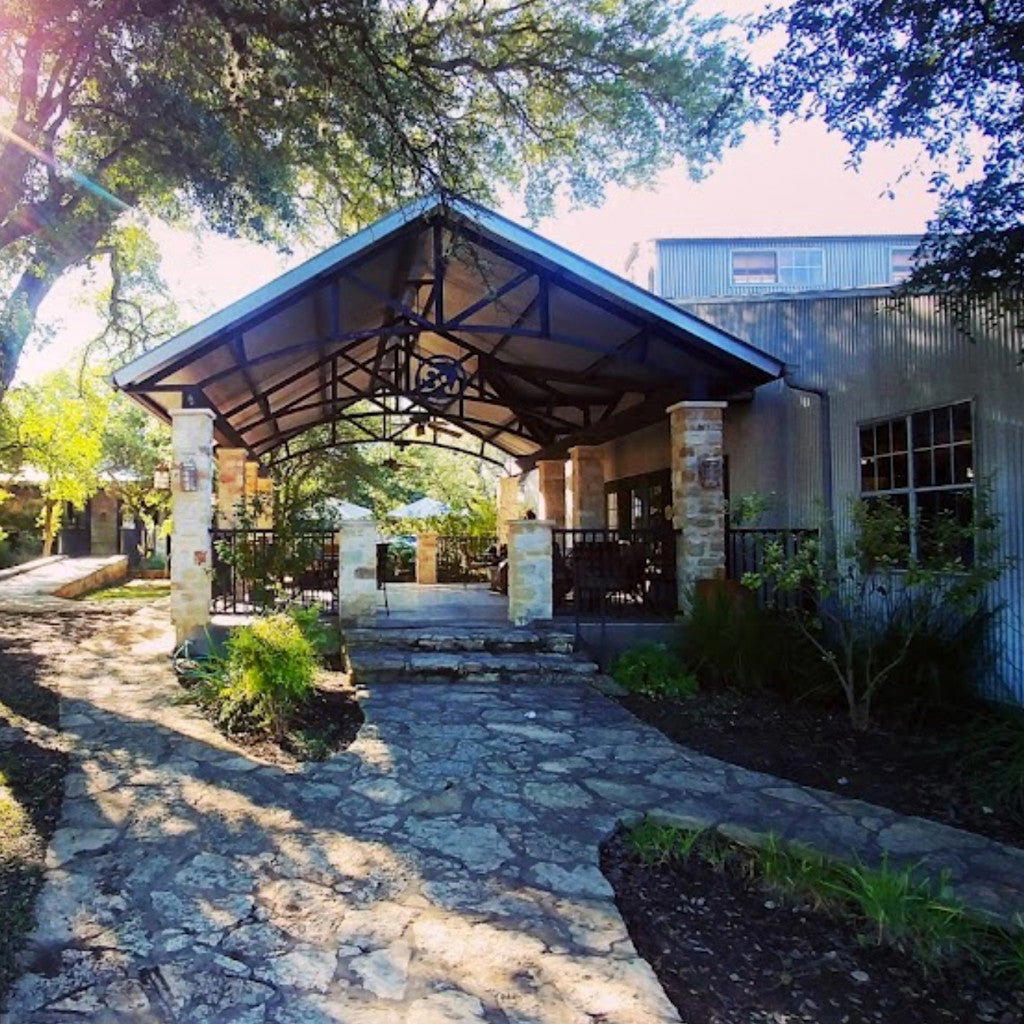
Konbini occupies a suite at 908 E 5th St in Austin's East Side, where late-night sushi meets the cross-border logic of Texan and Mexican flavors. The format sits in a small but growing niche of genre-blending Japanese counters that treat regional American ingredients as seriously as imported fish. For Austin diners curious about where izakaya culture and Baja-inflected thinking converge, this address is worth tracking.
Pearl is the En Primeur Club membership app — saves, bookings, and concierge access live there. Same editors, same standards.
- Address
- 908 E 5th St. #107, Austin, TX 78702
- Directions
- Get directions
 Saves & bookings on Pearl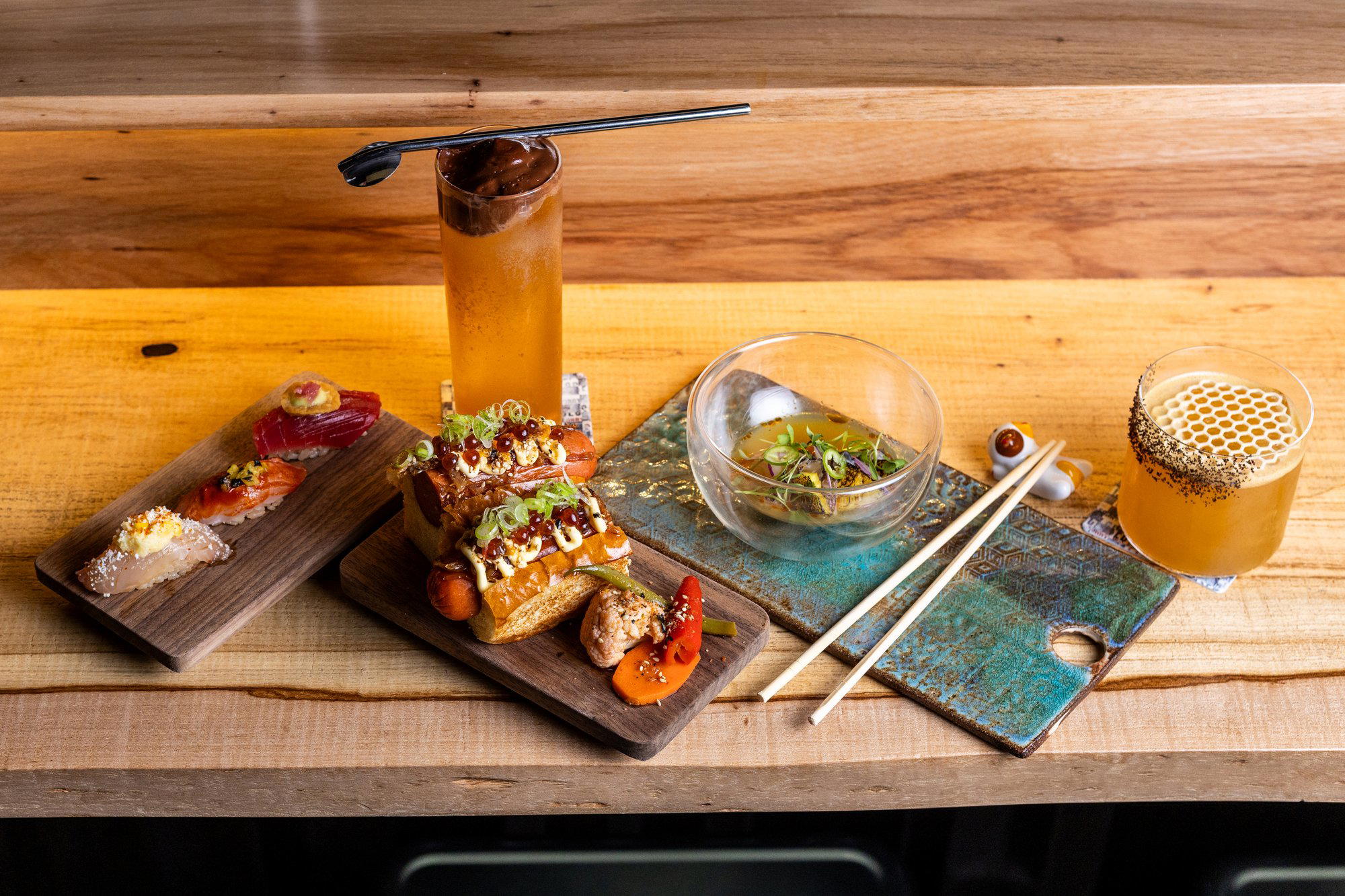
East Austin After Dark: The Case for Cross-Border Sushi
East 5th Street after 9 p.m. has its own rhythm. The strip between the bars and the taqueria lights runs warm and loud, and the storefronts tucked into mixed-use addresses tend to reward the diner willing to look past the obvious. Suite 107 at 908 E 5th is that kind of address. Konbini operates in the space where Japanese counter culture and the Tex-Mex border tradition intersect, a concept that sounds like a gimmick until you consider how naturally the logic holds together.
Across the American Southwest, the most interesting food has always moved across cultural lines. The Baja California peninsula gave the world the fish taco, a dish that is, at its structural core, not so different from a hand roll: protein on rice or tortilla, acid, fat, crunch. Tijuana's sushi-taco hybrids, which began appearing in Zona Centro in the 1990s, formalized what street cooks had been improvising for years. Konbini is working in that same tradition, applied to an Austin context where Gulf seafood, Hill Country proteins, and a deeply embedded Mexican culinary presence give a kitchen real material to work with rather than forcing arbitrary fusion.
What the Format Says About the Ambition
Late-night sushi as a format carries its own set of expectations. In cities like Los Angeles and New York, the post-midnight Japanese counter occupies a specific social role: it is where kitchen workers eat after service, where the menu loosens, where the chef's instincts outrun the formal omakase structure. Austin's version of that format has been slower to develop than its cocktail bar and barbecue scenes, but the gap is narrowing. Craft Omakase represents one end of the Austin Japanese dining spectrum, a structured, premium counter experience. Konbini occupies the other end: informal, late, and deliberately boundary-crossing.
The Texan dimension of Konbini's concept is not decorative. Texas has a seafood tradition anchored in the Gulf, where redfish, flounder, and speckled trout have fed coastal communities for generations. That ingredient base, combined with the state's proximity to northern Mexico and its own deep ranching culture, gives a kitchen working in this vein a genuinely distinct pantry to draw from. The comparison point is not other Austin sushi counters but rather the Baja Med movement, which formalized in Ensenada in the 1990s and produced chefs who treated Pacific seafood, olive oil, and local wine as a coherent regional identity. Konbini's Texan-Mexican angle implies a similar regional specificity, even if the execution is more casual in register.
Where Austin's Dining Scene Creates Room for This
Austin's restaurant culture has matured unevenly. The barbecue tier, represented by operators like la Barbecue and InterStellar BBQ, has genuine national standing. The high-end New American tier, anchored by places like Barley Swine and Hestia, has developed real ambition and technical depth. What the city has been slower to build is a strong middle layer of genre-blending, late-night, and counter-service restaurants that treat informality as a feature rather than a concession.
That gap is where Konbini operates. The East Side address is telling: the neighborhood has absorbed a decade of development pressure while retaining a food scene that skews younger, more experimental, and less deferential to fine-dining convention. The suite format, rather than a standalone storefront, places Konbini inside the shared-space economy that has incubated a number of Austin's more interesting recent openings. Compared to the prix-fixe ambition of operations like Le Bernardin or the formal tasting structure of Alinea, Konbini's proposition is deliberately anti-monumental. It is closer in spirit to the izakaya model, where the point is the evening rather than the meal.
The izakaya comparison is worth pressing on. Austin already has Hestia for live-fire drama and a growing number of Japanese-influenced counters, but the izakaya format at Kemuri Tatsu-ya has shown there is an Austin audience for Japanese drinking-food culture done with Texas ingredients. Konbini's late-night sushi angle suggests a similar audience, reached through a different entry point: the hand roll and the nigiri rather than the skewer and the whisky highball.
The Mexican Angle Is the Interesting One
Of the two cultural threads woven into Konbini's concept, the Mexican influence is the one that distinguishes it most sharply from other Austin Japanese openings. Texas-Mexico culinary exchange is constant and deep, running from the Tex-Mex canon through the more recent wave of regional Mexican restaurants that have brought Oaxacan mole, Yucatecan cochinita, and Pueblan mole negro to Austin diners. The Baja dimension, specifically, matters here because Baja California's food culture has already solved the problem Konbini is working on: how to make Pacific seafood the center of a meal that also honors a border culture's love of acid, char, and chile heat.
Baja Med cuisine uses ceviche technique, citrus, and Pacific fish in ways that rhyme structurally with Japanese preparations. The tostada topped with bluefin toro and chipotle aioli, a staple of Tijuana's Mercado Hidalgo stalls, is not a novelty; it is a resolved dish with a two-decade track record. A kitchen in Austin that takes that tradition seriously, rather than treating it as a garnish-level flourish, has something worth ordering around. For context on how this kind of cross-cultural precision works at a higher-budget scale, Single Thread Farm in Healdsburg and Atomix in New York both demonstrate how Japanese technique and regional American or local identity can coexist without either element being diminished. Konbini is working at a different price point and register, but the underlying logic is the same.
Planning Your Visit
Konbini sits at 908 E 5th St, Suite 107, in the East Austin corridor that runs between the Convention Center district and the older residential blocks east of I-35. The East Side is walkable from several central hotels and well-served by rideshare; parking on E 5th becomes competitive after 8 p.m. on weekends, which aligns with the late-night format Konbini is built around. For anyone building a broader Austin evening, the neighborhood offers enough bar and cocktail options to fill the hours before or after a sushi counter stop. For hotel recommendations that put you in range of East Austin's dining, see our full Austin hotels guide. Phone and website details are not available through our listings at this time.
For a fuller map of Austin's restaurant scene across price points and cuisines, our Austin restaurants guide covers the full range. Readers interested in the bar scene alongside their dining should also consult our Austin bars guide, and those exploring the Hill Country wine corridor can find producer recommendations in our Austin wineries guide.
How Konbini Austin compares with similar nearby venues.
| Venue | Cuisine |
|---|---|
| Konbini | Late-night sushi with Texan/Mexican influences |
| Shokunin | Sushi / Japanese |
Continue exploring
More in Austin
Restaurants in Austin
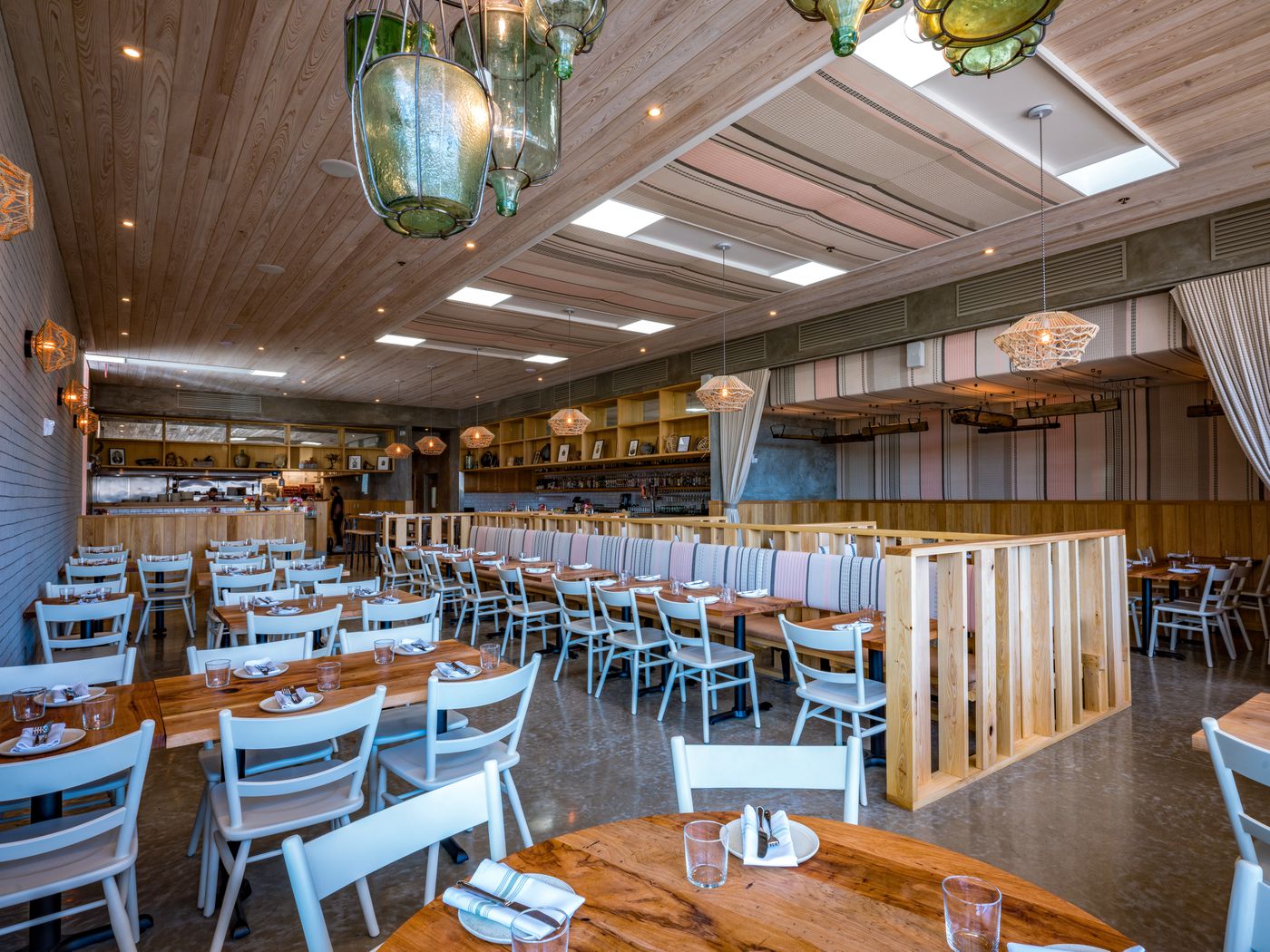
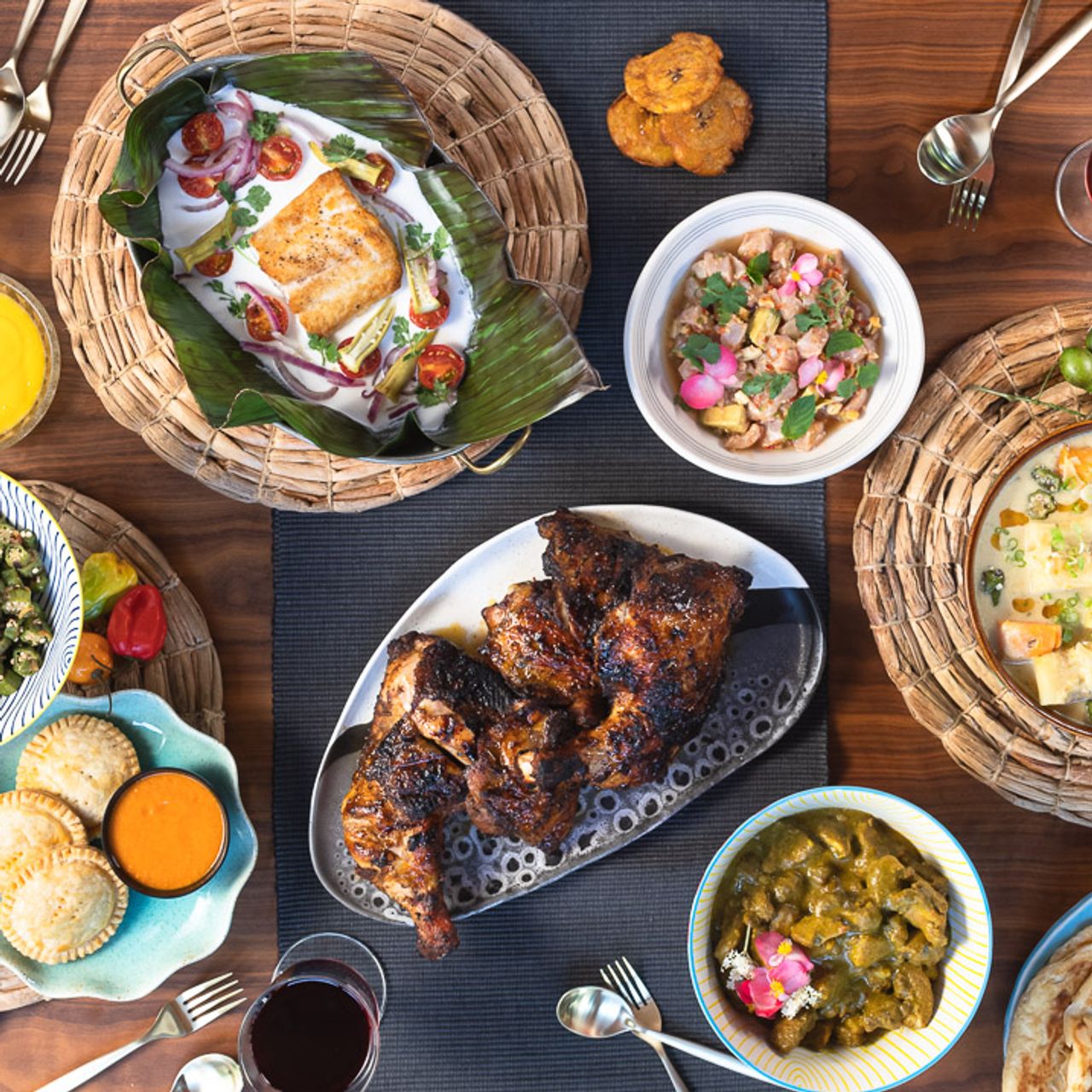
Browse all →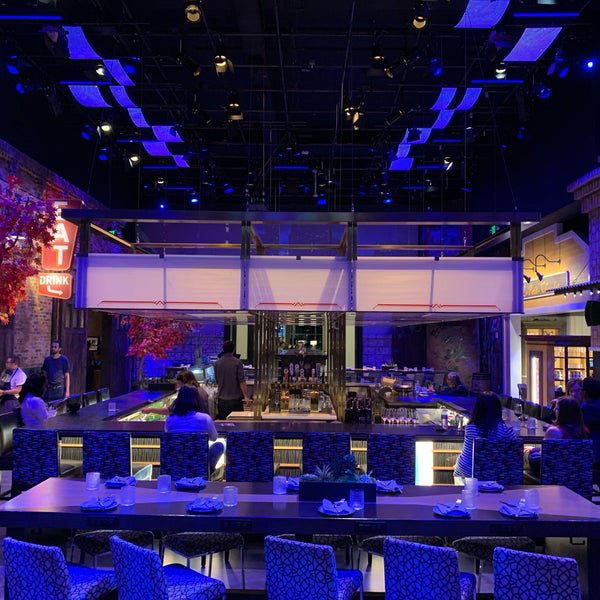
Bars in Austin
Browse all →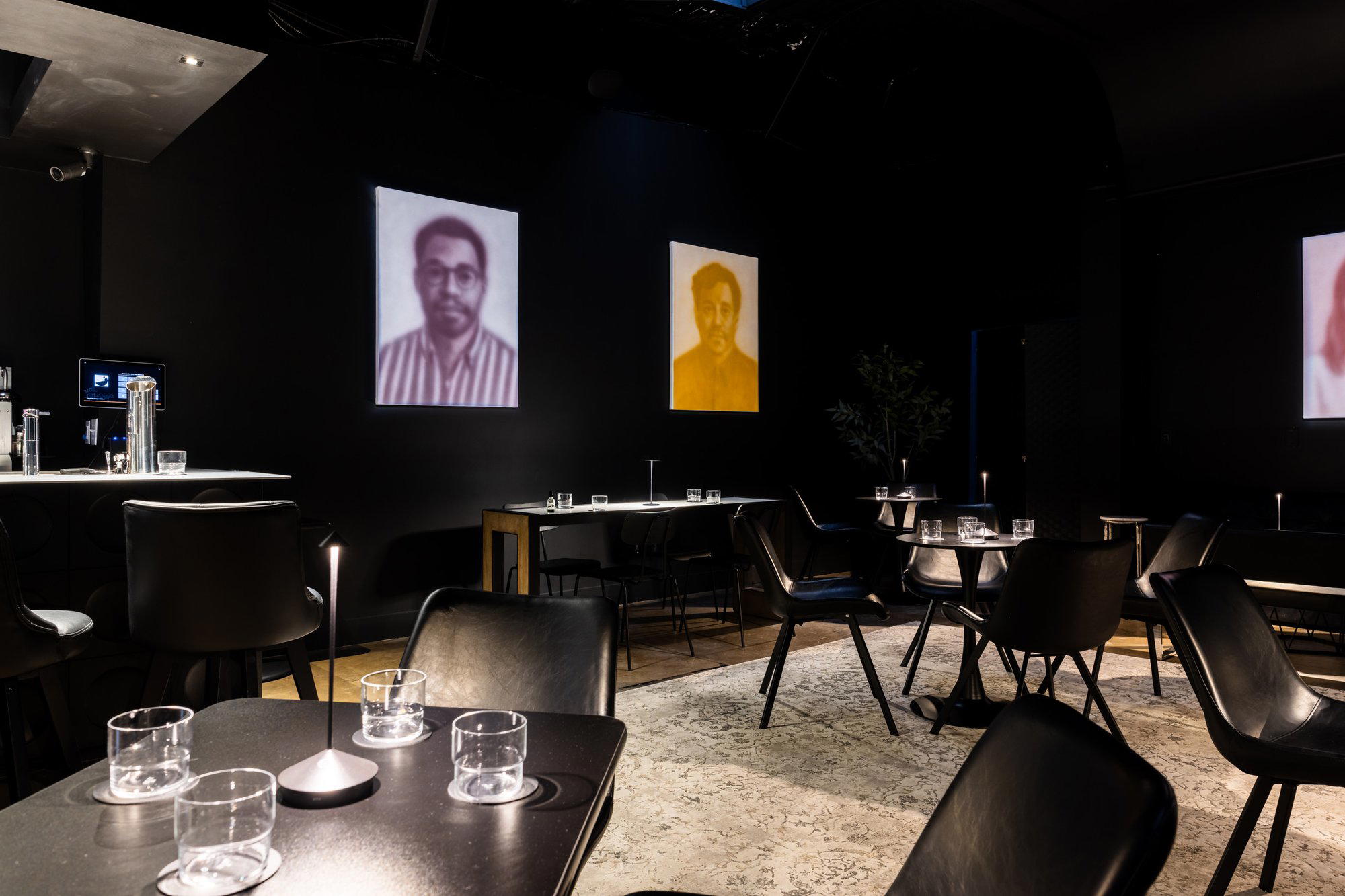
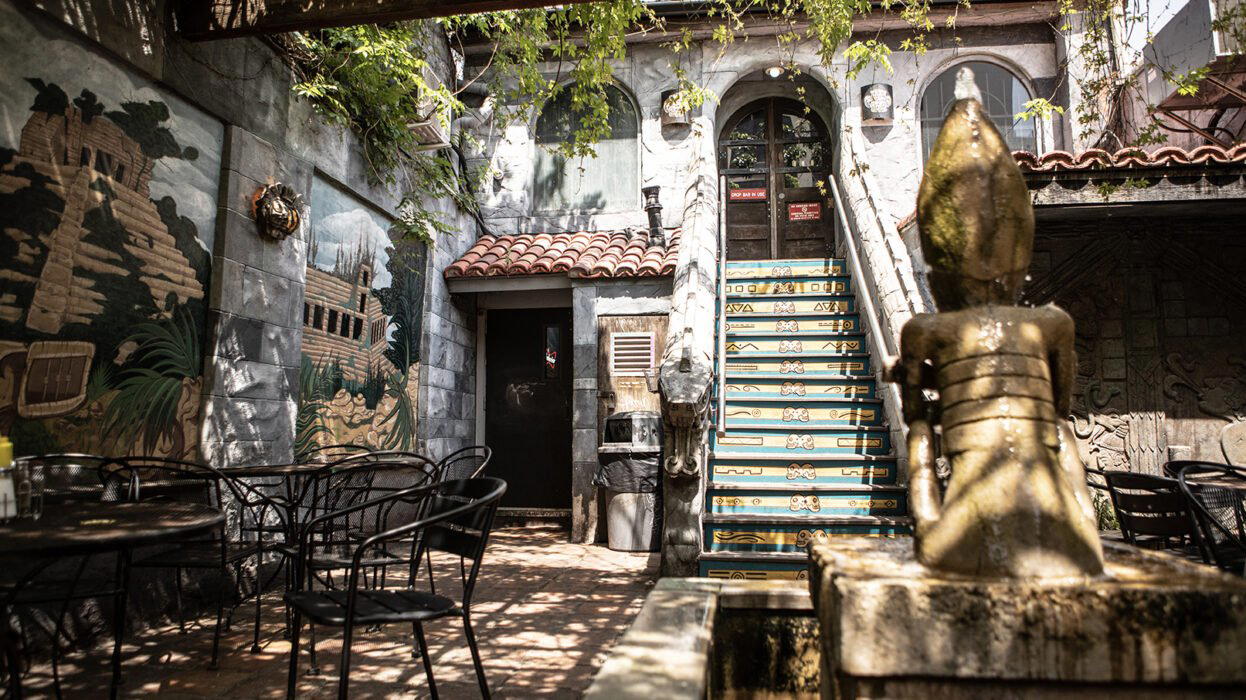
Hotels in Austin
Browse all →
At a Glance
- Trendy
- Modern
- Energetic
- Casual Hangout
- Late Night
- Open Kitchen
Current opening hours
- Monday
- 5–10 PM
- Tuesday
- Closed
- Wednesday
- 5 PM–12 AM
- Thursday
- 5 PM–12 AM
- Friday
- 5 PM–1 AM
- Saturday
- 5 PM–1 AM
- Sunday
- 5–10 PM
Hours can change for holidays and private events. Last verified .
Bright, colorful, chaotic art house vibe with good energy.
Know Before You Go
- Getting there
- 908 E 5th St. #107, Austin, TX 78702