Tancho
Tancho occupies a suite in the Southwest Parkway corridor of Austin, operating in a city where sustainability-minded dining has moved from talking point to structural commitment. The venue sits outside the downtown core, placing it in a quieter tier of the Austin scene where the room tends to do less of the work. Full booking and menu details warrant direct confirmation before visiting.
Pearl is the En Primeur Club membership app — saves, bookings, and concierge access live there. Same editors, same standards.
- Address
- 7415 Southwest Pkwy building 4 suite 300, Austin, TX 78735
- Phone
- +15123000456
- Website
- tancho.com
- Directions
- Get directions
 Saves & bookings on Pearl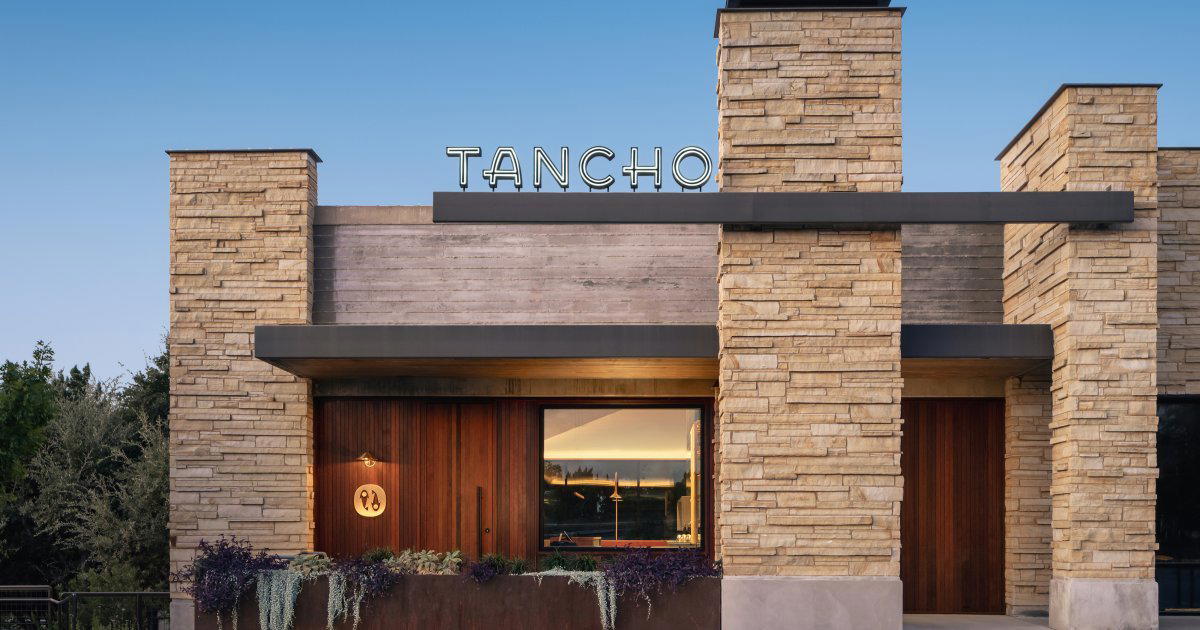
Southwest Austin does not announce itself the way the Rainey Street corridor or South Congress does. The stretch of Southwest Parkway where Tancho operates is commercial and low-key, the kind of address that filters out casual walk-ins by geography alone. That distance from the central dining cluster is a familiar positioning for restaurants that rely on intentionality over foot traffic: the drive is short enough to be practical, long enough to mean only people who sought the place out are in the room.
Austin's Sustainability Turn and Where Tancho Fits
Texas dining has historically leaned into abundance: large proteins, wood-fired volume, and a deep tradition of letting quality ingredients speak without much intervention. That tradition remains central to what Austin does well, from the post-oak smoke logic of InterStellar BBQ to the sourcing discipline at la Barbecue. What has shifted in the past decade is a parallel current: a smaller cohort of Austin restaurants has moved toward explicitly sustainability-framed operations, where waste reduction, ethical sourcing, and seasonal specificity are structural rather than decorative.
That shift mirrors what has happened nationally. Restaurants like Blue Hill at Stone Barns in Tarrytown built entire programs around farm integration and zero-waste processing. Single Thread Farm in Healdsburg treats the farm-to-table relationship as an operational constraint, not a marketing phrase. In Austin, Barley Swine has worked a similar logic through its New American menu, building relationships with regional producers and shifting dishes around what is actually available rather than what a static menu requires. Tancho, based on its Southwest Parkway address and positioning outside the dense restaurant corridor, operates in the same general orientation: a destination rather than a drop-in, with the geography itself signaling that the operation answers to something other than high-volume covers.
What Ethical Sourcing Looks Like in Practice
The language of sustainability has been diluted by overuse, which is why the meaningful version of it tends to show up in operational specifics rather than menu copy. Restaurants genuinely committed to ethical sourcing make different decisions: they change menus more frequently because they are bound to what suppliers have available; they process whole animals or full-case produce to reduce waste; they absorb the cost of smaller-scale regional producers rather than defaulting to commodity supply chains. These decisions show up in the guest experience as variety and specificity rather than as polish, and they tend to favor rooms that attract repeat visitors over one-time occasion diners.
The American restaurants most recognized for this approach, from Lazy Bear in San Francisco to Providence in Los Angeles, have built guest bases that trust the kitchen to make decisions rather than ordering from a static menu. Hestia in Austin has pursued a version of this through its live-fire format, where the cooking method itself creates discipline around ingredient selection. The question Tancho raises, positioned in a quieter part of the city with limited public-facing data, is whether its sustainability framing is operational or aspirational, and that is precisely the kind of question worth asking before booking.
The Southwest Parkway Address as a Signal
Location outside a city's established dining corridors carries its own set of implications. Restaurants at suburban or semi-commercial addresses typically face a different cost structure than those on premium downtown blocks, which can either allow for greater sourcing investment or simply reflect lower ambition. The leading versions of this positioning, found at places like Addison in San Diego or The Inn at Little Washington, use the remove from urban density to support more considered, less rushed operations. The worst versions simply lack the volume or visibility to sustain quality kitchen practice.
For Tancho, the Southwest Parkway address in suite 300 of a multi-tenant building places it in a context where the room itself is unlikely to be a strong draw. That shifts the weight entirely onto the cooking and the service, which in sustainability-minded operations is often the correct order of priorities. Restaurants that spend on sourcing rather than decor tend to attract guests who are there for the food, and that cohort is generally more willing to engage with a menu that changes frequently or reflects difficult supply decisions.
Austin's dining scene has sufficient depth now that a serious restaurant at a non-obvious address can build a following without downtown visibility. Craft Omakase has built exactly that kind of loyal attendance base through a format that rewards repeat visitors. The pattern is consistent across American dining cities: the further from the tourist circuit, the more the room tends to be composed of local regulars who found the place through recommendation rather than proximity.
Tancho in the Wider Conversation About Responsible Dining
The restaurants that have done the most to advance ethical sourcing as a serious kitchen discipline have tended to be tightly formatted operations: small seat counts, limited seatings, menus that change entirely with availability. Alinea in Chicago operates with a format discipline that allows total menu control. Atomix in New York City has built a tasting format that allows for similar precision. Le Bernardin in New York City has maintained sourcing standards at scale by building long-term supplier relationships over decades. The common thread is that sustainability at a serious level requires either format control, long-term supplier trust, or both.
What the positioning suggests is an operation that has made deliberate choices about where to locate and how to present itself, both of which tend to correlate with kitchens that are doing the harder work behind the scenes. For Austin, a city that has developed significant depth across barbecue, New American, and Japanese formats, a sustainability-anchored operation in the southwest corridor adds a different kind of option to the city's range. For a fuller picture of where Tancho sits relative to Austin's dining scene, our full Austin restaurants guide maps the city's current table by neighborhood and format.
Internationally, the restaurants that have made sustainability structurally central to their identity, from Emeril's in New Orleans in its sourcing relationships to 8 1/2 Otto e Mezzo Bombana in Hong Kong in its supplier discipline, demonstrate that ethical sourcing scales across formats and price points. The Austin version of this story is still being written, and Tancho's place in that story is worth watching as the operation becomes better documented.
Know Before You Go
Address: 7415 Southwest Pkwy, Building 4, Suite 300, Austin, TX 78735
Phone: Not publicly listed. Contact via the venue directly or through reservation platforms.
Website: Not currently indexed. Verify current hours and availability before visiting.
Cuisine type: Confirm on booking. Category not publicly specified in available data.
Price range: Not confirmed. Compare Austin context: $$ (casual) to $$$$ (tasting format) depending on menu structure.
Getting there: Southwest Parkway is accessible by car; the suite-300 address in a multi-tenant building means the entrance requires specific navigation on arrival. Street parking is typical for this corridor.
Ideal time to visit: As with sourcing-led kitchens generally, menus tend to shift with seasonal availability, making autumn and spring particularly interesting periods if the operation follows a produce-driven calendar.
Continue exploring
More in Austin
Restaurants in Austin
Browse all →

Bars in Austin
Browse all →
Hotels in Austin
Browse all →

At a Glance
- Modern
- Cozy
- Intimate
- Date Night
- Casual Hangout
- Sake Program
Current opening hours
- Monday
- 11 AM–10 PM
- Tuesday
- 11 AM–10 PM
- Wednesday
- 11 AM–10 PM
- Thursday
- 11 AM–10 PM
- Friday
- 11 AM–10 PM
- Saturday
- 11 AM–10 PM
- Sunday
- 12–9 PM
Hours can change for holidays and private events. Last verified .
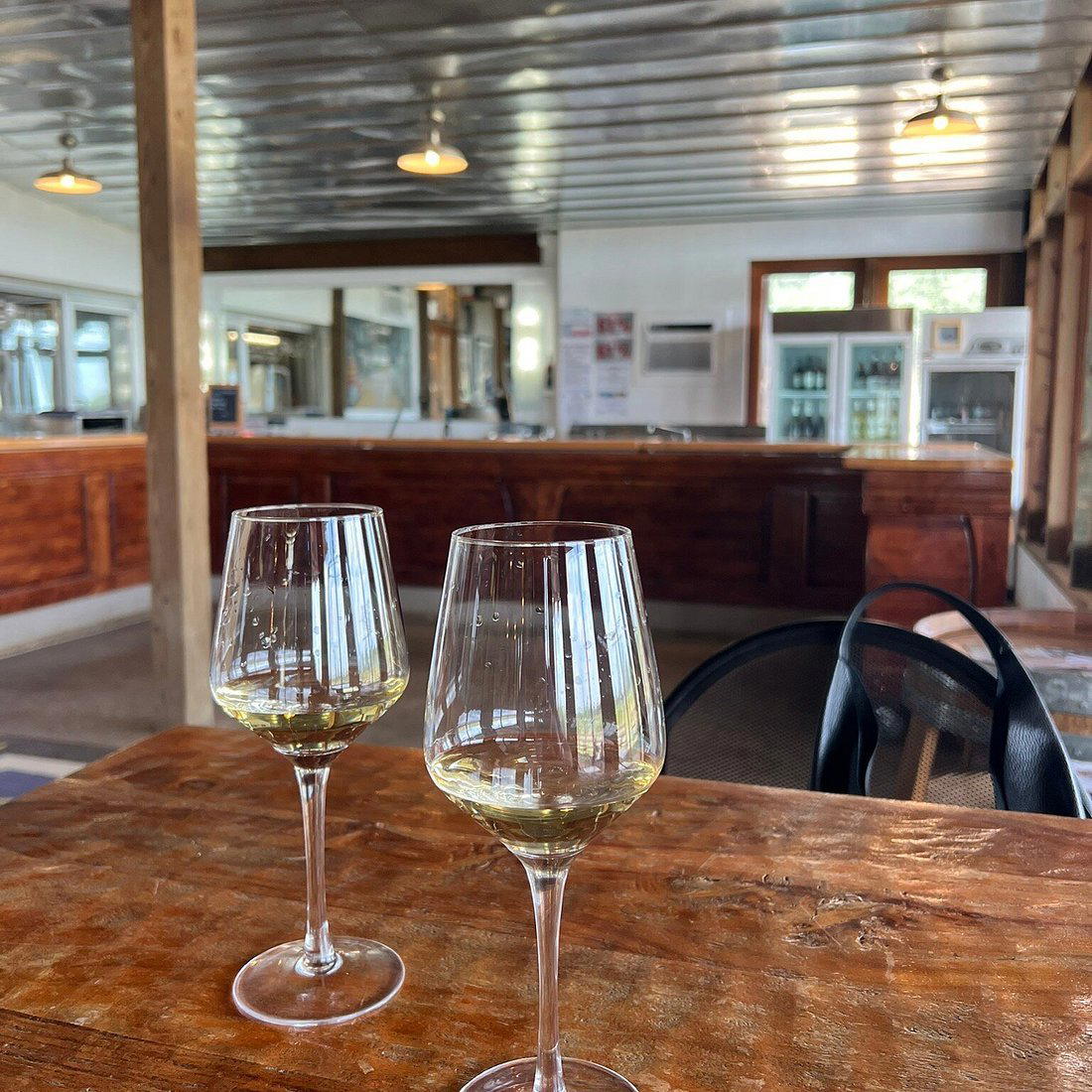
Cozy, clean, warm modern atmosphere ideal for quiet conversations.
Know Before You Go
- Getting there
- 7415 Southwest Pkwy building 4 suite 300, Austin, TX 78735