Neighborhood Sushi
On South Congress Avenue, Neighborhood Sushi occupies a stretch of Austin that has long traded in local character over imported polish. The format here follows the broader wave of accessible sushi that has taken hold in mid-tier American cities: counter seating, focused menus, and price points that sit below the omakase tier without retreating to conveyor-belt territory. A useful reference point for Austin's expanding Japanese dining options.
Pearl is the En Primeur Club membership app — saves, bookings, and concierge access live there. Same editors, same standards.
- Address
- 1716 S Congress Ave, Austin, TX 78704
- Phone
- +15125801390
- Website
- neighborhoodsushi.com
 Saves & bookings on Pearl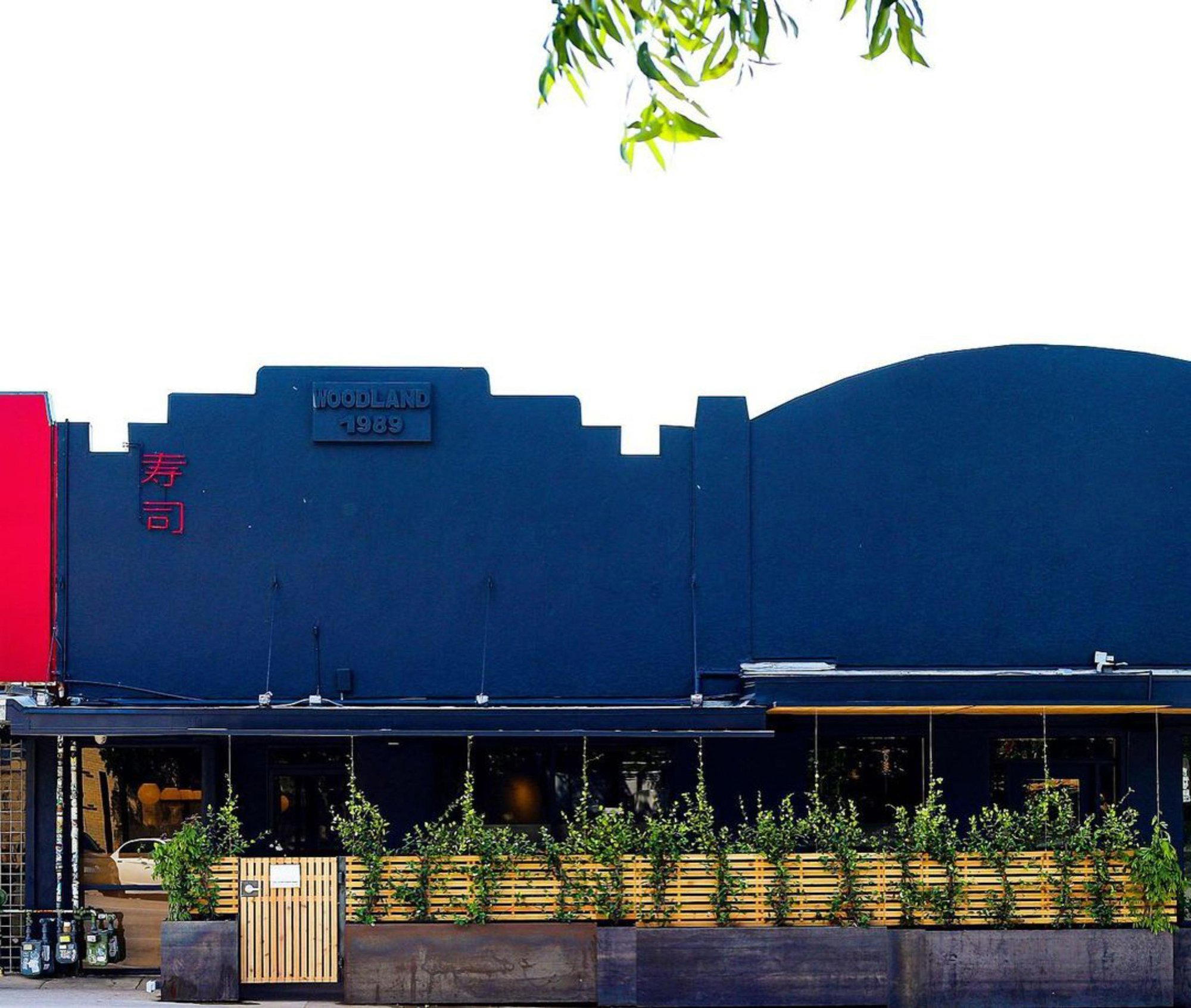
South Congress and the Architecture of Accessible Sushi
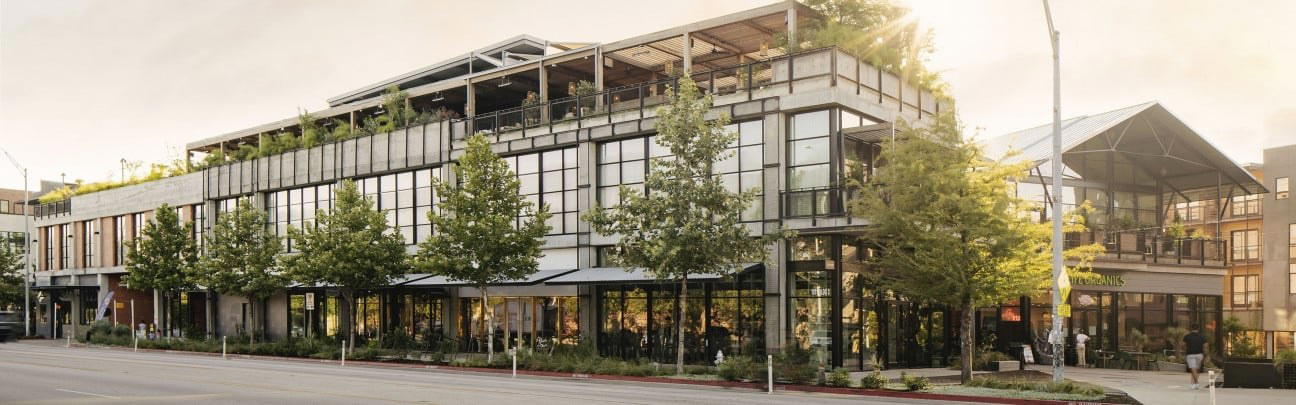
South Congress Avenue has spent the better part of two decades sorting itself into a legible identity: independent retail, food-forward casual dining, and the occasional destination restaurant that punches above its postcode. The 1700 block, where Neighborhood Sushi sits at 1716 S Congress Ave, belongs to the middle register of that strip, a zone that rewards walkers rather than destination drivers, where the room you enter is as much a function of the block's rhythm as of any individual operator's ambition. In American cities of Austin's size and dining maturity, this kind of address tends to produce a particular spatial logic: intimate scale, materials that reference the neighbourhood rather than import a foreign aesthetic, and a counter arrangement that keeps the kitchen visible without theatricalising it.
That spatial logic matters when thinking about how sushi formats have evolved in mid-tier American markets over the last decade. The omakase counter, fixed seats, fixed price, chef-directed progression, has colonised the high end of most serious dining cities. Austin has its own entries in that tier; Craft Omakase represents the city's ambitions at that level. Neighborhood Sushi operates in a different register: the neighbourhood sushi house, a format with deep roots in Japanese-American dining culture, where the contract with the guest is about regularity rather than occasion. You come back here the way you come back to a wine bar or a ramen shop, not to be impressed, but to be fed well and without friction.
The Physical Container: What the Room Does
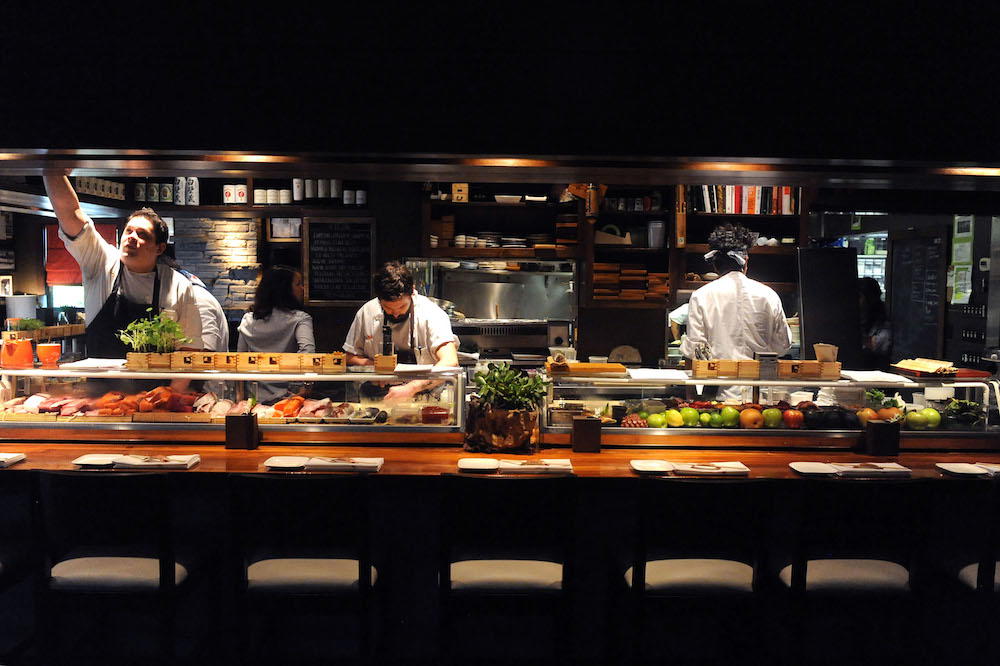
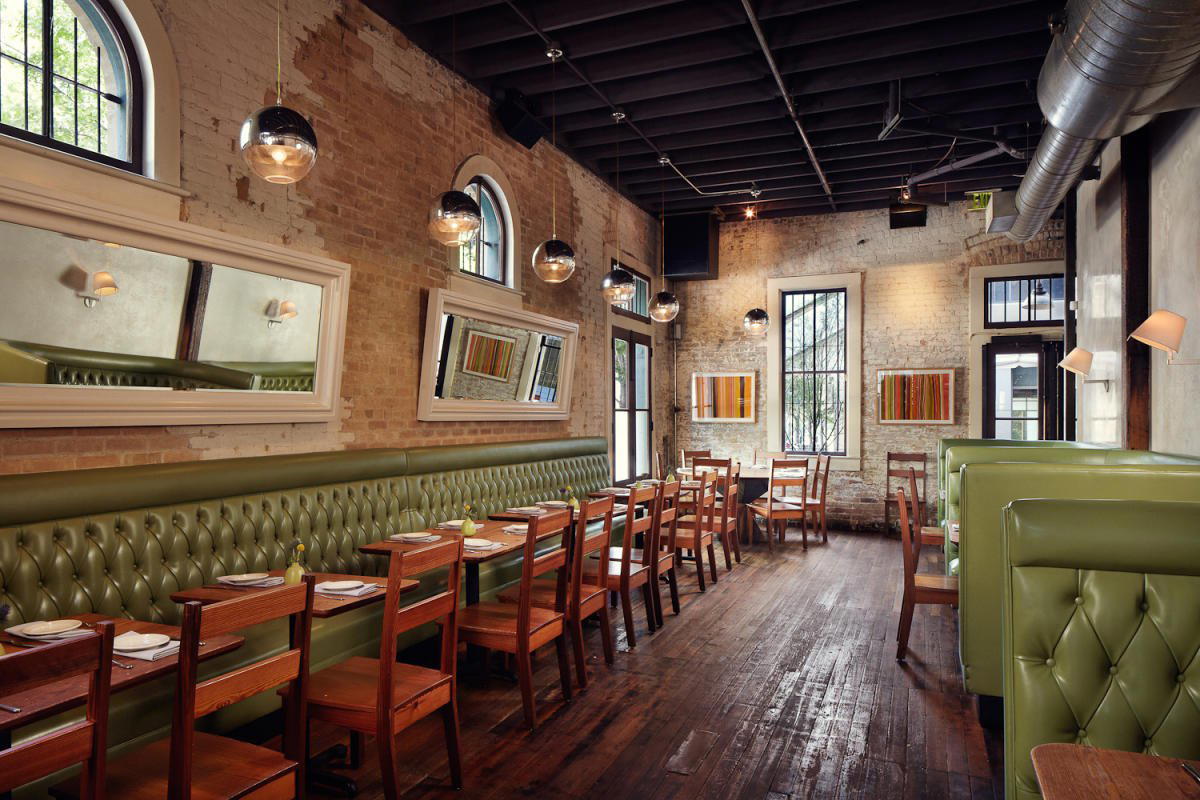
The editorial angle that matters most at a place like this is the room itself and what it signals about the dining proposition. South Congress storefronts tend toward the compact: narrow facades, limited depth, a geometry that forces operators to make decisions about flow and sightlines that larger rooms can defer. Sushi, as a format, is well-suited to this constraint. The counter is the natural organizing principle: it places the guest in proximity to preparation, compresses the distance between order and delivery, and creates a social texture that booth-and-table arrangements cannot replicate.
In cities like Tokyo, the counter's intimacy is a codified ritual. In American contexts, it tends to be a practical adaptation that carries some of that ritual's residue. The better neighbourhood sushi rooms in the United States, and Austin has developed a more serious cohort over the past five years, treat the counter not as a compromise but as the primary spatial statement. The seating arrangement communicates something about pacing: you are not in a rush-and-turn operation, but you are also not in a three-hour omakase. The middle ground is its own discipline.
For context on how Austin's dining scene frames this kind of mid-register precision, it helps to look at what the city has built across other formats. Barley Swine operates a tasting-menu format in the New American tradition at the higher price tier. Hestia has established live-fire cooking as a serious reference point in the city's contemporary dining conversation. Even Austin's barbecue institutions, la Barbecue and InterStellar BBQ, have pushed the category toward a kind of craft precision that was not expected of the format a generation ago. Neighborhood Sushi belongs to a parallel story: the maturation of everyday Japanese dining in a city that is no longer content with lowest-common-denominator execution at the accessible price tier.
Where This Sits in Austin's Japanese Dining Spectrum
Austin's Japanese dining options have diversified considerably since the early 2010s. The izakaya format, represented locally by Kemuri Tatsu-ya at a mid-price point, established that Austin diners would support serious Japanese-inflected cooking outside the sushi-and-teriyaki template. The omakase tier arrived later and has found a committed audience. What the city still needs, and what the neighbourhood sushi format addresses, is the middle: a place where the rice is properly seasoned, the fish is handled with care, and the price point does not require planning the visit three months in advance.
That positioning places Neighborhood Sushi in direct conversation with the accessible end of Austin's Japanese options rather than with the aspirational tier. Compared to the omakase format at Craft Omakase, the proposition here is flexibility over curation, you choose, the kitchen executes, the interaction is transactional in the leading sense of that word. This is not a criticism. The neighbourhood sushi house serves a function that the omakase counter cannot: it accommodates spontaneity, varied appetites, and the kind of meal where the agenda is a Tuesday rather than a birthday.
Nationally, the neighbourhood sushi format has produced some of the most consistent dining in American cities. The format's ceiling is not as visible as a Michelin-starred counter's, but its floor, when the kitchen is serious, is reliably higher than the category's reputation suggests. For reference points on what Japanese-inflected precision looks like at the highest levels of the American dining scene, Atomix in New York City and the technical ambition of fish-forward kitchens like Providence in Los Angeles set the upper register. The neighbourhood format does not compete with those rooms; it serves a different need in the dining ecosystem.
Planning Your Visit
Neighborhood Sushi is located at 1716 S Congress Ave, Austin, TX 78704, on a stretch of South Congress that is walkable from the surrounding residential neighbourhoods and accessible by rideshare from central Austin. South Congress parking is available but uneven on weekend evenings; arriving on foot or by rideshare removes that variable. The address places it among a cluster of independent food and retail operations that define the character of the corridor, which means the area rewards arriving with time to browse before or after the meal.
Neighborhood Sushi is recommended for reservations, serves lunch and dinner daily, and is priced at about $60 per person.
For readers building a wider American dining itinerary around serious Japanese cooking and the broader fine-dining conversation, reference points worth considering include Le Bernardin in New York City for seafood precision at the top tier, The French Laundry in Napa for the American tasting-menu tradition, Alinea in Chicago for technical ambition, and Lazy Bear in San Francisco for the communal-format end of serious American dining. Single Thread Farm in Healdsburg, Blue Hill at Stone Barns in Tarrytown, Addison in San Diego, The Inn at Little Washington, Emeril's in New Orleans, and 8 1/2 Otto e Mezzo Bombana in Hong Kong round out the international context for readers tracking serious dining across multiple cities.
Pricing, Compared
Comparable venues nearby, for context on price, style, and recognition.
| Venue | Cuisine | Price | Awards | Notes |
|---|---|---|---|---|
| Neighborhood SushiThis venue — the venue you are viewing | South River City, Modern Japanese Sushi | $$$ | , | |
| Chicon | East Austin, Modern American Gastropub | $$$ | , | |
| Paul Martin's - Austin | North Burnet, Modern American Steakhouse | $$$ | , | |
| 44 East Ave #100 | $$$ | , | Town Lake, Modern Mexican Grill with Coastal Latin Flair | |
| Limestone Rooftop | $$$ | , | Town Lake, Global Mediterranean with Lebanese, Turkish & Southeast Asian Influences | |
| Sushi Japon & Hibachi Grill | $$ | , | St. Johns, Modern Japanese Sushi & Teppanyaki |
Continue exploring
More in Austin
Restaurants in Austin
Browse all →
Bars in Austin
Browse all →
Hotels in Austin
Browse all →



At a Glance
- Trendy
- Modern
- Cozy
- Intimate
- Sophisticated
- Date Night
- Special Occasion
- Open Kitchen
- Sake Program
- Craft Cocktails
- Local Sourcing
Polished and dressed-up interior with sexy lighting, enclosed cozy booths, calming and soothing mood spotlighting hardworking sushi chefs.