
Hotel Chinese dining in Osaka often rewards regulars who value consistency over theatre. Kokyu, inside The Westin Osaka, sits in that polished tier: Chinese, seafood, dim sum and yum cha, with Tabelog Chinese WEST 100 selections across 2021, 2023, 2024 and 2026, plus a format built for business meals, celebrations and repeat local use.
Pearl is the En Primeur Club membership app — saves, bookings, and concierge access live there. Same editors, same standards.
- Address
- Japan, 〒531-0076 Osaka, Kita Ward, Oyodonaka, 1 Chome−1−20 ウェスティンホテル大阪 3F
- Phone
- +81 6-6440-1065
- Website
- kokyu.westinosaka.com
 Saves & bookings on Pearl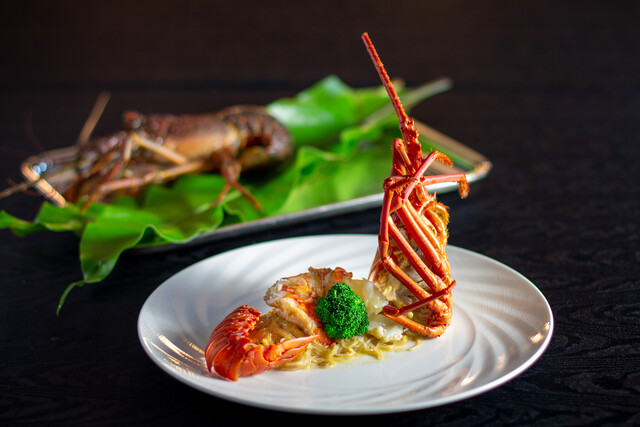
The approach to a hotel dining room changes the mood before the first menu appears. Corridors quieten. Service becomes choreographed rather than casual. In Osaka, where the restaurant culture can swing from counter intimacy to shopping-arcade speed, a hotel Chinese room carries a different promise: space, privacy, predictable pacing and a dining rhythm that suits people who return for the same reasons rather than chase novelty.
Kokyu belongs to that category. Its place inside The Westin Osaka puts it outside the city’s louder street-food shorthand and closer to the formal, repeat-client side of Umeda dining. The kitchen is listed across Chinese, seafood, dim sum and yum cha, a combination that signals breadth rather than a single-dish specialist. The useful way to read the room is not as a tourist trophy, but as an Osaka regulars’ address: business meals, family occasions in private rooms, wine-led dinners, and lunches where the room matters as much as the table.
Osaka Chinese dining for guests who return by habit, not hype
Osaka’s food identity is often reduced to okonomiyaki, takoyaki and kushikatsu, but that leaves out the city’s long habit of polished Chinese dining. Hotel Chinese restaurants occupy a particular lane in Japan: less improvisational than a chef-counter kappo room, more formal than a neighborhood gyoza stop, and built around menu range. Regulars tend to know what the room is for before they arrive. Dim sum suits daytime pacing; seafood and banquet-style Chinese cooking give dinner more structure; private rooms make the format work for groups that would feel exposed at a counter.
The Tabelog Chinese WEST 100 selection in 2026 gives Kokyu a useful external marker, especially because the same recognition appears in 2021, 2023 and 2024. That pattern matters more than a single award badge. It places the restaurant among western Japan’s better-documented Chinese addresses in a category where repeatability counts: technique, procurement, service flow and room management have to hold across many covers, not only at a small tasting counter.
That distinction separates it from Osaka peers with narrower jobs. Gyoza Tateyama Umeda ten sits in a low-price, single-craving lane. Okonomiyaki Kiji carries the city’s griddle tradition. Naniwakappo NOBORU and 米増 speak to Japanese dining rather than Chinese formality, while Tsukimi belongs to a different occasion set. Kokyu is better understood as the option for diners who want Chinese cooking with hotel infrastructure and a room that can absorb business, family and celebration use without asking the meal to become a spectacle.
The unwritten menu is about format, wine and who controls the table
Regulars at hotel Chinese rooms often order less from romance than from logistics. A table may need seafood for senior guests, vegetarian options for one diner, dim sum for a mixed group, and wine service that does not feel like an afterthought. Kokyu’s public categories point in that direction: Chinese, seafood, dim sum and yum cha; attention to vegetables; health-and-wellness menu options; vegetarian options; sake, shochu, wine and cocktails; and sommelier availability. The draw is the ability to keep different diners inside the same meal without forcing everyone into a rigid tasting format.
This is where the regulars’ perspective becomes useful. The attraction is not a named signature dish or a chef myth. It is confidence in the mechanics: a non-smoking room, multilingual menu availability in English, credit-card payment, wheelchair access and a service style suited to celebrations and business entertaining. None of those details are glamorous in isolation. Together they explain why hotel Chinese dining remains resilient in Japanese cities where high-end counters dominate attention.
The private-room structure reinforces that role. Two private rooms accommodate groups up to 16, with named room charges published for semi-private and private use. That makes the restaurant more practical for set-piece meals than many small Osaka dining rooms. The regular’s calculation is simple: choose a room where guests can talk, let the menu cover multiple preferences, and use the hotel setting to remove friction around arrival, seating and service.
How to place Kokyu within an Osaka dining day
For visitors building a broader Osaka itinerary, the restaurant works better as a composed meal than as a spontaneous bite between errands. The immediate area around Osaka and Umeda is dense with transport, department stores and hotel dining, but the tone changes once the meal moves indoors. That makes Kokyu a stronger fit after meetings, before an evening bar plan, or on a day when comfort and pacing carry more weight than counter access.
It also helps to understand what not to ask from the experience. Diners looking for Osaka’s snack culture should look elsewhere first; the pleasure of this address is formality, range and repeat-client usefulness. For breadth across the city, Our full Osaka restaurants guide places it beside casual and specialist addresses, from 551 Horai (551蓬莱) and 52CHO-ME BAKERY to .cafe, 99 Pizza Napoletana Gourmet and a canto (Italian). The city’s hospitality context is easier to read alongside Our full Osaka hotels guide, Our full Osaka bars guide, Our full Osaka wineries guide and Our full Osaka experiences guide.
Readers comparing Japanese dining formats beyond Osaka can also use the wider EP Club map: -Grilled beef Sukiyaki- KAMAKURA TANUKIAN 鎌倉 たぬき庵 in Kamakura. 鮪と炭火焼き うお炭 秋葉原店 in Tokyo.know in Kumamoto, (Shoku) Vietnam in Kawasaki, [Curry Senmon Ten] Maruyama Kyoju. in Sapporo, [ki:] in Kyoto, Jōdo Saké Bar in Los Angeles and Onigiri Time in Pasadena. Kokyu’s value is clearer after that comparison: not maximal drama, but a controlled Chinese dining room in Osaka where the same practical strengths keep regulars coming back.
Standing Among Peers
Side-by-side context: comparable cuisine and price.
| Venue | Cuisine | Price | Awards | Notes |
|---|---|---|---|---|
| KokyuThis venue — the venue you are viewing | Modern Cantonese Fine Dining | $$$$ | Not listed | Not listed |
| Tanaka Yoshihide | Modern Cantonese with Japanese Seasonality | $$$$ | Not listed | Miyakojima |
| Chugokusai S. Sawada | Modern Hong Kong Chinese with Japanese Technique | $$$$ | Michelin Plate | Kita |
| JIANG NAN CHUN | Authentic Cantonese | $$$$ | Michelin Plate | Kita |
| Gessen | Modern Seasonal Chinese | $$$$ | Not listed | Kita |
| IAKU | Innovative French–Italian Tasting Menu | $$$$ | Not listed | Kita |
Recognition history
Dated appearances from independent guides and award organizations, with the underlying list record or original source where available.
Tabelog 100 #67 · No. 67
Tabelog · Tabelog 100 - Chinese cuisine - WEST - 2026
Continue exploring
More in Osaka
Restaurants in Osaka
Browse all →



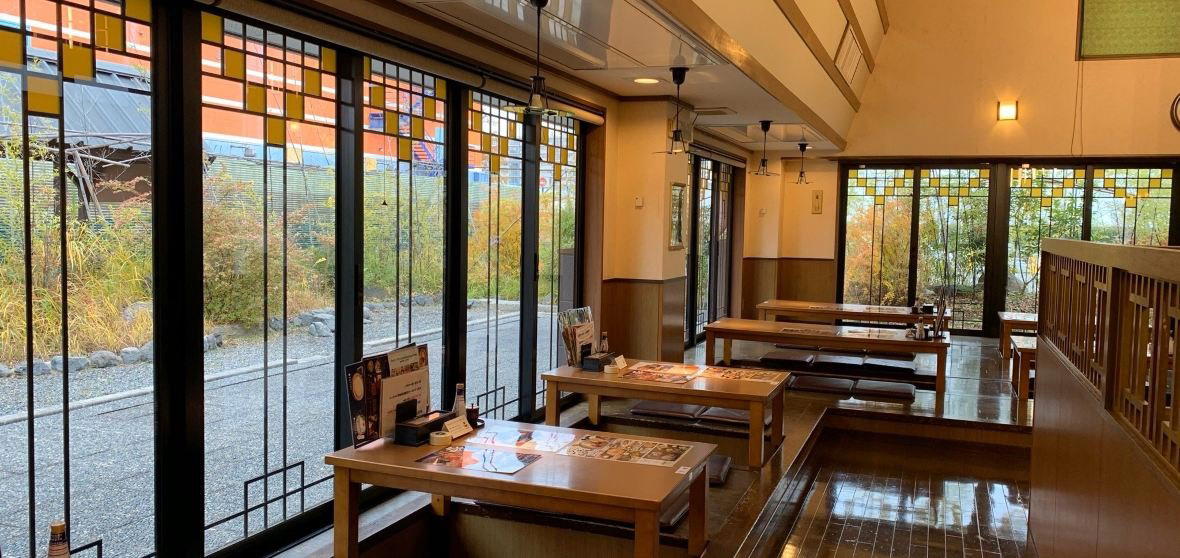
Bars in Osaka
Browse all →


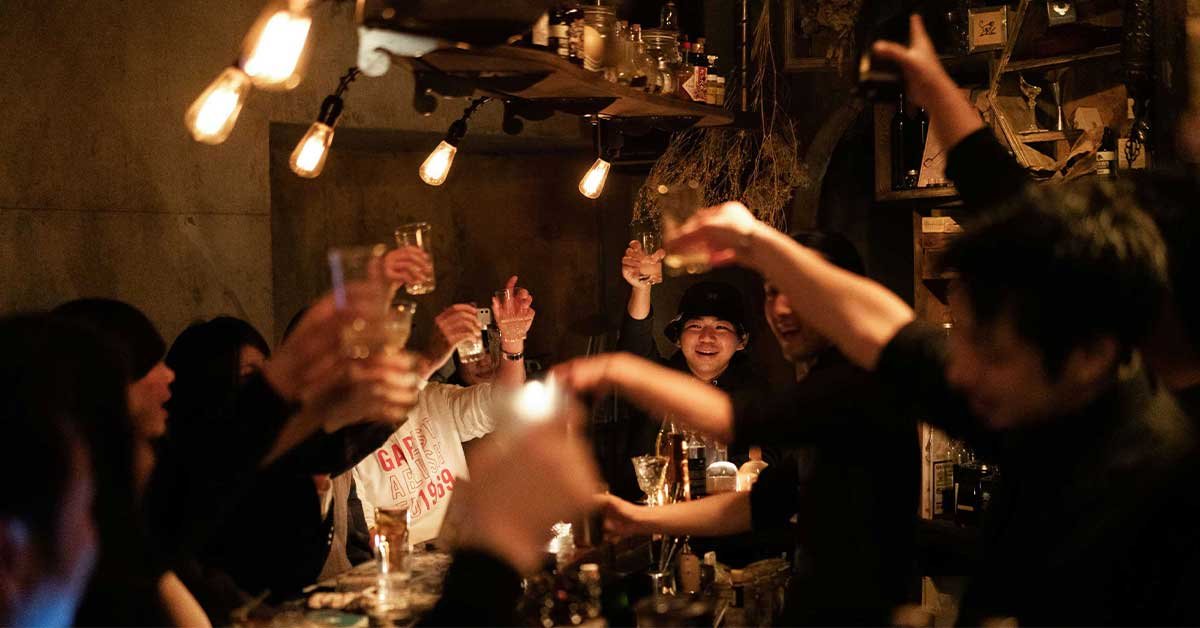
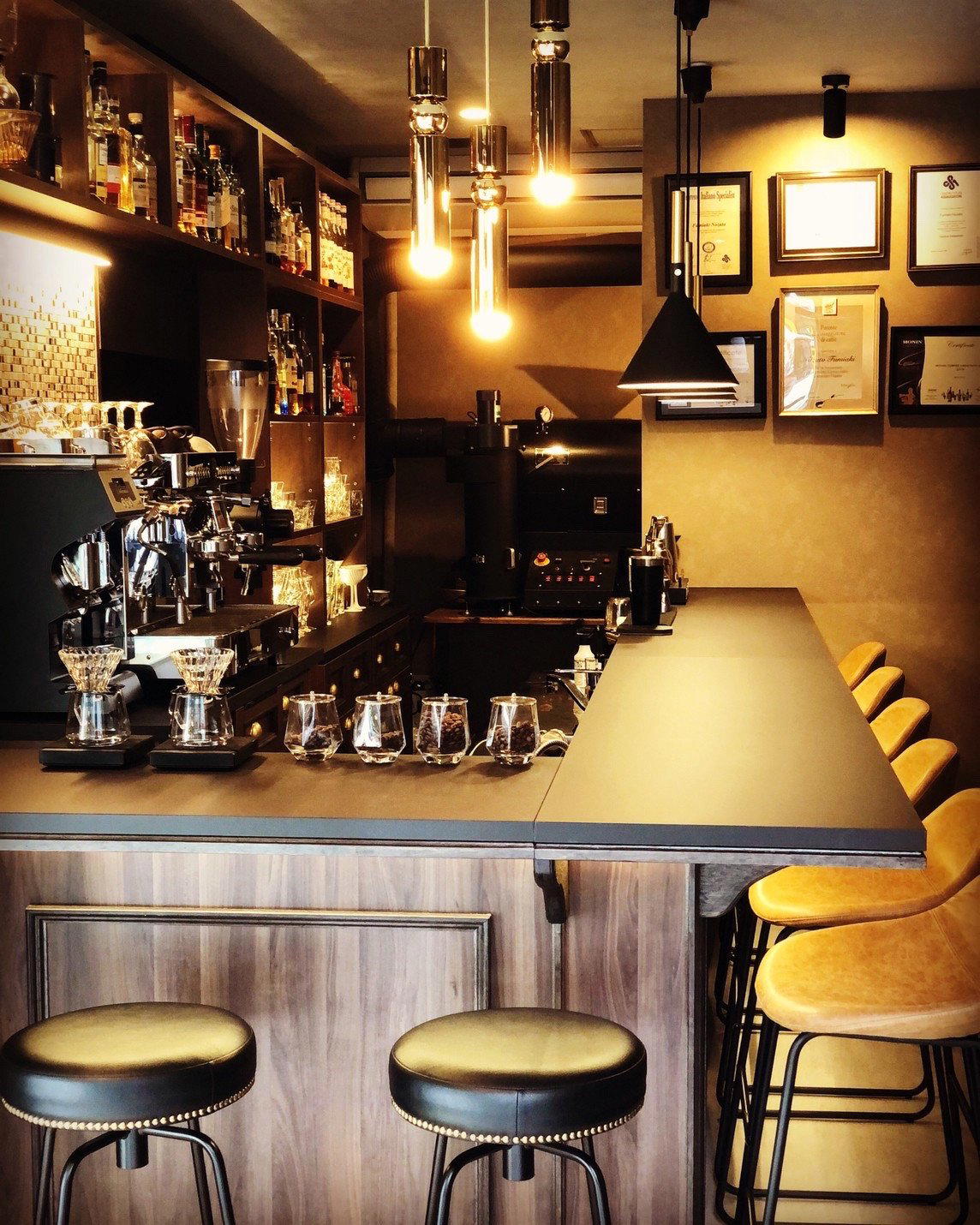
Hotels in Osaka
Browse all →


Wineries in Osaka
Browse all →
At a Glance
- Elegant
- Sophisticated
- Modern
- Romantic
- Business Dinner
- Special Occasion
- Group Dining
- Date Night
- Family
- Hotel Restaurant
- Private Dining
- Design Destination
- Extensive Wine List
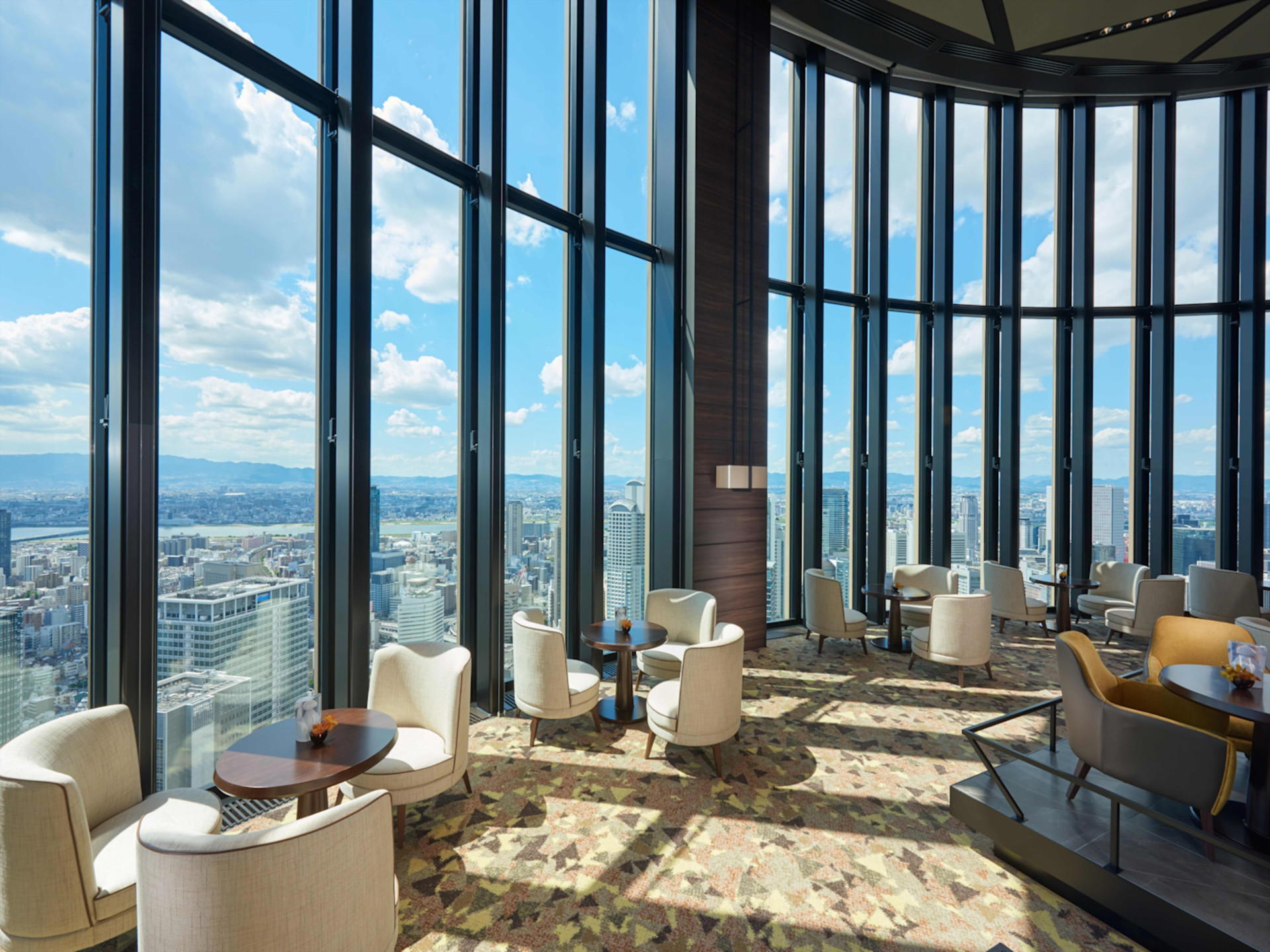
- Skyline
Current opening hours
- Monday
- 11:30 AM–3 PM, 5–9 PM
- Tuesday
- 11:30 AM–3 PM, 5–9 PM
- Wednesday
- 11:30 AM–3 PM, 5–9 PM
- Thursday
- 11:30 AM–3 PM, 5–9 PM
- Friday
- 11:30 AM–3 PM, 5–9 PM
- Saturday
- 11:30 AM–3 PM, 5–9 PM
- Sunday
- 11:30 AM–3 PM, 5–9 PM
Hours can change for holidays and private events. Last verified .
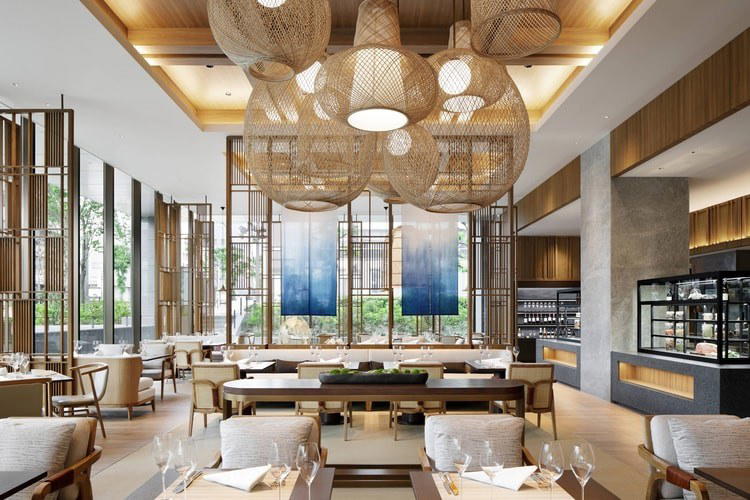
An elegant hotel-restaurant setting with softly lit, contemporary Chinese decor, white tablecloths, and a calm, refined atmosphere suited to business dinners and special occasions.