Our verdict
Masuya occupies a basement on O'Connell Street in Sydney's CBD, where Japanese dining tradition meets the precise, course-driven format that defines the city's upper end of the genre. The setting, below street level in the financial district, signals a particular kind of deliberate meal: one structured around sequence, restraint, and technique rather than spectacle or volume.

Pearl is the En Primeur Club membership app — saves, bookings, and concierge access live there. Same editors, same standards.
- Address
- Basement/12/14 O'Connell St, Sydney NSW 2000, Australia
- Phone
- +61292352717
- Hours
- Mon–Fri 12–2 PM, 6–9 PMSat 6–9 PMSun Closed
- Website
- masuyainternational.com.au
- Directions
- Get directions
- Booking
- Book on OpenTable
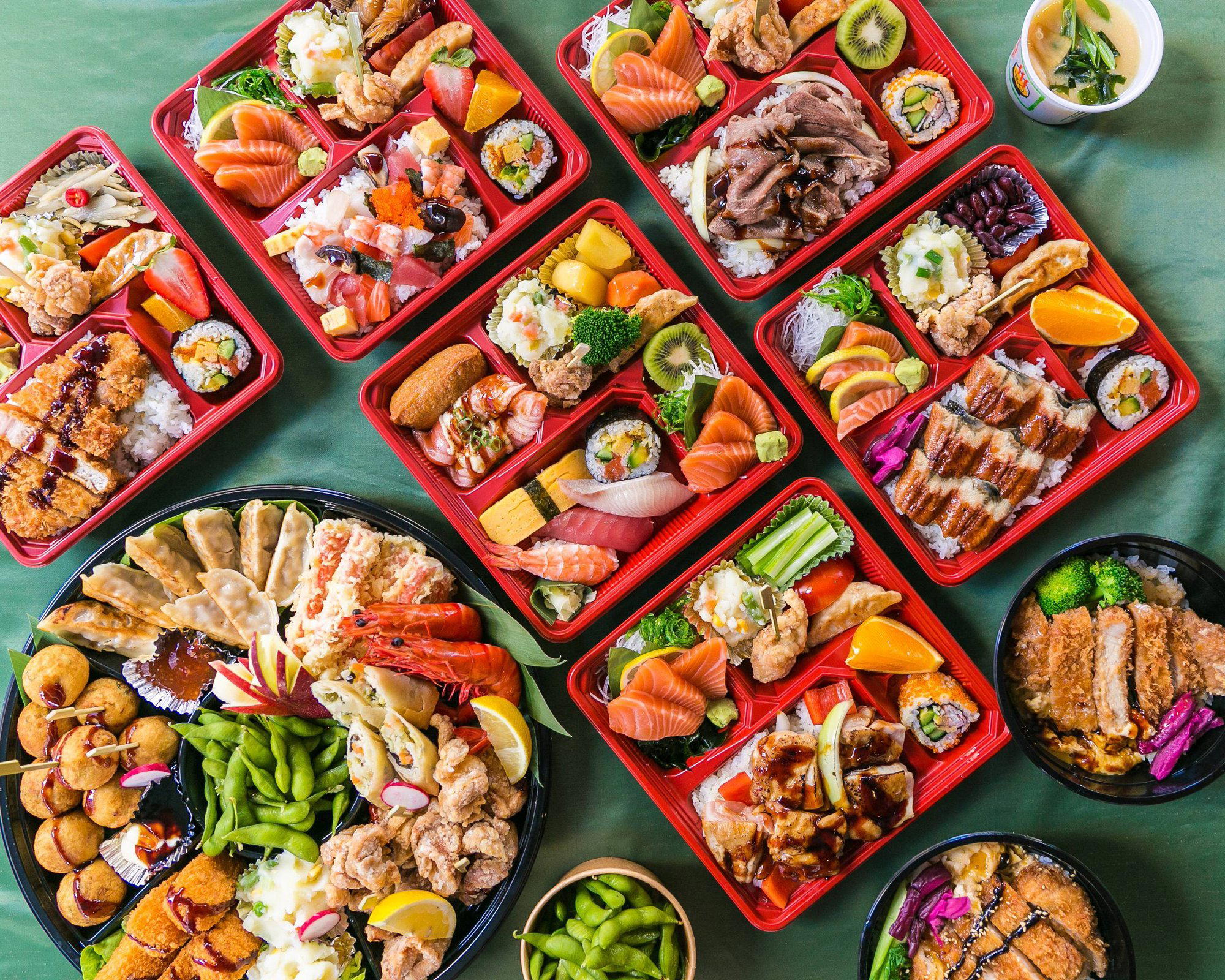
The menu
What to order
- Sashimi Platter
- King & Queen Platter
- Wagyu
Below Street Level, Above the Noise
Sydney's CBD has always maintained a particular kind of serious restaurant: the kind that sits below the pavement, away from foot traffic, and asks you to commit before you arrive. The basement of 12-14 O'Connell Street is that kind of address. Descending from the financial district's midday hum into Masuya, the shift is immediate. This is not the ambient clatter of a brasserie or the open-plan theatre of a modern Australian room. The space orients itself toward the meal, and the meal is the point.
Japanese fine dining in Sydney has developed along two distinct tracks over the past decade. The first runs through high-volume robatayaki and izakaya formats that serve the city's appetite for shared plates and sake pairings. The second, smaller track runs toward the structured, course-based format more common in Tokyo or Osaka: fewer covers, longer sequences, more deliberate pacing. Masuya belongs to that second category, and its O'Connell Street address places it firmly within Sydney's lunch-trade dining culture, where the CBD's legal and financial professionals sustain the kind of spending that makes formal Japanese dining viable at scale.
The Architecture of a Japanese Meal in a Western City
The editorial interest of a venue like Masuya is less about any single dish than about what it represents structurally. Japanese kaiseki and its formal cousins impose a narrative arc on eating that most Western tasting menus approximate but rarely replicate with full fidelity. The progression from lighter, more delicate preparations through to richer, more substantial ones, with textural contrast and seasonal reference woven throughout, is a compositional logic that takes years to internalise and longer still to execute consistently.
Sydney's Japanese restaurant scene has expanded considerably since the early 2000s, when the city's exposure to high-end Japanese cooking was largely mediated through hotel restaurants and a handful of Darlinghurst specialists. The current CBD cluster, of which Masuya is a representative member, reflects a more mature market: diners who have eaten in Tokyo, who understand the difference between omakase and a la carte, and who are willing to book ahead and spend accordingly. Masuya does not compete primarily with suburban sushi restaurants or casual noodle bars. It competes with the city's other structured, course-driven rooms, a group that includes both Japanese specialists and broader fine dining venues like Rockpool and Saint Peter.
Course by Course: How the Meal Unfolds
The logic of the tasting progression at a venue of this type rewards some explanation, because it is the framework through which everything else should be understood. A formal Japanese multi-course meal typically opens with small, high-acid or lightly pickled preparations designed to prime the palate without overwhelming it. These give way to raw or lightly cured fish, where knife technique and sourcing quality become immediately legible. The middle sequences introduce heat, in the form of soups, steamed or simmered dishes, and then grilled or seared proteins. The final savoury courses tend toward richness and substance before the meal closes with rice, pickles, and miso, the structural conclusion that Japanese cuisine treats as both practical and ceremonial.
In a Western city context, this structure is sometimes compressed or adapted to meet service rhythms and diner expectations around timing. The degree to which a kitchen preserves the internal logic of that progression, rather than simply borrowing its aesthetic vocabulary, is one of the more useful ways to distinguish between venues operating at different levels of commitment to the tradition. Masuya's basement address and CBD positioning suggest a lunch-dominant trade, which in turn shapes how that progression is calibrated: a weekday lunch sequence typically runs tighter than a dinner omakase, but the underlying architecture can remain intact.
For diners comparing this format to what they might experience at venues like Attica in Melbourne or Brae in Birregurra, the distinction is one of cultural grammar rather than quality tier. Australian tasting menus tend to build toward a regional or seasonal thesis. Japanese multi-course formats build toward a compositional resolution, where the meal's internal balance is the argument rather than a single headline ingredient or provenance narrative.
Sydney's Japanese Fine Dining in Comparative Perspective
It is worth placing Masuya's address in the broader map of Sydney dining. O'Connell Street and its immediate surrounds, between Martin Place and Bridge Street, function as the city's financial-district dining corridor. This neighbourhood sustains a cluster of formal restaurants that depend on weekday lunch spending and corporate entertainment budgets. That is a different commercial logic from the weekend-destination model that drives venues in Surry Hills or Potts Point, and it produces a different kind of dining room: less scenographic, more focused on execution and consistency over time.
Japanese cuisine occupies a particular position in this CBD ecosystem. Its reputation for precision and craft makes it a natural fit for the professional lunch market, where diners want seriousness without the performance anxiety of the city's most theatrical fine dining rooms. Venues like Bayly's Bistro in Kirribilli and Johnny Bird in Crows Nest serve adjacent markets with different cuisine registers. Masuya's Japanese format targets a diner who wants the meal to carry weight without requiring explanation.
Internationally, the closest analogues to this format, a basement Japanese specialist in a financial district, appear in London's Mayfair, New York's Midtown, and Tokyo's own business-district dining clusters. In New York, venues like Atomix and the broader tasting-menu ecosystem around Le Bernardin demonstrate how a city's highest-concentration professional dining market sustains formal, course-driven rooms at price points that would be difficult to maintain in less dense commercial districts. Sydney's CBD replicates that dynamic at a smaller scale, and Masuya operates within it.
For a broader orientation to where Masuya sits in Sydney's dining scene, the full Sydney restaurants guide maps the city's key neighbourhoods and category leaders. Other CBD and inner-city options worth considering alongside Masuya include 10 Pounds, 10 William St, and 1021 Mediterranean.
Know Before You Go
| Address | Basement, 12-14 O'Connell Street, Sydney NSW 2000 |
|---|---|
| Location | Sydney CBD, between Martin Place and Bridge Street |
| Format | Japanese fine dining, course-based |
| Booking | Advance booking recommended; CBD lunch trade means midweek slots fill early |
| Getting There | Martin Place station (T1/T4 lines) is the closest rail access; the venue is a short walk from Wynyard and Circular Quay |
| When to Visit | Weekday lunches reflect the CBD trade pattern; dinner service tends to be quieter and may offer more relaxed pacing |
Frequently asked questions
Is Masuya child-friendly?
How would you describe the vibe at Masuya?
at Masuya?
Is Masuya a good choice for a business lunch in Sydney's CBD?
Peers in This Market
Comparable venues nearby, for context on price, style, and recognition.
| Venue | Cuisine | Price | Notes |
|---|---|---|---|
| MasuyaThis venue — the venue you are viewing | Japanese Izakaya & Seafood | $50–100 | Not listed |
| Nikaido Mascot | Japanese Yakiniku BBQ | $50–100 | Mascot |
| Takumi Yakiniku | Japanese Yakiniku BBQ | $50–100 | Eastwood |
| Goryon San | Hakata-Style Japanese Kushiyaki Izakaya | $50–100 | Surry Hills |
| Busshari | Authentic Japanese Sushi and Sashimi | $50–100 | Potts Point |
| Osaka Trading Co. | Modern Japanese Izakaya | $50–100 | Glebe |
Continue exploring
More in Sydney
Restaurants in Sydney
Browse all →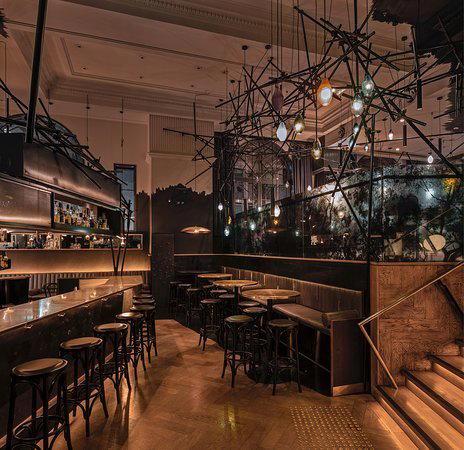
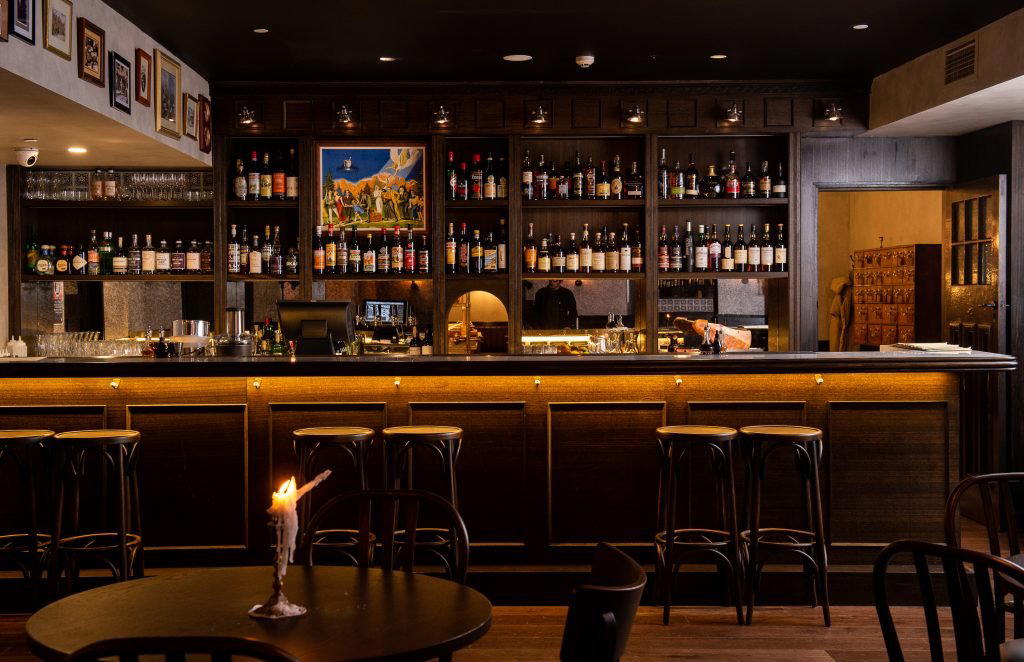
Bars in Sydney
Browse all →
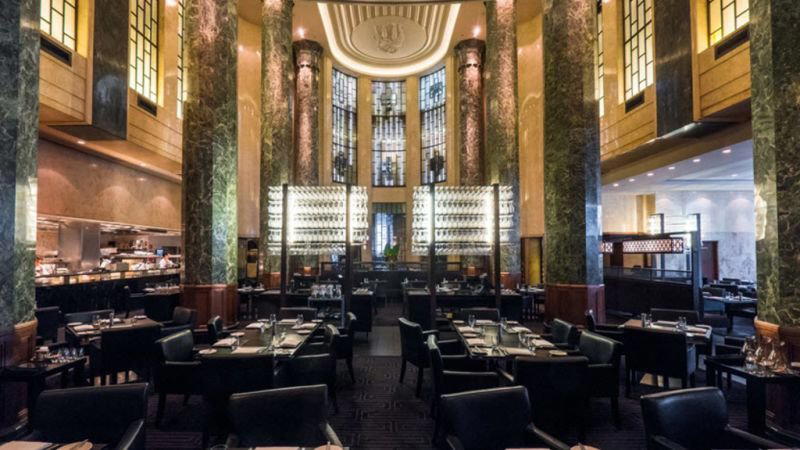
Hotels in Sydney
Browse all →

Details
- Lively
- Modern
- Group Dining
- After Work
- Business Dinner
- Open Kitchen
- Sake Program
- Sustainable Seafood
- A La Carte
- Small Plates
- Sake Program
- Vegetarian Friendly
- Vegan Options
- Gluten Free Options
Current opening hours
- Monday
- 12–2 PM, 6–9 PM
- Tuesday
- 12–2 PM, 6–9 PM
- Wednesday
- 12–2 PM, 6–9 PM
- Thursday
- 12–2 PM, 6–9 PM
- Friday
- 12–2 PM, 6–9 PM
- Saturday
- 6–9 PM
- Sunday
- Closed
Hours can change for holidays and private events. Last verified .
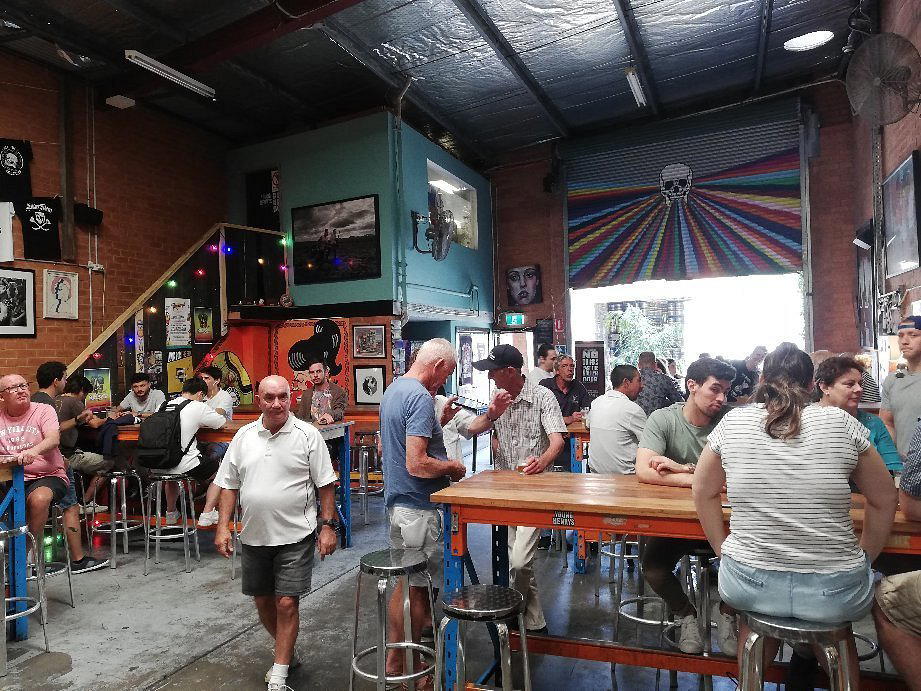
Energetic basement atmosphere with lively crowds enjoying fresh sushi and hot pots.