Koko's Tiffin
Koko's Tiffin brings the tiffin-carrier tradition of South Asian home cooking to Finch Avenue West in North York, a corridor that has become one of Toronto's most concentrated expressions of subcontinental food culture. The format draws on generations of packed-lunch custom, placing everyday Indian and Sri Lankan flavours in a neighbourhood where that culinary literacy runs deep.
Pearl is the En Primeur Club membership app — saves, bookings, and concierge access live there. Same editors, same standards.
- Address
- 2501 Finch Ave W, North York, ON M9M 2G1, Canada
- Phone
- +19057812300
- Website
- kokotiffin.com
- Directions
- Get directions
 Saves & bookings on Pearl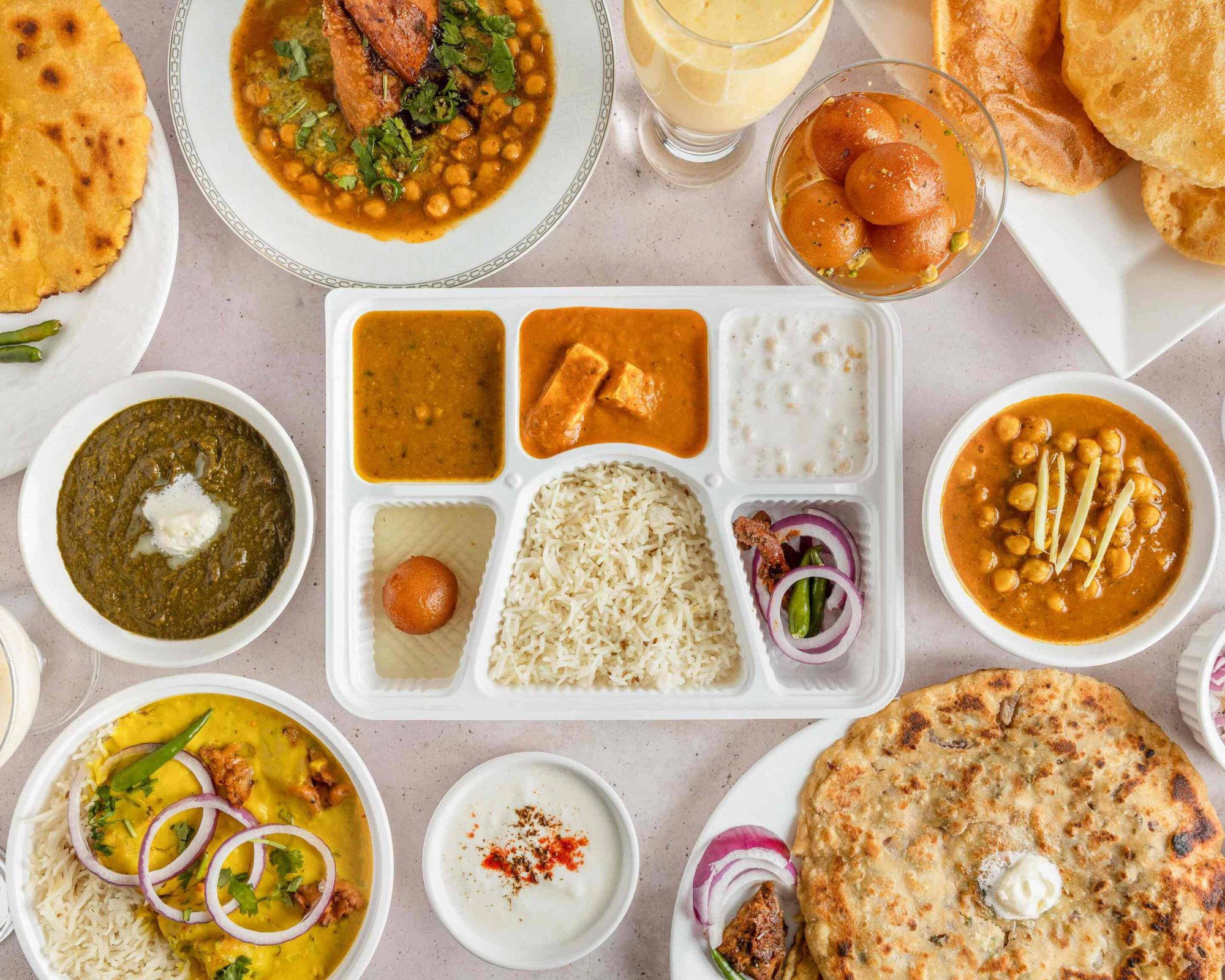
Finch West and the South Asian Dining Belt
The stretch of Finch Avenue West between Weston Road and Humber College is not a dining destination in the way that downtown Toronto's King West strip is, but it functions as something more interesting: a working neighbourhood corridor where South Asian cuisine is not curated for outside consumption but cooked for the community that lives there. Tamil, Gujarati, Punjabi, and Sri Lankan restaurants sit side by side, drawing regulars rather than tourists, and the quality benchmark is set by home cooks rather than food media. Koko's Tiffin, at 2501 Finch Ave W, operates inside this context rather than apart from it.
North York's restaurant scene spans considerable range, from the French-influenced formality of Auberge du Pommier to the casual Italian neighbourhood pull of Francobollo and the Mexican-leaning bar energy of Añejo Restaurant. Koko's Tiffin occupies a different register entirely: the kind of place that earns its standing through the specificity and honesty of its cooking rather than through design spend or press cycles. Our full North York restaurants guide maps the full spread of that diversity.
What the Tiffin Format Actually Means
The tiffin carrier, a stacked metal container designed to transport multiple dishes from home kitchen to workplace or school, is one of South Asia's most practical culinary inventions and one of its most culturally loaded. In Mumbai, the dabbawala network has delivered home-cooked meals across the city for over a century, a system so precisely calibrated that it has been studied by logistics researchers. In South Indian and Sri Lankan households, the tiffin hour refers specifically to a lighter midday or afternoon meal, distinct from the heavier evening rice-and-curry service.
The name Koko's Tiffin signals a deliberate orientation toward this tradition of everyday, home-style South Asian food rather than the banquet or special-occasion register that many Indian restaurants in Toronto default to. It is a domestic register, one that prizes the depth that comes from slow-cooked lentils, properly tempered curry leaves, and rice cooked to the right degree of stickiness over the showmanship of tandoor spectacle. This is the culinary logic that underlies the entire Finch West corridor, and it is what separates the area from the more performance-oriented South Asian dining you find closer to downtown.
For broader reference points in how regional cuisines build these kinds of community-anchored formats, the contrast with tasting-menu driven restaurants like Alo in Toronto or internationally recognised counters like Le Bernardin in New York City is instructive: those venues translate tradition through a fine-dining lens, while places like Koko's Tiffin preserve the unmediated version of the original format.
The Culinary Tradition Behind the Cooking
South Asian home cooking is a broad category that splits along significant regional lines. Sri Lankan cuisine, which is well represented on the Finch West corridor, differs from North Indian cooking in its heavier reliance on coconut milk, its sharper use of pandan and curry leaves, and its treatment of rice as a daily staple rather than an accompaniment. Tamil cooking from both South India and Sri Lanka shares core spice logic but diverges in texture and heat calibration. Gujarati food, also present in this neighbourhood, skews toward sweetness in its dals and snack formats in ways that contrast sharply with the coastal heat of Sri Lankan or Goan dishes.
The tiffin format, regardless of regional origin, typically prioritises dishes that travel and hold well: rice, dry curries, pickles, and dal over gravy-heavy preparations that need immediate service. This is cooking shaped by practicality and repetition, where the measure of quality is consistency rather than occasion. Canada's broader conversation about honouring these traditions in serious culinary contexts is reflected in restaurants like Eigensinn Farm in Singhampton or the terroir-driven work at Restaurant Pearl Morissette in Lincoln, both of which are engaged in different but parallel questions about what it means to cook with cultural specificity and seriousness.
Placing Koko's Tiffin in the Finch West comparable set
The Finch West South Asian corridor functions as a self-contained competitive set. Regulars who eat here weekly are not comparing individual restaurants to fine-dining peers; they are measuring them against domestic benchmarks and against each other. That is a harder test in some ways, because the customer base carries direct reference experience. A dal that misses its tempering or a rice dish with inconsistent texture will not pass in a neighbourhood where that cooking is part of daily life.
Within North York's wider dining map, the contrast is clear. Eataly Don Mills and David Duncan House each serve a different kind of occasion-driven eating. The Finch West corridor, including the restaurant, serves a different need: the daily rhythm of eating well without ceremony. This is not a lesser category. Some of Canada's most rigorous food exists in exactly this register, just as Atomix in New York City or Tanière³ in Quebec City argue for formality as a vehicle for depth, the Finch West model argues that depth does not require formality.
Other Canadian restaurants making similar arguments in their own culinary traditions include Narval in Rimouski, Aux Anciens Canadiens in Quebec, and AnnaLena in Vancouver, each operating in formats defined by their regional food cultures rather than by international fine-dining conventions. The parallel with Jérôme Ferrer - Europea in Montreal or Barra Fion in Burlington extends to the question of what constitutes serious eating in Canada, a conversation that increasingly includes the South Asian community kitchens of Finch West as valid and significant contributors. The Pine in Creemore engages similar questions about locality and culinary identity at the rural end of the spectrum.
Planning Your Visit
The restaurant is located at 2501 Finch Ave W in the western end of North York, accessible via the TTC's Finch West bus corridor and within reach of the Humber College area. Finch West is leading visited at lunch or early evening, when the corridor is at its most active and the cooking is freshest. As with most South Asian community restaurants in this neighbourhood, the format skews toward counter service or casual table dining rather than reservation-driven tasting menus, so walk-ins are the standard approach. Arriving during peak lunch hours gives the broadest picture of what the kitchen is producing on a given day. Specific hours, contact details, and any seasonal changes to format are best confirmed directly with the restaurant before visiting.
A Pricing-First Comparison
Comparable venues nearby, for context on price, style, and recognition.
| Venue | Cuisine | Price | Notes |
|---|---|---|---|
| Koko's TiffinThis venue — the venue you are viewing | North York, Punjabi Vegetarian Tiffin | $ | Not listed |
| Añejo Restaurant | Don Mills, Authentic Mexican | $$ | Not listed |
| Tutto Pronto | Not listed | $$ | North York, Modern Southern Italian Trattoria |
| Parcheggio | Not listed | $$ | Bayview Village, Classic Italian with handmade pastas and steaks |
| Speducci Mercatto | Not listed | $$$ | York-Crosstown, Rustic Italian with Seasonal Refinement |
| Moretti Caffe Toronto | North York, Italian Café & Pizzeria | $$ | Not listed |
Continue exploring
More in North York
Restaurants in North York
Browse all →
Bars in North York
Browse all →

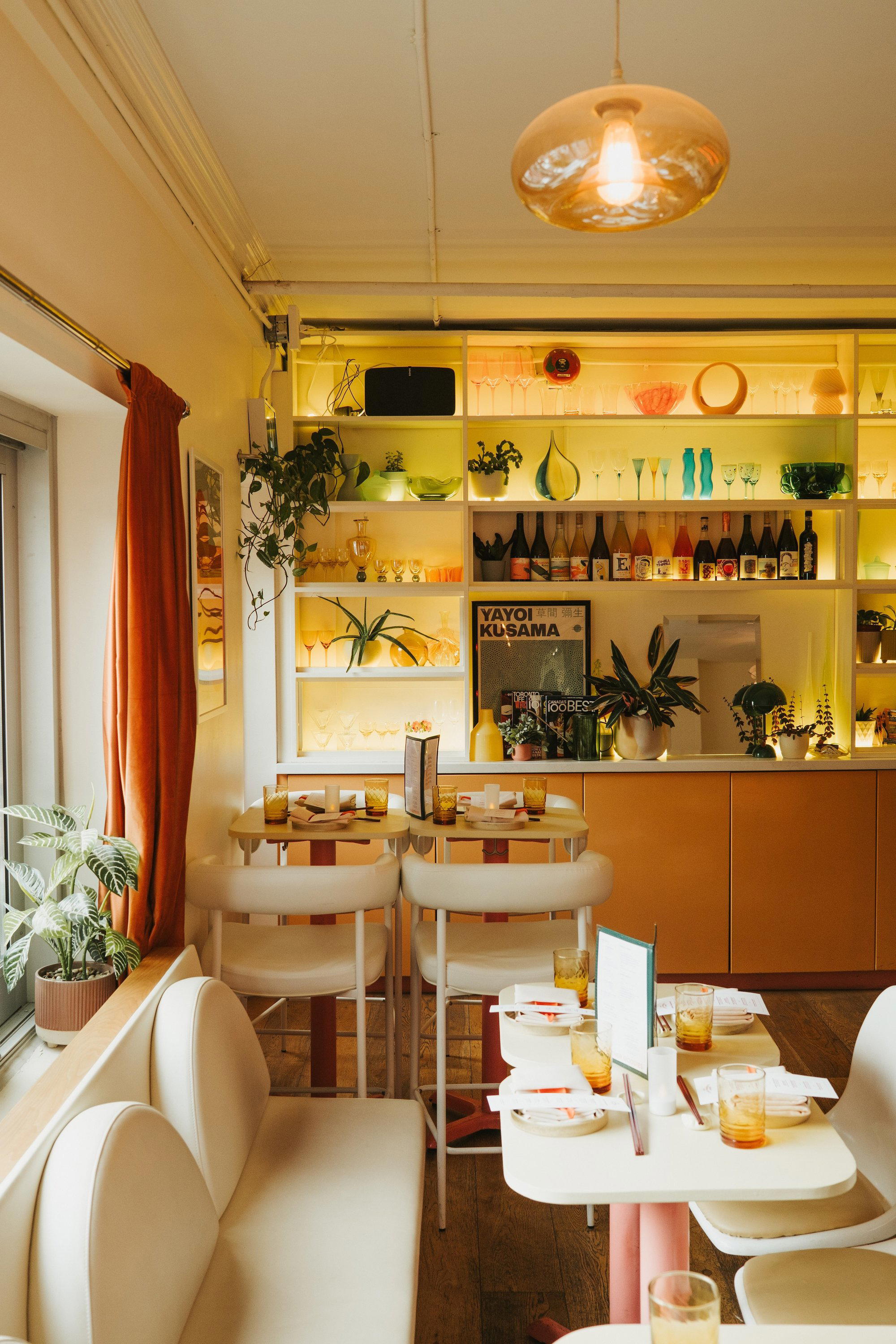
Hotels in North York
Browse all →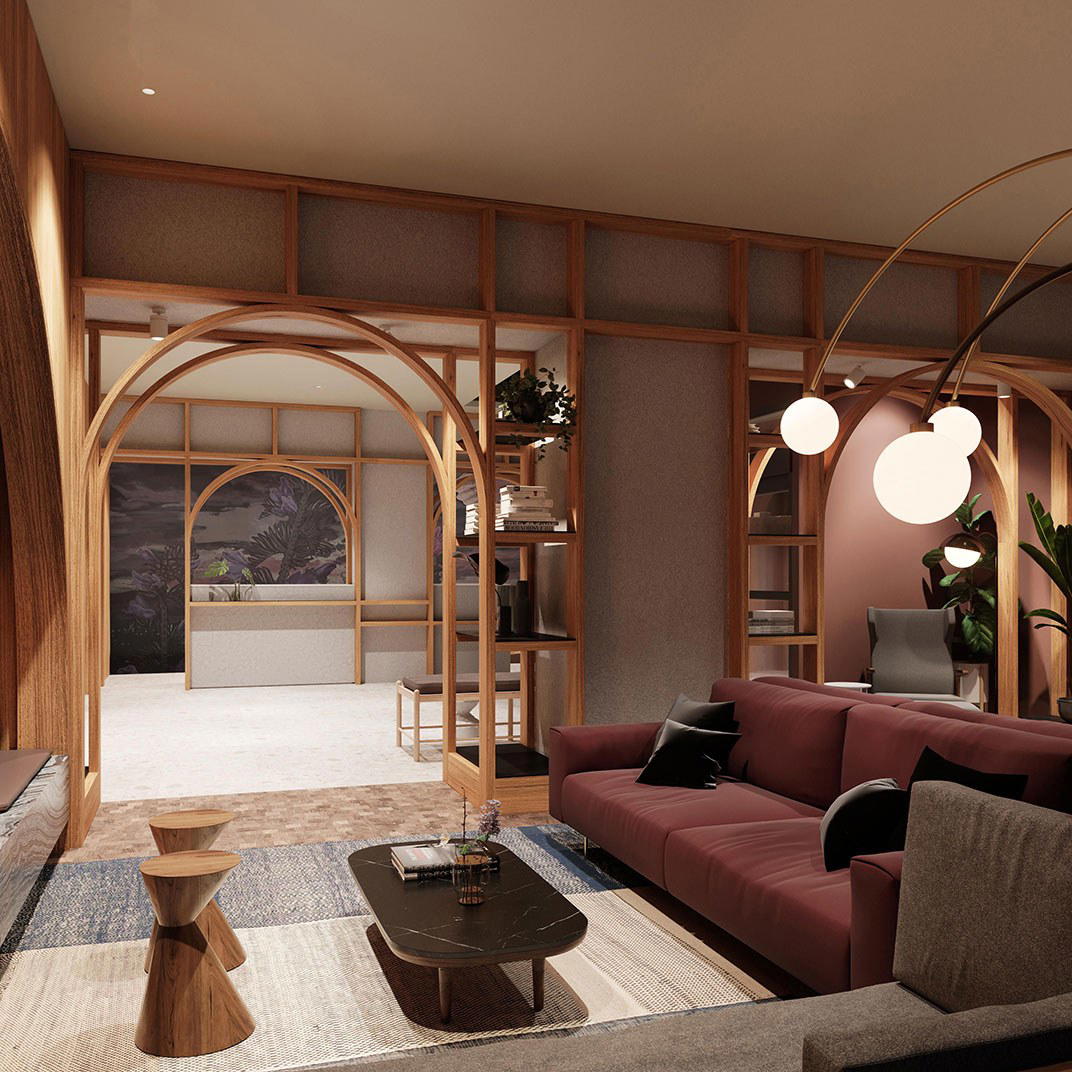
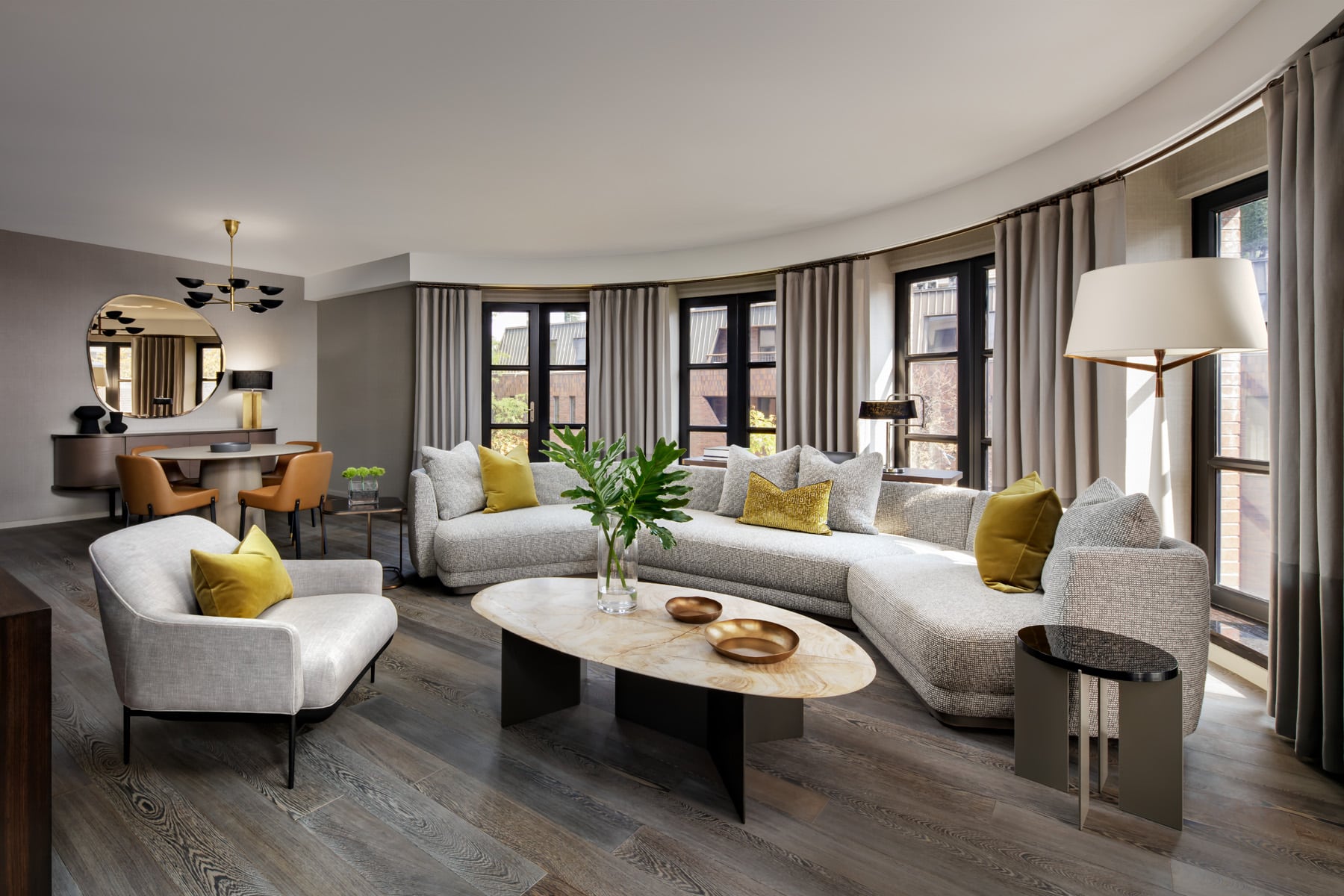
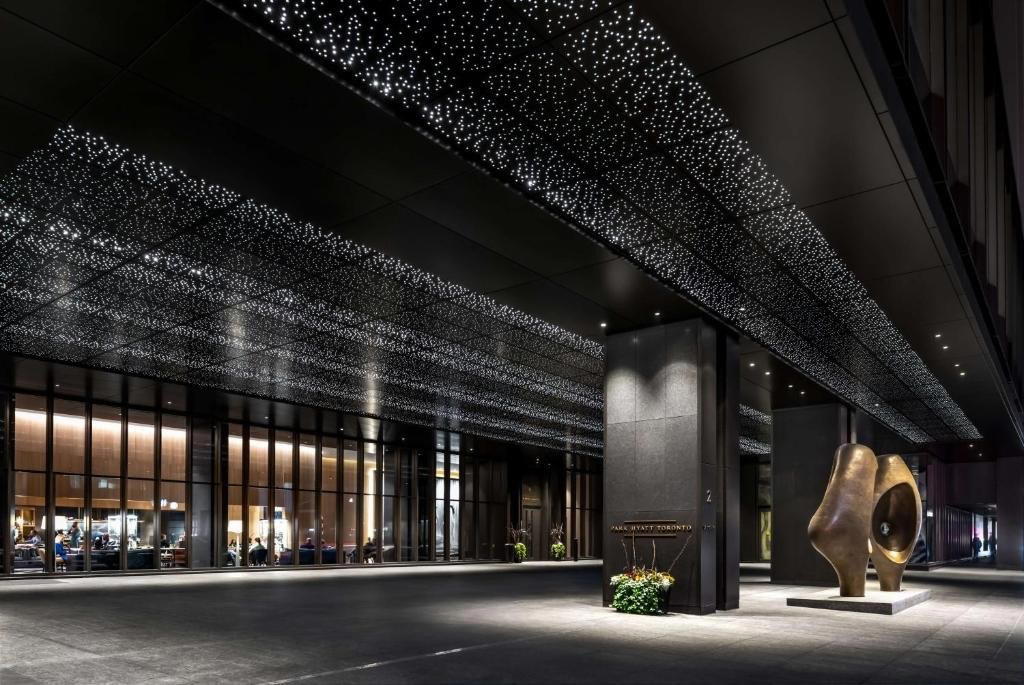
Wineries in North York
Browse all →
At a Glance
- Casual Hangout
Current opening hours
- Monday
- 7 AM–2 PM
- Tuesday
- 7 AM–2 PM
- Wednesday
- 7 AM–2 PM
- Thursday
- 7 AM–2 PM
- Friday
- 7 AM–2 PM
- Saturday
- Closed
- Sunday
- Closed
Hours can change for holidays and private events. Last verified .
Home-style preparation focused on fresh, comforting Indian vegetarian meals for delivery.