Añejo Restaurant
Añejo Restaurant sits on Marie Labatte Road in North York's Don Mills corridor, positioning itself within a dining district that has grown considerably more competitive over the past decade. The name signals an aged or refined sensibility — añejo translates from Spanish as 'aged' or 'vintage' — which sets an expectation around ingredient quality and deliberate preparation that the surrounding neighbourhood increasingly demands.
Pearl is the En Primeur Club membership app — saves, bookings, and concierge access live there. Same editors, same standards.
- Address
- 7 Marie Labatte Rd, Toronto, ON M3C 0J1, Canada
- Phone
- +16473687170
- Website
- anejo.ca
- Directions
- Get directions
 Saves & bookings on Pearl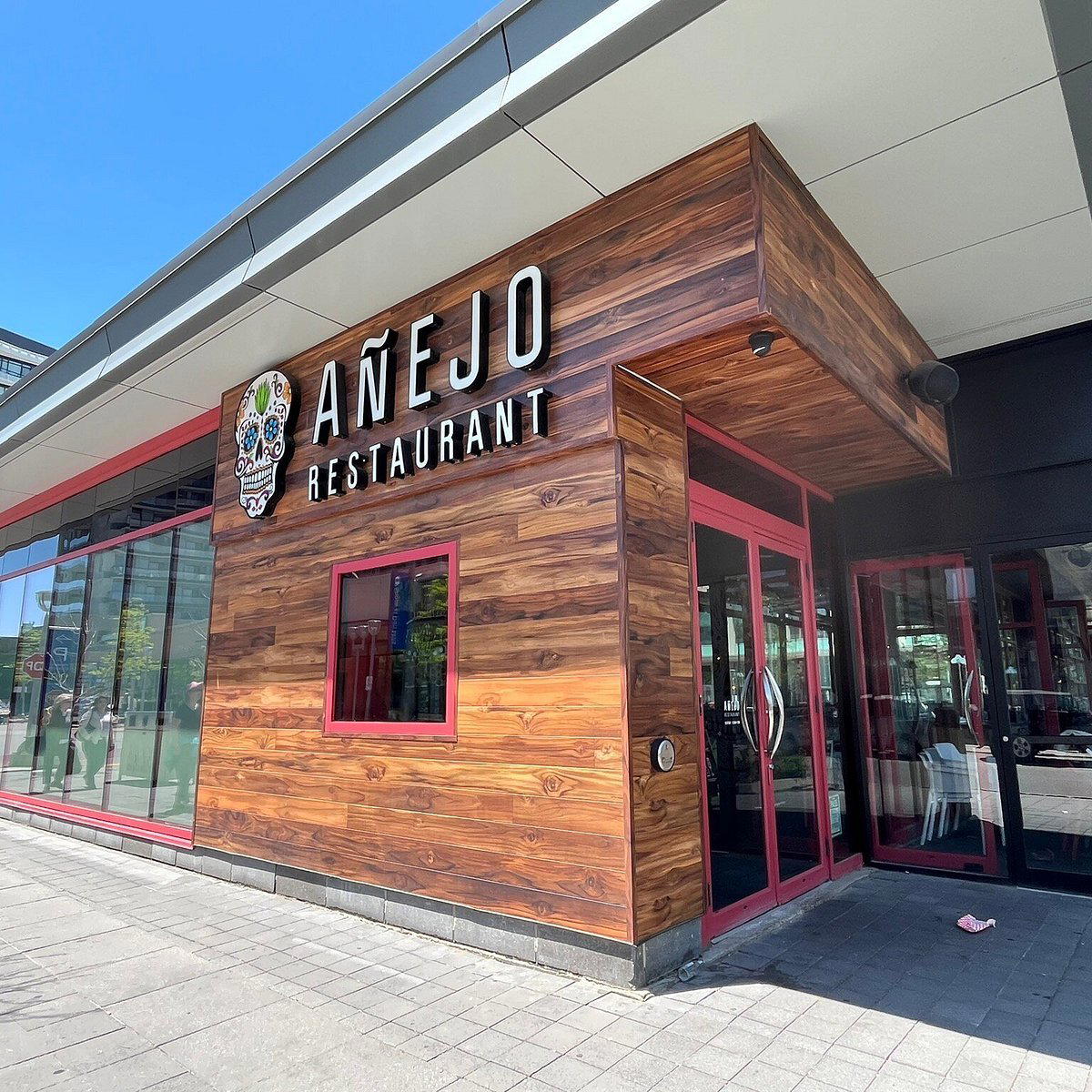
Where Don Mills Places Its Bets on Sourcing
The stretch of North York anchored by Don Mills Road has quietly accumulated a restaurant tier that competes on something other than proximity to downtown Toronto. Properties like Auberge du Pommier established early that this part of the city could sustain formal, ingredient-driven dining. What followed was a broader pattern: restaurants that treat sourcing as a primary argument, not a footnote on the menu's back page. Añejo Restaurant, at 7 Marie Labatte Road, arrives in that context — a name that translates directly to 'aged' or 'vintage' in Spanish, carrying an implicit promise about how the kitchen thinks about raw material and time.
In Canadian dining broadly, the sourcing conversation has shifted from aspirational to operational. Kitchens from Eigensinn Farm in Singhampton to Fogo Island Inn Dining Room in Joe Batt's Arm have demonstrated that the distance between producer and plate is itself an editorial statement. At the urban end of that spectrum, a restaurant's address in North York rather than downtown Toronto changes the calculus: the clientele is local and repeat, expectations around consistency are high, and a kitchen cannot rely on tourist traffic to absorb an off night. That pressure tends to produce either mediocrity or discipline, and the neighbourhood's better operators have largely chosen the latter.
The Name as a Program
Añejo as a culinary term belongs primarily to the world of aged spirits — tequila aged between one and three years in oak, developing depth that unaged blanco cannot carry. Borrowed into a restaurant name, it signals an orientation toward patience: proteins rested or aged, produce at peak rather than early-picked for transport resilience, preparations that allow time to do work that technique alone cannot replicate.
At the Toronto level, sourcing-serious kitchens such as Alo have demonstrated that the market exists and rewards it with sustained demand. Añejo's North York address means it serves that same appetite without requiring guests to contend with downtown parking or King West foot traffic.
North York's Dining Tier: What the Neighbourhood Signals
North York's restaurant scene has historically been understood as secondary to downtown Toronto, which was always a partial reading. The Don Mills corridor specifically has a concentration of mid-to-upper-range restaurants, Eataly Don Mills brings imported Italian provenance and a retail-dining hybrid model; Francobollo anchors a more intimate Italian format; Ju-Raku represents the Japanese dining contingent that has grown steadily across the city's northern suburbs. David Duncan House operates at the heritage-property end of the spectrum. Together, these form a dining district with real breadth, and Añejo enters a conversation already in progress.
For guests travelling from further afield, whether from within the Greater Toronto Area or from cities with sourcing-led dining cultures like Vancouver's AnnaLena or Montreal's Jérôme Ferrer - Europea, North York restaurants now represent a credible destination rather than a compromise. The suburb-to-city dining shift is well documented in North American markets, and Don Mills sits at an interesting point in that trajectory.
Ingredient Logic and What It Demands of a Kitchen
A sourcing-forward identity requires more than a well-worded menu header. It demands supplier relationships maintained across seasons, menu flexibility when a harvest disappoints, and kitchen skill sufficient to let an ingredient perform rather than disguising it under heavy preparation. The restaurants that do this well internationally, Le Bernardin in New York City with its precision around fish sourcing, Lazy Bear in San Francisco with its collaborative producer model, build reputations that compound over time because the sourcing itself becomes consistent and recognizable to repeat guests.
At the neighbourhood level, that same logic applies with a different pressure: repeat guests in North York will notice seasonal shifts in quality before a tourist ever would. That accountability is, in practice, a quality signal. Kitchens that survive and build local followings in residential dining districts tend to be kitchens that have solved the sourcing problem in a durable way, not just a marketing one. The same standard applies to newer arrivals at Narval in Rimouski and The Pine in Creemore, where local accountability shapes every decision.
Planning a Visit
Añejo Restaurant is located at 7 Marie Labatte Road in the Don Mills area of North York, accessible by car from both the DVP and Don Mills Road with parking available in the surrounding development. For current hours, reservation availability, and menu details, contacting the restaurant directly or checking current listings is the most reliable approach, as these details are subject to change. Guests who have dined at comparable sourcing-led restaurants in the neighbourhood corridor, including Auberge du Pommier, which operates with formal reservation structures, will find the Don Mills dining district direct to plan around as an evening destination. For a fuller picture of what the area offers, our full North York restaurants guide maps the broader scene.
Comparison Snapshot
| Venue | Cuisine |
|---|---|
| Añejo RestaurantThis venue — the venue you are viewing | This venue |
Continue exploring
More in North York
Restaurants in North York
Browse all →
Bars in North York
Browse all →
Hotels in North York
Browse all →

At a Glance
- Lively
- Trendy
- Energetic
- Casual Hangout
- Group Dining
- Late Night
- Open Kitchen
- Craft Cocktails
Current opening hours
- Monday
- 11:30 AM–12 AM
- Tuesday
- 11:30 AM–12 AM
- Wednesday
- 11:30 AM–12 AM
- Thursday
- 11:30 AM–12 AM
- Friday
- 11:30 AM–1 AM
- Saturday
- 11:30 AM–1 AM
- Sunday
- 11:30 AM–12 AM
Hours can change for holidays and private events. Last verified .
Lively and lively atmosphere that transforms from happy hour hotspot to late-night destination
Know Before You Go
- Getting there
- 7 Marie Labatte Rd, Toronto, ON M3C 0J1, Canada