Ju-Raku
Ju-Raku occupies a modest unit along Bayview Avenue in North York, situated in a corridor that has become one of the GTA's more concentrated pockets of Japanese dining. The restaurant draws from a tradition where sourcing discipline and kitchen restraint carry more weight than décor ambition — placing it in a category where the food does the positioning.
Pearl is the En Primeur Club membership app — saves, bookings, and concierge access live there. Same editors, same standards.
- Address
- 2901 Bayview Ave Unit 101, North York, ON M2K 1E6, Canada
- Phone
- +14163357713
- Website
- opentable.com
- Directions
- Get directions
 Saves & bookings on Pearl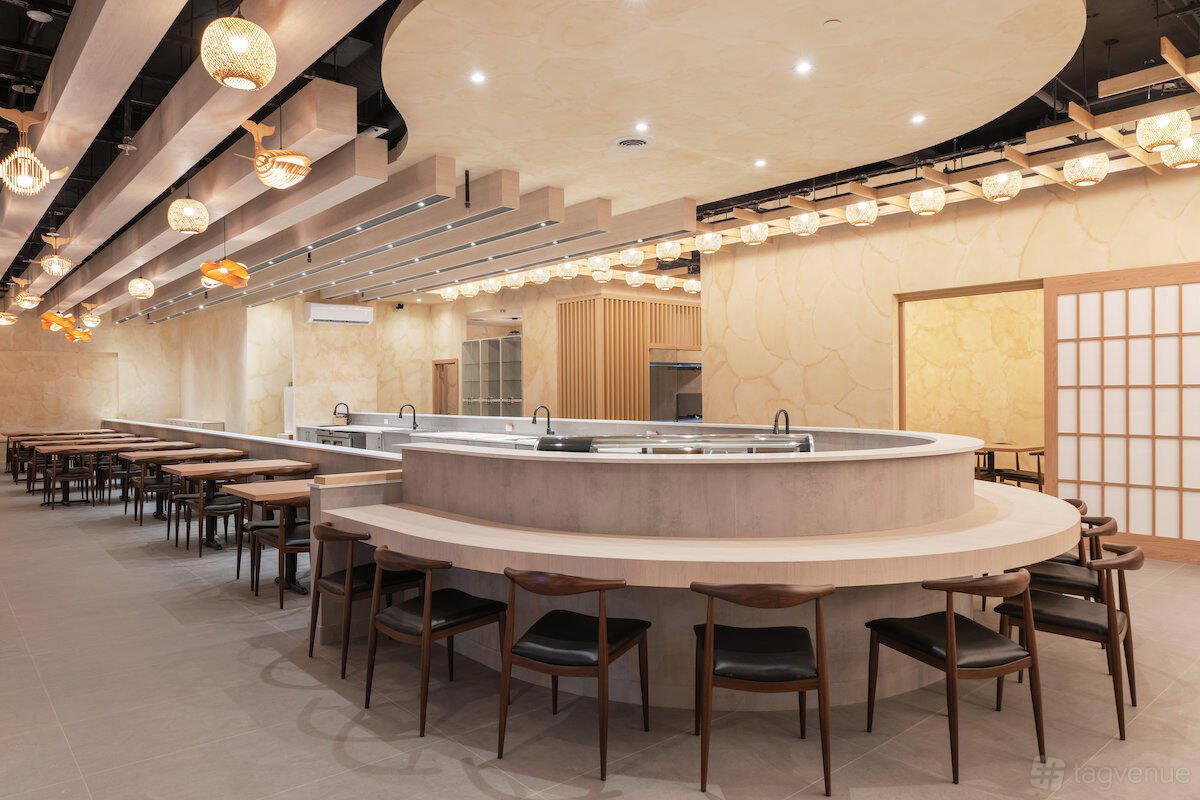
Bayview Avenue and the Japanese Dining Corridor
The stretch of Bayview Avenue running through North York's Willowdale district has accumulated a density of Japanese restaurants that has few parallels elsewhere in the Greater Toronto Area. This is not the curated Japantown of downtown Toronto, nor the suburban sprawl of Scarborough's Korean-Japanese overlap zones. It is something more specific: a residential-commercial strip where long-established Japanese Canadian families and a steady post-2000 wave of newer arrivals have created consistent demand for technically grounded, ingredient-forward Japanese cooking. Ju-Raku, at 2901 Bayview Ave, sits within that corridor and operates in a competitive set defined less by price theatrics than by sourcing fidelity and kitchen discipline.
The broader GTA Japanese dining scene has split into recognizable tiers over the past decade. At the leading end, omakase counters and high-format kaiseki rooms cluster downtown, drawing comparisons to programs like Atomix in New York City, where ingredient sourcing is foregrounded as a menu argument. At the other end, fast-casual ramen and izakaya chains have commodified Japanese comfort food. Venues like Ju-Raku occupy a middle register that is arguably the most demanding to sustain: casual enough in format to draw neighbourhood regulars, but serious enough in sourcing and execution to hold a position above commodity dining.
Where the Ingredients Come From, and Why That Matters
Japanese cuisine, more than almost any other culinary tradition, is organized around the quality and provenance of its primary materials. This is not branding — it is structural. The flavour profile of a dashi depends entirely on the grade of kombu and katsuobushi used. The texture of a properly sourced tofu bears no resemblance to its industrial equivalent. The marbling distribution in wagyu-style beef is a function of breed, feed duration, and slaughter age, not seasoning. In a dining corridor as competitive as the Bayview strip, the sourcing decisions a kitchen makes are the first and most consequential editorial statements about what kind of restaurant it intends to be.
This is the frame through which Ju-Raku should be understood. North York's Japanese restaurants have historically been strong on value-to-technique ratios, partly because the local customer base is sophisticated enough to detect shortcuts. A community that grew up eating Japanese food at home does not need to be educated about what a correct texture tastes like. That pressure — invisible to tourist-facing restaurants downtown, tends to produce kitchens that stay honest. The same dynamic is visible in other Canadian cities with deep culinary communities: Restaurant Pearl Morissette in Lincoln built its reputation on farm sourcing in a region where producers could hold kitchens accountable, and Eigensinn Farm in Singhampton made the sourcing premise so literal that the farm is the restaurant. The mechanism differs, but the principle is the same: proximity to an informed audience raises the floor.
North York's Dining Character: Context for the Visit
North York is not a monolithic dining destination. Its restaurant character varies significantly by sub-corridor. The Yonge and Sheppard intersection skews toward business-lunch formats and Korean barbecue. The Don Mills area has seen deliberate upmarket development, with venues like Eataly Don Mills and Francobollo anchoring an Italian-leaning commercial food destination. The Bayview corridor, by contrast, runs quieter and more neighbourhood-oriented, with restaurants that tend to rely on repeat local custom rather than destination traffic.
That distinction matters for how you approach Ju-Raku. This is not a restaurant positioned to capture visitors making a single evening foray into North York. It functions in the same ecosystem as Auberge du Pommier, which has built a long-term reputation on Bayview through consistency over decades, and David Duncan House, which trades on heritage character and neighbourhood rootedness. Repeat regulars, early bookings, and a pace set by residential rhythms rather than tourist patterns define these venues. Añejo Restaurant operates on a different frequency, louder, more event-driven, which illustrates how varied the district's dining register actually is.
For a broader orientation to what North York offers, our full North York restaurants guide maps the district's dining character across categories and price points.
Japanese Dining in Canada: Where Ju-Raku Fits
Canadian Japanese dining has developed its own regional grammar over the past thirty years. Vancouver's Japanese restaurant density, particularly in Richmond, is driven by a large Japanese Canadian and Japanese-born population that supports high-volume, technically demanding sushi and izakaya programs. Toronto's Japanese scene is more dispersed but has depth at the upper end, with omakase rooms competing on a North American scale. Montreal's Japanese presence is smaller but growing, with a more French-influenced approach to technique visible in cross-cultural menus. Venues like AnnaLena in Vancouver and Jérôme Ferrer - Europea in Montreal are not Japanese restaurants, but they illustrate the kind of ingredient-sourcing ambition and technique rigour that functions as a baseline expectation across Canadian fine and near-fine dining broadly.
For specifically Canadian benchmarks in sourcing-led Japanese traditions, the reference points extend internationally as well. Le Bernardin in New York City has long demonstrated what absolute sourcing commitment produces at the formal end of seafood-led kitchens, a useful comparison point for understanding what fish quality means as a restaurant argument, even across different cuisines and formats.
Closer to home, Quebec's sourcing-forward tradition at venues like Tanière³ in Quebec City and Narval in Rimouski reflects a national conversation about what Canadian ingredients, treated seriously, can produce. That conversation is not confined to French-Canadian kitchens. It runs through any restaurant, Japanese or otherwise, that makes sourcing decisions the first line of its identity argument. Aux Anciens Canadiens in Quebec and Barra Fion in Burlington offer further points of comparison for regional-ingredient commitment at different price registers and formats.
Planning a Visit
Ju-Raku is located at 2901 Bayview Avenue, Unit 101, in North York, a ground-floor unit accessible by car with parking available in the surrounding plaza. The Bayview corridor is most easily reached by personal vehicle from central Toronto, roughly a 20-to-30-minute drive from downtown depending on traffic; the nearest TTC subway access requires a bus connection from Sheppard-Yonge station. For first visits, going midweek tends to give better access to neighbourhood-oriented restaurants on this strip, which peak on weekends when local families prioritize family-format dining.
Continue exploring
More in North York
Restaurants in North York
Browse all →
Bars in North York
Browse all →
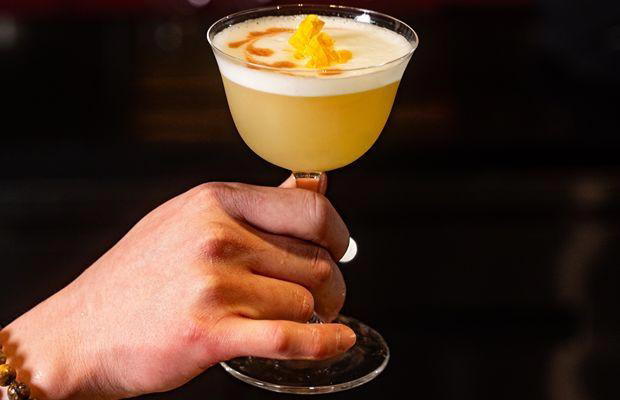
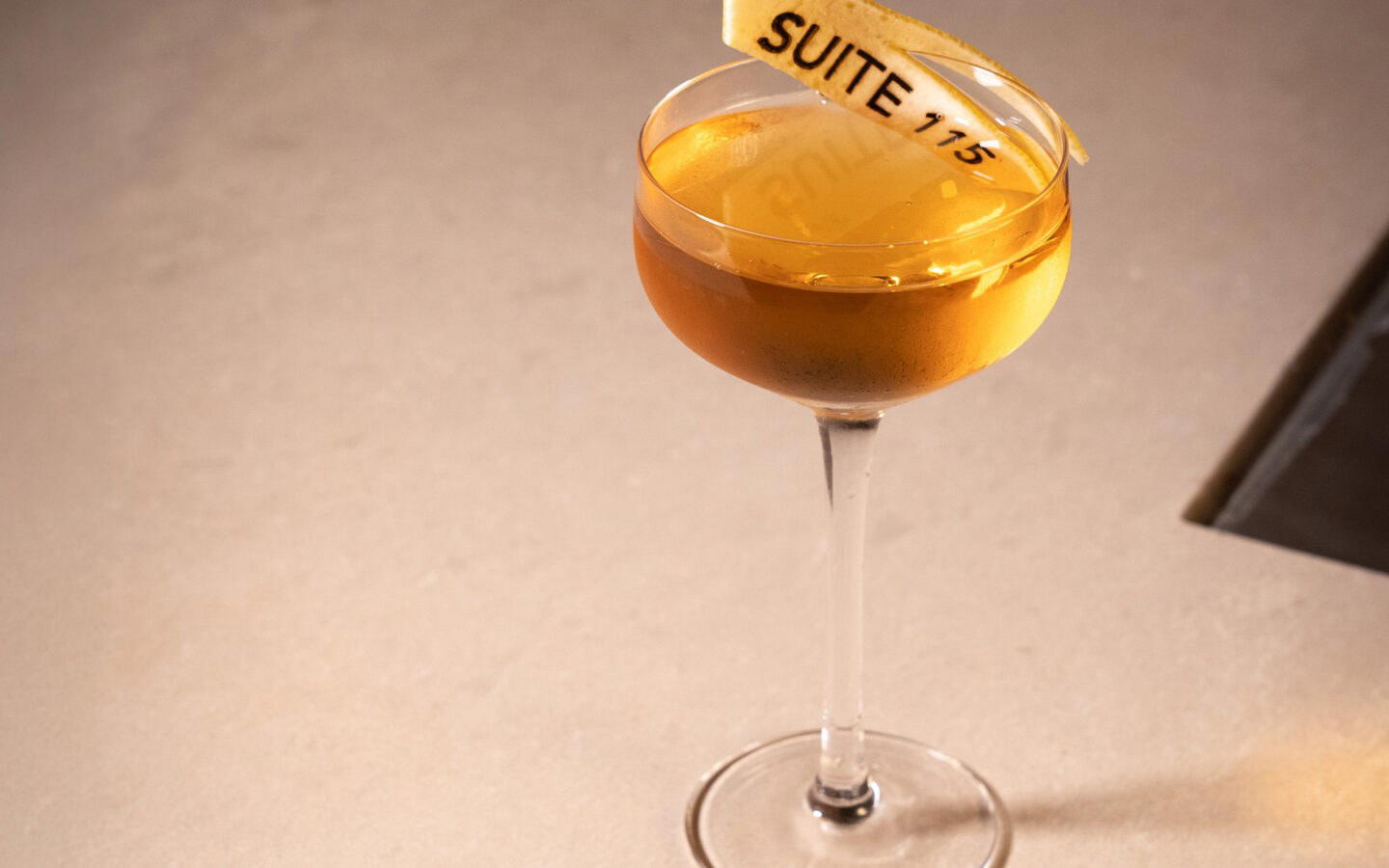
Hotels in North York
Browse all →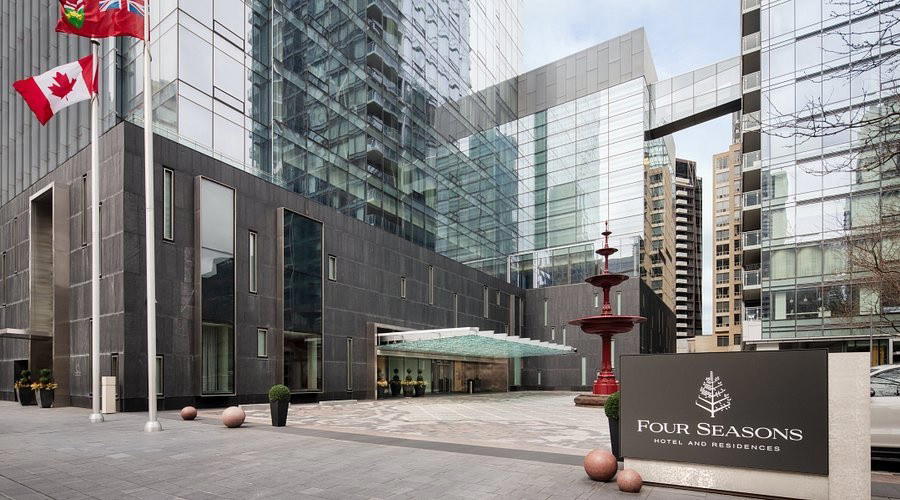
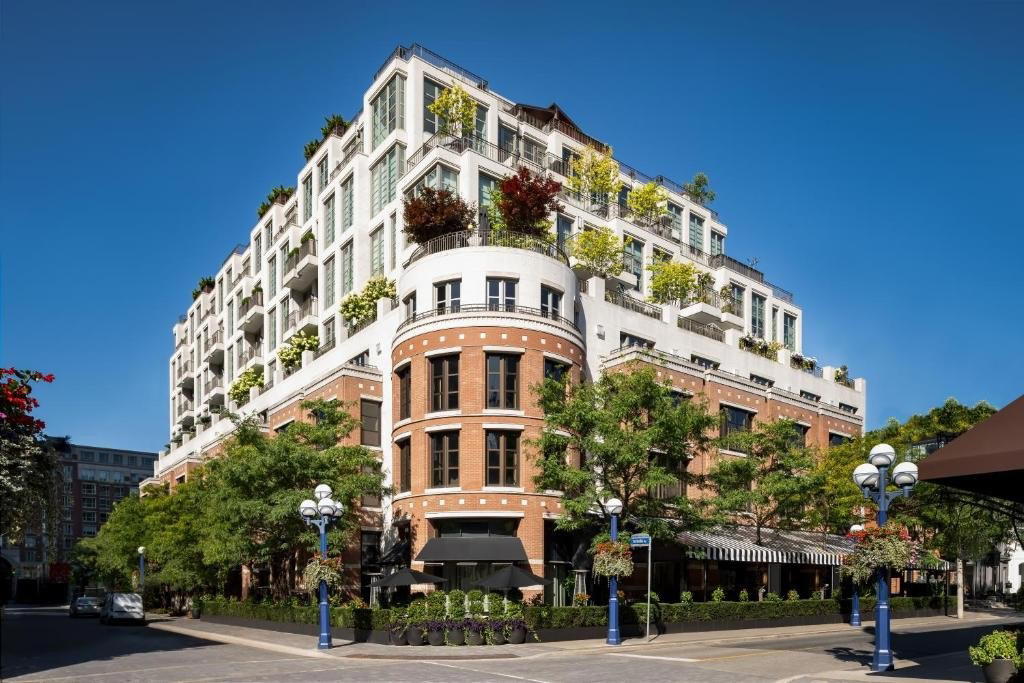
Wineries in North York
Browse all →
At a Glance
- Modern
- Minimalist
- Elegant
- Special Occasion
- Group Dining
- Date Night
- Chefs Counter
- Open Kitchen
- Private Dining
- Sake Program
- Craft Cocktails
Current opening hours
- Monday
- 11:30 AM–9 PM
- Tuesday
- 11:30 AM–9 PM
- Wednesday
- 11:30 AM–9 PM
- Thursday
- 11:30 AM–9 PM
- Friday
- 11:30 AM–10:30 PM
- Saturday
- 11:30 AM–10:30 PM
- Sunday
- 11:30 AM–9 PM
Hours can change for holidays and private events. Last verified .
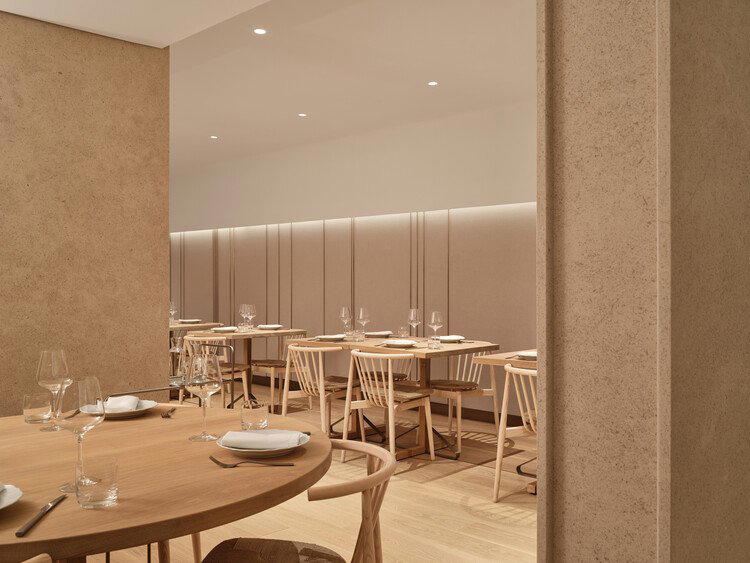
Modern, minimalist with a clean, contemporary Japanese-Scandinavian aesthetic; pleasant and not-too-noisy overall, though teppanyaki areas can be lively.
Know Before You Go
- Getting there
- 2901 Bayview Ave Unit 101, North York, ON M2K 1E6, Canada