On Anzac Parade in Maroubra, Kokoroya occupies a stretch of Sydney's southern suburbs where the dining scene runs quieter than the harbour-adjacent precincts but no less purposeful. The restaurant draws from a tradition of considered Japanese cooking, positioning itself away from the CBD's high-volume omakase circuit and closer to the neighbourhood practitioner model that rewards repeat visitors over passing traffic.
Pearl is the En Primeur Club membership app — saves, bookings, and concierge access live there. Same editors, same standards.
- Address
- 665/667 Anzac Parade, Maroubra NSW 2035, Australia
- Phone
- +61283472226
- Website
- kokoroya.com.au
- Directions
- Get directions
 Saves & bookings on Pearl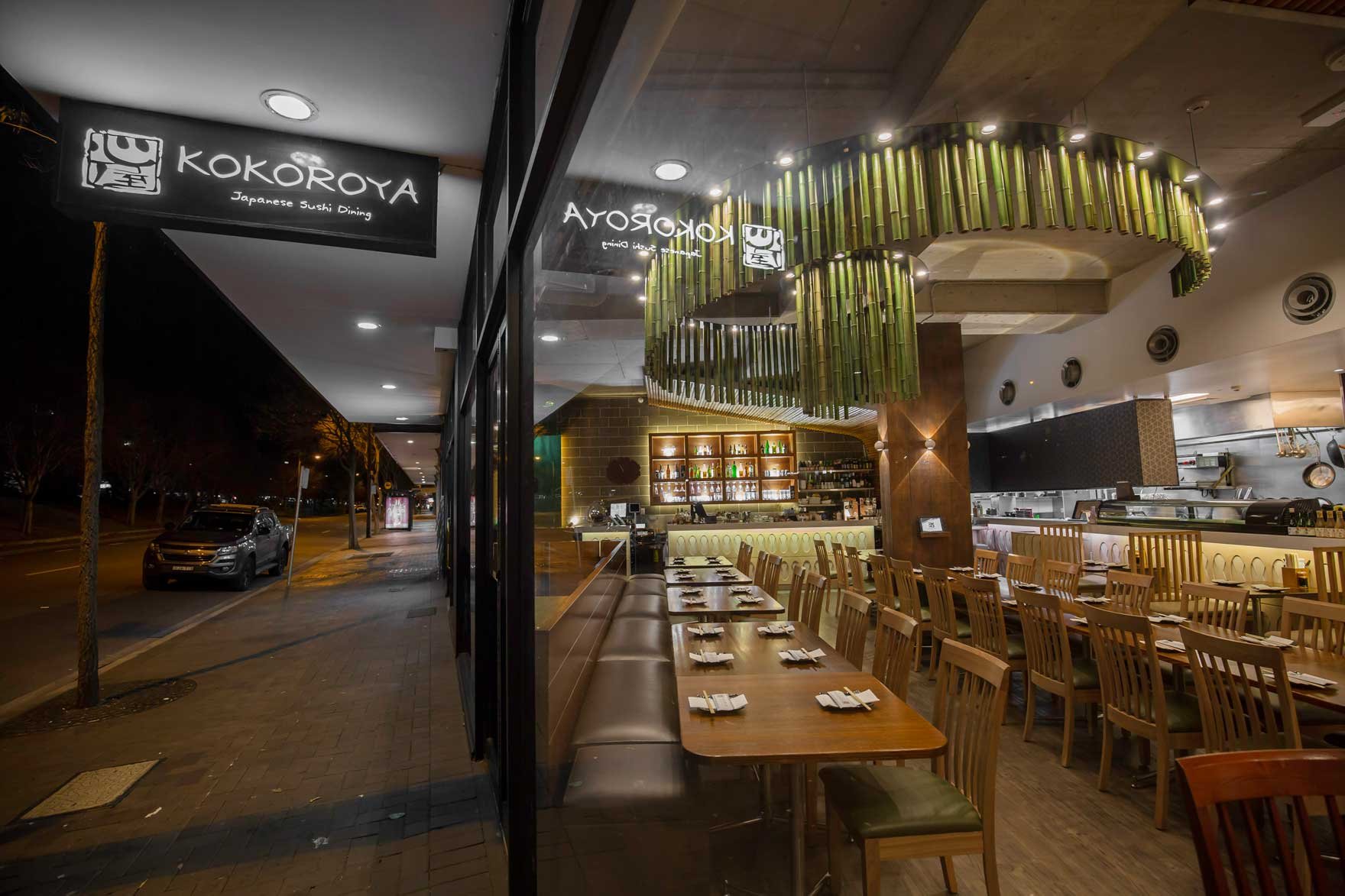
Maroubra and the Southern Corridor: Where Sydney Dines Without Ceremony
Sydney's restaurant conversation tends to collapse inward toward the CBD, Surry Hills, and the inner east, leaving the southern suburbs as an afterthought in most editorial treatments. That framing misses something. Anzac Parade, the long arterial that connects the eastern beaches to Maroubra and beyond, carries a dining strip that functions on neighbourhood logic: lower rents, longer tenancies, and kitchens that answer to regulars rather than algorithm-driven tourist traffic. Kokoroya at 665/667 Anzac Parade sits inside that pattern, occupying a position on a road where the competition is measured not against Rockpool or Saint Peter downtown but against the local rhythms of a suburb that takes its food seriously on its own terms.
The southern corridor has been gaining density of quality over the past decade, partly as inner-city rents pushed operators outward and partly as a generation of diners grew up expecting serious cooking outside postcode hierarchies. Kokoroya is one expression of that shift: a Japanese-inflected address in a suburb more associated with surf culture than precision cookery, which is precisely the kind of tension that produces interesting dining.
Japanese Cooking in the Neighbourhood Register
Japanese cuisine in Sydney has bifurcated sharply. At one end, the CBD and Surry Hills host omakase counters priced at three-figure sums per head, many drawing direct lineage from Tokyo training programs and competing for the same small pool of expense-account and special-occasion diners. Venues like Atomix in New York City and its Australian conceptual equivalents represent that upper bracket, where the format is as much the product as the food. At the other end, suburban Japanese restaurants in Sydney have historically operated in a mid-market register, built around bento, ramen, and izakaya formats for weeknight traffic.
The more interesting territory sits between those poles: restaurants with genuine technique and considered menus that price and present themselves for the neighbourhood rather than the destination-dining circuit. That is the category Kokoroya appears to inhabit on Anzac Parade.
For context on where Sydney's Japanese dining fits within the broader Australian picture, Attica in Melbourne and Brae in Birregurra demonstrate the direction premium Australian restaurants have taken in dialogue with Japanese precision: restraint, ingredient provenance, and format discipline over volume. The neighbourhood Japanese model that Kokoroya represents is a different application of the same underlying sensibility.
The Wine Angle: What to Expect from Suburban Japanese Programs
Wine programs at Sydney's Japanese restaurants have been one of the more underreported stories of the past five years. While the high-end omakase circuit has developed sake lists and curated small-producer wine selections to match their food ambitions, neighbourhood Japanese operators have increasingly moved beyond the default beer-and-sake pairing model. The broader shift in Australian dining toward natural wine and small-allocation producers has filtered into these suburban kitchens, sometimes producing genuinely considered by-the-glass selections at price points well below what comparable options cost in the CBD.
Japanese food's affinity with lower-intervention wines, particularly those with mineral acidity and restrained tannin, makes the cuisine one of the more flexible for wine pairing. Crisp whites from Australian cool-climate regions, orange wines with textural grip, and light reds from the Yarra Valley or Macedon Ranges all function well alongside the umami-forward flavours of Japanese cooking. Operators who understand this have an advantage over those running generic wine lists alongside their food programs. Whether Kokoroya's wine selection reflects that understanding is something a visit to the venue will confirm. For a comparison of how Sydney restaurants are building their wine programs, 10 William St in Paddington represents the natural wine-led end of the spectrum, while 10 Pounds offers a different register entirely.
Maroubra in Context
Maroubra is not a dining destination in the conventional sense, and that is one of its arguments. The suburb runs along Sydney's eastern coastline south of Coogee, with a beach culture that has historically defined its public identity more than its restaurant strip. But Anzac Parade has been accumulating a genuine density of operators, from 1021 Mediterranean to a range of independent Asian restaurants that serve the area's multicultural resident population. The result is a dining corridor where variety and value intersect more reliably than in suburbs with stronger destination-dining reputations.
For visitors approaching from the north, the strip is accessible from Bondi Junction and Coogee without requiring the full commitment of a southern suburbs expedition. bills in Bondi Beach sits to the north, anchoring the upper end of the eastern beaches dining circuit, while Maroubra catches the flow further south. The geography rewards a planned approach rather than a casual drop-in, particularly for diners coming from the CBD or inner west.
Elsewhere in Sydney's outer-suburb circuit, places like Bayly's Bistro in Kirribilli and Johnny Bird in Crows Nest demonstrate how neighbourhood restaurants across Sydney are holding their own against the inner-city concentration of press attention. Kokoroya is part of that pattern, even if the specific details of its program are not yet fully documented in the available record.
What can be said is that the address on Anzac Parade places it in a competitive set defined by geography rather than cuisine category: the mid-price, neighbourhood-serving restaurants of Sydney's southern suburbs. Within Japanese cuisine specifically, the Sydney market has enough depth that the relevant comparison is not with CBD omakase counters but with the growing tier of serious suburban operators who have raised the floor for what a neighbourhood Japanese meal can be. For an international reference point, Le Bernardin in New York City represents the apex of seafood-focused precision in a major market; the neighbourhood Japanese model Kokoroya inhabits operates on different principles but shares an underlying commitment to the craft of its cuisine.
For a broader survey of where Sydney's dining sits, our full Sydney restaurants guide maps the city's major precincts and operators, from CBD flagships to the suburban operators that increasingly define the city's character. Regional comparisons extend to venues like Hungry Wolfs in Newcastle, Kulcha in Wollongong, and Jaani Street Food in Ballarat, all of which illustrate how serious cooking has dispersed well beyond the major city centres.
Planning Your Visit
Address: 665/667 Anzac Parade, Maroubra NSW 2035. Getting there: Anzac Parade is served by bus routes from Bondi Junction and the city, with limited street parking in peak periods. Timing: As with most neighbourhood Japanese restaurants, weekends fill faster than weekdays; early contact is advisable for larger groups.
Continue exploring
More in Sydney
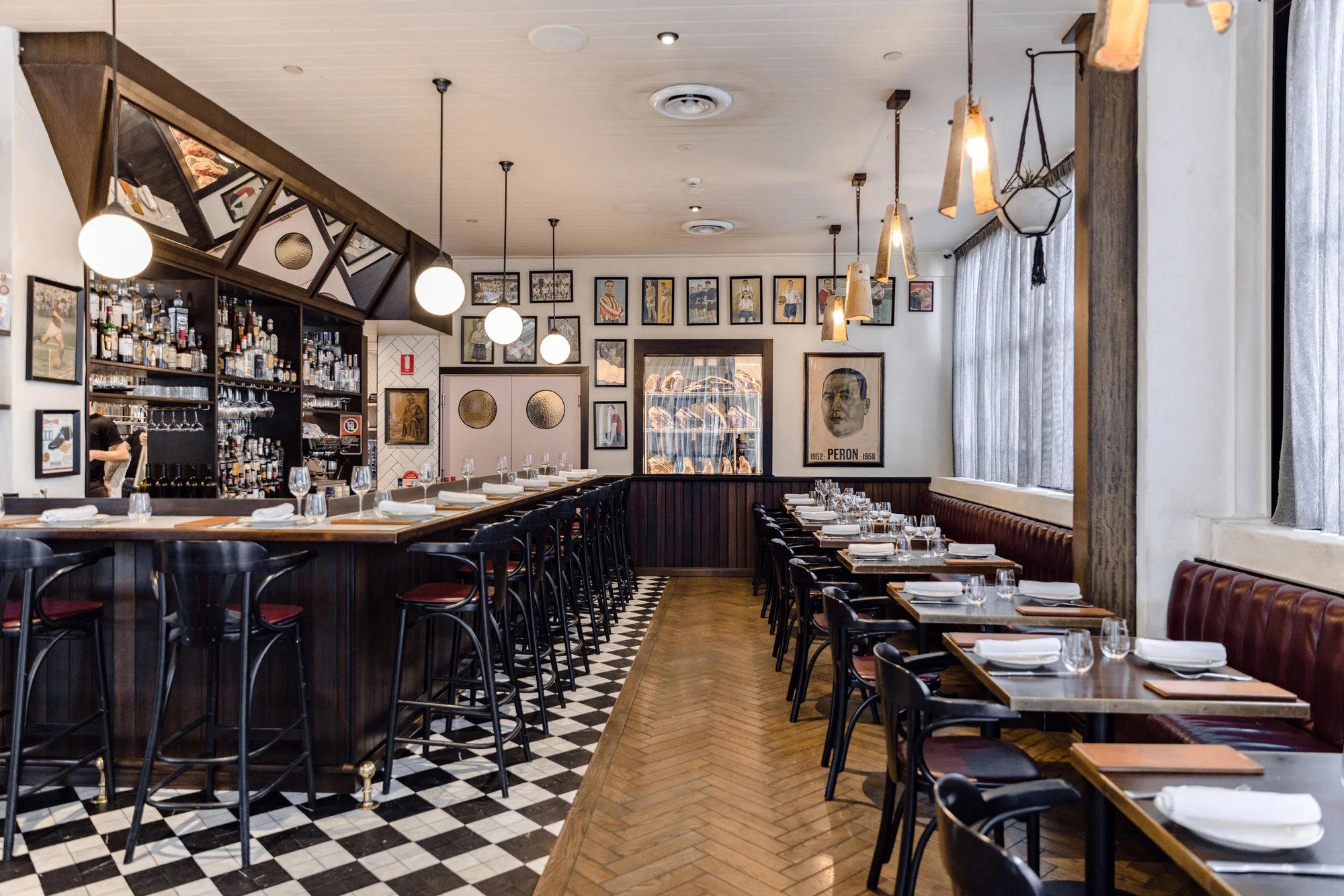
Restaurants in Sydney
Browse all →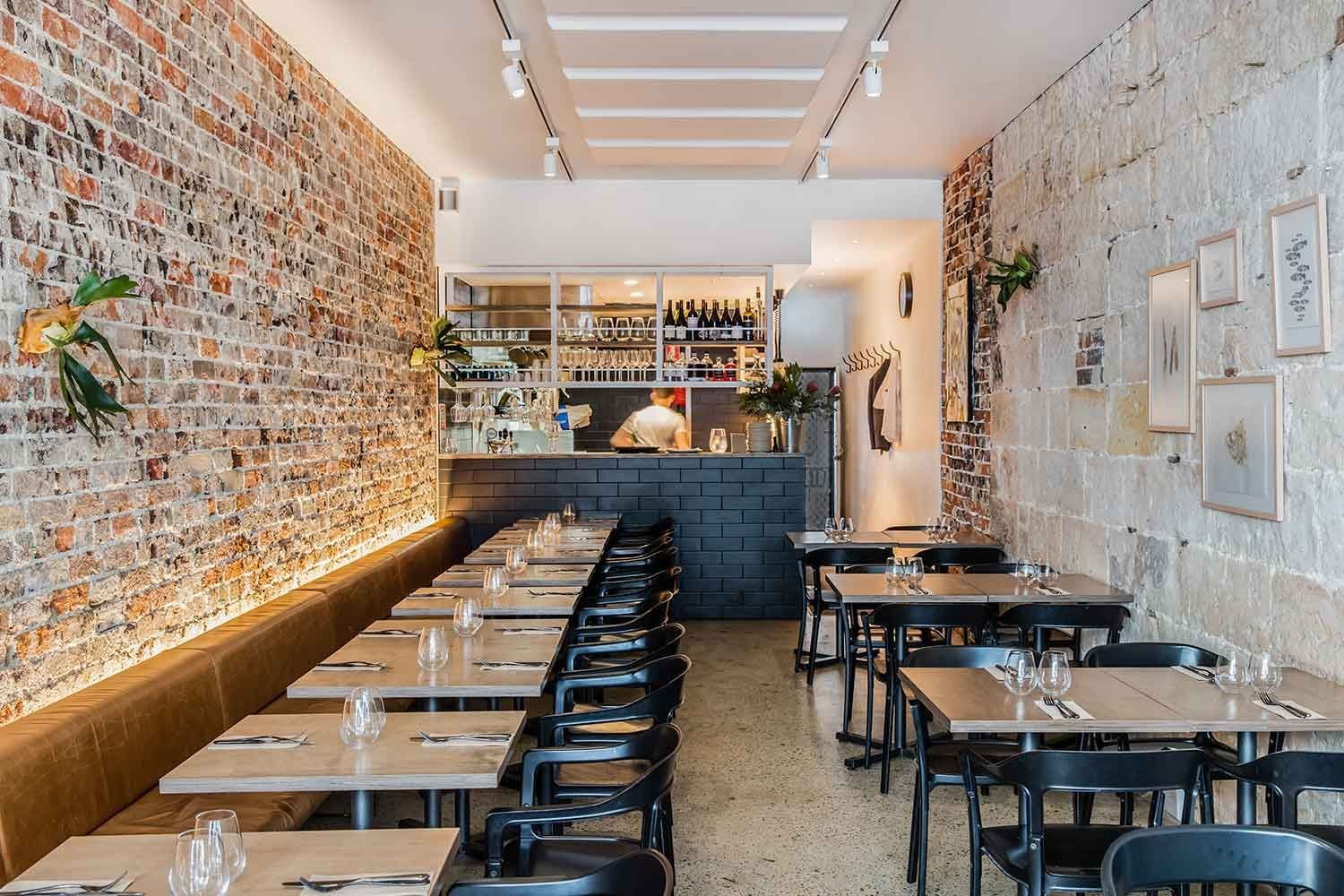
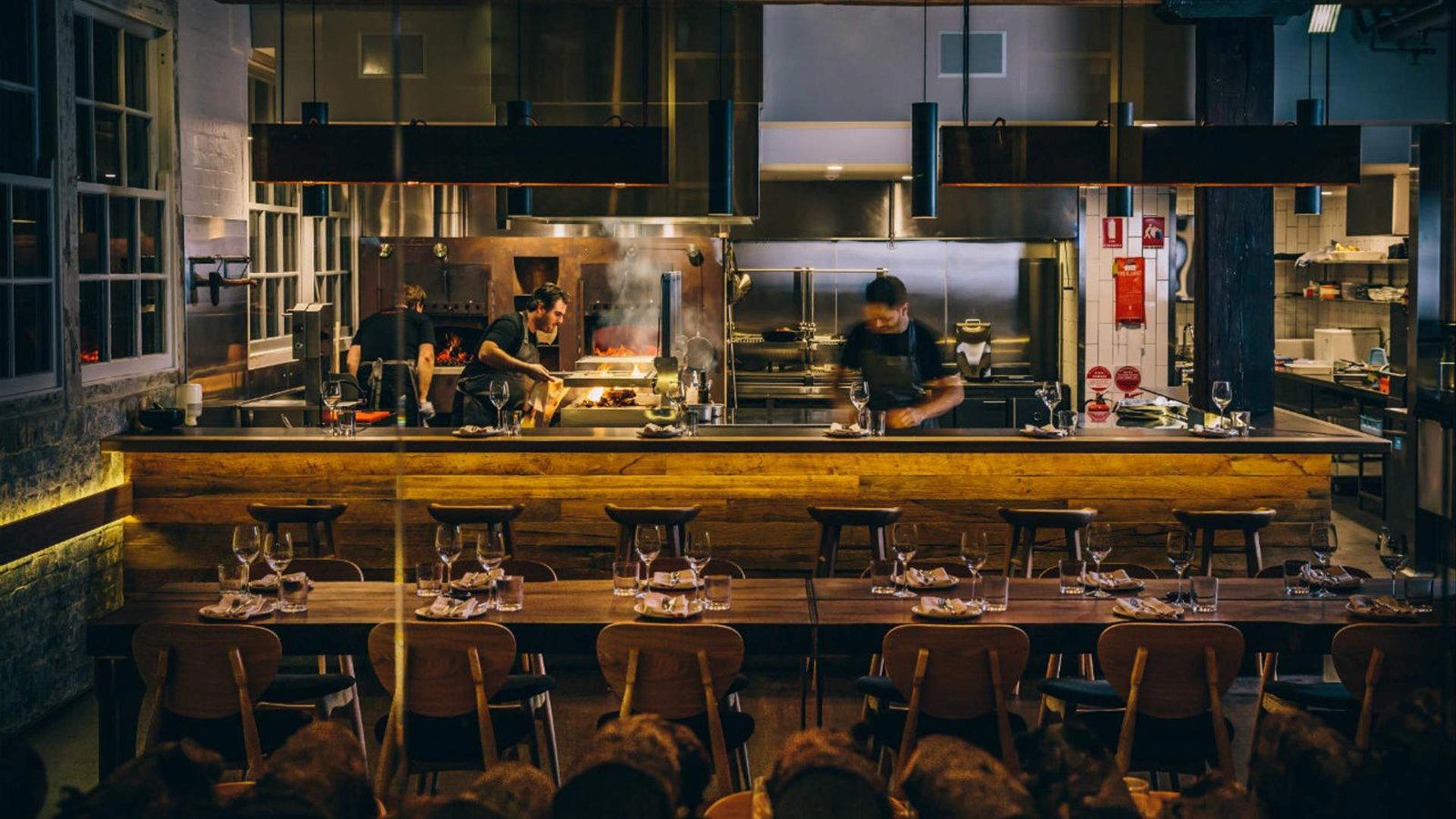
Bars in Sydney
Browse all →
Hotels in Sydney
Browse all →

At a Glance
- Cozy
- Family
- Casual Hangout
- Sake Program
Current opening hours
- Monday
- 11:30 AM–2:30 PM, 5–9 PM
- Tuesday
- 11:30 AM–2:30 PM, 5–9 PM
- Wednesday
- 11:30 AM–2:30 PM, 5–9 PM
- Thursday
- 11:30 AM–2:30 PM, 5–9 PM
- Friday
- 11:30 AM–2:30 PM, 5–9 PM
- Saturday
- 11:30 AM–2:30 PM, 5–9 PM
- Sunday
- 11:30 AM–2:30 PM, 5–9 PM
Hours can change for holidays and private events. Last verified .
Warm, friendly, and family-friendly with a cozy vibe.
Know Before You Go
- Getting there
- 665/667 Anzac Parade, Maroubra NSW 2035, Australia