Our verdict
Inside Capella Hanoi's French Quarter address, Koki brings Japanese precision to one of Southeast Asia's most historically layered cities. Head Chef Hiroshi Yamaguchi works a program anchored in kansha (respect for ingredients) and omotenashi (Japanese hospitality), with Yaeyama Kyori beef from Okinawa's Ishigaki Island and a seasonal omakase format that positions Koki in Hanoi's premium dining tier alongside Michelin-recognised neighbours.

Pearl is the En Primeur Club membership app — saves, bookings, and concierge access live there. Same editors, same standards.
- Address
- 11 P. Lê Phụng Hiểu, French Quarter, Hoàn Kiếm, Hà Nội 100000, Vietnam
- Phone
- +84 24 3987 8888
- Hours
- Mon ClosedTue–Sat 11:30 AM–1:30 PM, 6–10 PMSun Closed
- Website
- capellahotels.com
- Directions
- Get directions
The menu
What to order
- Wagyu beef
- Spiny lobster
- Black abalone
Japanese Technique in a French Colonial Shell
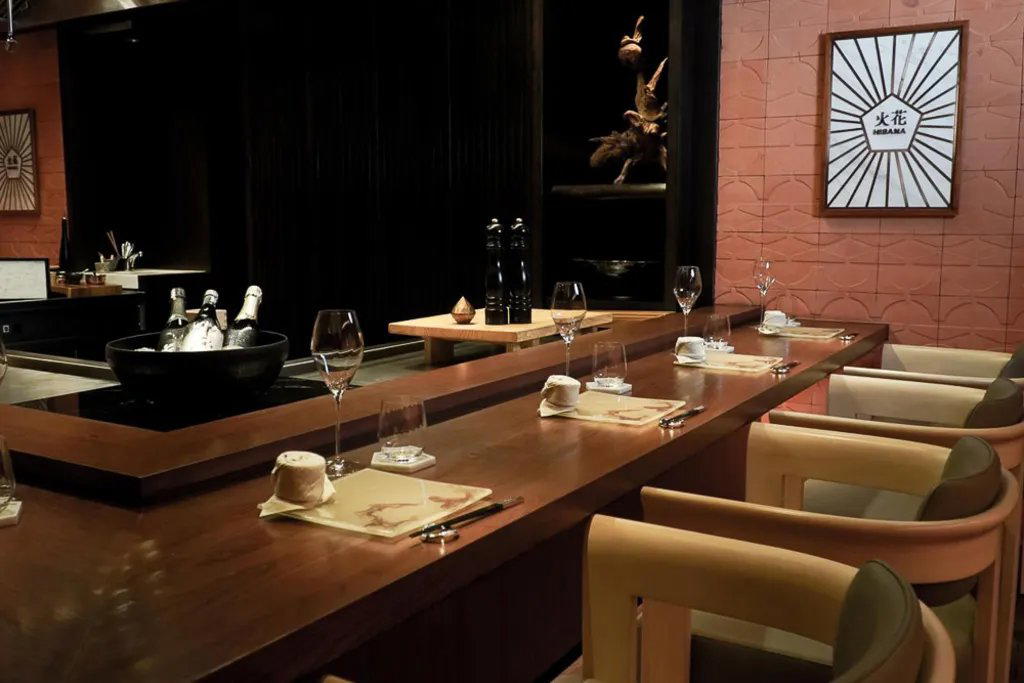
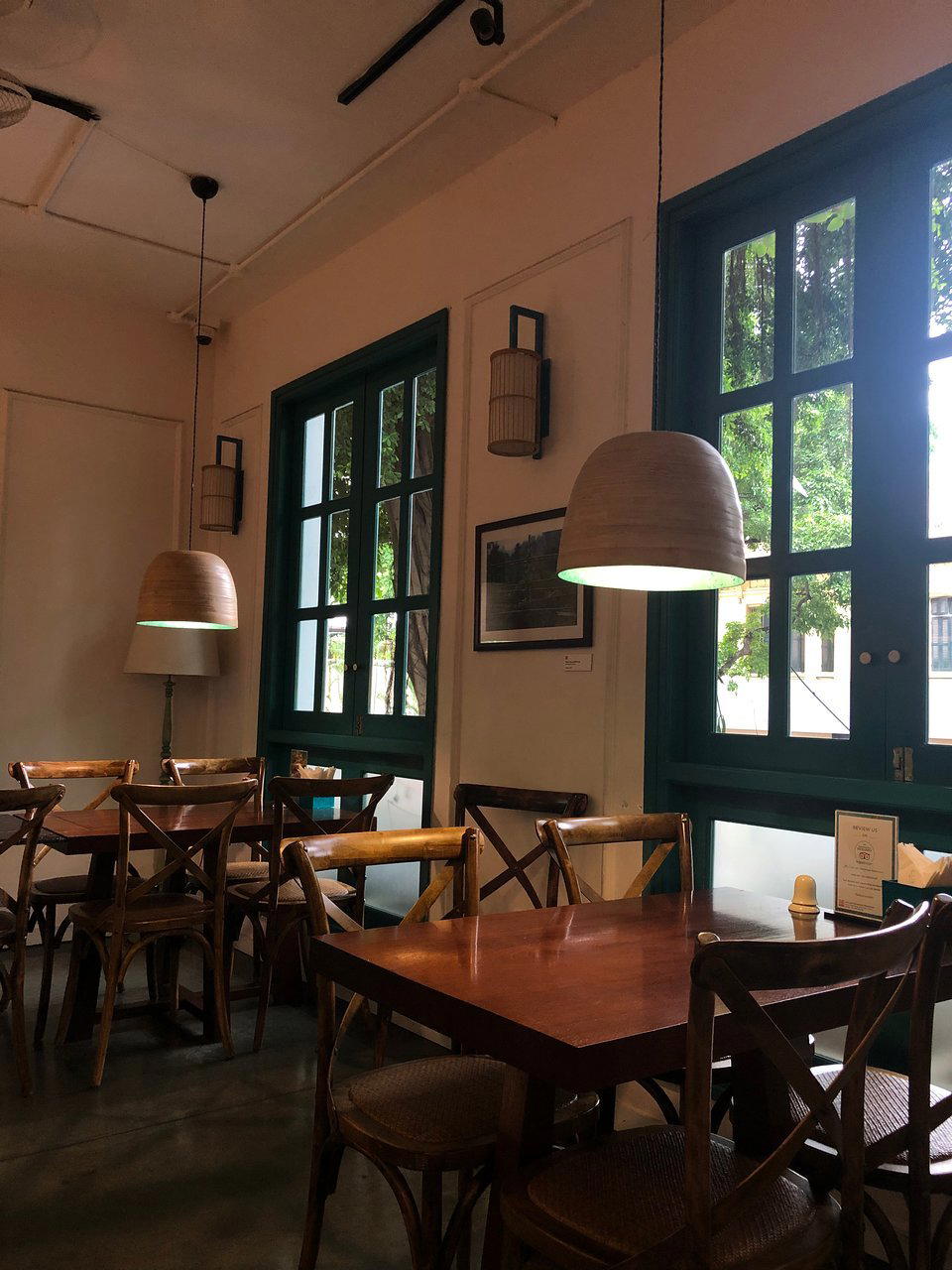
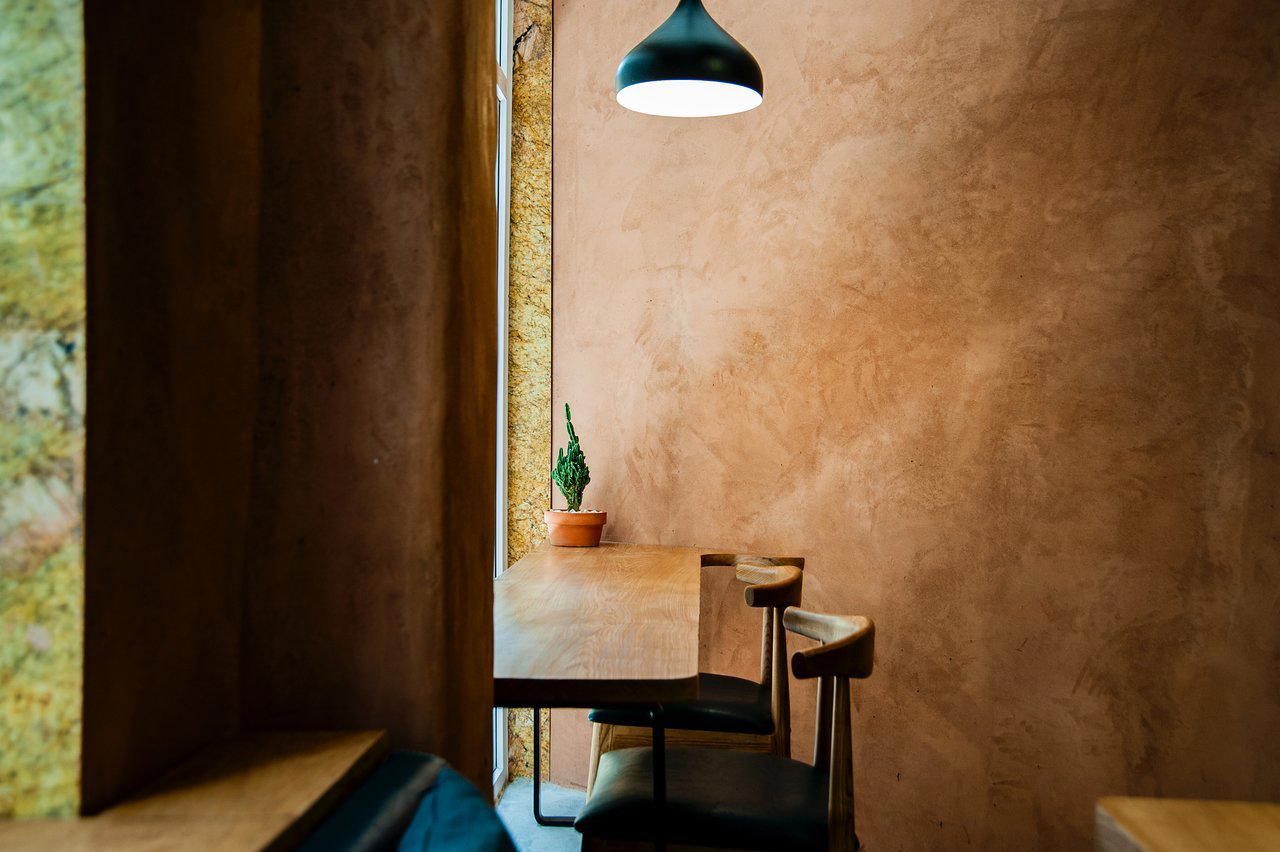
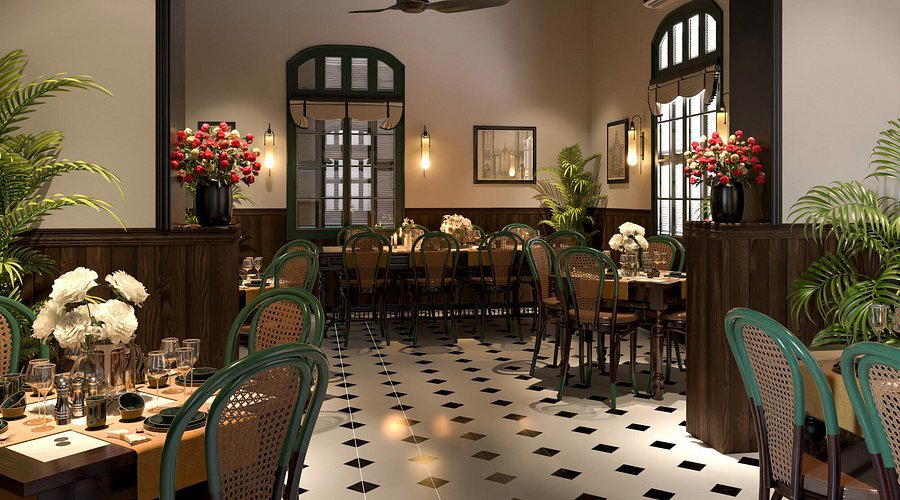
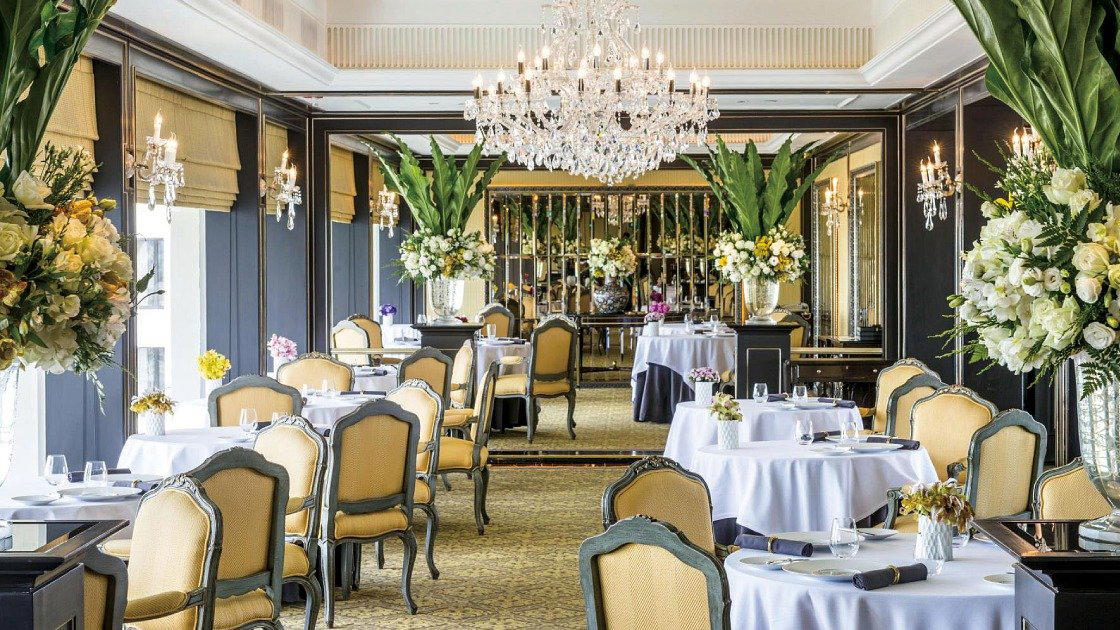
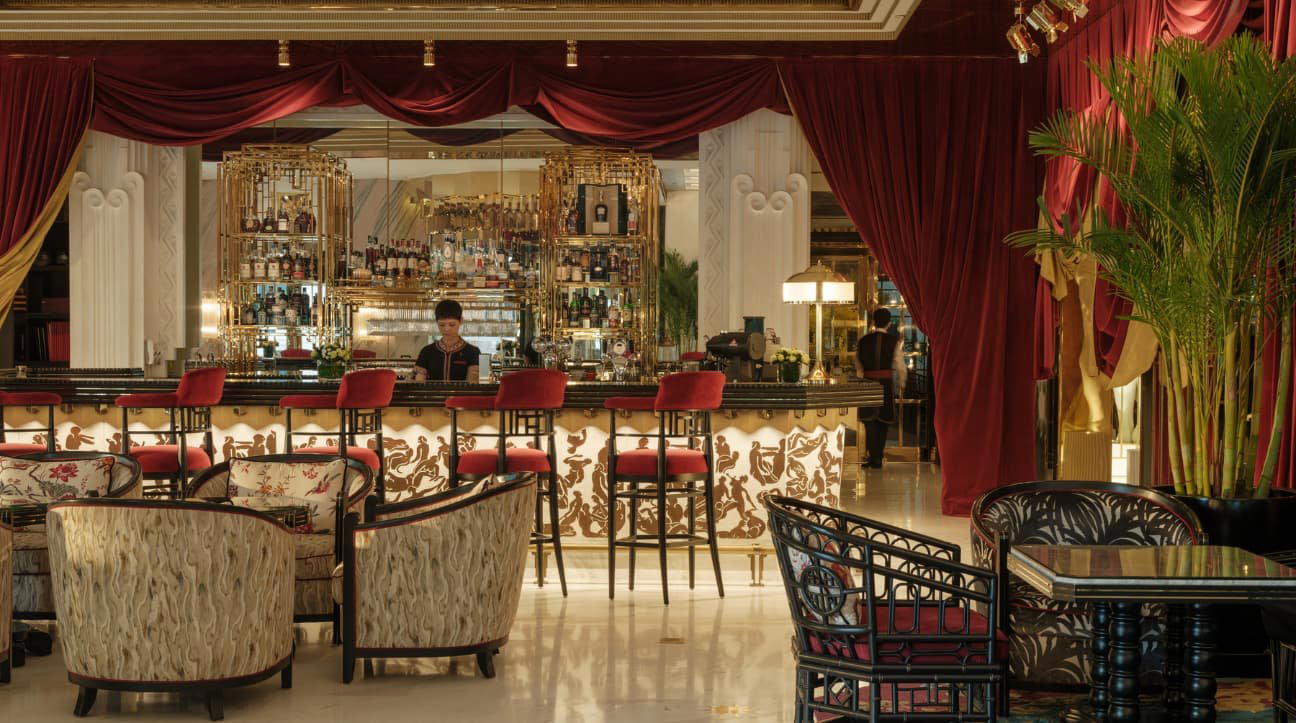
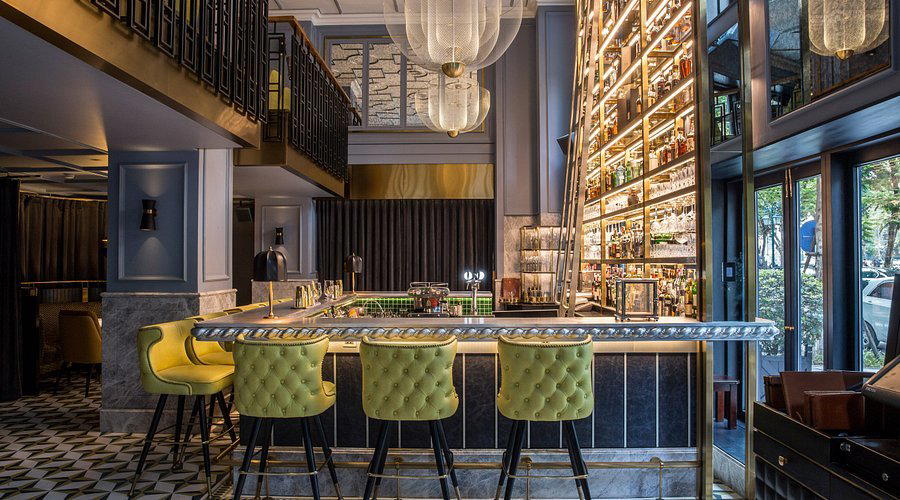
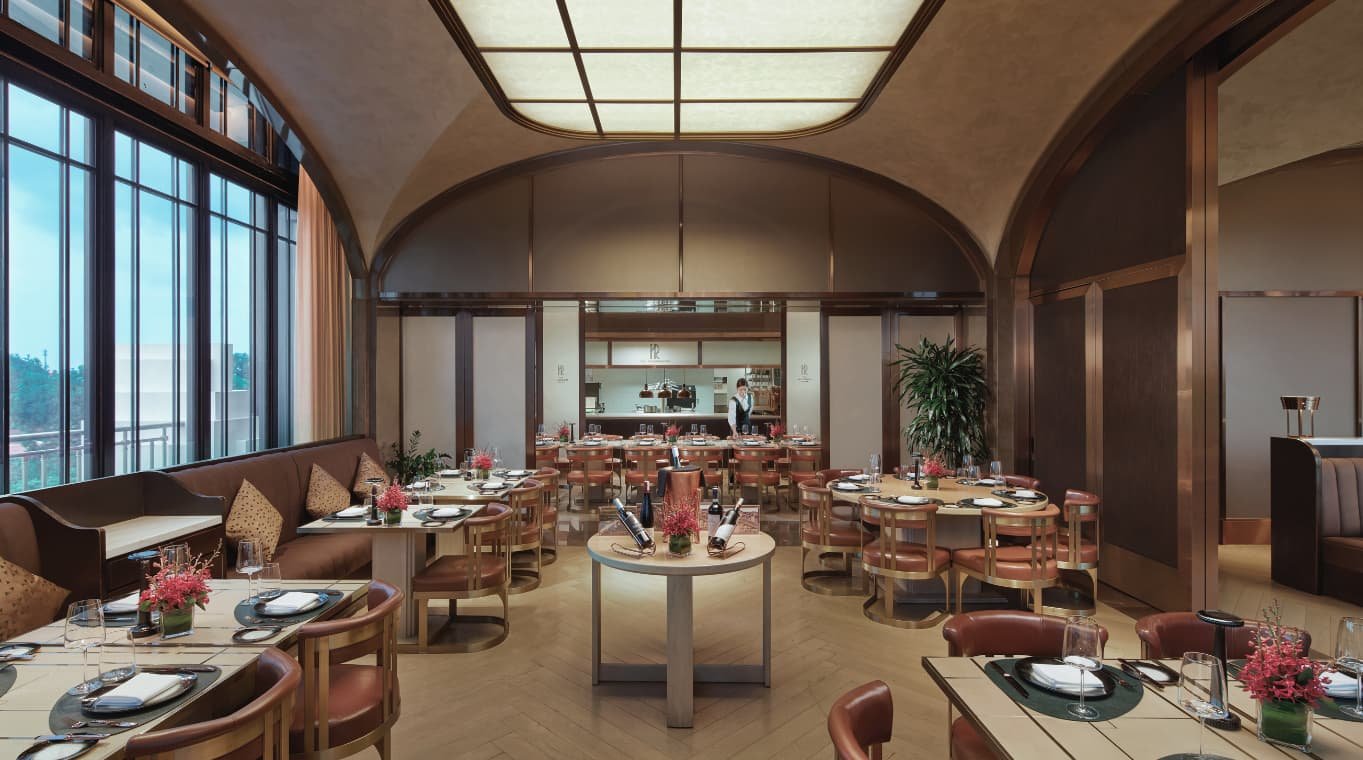
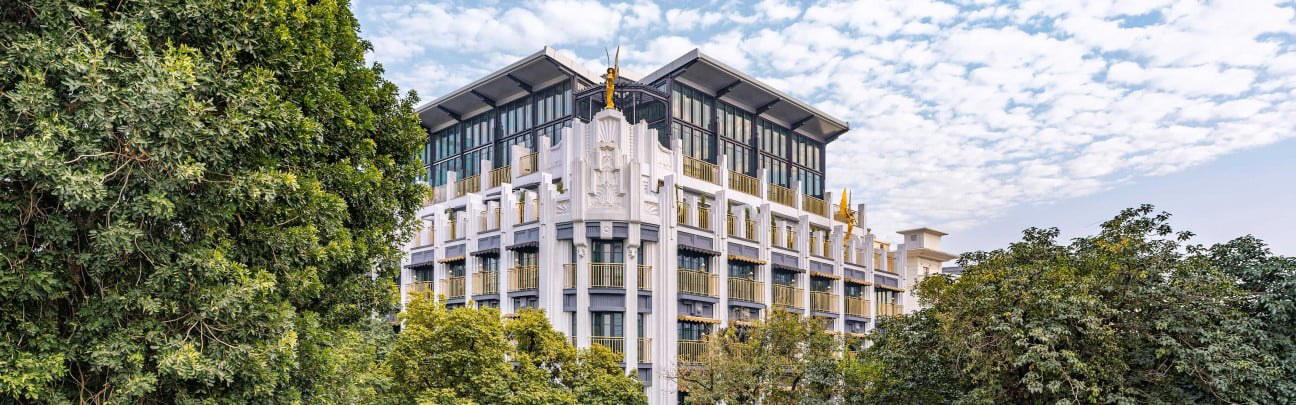
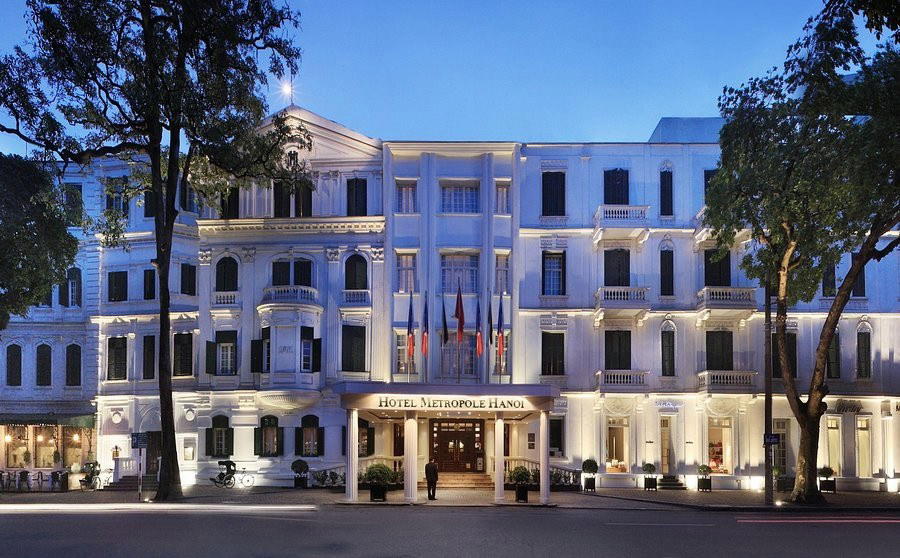
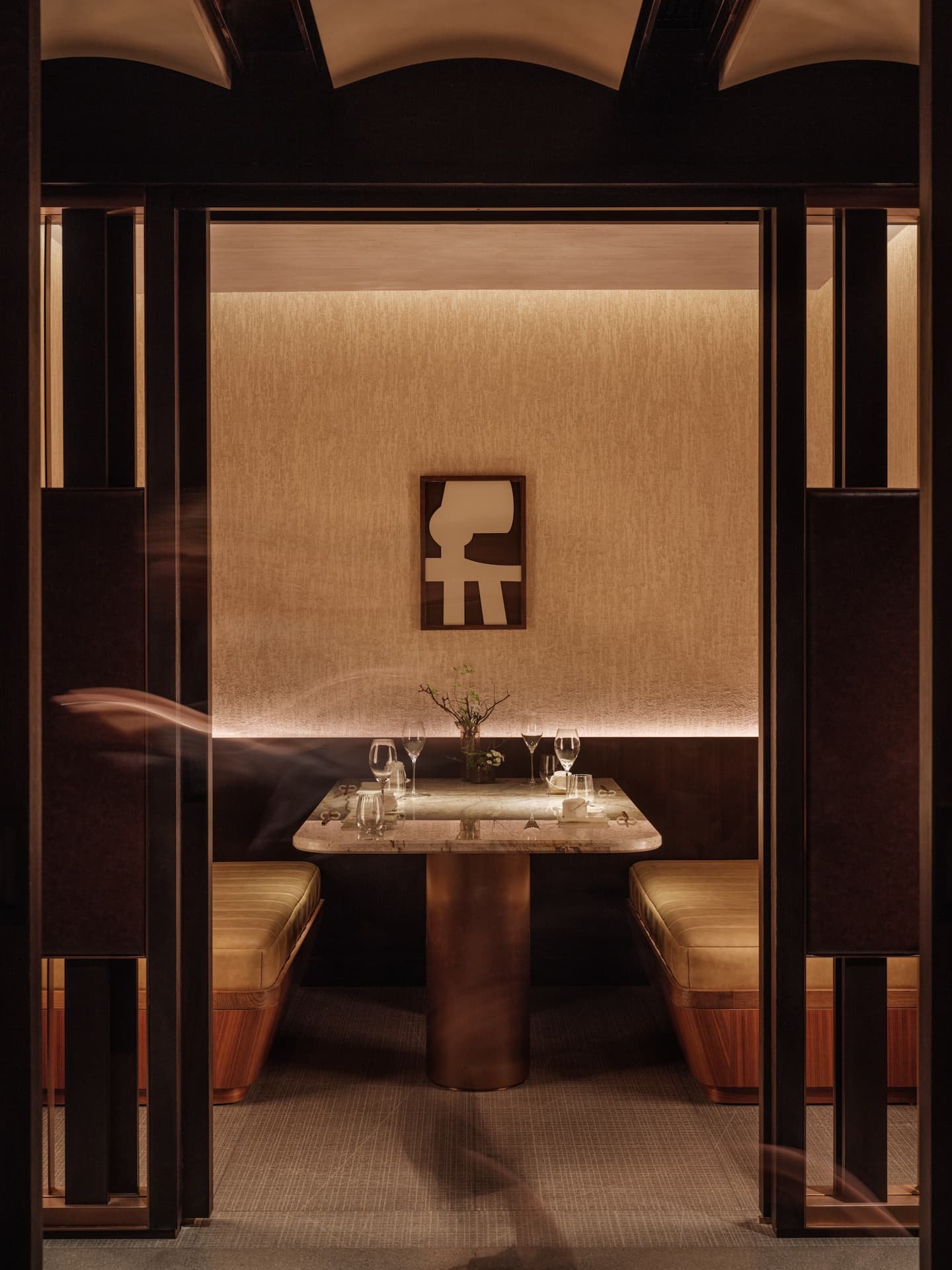
There is a particular kind of spatial dissonance at work in the French Quarter of Hoàn Kiếm. The neighbourhood's colonial-era facades, broad ceremonial streets, and European proportions sit within a Vietnamese city that has been absorbing outside influences for over a millennium without losing its own centre of gravity. Capella Hanoi occupies a heritage building on Lê Phụng Hiểu Street, and the Japanese restaurant inside it, Koki, compounds that layering deliberately. The dining room's minimalist design applies the Japanese concept of kanso, simplicity through reduction, to an interior that already carries considerable architectural weight. The result is a room that asks you to slow down before a dish arrives.
This kind of hospitality framing has become increasingly legible in high-end Asian dining. When a restaurant signals kanso at the design level and omotenashi (the Japanese disposition toward anticipatory service) at the operational level, it is setting expectations about pace, restraint, and the ratio of silence to spectacle. Koki is doing both, and doing so inside a hotel that positions itself at the premium end of Hanoi's accommodation market. For the city's dining scene, this matters: Hanoi has built its Michelin-recognised tier largely around Vietnamese and Vietnamese-contemporary formats, with Gia (Vietnamese Contemporary) and Tầm Vị (Vietnamese) both holding stars. Koki enters that conversation from a different angle, importing Japanese culinary architecture rather than refining a local tradition.
Ishigaki Beef and the Logic of Sourced Distance
The editorial question around any Japanese restaurant operating outside Japan is always about sourcing. Proximity to Japan's food infrastructure, the fish markets, the prefecture-specific proteins, the seasonal produce signals, is not easily replicated abroad. Koki's answer, at least for its headline protein, is direct sourcing over distance. Yaeyama Kyori beef comes from Ishigaki Island in Okinawa's Yaeyama archipelago, a cattle-raising region that has developed a distinct wagyu profile shaped by subtropical climate and island-specific rearing practices. The beef is handled with both wet and dry aging methods and cooked over an open-fire charcoal grill, a format that privileges the Maillard development of deeply marbled Japanese beef without the intermediary fat of a teppan plate.
That charcoal-grill distinction is significant. Koki's sibling restaurant within the same property, Hibana by Koki, holds a Michelin star and operates a teppanyaki format. The two restaurants split the Japanese fine-dining space within Capella Hanoi along method lines: teppanyaki theatre versus open-fire precision. For a dining city still building its appetite for Japanese format differentiation, that distinction carries real weight.
The intersection of imported technique and sourced-from-origin ingredients runs through the broader category of ambitious Japanese restaurants operating in Southeast Asia. At Akuna in Ho Chi Minh City, similar questions about technique transplanted into Vietnamese context arise. Further afield, hotel-anchored fine dining programs like La Maison 1888 in Da Nang demonstrate how premium hospitality groups use their procurement networks to bring provenance-specific ingredients into markets where local supply chains cannot yet replicate them. Koki belongs to that pattern.
The Omakase Format as Seasonal Document
Beyond the Yaeyama Kyori beef, Koki runs a seasonal omakase, a tasting menu format that commits to reinvention over a fixed roster. The omakase format, in its original Japanese context, hands control entirely to the chef: the guest trusts the kitchen's judgment about what is at its peak. In restaurants operating outside Japan, omakase formats vary in how faithfully they maintain that logic. Some treat it as a marketing term for a multi-course set menu. The more rigorous versions genuinely change with seasonal availability and require the kitchen to adapt sourcing and composition several times a year.
Head Chef Hiroshi Yamaguchi frames his approach around the concept of umami, the fifth taste, as a structural principle rather than a seasoning note. In Japanese culinary thinking, umami is built through the combination of glutamate-rich ingredients: aged proteins, fermented elements, kombu, dried fish. A kitchen organised around umami as a compositional priority is making different decisions at every stage of menu-building than one focused on visual drama or textural contrast alone. This is a technically demanding framework, and it places the omakase at Koki in a different register than the multi-course formats at, say, tasting-menu operations in other global cities where the agenda is more visually driven. For comparison, the kind of sustained technical rigor that programs like Atomix in New York City or Le Bernardin in New York City apply to Korean and French fine dining respectively reflects what it looks like when a cuisine's foundational philosophy disciplines an entire tasting menu structure.
Where Koki Sits in Hanoi's Premium Dining Tier
Hanoi's fine-dining map has expanded considerably over the past five years. The city's Michelin selection now covers a range from street-level Vietnamese specialists like 1946 Cua Bac and A Bản Mountain Dew at the accessible end, through to hotel-anchored programs at the premium tier. Koki occupies the latter category, sharing a building with a Michelin-starred teppanyaki operation and operating inside one of the French Quarter's most architecturally considered hotels. In that context, Koki competes less with Hanoi's Vietnamese fine-dining scene and more with the small cohort of internationally-framed restaurants that Hanoi visitors with premium-dining experience elsewhere in Asia will use as reference points.
Hotel-anchored Japanese restaurants in this tier, across Asia, tend to draw from a set of shared signals: Japanese protein sourcing, seasonal menu architecture, restrained interior design, and service modelled on omotenashi. Where they separate from each other is in the coherence and specificity of execution. The open-fire charcoal grill at Koki, the direct Okinawan beef sourcing, and the umami-led compositional logic suggest a kitchen with a clear point of view rather than a hotel outlet assembling familiar luxury markers. For Hanoi's dining scene, that specificity matters. The city's most interesting restaurants, across price points and cuisine types, tend to have a discernible stance. Gia holds its Michelin star through a rigorously Vietnamese-contemporary lens. Koki argues for a different kind of precision, one routed through Osaka and Okinawa rather than through Hanoi's own culinary inheritance.
For broader Hanoi planning, our full Hanoi restaurants guide covers the city's dining range across price points and cuisine types. If you are building a full itinerary, our Hanoi hotels guide, bars guide, and experiences guide map the city's premium options in each category. For wine-focused planning, the Hanoi wineries guide covers what the local market currently offers.
Planning a Visit
Koki sits within Capella Hanoi at 11 Lê Phụng Hiểu Street in the French Quarter, Hoàn Kiếm, placing it within walking distance of Hoan Kiem Lake and the neighbourhood's concentration of heritage hotels and colonial-era architecture. The French Quarter is Hanoi's most internationally legible district, with reliable taxi and ride-app access from both Noi Bai International Airport and the Old Quarter. For a hotel-restaurant at this price positioning, advance reservation is advisable, particularly for the omakase format, which tends to require preparation lead time. Contact through the Capella Hanoi front desk or concierge is the most direct booking route. For comparable hotel-anchored fine dining in other markets, programs like Alain Ducasse at Louis XV in Monte Carlo and 8½ Otto e Mezzo Bombana in Hong Kong illustrate the tier Koki is referencing, even across very different cuisine contexts.
Frequently asked questions
Where is Koki in Hanoi?
Koki is located at 11 P. Lê Phụng Hiểu, French Quarter, Hoàn Kiếm, Hà Nội 100000, Vietnam, Hanoi.
What's Koki known for in terms of accolades?
Koki has received recognition including: A Japanese Culinary Sanctuary at Capella Hanoi Tucked beneath the opulent Capella Hanoi in Vietnam’s historic French Quarter, Koki offers an immersive journey into Japanese gastronomy. Led by Head Chef Yamaguchi Hiroshi, the restaurant seam….
What's the signature dish at Koki?
Two dishes anchor Koki's menu. The Yaeyama Kyori Beef is sourced from Ishigaki Island in Okinawa's Yaeyama archipelago — a cut selected for its marbling and aged using both wet and dry methods before being finished on an open-fire charcoal grill. Alongside it, the seasonal omakase course rotates with Chef Hiroshi Yamaguchi's ingredient sourcing, so the menu shifts depending on when you visit rather than holding a fixed roster.
Is Koki chef-led?
The chef associated with Koki is Hiroshi Yamaguchi.
Category Peers
| Venue | Cuisine | Price | Awards | Notes |
|---|---|---|---|---|
| KokiThis venue — the venue you are viewing | Modern Japanese Teppanyaki | Not listed | Not listed | Not listed |
| Hibana by Koki | Michelin-Starred Japanese Teppanyaki | $200–300 | 1 Michelin Star · La Liste Top Restaurants | Teppanyaki, ₫₫₫₫ |
| Tầm Vị | Northern Vietnamese Home-Style | $10–20 | 1 Michelin Star | Vietnamese, ₫₫ |
| Gia | Modern Vietnamese Fine Dining | $100–150 | 1 Michelin Star · La Liste Top Restaurants | Vietnamese Contemporary, ₫₫₫₫ |
| 1946 Cua Bac | Northern Vietnamese | $10–20 | Michelin Bib Gourmand | Not listed |
| Bun Cha Ta (Nguyen Huu Huan Street) | Authentic Vietnamese Bun Cha | $1–10 | Michelin Bib Gourmand | Not listed |
Recognition history
Dated appearances from independent guides and award organizations, with the underlying list record or original source where available.
World's Best Steaks 101 Best Steak Restaurants #54
World's Best Steaks