Kojin
Kojin occupies a focused position on Ponce de Leon Boulevard where Coral Gables' appetite for precise, technique-driven cooking meets South Florida's subtropical ingredient supply. The format rewards advance planning, and the address places it within easy reach of the neighbourhood's broader dining corridor. It belongs to the tier of Coral Gables restaurants where the kitchen's craft, rather than spectacle, does the talking.
 Discover on Pearl
Pearl is the En Primeur Club membership app — saves, bookings, and concierge access live there. Same editors, same standards.
- Address
- 804 Ponce de Leon Blvd, Coral Gables, FL 33134
- Phone
- +17867471404
- Website
- kojin2.com
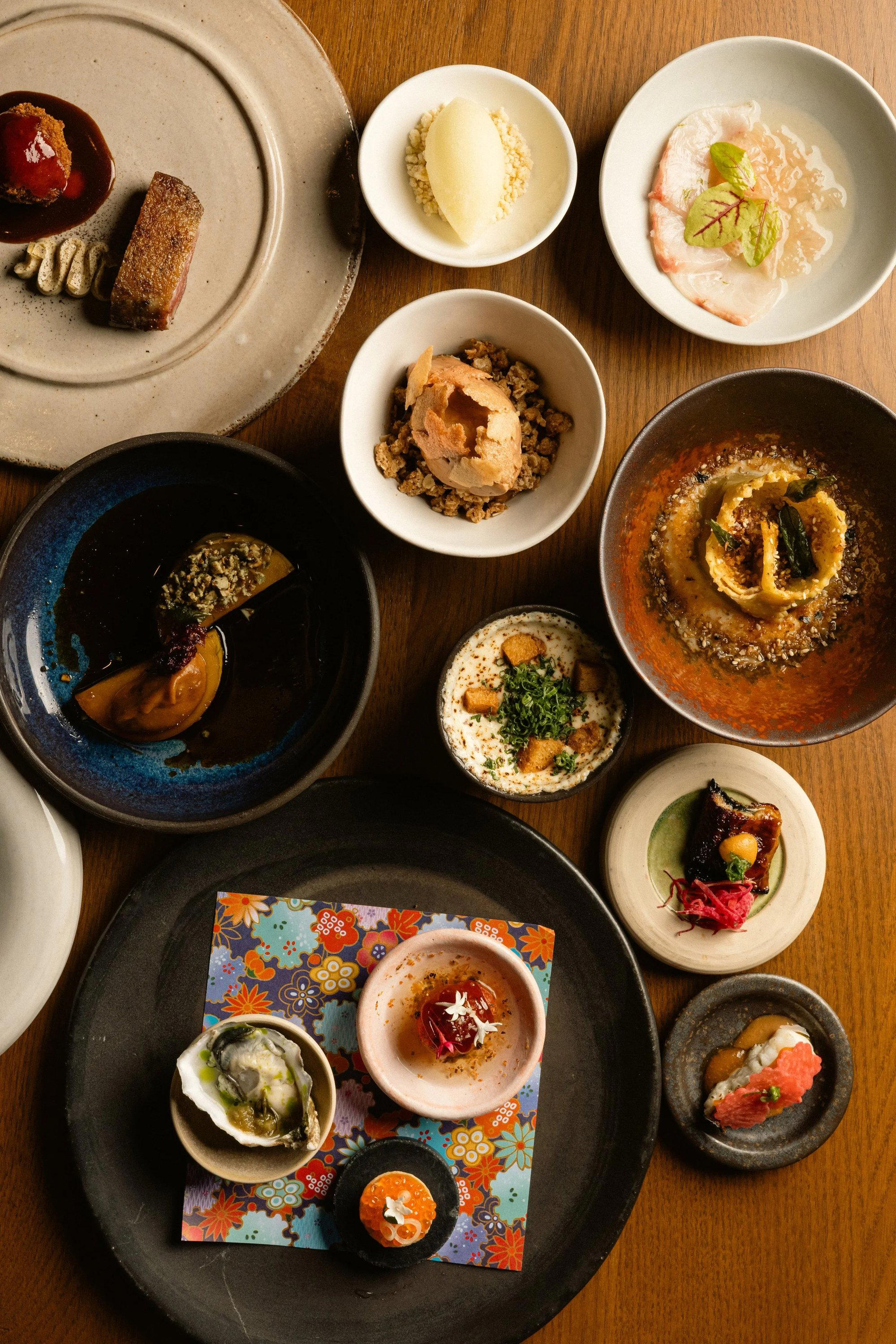
Where South Florida's Larder Meets Imported Discipline
Ponce de Leon Boulevard runs like a spine through Coral Gables, linking the city's banyan-canopied residential blocks to its commercial dining corridor. At 804, the approach to Kojin signals the register immediately: the address sits within a stretch where the city's more considered, technique-led restaurants have gradually consolidated, distinct from the louder dining that characterises parts of Miami proper. In a city where the subtropical climate delivers year-round produce volume that most American restaurant markets would envy, the question worth asking of any serious kitchen here is not simply what it cooks, but how it reconciles that local abundance with the imported culinary grammars its team brings to the table.
That tension between local ingredients and global technique is, increasingly, the defining creative pressure in South Florida's upper-tier dining. The region's farms and waters supply stone crab, spiny lobster, hearts of palm, tropical citrus, and an array of warm-weather greens that mature when northern kitchens are dealing with root-vegetable monotony. What a kitchen chooses to do with that supply window, and which international method it applies to it, is the sharper editorial story than any single dish description.
The Coral Gables Dining Frame
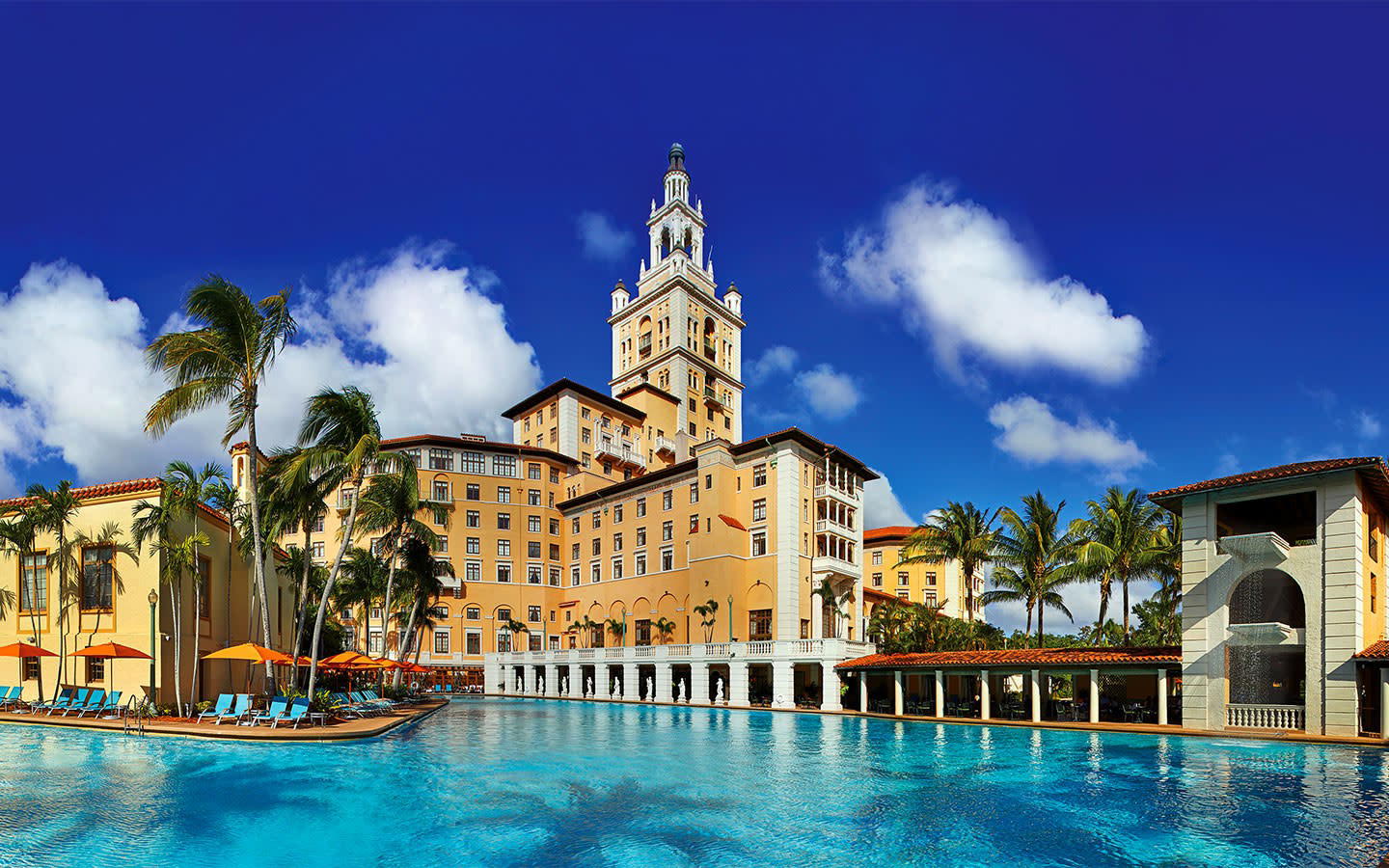
Coral Gables occupies an unusual position in the South Florida dining ecology. It lacks the concentrated media attention that Wynwood or Brickell attract, but it has accumulated a tier of restaurants that compete on precision rather than programming. Shingo represents the Japanese omakase end of that bracket, operating at the price point and intimacy level that its four-dollar-sign designation implies. 450 Gradi anchors the Italian-pizza axis. Afternoon Tea at The Biltmore holds the ceremonial British-tradition position. Aragon Café and Arcano each occupy specific neighbourhood niches that reinforce the area's identity as a city that builds dining identities around format and discipline rather than volume and visibility.
Kojin fits into this frame as a kitchen that signals seriousness through its address and its positioning within the Ponce de Leon corridor.
Local Ingredients, Global Technique: The Live Argument in South Florida
The restaurants that generate the most durable critical attention in the United States right now are almost uniformly those that have solved the local-versus-imported-method equation with some coherence. Le Bernardin in New York City built a decades-long identity on the application of French classical rigour to seafood sourcing that moved with market availability. Blue Hill at Stone Barns in Tarrytown constructed its entire format around the proposition that a farm's seasonal output, treated with deep technical attention, is a sufficient creative foundation. Single Thread Farm in Healdsburg layered Japanese kaiseki structure over Northern California's ingredient calendar with enough internal logic that the combination felt reasoned rather than assembled.
South Florida's ingredient calendar, running roughly from October through May at its most productive for premium local supply, creates a clear opportunity for any kitchen willing to treat the subtropical pantry as the creative constraint rather than the backdrop. Stone crab season alone, which runs from mid-October to mid-May, defines a procurement window that any kitchen on this stretch should have a considered position on.
Alinea in Chicago approached the problem through technical transformation. Lazy Bear in San Francisco resolved it through a communal format built around Northern California's seasons. Providence in Los Angeles applied classical French-Japanese crossover to Pacific seafood. Addison in San Diego built a Michelin-starred programme around Southern California's proximity to both Baja and the broader Pacific supply chain. The French Laundry in Napa, The Inn at Little Washington, and Atomix in New York City each sit in the same national conversation about where American fine dining is most confidently expressing regional identity through imported culinary architecture. Emeril's in New Orleans built its earlier reputation on exactly this premise, applying classical French training to Louisiana's bayou larder. 8 1/2 Otto e Mezzo Bombana in Hong Kong demonstrates that the same tension, between local Asian ingredients and Italian fine dining method, produces a version of the argument in a radically different market.
The subtropical ingredient environment around South Florida is materially different from what kitchens in Chicago or Washington deal with, and a kitchen that uses that difference deliberately, rather than defaulting to generic luxury produce, has a stronger editorial claim on the local dining scene.
Planning a Visit
Kojin is located at 804 Ponce de Leon Blvd, Coral Gables, FL 33134, within walking distance of the Miracle Mile corridor and accessible from the broader Miami metro via US-1. Reservations are recommended, especially Wednesday through Saturday evenings.
Comparable Options
Comparable venues nearby, for context on price, style, and recognition.
| Venue | Cuisine | Price | Notes |
|---|---|---|---|
| KojinThis venue — the venue you are viewing | Modern Japanese Fine Dining | $$$$ | |
| Dojo Izakaya | Modern Japanese Izakaya | $$$ | Coral Gables |
| Christy's | Classic American Steakhouse | $$$$ | Coral Gables |
| La Palma | Traditional Northern Italian | $$$ | Coral Gables |
| Maíz y Agave | Authentic Oaxacan Mexican Cocina | $$$ | Coral Gables |
| Pastor at Pascal | Modern French-Basque Bistro | $$$ | Coral Gables |
Continue exploring
More in Coral Gables
Restaurants in Coral Gables
Browse all →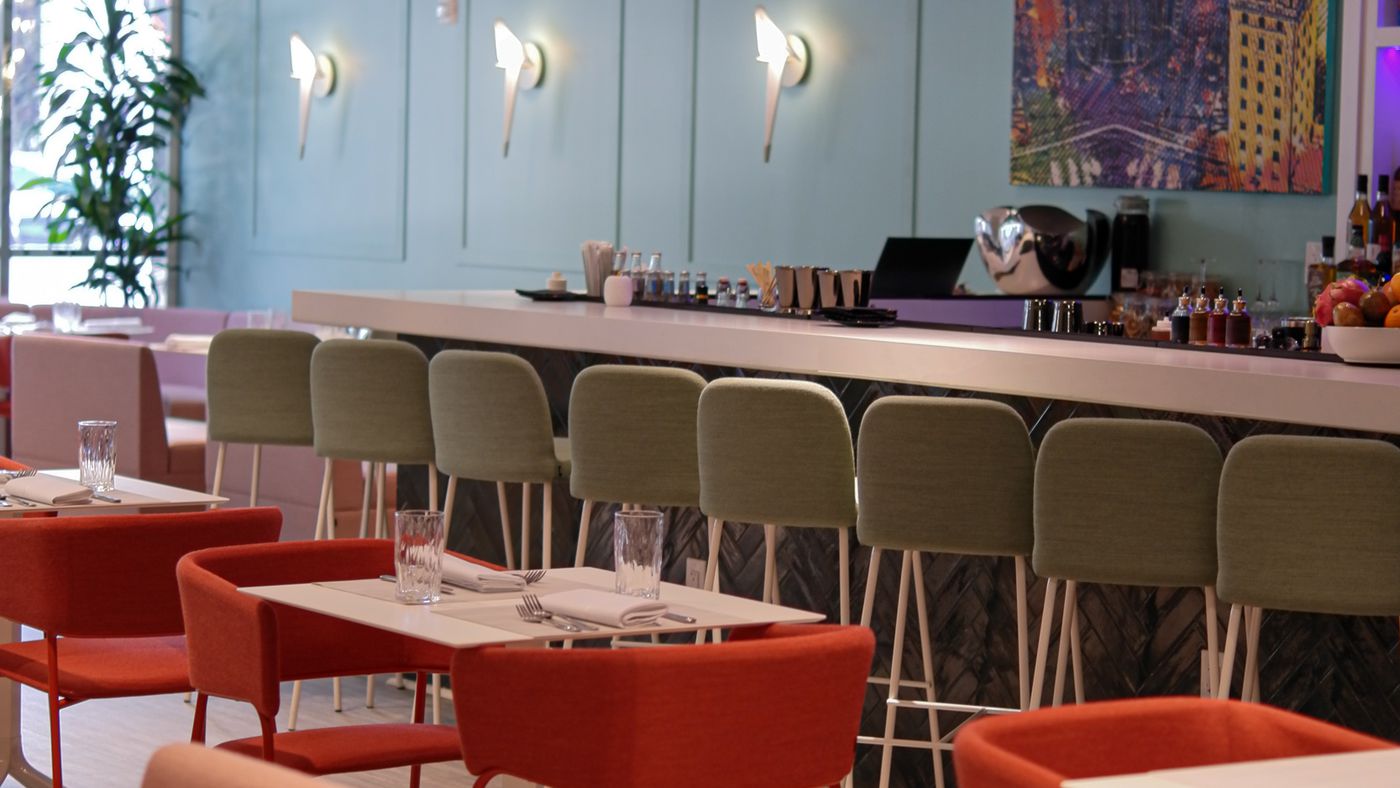
Bars in Coral Gables
Browse all →

At a Glance
- Sophisticated
- Modern
- Intimate
- Elegant
- Date Night
- Special Occasion
- Open Kitchen
- Sake Program
- Local Sourcing
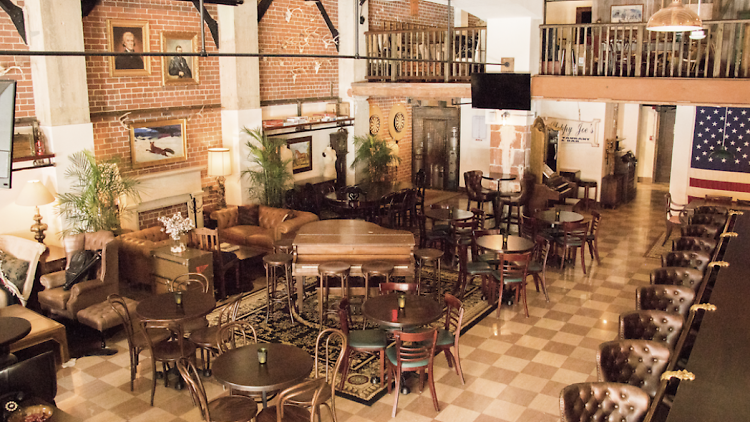
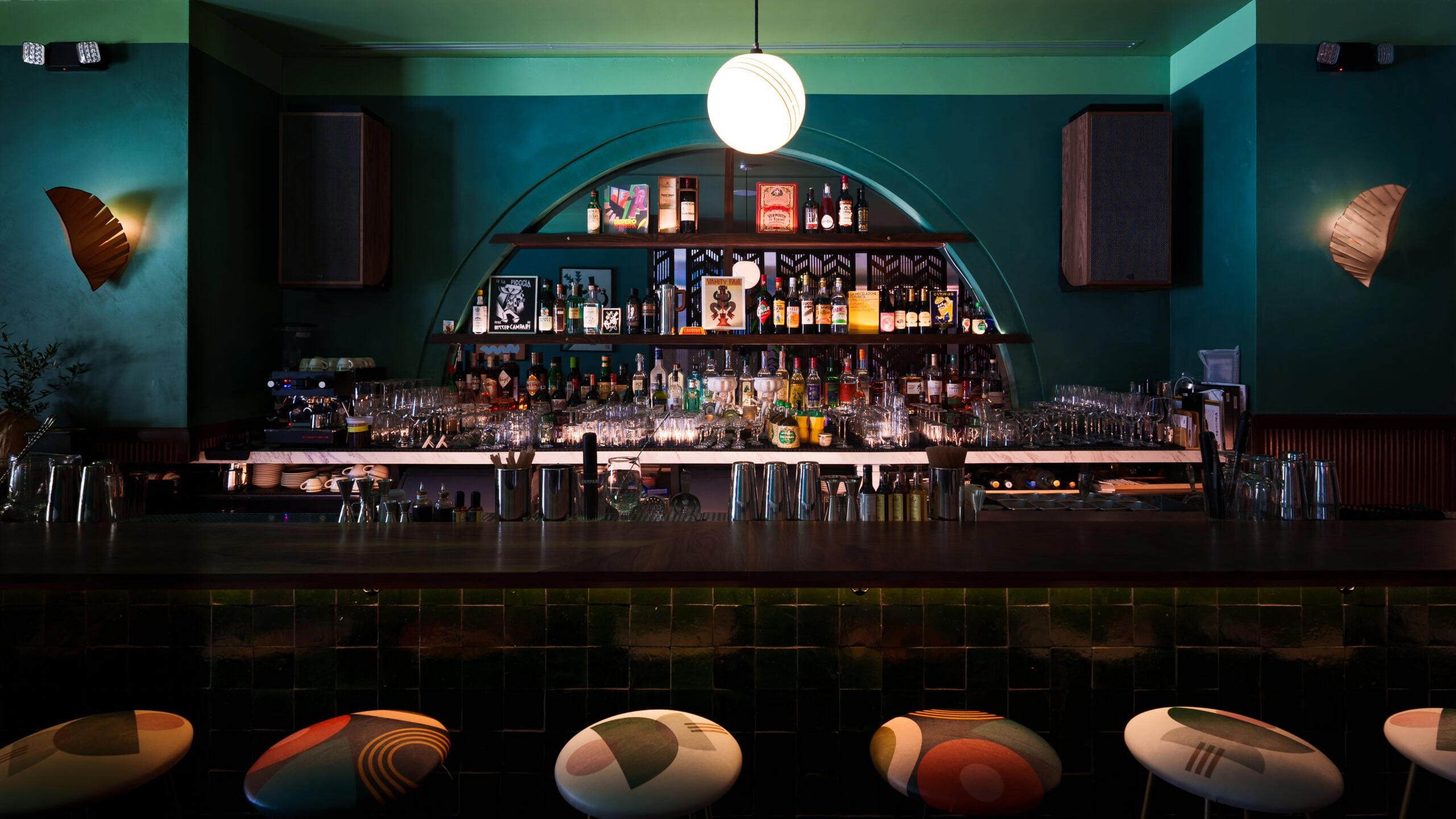
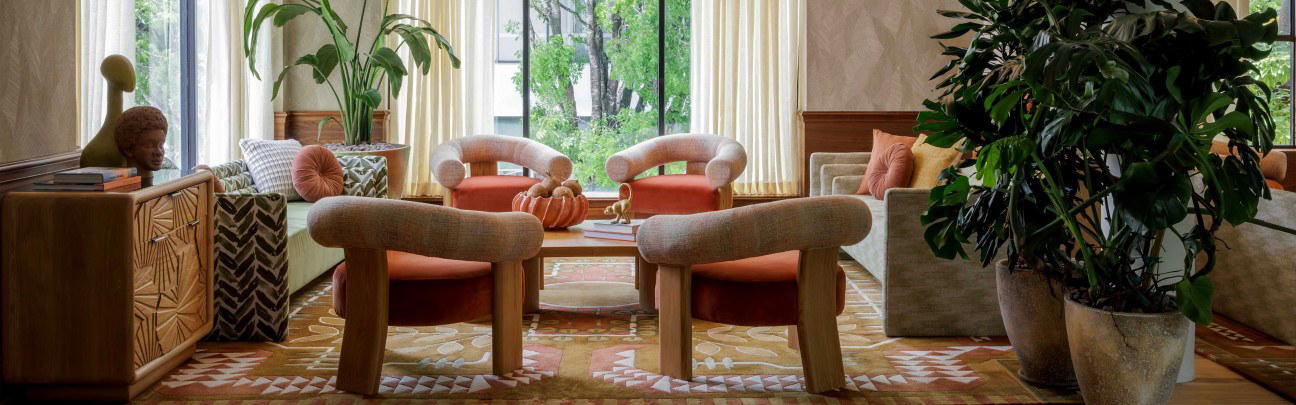
Stylish and sophisticated with a warm neighborhood vibe featuring simple wood tables, home-style furnishings, bookshelves, and a lit-up kitchen pass-through.