La Palma
Our verdict
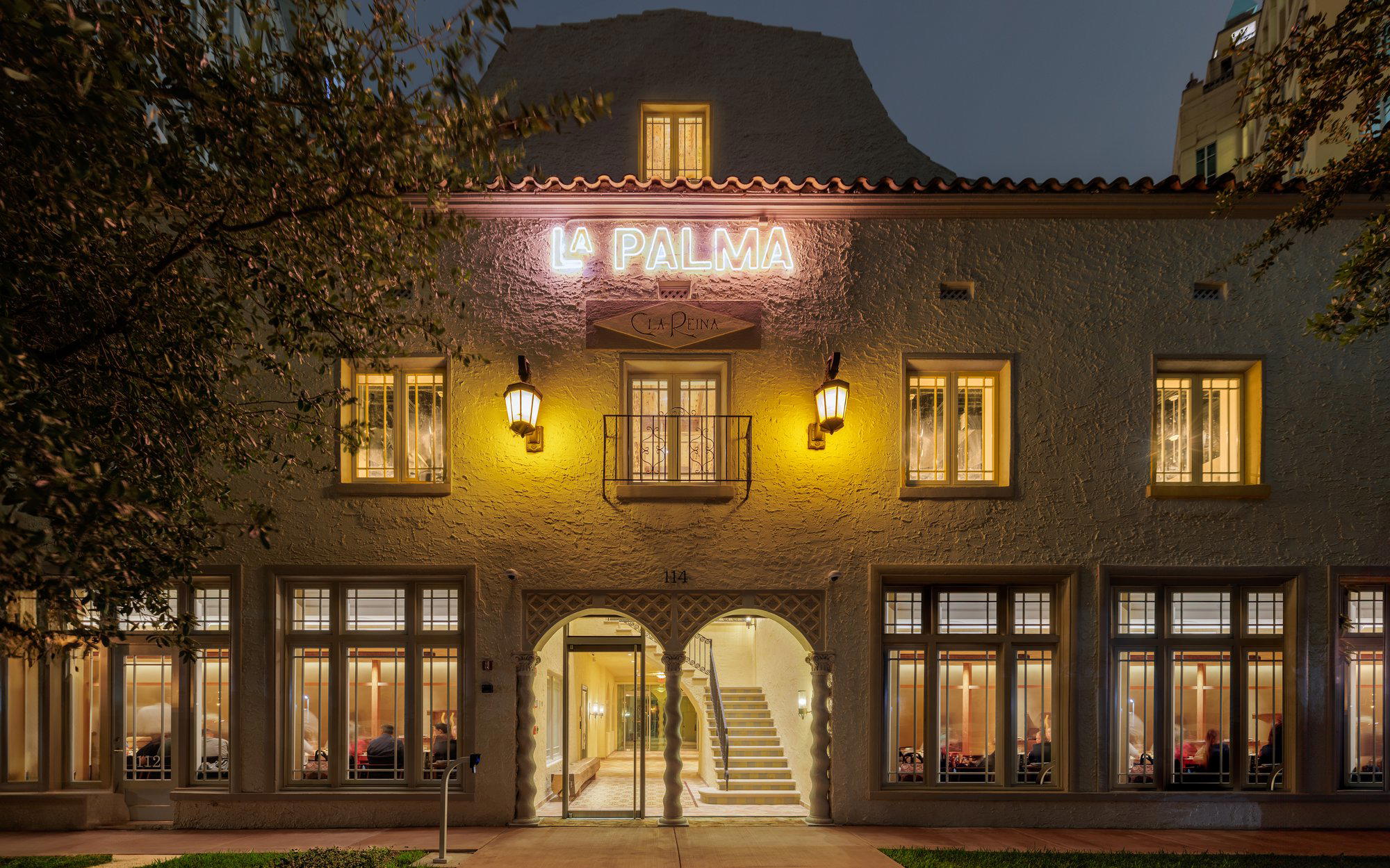
La Palma sits on Alhambra Circle in the heart of Coral Gables, a neighborhood where Spanish Mediterranean architecture sets the stage for a dining scene that increasingly prizes provenance and craft. With limited publicly available data, what draws attention here is the address itself: a city that has built one of South Florida's most considered restaurant corridors, where sourcing and setting carry equal weight.
The menu
What to order
- Pappardelle Bolognese
- Tortelloni Giuletta E Rome
- Vitello All Lombarda
- Pumpkin Tortellini
- Sea Bass Piccata
Alhambra Circle and the Coral Gables Dining Register
Coral Gables has spent the better part of a decade assembling a restaurant roster that sits closer to the serious end of South Florida dining than most visitors expect. The neighborhood's Spanish Mediterranean bones, George Merrick's original 1920s city plan, and a walkable city center have made it a natural home for operators who want a sense of place rather than strip-mall anonymity. Alhambra Circle, where La Palma holds its address at 116, is one of those streets that reads as residential from the outside but functions as a quiet anchor for the neighborhood's more considered dining options.
That physical context matters more than it might in other American cities. In Coral Gables, the built environment shapes what a restaurant can be. Thick stucco walls, clay-tile rooflines, and courtyard geometries push operators toward a certain register, one that rewards slower meals and attentive sourcing rather than high-volume throughput. La Palma's position on that street places it within a cohort of addresses where atmosphere arrives before the menu does.
Where Ingredient Sourcing Defines the Conversation
Across American fine-casual and fine dining, the question of where food comes from has moved from marketing footnote to operational framework. Restaurants that once listed farm names as decoration now structure their menus around seasonal availability, regional producer relationships, and supply-chain transparency. South Florida sits at an interesting intersection of that trend: proximity to Caribbean growing regions, year-round warm-weather agriculture, and a customer base that has grown more attuned to provenance over the past several years.
Coral Gables is home to several operations that have made sourcing legible to their guests. Shingo, the Japanese counter on the neighborhood's circuit, demonstrates how ingredient origin can anchor an entire format when the supply chain is tight and the product is allowed to speak without heavy technique. 450 Gradi shows a different approach, working within a tradition, Neapolitan pizza, where flour provenance and fermentation process are the craft markers rather than an afterthought. La Palma operates in a neighborhood where those expectations have been set by peers.
The broader national conversation around ingredient sourcing has been shaped by a handful of restaurants that made farm-to-table a structural commitment rather than a seasonal gesture. Blue Hill at Stone Barns in Tarrytown remains the most cited American example of a kitchen built entirely around a producing farm, while Single Thread Farm in Healdsburg has mapped that model onto a different agricultural region with equal precision. These are reference points, not direct peers to a Coral Gables address, but they define the vocabulary that sourcing-conscious diners now carry into any room.
The Coral Gables Table: Setting and Scene
Arriving on Alhambra Circle, the physical scale of Coral Gables reads immediately. Buildings are low, streets are wide by Miami standards, and the canopy cover is dense enough that summer heat feels slightly less aggressive than it does closer to the coast. For a dining destination, that environment shapes the rhythm of a visit: guests tend to walk rather than rideshare, linger on arrival rather than rush through, and treat the meal as the event rather than a stop on a longer circuit.
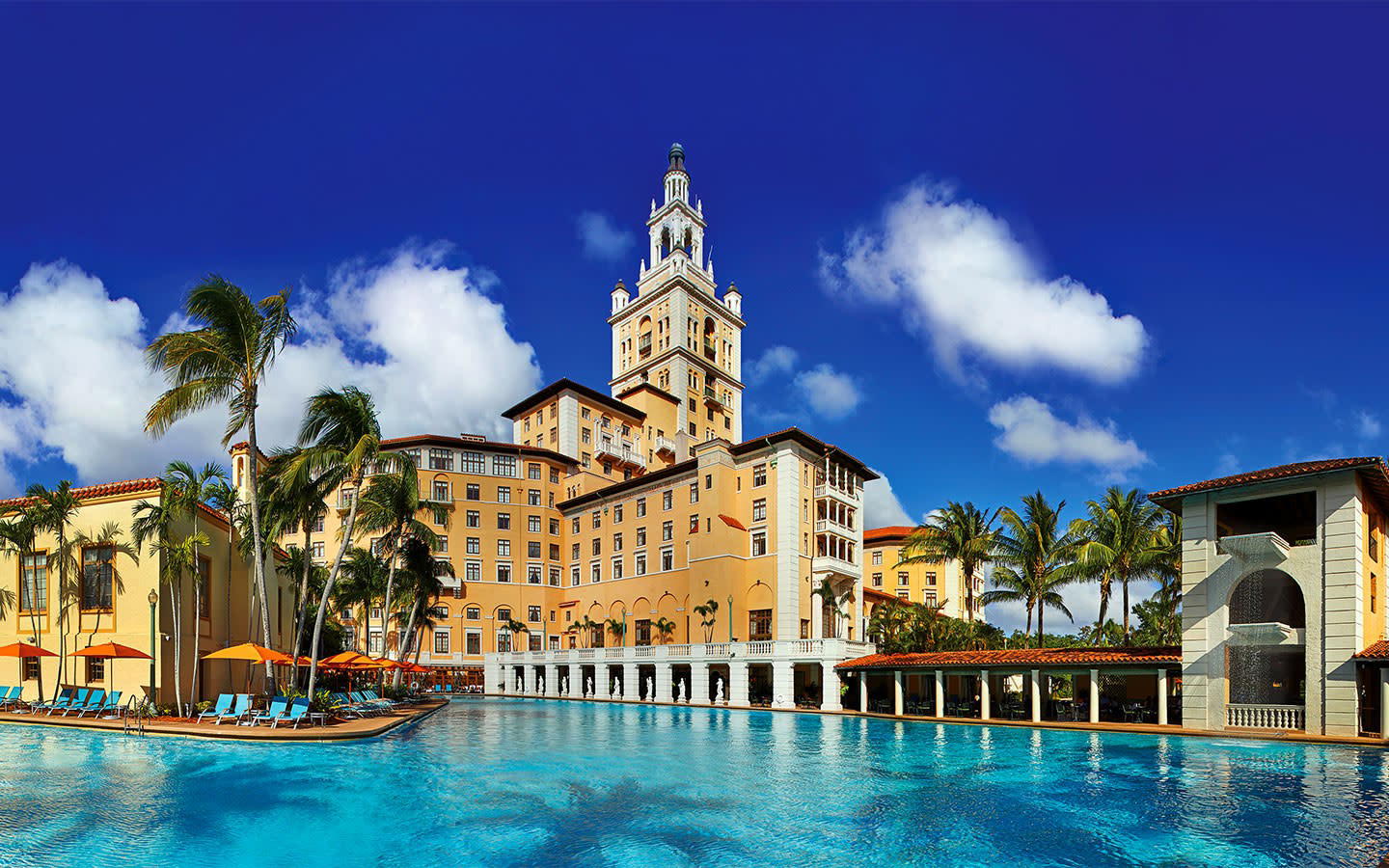
That character differentiates Coral Gables from Miami's louder dining districts. Brickell's high-rise density and Wynwood's art-tourism energy produce a different kind of restaurant, one calibrated for spectacle and turnover. Coral Gables, by contrast, has attracted operations that lean into neighborhood permanence: the Afternoon Tea at The Biltmore is a deliberate anachronism that works precisely because the neighborhood still has room for that pace. Aragon Café and Arcano occupy different points on the formality register but share that sense of local rootedness. La Palma sits within that fabric.
American Fine Dining's Current Coordinates
For readers who benchmark Coral Gables restaurants against the national field, the reference set is worth mapping. Le Bernardin in New York City and Alinea in Chicago anchor the formal end of the American dining spectrum, where tasting menus and white-tablecloth service remain the dominant format. The French Laundry in Napa and Providence in Los Angeles occupy a similar tier on the coasts. Further along the experimental axis, Lazy Bear in San Francisco and Atomix in New York City have built formats around communal interaction and Korean fine dining respectively. Addison in San Diego and The Inn at Little Washington demonstrate that fine dining ambition extends well beyond gateway cities.
South Florida has its own version of that ambition, calibrated to a climate, a demographic mix, and a hospitality culture that skews more casual than the Northeast. Emeril's in New Orleans offers a useful comparison point: a Southern city with a serious dining identity that operates outside the New York or San Francisco gravitational pull, and succeeds on local terms. Coral Gables is building toward a similar self-sufficiency. For international reference, the sourcing-first model has global practitioners, including 8½ Otto e Mezzo Bombana in Hong Kong, where Italian fine dining discipline travels intact to a market that demands the same ingredient rigour.
Planning a Visit
La Palma is located at 116 Alhambra Circle, Coral Gables, FL 33134, within comfortable walking distance of the Miracle Mile retail corridor and the surrounding residential streets that define the neighborhood's character. Coral Gables is most accessible by car or rideshare from central Miami, with street parking generally available in the immediate area. As specific booking methods, hours, and pricing for La Palma are in, contacting the venue directly or consulting our full Coral Gables restaurants guide for the most current operational details is the practical first step before planning a reservation.
Frequently asked questions
Where is La Palma located?
La Palma is located at 116 Alhambra Cir, Miami, FL 33134, Coral Gables.
How does La Palma fit into the wider Coral Gables dining scene compared to other Alhambra Circle restaurants?
Coral Gables has built a dining register over the past decade that tracks closer to South Florida's serious end than the city's tourist-facing strip operations, and La Palma's placement on Alhambra Circle puts it inside that conversation. The address at 116 Alhambra Circle sits within a low-rise, walkable precinct where the restaurant demographic skews toward residents and professionals rather than transient visitors. That local density tends to hold kitchens to a different standard of consistency than destination-only dining rooms.
What's the best thing to order at La Palma?
What the Coral Gables dining scene broadly rewards at addresses like 116 Alhambra Circle is ingredient-led preparation where sourcing is transparent. Ask your server what is seasonal and local on the day you visit — that question tends to surface the kitchen's actual priorities.
Do they take walk-ins at La Palma?
Walk-in policy has not been confirmed for La Palma at 116 Alhambra Circle, Coral Gables. Restaurants in this corridor, particularly those with a committed local following, often operate with reserved seating during peak evening hours. Arriving early in the service window or at the bar, if one exists, is the practical approach when advance booking is uncertain.
What is La Palma known for?
La Palma occupies a position on Alhambra Circle in Coral Gables, a stretch that has attracted some of the more serious dining operations in South Florida over the past decade. The address places it within walking distance of the Miracle Mile corridor, giving it proximity to both the neighbourhood's residential base and its retail and hotel traffic. Its reputation appears tied to the broader Coral Gables ethos of considered, ingredient-aware cooking rather than the volume-driven model common in Miami proper.
Is La Palma allergy-friendly?
At 116 Alhambra Circle, Coral Gables, the practical step is to check the venue's official channels before visiting, as kitchens in the fine-casual and fine dining tier typically handle dietary requirements at the time of reservation rather than through a fixed menu notation.
A Quick Peer Check
| Venue | Cuisine | Price | Awards | Notes |
|---|---|---|---|---|
| La PalmaThis venue — the venue you are viewing | Traditional Northern Italian | Not listed | Not listed | Not listed |
| Shingo | Edomae-Style Omakase | $200–300 | 1 Michelin Star | Japanese |
| Eating House | Modern Fusion | $50–100 | Not listed | Not listed |
| Hillstone | Polished American with Sushi | $50–100 | Not listed | Not listed |
| Tinta y Cafe | Cuban Café & Sandwich Shop | $10–20 | Michelin Bib Gourmand · Eater Coffee Guide | Not listed |
| Zitz Sum | Modern Japanese-Italian Fusion | $100–150 | Michelin Bib Gourmand | Not listed |
Continue exploring
More in Coral Gables
Restaurants in Coral Gables
All restaurants in Coral Gables →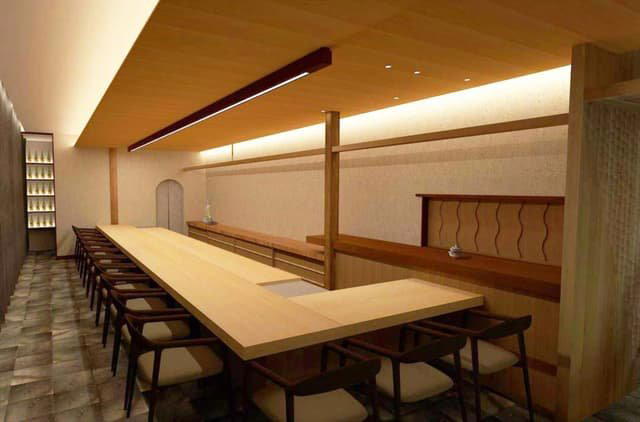
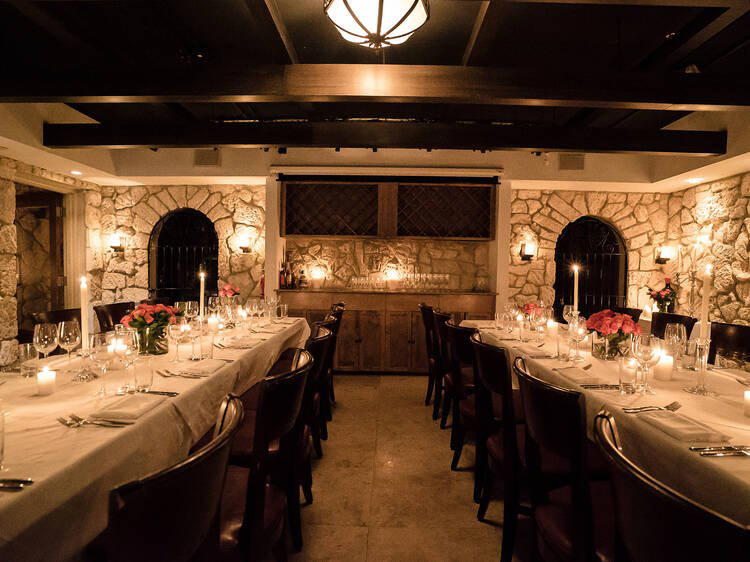
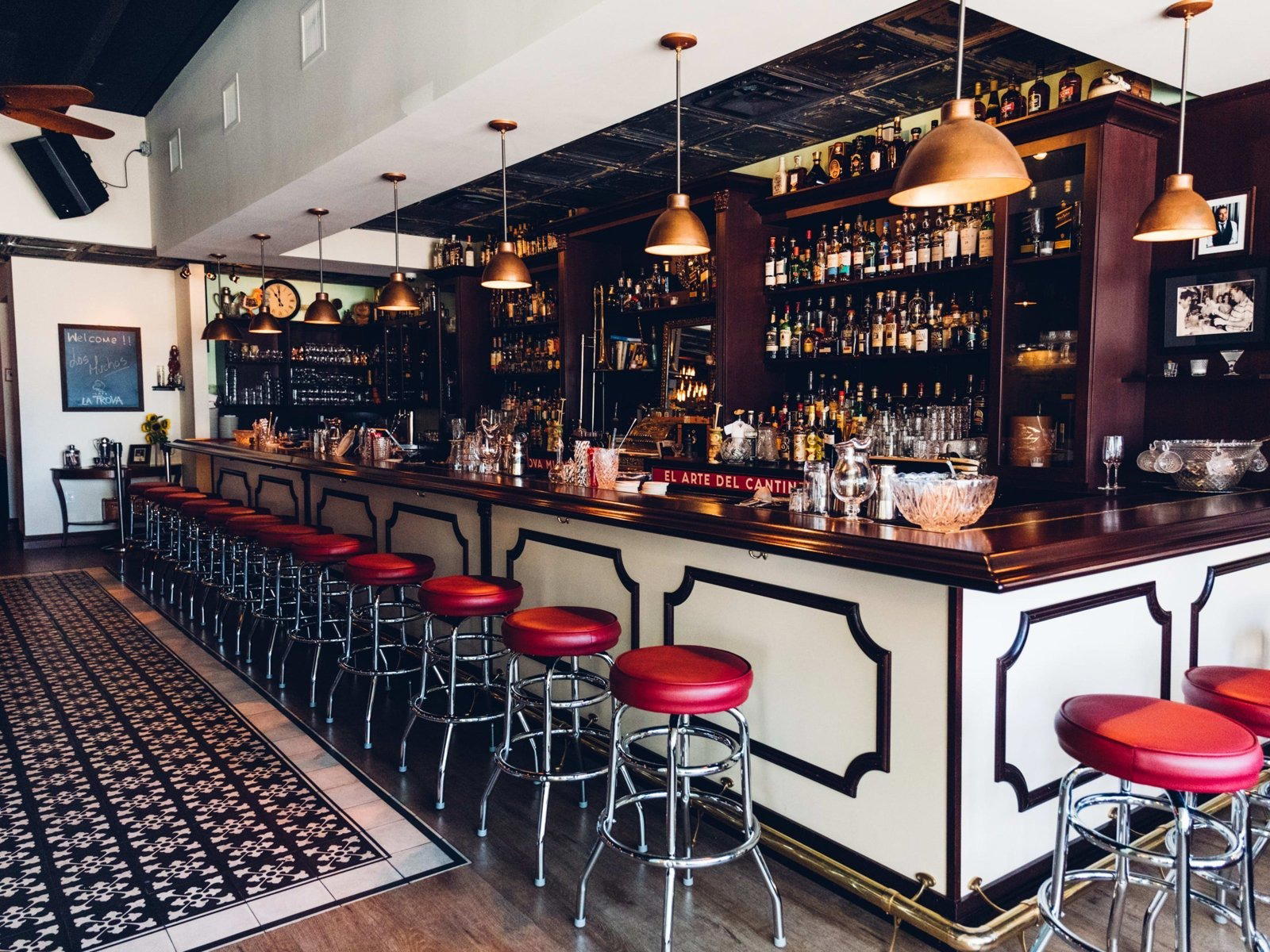
Bars in Coral Gables
All bars in Coral Gables →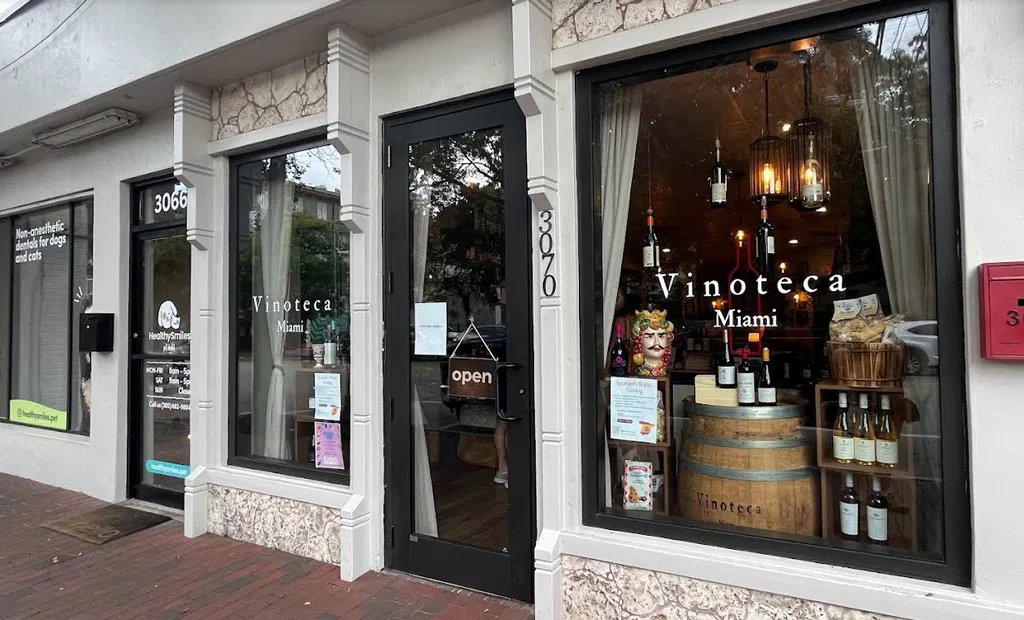
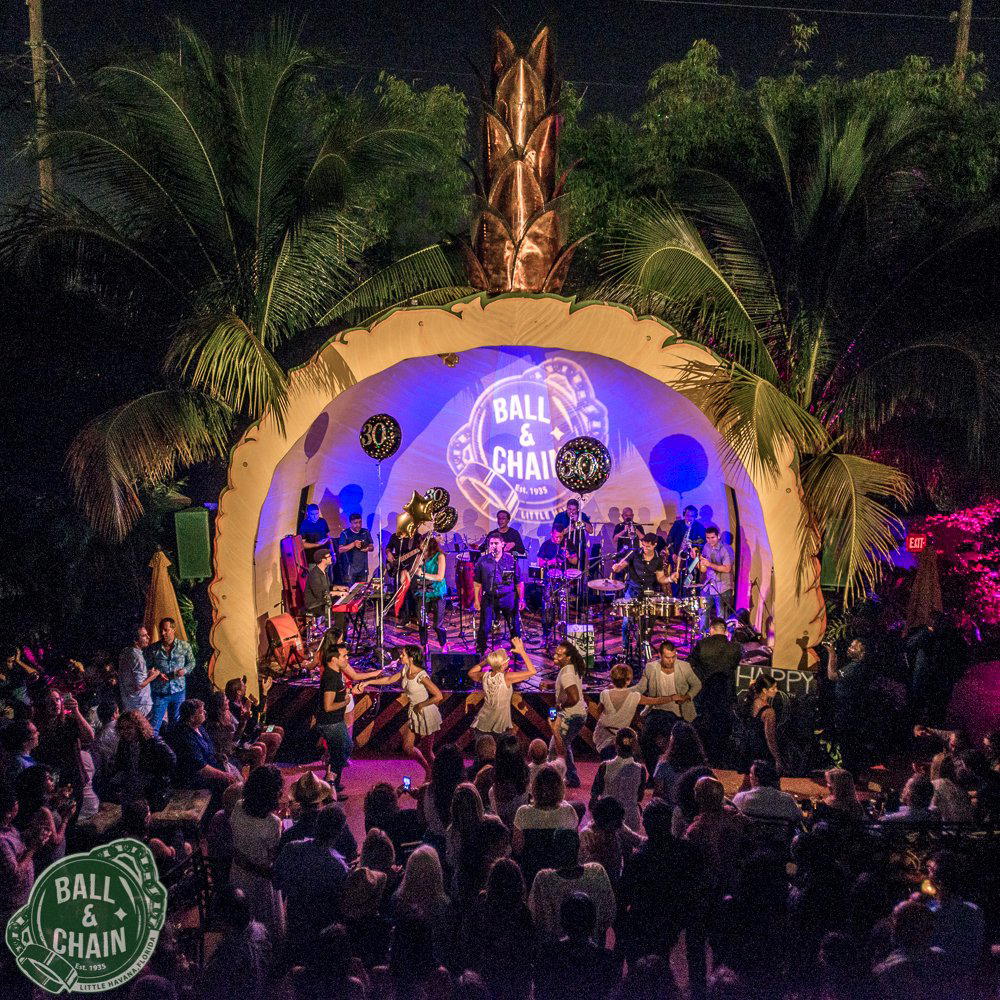
La Palma
The wine
- Wine program
- Curated wine list
- Extensive wine list
Details
- Romantic
- Classic
- Elegant
- Scenic
- Date Night
- Business Dinner
- Courtyard
- Historic Building
- Garden
- Standalone
- Extensive Wine List
- Garden
- A La Carte
- Prix Fixe
- Wine
- Vegetarian Friendly
Tree-shaded dining patio with warm bistro lighting and historic charm, creating an intimate and romantic atmosphere.