Afternoon Tea at The Biltmore
Our verdict
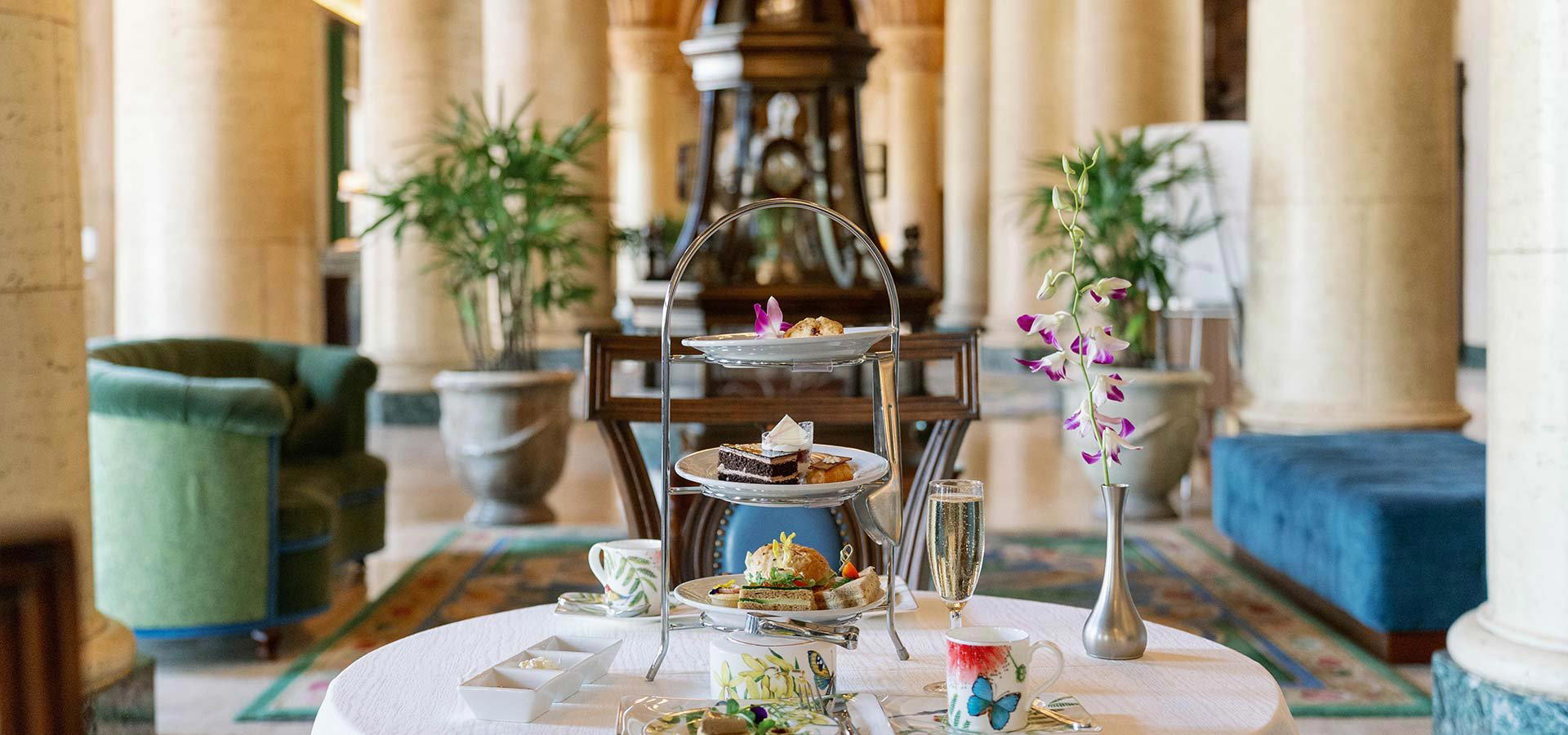
Afternoon tea at The Biltmore places one of Coral Gables' most storied settings — a 1926 National Historic Landmark hotel — into a format with clear British antecedents and a distinctly South Florida character. The ritual unfolds inside a property that has hosted heads of state and Hollywood royalty, making it among the most architecturally grounded tea services in the American South.

Pearl is the En Primeur Club membership app — saves, bookings, and concierge access live there. Same editors, same standards.
The menu
What to order
- Scones with devonshire cream
- Smoked salmon blini
- Truffled deviled egg
- Fruit tarts
Where a 1926 Landmark Meets a Living Ritual
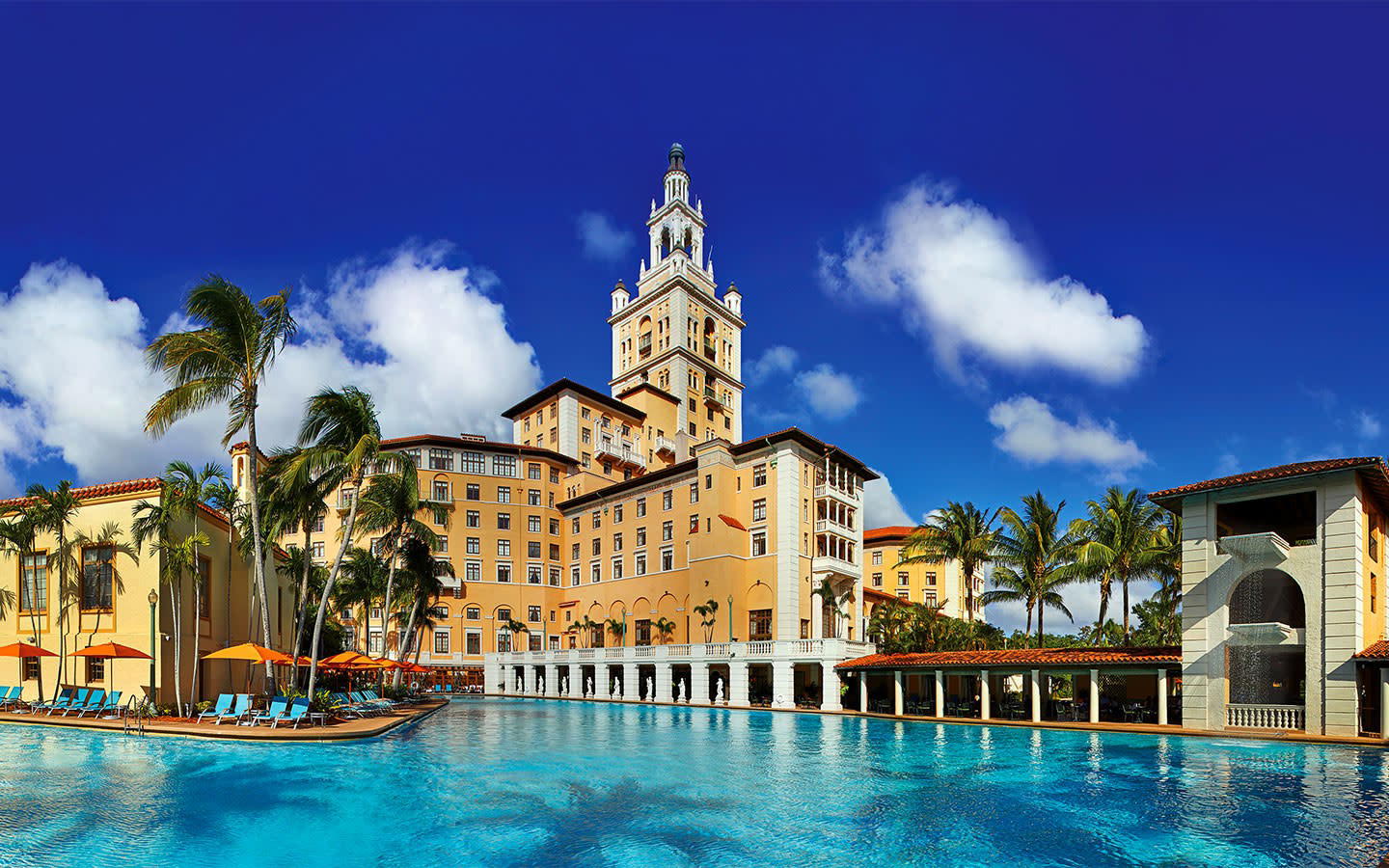
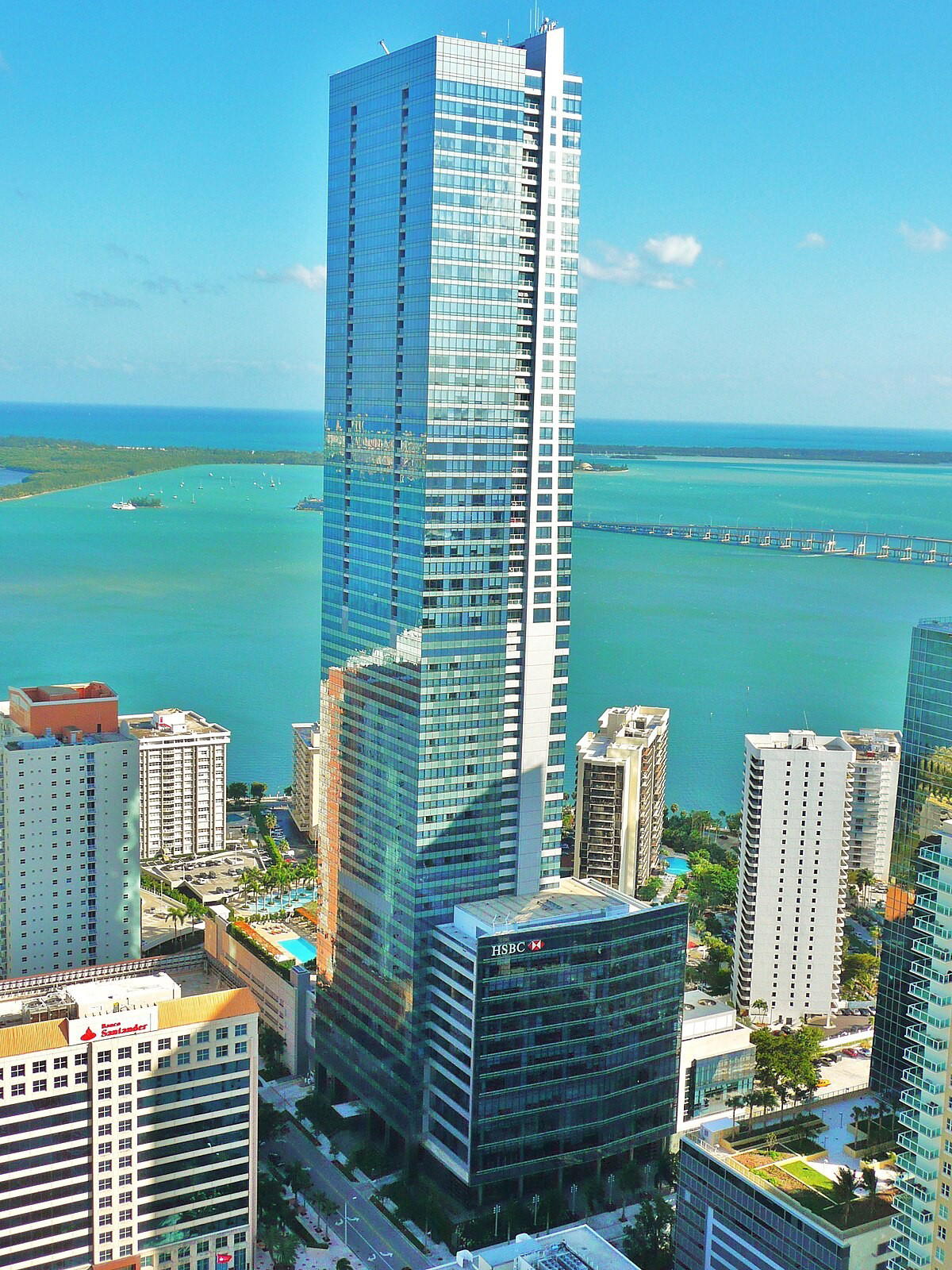
The approach to The Biltmore along Anastasia Avenue prepares you for something deliberate. The Mediterranean Revival tower, visible from several blocks, has anchored Coral Gables since 1926 — the year George Merrick's planned city was still under construction around it. Walking through the lobby arcade toward the tea service, the scale and material seriousness of the place make a clear argument: this is not a hotel that retrofitted afternoon tea as a weekend revenue play. The tradition sits naturally inside architecture that was designed, from the beginning, to support ceremonial European leisure in a subtropical American city.
That tension — European formality against South Florida informality, defines the afternoon tea format across the region. At The Biltmore, the pull toward the formal side is stronger than at most Florida properties. The building's designation as a National Historic Landmark, its place in the National Register of Historic Places, and its documented history as a Second World War military hospital and later a Veterans Administration facility give it a weight that few American hotels can claim. Afternoon tea here operates against that backdrop, not despite it.
The British Format in an American Context
Afternoon tea as a service format has a specific genealogy: mid-19th century Britain, attributed to the seventh Duchess of Bedford, who began taking tea and food in the late afternoon to bridge the gap between a light lunch and a late dinner. The format codified quickly, tiered stands, finger sandwiches on the bottom, scones in the middle, pastries on leading, and exported itself across the British Empire and, eventually, into American grand hotels that wanted to signal cosmopolitan ambition.
Grand American hotels have been running afternoon tea programs since the late 19th century, most famously at properties in New York and Boston. Florida's entry into that tradition came later, tied to the winter resort culture of the 1920s boom years. The Biltmore sits at the origin point of that Florida chapter. Merrick built the hotel to attract a wealthy northern clientele who expected European-standard hospitality at a winter latitude. Afternoon tea was part of that proposition from early in the hotel's life, and the current program is a continuation of that positioning rather than a recent invention.
That historical depth puts the Biltmore's tea service in a different conversation than, say, a boutique hotel program set up in the last five years. It belongs to the cohort of American afternoon tea venues that can claim genuine institutional continuity, a shorter list than the marketing around the format often implies.
South Florida's Dining Frame
Coral Gables runs a competitive dining scene that skews toward full-service restaurants rather than ceremony-format experiences. Shingo operates at the high end of the Japanese counter format, while 450 Gradi and Aragon Café anchor more casual European-influenced dining. Arcano and Armstrong Jazz House represent the city's range from contemporary dining to live-performance venues. See our full Coral Gables restaurants guide for the broader picture.
Afternoon tea occupies a distinct niche within that frame. It is not a meal in the conventional sense, and it is not a bar program. It is a paced social format with specific service rhythms, and the venues that run it well understand they are selling time and occasion as much as food. The Biltmore's version benefits from a property that was engineered for exactly this kind of unhurried, occasion-driven hospitality.
Nationally, the afternoon tea format sits in interesting company. Compared to the tasting-menu intensity of restaurants like Le Bernardin in New York City, The French Laundry in Napa, or Smyth in Chicago, afternoon tea operates in a register where the experience itself, the pace, the setting, the ritual, carries as much weight as individual dishes. That is also true at venues like Single Thread Farm in Healdsburg, Blue Hill at Stone Barns in Tarrytown, and Lazy Bear in San Francisco, all of which treat the total experience arc, arrival, pacing, departure, as part of the editorial content. Afternoon tea makes that argument more explicitly than almost any other format.
What the Setting Delivers
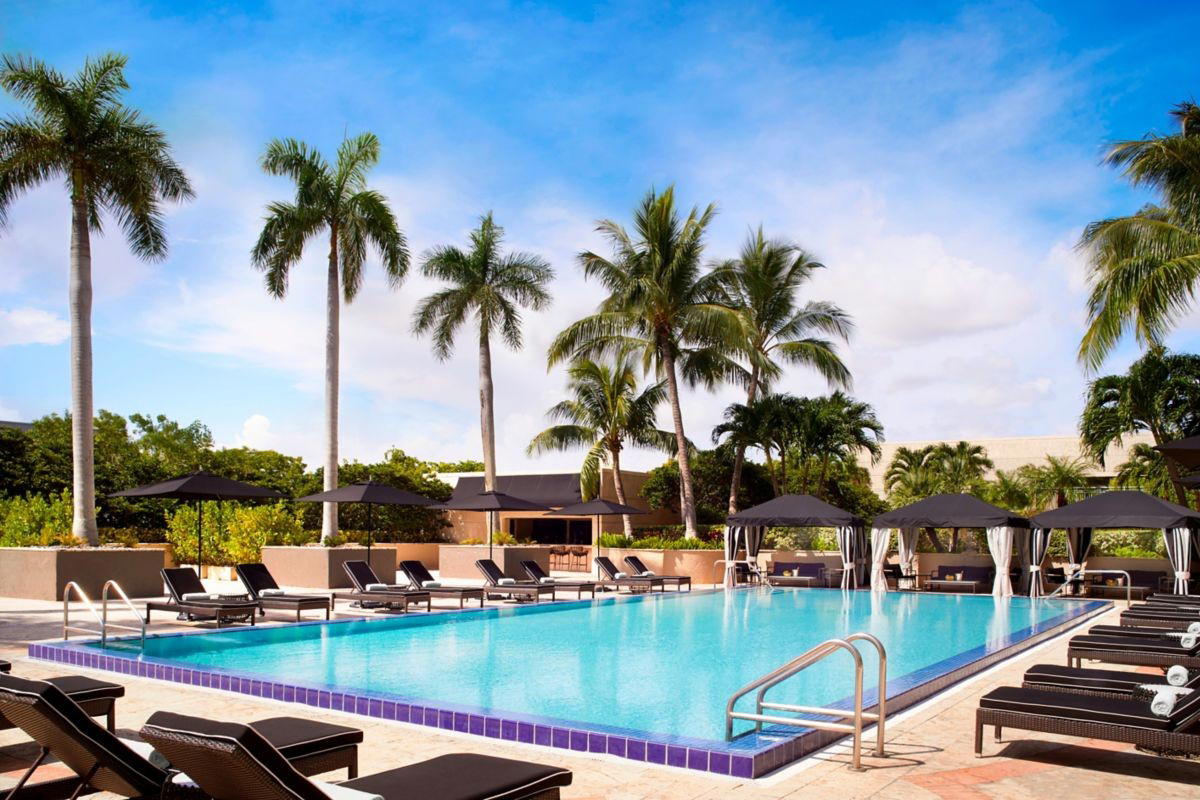
The Biltmore's physical environment does specific work here. The Coral Gables building operates at a scale that smaller boutique hotels cannot replicate: the grand lobby, the courtyard, the pool area, at 23,000 square feet, one of the largest hotel pools in the continental United States, all communicate a version of leisured abundance that the afternoon tea format requires to feel coherent rather than forced. In venues where the setting and the service format are mismatched, afternoon tea can read as nostalgic cosplay. At The Biltmore, the match is close enough that the format feels earned.
This is also why the comparison with European-trained precision dining elsewhere in the American South matters. Emeril's in New Orleans, Addison in San Diego, Providence in Los Angeles, The Inn at Little Washington, Atomix in New York City, and Atelier Moessmer Norbert Niederkofler in Brunico all represent the high-craft end of experience-driven dining. Afternoon tea at a historic hotel operates in a different register, less technically demanding, more socially structured, but the underlying logic is shared: the environment does as much editorial work as the kitchen.
Planning a Visit
Afternoon tea services at major historic hotels in the United States typically run on weekend schedules with advance booking strongly advised, particularly during peak tourism windows. For The Biltmore, Coral Gables' heaviest visitor traffic runs from November through April, when northern visitors arrive for the winter season, a pattern that dates to the hotel's original market positioning in the 1920s. Booking at least one to two weeks ahead during that window is the practical baseline; weekend slots at well-established programs in similarly sized historic hotels tend to fill on shorter notice than most guests expect.
The hotel is accessible from downtown Miami via the Metrorail Douglas Road station, from which the property is reachable by taxi or rideshare in under ten minutes. Self-parking is available on the property. The address is 1200 Anastasia Ave, Coral Gables, FL 33134. Given the building's formal character, smart-casual dress is the minimum that reads appropriately; the setting rewards being slightly overdressed rather than under.
Frequently asked questions
What's the address for Afternoon Tea at The Biltmore?
Afternoon Tea at The Biltmore is located at 1200 Anastasia Ave, Coral Gables, FL 33134, Coral Gables.
How does afternoon tea at The Biltmore differ from other Miami-area tea services?
The Biltmore's 1926 Mediterranean Revival architecture on Anastasia Avenue in Coral Gables provides a context that few South Florida venues can match — the property was built at a civic scale intended to anchor an entire neighbourhood. Most Miami-area afternoon tea options operate inside contemporary hotel dining rooms or boutique settings, whereas the Biltmore positions the service within genuine historic fabric. That architectural weight is what separates the experience from comparable offerings in the region.
What dish is Afternoon Tea at The Biltmore famous for?
The Biltmore's afternoon tea follows the classic British three-tier format — finger sandwiches, scones, and pastries — served within a 1926 Mediterranean Revival landmark on Anastasia Avenue. The setting itself shapes the experience as much as any single dish: the scale of the Coral Gables property is difficult for smaller venues in South Florida to replicate. Specific menu items are subject to seasonal rotation and are best confirmed directly with the hotel.
Should I book Afternoon Tea at The Biltmore in advance?
Advance booking is strongly advised. Afternoon tea at major historic hotels across the United States typically runs on a limited weekend schedule, and The Biltmore's profile in Coral Gables draws both local residents and visitors staying along the Miami corridor. Walk-in availability is not reliable, particularly on holiday weekends.
What has Afternoon Tea at The Biltmore built its reputation on?
The reputation rests primarily on the building itself. The Biltmore opened in 1926 and operates at a physical scale — the tower is visible from several blocks along Anastasia Avenue — that positions the tea service as a ceremony rather than a casual dining occasion. Coral Gables runs a competitive dining scene that skews toward full-service restaurants, making a dedicated formal tea format relatively rare in this market.
Pricing, Compared
Comparable venues nearby, for context on price, style, and recognition.
| Venue | Cuisine | Price | Awards | Notes |
|---|---|---|---|---|
| Afternoon Tea at The BiltmoreThis venue — the venue you are viewing | Traditional British Afternoon Tea | $50–100 | Not listed | Not listed |
| RoSteakhouse | Mexican-Inspired Steakhouse | $50–100 | Not listed | Coral Gables, Mexican-Inspired Steakhouse |
| Bugatti Bistro | Traditional Italian Pasta Bistro | $30–50 | Not listed | Coral Gables, Traditional Italian Pasta Bistro |
| Daniel's Miami | Modern Steakhouse | $150–200 | Star Wine List · Wine Spectator Best of Award of Excellence | Coral Gables, Modern Steakhouse |
| Armstrong Jazz House | French-Steakhouse with Caribbean Fusion | $50–100 | Not listed | Miracle Mile, French-Steakhouse with Caribbean Fusion |
| Arcano | Spanish Tapas with Latin Soul | $30–50 | Not listed | Coral Gables, Spanish Tapas with Latin Soul |
Continue exploring
More in Coral Gables
Restaurants in Coral Gables
All restaurants in Coral Gables →
Bars in Coral Gables
All bars in Coral Gables →

Details
- Elegant
- Classic
- Sophisticated
- Ornate
- Special Occasion
- Celebration
- Brunch
- Historic Building
- Hotel Restaurant
- Live Music
- Set Menu
- Tea Program
- Allergy Accommodating
Elegant setting in a grand lobby with soaring vaulted ceilings, magnificent fireplace, soft garden flower tablescapes, and soothing harp music.