Dojo Izakaya
Our verdict
Dojo Izakaya brings the communal, after-work spirit of Japan's izakaya tradition to Giralda Avenue in Coral Gables, where the city's Latin American character and Florida's subtropical larder create a distinct local register. The format — shared plates, unhurried pacing, drink-forward ordering — translates with surprising ease into Miami's dining culture. It sits on a street that has steadily built a serious dining identity over the past decade.

Pearl is the En Primeur Club membership app — saves, bookings, and concierge access live there. Same editors, same standards.
The menu
What to order
- Berkshire Pork Chop Tonkatsu
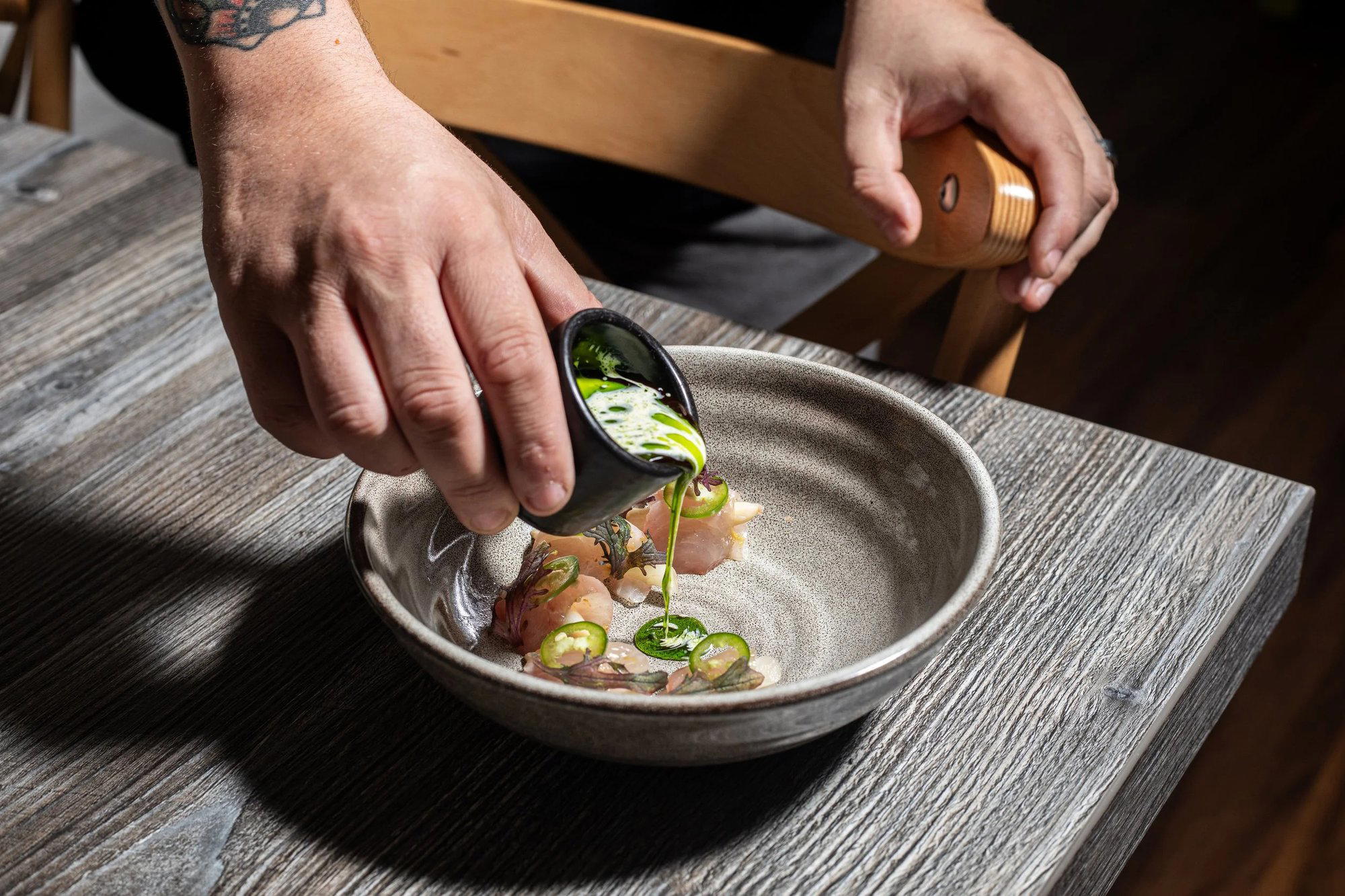
- Kampachi Crudo
- Karaage
Giralda Avenue and the Logic of the Izakaya in South Florida
There is a particular quality to Giralda Avenue on a weekday evening: the street narrows, the canopy of trees holds the last of the heat, and the outdoor tables fill with the kind of crowd that has finished work but is not ready to go home. It is, without anyone having planned it this way, the closest thing Coral Gables has to a European drinking street — and that makes it a plausible home for an izakaya, a format whose entire premise is the reluctance to leave.
The izakaya, in its original Japanese context, is not a restaurant in the Western sense. It is a category built around drinking punctuated by food, where the menu exists to extend the evening rather than anchor it. The format has traveled well to cities where that social rhythm already exists — and South Florida, with its outdoor culture and late-evening eating habits, provides more natural conditions than most American cities. Dojo Izakaya, at 148 Giralda Ave in Coral Gables, occupies that convergence.
The Technique-Ingredient Intersection
What gives the izakaya format its particular tension in South Florida is the confrontation between Japanese culinary method and a subtropical ingredient environment that has nothing in common with Japan's coastline or temperate farms. That friction, imported technique meeting local product, is where the more serious operators in this category find their editorial identity.
Japanese cooking, at its disciplined end, is a cuisine of precision applied to exceptional raw material: the right cut at the right temperature, the right aging window, the right acid balance. Florida's larder is different in almost every dimension, the fish species, the citrus varieties, the heat-driven produce calendar. What happens when that methodological precision is applied to Gulf snapper rather than Pacific yellowtail, or when yuzu brine meets Key lime acidity, is not a dilution of technique but a translation of it. The most coherent izakaya operations in the United States are navigating exactly this problem, and Coral Gables, with its demographically mixed, travel-literate population, is an audience that can read the result.
Elsewhere in the city's dining scene, this kind of cross-referencing is already normalized. Shingo applies Japanese precision to a fine-dining register on the same street tier. Arcano and Aragon Café both operate with a culinary fluency that assumes a diner who has eaten widely. Dojo Izakaya fits into that broader pattern of Coral Gables as a neighborhood that takes its food seriously without the volume or performance of South Beach.
Where This Format Sits in the American Dining Conversation
The izakaya has become a meaningful format category in American cities over the past fifteen years, moving from novelty ethnic-restaurant status into a recognized mode of dining that serious operators treat with the same structural attention as any other cuisine type. In cities with dense Japanese-American populations, Los Angeles, Seattle, New York, the format has matured into a spectrum running from street-level casual to technically demanding omakase-adjacent counters. Miami is earlier in that cycle, which means there is both more room and more risk.
The comparison set for a Coral Gables izakaya is not the kaiseki rooms of New York or the high-wire tasting formats found at places like Atomix in New York City or Smyth in Chicago. Those are different ambitions entirely. The more useful frame is the neighborhood-anchored, drink-forward format where the food earns its keep through consistency and craft rather than through spectacle. At that tier, the questions are: does the kitchen have enough technical command to make the shared-plate format feel intentional rather than scattered, and does the drink program have the depth to justify the izakaya premise?
Nationally, the restaurants shaping the conversation around local-ingredient precision, Single Thread Farm in Healdsburg, Blue Hill at Stone Barns in Tarrytown, operate at a fundamentally different price point and formality level. But the underlying editorial argument they make, that place-specific ingredients processed through disciplined technique produce something more interesting than either element alone, is exactly the argument a Florida izakaya can make at a more accessible register.
The Giralda Setting and What It Demands
Giralda Avenue functions as something of a proving ground for Coral Gables dining. The street has enough foot traffic to sustain a new opening but enough dining literacy in its regular clientele to punish a format that is poorly executed. 450 Gradi has built a consistent following there on product quality alone. Afternoon Tea at The Biltmore trades on institutional gravity nearby. These are not soft competitors.
For an izakaya specifically, the outdoor-table culture of Giralda is an asset: the format's social architecture, multiple dishes arriving at irregular intervals, conversation as the organizing principle, works better in the open air than in a compressed interior. South Florida's dining season (roughly October through May, when the heat breaks and the population density rises) aligns well with the unhurried pacing the format requires. Arriving during the shoulder season, before the winter influx, often means shorter waits and a room that has settled into its rhythm.
Planning a Visit
Dojo Izakaya is located at 148 Giralda Ave, Coral Gables, FL 33134, on the pedestrianized stretch of Giralda that anchors the neighborhood's evening dining circuit. Given the format, shared plates, group-friendly, drink-led, the experience is better calibrated to two or more diners than to a solo visit. For the broader Coral Gables dining picture, our full Coral Gables restaurants guide covers the neighborhood's current range in detail.
Those with an appetite for comparison across the American dining spectrum will find useful reference points in Lazy Bear in San Francisco, Providence in Los Angeles, and Le Bernardin in New York City, not as peers in price or format, but as anchors for understanding how serious culinary intent manifests across different American cities and registers. Addison in San Diego, Emeril's in New Orleans, The French Laundry in Napa, The Inn at Little Washington, and Atelier Moessmer Norbert Niederkofler in Brunico each represent what happens when a regional dining identity reaches its most articulated form. The izakaya in Coral Gables is playing a different game, but the underlying logic of rooted, technique-driven cooking applies across every tier.
Frequently asked questions
Where is Dojo Izakaya located?
Dojo Izakaya is located at 148 Giralda Ave, Coral Gables, FL 33134, Coral Gables.
How does Dojo Izakaya fit into the Coral Gables dining scene?
Coral Gables skews heavily toward European and Latin American dining, which makes a Japanese izakaya on Giralda Ave a distinct category rather than one of several competing options. The izakaya model — built around drinks, small plates, and extended table time — aligns well with the pedestrian pace of the Giralda strip. For diners familiar with the format from cities with denser Japanese dining scenes, Dojo at 148 Giralda Ave offers a comparable framework in a South Florida context.
What do people recommend at Dojo Izakaya?
Dojo Izakaya follows the izakaya format, which centers on shareable small plates designed for grazing across the table rather than individual entrees. Given the Coral Gables address on Giralda Ave's pedestrianized stretch, the ordering pattern tends toward multiple rounds rather than a single composed plate. Specific dishes are best confirmed directly with the venue before visiting.
Is Dojo Izakaya reservation-only?
Giralda Avenue draws consistent evening foot traffic in Coral Gables, so walk-in availability can shift by night of the week. Contacting the venue directly before visiting is the safest approach.
What makes Dojo Izakaya worth seeking out?
The izakaya format remains underrepresented in South Florida compared to cities like New York or Los Angeles, where it has moved firmly into the mainstream dining conversation over the past fifteen years. Dojo Izakaya places that format on Giralda Avenue, one of Coral Gables' more active pedestrian dining corridors, which gives it a setting that suits the format's social, multi-order rhythm. The subtropical ingredient environment in Miami also creates a specific tension with Japanese culinary method that doesn't exist in northern markets.
Comparable Venues
Comparable venues nearby, for context on price, style, and recognition.
| Venue | Cuisine | Price | Notes |
|---|---|---|---|
| Dojo IzakayaThis venue — the venue you are viewing | Modern Japanese Izakaya | $50–100 | Not listed |
| MesaMar | Latin-Asian Seafood Fusion | Not listed | Coral Gables |
| CVI.CHE 105 - Coral Gables | Peruvian Ceviche with Nikkei Fusion | $30–50 | Coral Gables |
| Portosole | Authentic Italian Coastal | $50–100 | Coral Gables |
| The Collab | Mediterranean & Asian Fusion | Not listed | Coral Gables |
| Motek Coral Gables | Israeli-Mediterranean Kosher Bistro | $20–30 | Miracle Mile |
Continue exploring
More in Coral Gables
Restaurants in Coral Gables
All restaurants in Coral Gables →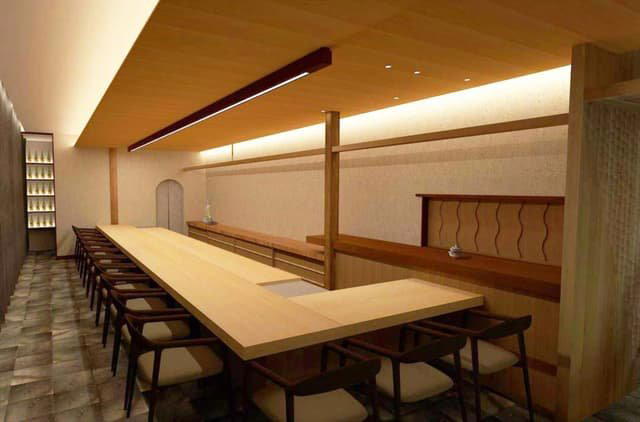
Bars in Coral Gables
All bars in Coral Gables →
Dojo Izakaya
The wine
- Wine program
- Curated wine list
- Sake program
Details
- Trendy
- Intimate
- Modern
- Date Night
- Casual Hangout
- Open Kitchen
- Sake Program
- Small Plates
- A La Carte
- Sake Program
Current opening hours
- Monday
- Closed
- Tuesday
- 6–9:45 PM
- Wednesday
- 6–9:45 PM
- Thursday
- 6–9:45 PM
- Friday
- 6–9:45 PM
- Saturday
- 6–9:45 PM
- Sunday
- Closed
Hours can change for holidays and private events. Last verified .
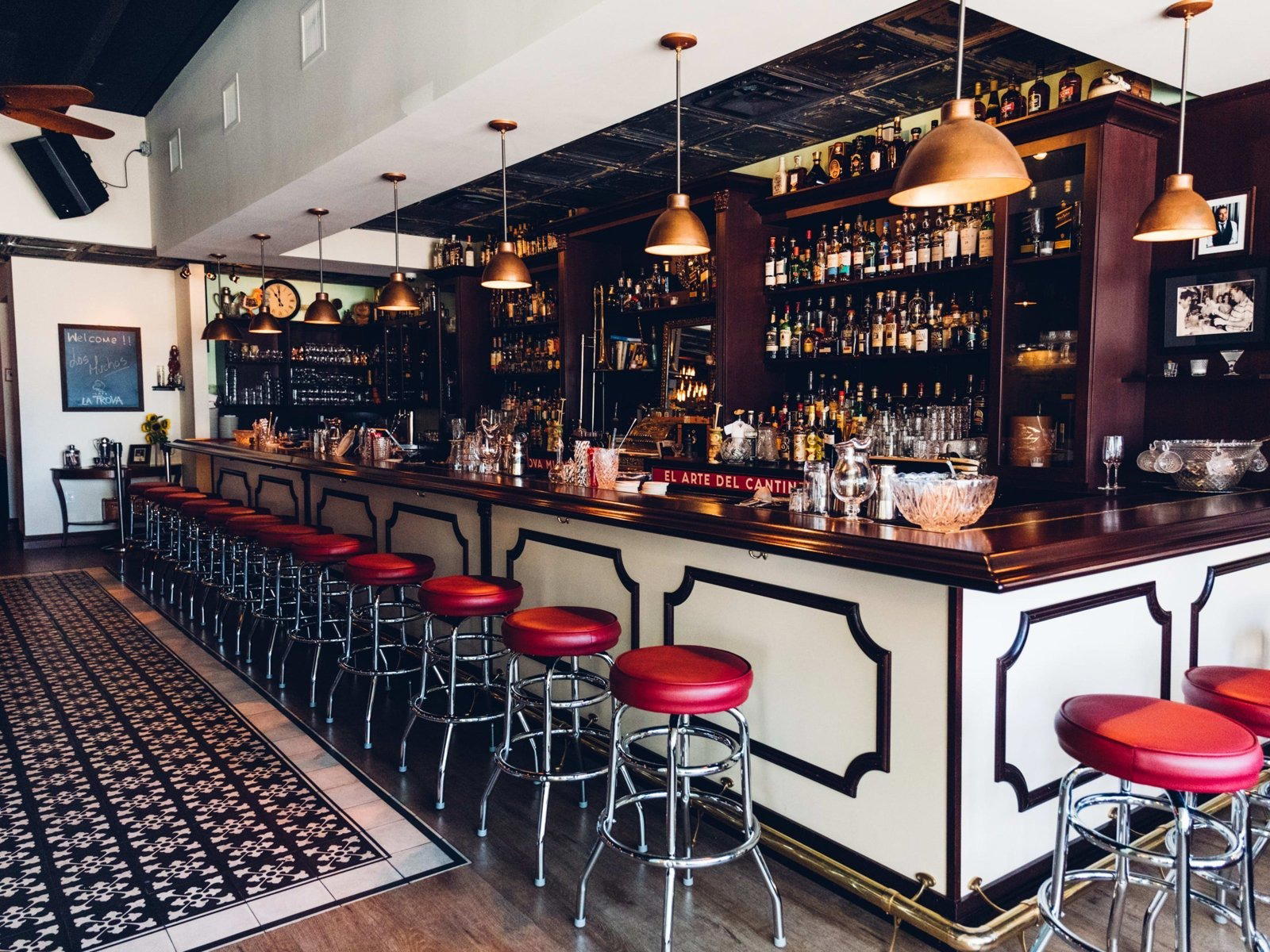
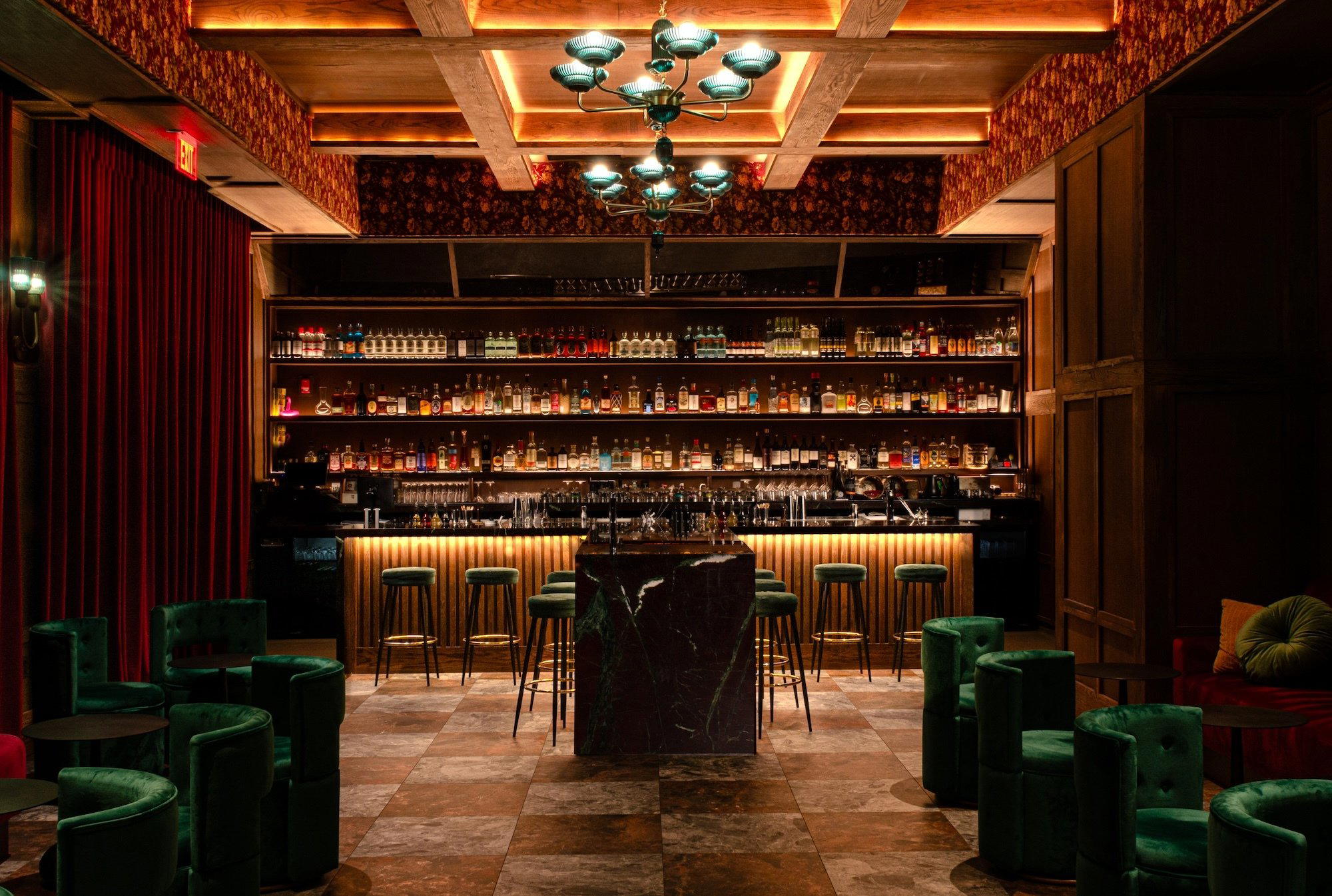
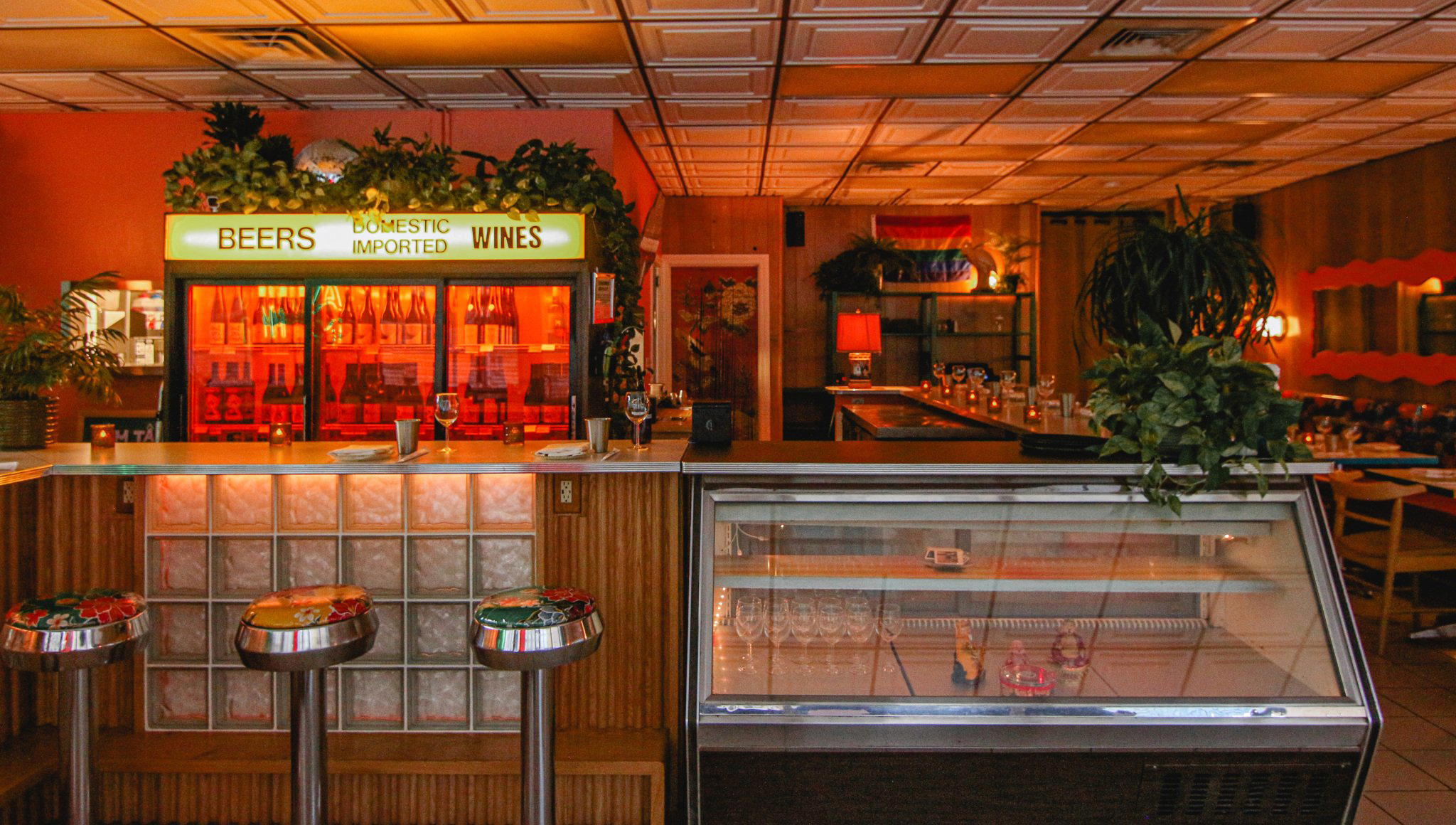
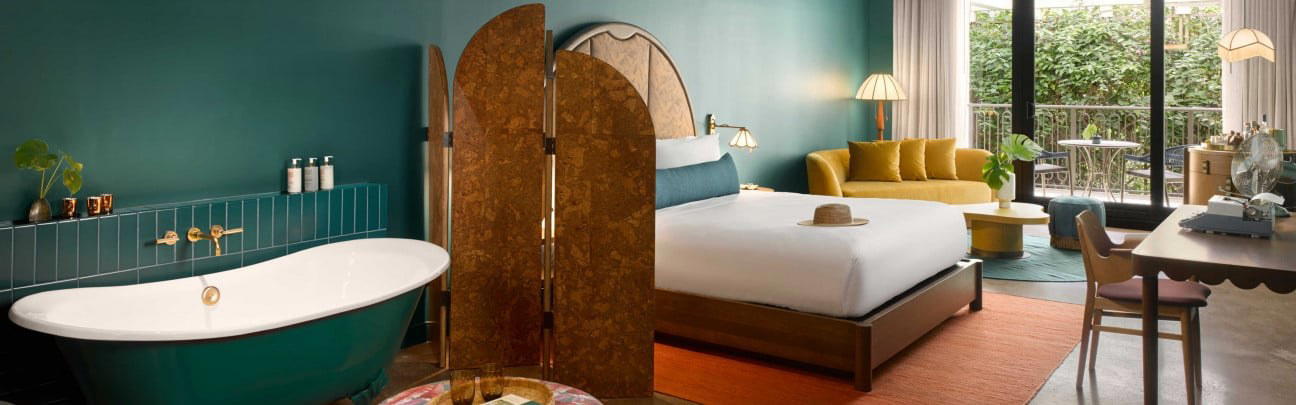
Comfortable and inviting Japandi interior with Bauhaus accents, fostering hospitality and familiarity.